Hayakawa’s debut short, made in 2014. As Yamame approaches her eighteenth birthday and prepares to leave the institution where she grew up, she discovers the existence of her grandparents and a shocking family secret. Niagara won the Grand Prix at the 2014 PFF Award and was selected for the Cinéfondation section at Cannes the same year.
Chie Hayakawa, ‘I want to keep making only the films I truly want to see’
Revealed to international audiences with ‘Plan 75’, the director continues with ‘Renoir’ a cinema that remains true to her personal vision.
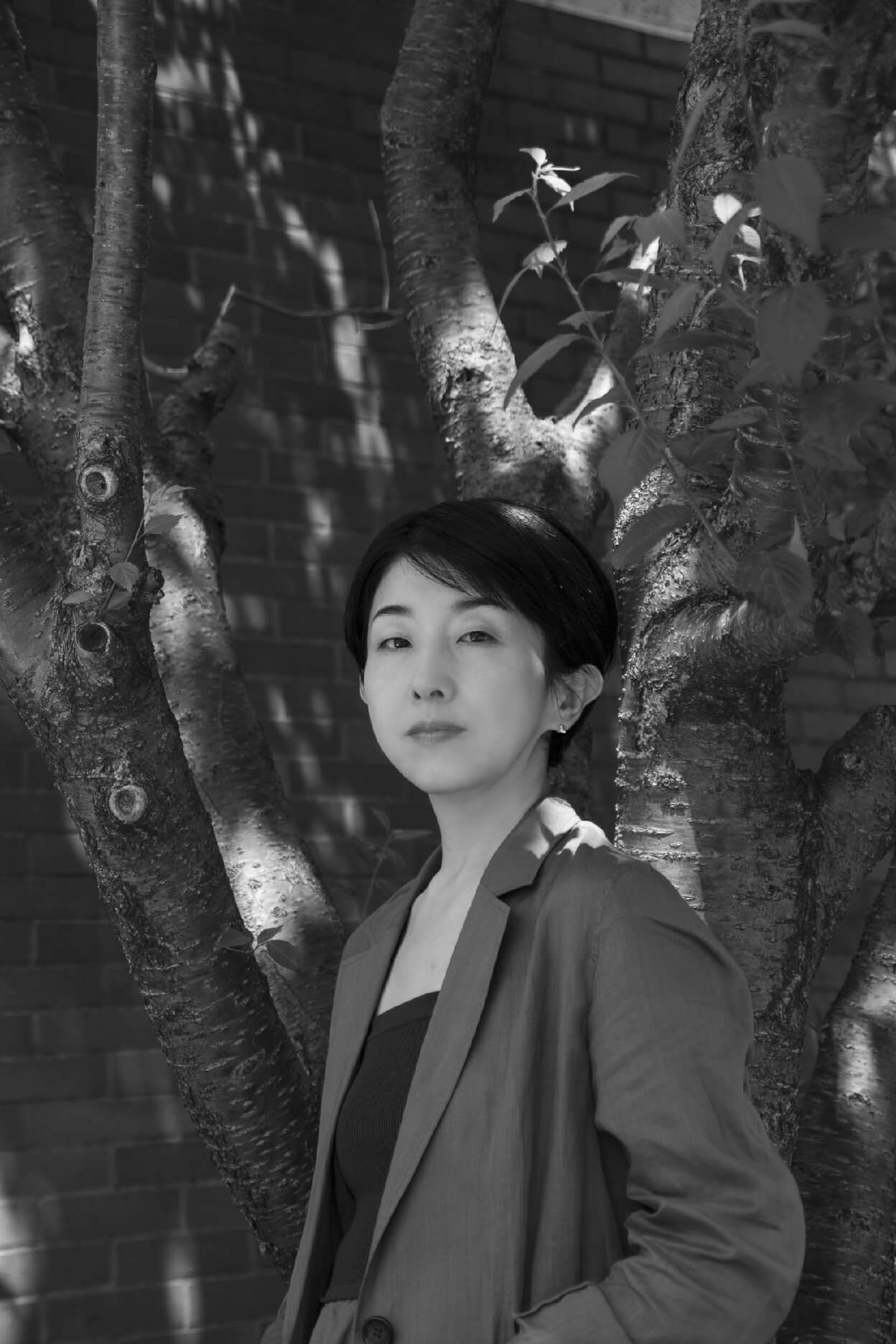
Chie Hayakawa was born in Tokyo in 1976. After studying photography at the School of Visual Arts in New York, she trained herself in filmmaking. She wrote and directed Plan 75, originally conceived as a segment of the anthology film Ten Years Japan, overseen by Hirokazu Kore-eda. The project later became her first feature film, which premiered at the 2022 Cannes Film Festival and received a special mention in the Un Certain Regard section. © Sakiko Nomura
‘For years, images of films I wanted to make had been building up inside me,’ Chie Hayakawa admits. ‘With this project, I was finally able to bring them out.’
Awarded a special mention in the Un Certain Regard section at the 2022 Cannes Film Festival for Plan 75, Hayakawa made her mark on the international scene with her very first feature. Yet this recognition came late: the filmmaker, who had dreamed of cinema since childhood, had to wait until her forties to release her debut fiction film. Today, with Renoir, she continues her unconventional path, faithful to her inner impulses.
‘I started wanting to make films when I was about eleven. I had dreamed of becoming a novelist since I was very young, but it was after seeing Kohei Oguri’s The Mud River in fourth grade that I became completely absorbed by cinema. The protagonist was a child, and the film expressed emotions I had experienced but hadn’t yet been able to put into words. It was strange to feel so much sympathy for this character. I thought, ‘I want to see more films like this.’ And I started watching everything I could.’
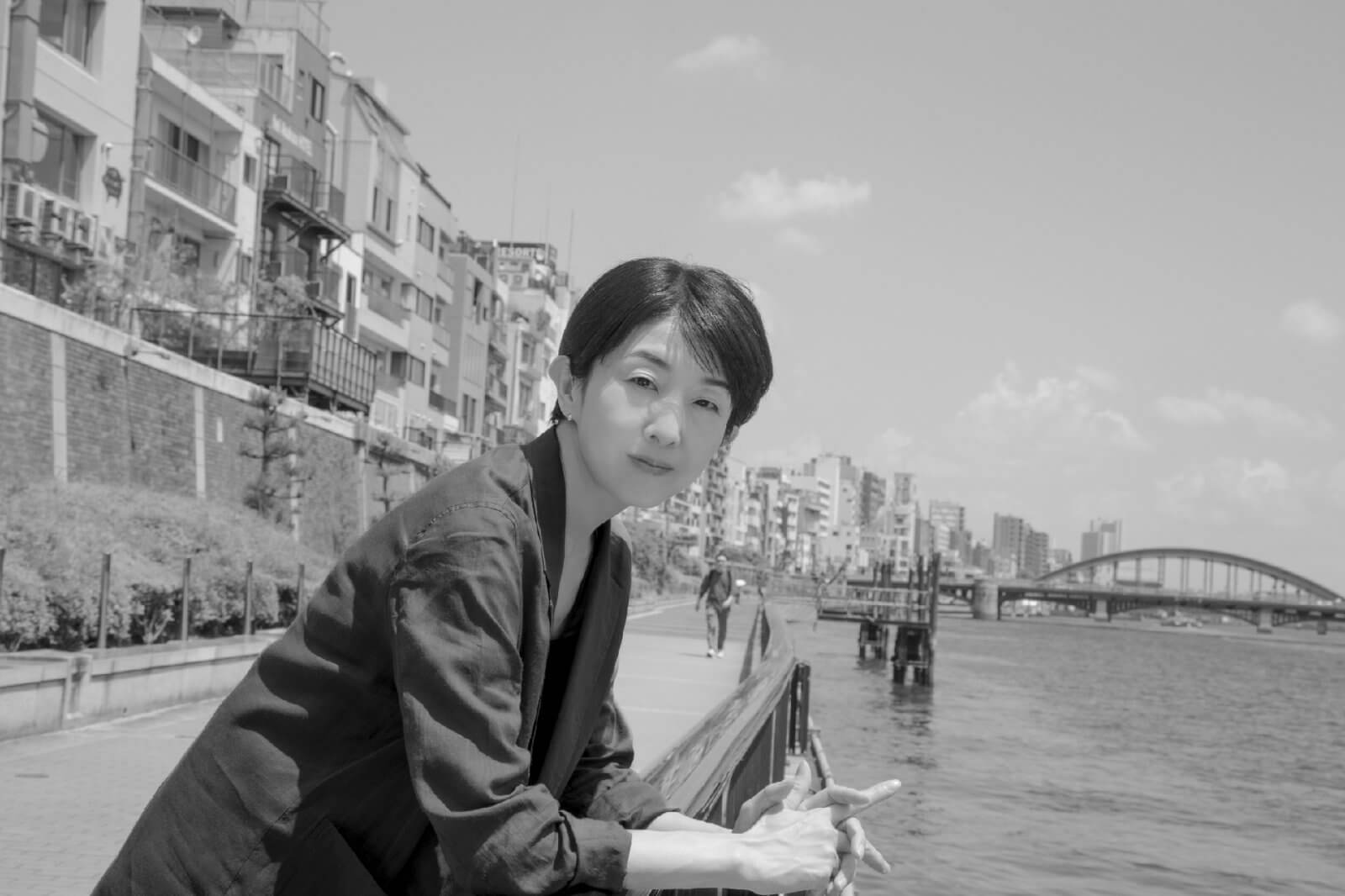
© Sakiko Nomura
Her desire to make films never faded. In her mid-thirties, Hayakawa made a bold decision: to enroll in film school. Her graduation project, Niagara, won multiple awards and opened the door to a career in filmmaking.
While Plan 75 carried an overtly political message, Renoir takes the opposite approach. The project grew from fragments of scenes Hayakawa had accumulated over the years, thinking she would one day bring them to the screen.
‘I wrote the first draft of the script while preparing Plan 75. Because of Covid, the project was put on hold, and I suddenly found myself with free time. That’s when I discovered a screenwriting workshop and signed up. I’d long wanted to make a film with a child as the main character. Then I simply wrote down all the scenes I had been wanting to shoot and tried to connect them like episodes. Plan 75 had a very clear concept; it was a film where I could explain the purpose of every scene. This time, I wanted to do the exact opposite. I started blindly, not knowing what I wanted to express, and as I worked, the shape of the film gradually became clear.’
The story follows Fuki, an eleven-year-old girl played by Yui Suzuki. Her father (Lily Franky), suffering from terminal cancer, goes back and forth between hospital and home. Her mother (Hikari Ishida), overwhelmed by work and household duties, struggles to cope. As the family quietly unravels, Fuki clings to the invisible to stay connected to the world, discovering in the process solitude, longing, and the flaws of adults.
‘It’s fiction, but my father also had cancer, and I was like Fuki: always lost in my thoughts,’ the director recalls. ‘I often pictured the moment I would die, and liked to perform little charms or rituals. I wanted to revisit my childhood, to express how I saw the world, how I felt it.’
It is precisely this child’s perspective that exposes the imperfections of the adult world. No one is flawless, everyone has their shortcomings, yet it is in their quiet struggle to keep going that the characters become deeply moving.
‘There are quite a few adults who are a bit off in the film, but if I had made it in my twenties, I think I would have portrayed them more harshly. With age, my view of others has softened. Even when they’re strange or angry, I wanted to depict them with a sense of tenderness. I wanted them to feel ‘endearing,’ despite their flaws. Even flawed adults were once children, and I wanted to show that in a way that makes you imagine it.’
Capturing moments of comfort and solace
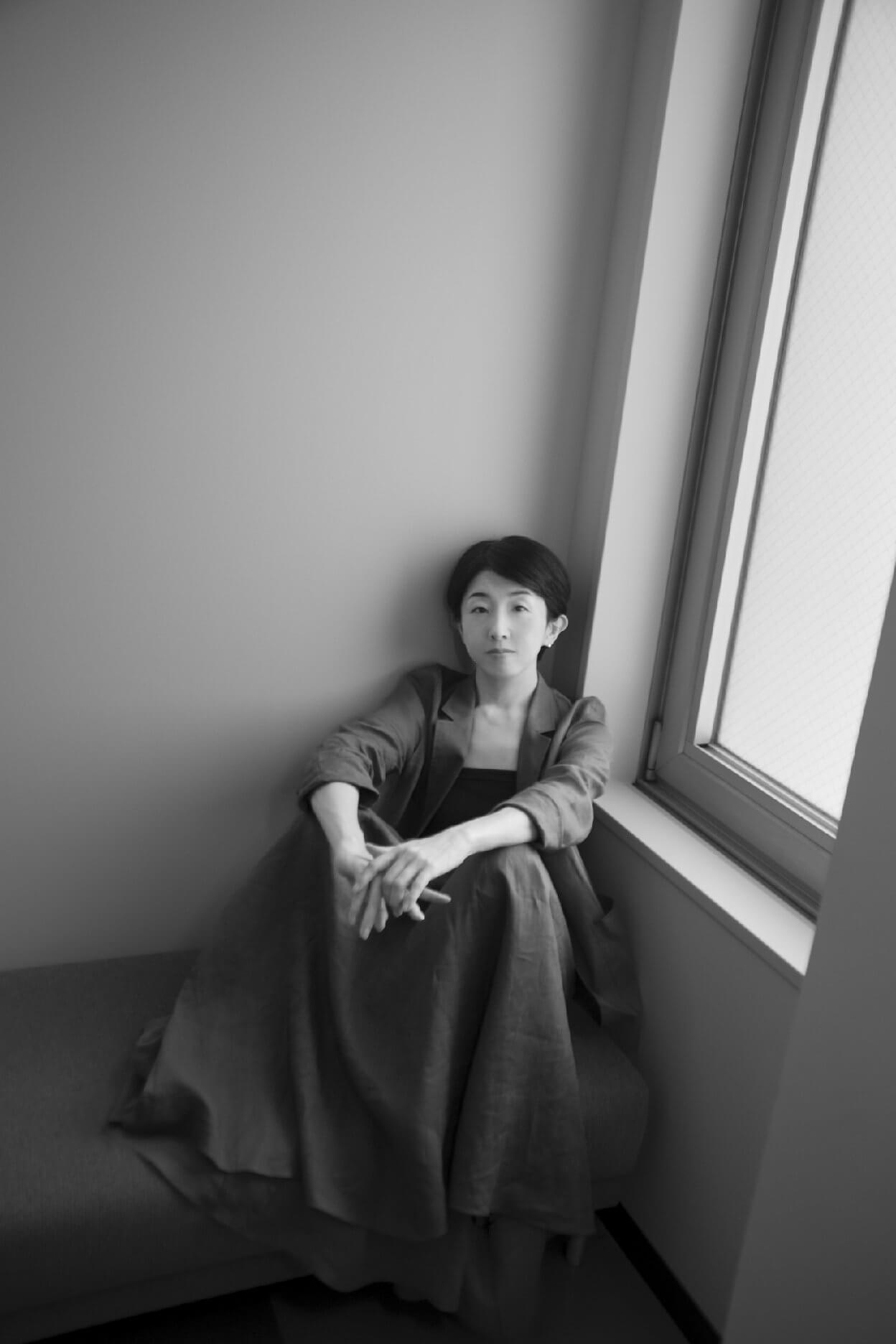
© Sakiko Nomura
In a post-pandemic context where dark stories have proliferated, Hayakawa had already said during the release of Plan 75: ‘I want to make films where you can see at least a little light.’ That desire is palpable in Renoir, dotted with dreamlike, suspended moments, as fragments of hope. The new project seems to have reinforced her commitment to making sincere cinema.
‘You might think it’s a dark film, but in fact there are many humorous moments. Life can take you into a deep, dark cave, yet you sometimes find astonishing beauty there. For Fuki, Western paintings played that role. If the film can convey that kind of emotion, that sense of comfort—if it can make viewers see their own world differently for a moment—I’d be very happy. And I want to keep making only the films I truly want to see. If I start doubting even a little during the creative process, it becomes hard for me, and I can’t be honest with the people I’m working with. I really felt I had to stay true to myself, without being distracted by what’s around me.’
‘Renoir’
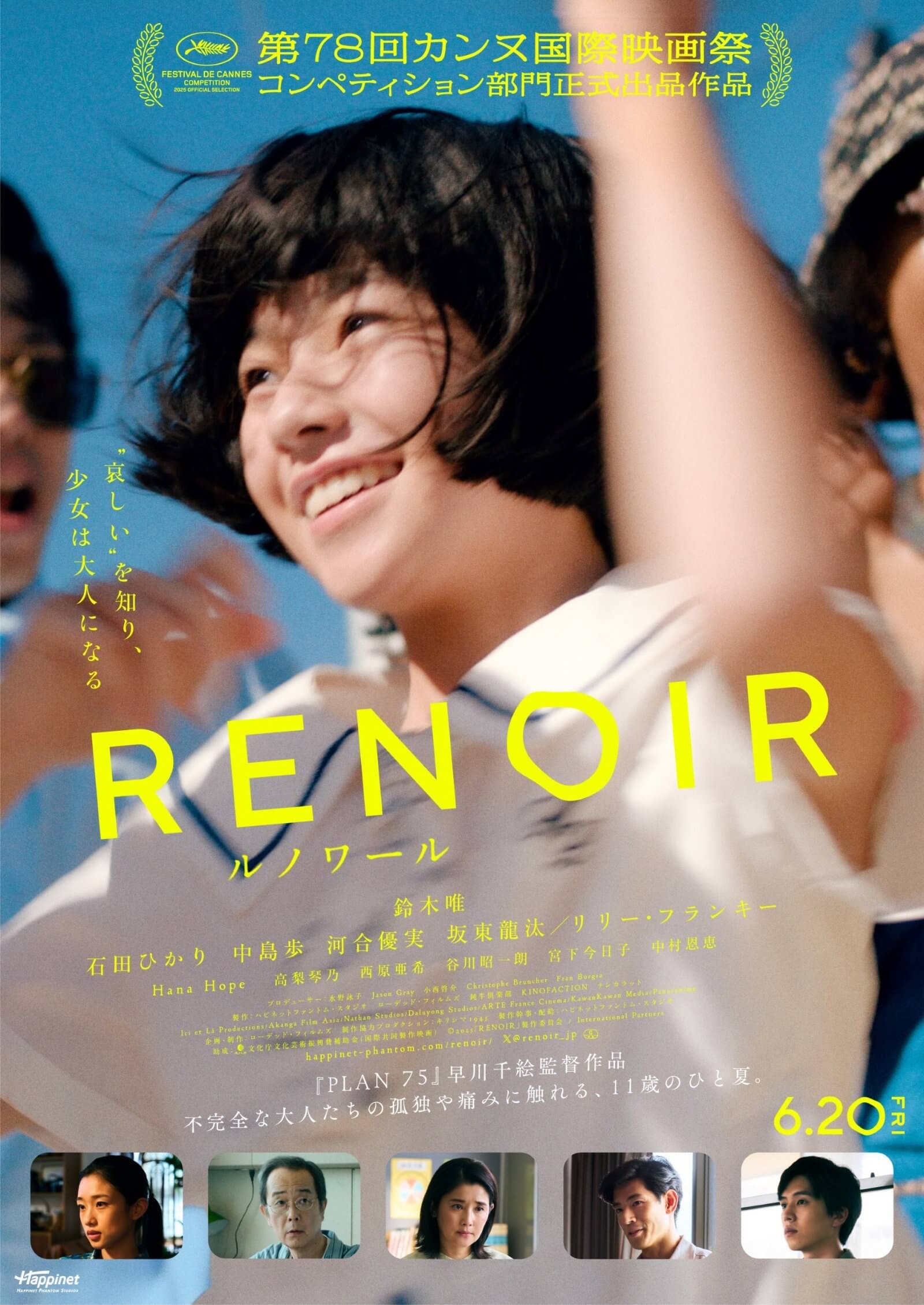
© ‘Renoir’, 2025, Production Delegation Committee / International Partners
Set in a Japanese suburb in the 1980s, the film follows an eleven-year-old girl caught between childhood and adulthood. A sensitive portrait of imperfect adults, constrained by social norms and the idealized image of family. Official selection, Cannes Film Festival 2025. Currently screening in Japan.
‘Plan 75’
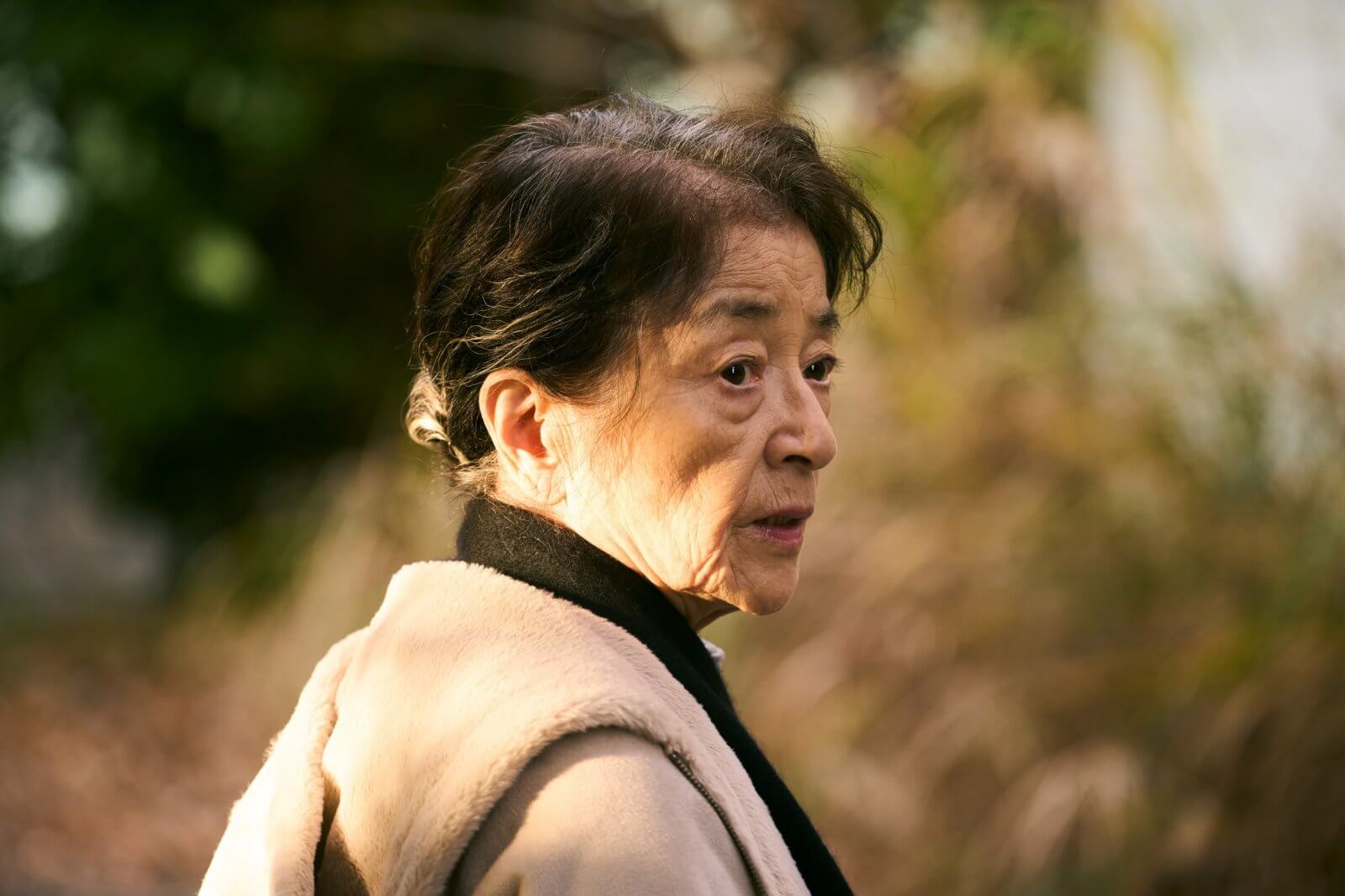
© ‘Plan 75’, 2022, Production Delegation Committee / Urban Factory / Fusee
In a near-future Japan facing a severe aging population, a law allows citizens aged 75 and over to choose their own end of life. Michi Kakutani (Chieko Baishō), 78, lives alone after her husband’s death and begins to consider enrolling in the program. Released in 2022.
‘Niagara’
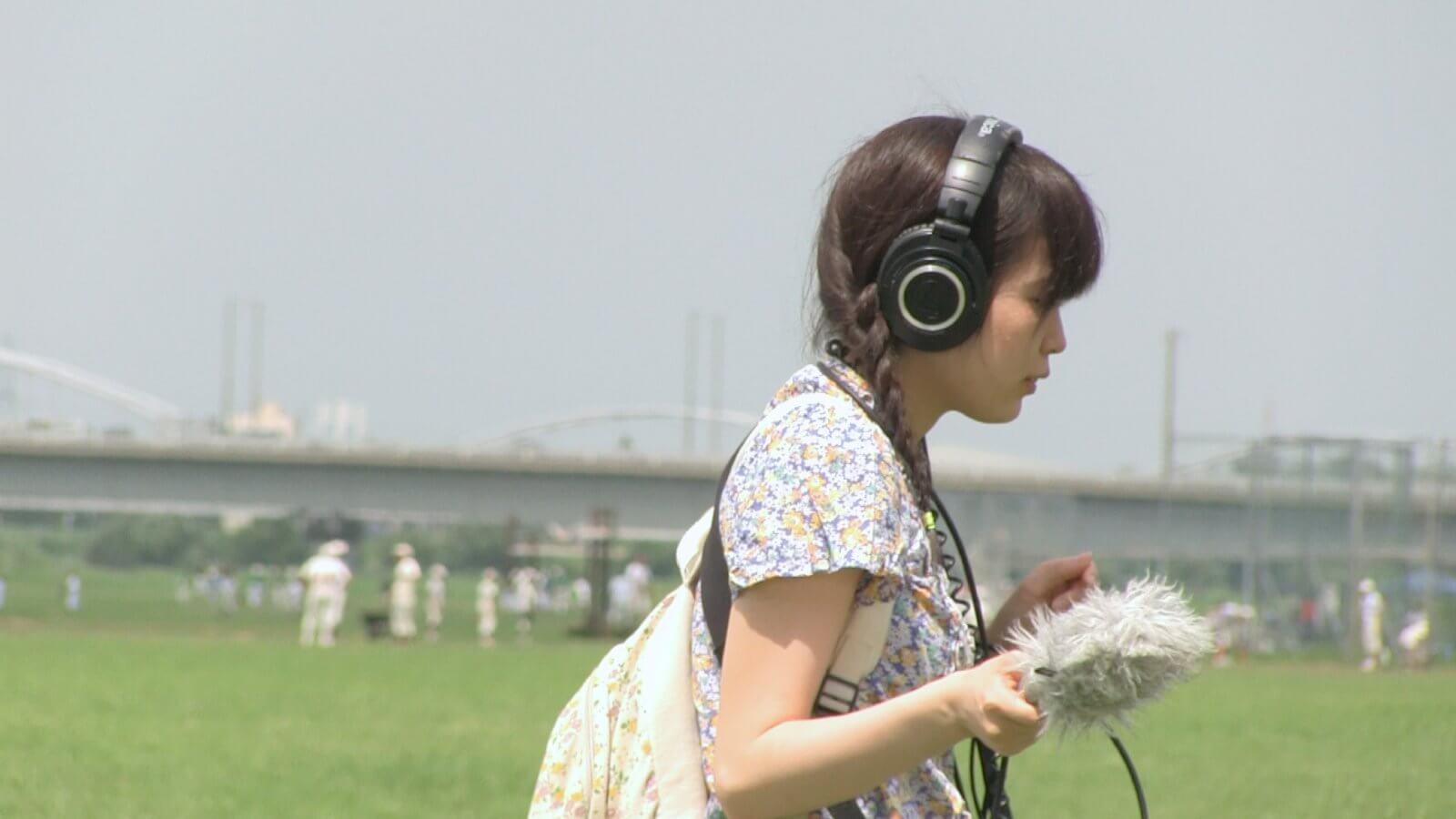
© Chie Hayakawa