‘Mind Game’, The Anime that Went to Heaven and Back
Masaaki Yuasa's multimedia animation feature tells an explosive story of the genre's wildest magical potential.
©2004 MIND GAME Project
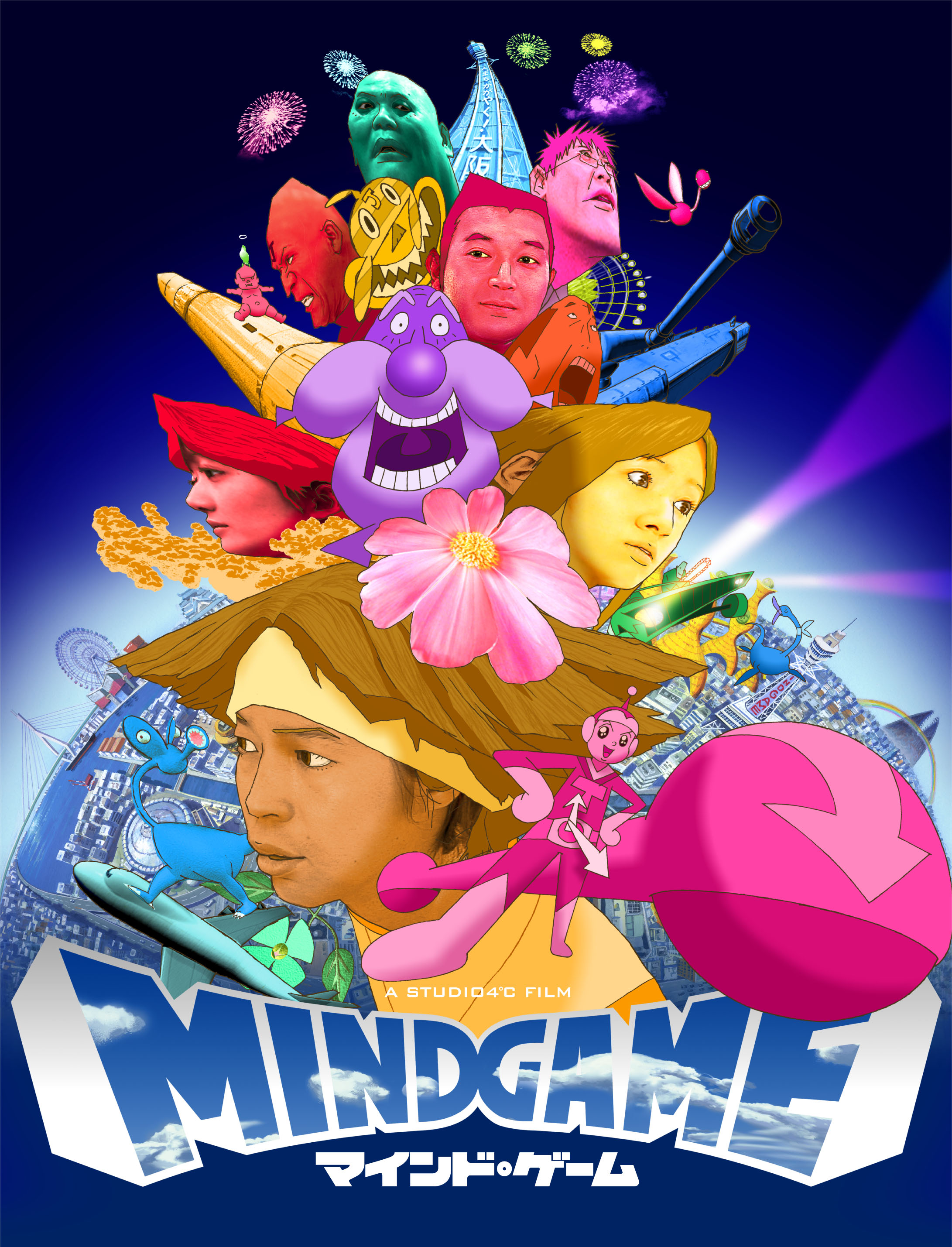
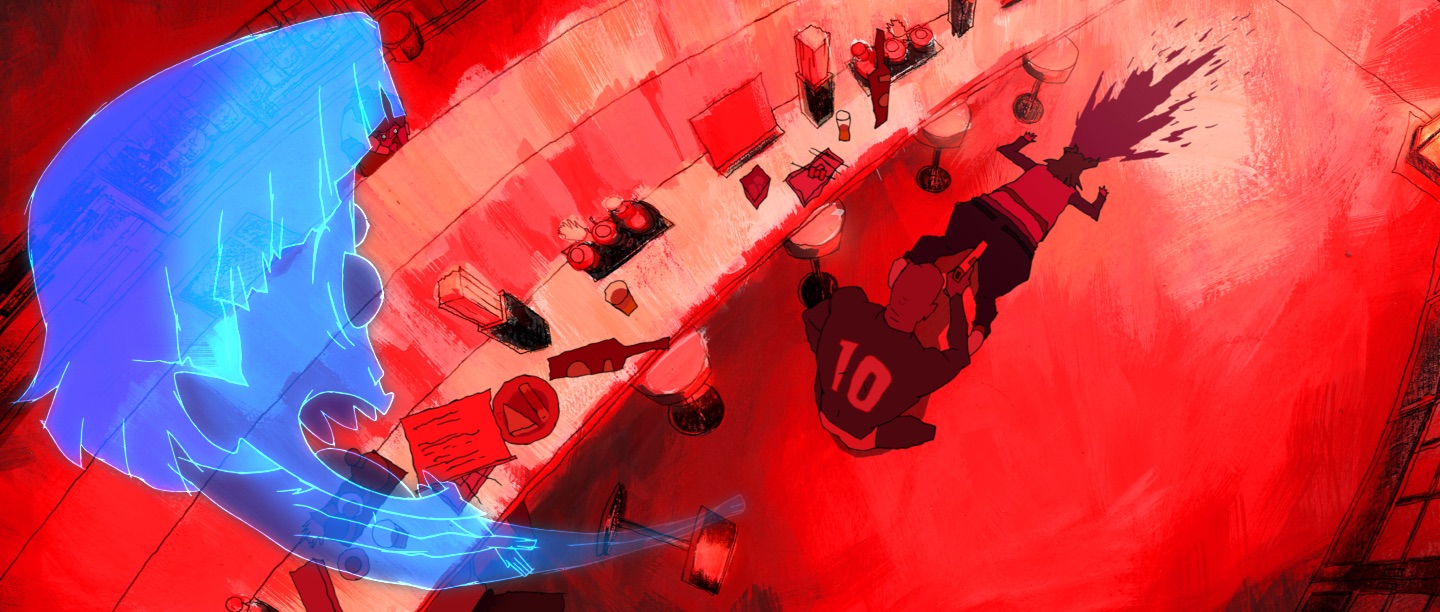
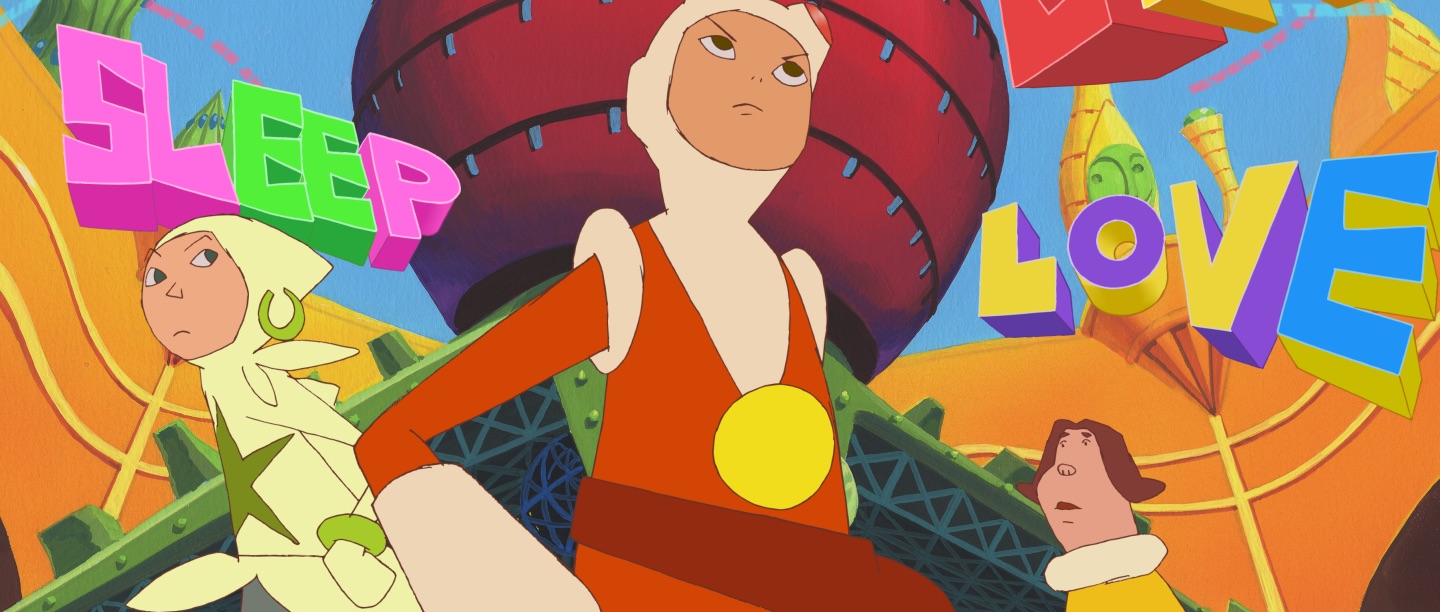
In Masaaki Yuasa’s Mind Game (2004), feeble manga-artist Nishi has an encounter with God after being shot by some gangsters in a yakitori restaurant in front of his high-school crush, and therefore misses the opportunity to live out his dream. But god turns out to be a rather comical character, with an ever-changing appearance that makes Nishi blink. He allows him to return to his friends, but what follows is an even more chaotic journey, with fantastic and absurd scenarios that endlessly transform like God himself.
Every frame of Masaaki Yuasa’s cult-classic film is wildly unpredictable—it materialises as one big multimedia montage fluctuating in theme and style, and each animated second is precious. While side-splittingly funny, its poetic story bursts with the unrestrained magic that comes with living life beyond boundaries, with characters fighting their destinies until they are sent soaring into the sky.
Artist Magician
Masaaki Yuasa is known for an unconventional approach that combines several animation techniques, and his international fame has gradually developed, culminating in recent Netflix releases Devilman Crybaby (2018) and Japan Sinks: 2020 (2020). His career began with an involvement in Japanese household classics like Chibi Maruko-chan (1990-92) and Crayon Shin-chan (1992-present), but after Mind Game, he continued to win award after award with his own studio Science SARU, which even had a role in producing the American series Adventure Time (2014).
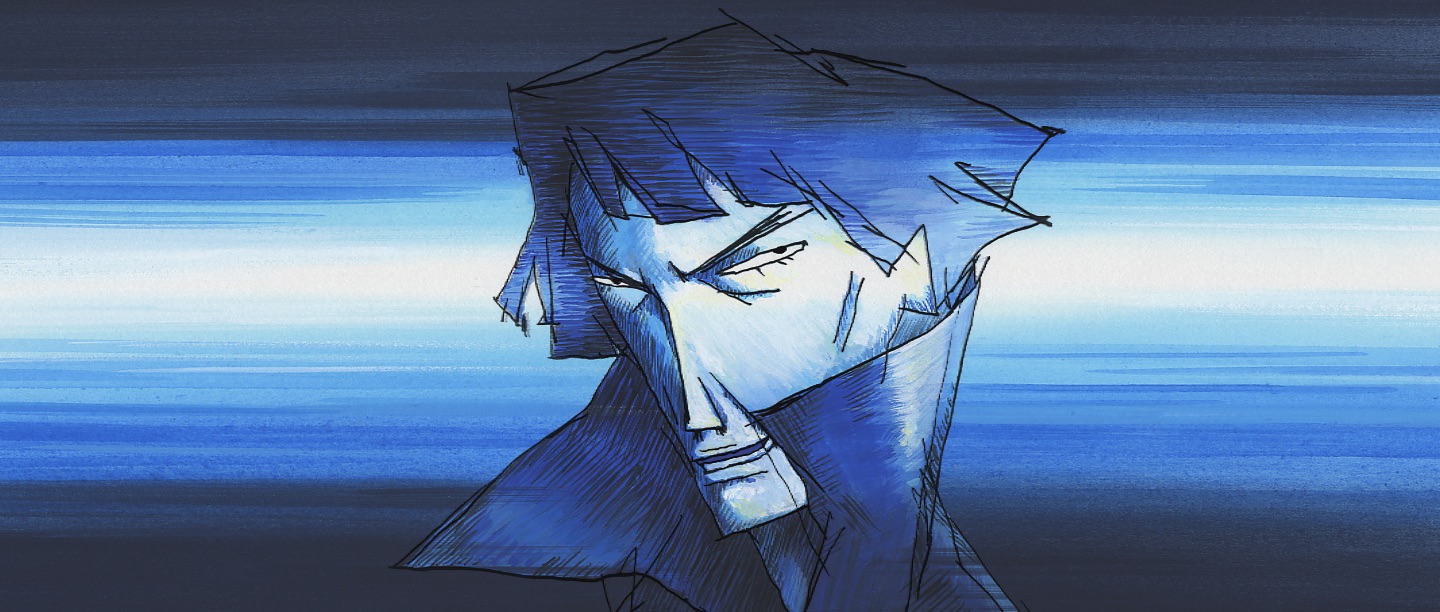
In spite of Mind Game’s flamboyance, Masaaki Yuasa could be praised for going back to the basic components of animation, and doing more with less. A broad range of influences—from Hayao Miyazaki to Looney Tunes’s Tex Avery and surrealists like Salvador Dali—has rendered his studio a complete outlier from tradition, with an unrestrained vision never adhering to any particular style. As in Mind Game, each hand-drawn line is intensively expressive such that the worlds that are inhabited take on their own personalities. Surprising uses of digital effects, far from simple gimmicks, add a weighty three-dimensionality in their scales or senses of movement.
Moments of both comedy and emotion in Masaaki Yuasa’s masterpiece invite us to remember the many angles one may take on a single adventure. Almost provoking the lazy monotony of most commercial anime, it has a chameleon-like polychromaticism, vividly elucidating what it means to illustrate a moving image.
Mind Game (2004), an animated movie by Masaaki Yuasa, is available on Blu-ray by GKIDS.

©2004 MIND GAME Project
©2004 MIND GAME Project

©2004 MIND GAME Project

©2004 MIND GAME Project
©2004 MIND GAME Project
©2004 MIND GAME Project