‘People say we learn from failure, but is it really that simple?’
In ‘A Non-Conformist’s Guide to Surviving Society’, author Satoshi Ogawa shares his strategies for navigating everyday life.
© Tomoyuki Yanagi
In every issue of Pen, the Naoki Prize-winning author Satoshi Ogawa presents a new essay in his series ‘A Non-Conformist’s Guide to Surviving Society’. In this series, Ogawa reflects on the often eccentric strategies he devises to navigate life’s everyday challenges. Below is the tenth installment, ‘Failure and Discouragement’.
During my student years, I moved from one part-time job to another. That doesn’t mean I was particularly industrious, nor that I built up any real experience. If anything, it’s almost embarrassing: I never managed to stay anywhere for long. Because I never remained long enough to settle into a role, I kept changing jobs. And because I never stayed, I kept looking for new ones. That’s how my résumé grew.
The only job I truly stayed with was working as a tutor at a cram school. I began teaching while in graduate school, continued even after my literary debut, and only stopped when I became a full-time writer—around five years in total. I probably lasted because it was solitary work, much like writing. I prepared my lessons alone, taught in a quiet room, filed my reports afterwards, and went home. For someone like me, who had never managed to keep a job because there was always someone I found difficult or simply didn’t want to interact with, private tutoring felt close to a vocation. I would add that those five years have helped me as a novelist, I think. (‘I think’ because I believe any experience can feed writing, and I’m not sure this particular one holds any special significance.)
Once, I attended a training session organised by the school’s head office. I had been teaching for about a year. The day brought together model lessons, talks by senior instructors, and a series of speeches from the company’s management. I knew it wouldn’t teach me anything essential, and I had no desire to go; but attendance was compulsory for anyone hoping to increase their hourly rate.
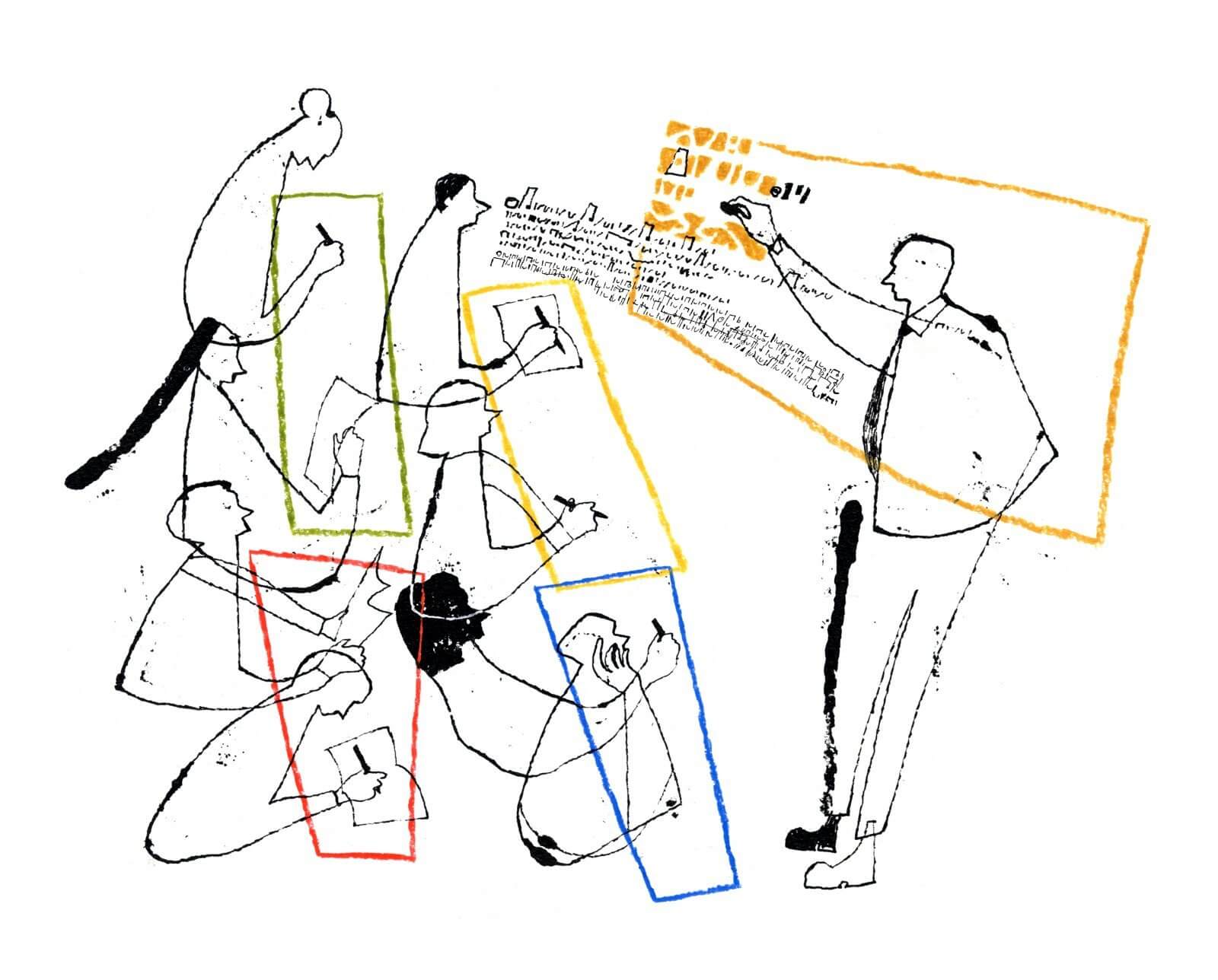
That tedious day left me with one lasting impression. During a talk on the school’s curriculum, one of the managers asked the instructors: ‘How do you feel when someone makes a harsh remark about your work?’ Several teachers were called on. Most answered: ‘I try to do better,’ ‘I want to prove I can do it.’ One even said: ‘I think, ‘Just watch me.’’ Listening to them, I realised that if I were asked, I would probably say the same.
After questioning a dozen people, the manager concluded: ‘Good. When you face criticism or adversity, you respond by pushing yourselves. That’s how you passed your exams and became instructors here. Being corrected, failing, using setbacks as fuel—these are admirable traits. But many children don’t operate this way. When they hear something harsh, they lose heart. They decide they’ll never manage it and give up. Most of our students are like this. They’re motivated only when praised or when they succeed.’
People who have succeeded often say things like, ‘Fail as much as you need to,’ or ‘What doesn’t work now will teach you later.’ But reality doesn’t always follow that pattern. In five years of teaching, I saw how rarely children learn from failure: more often, they simply lose confidence. Of course, it’s important to give second chances to those who stumble. But it’s equally important to remember that some are paralysed by a single setback, unable to start again—especially if you yourself were fortunate enough to move forward because of your failures.
About the author
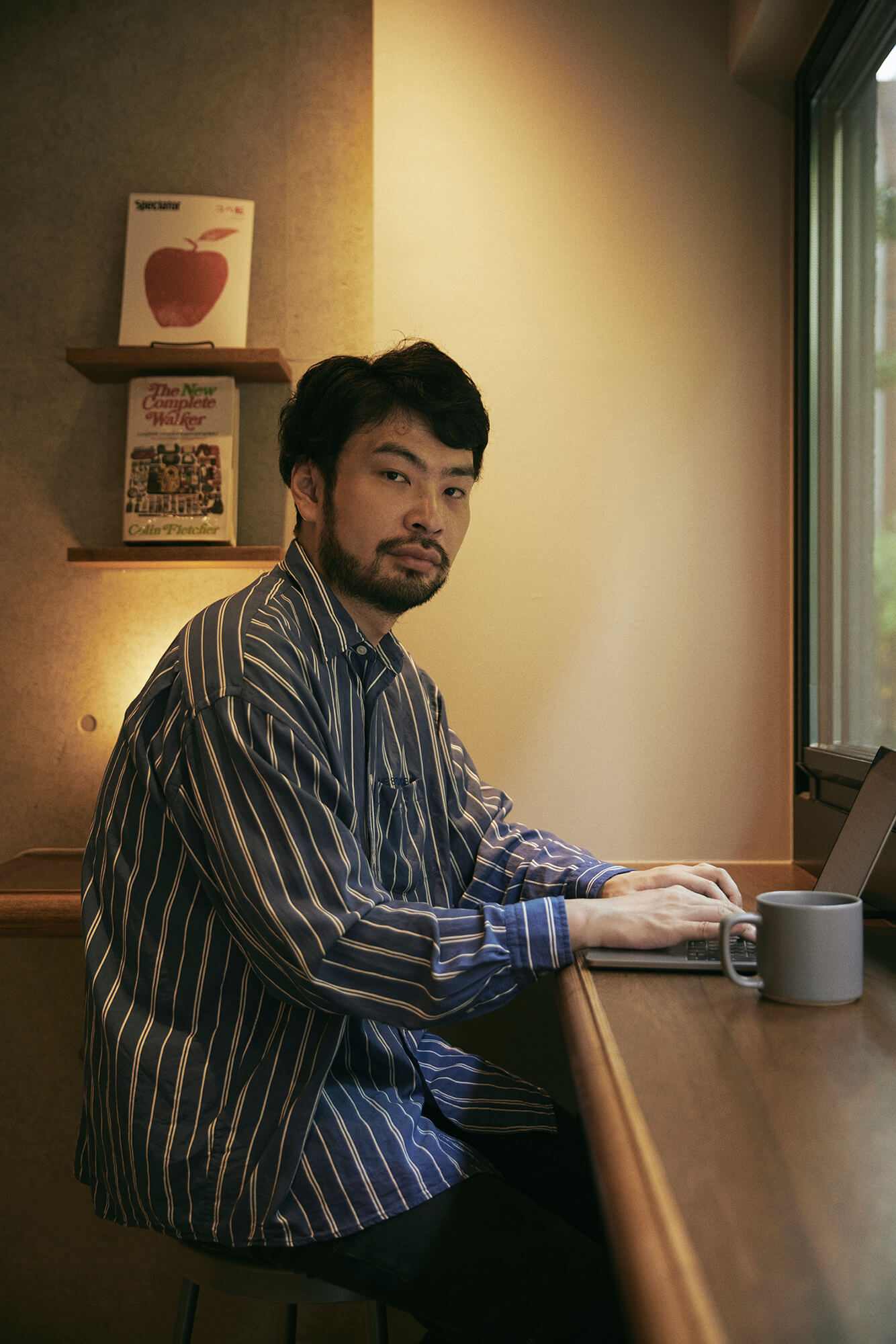
Satoshi Ogawa was born in Chiba Prefecture in 1986. He made his literary debut in 2015 with This Side of Eutronica (Yūtoronika no Kochiragawa, Hayakawa Books). In 2018, his novel Game Kingdom (Gēmu no Ōkoku, Hayakawa Books) earned both the 38th Japan SF Grand Prize and the 31st Yamamoto Shūgorō Prize. He was awarded the 168th Naoki Prize—one of Japan’s most prestigious literary awards, recognizing exceptional popular fiction— in January 2023 for The Map and The Fist (Chizu to Ken, Shūeisha). His latest work, Your Quiz (Kimi no Kuizu), was released by Asahi Shimbun Publishing in 2024.
© Seiichi Saito