Three Volumes of Traditional Wave Designs
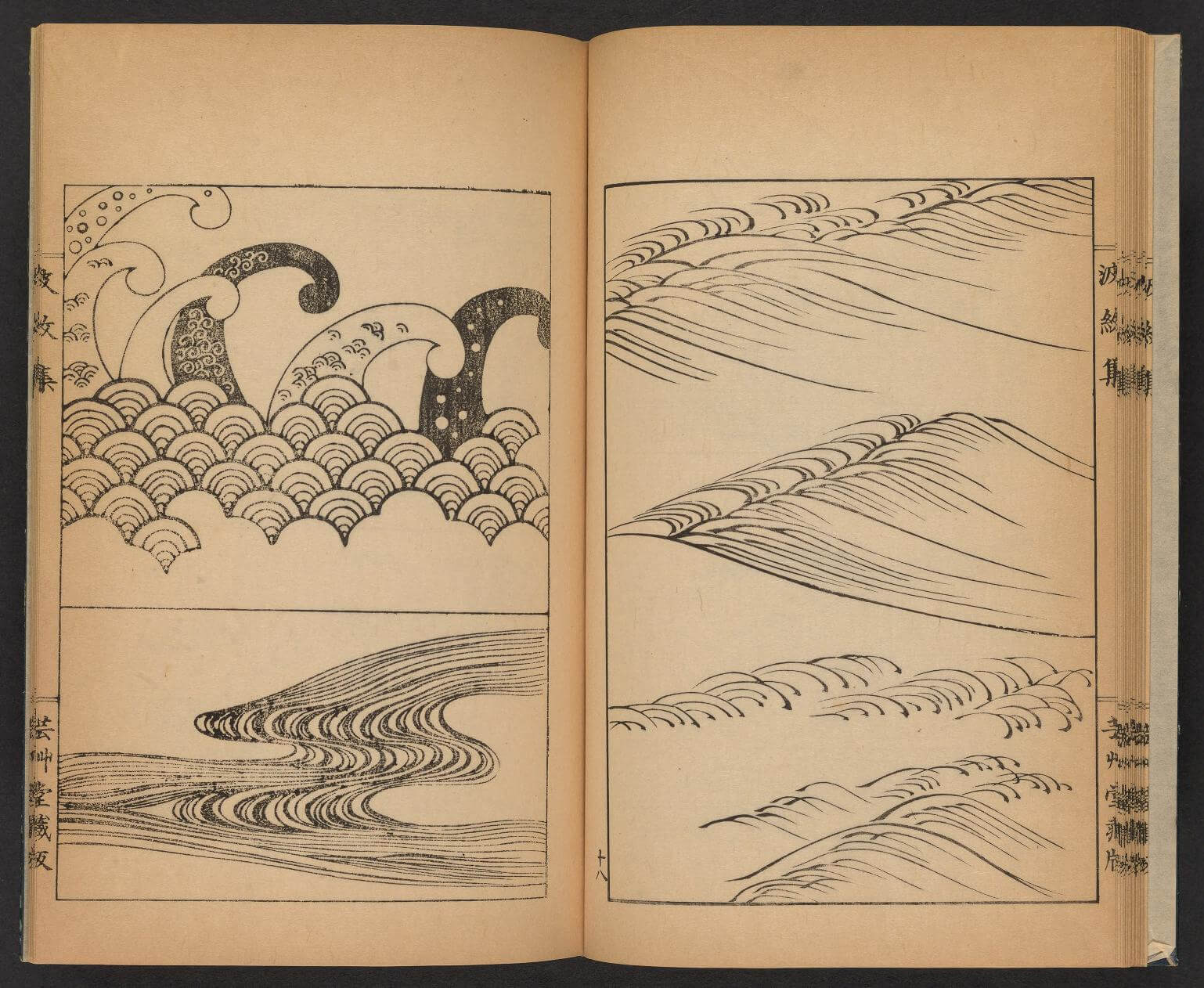
Printed in the ‘Hamonshu’, these patterns were used to adorn swords, ceramics, and other decorative and religious objects.
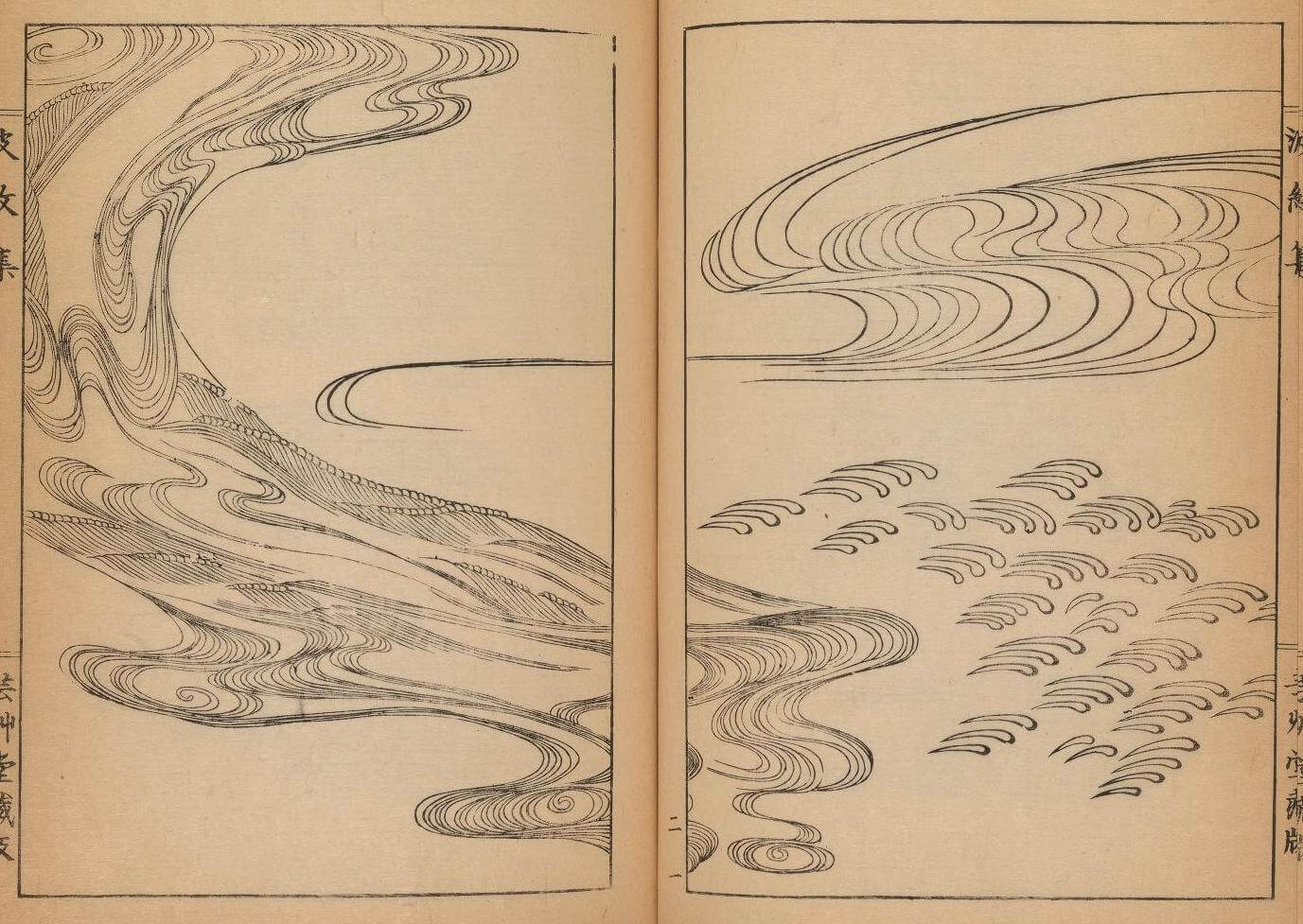
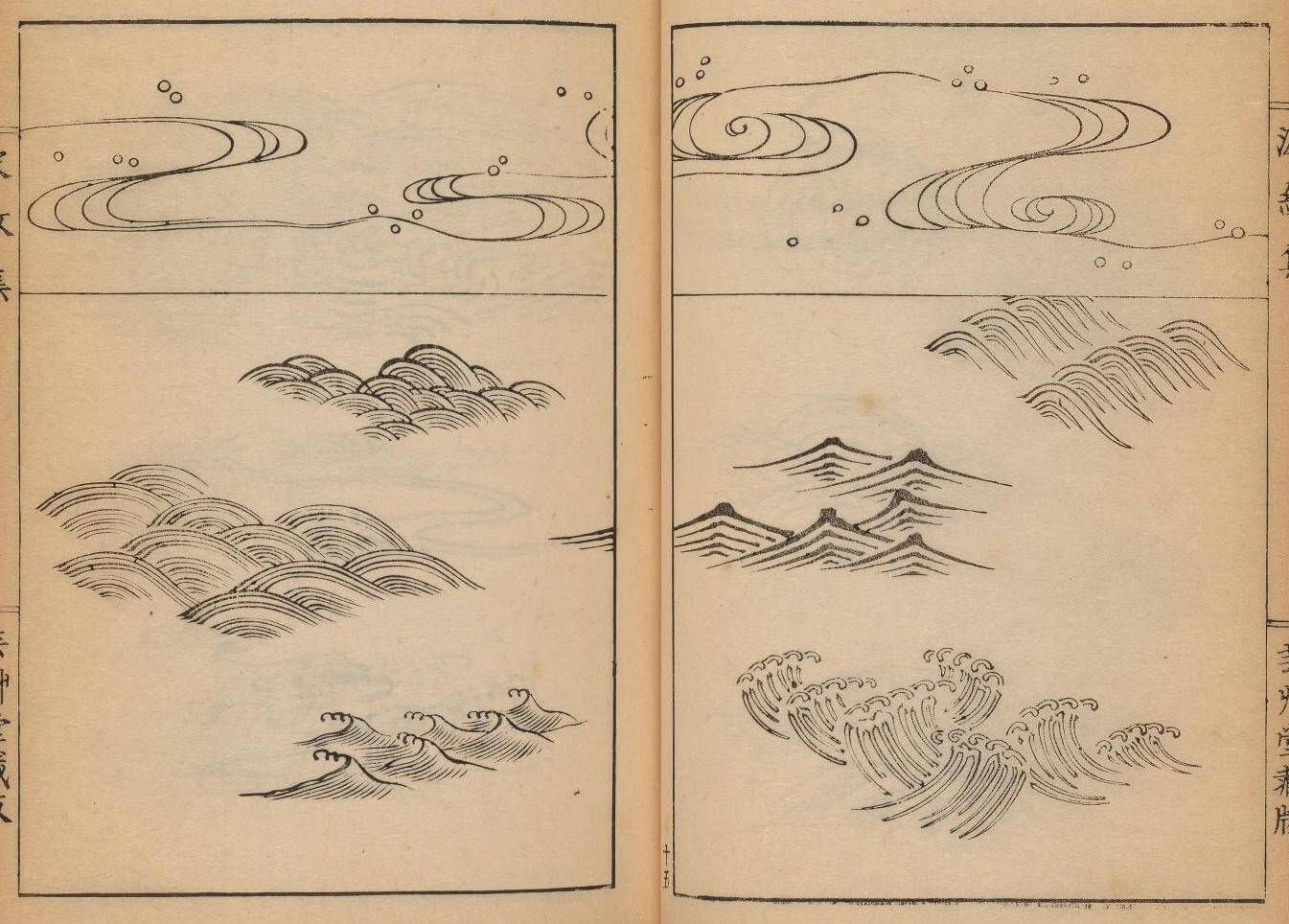
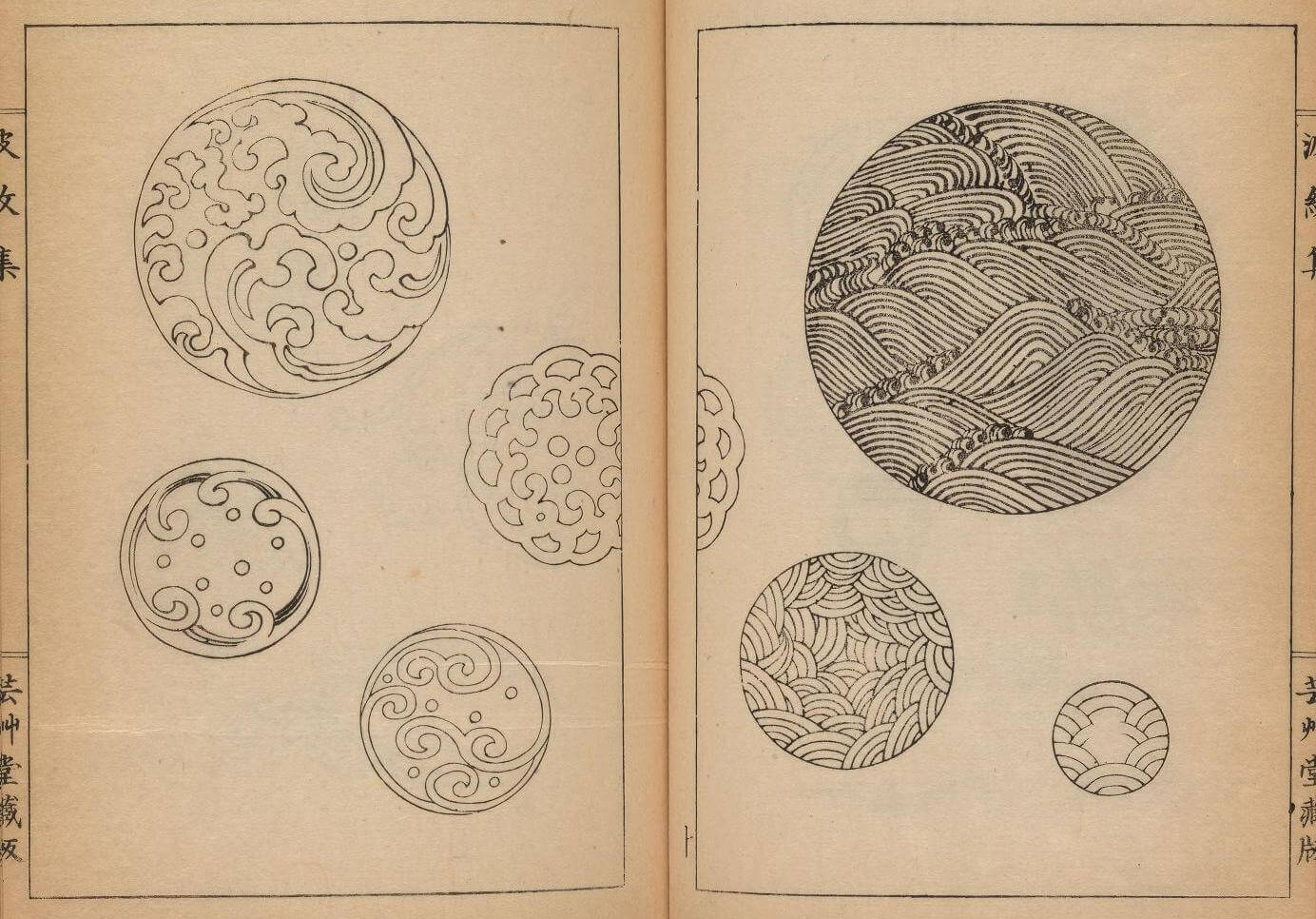
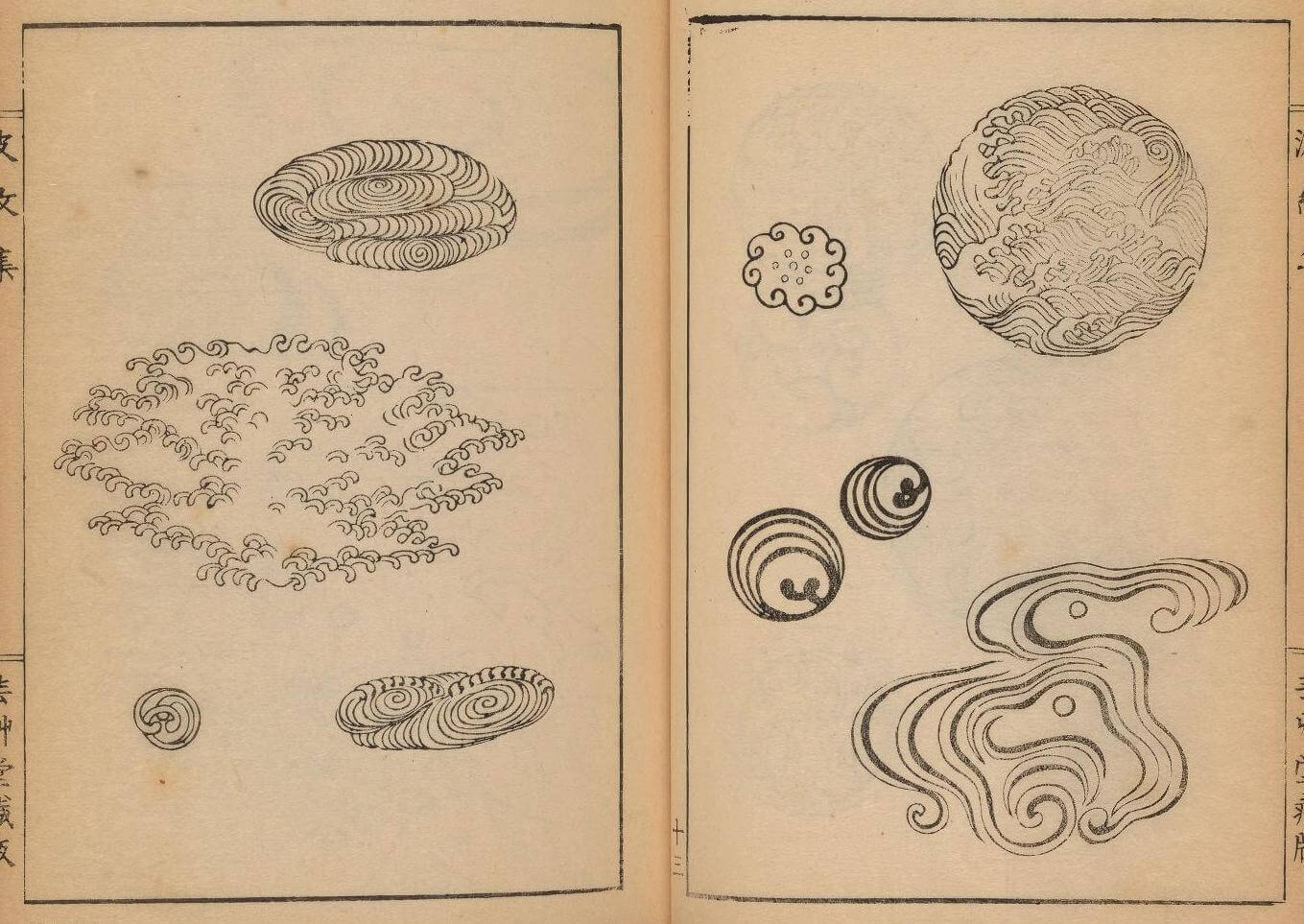
In 1903, Mori Yuzan, a little-known Japanese artist from Kyoto, created a design work comprised of three volumes and entitled Hamonshu. It presents various traditional Japanese wave designs that could be used by local artisans to adorn swords, ceramics, and other decorative and religious objects.
Thanks to the Internet, the book is reliving its youth through a digital version that is now available on the Internet Archive website.
TRENDING
-
Inside the Heart of Japanese Fine Watchmaking, A Visit to the Grand Seiko Manufacture
These refined pieces are made in a Kengo Kuma–designed building, set in a natural environment that inspired their signature dial motifs.
-
Paris, Tokyo: Robert Compagnon
With his co-chef and talented wife, Jessica Yang, Robert Compagnon opened one of the top new restaurants in Paris: Le Rigmarole.
3:31 -
‘Mirai-chan’ Face to Face With Childhood
Published in 2011 by the photographer Kotori Kawashima, this book shows the excitement and adventures of a little girl.
-
‘Mingei Remains Elusive, Even a Century After Its Emergence’
Sō Sakamoto is a potter working in Onta-yaki, an eighteenth-century ceramic tradition brought to prominence by Mingei founder Sōetsu Yanagi.
-
‘It’s a sincere pleasure when the objects I make are recognised as part of the Mingei circle’
The brass cutlery meticulously shaped by Ruka Kikuchi in his Setouchi studio has earned admirers across Japan and beyond.


