A Villa Connected to the Sea by Hiroshi Nakamura and NAP
This seaside residence named ‘Loggia on the shore’ was designed to blend into the maritime environment seamlessly.
© Nacasa & Partners Inc.
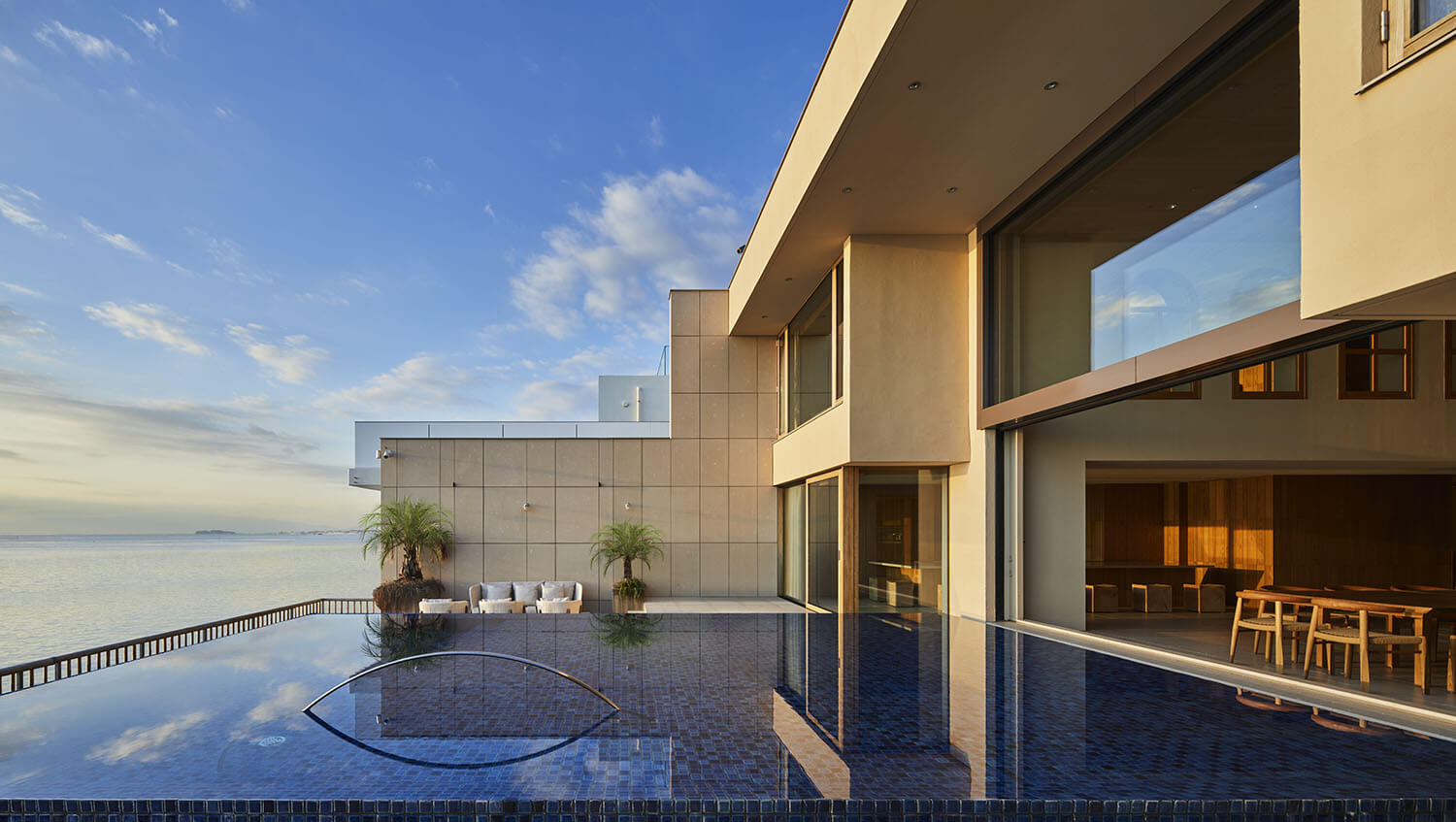
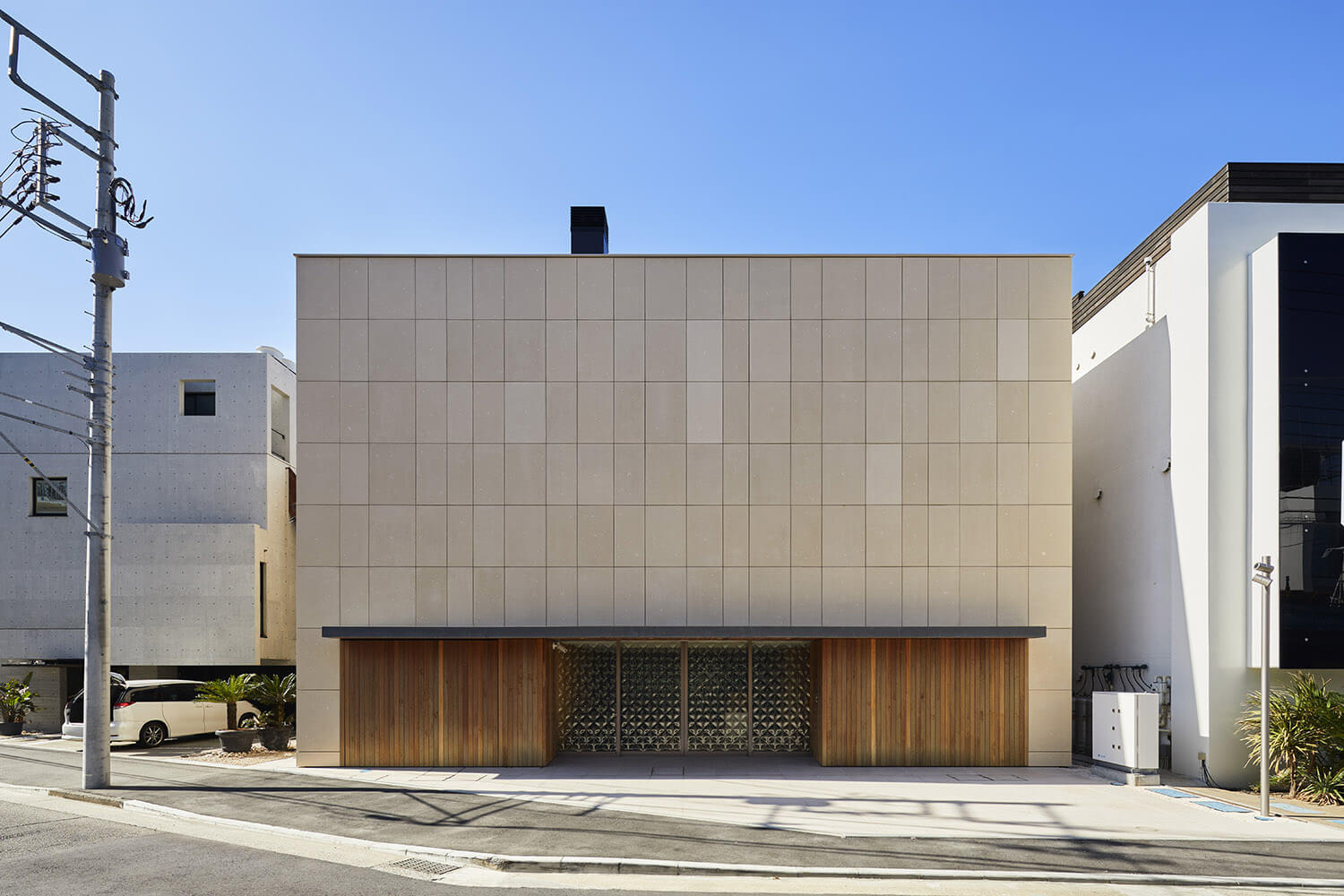
When looking at the façade of the residence Loggia on the shore from the road, it is difficult to imagine the panorama found on the other side. This villa, with a surface area of 681 m² and designed by Japanese architectural firm Hiroshi Nakamura & NAP in the coastal city of Kanagawa, an hour away from the Japanese capital, opens entirely onto Sagami Bay.
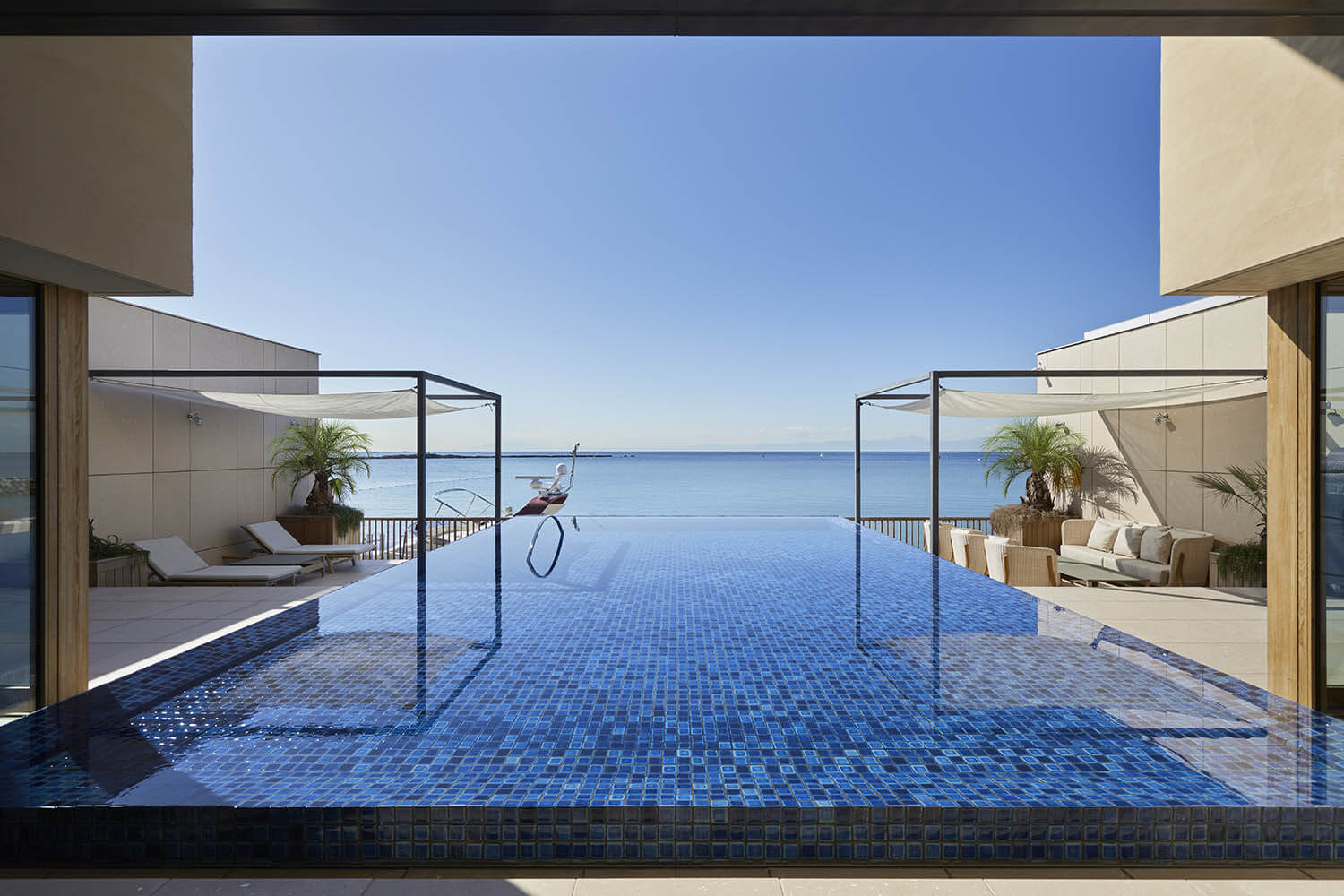
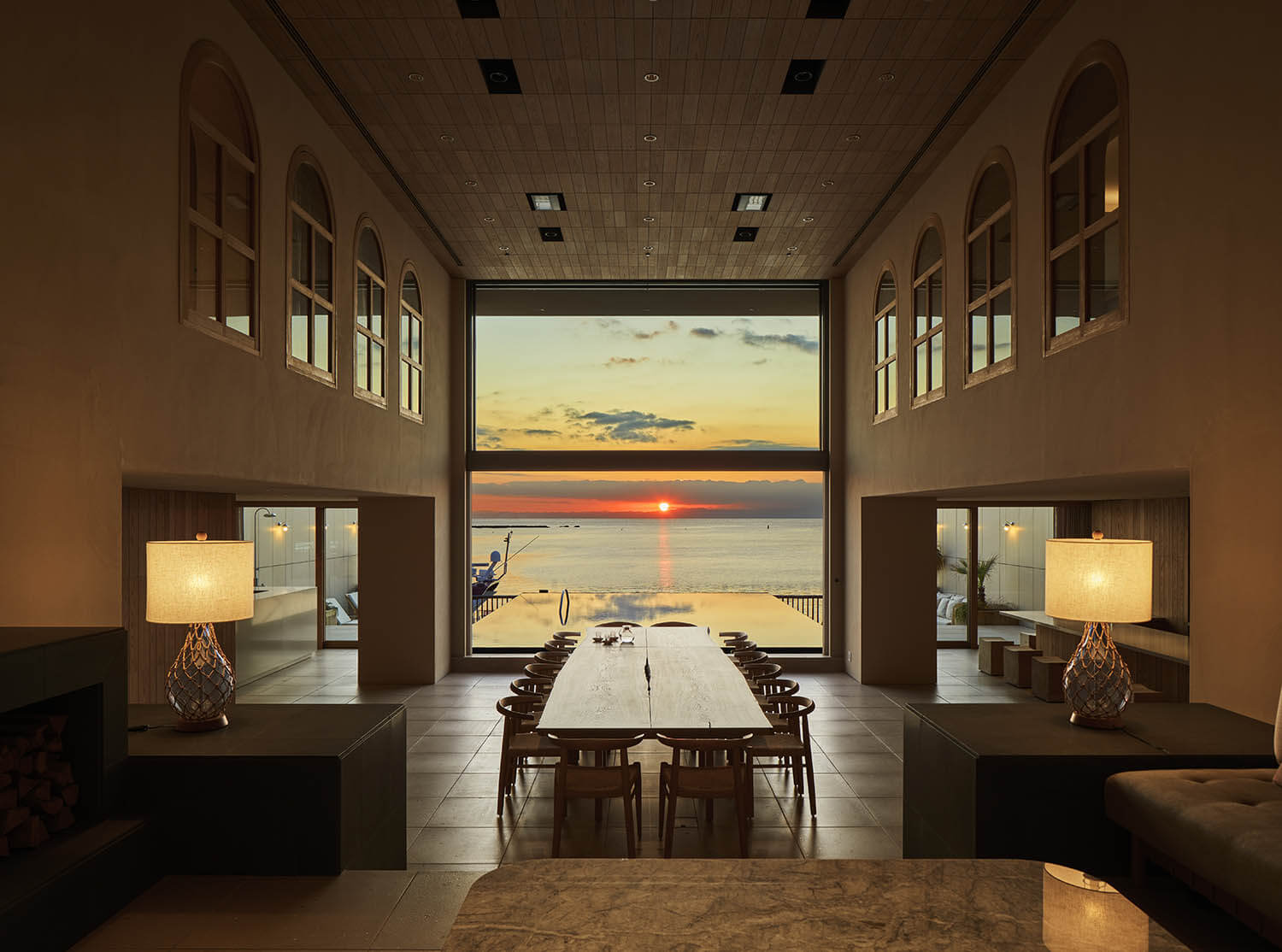
‘We placed the main entrance on the side that faces the ocean, considering approaching by boat like in Venice’, the architectural firm explains in its press release, although they also installed a secondary entrance on the side of the building that faces the road. When the owners arrive by boat, they are welcomed by a swimming pool, the water in which seems to plunge directly into the sea, then by a vast, semi-covered loggia that makes the connection between inside and outside.
‘A beach-like sensation’
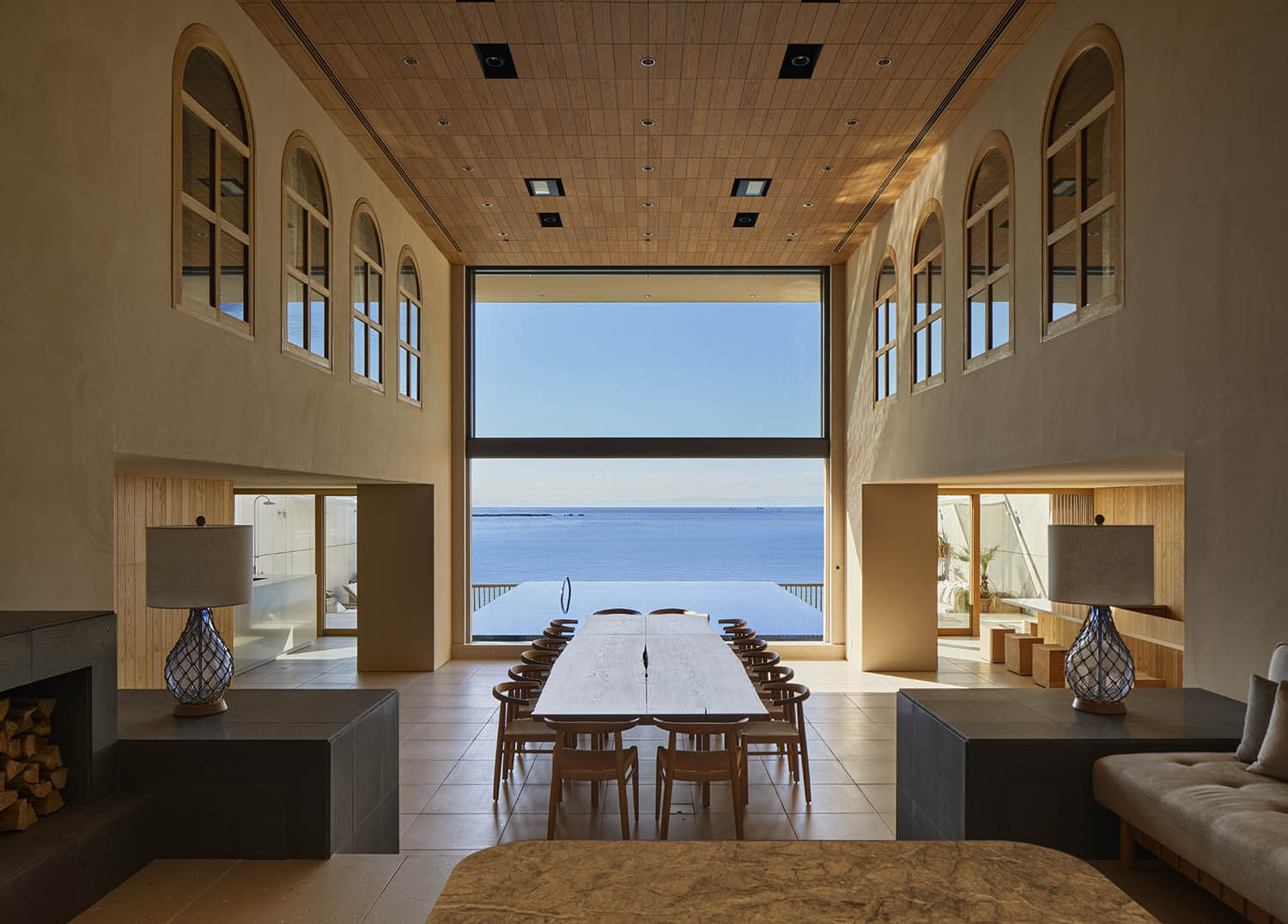
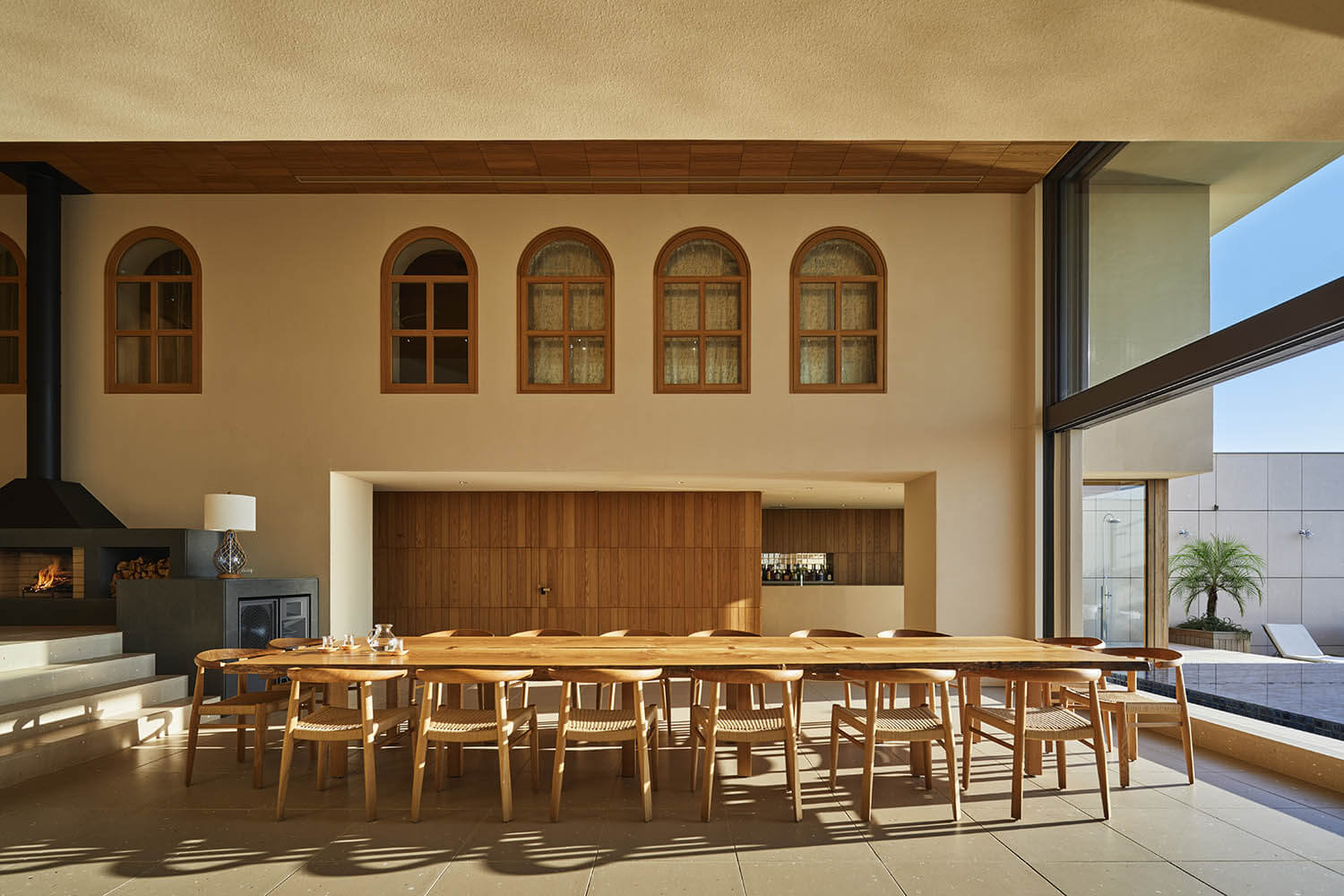
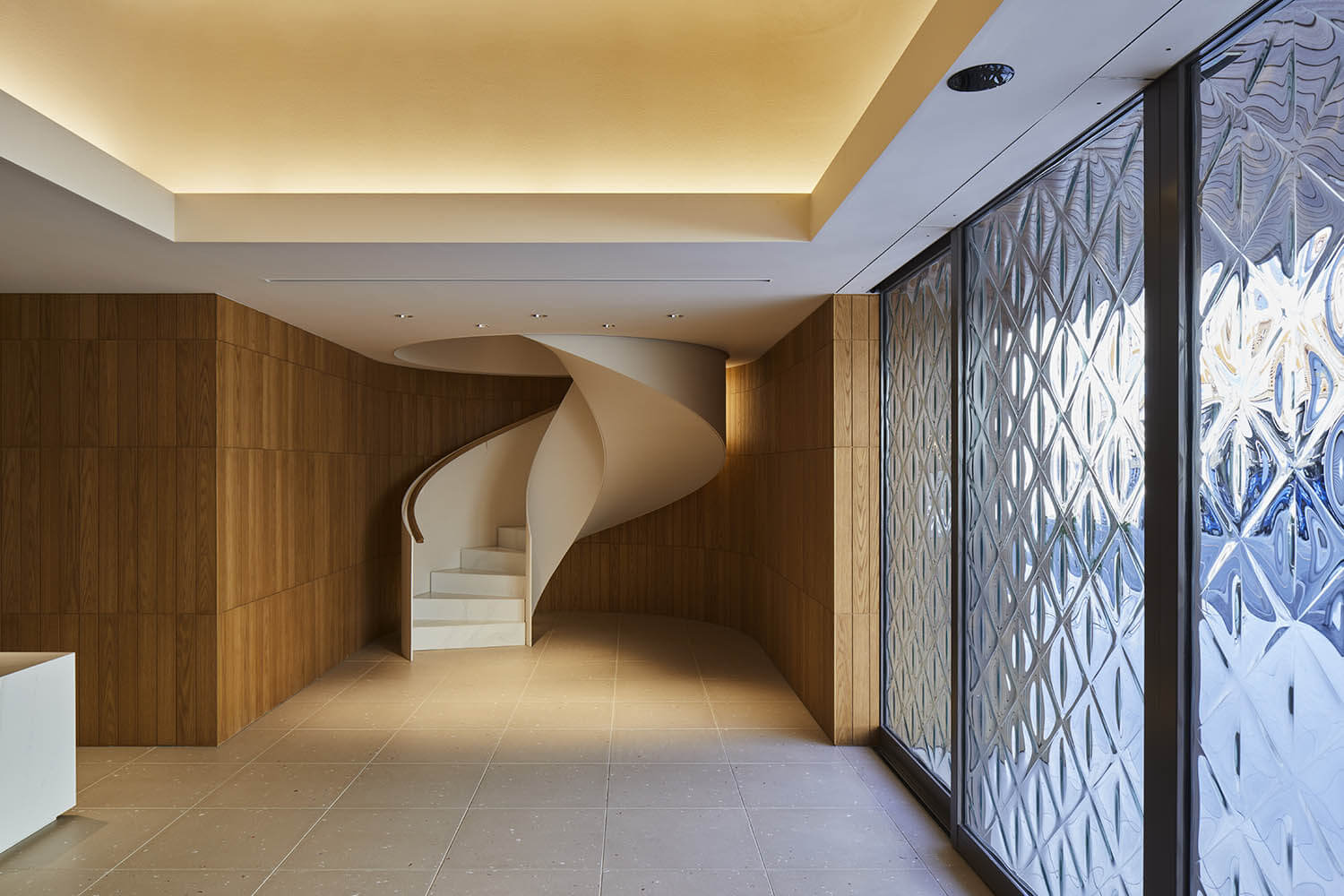
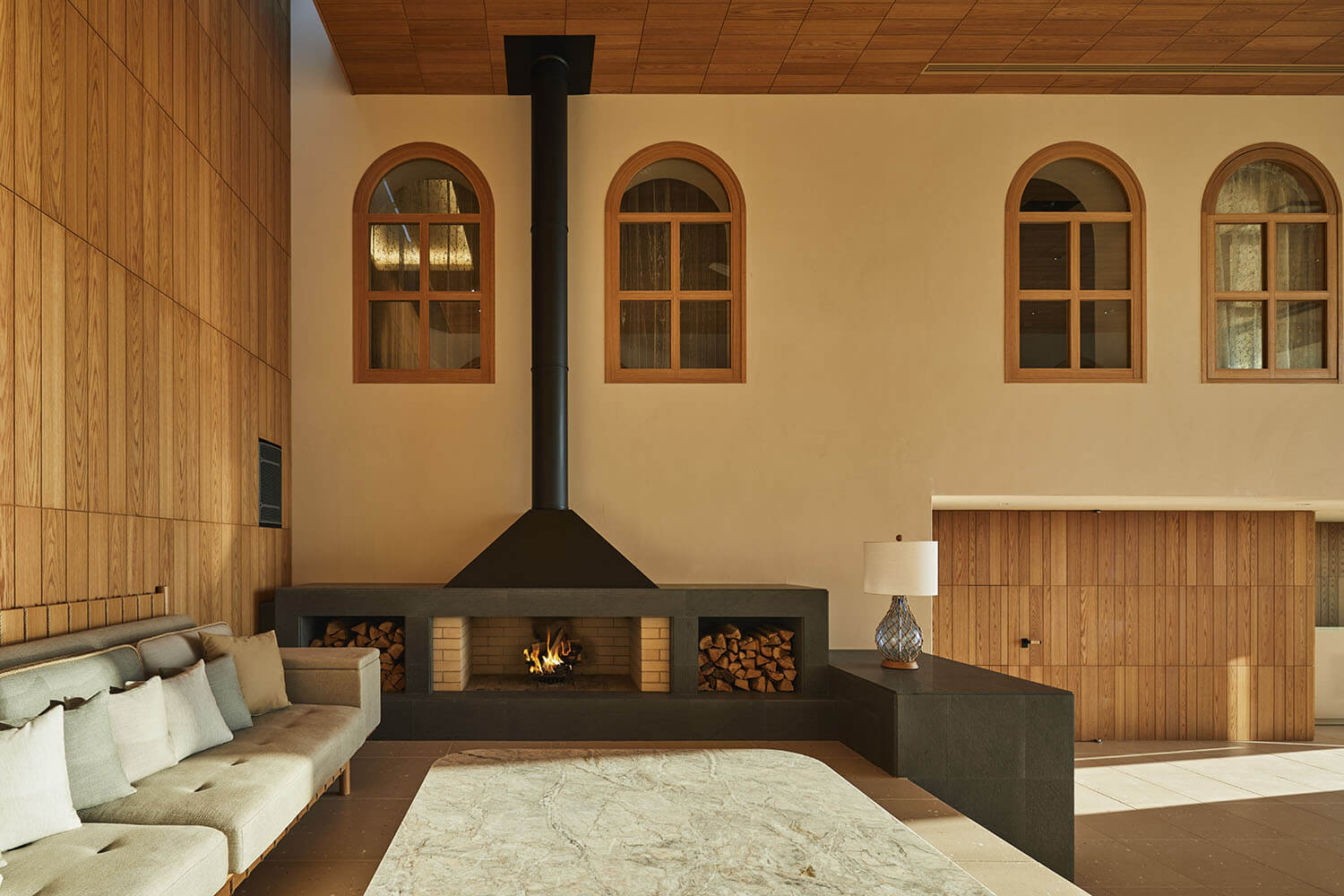
On this side of the building, five-metre-wide vertical, power-operated windows disappear, once open, into a frame, to give the impression that the building is completely open to the sea. Its three floors, one of which is a basement, have been decorated in natural, warm tones, with wooden flooring upstairs and terrazzo flooring on the ground floor, considered by the architects as the best way to replicate ‘the soft texture of the beach and an overall beach-like sensation’ inside.
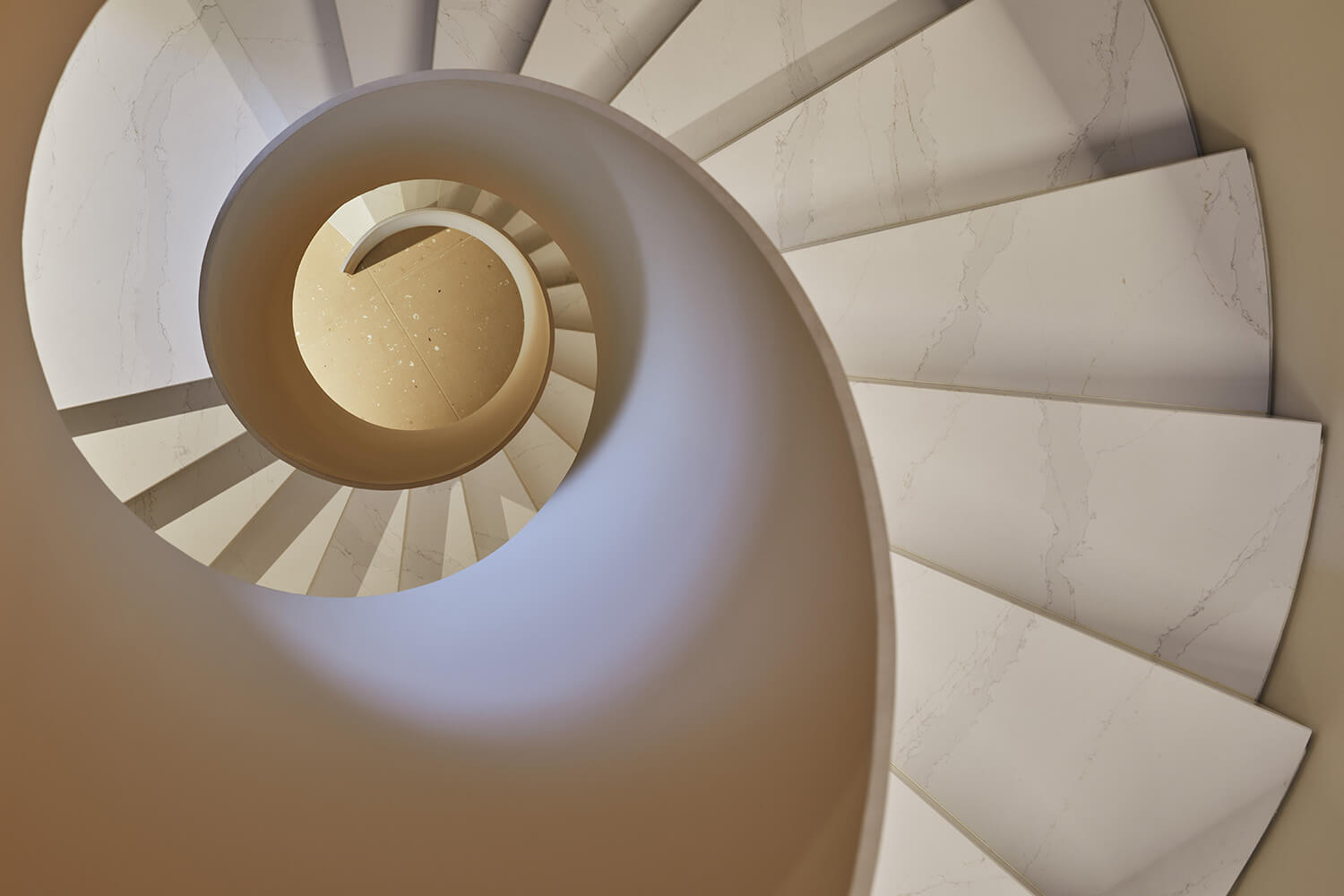
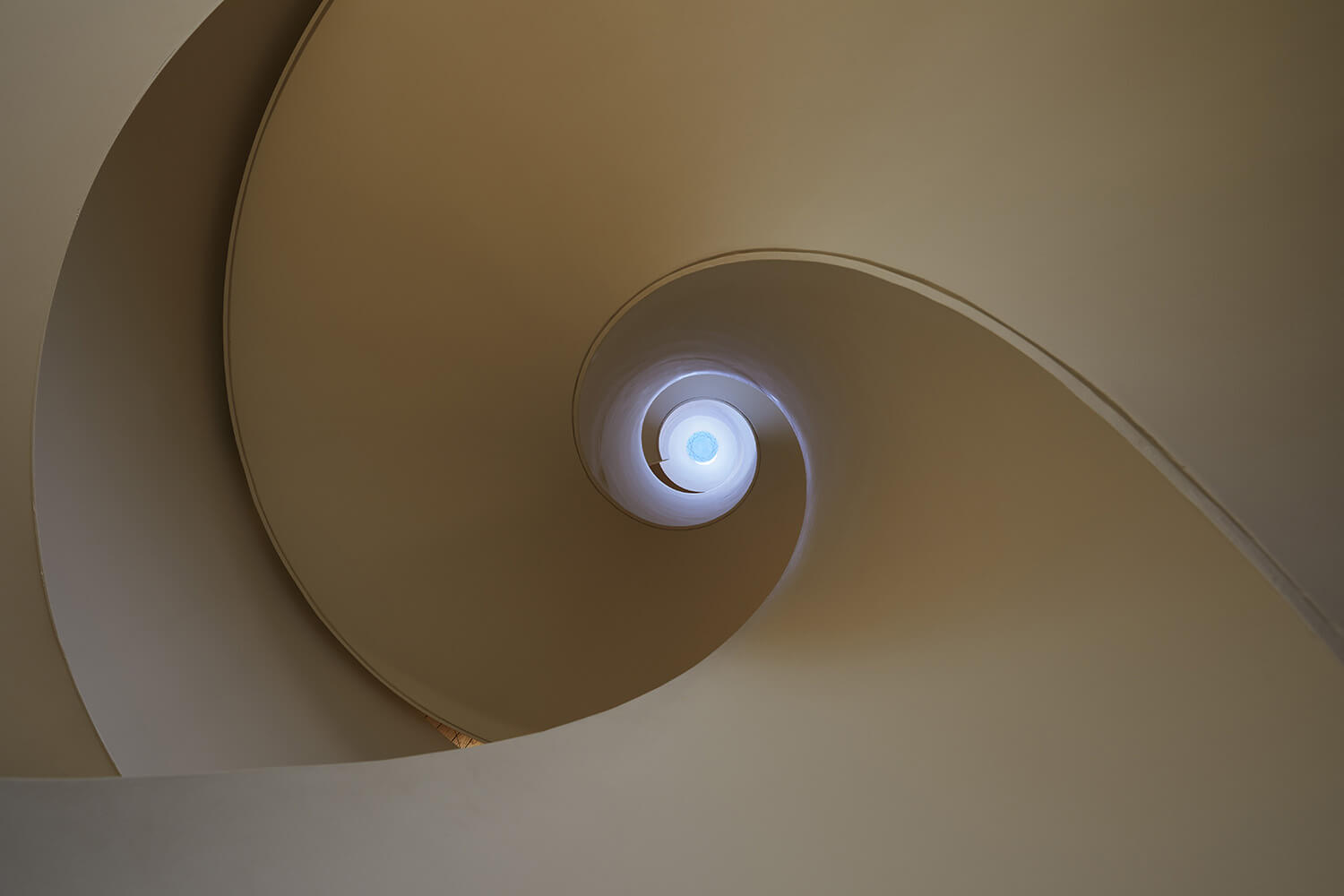
The elegant spiral staircase, the shape of which is reminiscent of that of a shell, connects the different levels. This strong move echoes the work of other Japanese architectural firms who have also made stairs a central element in their work, like Stairway House by design studio Nendo.
Loggia on the shore (2019) is a residence designed by Hiroshi Nakamura & NAP.
© Nacasa & Partners Inc.
© Nacasa & Partners Inc.

© Nacasa & Partners Inc.
© Nacasa & Partners Inc.
© Nacasa & Partners Inc.
© Nacasa & Partners Inc.
© Nacasa & Partners Inc.
© Nacasa & Partners Inc.
© Nacasa & Partners Inc.
© Nacasa & Partners Inc.