In Kamakura, Houeidou’s Noodle Craftsmanship Wins Over Japan
For three generations, this local noodle maker has remained devoted to preserving the flavor that built its reputation.
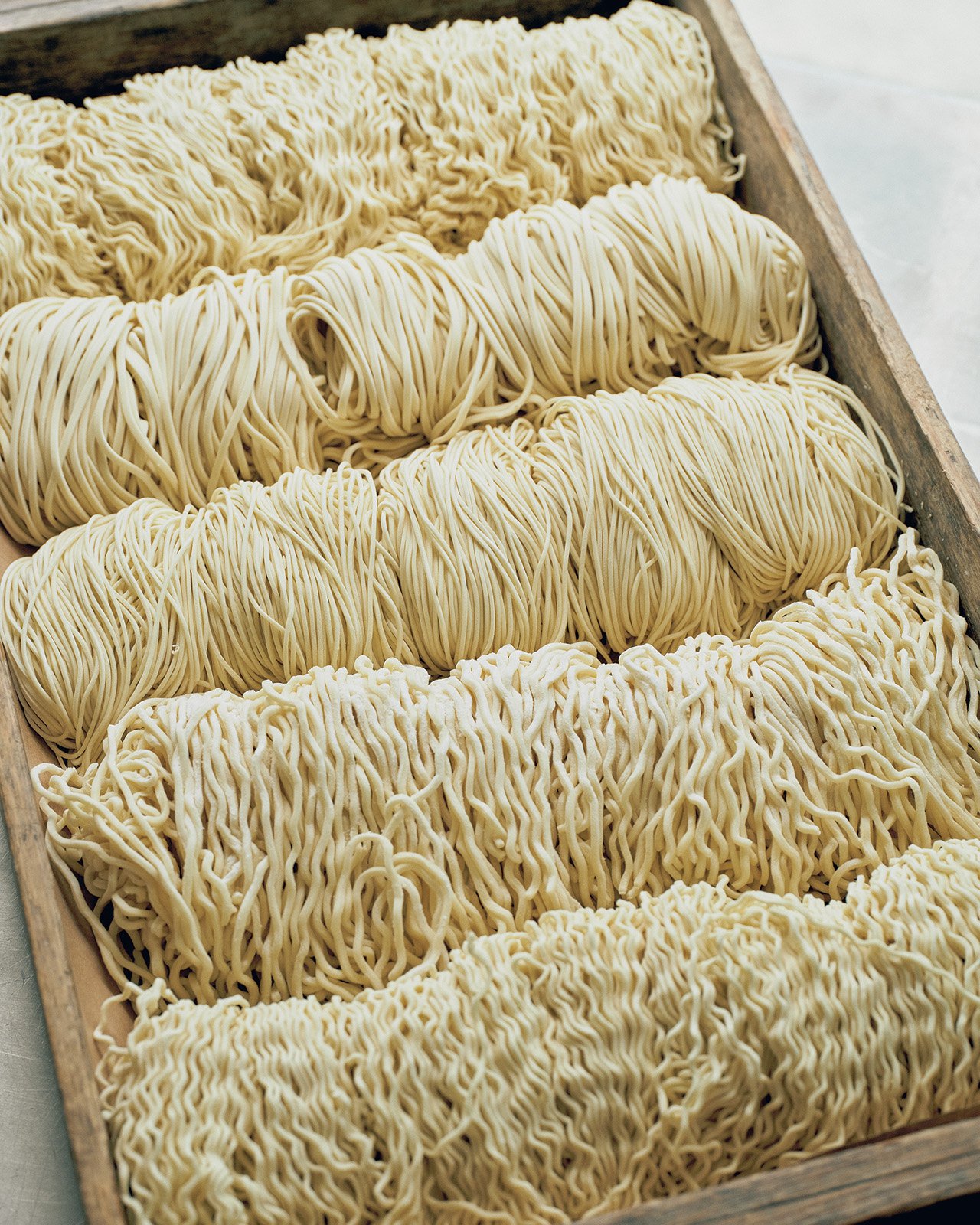
The Chinese-style noodles come in five varieties: thin and wavy, thin and straight, medium, thick, and flat. They are made solely from wheat flour, salt, water, and ‘kansui’ (alkaline water). Any unnecessary additives were removed when Yasushi Seki took over production.
Handcrafted noodles have a rare power: they can instantly elevate a homemade dish. In Kamakura, the noodle maker Houeidou has earned a reputation so strong that its clientele includes both celebrated chefs and discerning gourmets. This is the story of an artisan whose passion, passed down through generations, continues to captivate diners across Japan.
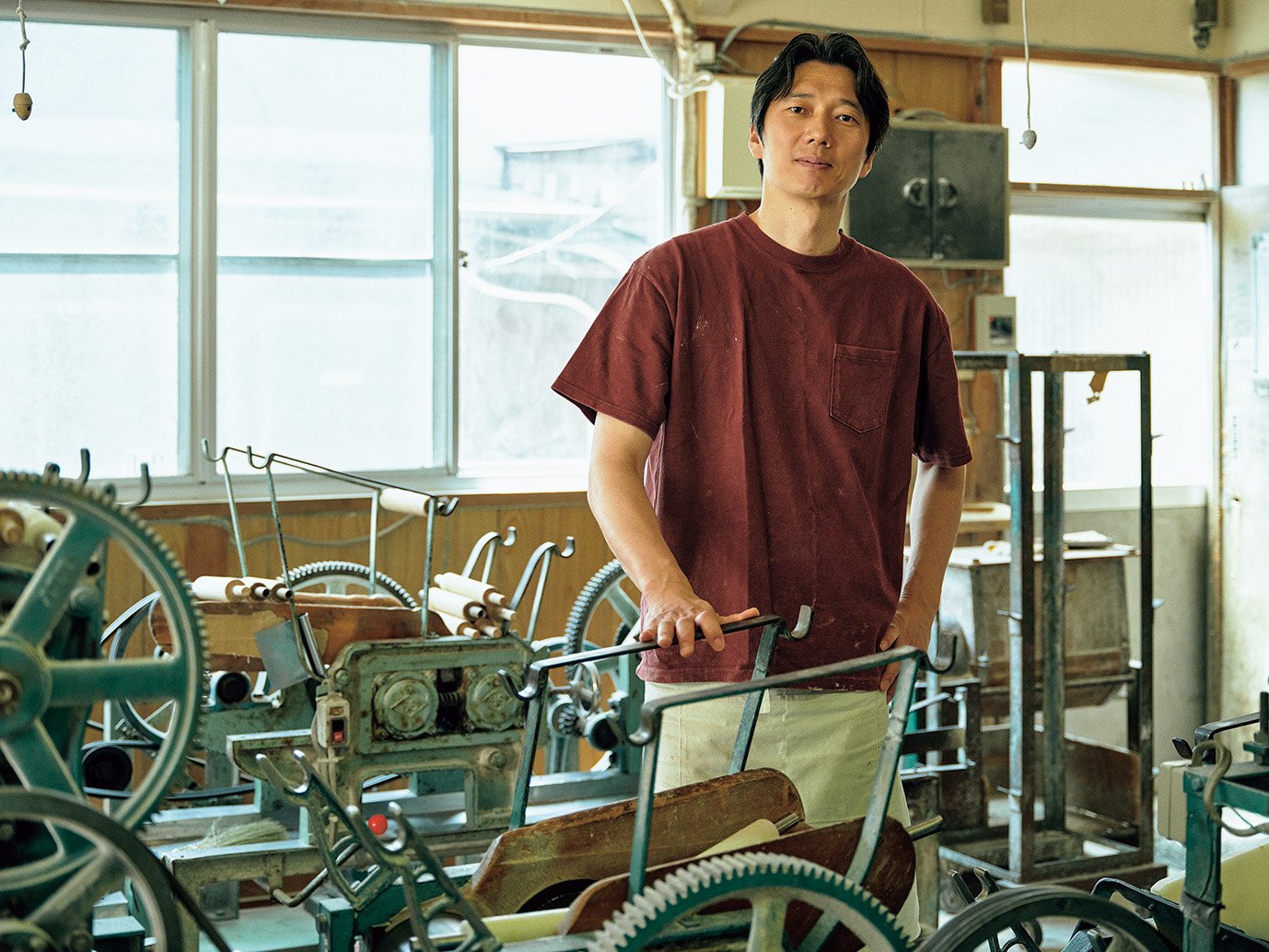
Yasushi Seki, the third-generation head of Houeidou Seimen. He took over the family business in 2011 at the age of 33. He had already helped part-time during his student years and continues to balance his work as a noodle artisan with his career as a furniture craftsman.
At a time when small noodle makers are disappearing across the country, Houeidou stands as a remarkable exception. For nearly a decade, newspapers, magazines, and TV programs have been featuring its work. Orders pour in from all over Japan, and many culinary professionals count themselves among its loyal customers.
Arriving in Kamakura, in Kanagawa Prefecture, one would never guess that the modest workshop tucked away on a quiet street is behind such acclaim. Built in the 1970s, the small factory has hardly changed since. The same machines, the same methods—and the same dedication. In the middle of it all, Yasushi Seki, the third-generation owner, moves with the steady rhythm of a shokunin—a craftsman who perfects his art through repetition and precision.
‘We do sell online,’ he says, ‘but I want to stay rooted in the local community.’
A philosophy of flavor shared with chefs
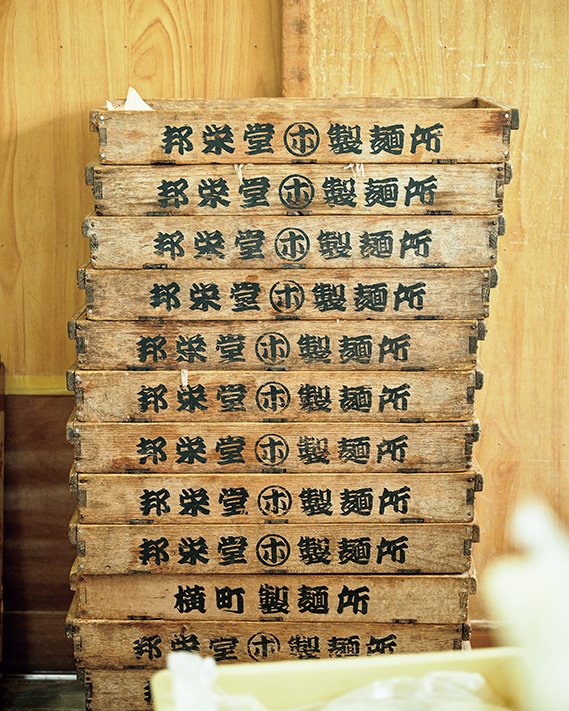
Time-worn wooden boxes used to deliver noodles to restaurants. The chef of Chūkasoba Satō in Ōfuna says he keeps them visible in the dining area because ‘they are so charming.’
Houeidou’s production peaks at around 2,000 servings a day—a small number compared to industrial makers. The company supplies around twenty restaurants, mainly in the Shōnan area. Each morning, production starts at 6:30 a.m., and by nine, the freshly made noodles are on their way to kitchens, ready for the lunchtime rush.
That rigor has earned the deep trust of its clients. Jun Satō, chef of Chūkasoba Satō in Ōfuna, speaks of Houeidou’s noodles with heartfelt fondness.
‘There’s a softness to them. When you take a bite, the aroma of wheat unfolds gently. They blend beautifully with the broth without overpowering it. I can’t imagine using any noodles other than Houeidou’s for my ramen.’
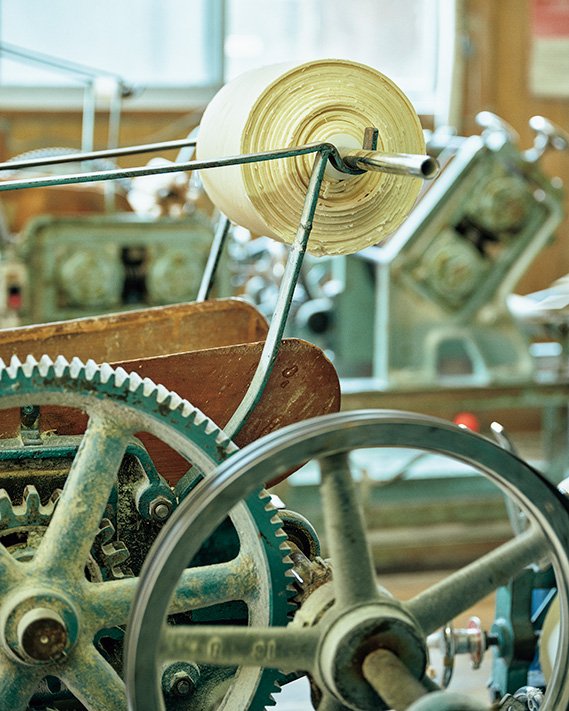
The noodle-making machine, introduced to the workshop in 1976, is still in use. Less efficient than modern electric models, it allows for a more hands-on approach, which Yasushi Seki values highly.
Since taking over the family business in 2011, Yasushi Seki has nurtured this closeness with the restaurants he supplies. He launched an official social media account to share the dishes created with his noodles and gyoza wrappers, along with the motto: ‘Study our own noodles, taste our own dough.’
‘At a time when local eateries and small noodle makers are struggling to survive, I’m trying to find what I can do to help them keep going,’ he explains.
Twice a month, he visits partner restaurants to observe how his noodles are cooked, served, and received.
‘When I first started, I used to think, ‘They should cook the noodles a bit firmer,’’ he laughs. ‘But now I find it fascinating to see how each restaurant has its own interpretation.’
While Seki has made small adjustments to the ingredients—such as removing certain preservatives—the flavor itself remains untouched.
‘I take pride in carrying on the taste handed down through three generations,’ he says. ‘What matters most is that our noodles complement the broth without overshadowing it.’
At Houeidou, consistency is not about nostalgia—it’s about sincerity. A quiet fidelity to the hand, to the material, and to those who keep this story alive, one bowl at a time.
Houeidou Seimen
Address: 5-6-15 Ōmachi, Kamakura, Kanagawa Prefecture, Japan
Phone: +814 6722 0719
Hours: 11:00 a.m. – 4:00 p.m. (closes when sold out)
Closed: Monday and Tuesday
www.instagram.com/houeidou.noodle.factory/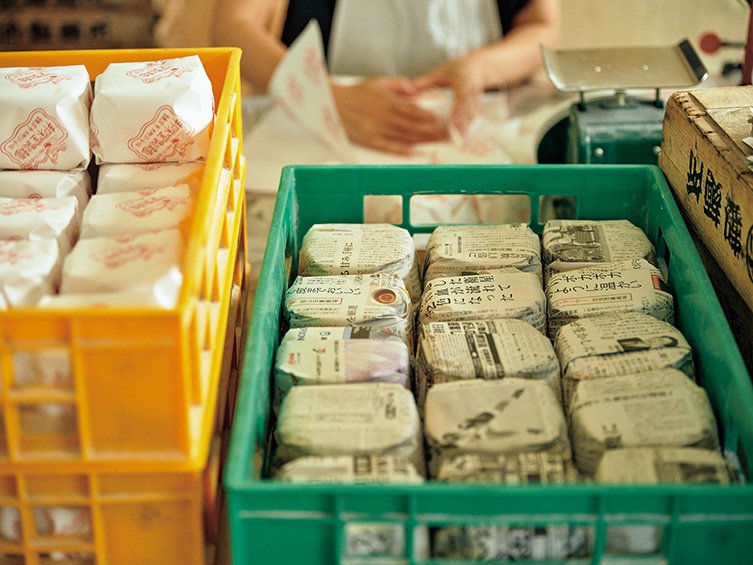
While Yasushi Seki focuses on production, his sister manages the direct sales counter, attending to the steady stream of neighborhood customers. Between transactions, she hand-wraps gyoza wrappers for online orders in newspaper. Everything, from noodle making to packaging, takes place in this workshop.
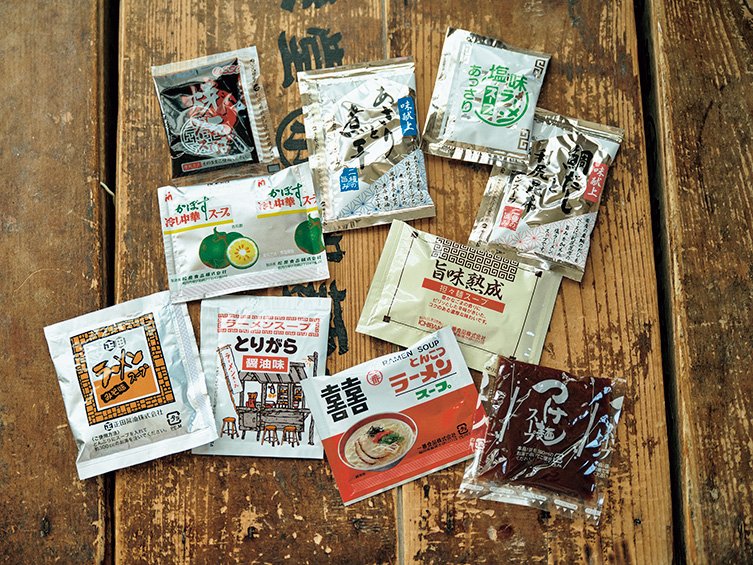
Over the years, Yasushi Seki has tasted countless ramen broths across Japan before selecting those he offers for sale. Around ten varieties are available, including ‘shōyu’, ‘shio’, clam and dried sardine ‘shōyu’, sea bream and Rishiri ‘konbu’ ‘shio’, ‘tantanmen’, and a monthly rotating broth.
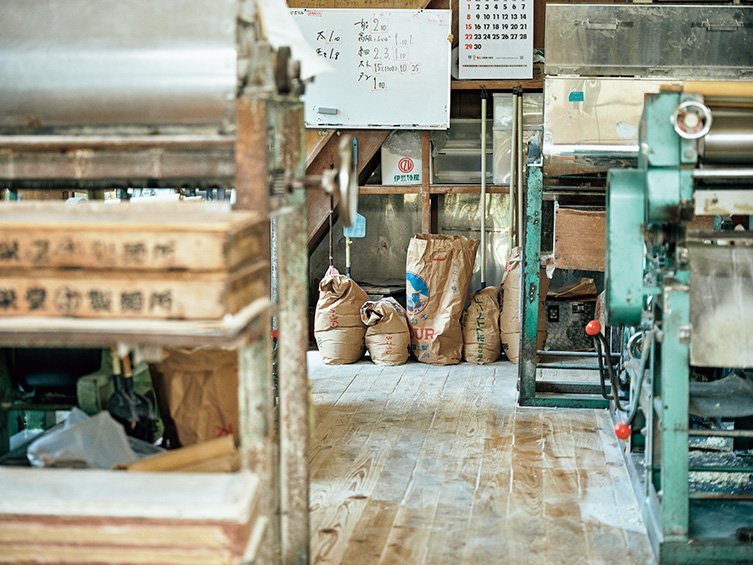
Founded in 1953 and rebuilt in 1970, the workshop continues to produce noodles in the same building. The well-used machines and wooden floors retain the atmosphere of the Shōwa era, lending the space a deep, nostalgic charm.
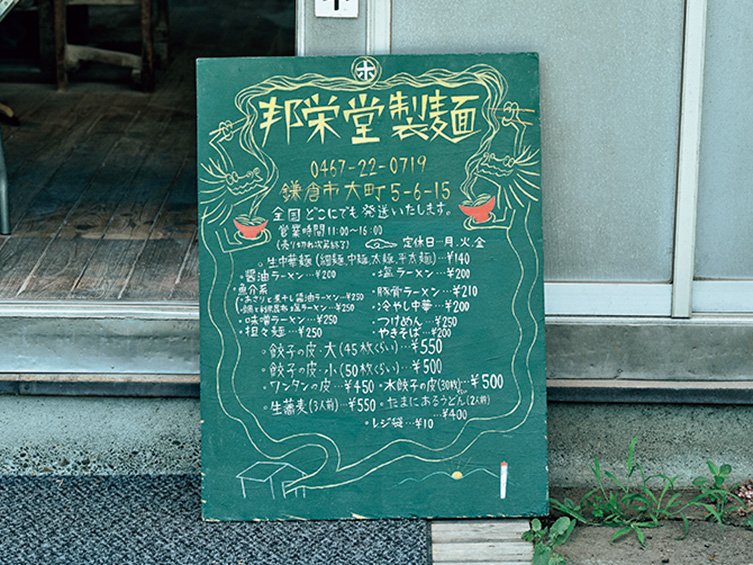
A blackboard at the direct-sale counter lists the day’s menu.
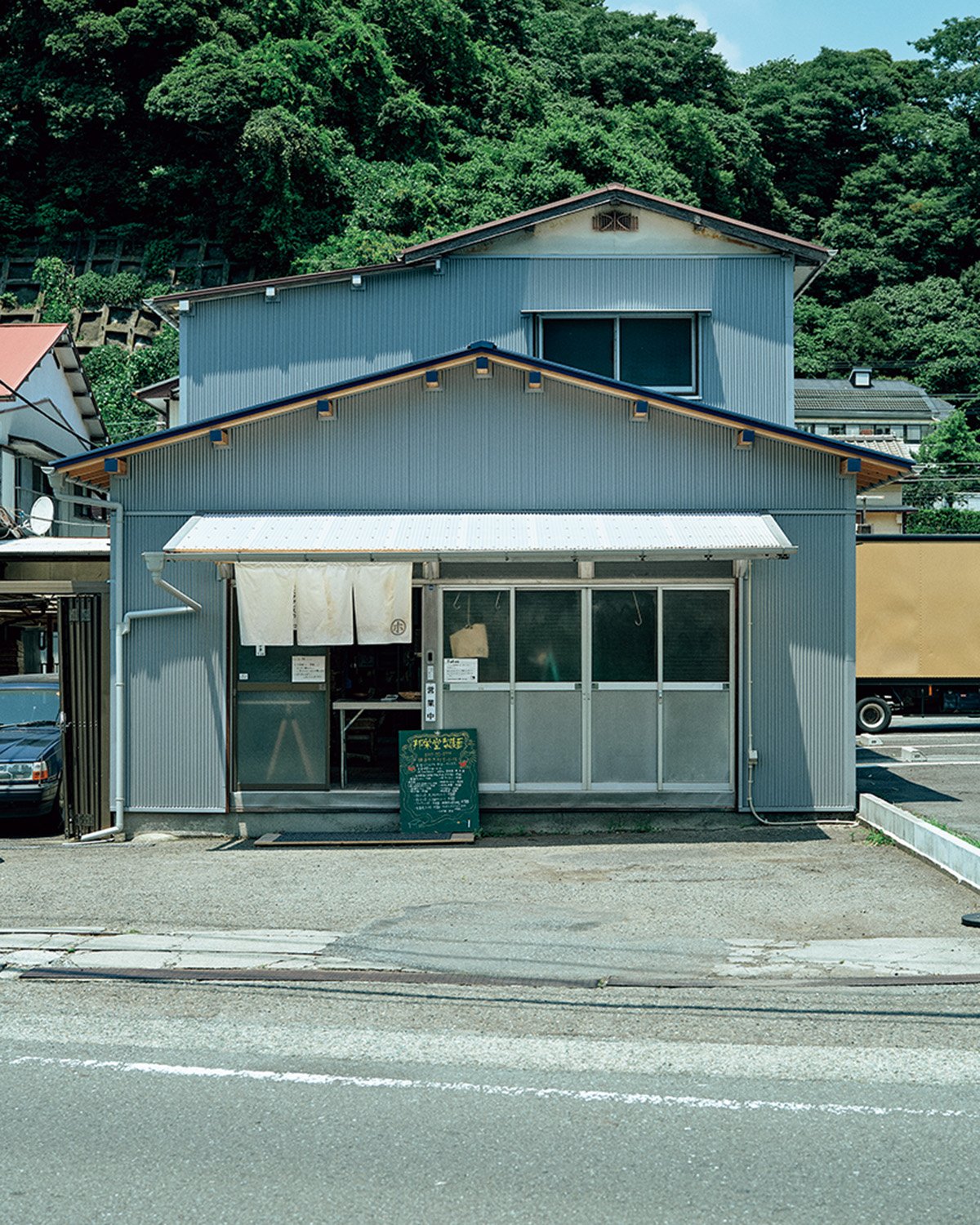
The workshop is about a twenty-minute walk from JR Kamakura Station. Beneath the white ‘noren’ hanging at the entrance, visitors include both local residents and customers coming from afar.