Taiwanese Culinary Culture is Gaining Ground in France
A closer look at three of the many recent establishments championing the diversity of Taiwanese teas, cuisine, and sweet treats.
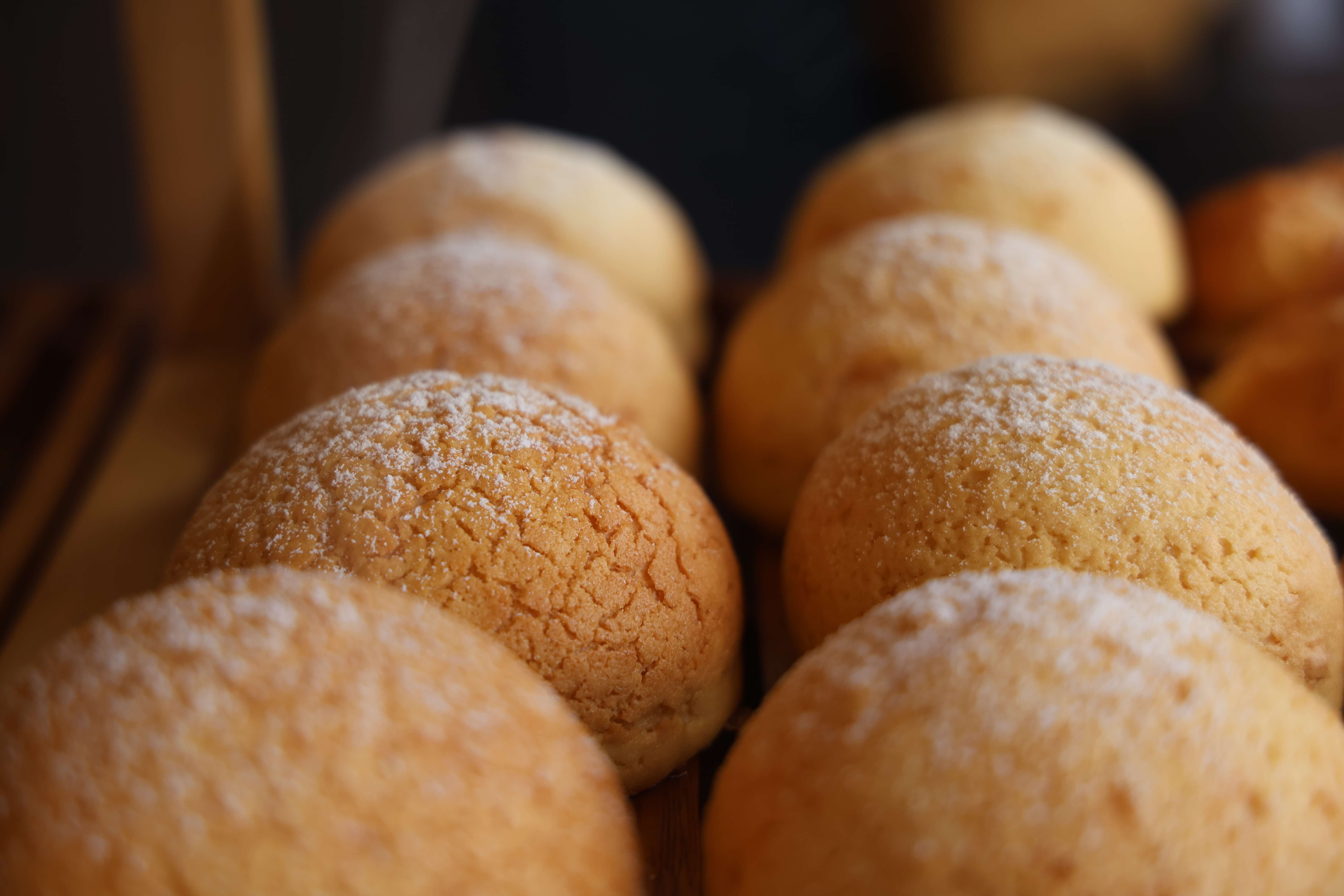
Taiwanese ‘polo’ buns, even more indulgent with a generous spread of salted butter. © Rebecca Zissmann
In recent years, Paris has seen a growing number of establishments dedicated to showcasing the richness of Taiwanese cuisine, from its refined teas and delicate confections to its savoury dishes. Among them, three venues stand out for blending the island’s vibrant flavours with a contemporary touch.
Sourdough and Taiwanese Brioches at Petite Île
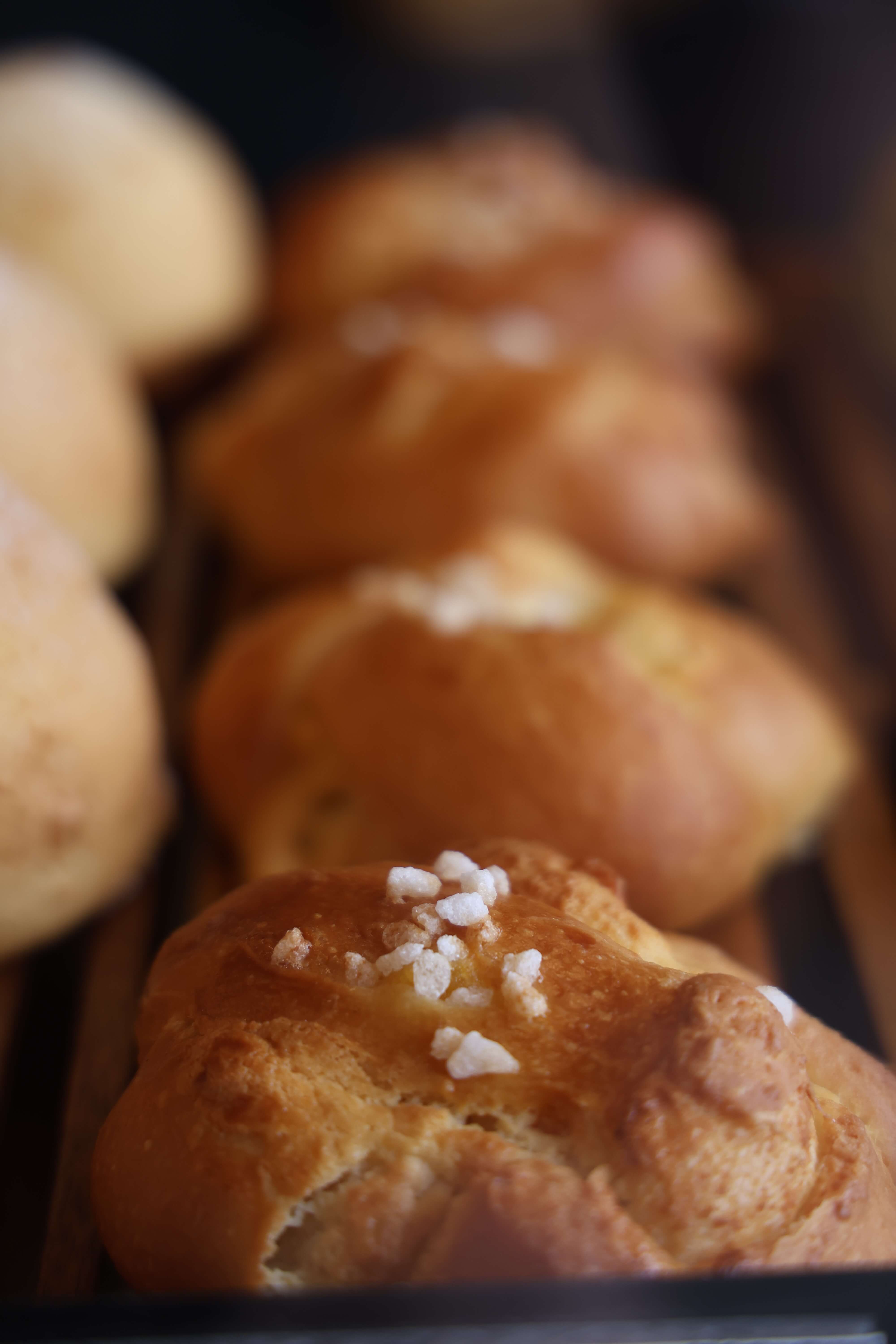
Taiwanese brioche filled with homemade ‘naisu’ butter at Petite Île. © Rebecca Zissmann
Originally a product designer specialising in laser technology, Chih-Ya Wang discovered a passion for baking during her student years. Within her circle of friends, she quickly became known for her perfectly executed macarons. One day, a professor returning from Japan, where he had explored the art of bread-making, made an unexpected comparison: baking bread, he said, was like working with glass—each firing produced unpredictable results. The analogy sparked Wang’s curiosity, already drawn to all things manual and craft-based.
In 2017, during a trip to Paris to attend the Maison&Objet design fair, Wang and her husband Po-Hsuan Chuang fell in love with the city. Wang later enrolled at Ferrandi, where she studied the art of kneading and sourdough fermentation with the dream of opening her own bakery. That dream came to life after the pandemic with the opening of Petite Île, a minimalist yet refined space designed by Chuang himself.
Initially focused on mastering sourdough, Wang now bakes exquisite long-fermentation loaves using a blend of three flours. After three days of fermentation, the bread develops a distinctive, slightly sour flavour. Incorporating Taiwanese elements wasn’t part of the original concept—but at Chuang’s suggestion, Wang began introducing Taiwanese pastries to her Parisian clientele, starting with brioches.
Although Taiwan doesn’t have a strong bread-making tradition, brioches are widely loved there in both sweet and savoury forms. At Petite Île, Wang puts a unique spin on the classic by wrapping it in a buttery crust and filling it with homemade naisu butter, a sweet blend of milk, egg, and powdered sugar adored in Taiwan.
For those familiar with Japanese melon pan, Wang’s version will feel both familiar and refreshingly new. One beloved Taiwanese variation, the polo or bolo bun—named for its pineapple-like grid topping—is a soft milk bread with a golden, textured dome. Compared to its Japanese cousin, the Taiwanese version has a slightly deeper colour. At Petite Île, it’s served the French way: sliced open and lavishly spread with salted butter. The result is a delightful blend of two cultures.
Wang also wanted to expand her savoury offerings. Taking inspiration from a Taiwanese classic, she adds scallions to the double-cheese filling of her mini sandwiches, a nod to the green onion buns so popular on the island. A land of culinary syncretism, Taiwan continues to inspire Wang and Chuang in their Paris-based venture. With Petite Île, their homage to the island’s diverse flavours now has a home in the heart of the Marais.
Petite Île
Address: 8 rue des Filles du Calvaire, 75003, Paris
Open Tuesday to Saturday from 8 AM to 6 PM, and Sunday from 9 AM to 2:30 PM.
Closed on Monday.
www.instagram.com/petite.ile.paris/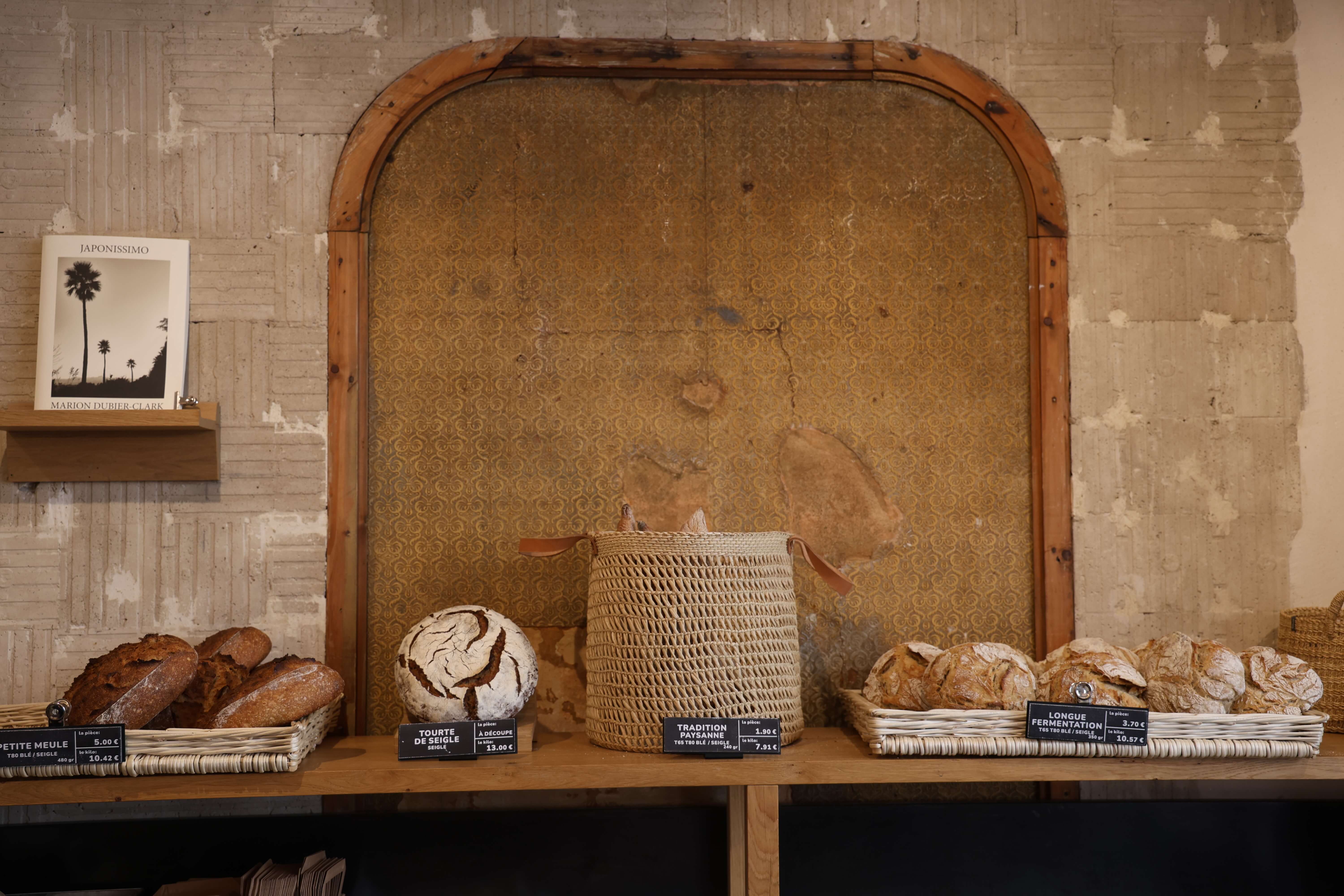
Chih-Ya Wang crafts sourdough loaves, including her signature long-fermentation bread. © Rebecca Zissmann
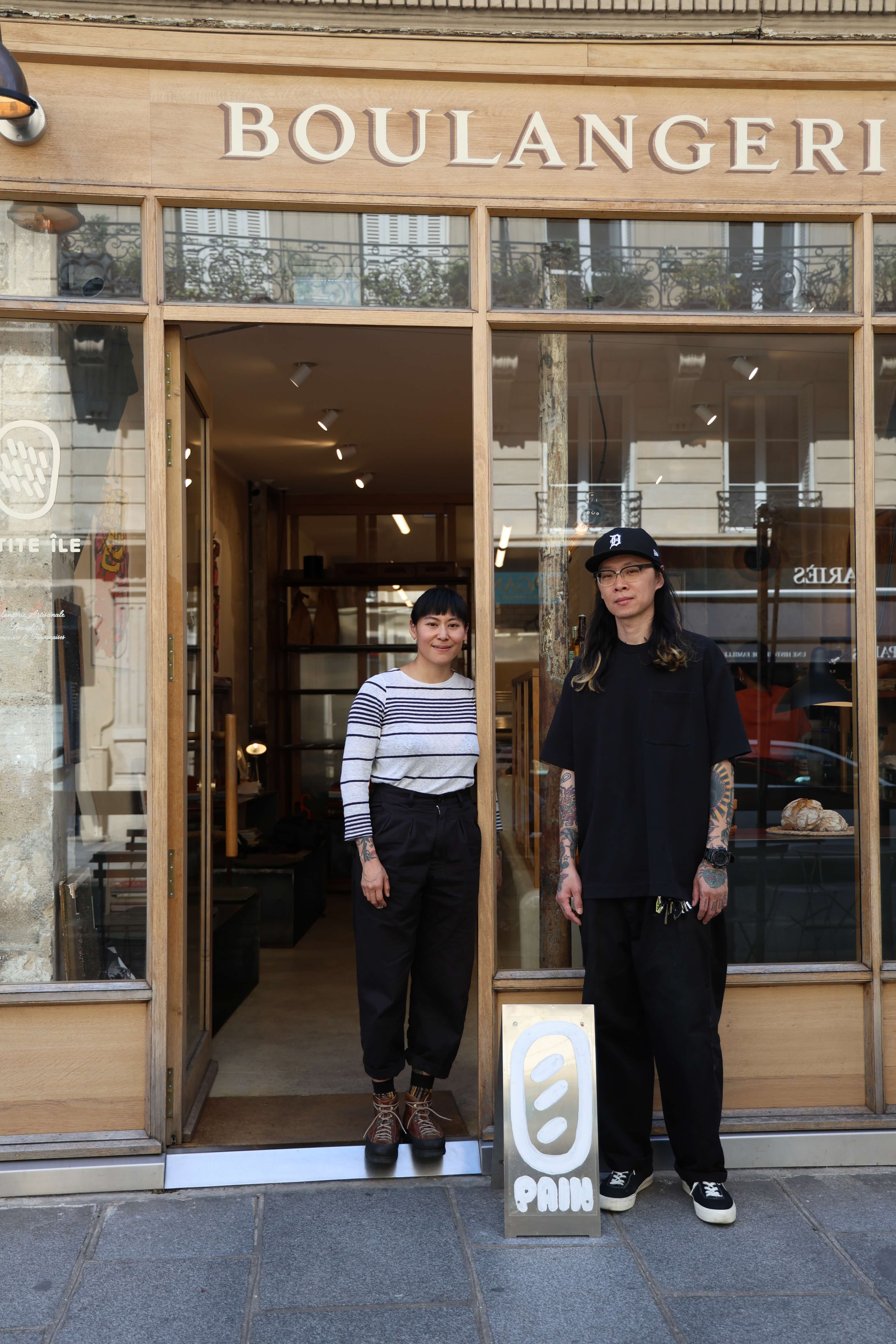
Chih-Ya Wang and Po-Hsuan Chuang in front of Petite Île bakery, located in Paris’s Marais district. © Rebecca Zissmann
Laïzé, A Contemporary Take on Taiwanese Tea Culture
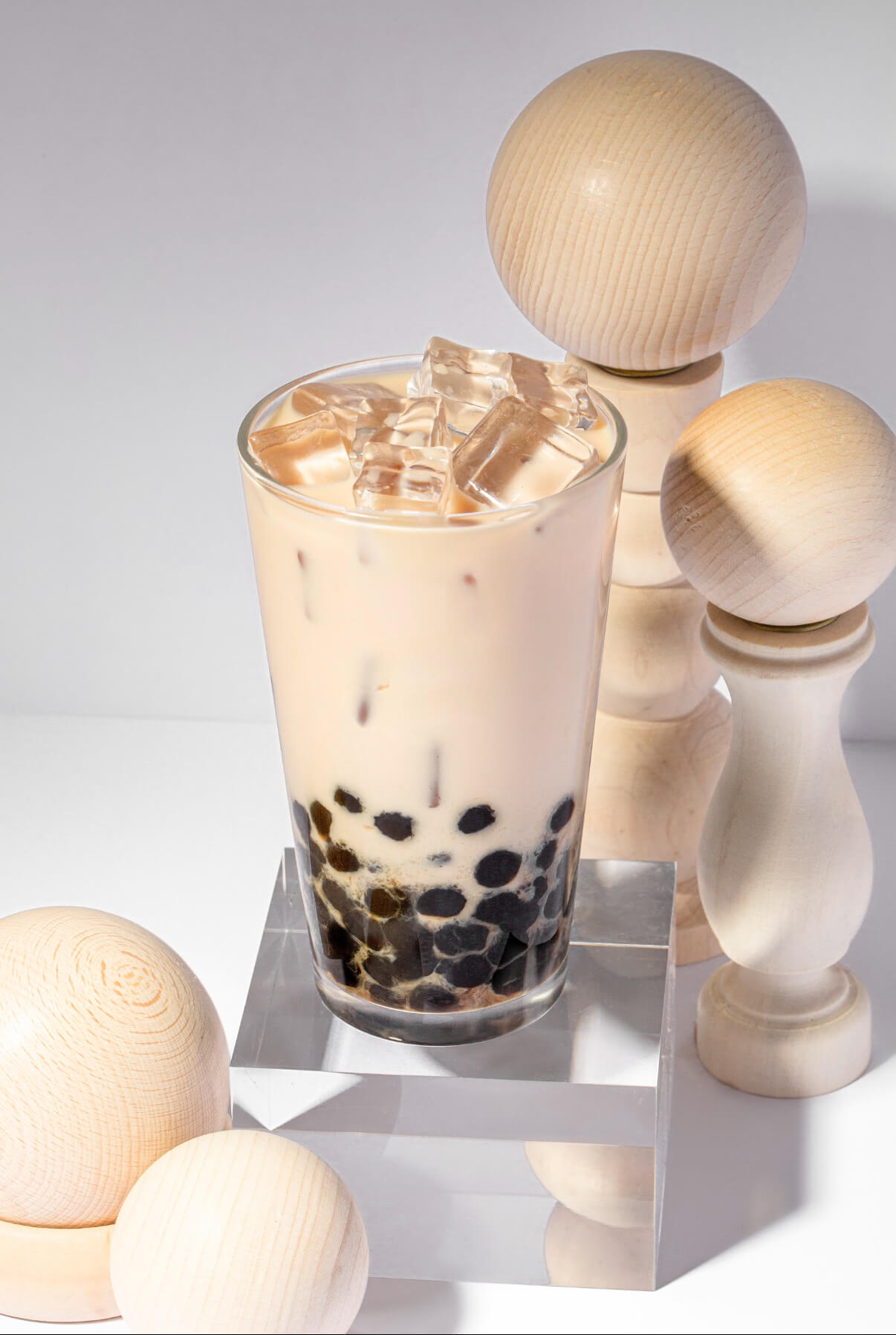
Laïzé’s take on bubble tea: a subtle balance of quality ingredients elevated by exceptional Taiwanese teas.
In Taiwan, tea is more than a beverage—it’s a daily ritual, from prized oolong brews to modern-day bubble tea. With Laïzé, a contemporary tea shop in Paris, founders Jody Liu and Stéphane Lim set out to share the remarkable diversity of teas, preparation methods, and inventive pairings from their home island.
Their concept reimagines the origins of takeaway tea through a modern lens—one where every element of the drink can be tailored. At Laïzé, customers are invited to choose the temperature, level of sweetness, and optional toppings, each selected to enhance the essence of the high-quality teas sourced from Taiwan.
Among them are leaves grown on the Pakua plateau in central Taiwan, known for their fragrant, nuanced aromas—enjoyed either as they are or with a gentle cloud of milk. At Laïzé’s original location in the Marais, rare teas are served in small batches, including the elegant Golden Oolong and the almost milky Kimsuan Oolong, both with delicate, complex flavour profiles. During the warmer months, few things are more refreshing than their green tea with freshly pressed grapefruit, a welcome reprieve from the city heat.
A subtle nod to traditional Taiwanese medicine, the shop’s interior—with its wall of wooden drawers—was inspired by an old apothecary in Tainan. Tea itself has long been considered a medicinal plant in Taiwan, and this link is honoured in the serene, minimalist setting created by Liu and Lim, both graduates of a fashion school. For them, the space is as important as the drink itself—designed as a place of openness, dialogue, and creative collaboration. True to its name, Laïzé means ‘come sit down as a friend.’
This spirit of connection has led to partnerships with brands such as Ami Paris and Taiwanese ceramicist Pieces of Jade. It also inspired the opening of two additional Paris locations, including one in Sainte-Avoye dedicated entirely to coffee—a nod to Taiwan’s status as the third-largest coffee consumer in Asia.
Here, coffee is revisited with Taiwanese flair, notably in the Tainan Blend, a round and complex roast developed by ST.1 Tainan. Now, Laïzé is preparing for a return to its roots: by the end of 2025, two locations will open in Tainan, in southern Taiwan, including one devoted to the brand’s first line of coffee. A new chapter, and a way for these ambassadors of Taiwanese lifestyle to contribute to the island’s thriving food and beverage culture.
Laïzé
Address: 19 rue de Montmorency, 75003, Paris
Phone: +33 9 87 09 15 75
Open Monday to Thursday and Sunday from 12:30 PM to 7 PM. Open Friday and Saturday from 12:30 PM to 10 PM.
www.laizeparis.com/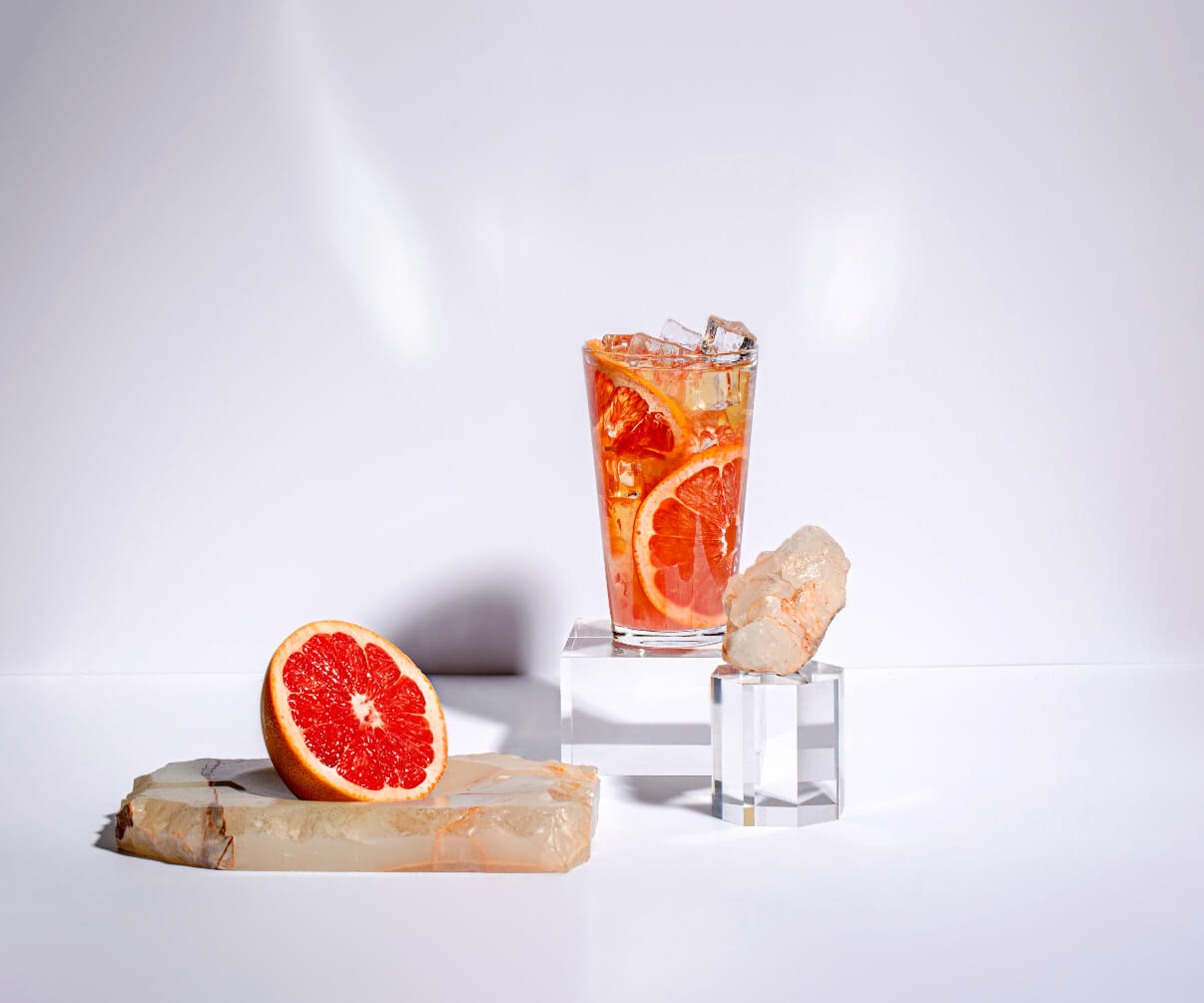
In summer, the freshly pressed grapefruit green tea is a favourite for its crisp, thirst-quenching acidity.
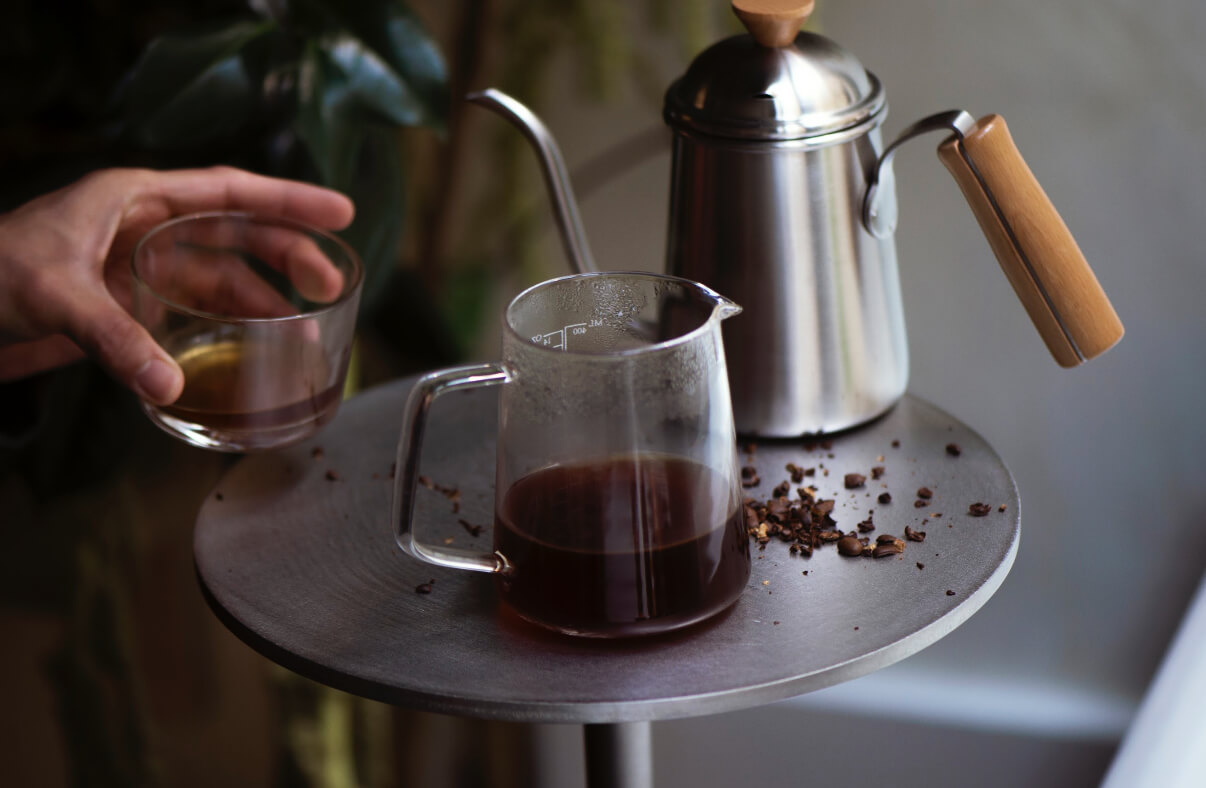
A recent addition at Laïzé, Taiwanese-style coffee highlights beans roasted in Tainan.
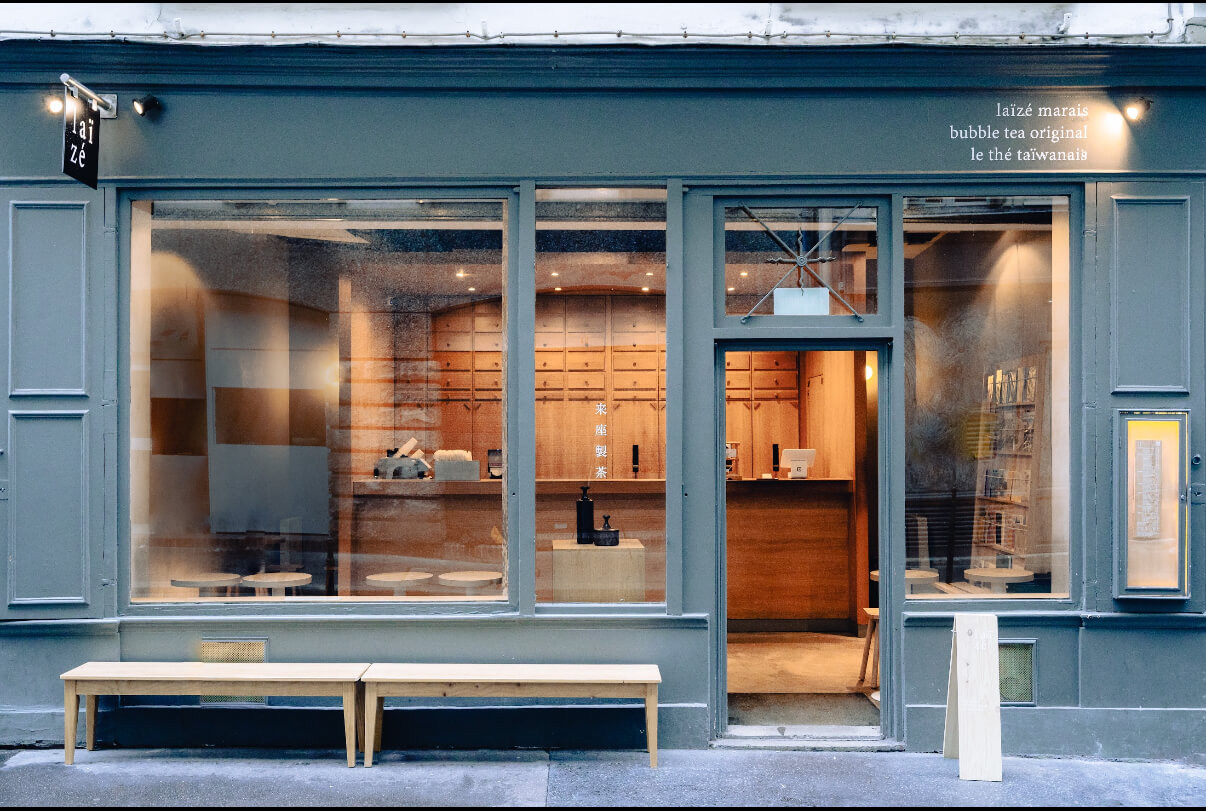
With an interior inspired by a traditional Taiwanese pharmacy, Laïzé Marais pays tribute to the medicinal roots of tea.
Foodi Jia-Ba-Buay: Iconic Dishes and Hidden Gems from Taiwan
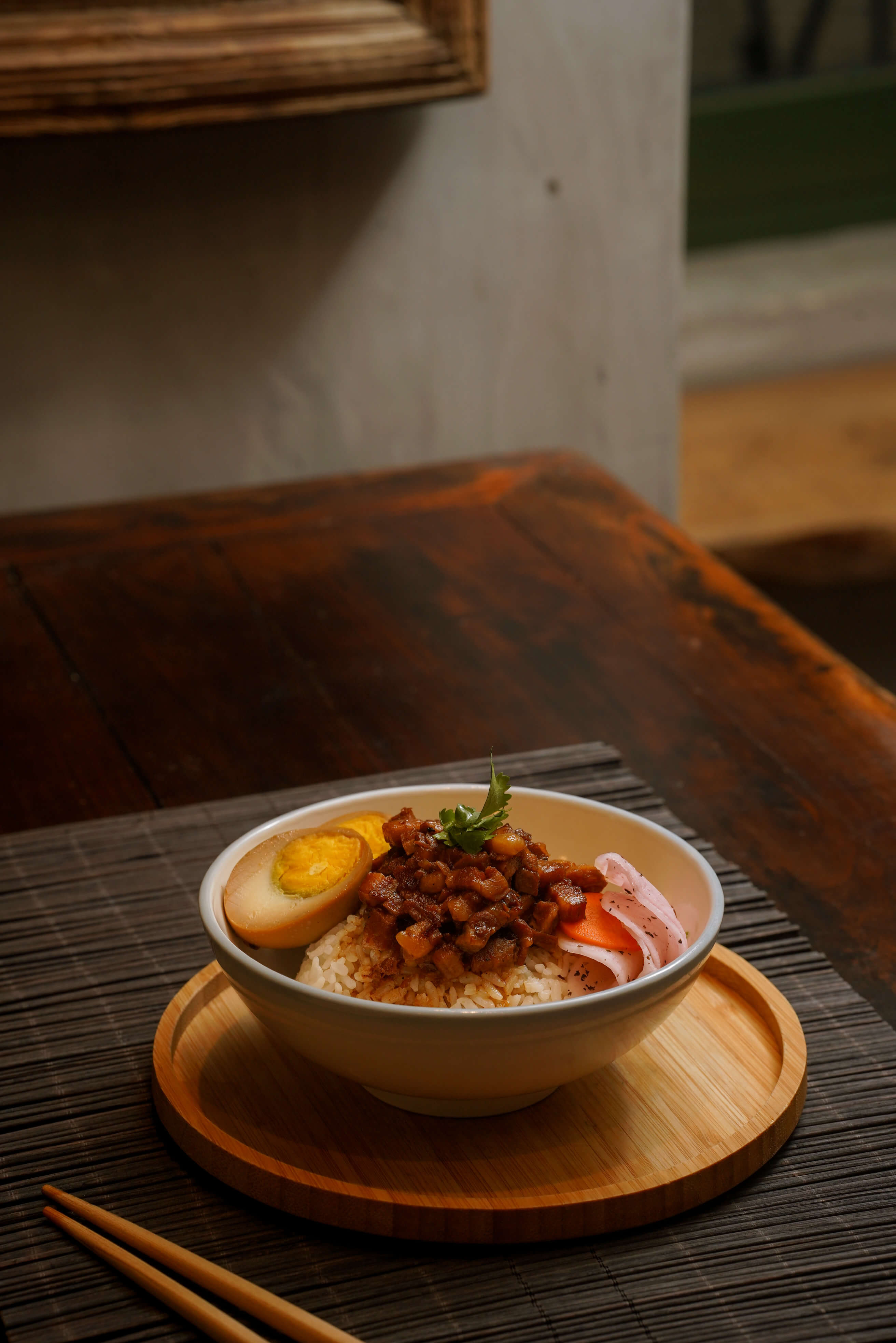
Five-spice braised minced pork from the Lu Rou Fan, a signature dish at Foodi Jia-Ba-Buay.
If there is one figure who has shaped the presence of Taiwanese gastronomy in France, it is Virginia Chuang. Originally from Taipei and based in Paris for over twenty years, she helped launch France’s first bubble tea shop back in 2003 and spent many years leading popular Taiwanese cooking workshops. For the past decade, however, it is at her own restaurant—Foodi Jia-Ba-Buay—that the chef has been celebrating the rich culinary heritage of her native island.
The menu features emblematic Taiwanese dishes such as Niú Ròu Miàn, a comforting beef noodle soup, and the beloved Gua Bao—steamed buns filled with braised pork and pickled mustard greens. Pork plays a central role across the menu, whether finely minced and slow-braised in five spices for a melt-in-your-mouth Lu Rou Fan, stir-fried with garlic stems and a spicy black bean sauce in the summer dish known as ‘fly heads,’ or served as mountain pepper-seasoned pork belly, a traditional recipe from Taiwan’s Indigenous communities.
Highlighting Taiwan’s diverse regional and cultural influences is central to Chuang’s approach. One example is the Hakka-style stir-fried rice noodles, a popular item at Foodi Jia-Ba-Buay. She also brings her own creative flair to certain recipes, adding a local twist—such as wild garlic—to the scallion pancake, which has become one of the restaurant’s signature dishes.
In a pared-back space accented with dark wood furnishings, many diners experience Taiwanese cuisine for the first time. ‘They’re often immediately drawn in by the depth of flavour and variety on offer,’ says Chuang. That first encounter leads many to return, especially during traditional festivals when the menu features seasonal dishes such as Zongzi for the Dragon Boat Festival, or specials to mark Lunar New Year.
Looking ahead, Chuang plans to explore even more facets of Taiwanese cooking, including recipes that pay tribute to the island’s rich street food culture. One flavour at a time, Foodi Jia-Ba-Buay is becoming a reference point for those looking to discover—or rediscover—the depth and complexity of Taiwanese cuisine.
Foodi Jia-Ba-Buay
Address: 2 rue du Nil, 75002, Paris
Phone: +33 1 45 08 48 28
Open Monday to Wednesday from 12 PM to 2:30 PM and from 7 PM to 9:45 PM. Open Thursday and Friday from 12 PM to 2:30 PM and from 7 PM to 10 PM. Open Saturday from 12 PM to 3 PM and from 7 PM to 10 PM.
Closed on Sunday.
www.foodi-jia-ba-buay.fr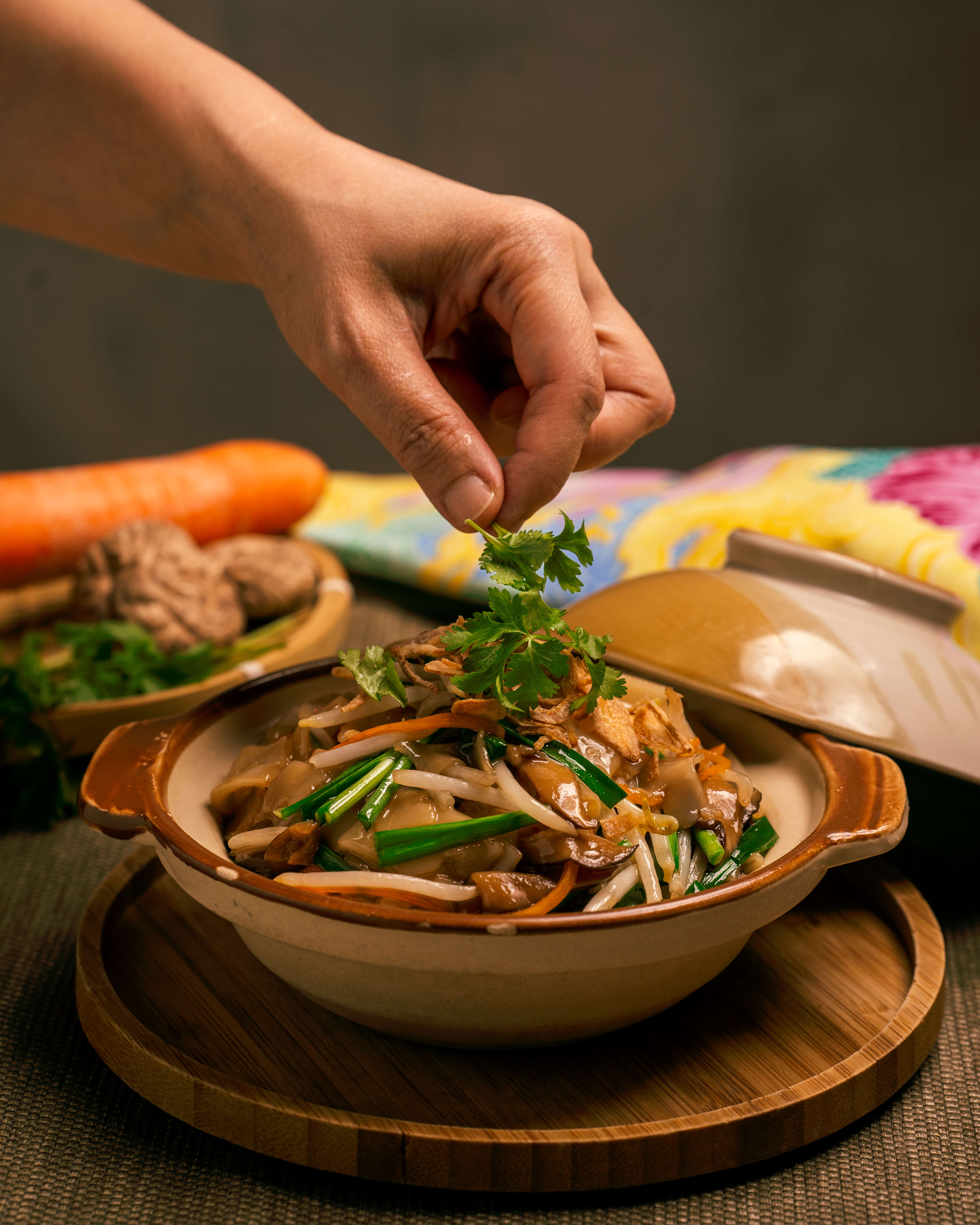
Hakka-style stir-fried rice noodles.
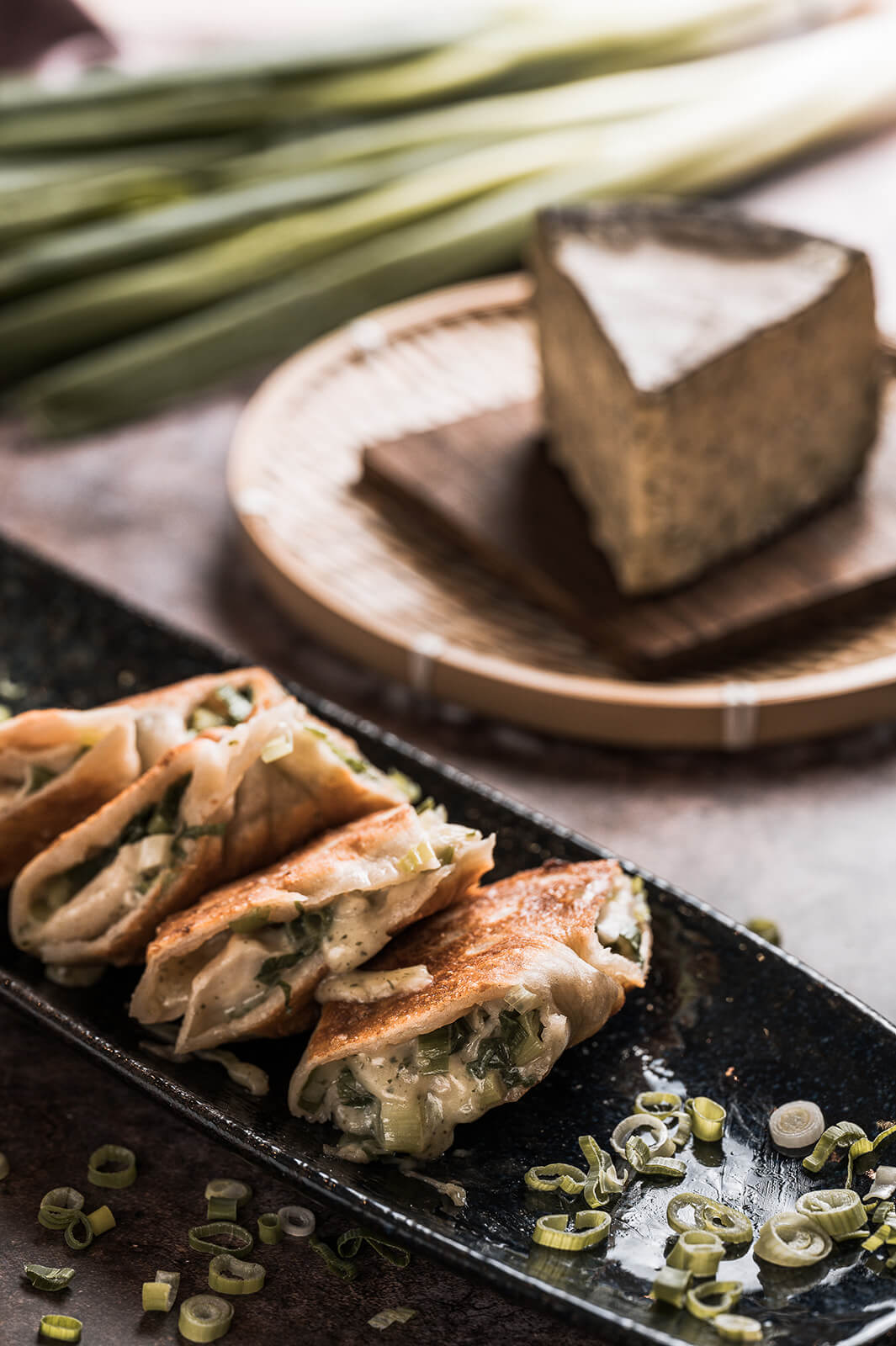
Virginia Chuang’s scallion pancake, enhanced with wild garlic.