Masatoshi Naito’s Black-and-White Japan Comes Back to Colour
A first retrospective showing the work of this photographer from the alternative Japanese movement was held in Tokyo in 2018.
© Masatoshi Naito
Tokyoite Masatoshi Naito embodies the alternative Japanese photography movement. Born in 1932 and having graduated in science and engineering from the prestigious Waseda University, Masatoshi Naito began taking photos in the 1960s and remained outside the conventional box. A first major retrospective of his work, Naito Masatoshi, Another World Unveiled, was held in 2018 at the Tokyo Photographic Art Museum.
The camera, a magic instrument
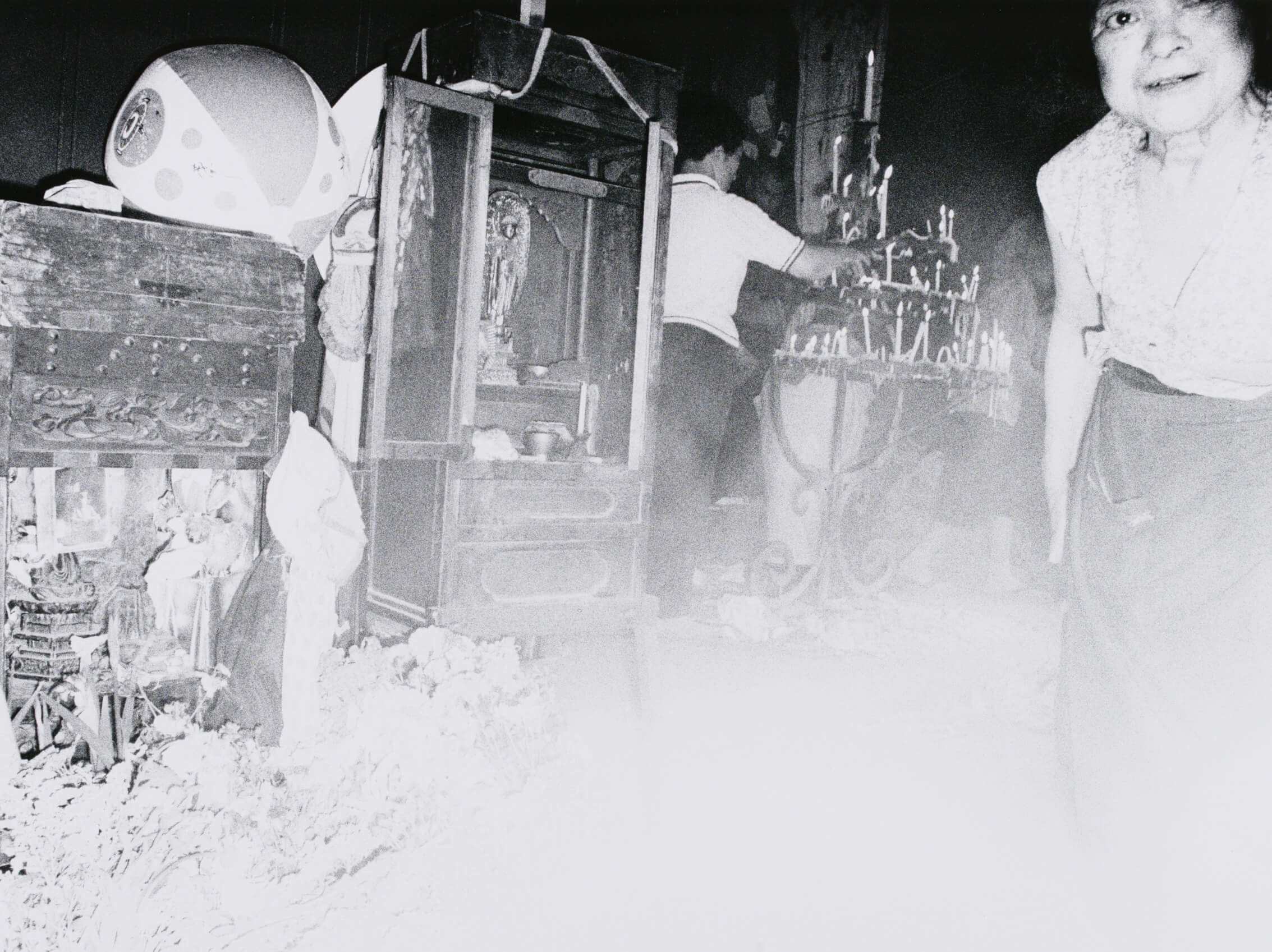
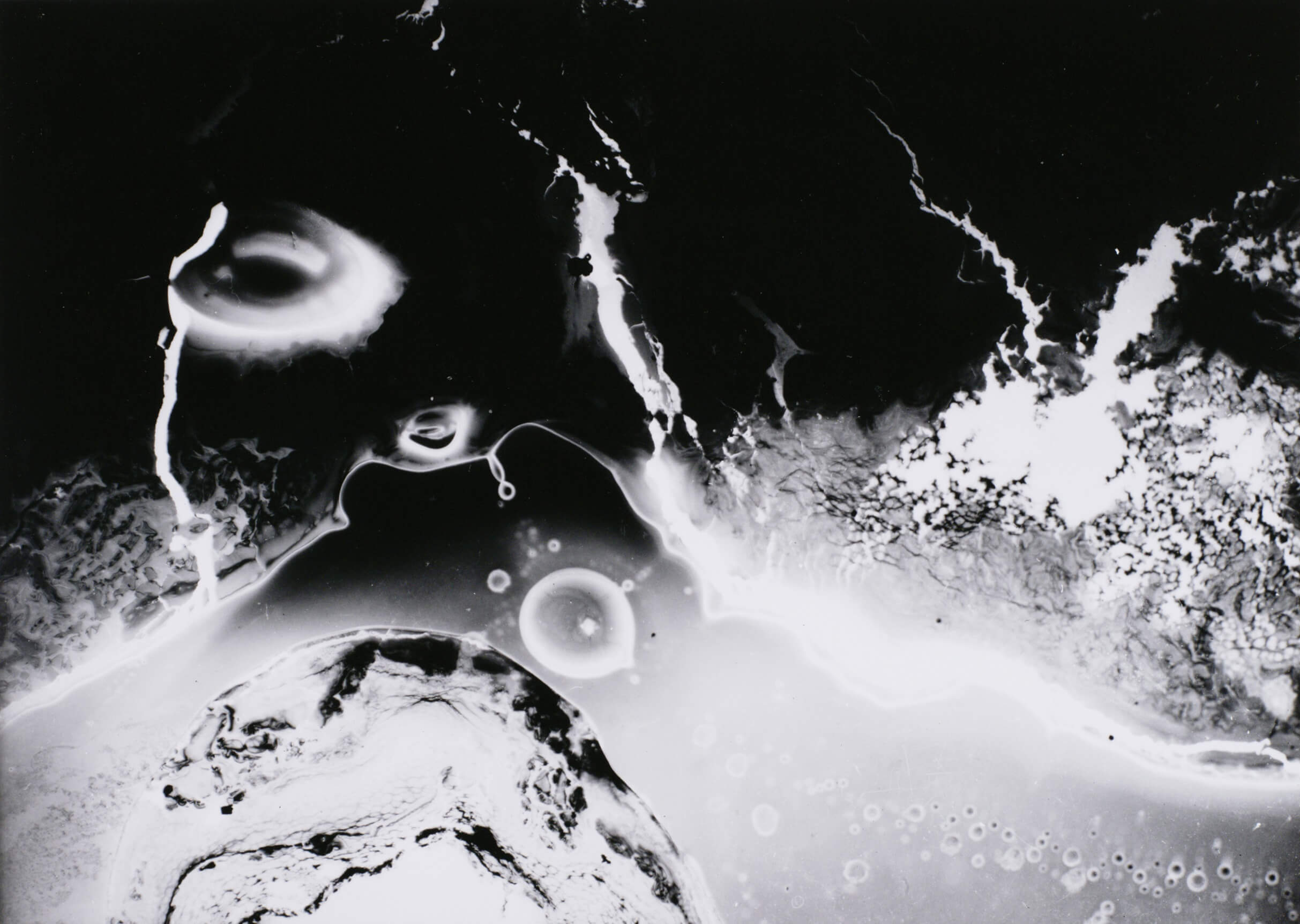
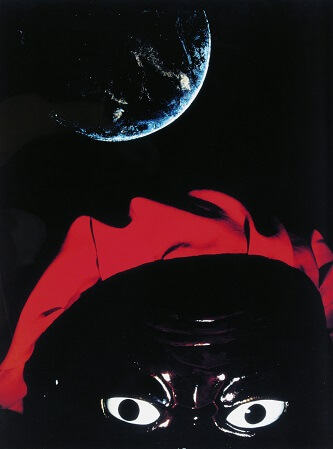
Between the 1960s and 2000s, Masatoshi Naito travelled the length and breadth of Japan to study its folklore and mythology. In a society where normalisation is a struggle, the photographer works to unveil marginal worlds like that of female shamans. According to his methodology, Masatoshi Naito uses his camera like a magic instrument that allows him to see the intangible. The flash that he uses to illuminate the faces of his subjects reveals disquieting visions that appear almost supernatural.
The retrospective at the Tokyo Photographic Art Museum was a rare occasion to discover the sensitive world of an artist whose editorial choices showcased the fringes of society and accentuated its contours.
Naito Masatoshi, Another World Unveiled (2018), an exhibition of Masatoshi Naito’s work was held at the Tokyo Photographic Art Museum.
© Masatoshi Naito
© Masatoshi Naito
© Masatoshi Naito