Makoto Fujiwara, a Career Built on Stone
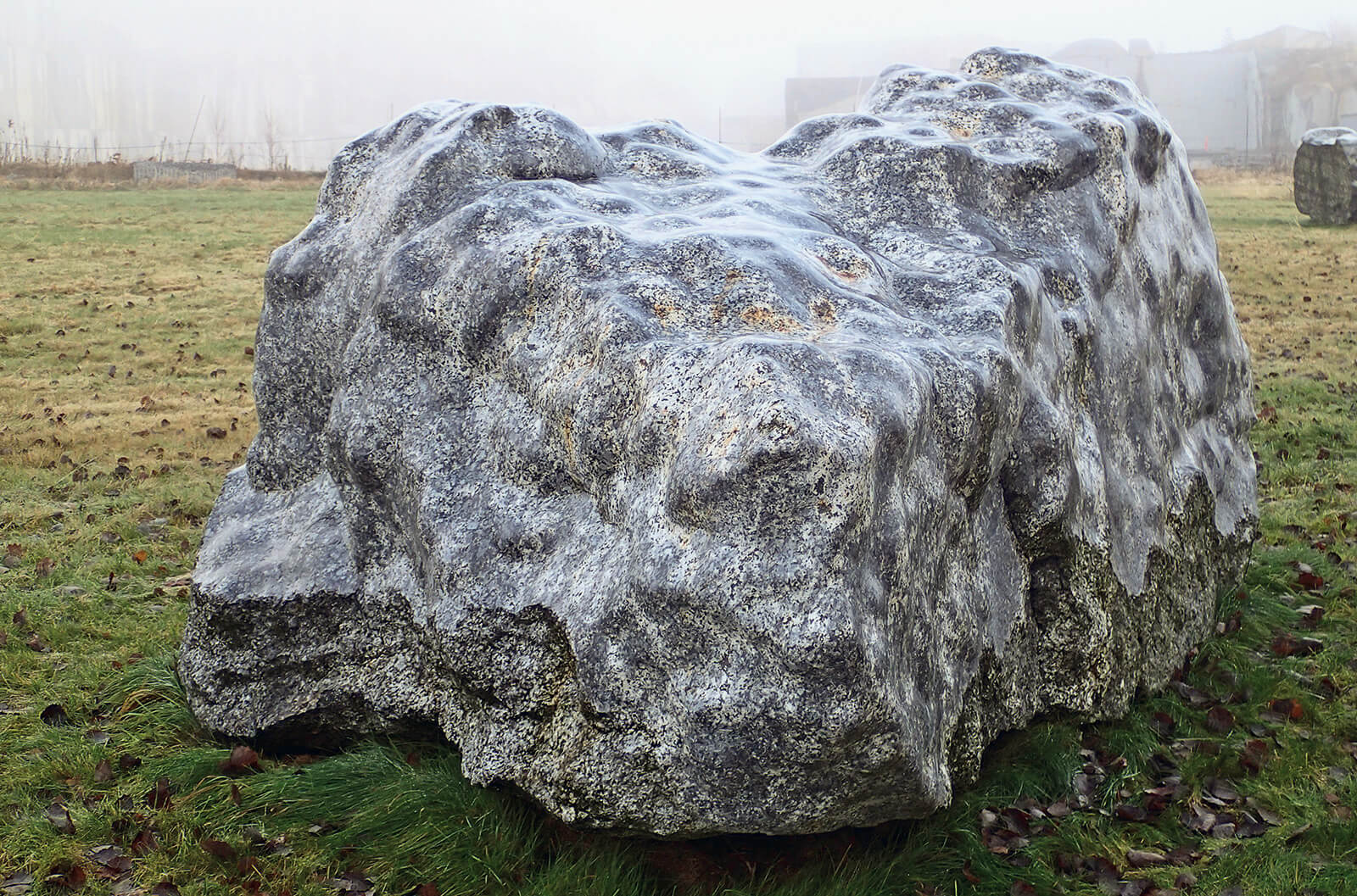
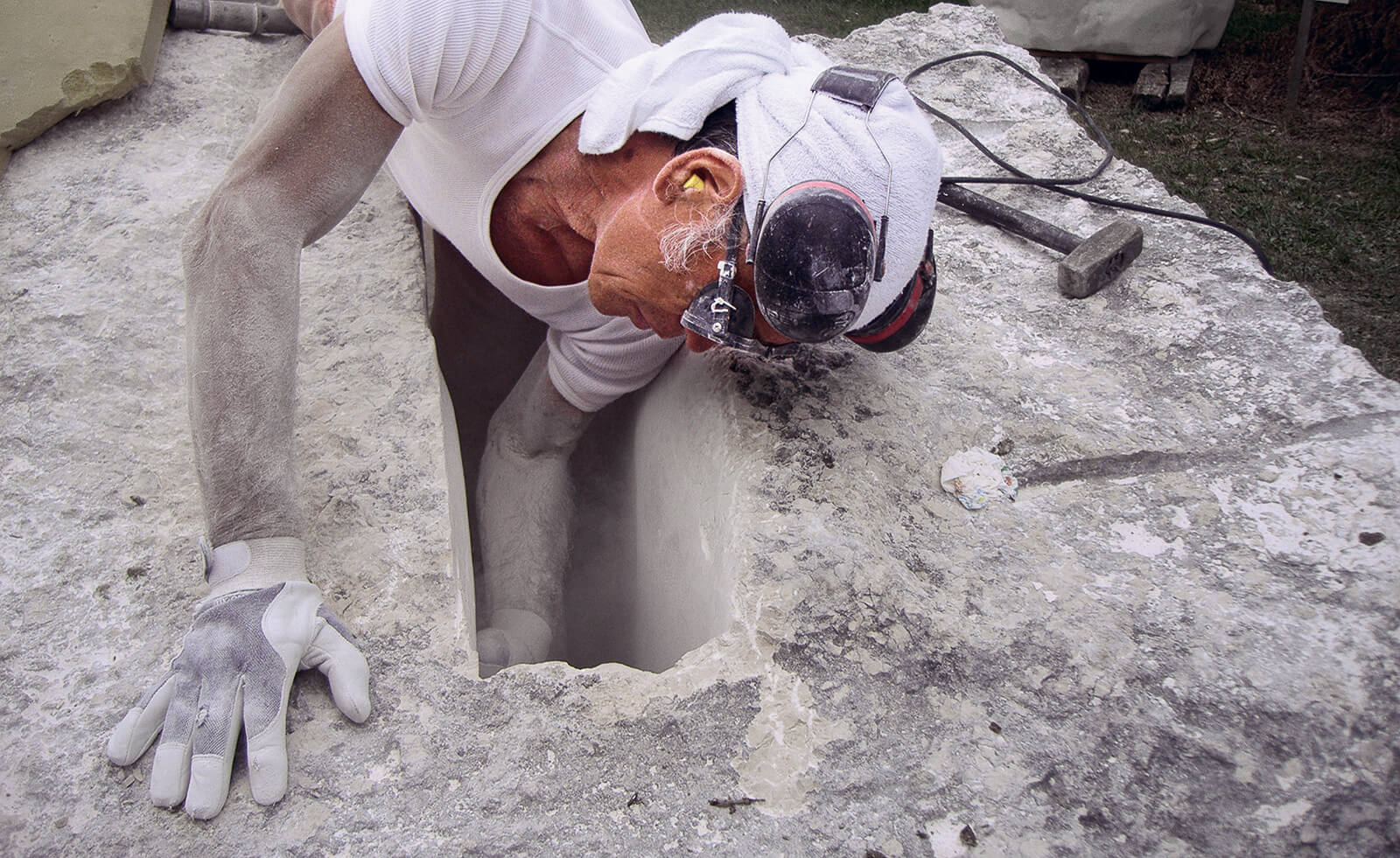
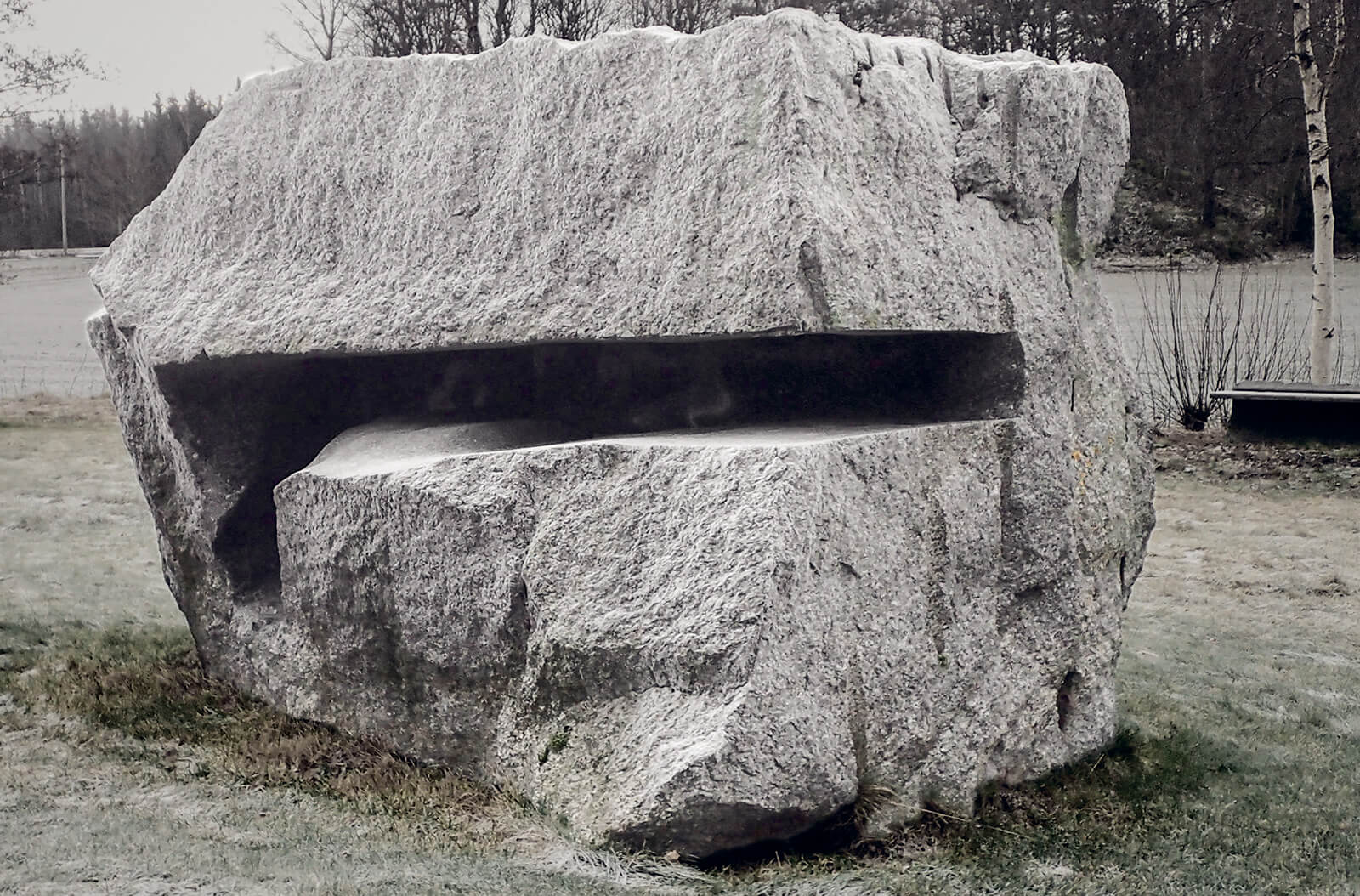
The book 'Stone and Makoto' retraces the sculptor's career in a series of 90 photographs, accompanied by accounts written by the artist.
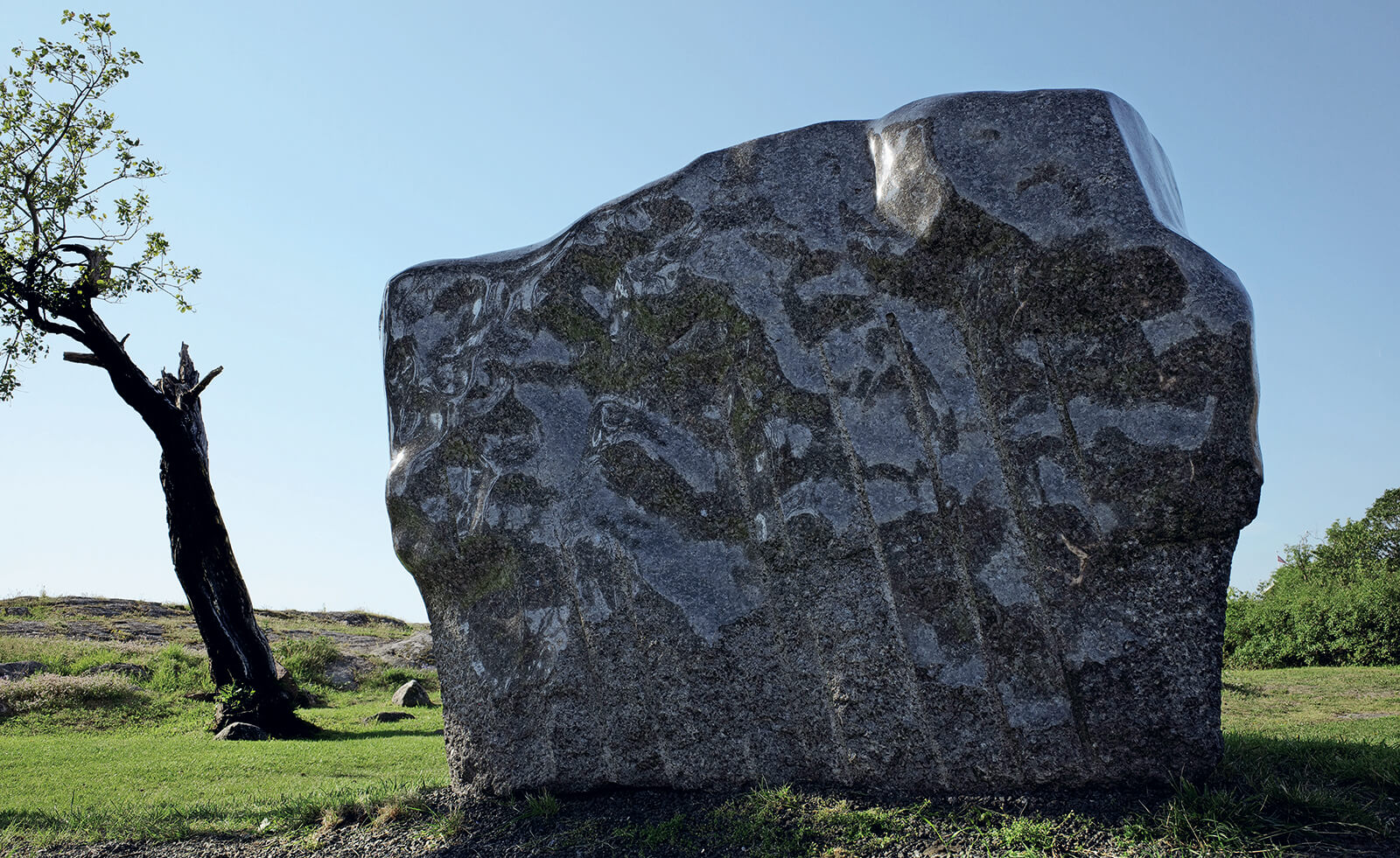
© Makoto Fujiwara, “Stone and Makoto”, Edition Patrick Frey, 2021
Stone and Makoto is combination of several things: a collection of stories, a photographic excursion through the universe of stone, a vade mecum carefully completed over the years and made available for the world to see… This multifaceted work allows readers to enter the mineral world of a sculptor fond of monumental masterpieces.
Makoto Fujiwara was born in Japan in 1938 in the family temple in the heart of the country but worked overseas for the majority of his life. After graduating from Tokyo University of the Arts, he left Japan in 1966 after receiving a grant from the French government. He settled in Paris, then Vienna, before going on to preside over the stone sculpture studio at Berlin University of the Arts. From 1985 onwards, Makoto Fujiwara was the resident sculptor at the Lundhs quarry in Larvik, Norway.
Sculpting the monumental to question the world
In the pages of the book, the reader discovers the quarry in its gigantic proportions, the stone fragments extracted from a monolithic block to be chiselled, polished, and crafted by the artist. Through rock, the life of Makoto Fujiwara and the main theme of his work take shape. Sculpting the monumental to question one’s place or way of being in the world, sculpting alone while being fully aware of the collective that is required to reach the end point of the project. Stones were at the heart of Makoto Fujiwara’s existence, and his life came to an end among them when he passed away in 2019, in the quarry in Norway where he worked.
Stone and Makoto (2021), a book by Makoto Fujiwara and Andreas Schneider, is published by Edition Patrick Frey in English and Japanese.
© Makoto Fujiwara, 'Stone and Makoto', Edition Patrick Frey, 2021
© Makoto Fujiwara, 'Stone and Makoto', Edition Patrick Frey, 2021
© Makoto Fujiwara, 'Stone and Makoto', Edition Patrick Frey, 2021
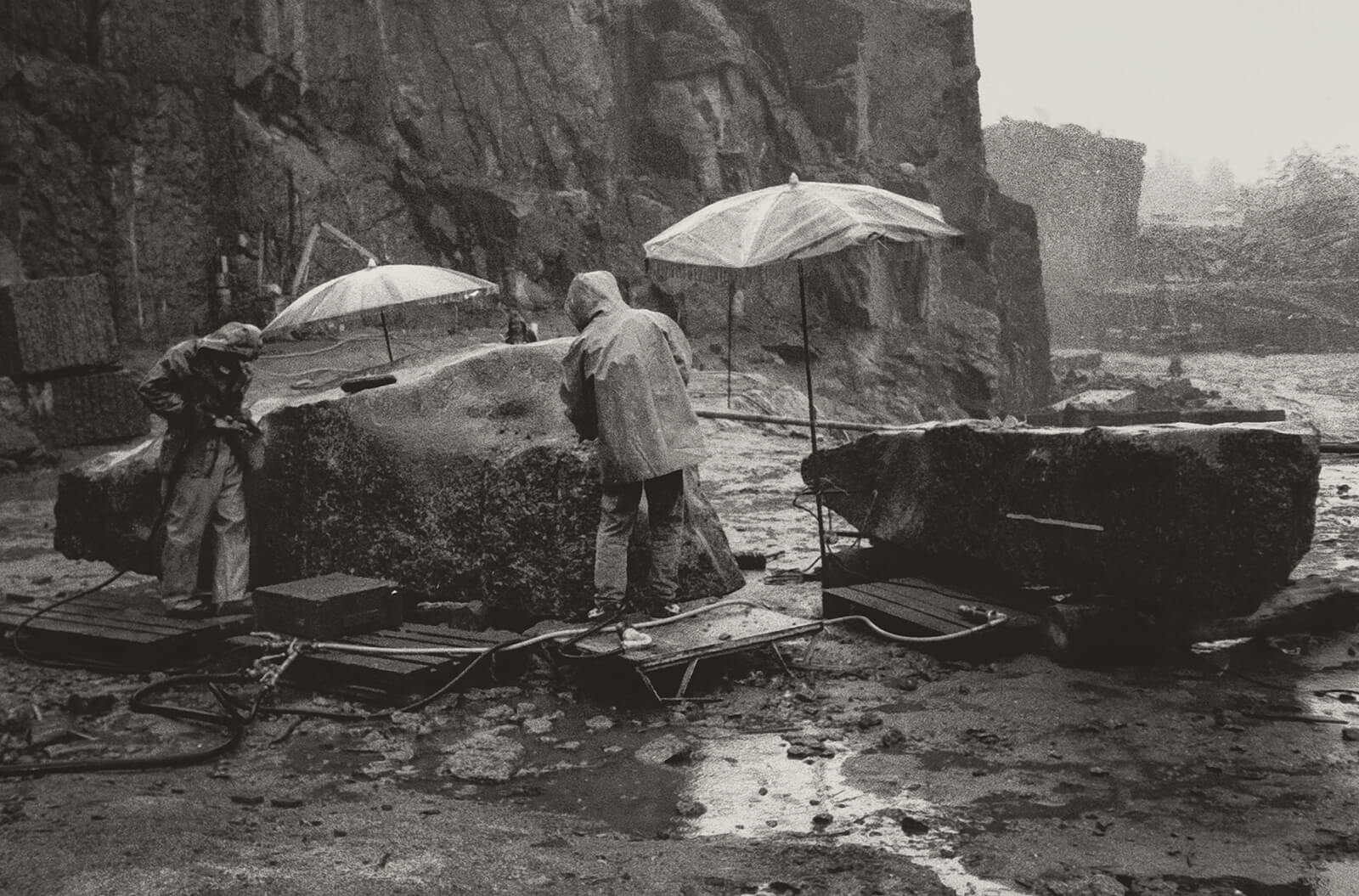
© Makoto Fujiwara, 'Stone and Makoto', Edition Patrick Frey, 2021
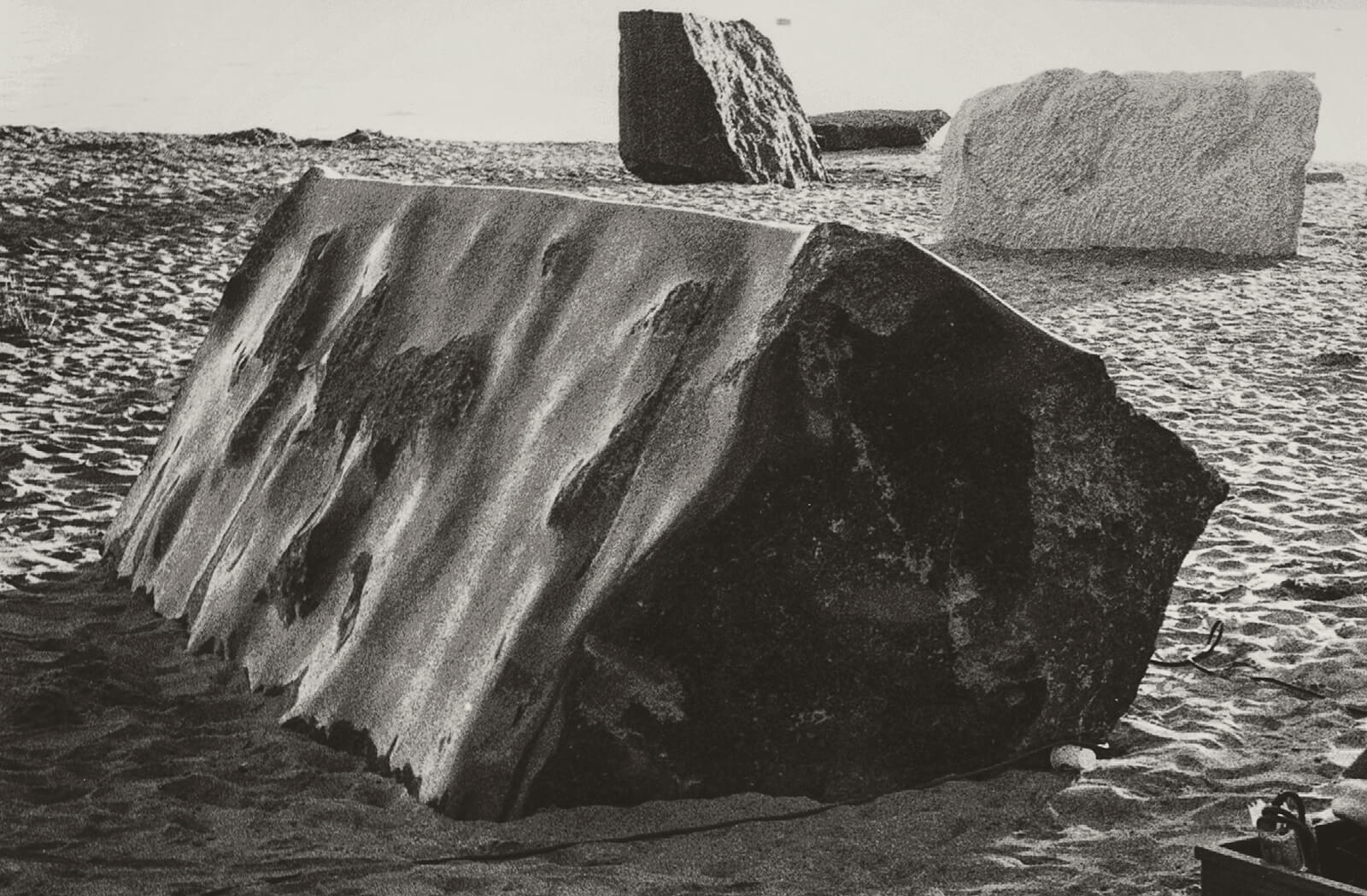
© Makoto Fujiwara, 'Stone and Makoto', Edition Patrick Frey, 2021
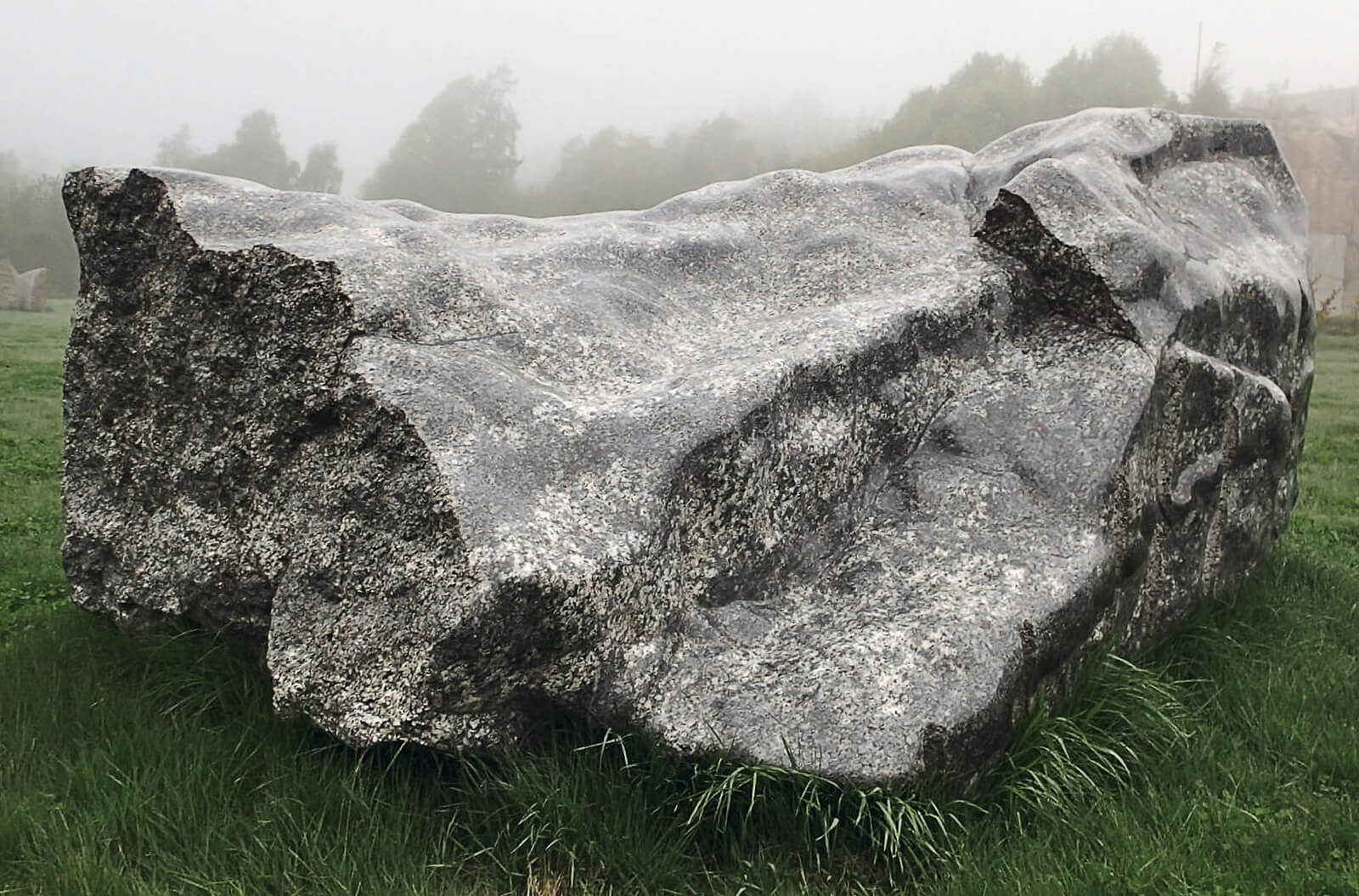
© Makoto Fujiwara, 'Stone and Makoto', Edition Patrick Frey, 2021
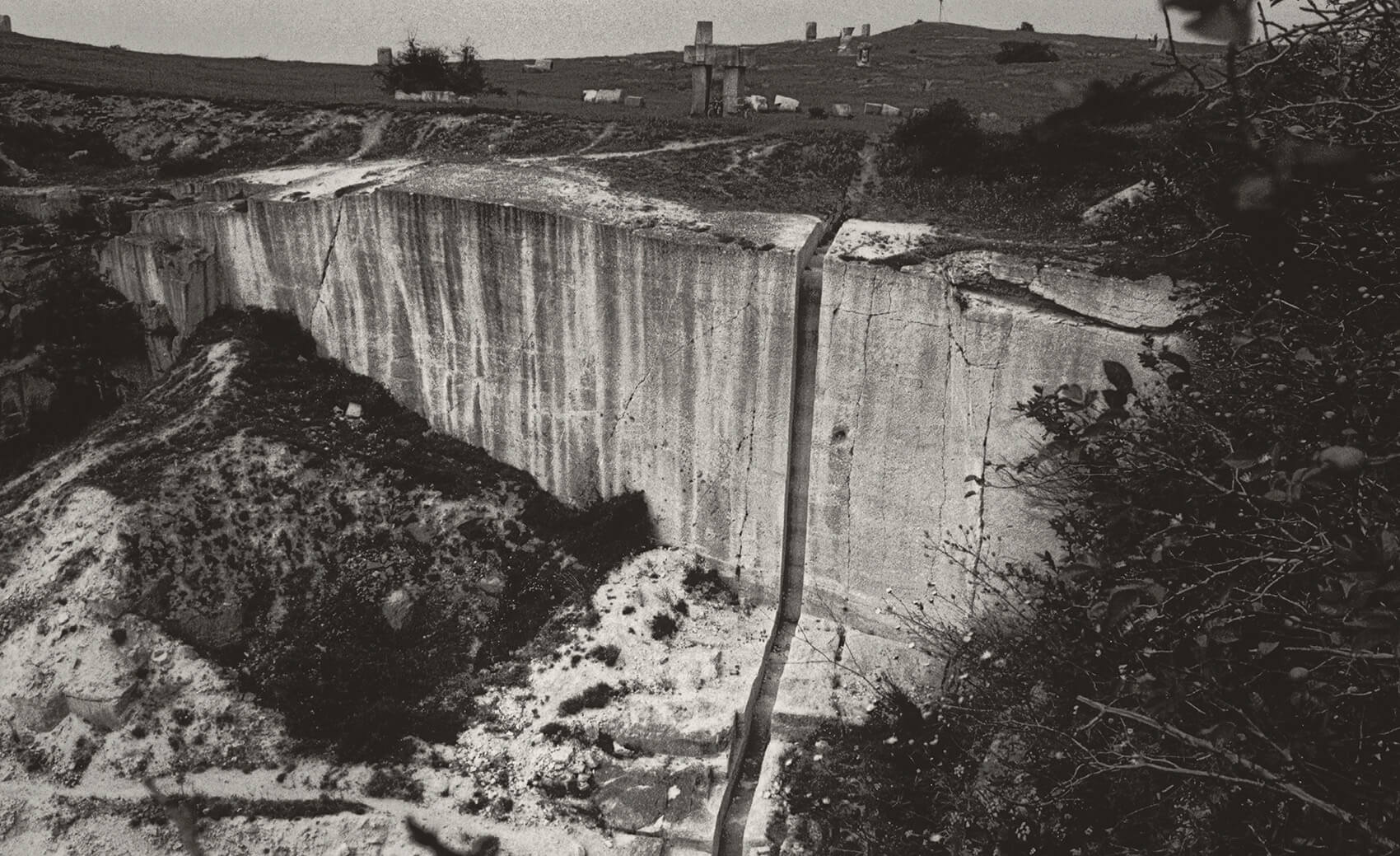
© Makoto Fujiwara, 'Stone and Makoto', Edition Patrick Frey, 2021
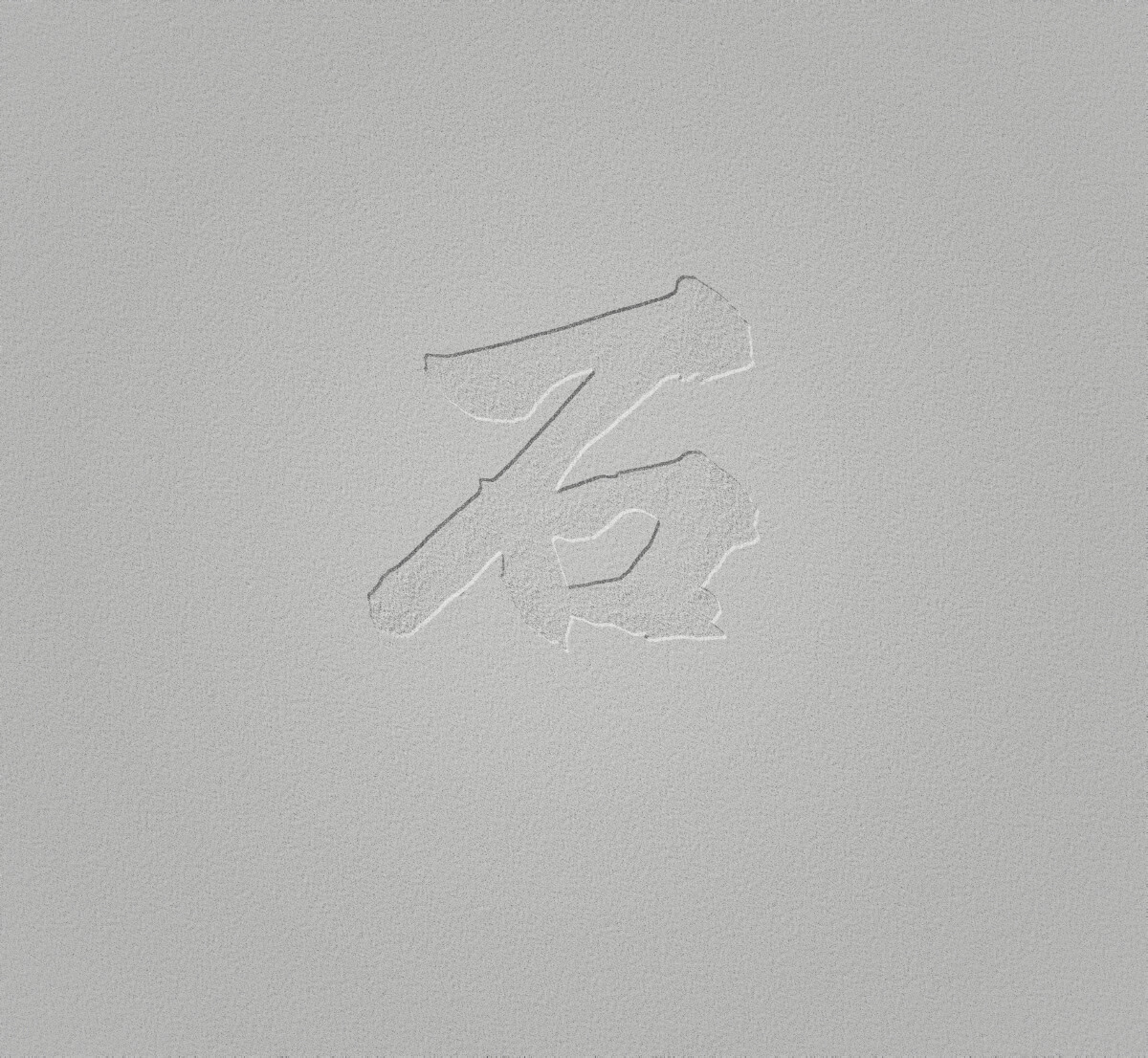
© Makoto Fujiwara, 'Stone and Makoto', Edition Patrick Frey, 2021