Yokoyama Taikan, the Painter of Modern Japan
The artist is one of the founders of ‘nihonga’, a movement that involves the subtle modernisation of traditional painting.
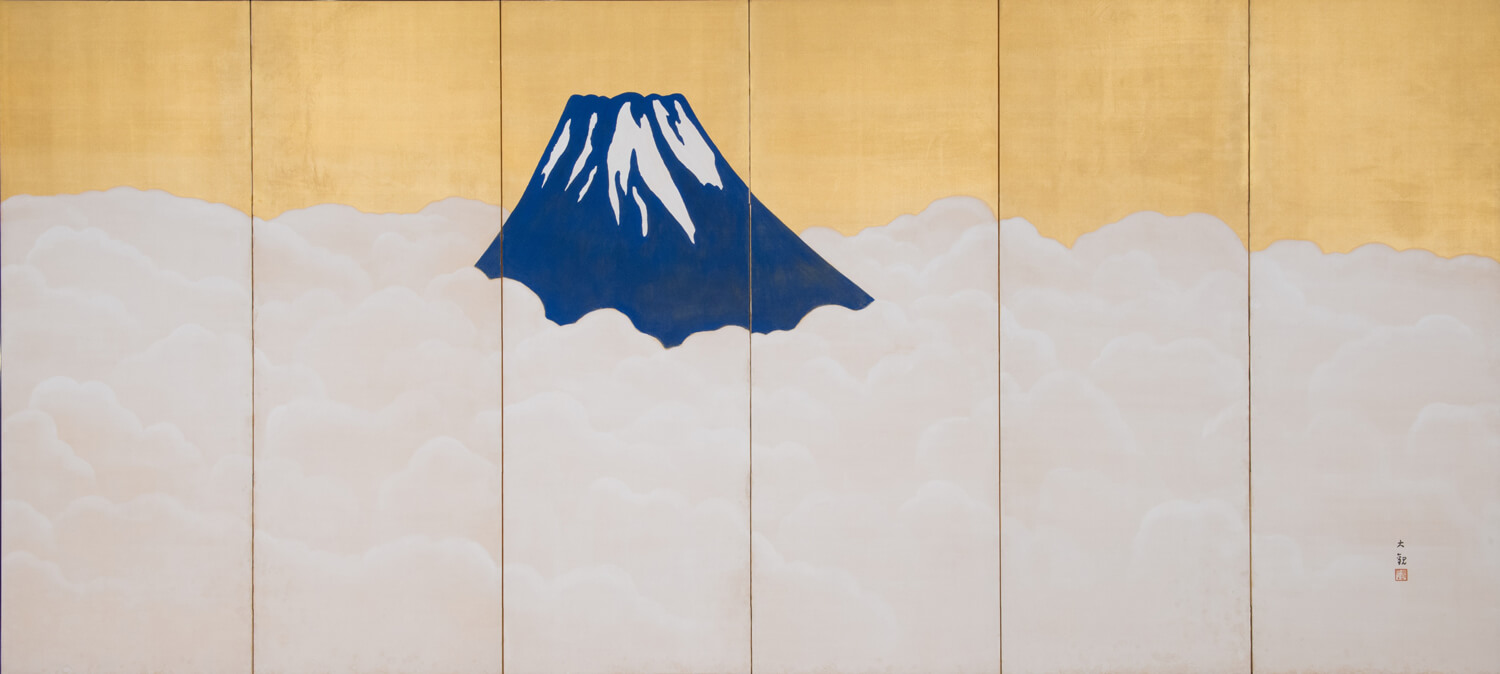
‘Gunjo Fuji’, around 1917, Yokoyama Taikan, Shizuoka Prefectural Museum of Art
In 2018, the National Museum of Modern Art, Kyoto celebrated the 150th anniversary of the birth of Yokoyama Taikan, the prolific painter, recognised during his lifetime for having subverted norms.
After graduating from the Tokyo School of Fine Arts in 1889, Yokoyama Taikan became involved in the foundation of the Academy of Fine Arts with his mentor, critic Okukara Tenshin.
Colour harmony before all
Together, they contributed to the emergence of nihonga, which literally means ‘Japanese drawing’, a movement that saw the subtle modernisation of traditional painting. Working mainly with ink, Yokoyama Taikan accorded particular significance to pigmentation. Lines fade to make way for colour harmony and the spirituality of the composition.
The house where Yokoyama Taikan lived for a long time, located in the Ueno district of Tokyo, is open to the public. More information on its website.
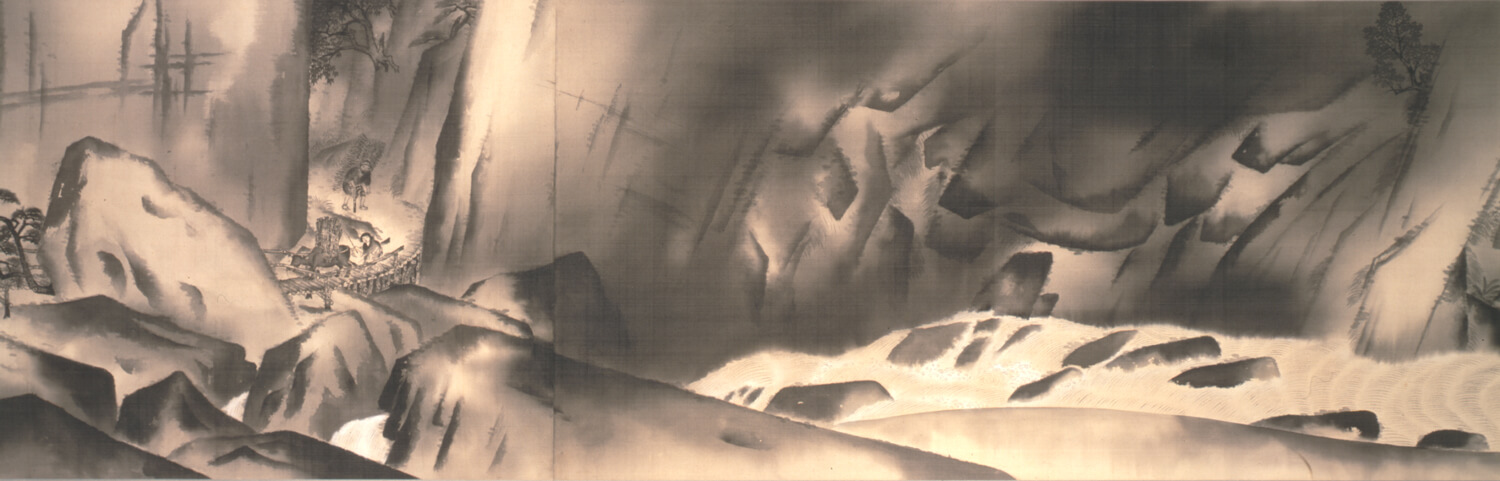
Important Cultural Property ‘Metempsychosis’ (part), 1923, Yokoyama Taikan, National Museum of Modern Art, Tokyo
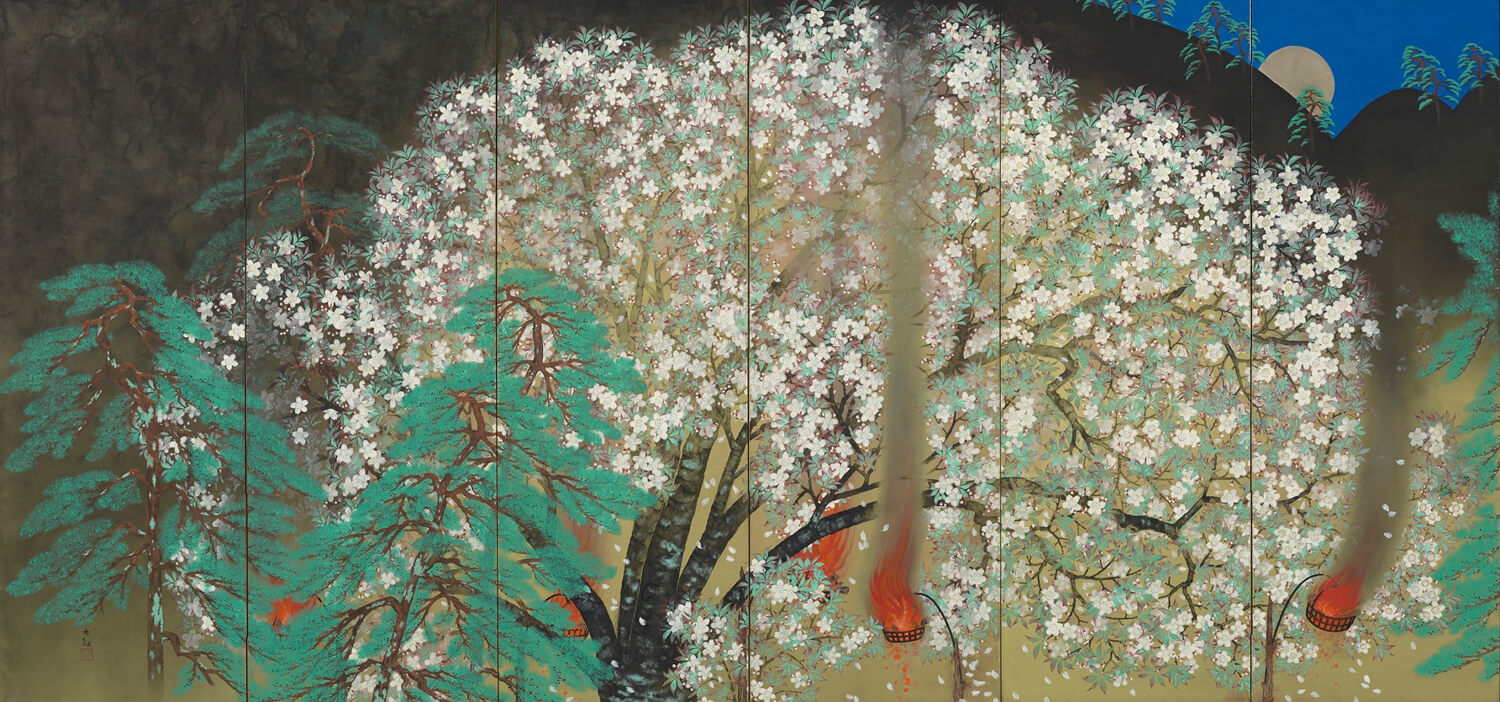
‘Yozakura’, 1929, Yokoyama Taikan, Okura Museum of Art
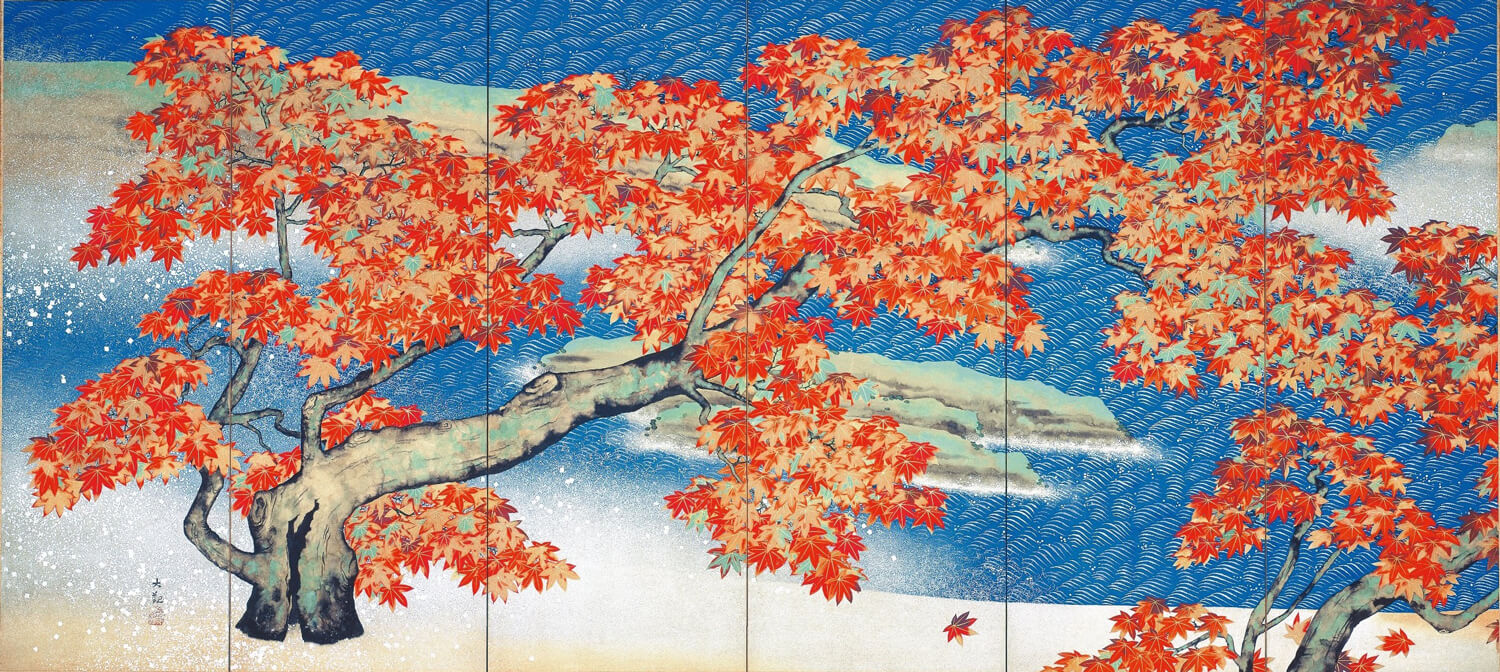
‘Koyo’, 1931, Yokoyama Taikan, Adachi Museum of Art