A Book Celebrating the Work of Master Typographer Takenobu Igarashi
It took almost thirty years for a complete retrospective of the artist's work to be made available to the public.
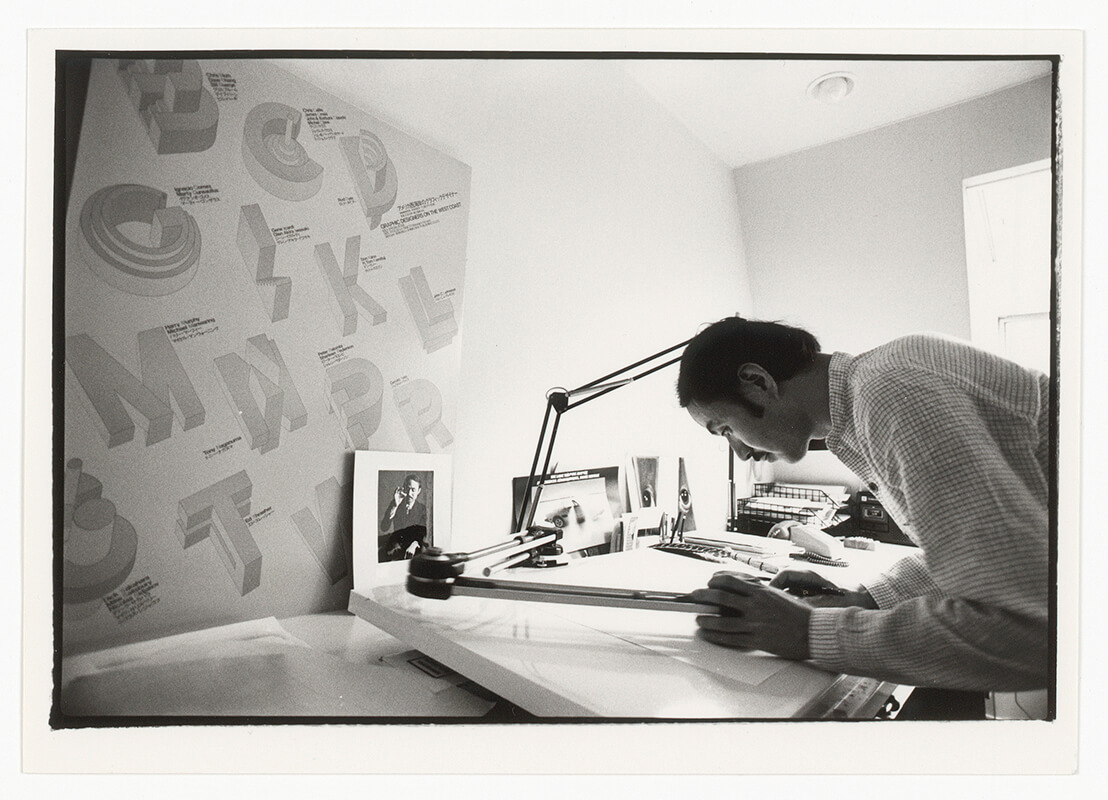
© ‘A to Z’ Volume & Takenobu Igarashi
Born in Hokkaido, Japan in 1944, Takenobu Igarashi‘s graphic designs can be recognised from among a thousand. They are presented in the book Takenobu Igarashi: A to Z, an art book that compiles his 3D typography projects, an initiative led by the publisher and crowdfunding platform Volume. After a successful fundraising appeal, the book was published in September 2020 by Thames & Hudson.
The monograph takes a thematic approach and foregrounds a number of emblematic works. It also explores Takenobu Igarashi’s international success, notably in the USA. Above all, however, the book showcases the originality and dexterity of his technique, which continues to inspire graphic designers today.
Takenobu Igarashi: A to Z (2020), is a book published by Thames & Hudson.

© ‘A to Z’ Volume & Takenobu Igarashi

© ‘A to Z’ Volume & Takenobu Igarashi

© ‘A to Z’ Volume & Takenobu Igarashi

© ‘A to Z’ Volume & Takenobu Igarashi

© ‘A to Z’ Volume & Takenobu Igarashi

© ‘A to Z’ Volume & Takenobu Igarashi
TRENDING
-
Hiroshi Nagai's Sun-Drenched Pop Paintings, an Ode to California
Through his colourful pieces, the painter transports viewers to the west coast of America as it was in the 1950s.

-
A Craft Practice Rooted in Okinawa’s Nature and Everyday Landscapes
Ai and Hiroyuki Tokeshi work with Okinawan wood, an exacting material, drawing on a local tradition of woodworking and lacquerware.
-
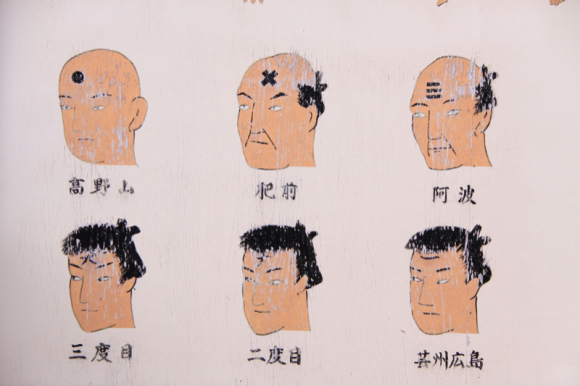
The Tattoos that Marked the Criminals of the Edo Period
Traditional tattoos were strong signifiers; murderers had head tattoos, while theft might result in an arm tattoo.
-
‘Shojo Tsubaki’, A Freakshow
Underground manga artist Suehiro Maruo’s infamous masterpiece canonised a historical fascination towards the erotic-grotesque genre.
-
‘Seeing People My Age or Younger Succeed Makes Me Uneasy’
In ‘A Non-Conformist’s Guide to Surviving Society’, author Satoshi Ogawa shares his strategies for navigating everyday life.