Rising Creators to Watch in 2026, According to the Editorial Team
From art to craft, spanning film and music, these emerging talents are already making their mark.
Experts and the editorial team have selected a new generation of creatives to watch. Art is recommended by Taka Kawachi and Chie Sumiyoshi, design by Naoshi Ikai, cinema by SYO, and music by Kazuharu Katō.
Yuiga Danzuka
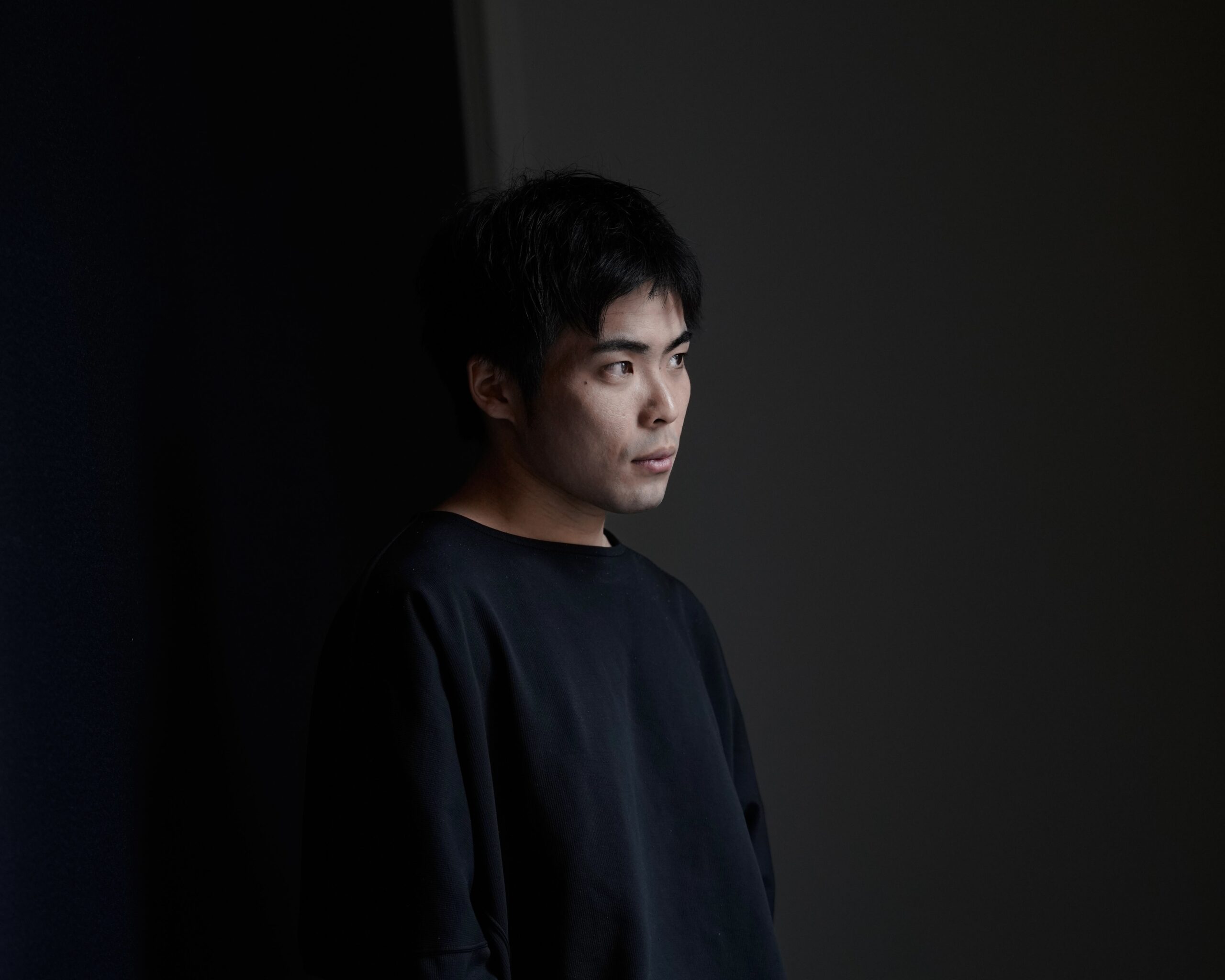
Yuiga Danzuka, director. Born in 1998 in Tokyo. A graduate of the Tokyo Film School, he gained attention with the short film ‘Ai o tamukeru yo’, selected for festivals including the Sapporo International Short Film Festival. In 2025, ‘Brand New Landscape’ earned him a place at the Directors’ Fortnight in Cannes, making him the youngest Japanese filmmaker ever selected.
At 26, he electrifies Cannes: a rising hope of Japanese cinema
While 2025 was marked by the exceptional success of Kokuho, another event stirred the film world. Alongside director Lee Sang-il, the young filmmaker Yuiga Danzuka, then just 26, was selected for the Directors’ Fortnight at the Cannes Film Festival—the youngest Japanese director ever chosen for this section. Speaking about Brand New Landscape, the film he presented there, film critic SYO explains:
‘Set against a Shibuya undergoing rapid urban redevelopment, the film portrays the reunion, several years later, of a family torn apart by the career choices of a landscape designer father. From visual composition and emotional direction to the overall structure of the film, every element reveals a deeply personal aesthetic.’
While the work has been praised for the strength of its authorial voice, Danzuka offers a more measured perspective:
‘I read reviews on film sites, and the responses are extremely varied. Some people say they cried repeatedly, while others are very critical. Rather than guiding viewers along a single emotional path, I deliberately pursued an open form that allows each viewer their own interpretation.’
In an era saturated with images—where even a single line of dialogue can be understood in countless ways—Danzuka believes this plurality of readings is precisely what cinema still makes possible.
Brand New Landscape
Director and screenplay: Yuiga Danzuka
Cast: Kōdai Kurosaki, Kenichi Endō, among others
2025, Japan, 1h55
International release to be announced
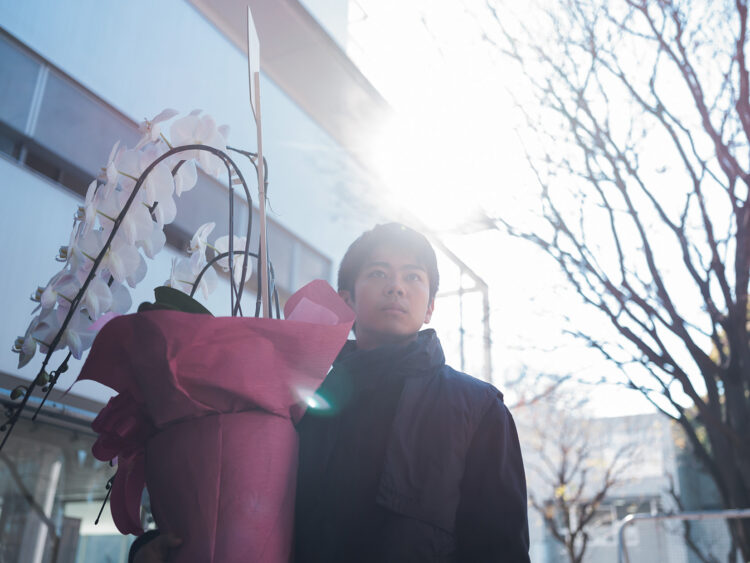
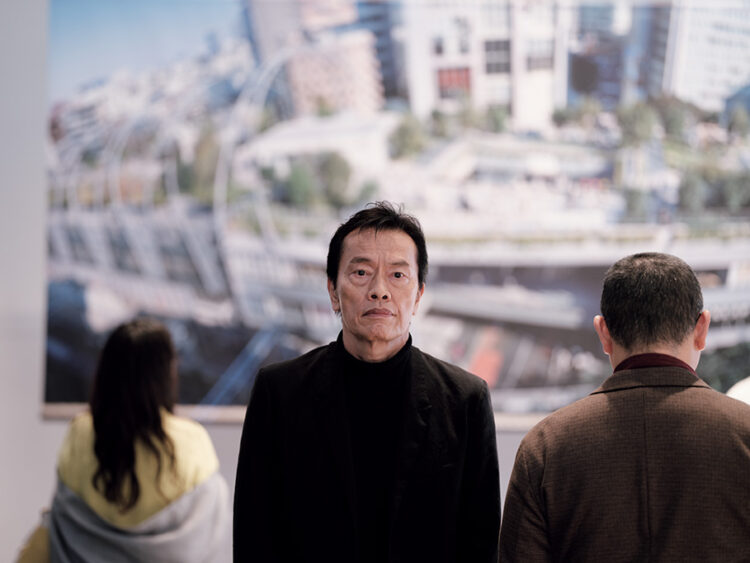
© 2025 Siglo – LesPros Entertainment
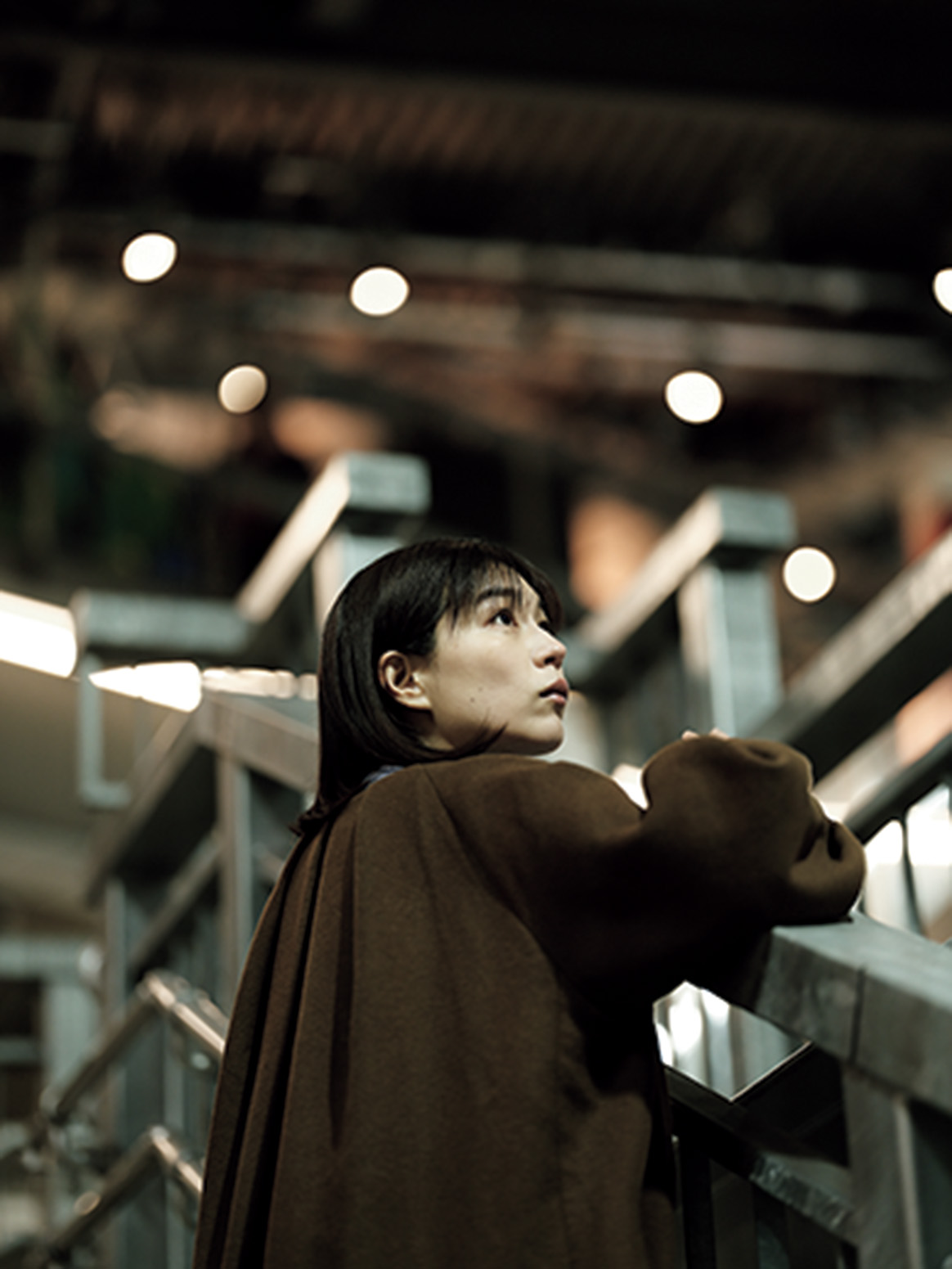
© 2025 Siglo – LesPros Entertainment
Aya Kawato
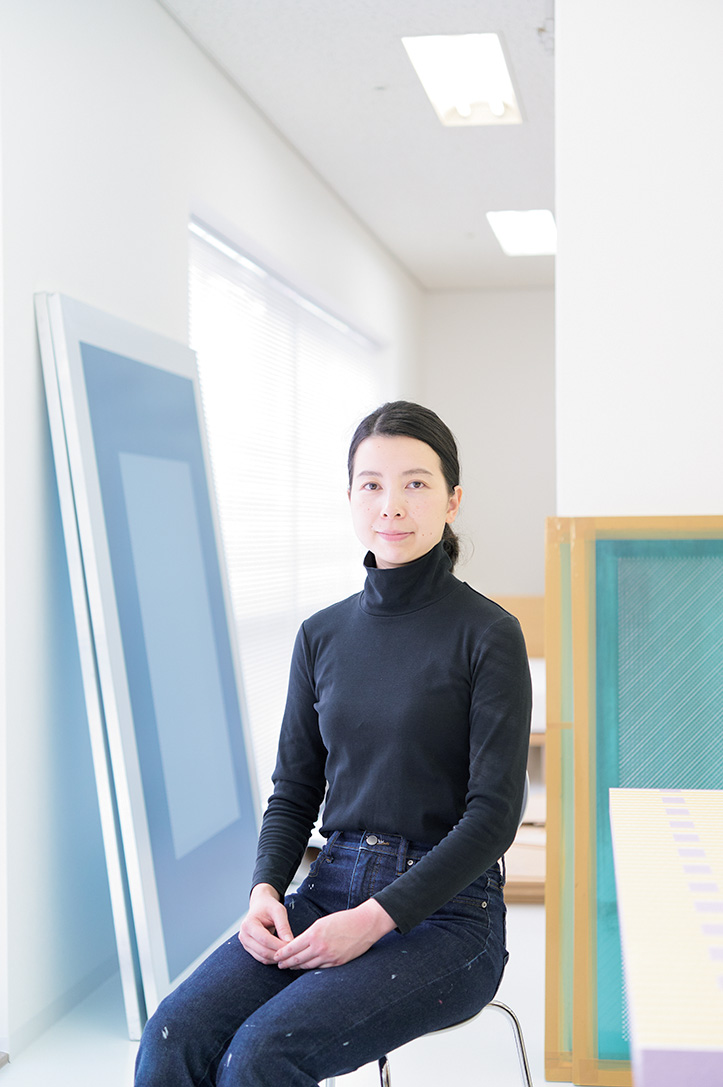
Aya Kawato, artist. Born in 1988 in Nara Prefecture. Holds a doctorate from Tokyo University of the Arts. Her practice spans painting and installation. A solo exhibition is scheduled in Taiwan in March 2026.
A monumental tapestry for a global gathering place
The Pen editorial team turns its attention to the work of artist Aya Kawato, who was selected to design a vast tapestry for the reception pavilion of Expo 2025 Osaka, Kansai. The piece was produced by Kawashima Selkon, a historic textile manufacturer.
Handwoven from 1,800 shades of artisan-dyed threads, the grid-like patterns create optical illusions depending on distance and viewing angle, suggesting depth and movement. The subtle irregularities inherent in manual craftsmanship lend warmth to the work. Kawato’s ongoing pursuit of an ‘equilibrium between control and deviation’ finds expression here on a global stage.
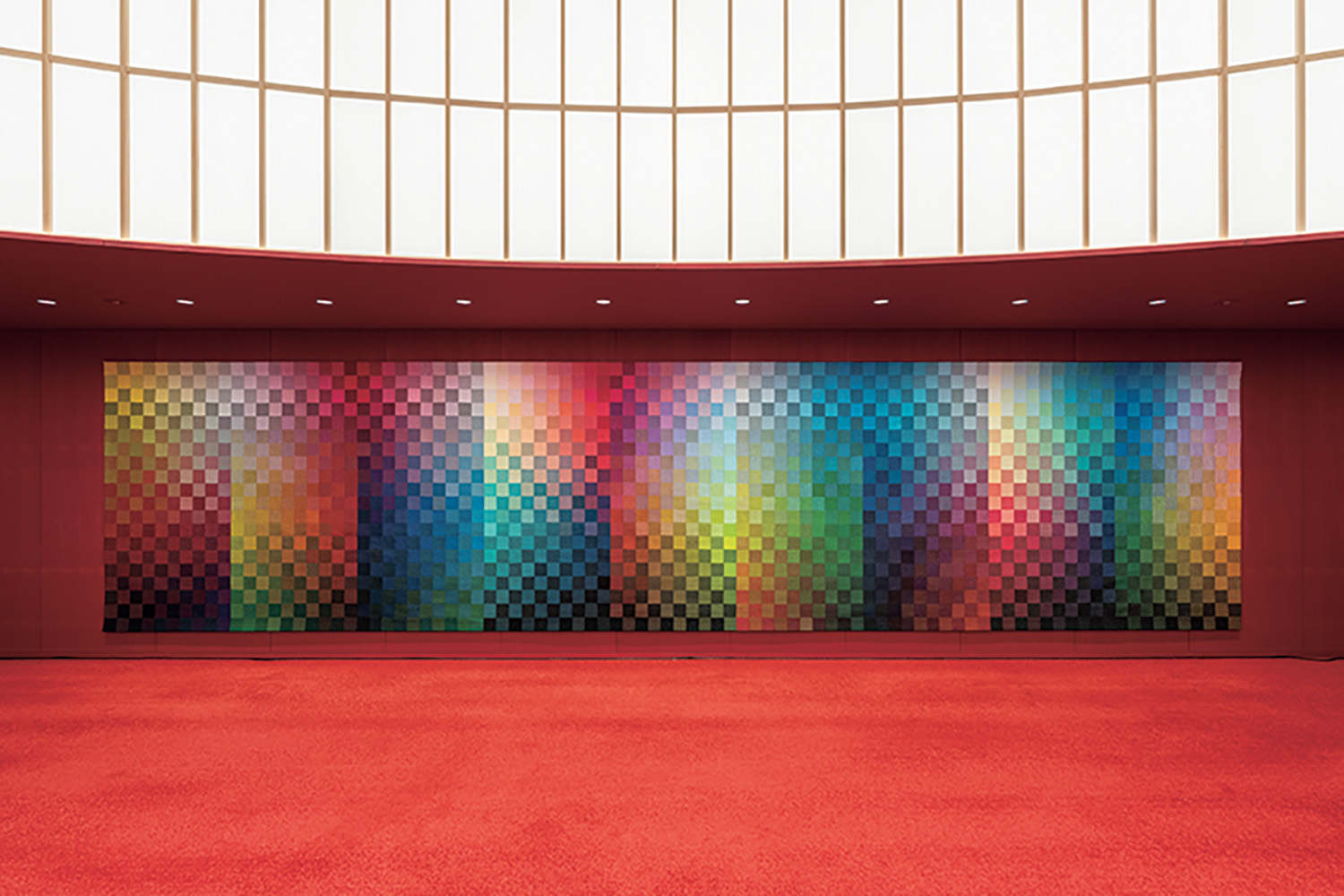
‘CUT: C/U/T_CC-CM_I’. Tapestry, cotton, rayon 200 × 900 cm. Production and sponsorship: Kawashima Selkon. Photo: Yuki Moriya.
Sasuke Haraguchi
Sasuke Haraguchi, singer-songwriter and music producer. Born in 2003 in Ehime Prefecture. At the age of 10, he became the youngest Japanese performer to win Amateur Night at the Apollo Theater in New York. He made his debut in 2018 and has been fully active under the name Sasuke Haraguchi since 2023.
A new generation of pop with an immediately addictive edge
A young artist who has already composed for Hiromi Go, Sasuke Haraguchi has come to prominence with tracks such as ‘HITO Mania’ and ‘Medicine’, which have become hits within the Vocaloid scene. His work, however, extends beyond that sphere. Blending EDM, J-pop, techno and house with ease, he has developed a distinctive sonic language that is earning him growing recognition within the industry.
Kazuharu Katō, who recommended him, notes:
‘In 2025, he appeared as the youngest guest at a tribute concert to Yellow Magic Orchestra. He also took part in a festival dedicated to Ryuichi Sakamoto, where his performance drew considerable attention.’
With the upcoming release of his album I San, Haraguchi is emerging as an artist to watch closely.

‘Medicine’, 2 min 7 sec, from ¥255 (digital release).
Nozomi Suzuki
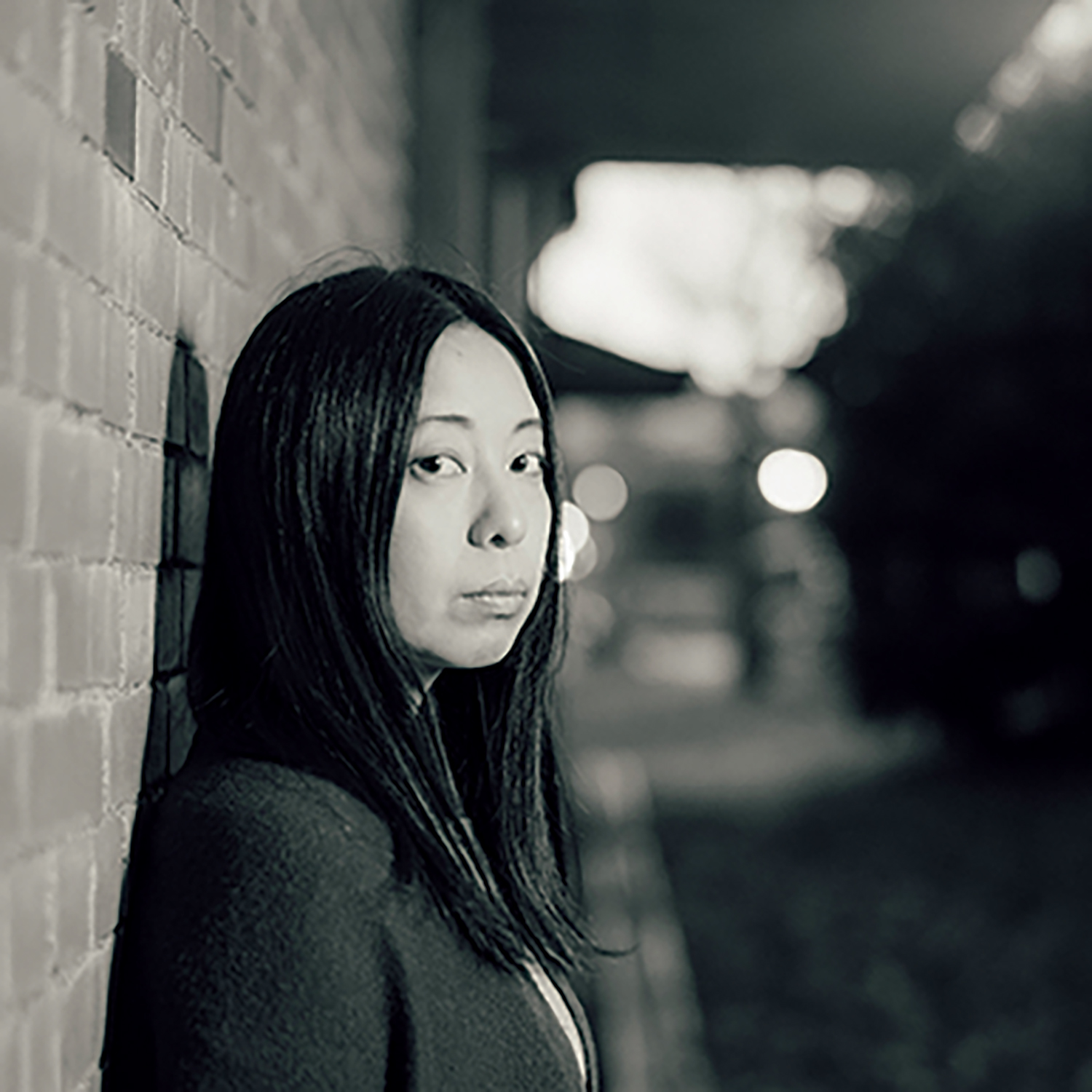
Nozomi Suzuki, artist. Born in 1983 in Saitama Prefecture. Earned her doctorate from Tokyo University of the Arts in 2022. A former fellow of the Pola Art Foundation, she travelled to the UK in 2019 and held a solo exhibition in 2024. Photo: Takeshi Hirabayashi (grasshopper).
Landscapes imprinted in matter, awakening the imagination
‘One senses a fundamental reflection on the origins of photographic processes, prompting thoughts on passing time and vanishing landscapes,’ says Taka Kawachi of the work of artist Nozomi Suzuki.
Suzuki directly exposes images onto windows, mirrors, and worn eyeglasses—objects that once framed the views their owners ‘would have seen’. Even without deep familiarity with art, her works immediately stimulate the imagination. Awarded the Higashikawa New Photographer Award in 2025, she has emerged as one of the most closely watched artists of her generation.
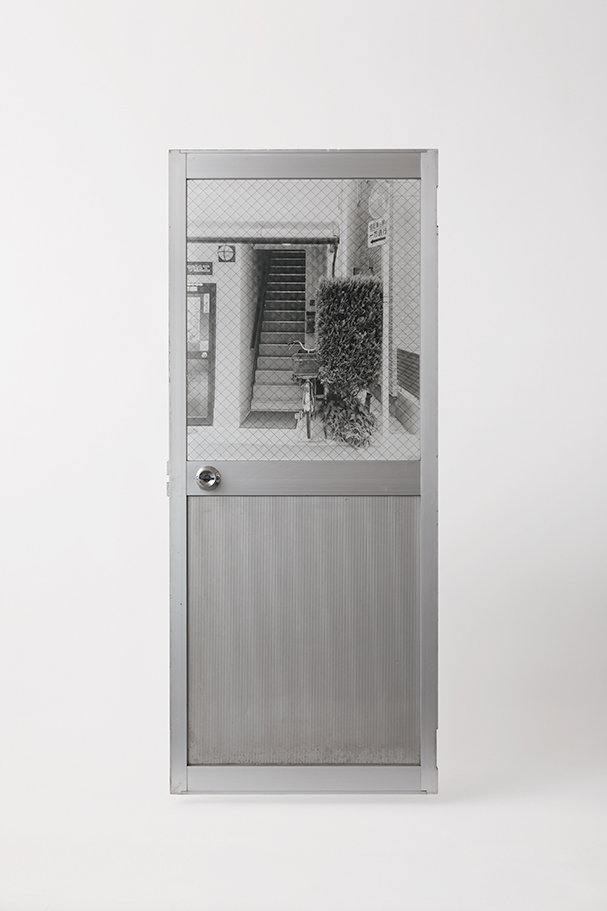
‘Light of Other Days: Back Door of the Shirakawa 2-chōme Neighborhood Hall’. Door from a demolished house, photographic emulsion, 170 × 71 × 16.5 cm. Courtesy of POLA MUSEUM ANNEX © Nozomi Suzuki
Shota Yamauchi
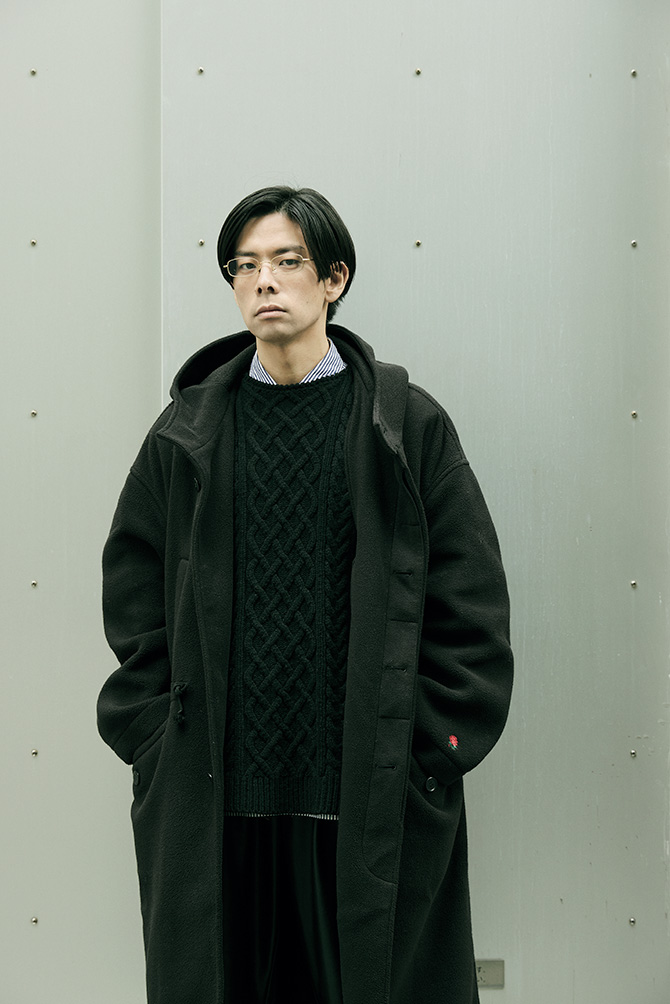
Shota Yamauchi, artist. Born in 1992 in Gifu Prefecture. Graduated from Tokyo University of the Arts in 2016. Recipient of numerous awards, including the Excellence Award at the Japan Media Arts Festival. Photo: Seiichi Saito.
Questioning the body and technology
Shota Yamauchi’s latest work, focused on the relationship between technology and bodily perception, was presented in the exhibition GHOST at Arts Maebashi (through December 2025). Light and sound, continuously controlled by artificial intelligence, generated ever-changing configurations. The installation evoked a form of dialogue—through sound and light—between unknown entities in a post-human future.
Chie Sumiyoshi, who recommended him, notes: ‘Through exhibitions at Aoyama│Meguro gallery and YCAM, he has undergone remarkable technical and conceptual development in recent years.’
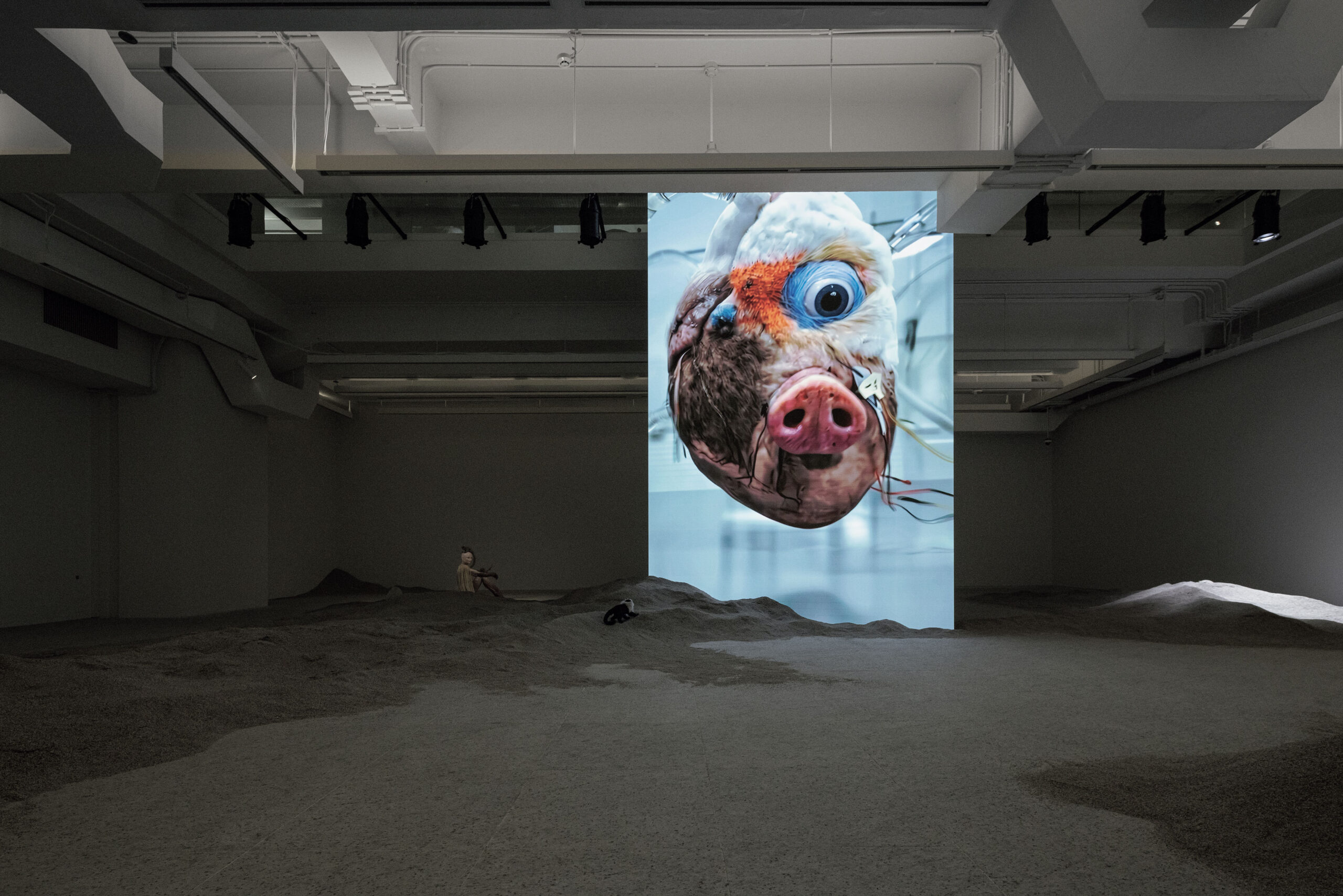
‘Being… Us ?’ Video installation, artist images, 2025. Photo: Shinya Kigure.
Ana Scripcariu-Ochiai
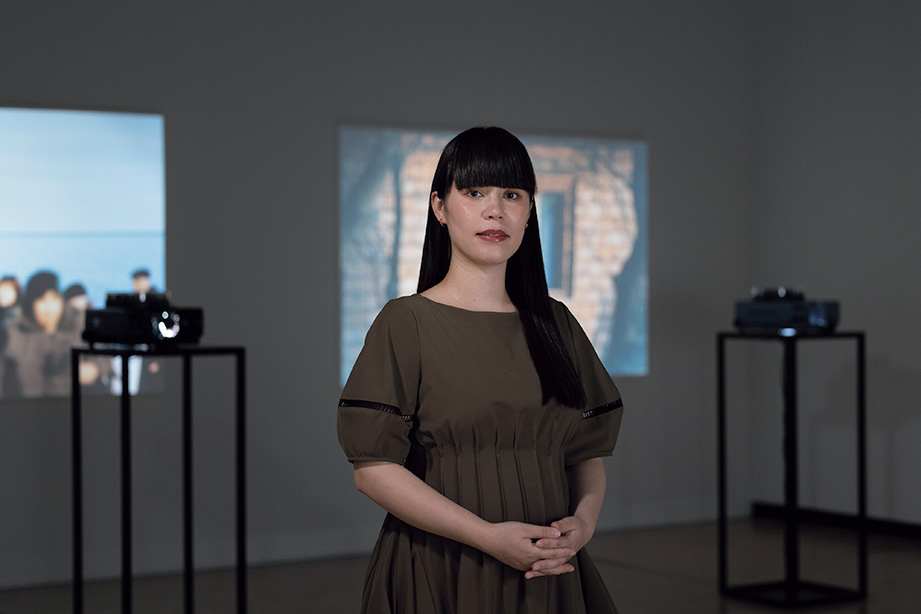
Ana Scripcariu-Ochiai, artist. Born in 1992 in Saitama Prefecture. Earned her doctorate from Tokyo University of the Arts in 2025. Her first photobook is scheduled for publication in spring 2026 by AKAAKA, followed by a solo exhibition in April at The Third Gallery Aya, Osaka. Photo: Michiko Ishikawa.
A photographer tracing her origins through poetic fragments
Selected for Thoughts of a Distant Window—Contemporary Japanese Photography vol. 22 at the Tokyo Photographic Art Museum, Ana Scripcariu-Ochiai presents a work composed of five screens randomly projecting landscapes from the four seasons of her other home country Romania, interwoven with fragments of text.
The distinctive light and atmosphere of Eastern Europe are captured with a sensitivity that blends intimacy and cultural distance. Taka Kawachi, who recommended her, observes:
‘There is something profoundly new in the way ethnic elements—landscapes, people, animals—become means of exploring one’s own identity.’

‘Hikari no Utsuwa’. Chromogenic print, 39.5 × 59.5 cm. Artist’s collection © Ana Scripcariu-Ochiai
Takuro Tamayama
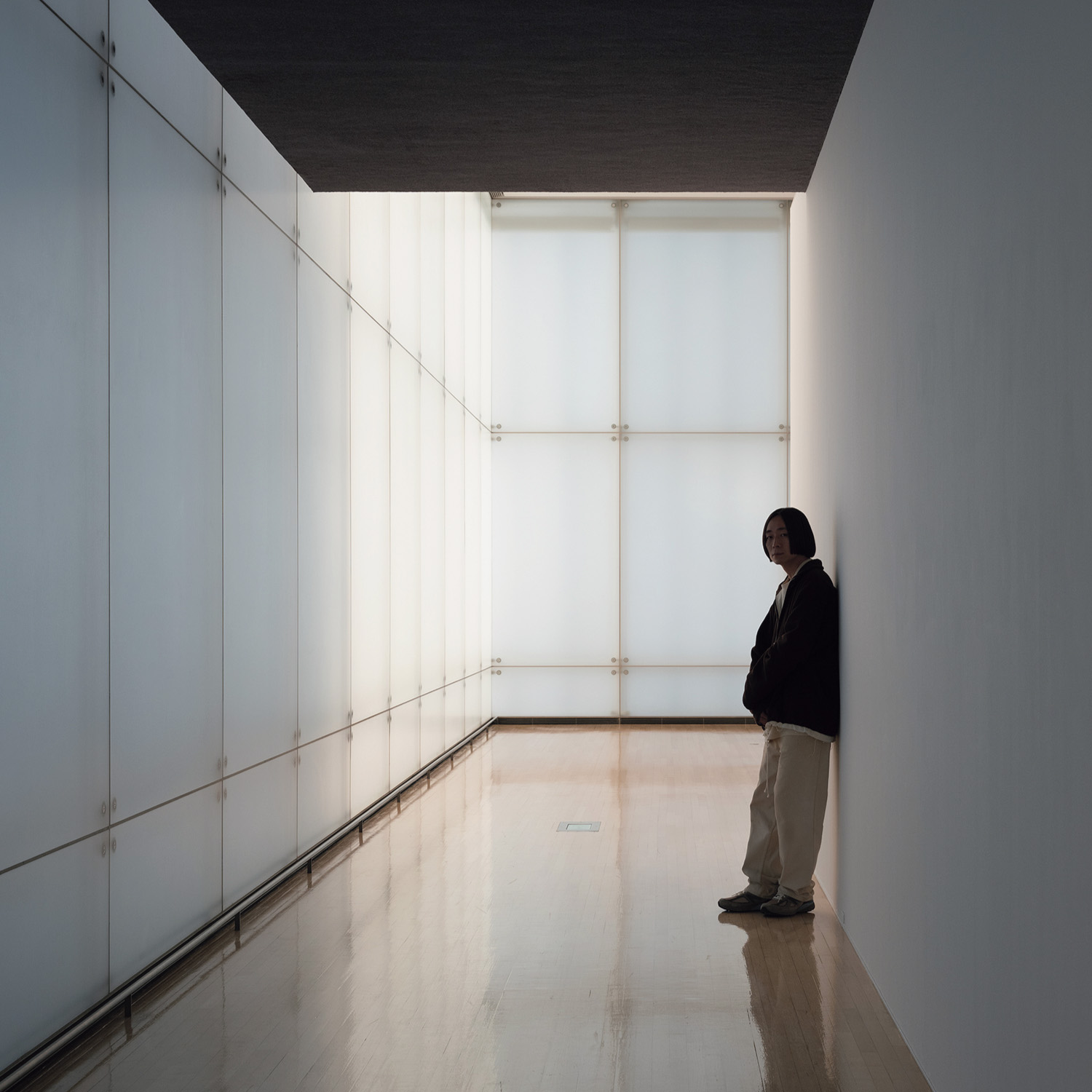
Takuro Tamayama, artist. Born in 1990 in Gifu Prefecture. Graduated from Tokyo University of the Arts in 2015. Has held solo exhibitions at the National Art Center, Tokyo; the Mori Art Museum; and ANOMALY gallery, among others. Photo: Kohei Omachi.
A first major solo exhibition redefining space
In 2025, artist Takuro Tamayama held his first large-scale solo exhibition, Takuro Tamayama: FLOOR, at the Toyota Municipal Museum of Art, drawing significant attention. Chie Sumiyoshi, who recommended him, explains:
‘This year, he not only exhibited here, but also at Ginza Sony Park and the Matsushige Lock Gate in Nagoya. His installations belong to a lineage close to that of Anish Kapoor, with a capacity to liberate scale and space.’
At Toyota, a monumental carpet-covered structure pierced both the interior and exterior walls of the museum. Each gallery contained a single work, inviting visitors to merge with the architecture itself, transformed by natural light and the passage of time. Tamayama describes the project as a natural extension of his ongoing exploration of light:
‘I was deeply moved to see how many visitors chose to spend time in these constantly shifting spaces. Hearing that the exhibition opened new perspectives on what a museum can be was tremendously encouraging.’ Looking ahead, he hopes to pursue large-scale outdoor projects while also exploring extremely confined, almost microscopic spaces.
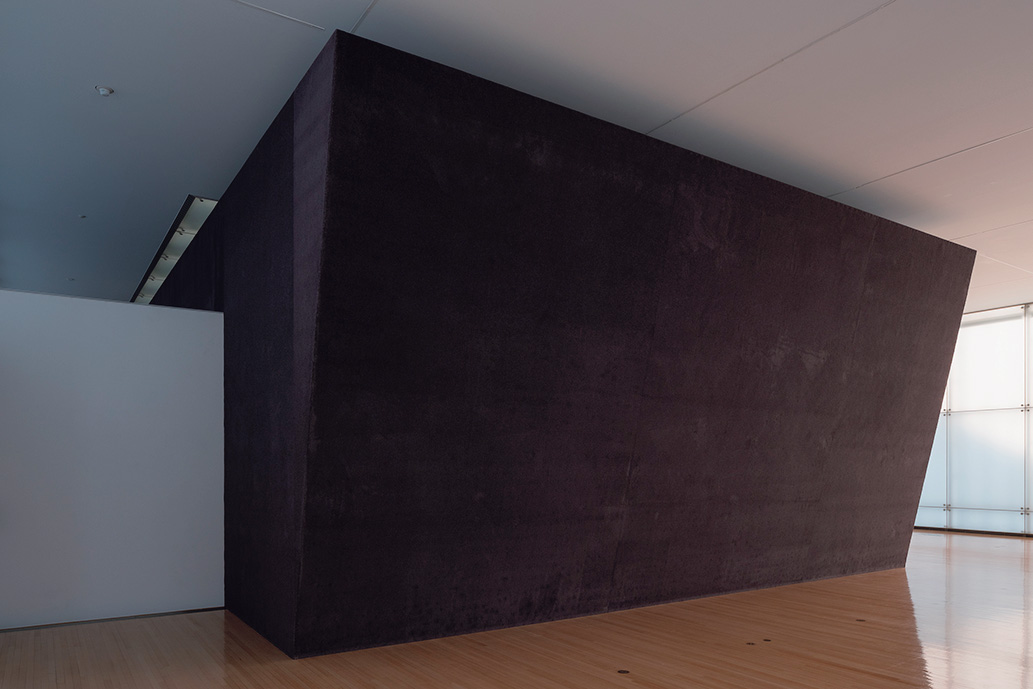
‘Takuro Tamayama: FLOOR’, exhibition view. Photo: Kohei Omachi.
Straft
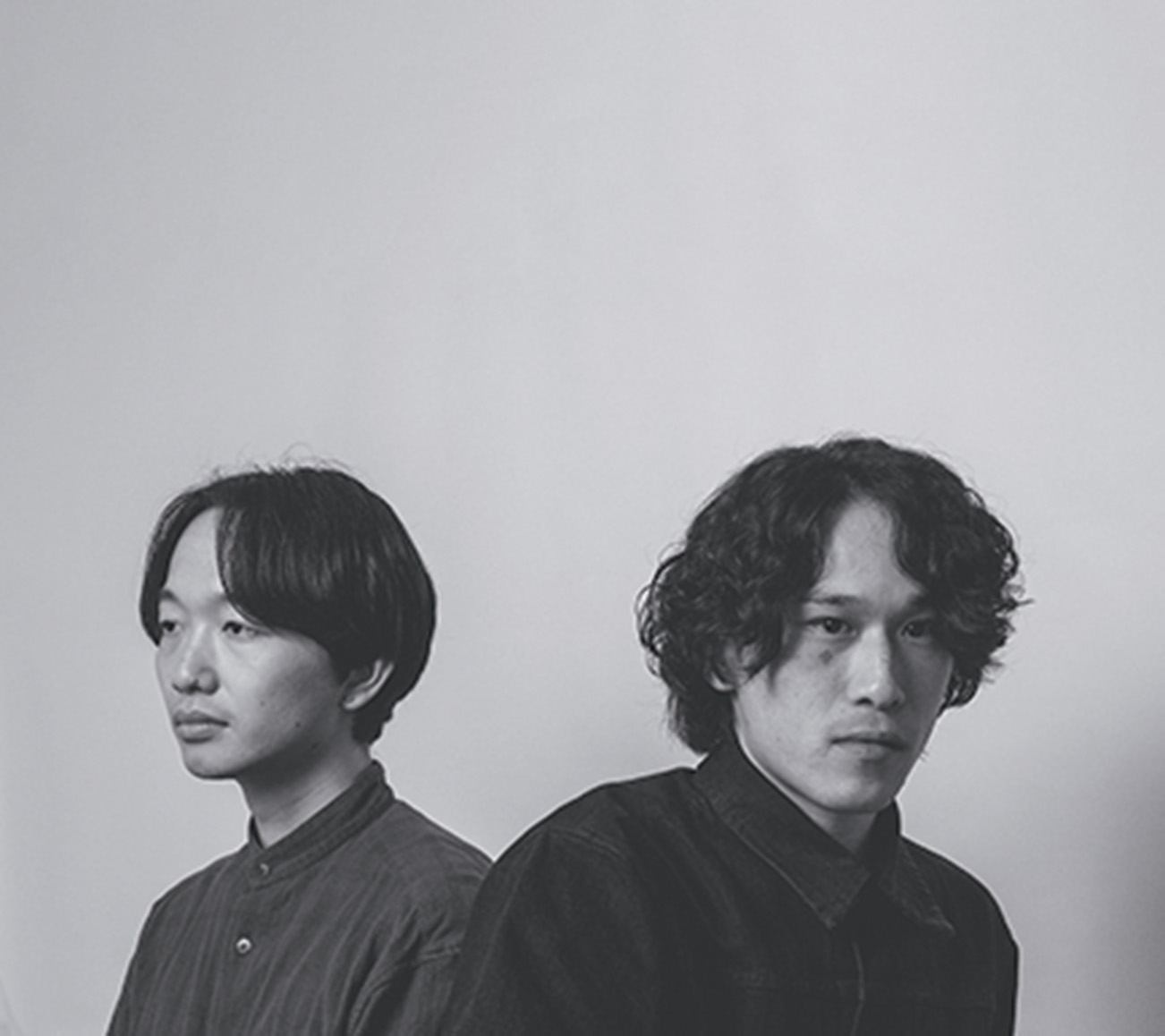
Straft, craft collective. Founded by Tamaki Ishii (born 1998, Aichi Prefecture) and Kazuma Yamagami (born 1998, Tokyo) after graduating from Tokyo Zokei University. Selected for Designart UNDER 30 in 2024. Photo: Daichi Hidei.
Design rooted in natural materials and local contexts
Trained in design at university, the collective Straft creates objects and installations using rice straw. Rejecting plastic and metal, its members emphasize their attraction to natural materials. One member, Tamaki Ishii, explains:
‘Even fragile materials can become strong through making. They can become rope, clothing, even roofing. Rice is first food, then returns to the soil—in that sense, it is the ultimate material.’
Journalist Naoshi Ikai also highlights the significance of their approach:
‘At Designart 2024, I first encountered their works resembling ritual shimenawa decorations. Beyond their striking forms, I was impressed by their attention to land, belief systems, ways of living, and above all, human relationships and social bonds. In 2025, they presented a bamboo installation at a design festival in Bali.’
Aware that bamboo is a far more familiar structural material in Indonesia than in Japan, they created a triangular bamboo installation in a public space. Ikai concludes:
‘I believe their works contain sensations that contemporary societies have largely forgotten, yet still need. They plan to continue creating while travelling along the Silk Road. It will be fascinating to follow how their practice evolves.’
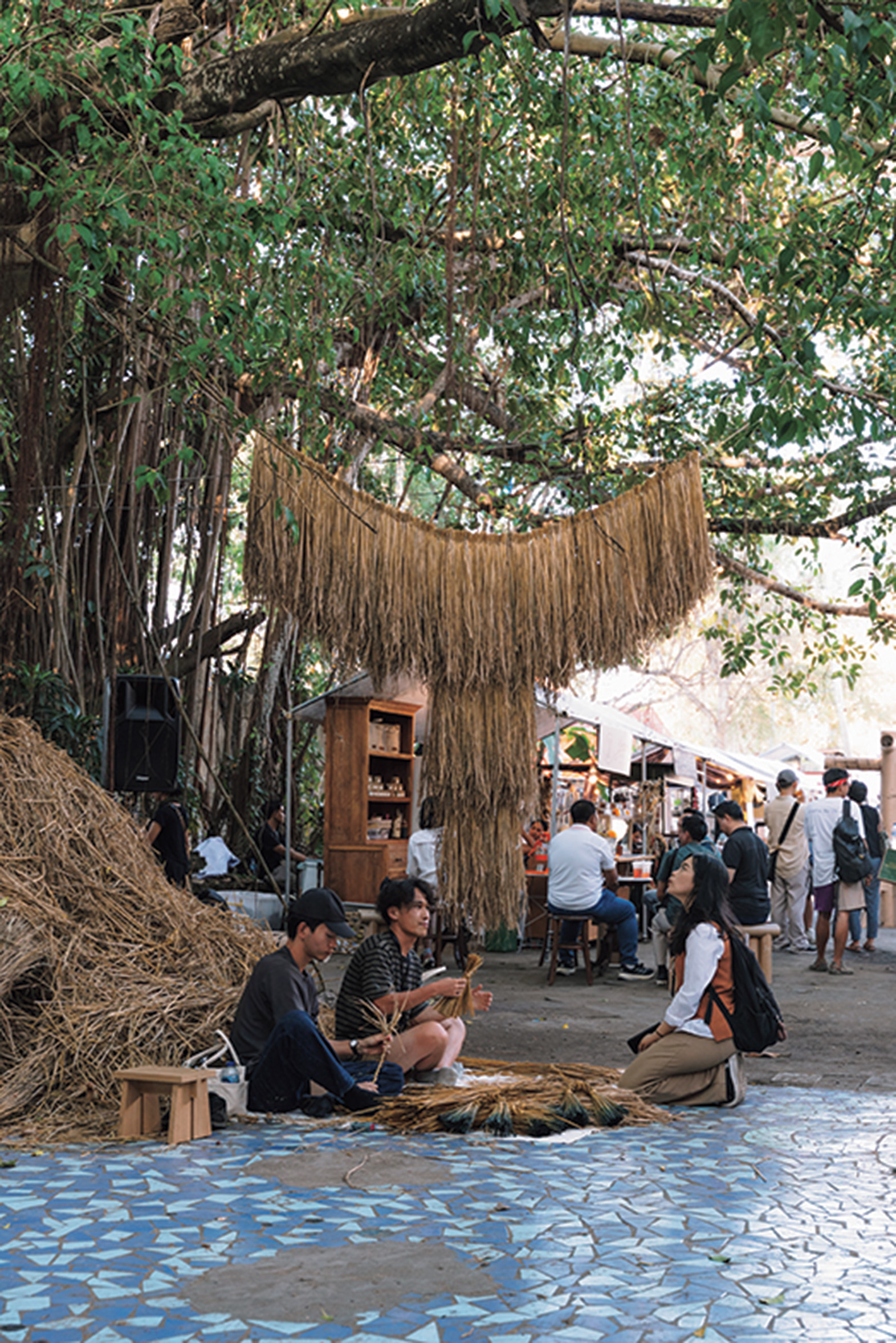
Workshop in Indonesia, with a rice-straw work in the background. Photo : Tamaki Ishii.
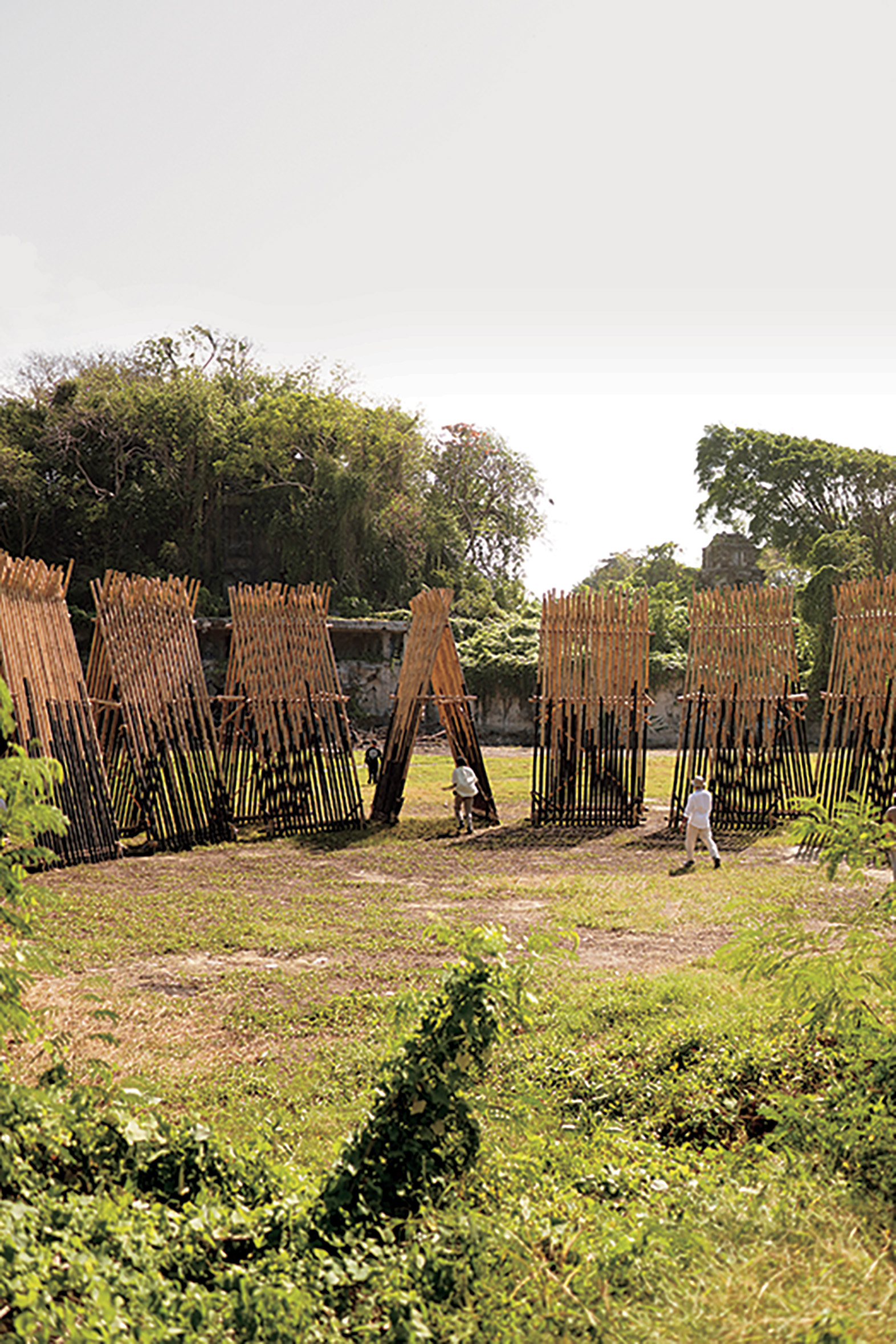
View of the exhibition ‘The Accurated 2025’. Photo : Tamaki Ishii.