Satoshi Ogawa on the Unexpected ‘Challenges’ of Winning the Naoki Prize
In ‘A Non-Conformist’s Guide to Surviving Society’, author Satoshi Ogawa shares his strategies for navigating everyday life.
© Tomoyuki Yanagi
In every issue of Pen, the Naoki Prize-winning author Satoshi Ogawa presents a new essay in his series ‘A Non-Conformist’s Guide to Surviving Society’. In this series, Ogawa reflects on the often eccentric strategies he devises to navigate life’s everyday challenges. Here is the fourth installment, ‘Naoki Prize Winner’.
I’m not sure how many of you are aware, but I recently received the Naoki Prize. Even before the award was announced, I had often heard that ‘winning the Naoki Prize brings its own set of challenges.’ The rumors generally went as follows:
1. A flood of requests to write essays or commentary in connection with the prize.
2. An uptick in invitations to appear on television.
3. A surge in offers to speak at public events.
4. An endless string of dinner and party invitations.
5. A sudden reappearance of long-lost relatives, acquaintances, and forgotten friends.
Regarding the first three points, it’s still a little early to tell. It’s true that I’ve received far more requests than usual, but I simply turn down the ones that don’t interest me or don’t fit into my schedule. Nothing too overwhelming so far. As for the fourth point, it’s quite the opposite: many assume I must be extremely busy and thus hesitate to invite me, leaving my evenings surprisingly free. Given my current writing commitments, having free evenings is actually beneficial (I’m writing this essay amidst several post-award assignments). The fifth point hasn’t materialized yet. However, I have received congratulatory messages from people I haven’t been in touch with for years, and even gifts from individuals I’ve only worked with once. That sort of thing.
So, were the rumors about the Naoki Prize unfounded? Not entirely. But the real challenge isn’t what you might expect—it’s not the flood of requests or the string of social events that I’ve found difficult (at least not personally). Since some of you might find yourselves winning the Naoki Prize someday, I’d like to share my experiences to shed light on the actual difficulties. They might come in handy someday.
The most challenging aspect so far has been responding to messages. Since the announcement, I’ve received a deluge of congratulatory notes—far more than I could ever count. Days have passed, and yet they keep coming. Given the circumstances, simply ignoring them isn’t an option, so I try to respond with at least a basic level of care. Which means I now spend several hours every morning writing thank-you messages.
Then there’s the matter of invitations. The Naoki Prize comes with an official ceremony—an elegant affair held in a grand hall, complete with carefully selected guests and the expected formalities. Laureates are invited to bring along family, friends, and acquaintances. All well and good—except someone has to draw up the guest list. That means contacting dozens of people, confirming dates and details, collecting addresses, compiling them into a spreadsheet, and sending it to the Society for the Promotion of Japanese Literature. The organisers take care of mailing the invitations, but the entire guest list must be handled by me. Those who’ve had to plan their own wedding will know exactly what I mean—though I haven’t, I can certainly imagine it.
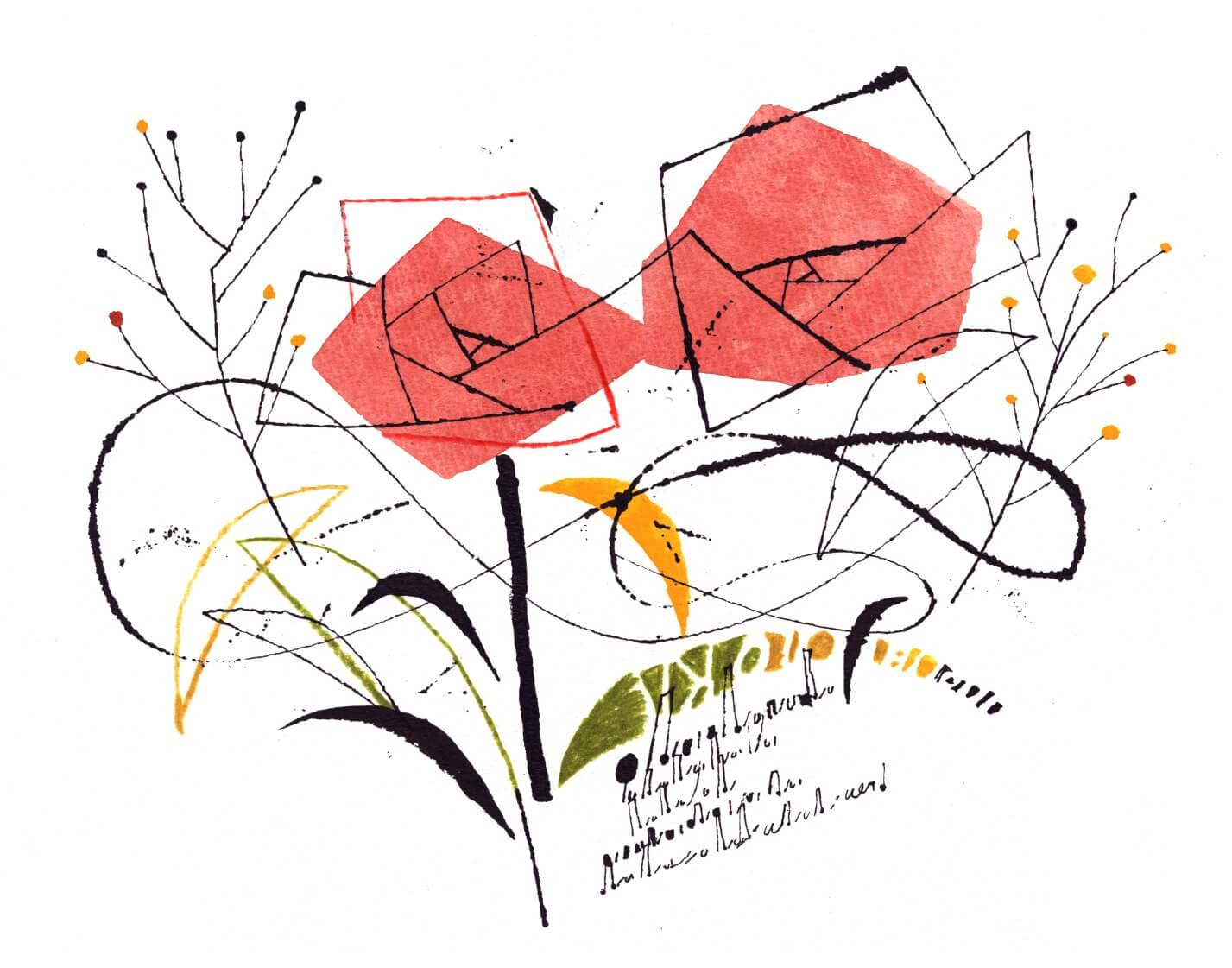
And then there was another unexpected challenge: the gifts. Over the past few days, I’ve been inundated with presents from editorial teams, publishing houses, partners, friends, and acquaintances alike. Flowers top the list, closely followed by bottles of alcohol and congratulatory telegrams. To arrange deliveries, I had to share my address—a task that is never as straightforward as it seems—and then endure a constant stream of couriers ringing the doorbell from morning till night. Under such conditions, focusing on anything else becomes quite a challenge. Of course, each gift demands a thank-you note in return.
Looking back on what I’ve written, I realize it may come across as arrogant complaints—like a fortunate person grumbling about their blessings. I even wonder if I’ve been a bit presumptuous in putting these thoughts into words. Normally, I wouldn’t express such things so openly, but this time, I want to sincerely say how deeply moved I am by everyone’s kindness. Allow me to take this opportunity to express my heartfelt gratitude. Thank you very much.
About the author
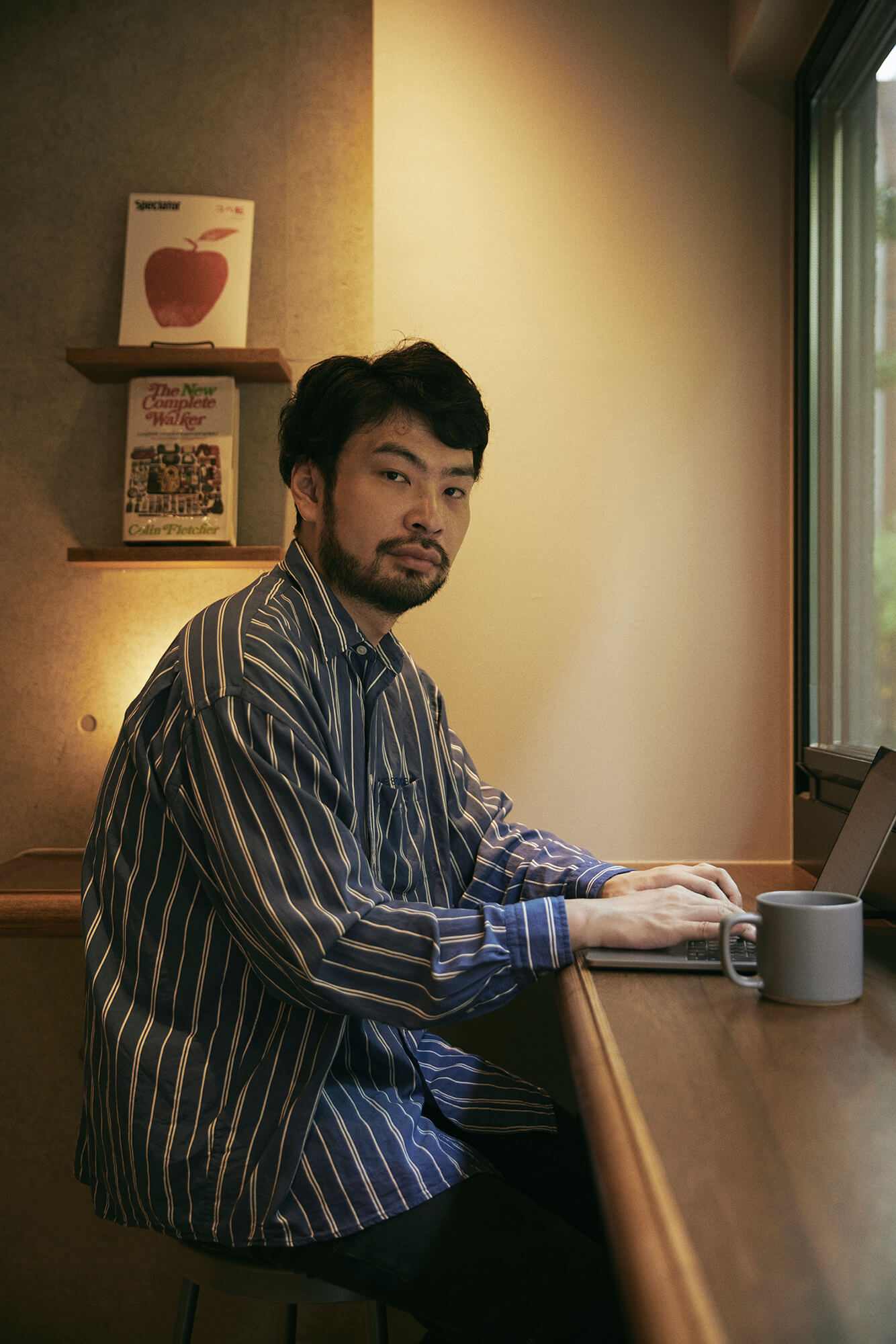
Satoshi Ogawa was born in Chiba Prefecture in 1986. He made his literary debut in 2015 with This Side of Eutronica (Yūtoronika no Kochiragawa, Hayakawa Books). In 2018, his novel Game Kingdom (Gēmu no Ōkoku, Hayakawa Books) earned both the 38th Japan SF Grand Prize and the 31st Yamamoto Shūgorō Prize. He was awarded the 168th Naoki Prize—one of Japan’s most prestigious literary awards, recognizing exceptional popular fiction— in January 2023 for The Map and The Fist (Chizu to Ken, Shūeisha). His latest work, Your Quiz (Kimi no Kuizu), was released by Asahi Shimbun Publishing in 2024.
© Seiichi Saito