A Journey to Japan’s Origins, Through the Senses: Exploring Hyogo’s Hot Springs
Between the Sea of Japan and the Seto Inland Sea, Hyogo’s landscapes have shaped one of Japan’s most distinctive hot spring regions.
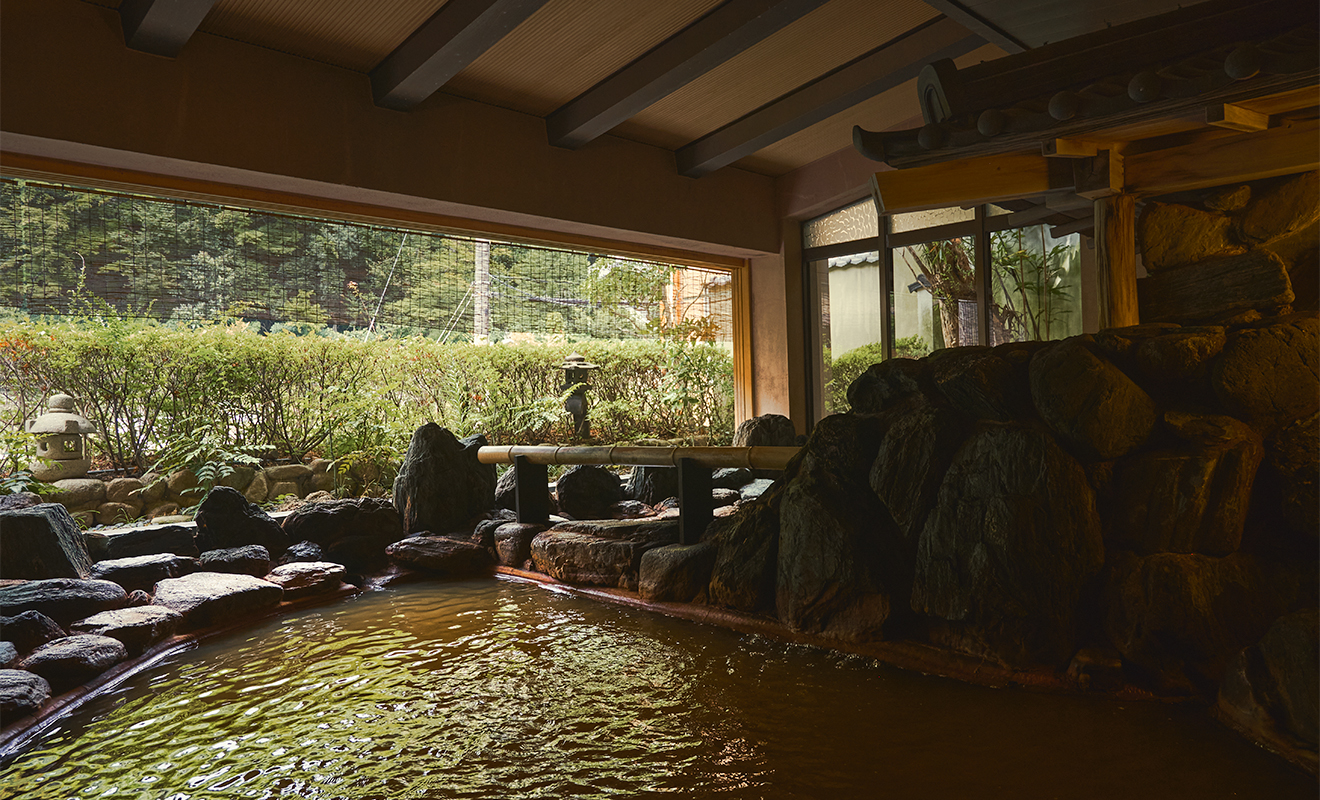
The bath at Goshoboh, Arima’s oldest inn, draws directly from the Kinsen source, Arima’s distinctive iron-rich hot spring water.
For Japan, Hyogo Prefecture can be described as a hidden sanctuary. Located at the heart of the country and bordering Osaka and Kyoto, the region has been gaining renewed attention as a destination to watch, with charter flights from East Asia further raising its profile.
To the north lies the dramatic Sea of Japan, while the calm waters of the Seto Inland Sea stretch out to the south. Rugged mountain ranges cut through the land between them. This striking diversity of landscapes is precisely what has shaped Hyogo into one of Japan’s most distinctive hot spring regions.
Thousands of Years in the Making: Japan’s Oldest Hot Springs
The history of Hyogo’s hot springs reaches back to Japan’s earliest written records. Arima Onsen, mentioned in the ancient chronicles Kojiki and Nihon Shoki, is counted among Japan’s Three Ancient Hot Springs. Its enduring appeal lies in its unusual geological origins.
Unlike most hot springs in Japan, Arima has no nearby volcanoes. Instead, its waters originate from ancient seawater released from the Philippine Sea Plate as it subducts beneath the Eurasian Plate. Under immense heat and pressure deep underground, water separates from rock, absorbs mantle heat, and rises rapidly through fractures in the bedrock. After a journey of some six million years, it finally reaches the surface. This process creates an exceptionally concentrated mineral spring that is considered rare even on a global scale.
The warlord Toyotomi Hideyoshi is said to have visited Arima repeatedly to restore both body and mind. For centuries, figures of history have sought renewal here. Hyogo’s hot springs have long been places of regeneration.
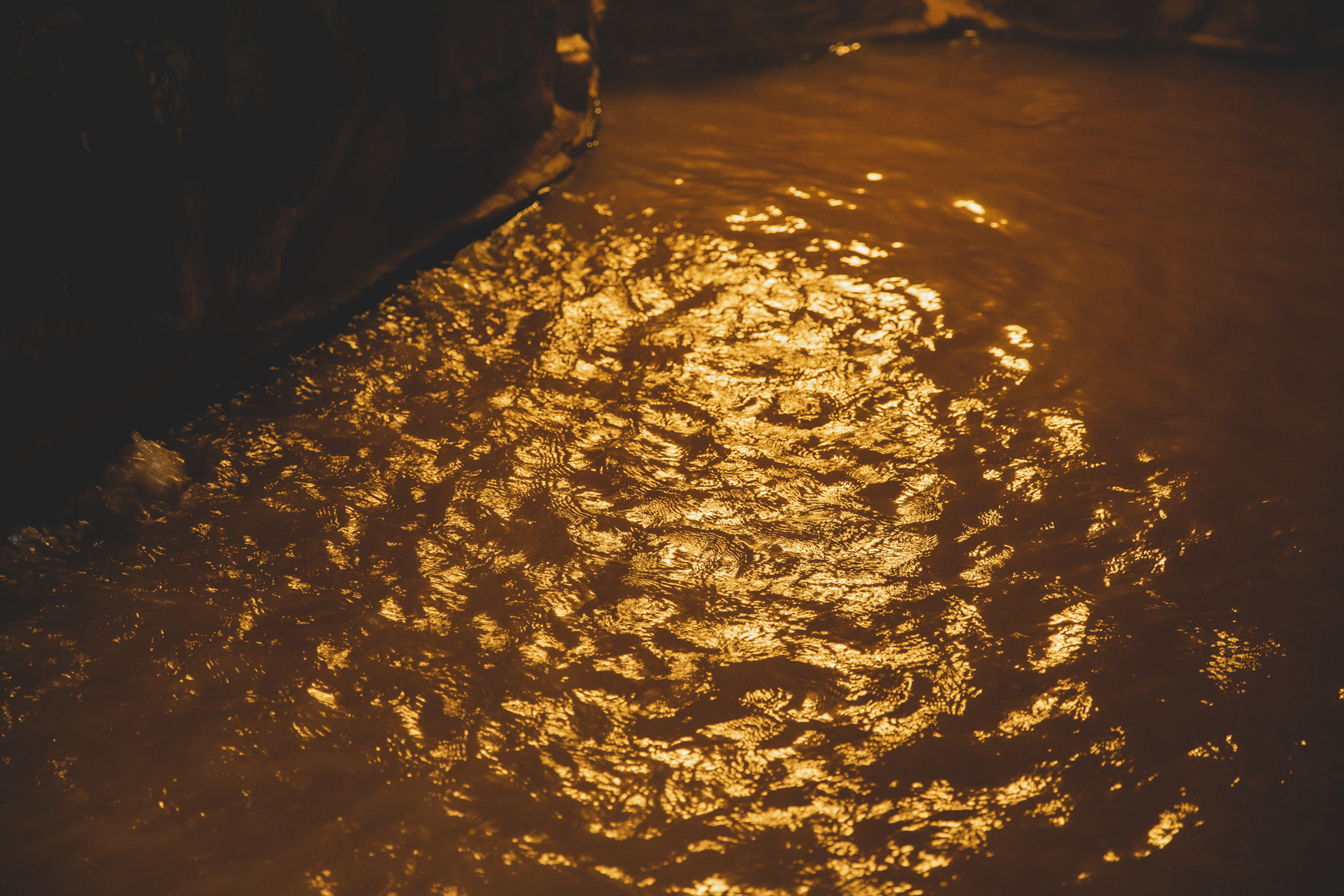
Kinsen appears clear at first, then turns a deep reddish brown as its iron content oxidizes in the air.
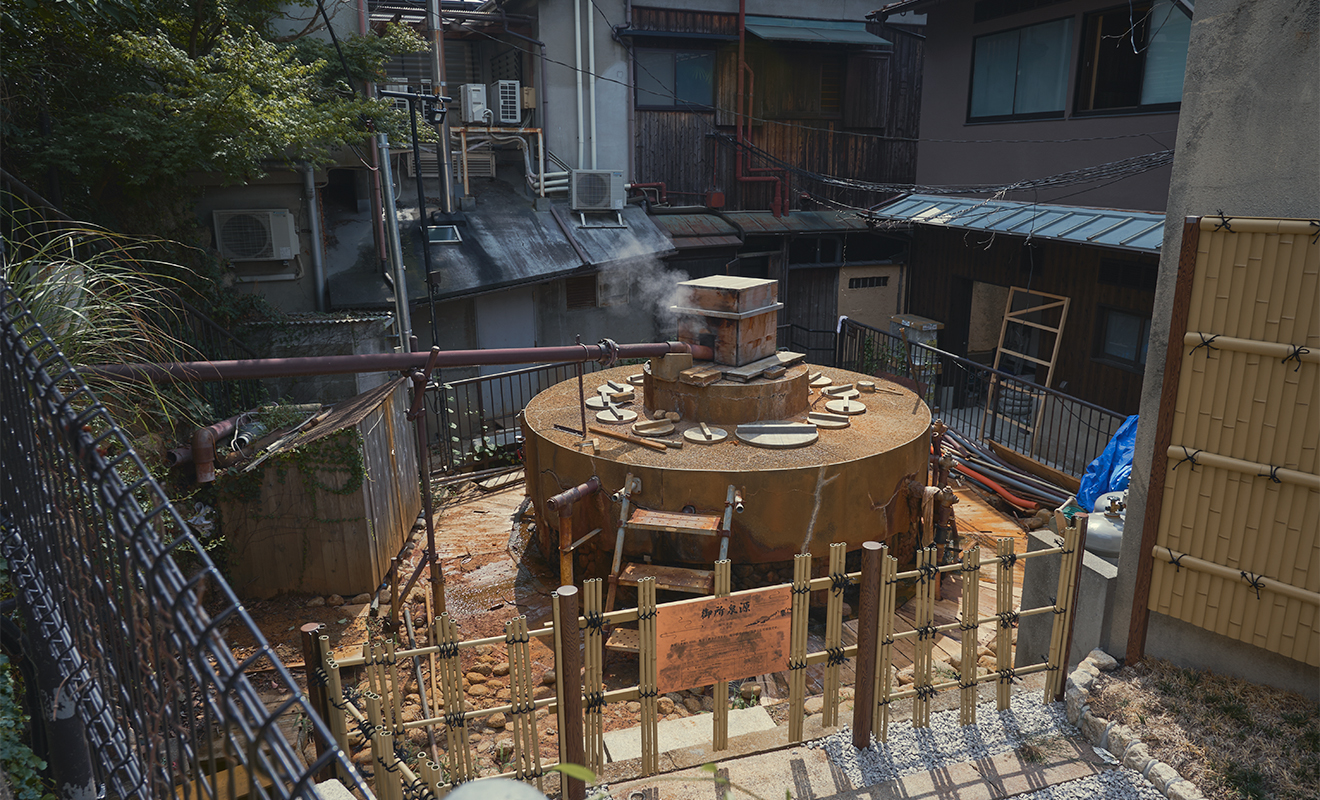
Steam rises from the Goshosen source, where Kinsen, Arima’s iron-rich hot spring water, emerges at the surface.
Hyogo’s appeal also lies in the diversity of its waters. Arima’s famed Kinsen, rich in iron and salt, emerges clear before oxidizing in the air and turning a deep reddish brown.
In contrast, Kinosaki Onsen, on the Sea of Japan coast, has cultivated a culture of public bath hopping for over 1,300 years. Wearing yukata and strolling through town in wooden geta, visitors treat the entire town as a single inn. This slow, unhurried rhythm offers a deeply mindful experience.
Nearby, places such as Yumura Onsen, where waters reach temperatures of up to 98°C, still integrate hot spring culture into everyday life. Each town expresses a different relationship with bathing, shaped by its environment and history.
To the south, on Awaji Island, Sumoto Onsen overlooks the Seto Inland Sea. According to myth, Awaji was the first island born in Japan. Here, bathing while watching the sunrise over the water creates a sense of openness and quiet immersion in nature.
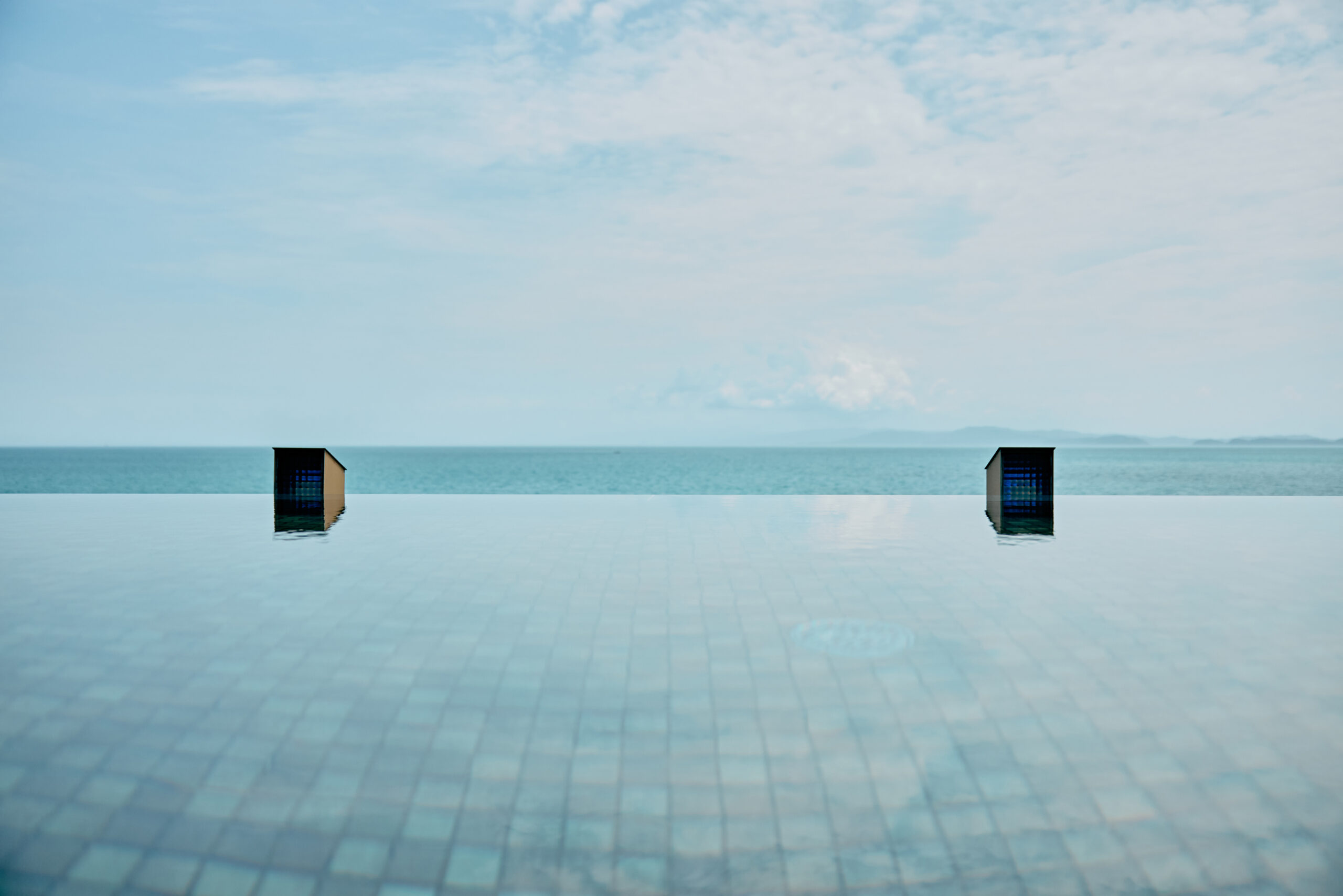
An open-air bath overlooking the sea at Tenkyu-no-Shizuku, the grand bath at Awaji Yumesenkei on Awaji Island.
Nourishment After the Bath: The Flavours of the Land
In Japan, hot spring culture is inseparable from food. Traveling through Hyogo’s onsen regions naturally becomes a journey of taste.
World-renowned Kobe beef traces its roots back to Tajima cattle from northern Hyogo. Feed grown with pure water from the region’s springs has long contributed to its exceptional quality. Winter in Kinosaki also brings prized snow crab from the Sea of Japan.
Further south, Awaji Island has a long history as a Miketsukuni, a land that supplied the imperial court with the finest ingredients. Even today, its seafood and vegetables reflect that legacy.
Soaking in the waters of a place and eating what its climate and soil produce lies at the heart of toji, Japan’s traditional philosophy of therapeutic bathing. It is not simply about bathing, but about restoring the body from within and without by drawing in the blessings of the land.
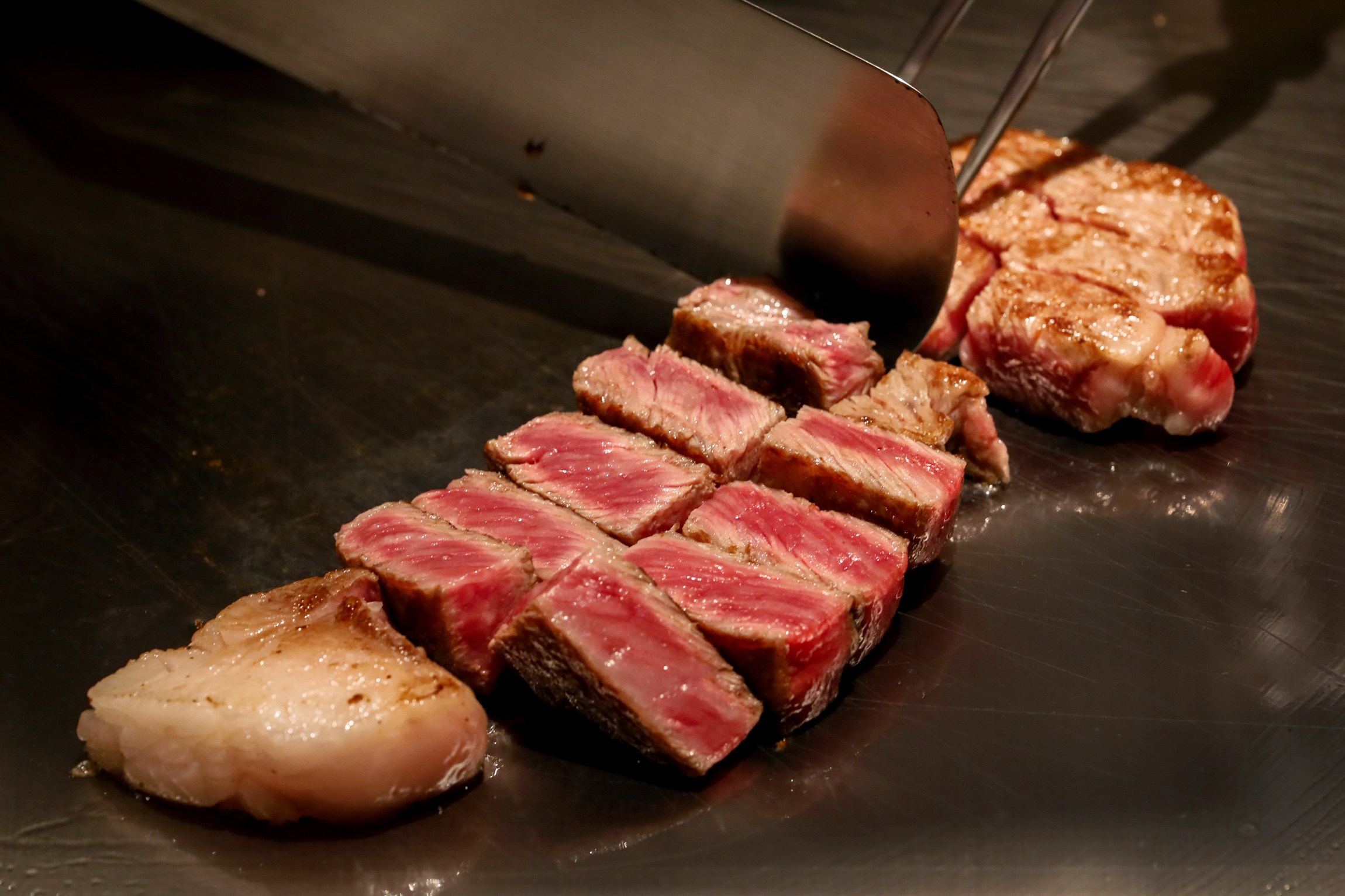
Kobe beef, prized for its melting fat and deep, savory umami.
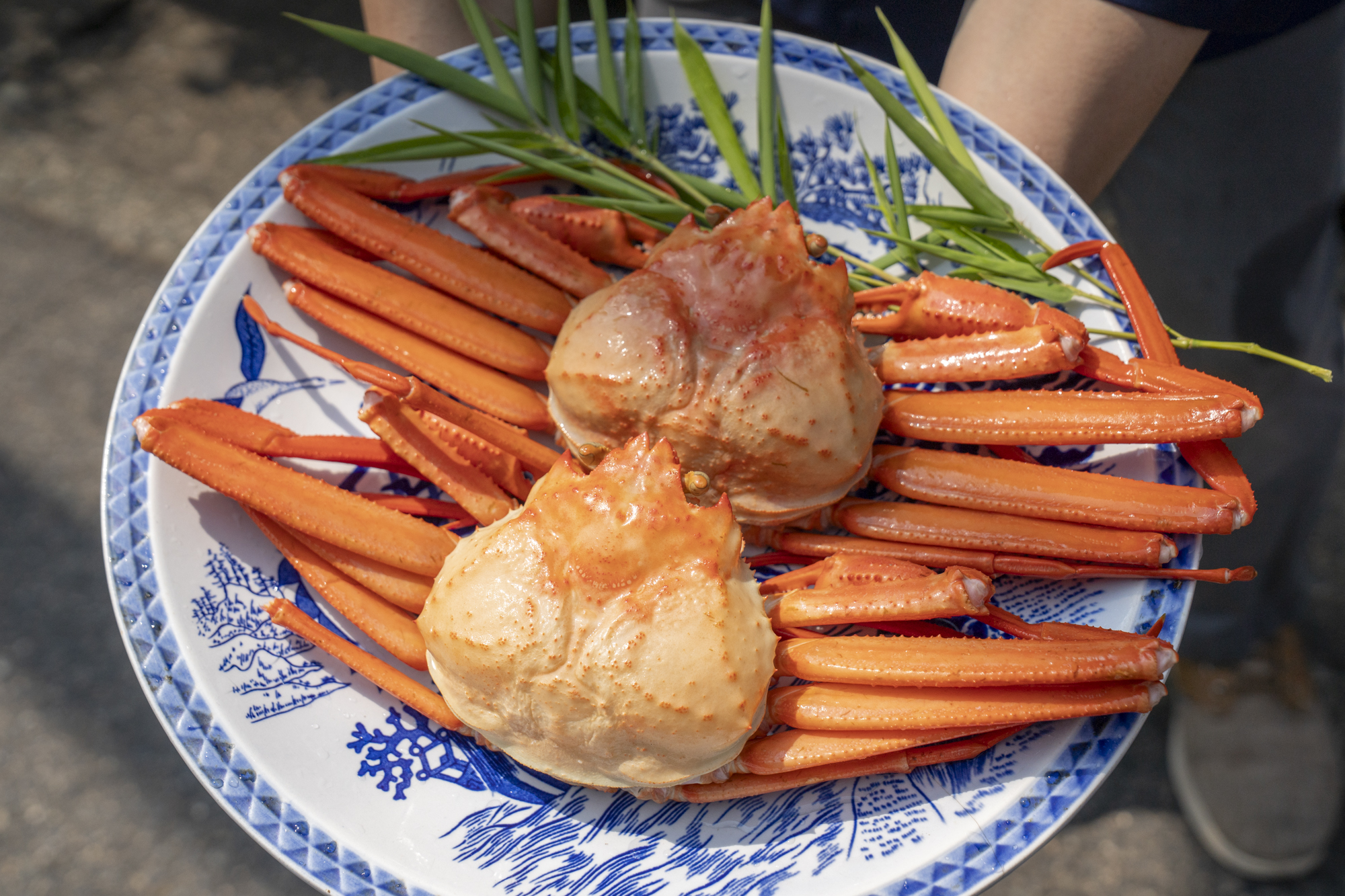
Red snow crab, harvested from the Sea of Japan and enjoyed from autumn through early summer.
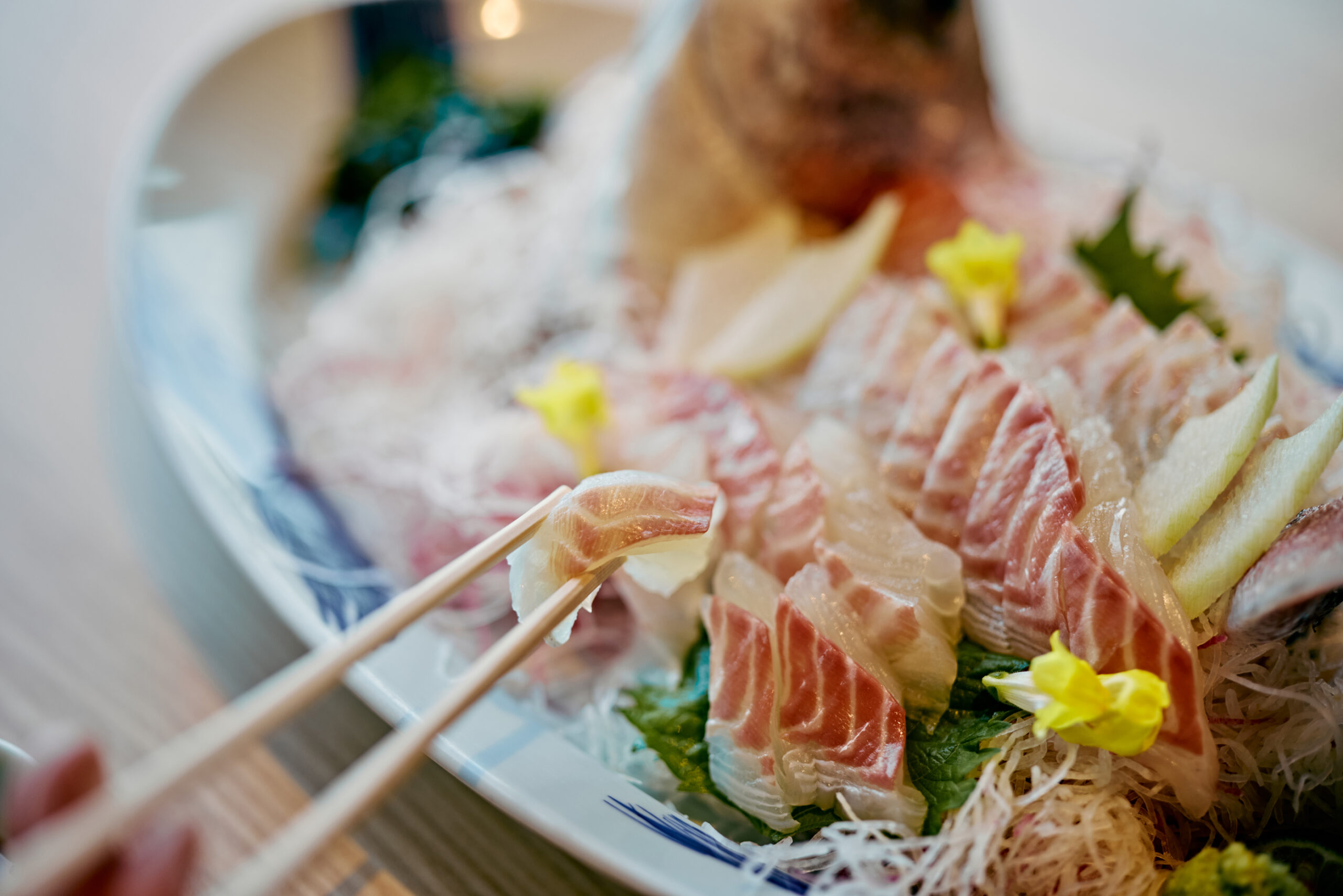
Fresh seafood from Awaji Island, pictured here as sea bream sashimi.
From Urban Energy to Quiet Retreat
What makes Hyogo especially compelling is the contrast it offers. The brilliant white silhouette of Himeji Castle, also known as the White Heron Castle, stands as a UNESCO World Heritage Site. Nearby, the port city of Kobe blends its former foreign settlement with a modern, cosmopolitan atmosphere.
From these lively urban centers, it takes less than an hour to reach tranquil hot spring towns surrounded by nature.
This shift is more than sightseeing. It is a form of retreat, stepping away from modern intensity and re-entering natural rhythms. History, landscape, and cuisine come together in Hyogo’s hot springs, offering even seasoned travelers to Japan a renewed sense of discovery and calm.
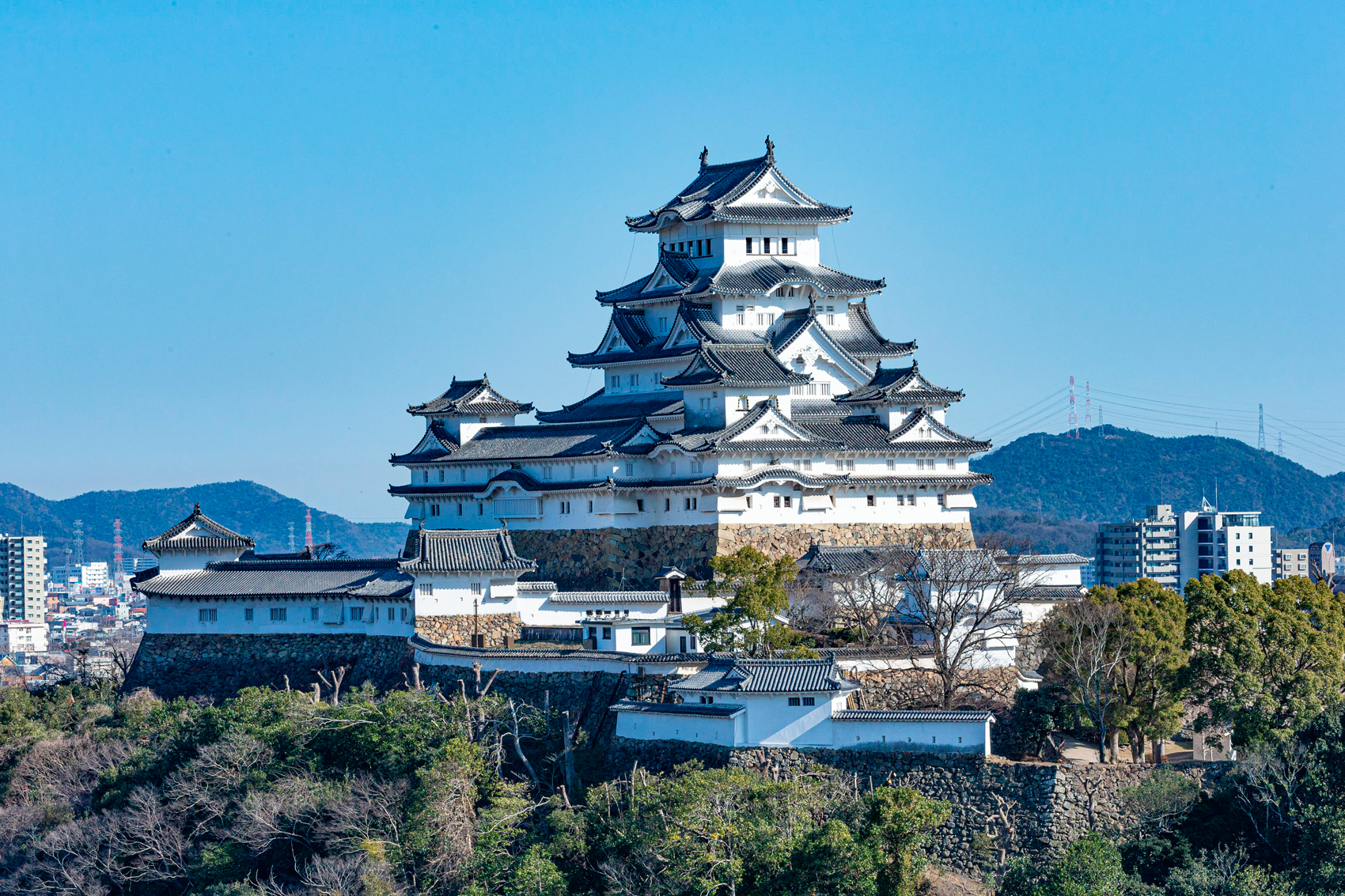
Himeji Castle, designated a UNESCO World Heritage Site in 1993, whose beauty can be enjoyed alongside the changing seasons.
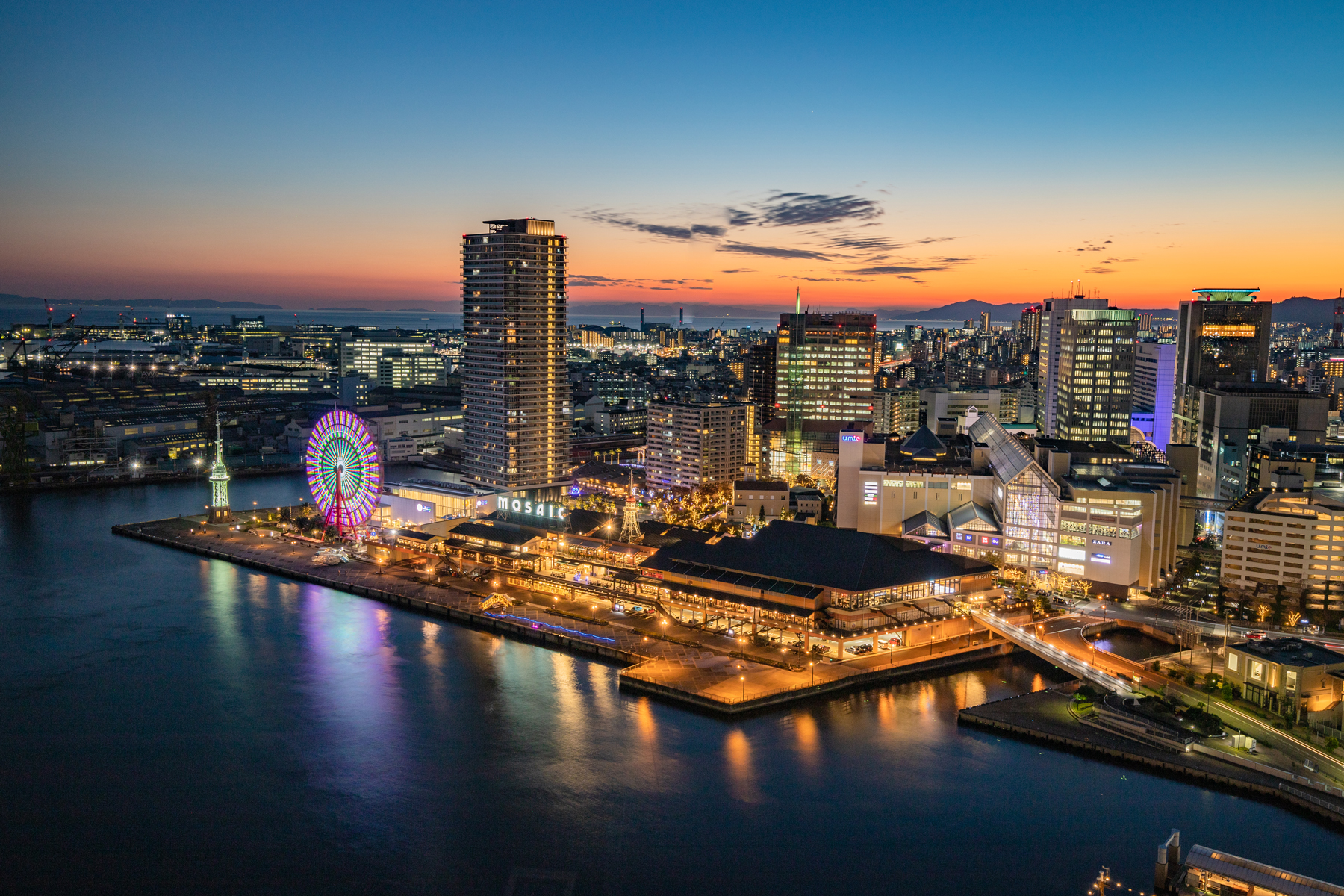
Kobe Harborland, a lively waterfront district for shopping, dining, and relaxed walks by the sea.