Kinosaki Onsen, Where the Town Becomes the Inn
Walking the streets in ‘yukata’, visitors move between historic public baths in a town shaped by 1,300 years of hot spring culture.
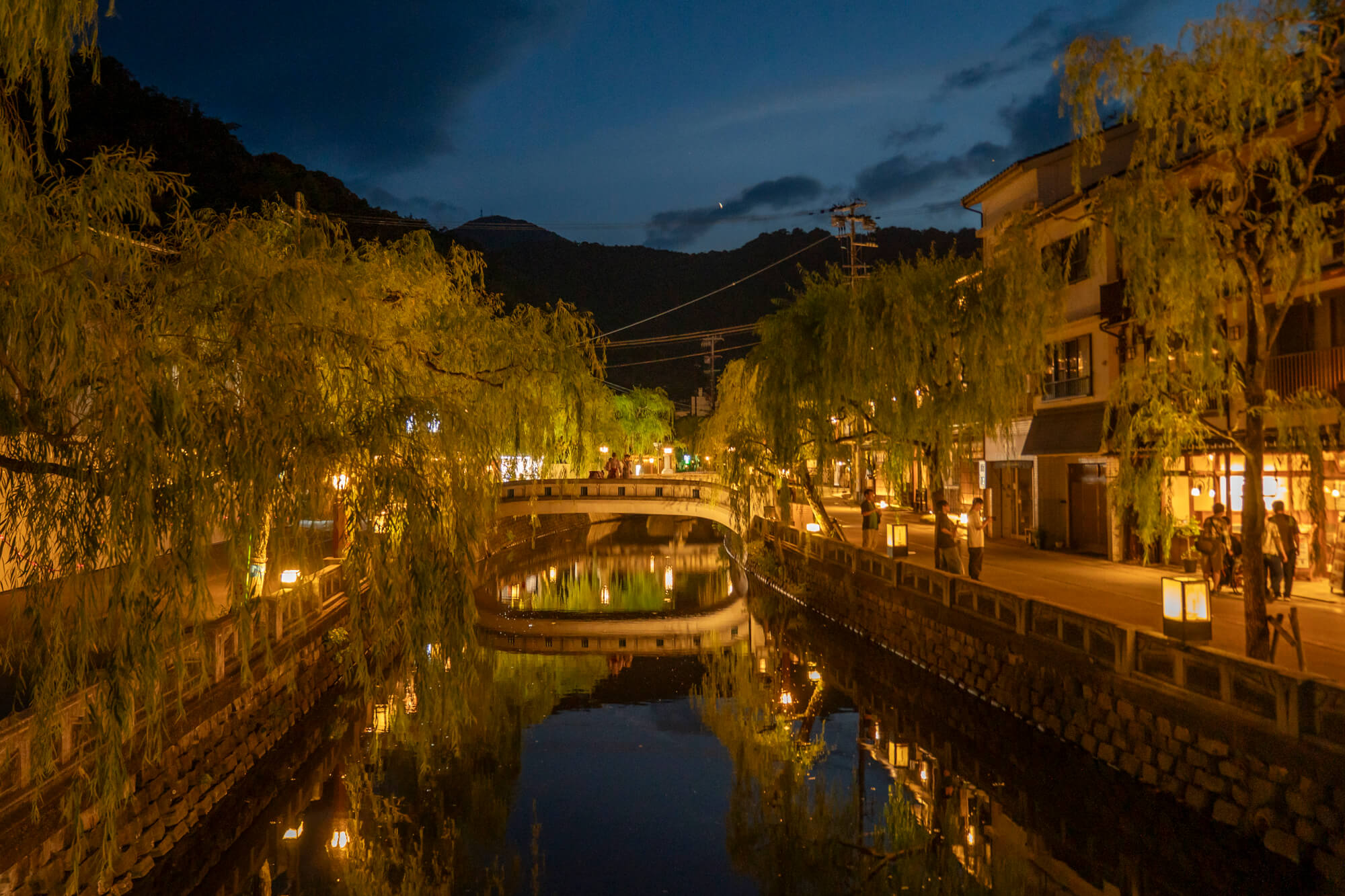
The hot spring town of Kinosaki Onsen stretches along the willow-lined Otani River.
Located in northern Hyogo Prefecture, close to the Sea of Japan, Kinosaki Onsen is a hot spring town with a history spanning some 1,300 years. Willow trees lining the Otani River draw visitors into a scene that feels gently removed from everyday life, setting the tone for a stay shaped by tradition and quiet rhythm.
The Town as One Inn
Kinosaki Onsen is defined by a bathing culture unlike that of other hot spring towns. Here, the station serves as the entrance, the streets as corridors, the inns as guest rooms, and the public baths as shared bathing spaces. Experiencing the town as a single large inn is part of Kinosaki’s enduring appeal.
Dressed in a favorite yukata, visitors step out into the streets, the sound of wooden geta echoing softly with each step. The rhythmic clatter has become one of the town’s most familiar sounds. In Kinosaki, walking in yukata is considered proper attire, allowing travelers and residents alike to blend seamlessly into the townscape.
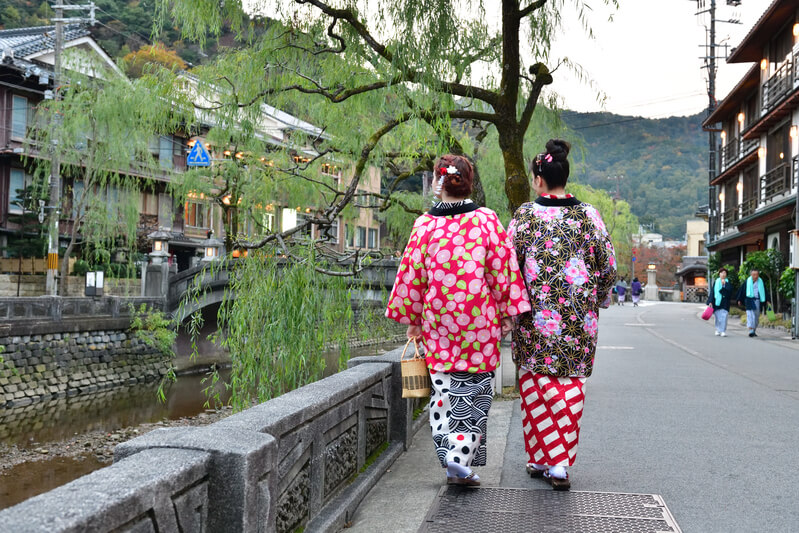
Walking through the atmospheric streets in ‘yukata’ or kimono is a special experience unique to Kinosaki Onsen.
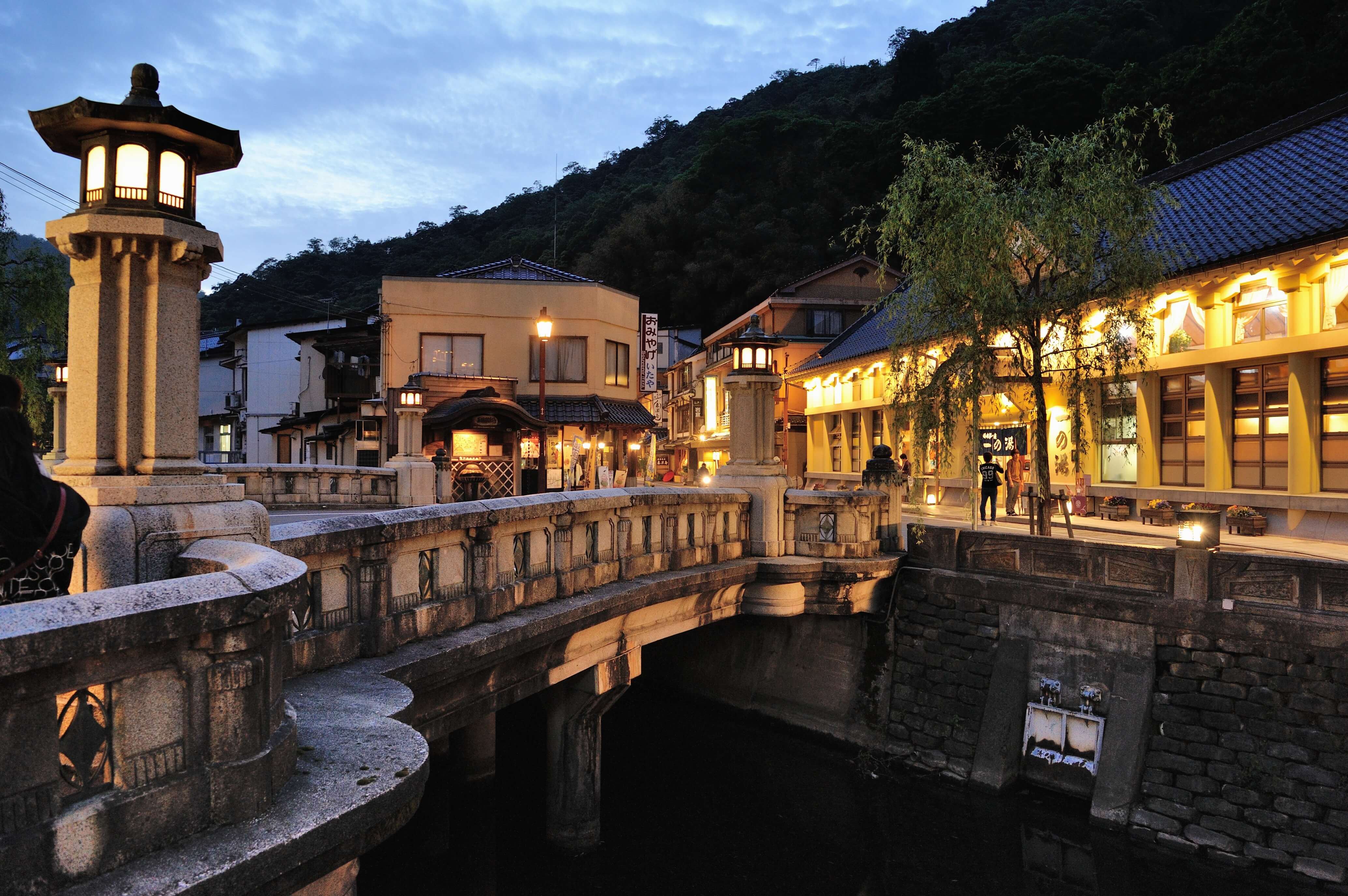
Ichino-yu, seen from the O-bashi Bridge. Its historic architecture is distinctive to the area.
Discovering the Seasons Through Water
At the heart of a stay in Kinosaki lies the experience of visiting its public baths. Each bath enshrines a different guardian deity and is associated with its own blessings, from prosperity in business to household safety. From Ichino-yu, whose cave-like bath stirs a sense of adventure, to Goshono-yu, known for its open-air bath that feels suspended in the sky, each offers a distinct character.
The town’s atmosphere shifts with the seasons. Cherry blossoms line the riverbanks in spring, while summer brings fresh green willows and the glow of floating lanterns at night. Autumn foliage and winter snow lend their own quiet beauty. After bathing, it is common to sit along the river, enjoying a local craft beer or gelato. These unassuming moments gently ease the fatigue of daily life.
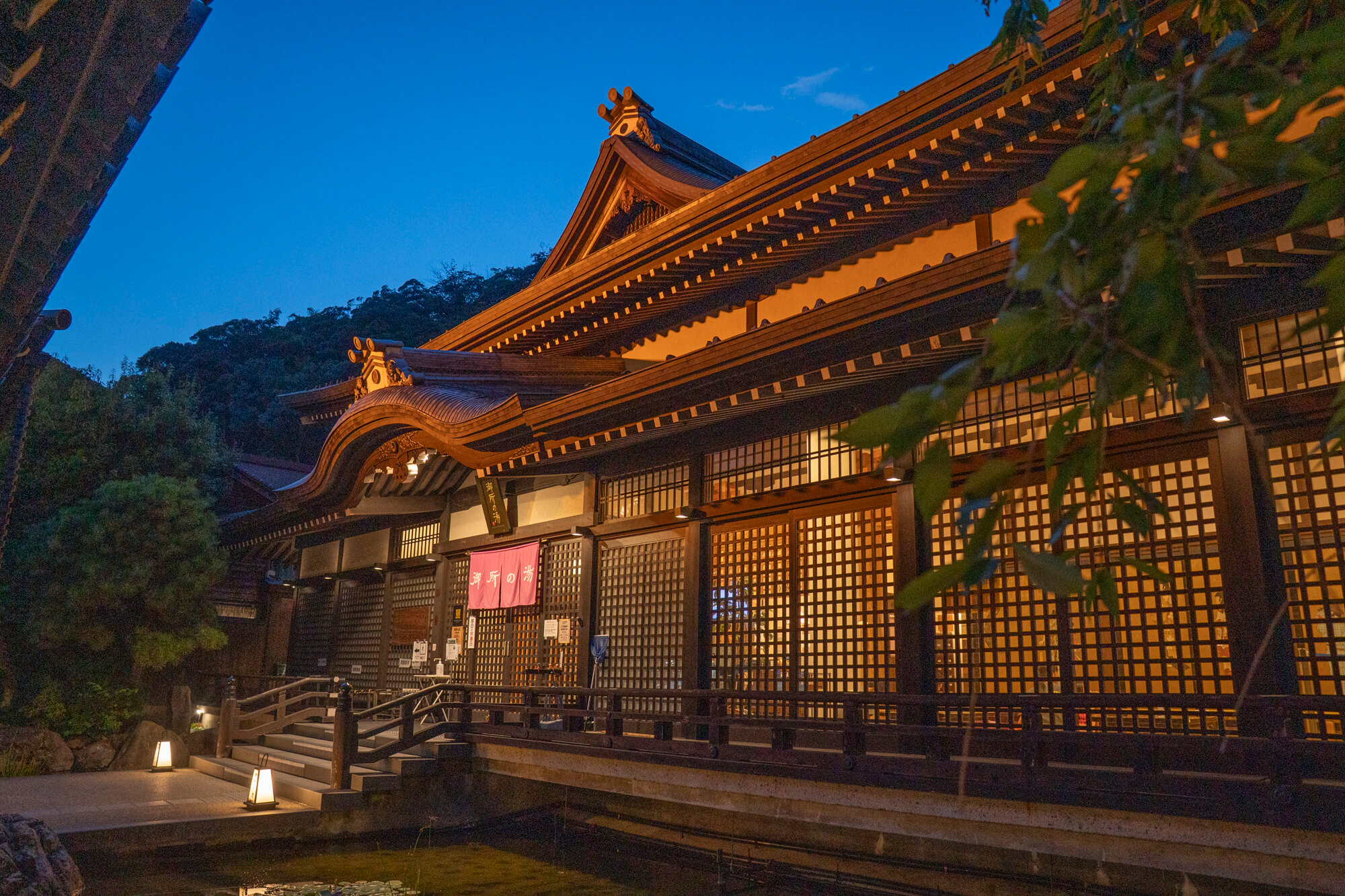
The exterior of Goshono-yu, one of Kinosaki’s public baths.
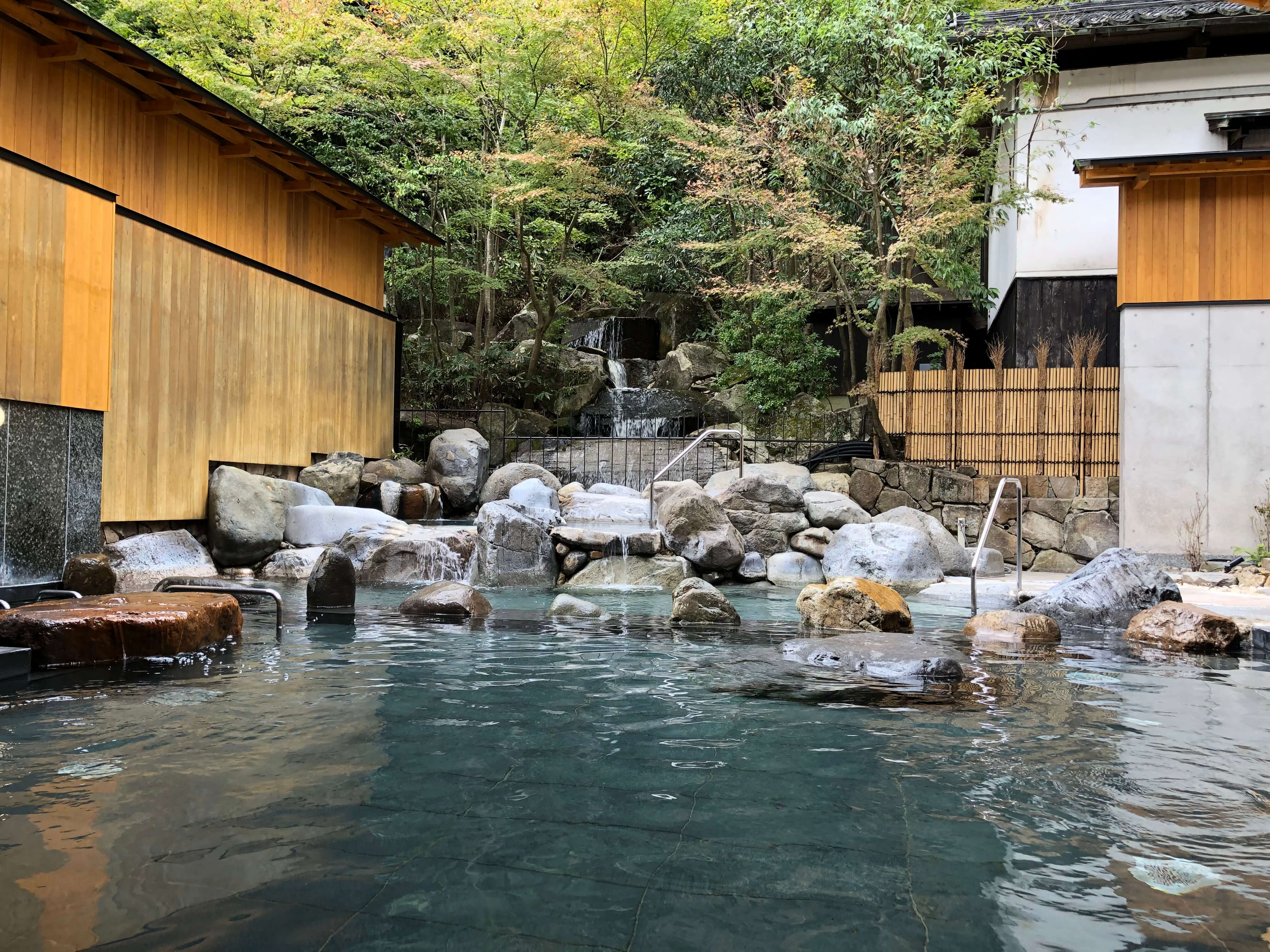
Goshono-yu is known for its open-air bath, entirely exposed to the sky.
Seasonal Flavours Shaped by Land and Sea
The pleasures of Kinosaki extend well beyond its hot springs. The region is known as the birthplace of Tajima beef, a revered ancestor of Japan’s famed wagyu. The Sea of Japan provides an abundance of seafood, with winter snow crab, Kasumi crab, and white squid appearing with the seasons.
Rice grown with pure local water and sake brewed by regional producers further enrich the table. The cuisine of Tajima, shaped by mountains and sea alike, offers a depth of flavor that continues throughout the year.
Kinosaki Onsen is, in itself, a place of healing. Spending time amid streets that recall Japan’s original landscapes, and allowing the hours to pass unhurriedly, is part of the town’s quiet luxury. It is a way of staying that restores both body and mind.
Kinosaki Onsen Nishimuraya Honkan
A Sukiya-Style Inn with 165 Years of History
Located at the center of Kinosaki Onsen, a hot spring town with 1,300 years of history, Nishimuraya Honkan is a long-established ryokan carrying on a tradition of 165 years. Within the property, 29 guest rooms of differing character are arranged around a carefully maintained Japanese garden.
The interiors reflect the architectural aesthetic of the sukiya style, characteristic of traditional tea houses. Some rooms overlook the seasonal garden, while others feature private open-air baths. Together with the atmospheric streets of Kinosaki, the refined hospitality passed down through generations invites guests into deep rest.
Address: 469 Yushima, Kinosaki-cho, Toyooka, Hyogo
Website
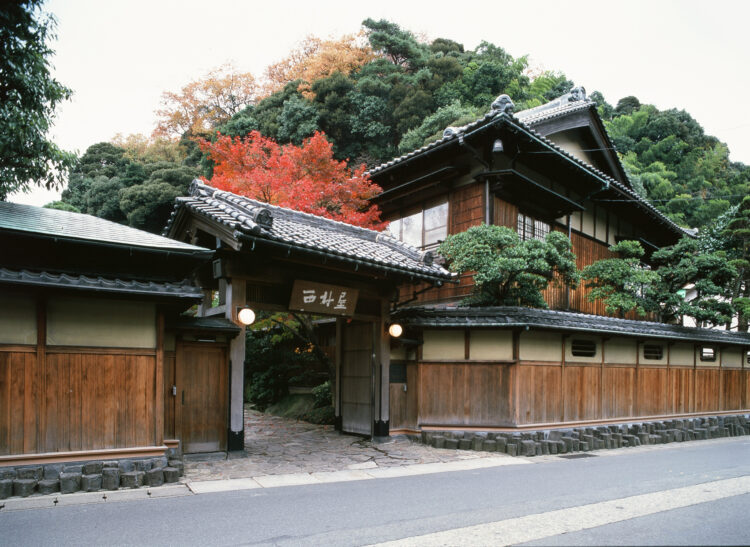
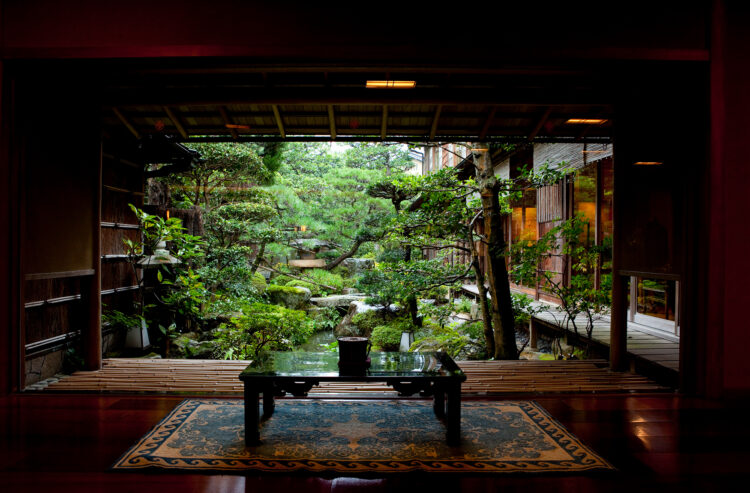
Left: The entrance of Nishimuraya Honkan is registered as a Tangible Cultural Property. Passing through it, visitors step into a space removed from everyday life. / Right: Lobby overlooking the Japanese garden.
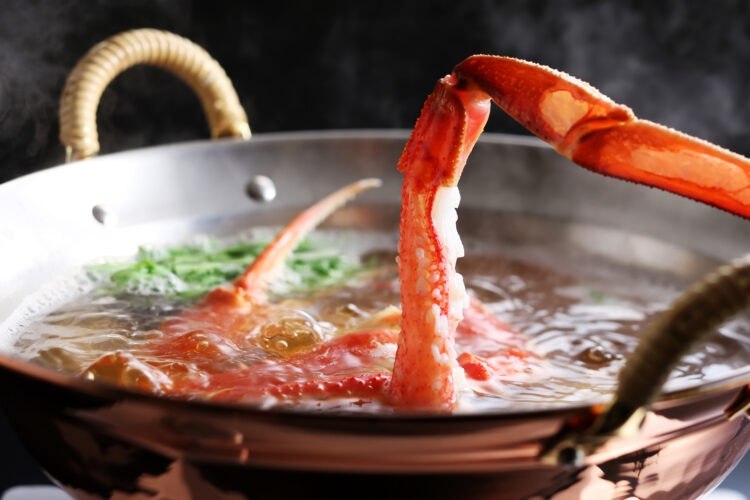
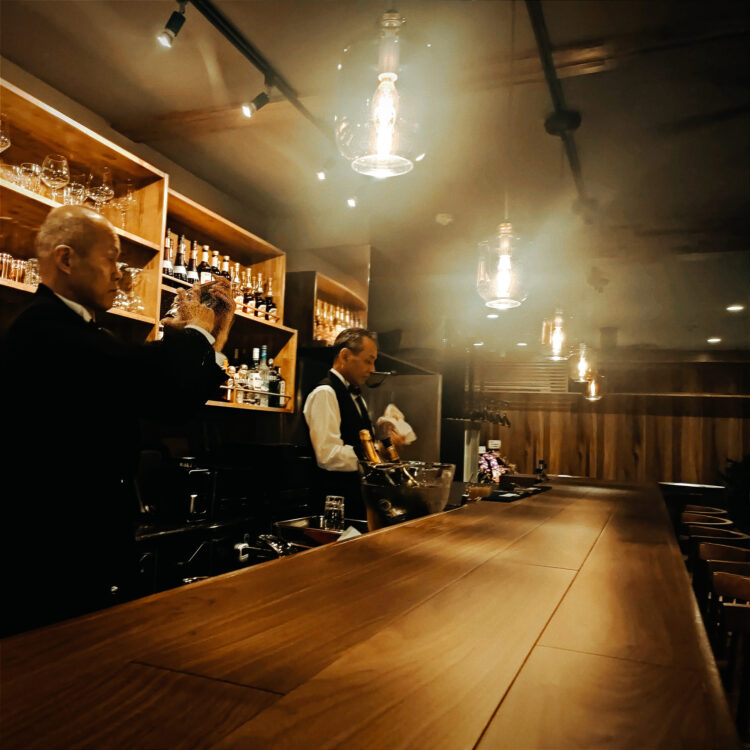
Left: Matsuba crab is a seasonal delicacy. The fishing season opens on November 6, and the crab becomes available in markets from November 7 through the end of March. / Right: Bar Seven, located immediately next to Nishimuraya Honkan (closed Tuesdays).
Kinosaki Onsen Nishimuraya Hotel Shogetsutei
A Resort Ryokan Set Within a 40-Acre Forest Garden, Where Tradition and Modernity Coexist
A resort ryokan that carries forward the long-standing traditions of Kinosaki’s established Nishimuraya while incorporating a contemporary sensibility. Set within a 40-acre (50,000-tsubo) forest garden, the property offers a range of bathing facilities, including a large communal bath, open-air baths, and saunas.
Guest rooms vary in style, from traditional Japanese-style rooms to Western-style rooms with beds, as well as suites with private open-air baths. The ‘Private Forest Spa,’ consisting of three private outdoor baths, allows guests to soak while surrounded by nature. The setting offers a stay that gently restores both body and mind amid the quiet presence of the forest.
Address: 1016-2 Yushima, Kinosaki-cho, Toyooka, Hyogo
Website
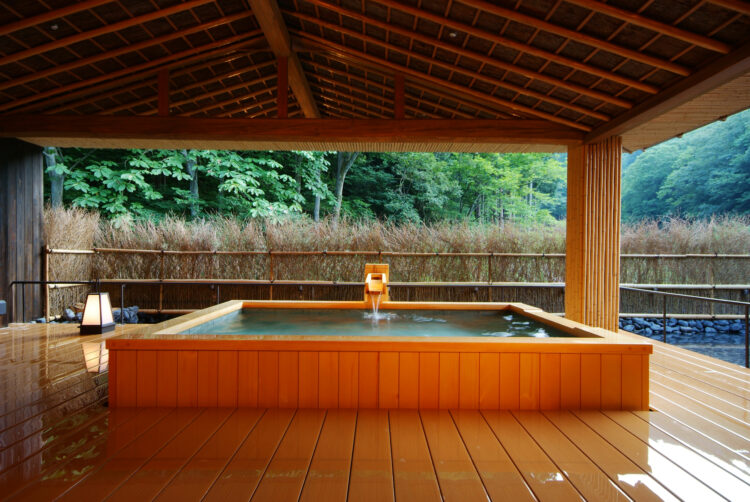
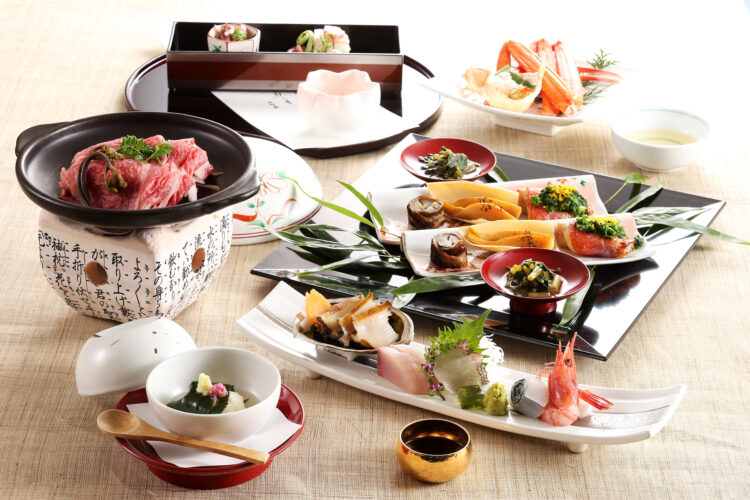
Left: Private open-air bath set within the garden. / Right: ‘Kaiseki’ dinner featuring seasonal ingredients.
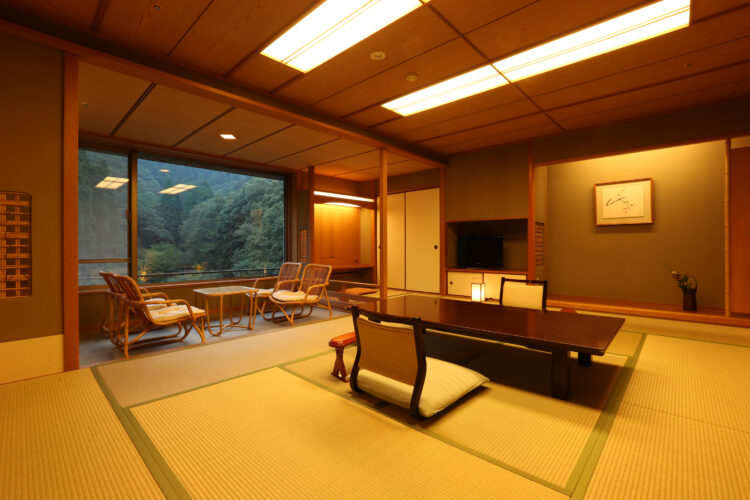
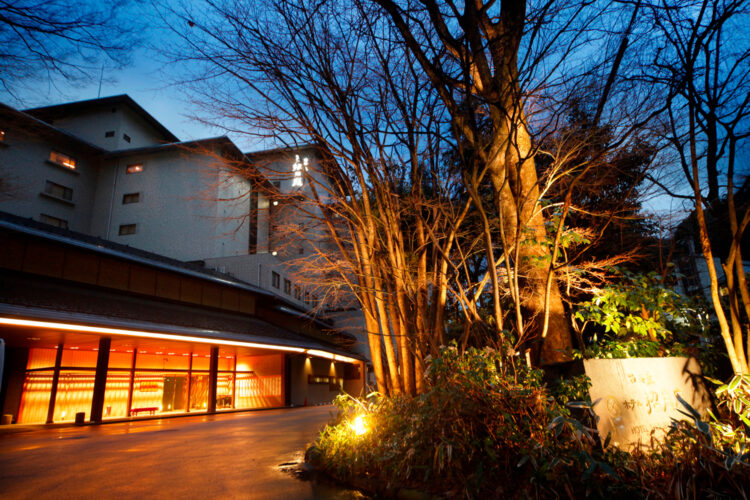
Left: Superior Room (Non-Smoking), designed with a Japanese aesthetic. / Right: The hotel entrance, set within the surrounding forest garden in a calm, secluded setting.
ONISHIYA SUISHOEN
A quiet moment immersed in Kinosaki’s stillness, with a dreamlike Noh stage and tatami spaces where guests can relax barefoot.
A ryokan located within the Kinosaki hot spring district, with tatami flooring throughout the entire building. Upon entering, the Noh stage in the inner courtyard, viewed from the corridor and illuminated by torchlight, creates a dreamlike atmosphere.
Guest rooms combine traditional design with modern functionality in spacious layouts. The ability to walk barefoot throughout the building contributes to a sense of openness. Bathing facilities include open-air baths, a sauna, and a cold bath for outdoor air cooling. Alongside the tradition of visiting the town’s public baths, time spent within the inn’s distinctive setting adds to the experience.
Address: 1256 Momoshima, Kinosaki-cho, Toyooka, Hyogo
Website
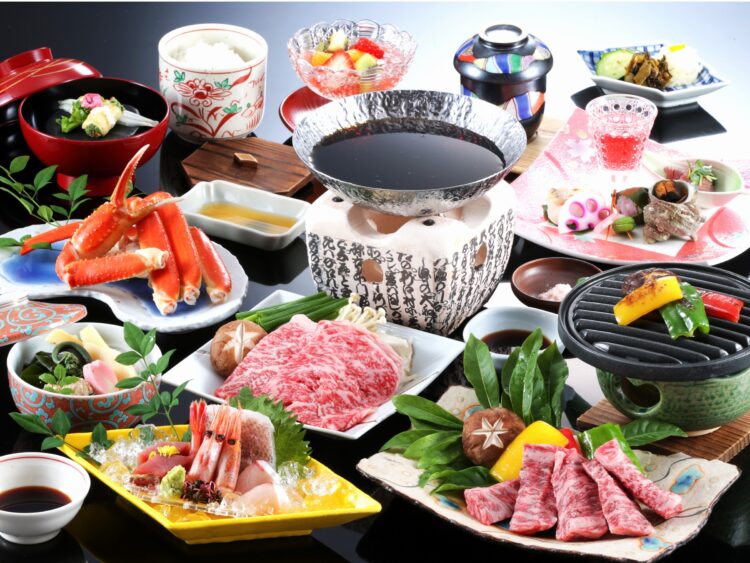
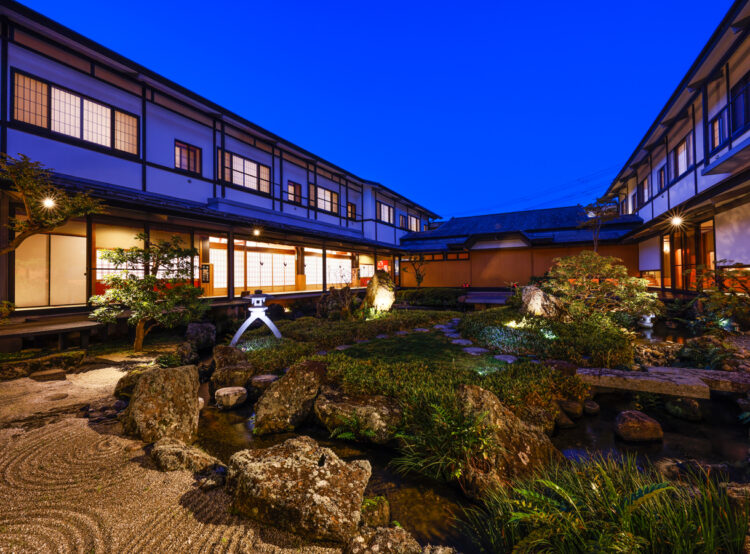
Left: ‘Kaiseki’ dinner highlighting regional character and seasonal ingredients. / Right: Enjoying a hot spring stay while viewing the Noh stage and torchlit courtyard.
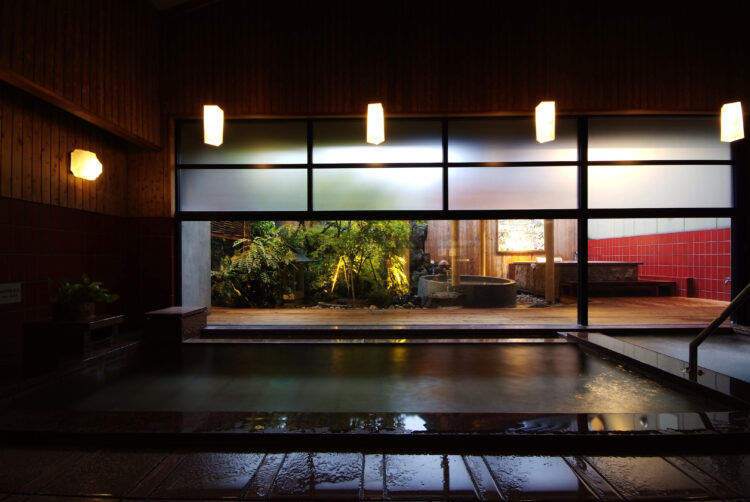
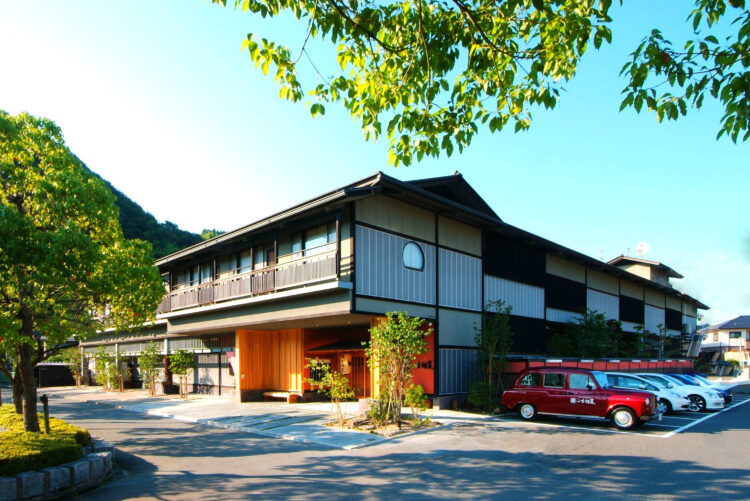
Left: Large bath overlooking a small inner garden, with the fragrance of pale wood. / Right: Exterior reflecting traditional ‘sukiya’-style architectural design.
Kawaguchiya Kinosaki Ryokan
Along the Otani River, Where Willow Trees Frame a Modern Stay
Located along the Otani River, a symbol of Kinosaki Onsen, and about a seven-minute walk from the station. With only 13 guest rooms, the ryokan offers rooms with terraces and modern Japanese-Western style interiors.
Rooms facing the river provide views of willow-lined streets and stone bridges characteristic of Kinosaki. Access to the public bath circuit is convenient. The property also offers private reservable baths, allowing guests to enjoy the hot spring in a more secluded setting. Together with seasonal cuisine, the stay brings guests close to the atmosphere of the town.
Address: 274 Yushima, Kinosaki-cho, Toyooka, Hyogo
Website
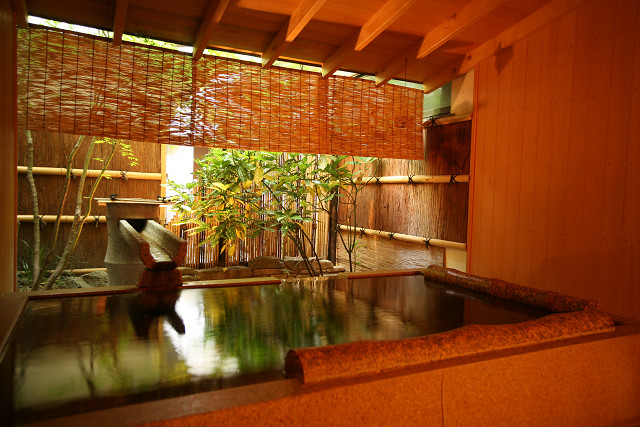
Private reservable bath in an atmospheric setting.
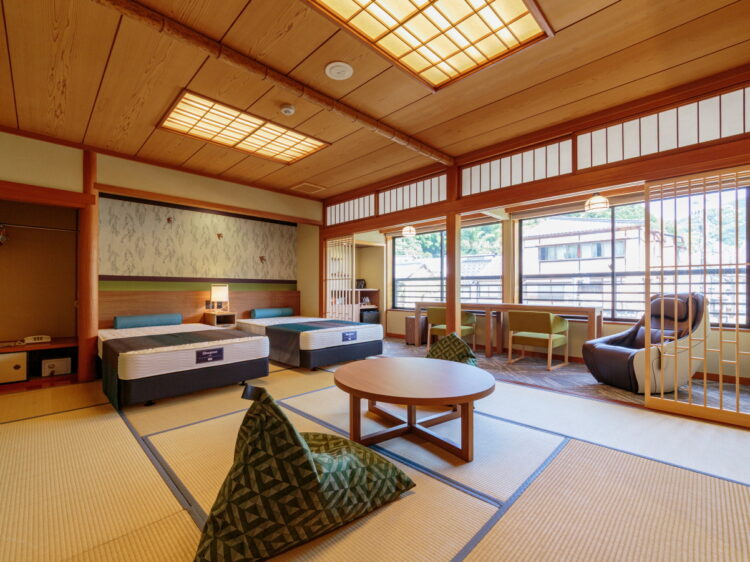
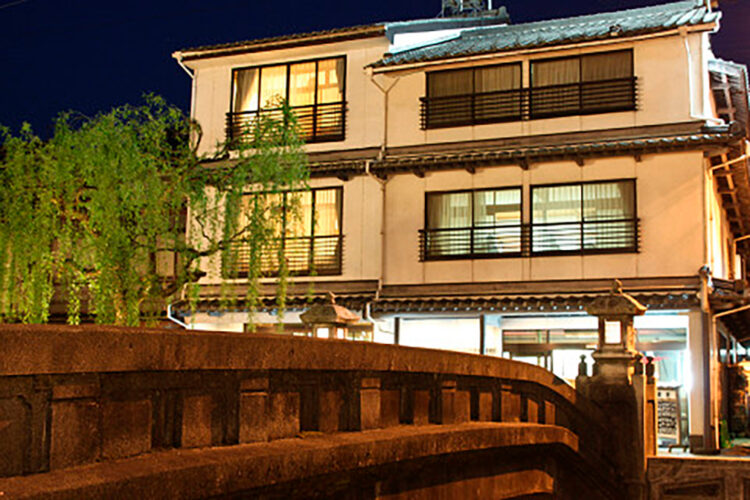
Left: Japanese-Western style room with beds, maintaining a tatami atmosphere while offering modern comfort. / Right: A three-story exterior in white tones.
Koyado Enn
A modern gastronomic retreat near the station, dedicated to premium Tajima beef
Among the traditional ryokan of Kinosaki, this nine-room hotel-style inn offers a more contemporary stay. Its defining feature is the course meal featuring premium Tajima beef ‘Tajimaguro,’ served at the restaurant attached to the property. Known for its low melting point and delicate texture, the beef provides a distinctive dining experience.
Guest rooms range from Japanese-Western style accommodations to modern Western rooms, allowing guests to choose according to their travel style. Located just a three-minute walk from JR Kinosaki Onsen Station, the inn also offers easy access to the town’s public bath circuit.
In the morning, Western-style breakfast is served at the café, while evenings focus on Tajima beef cuisine. The stay offers a flexible and quietly indulgent way to experience Kinosaki.
Address: 219 Yushima, Kinosaki-cho, Toyooka, Hyogo
Website
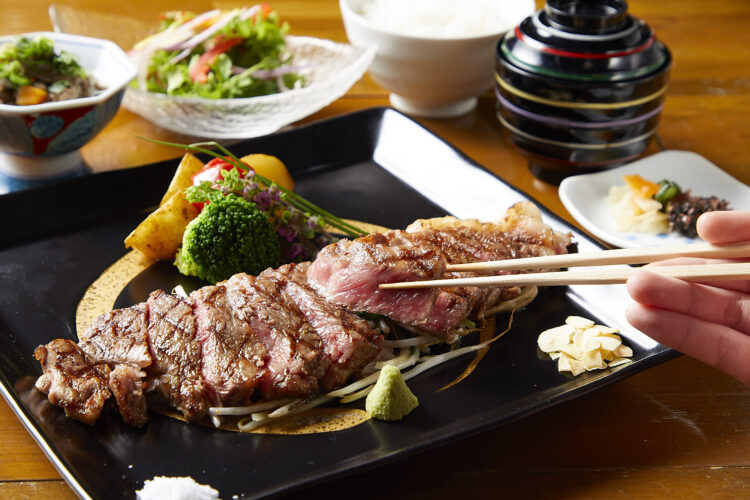
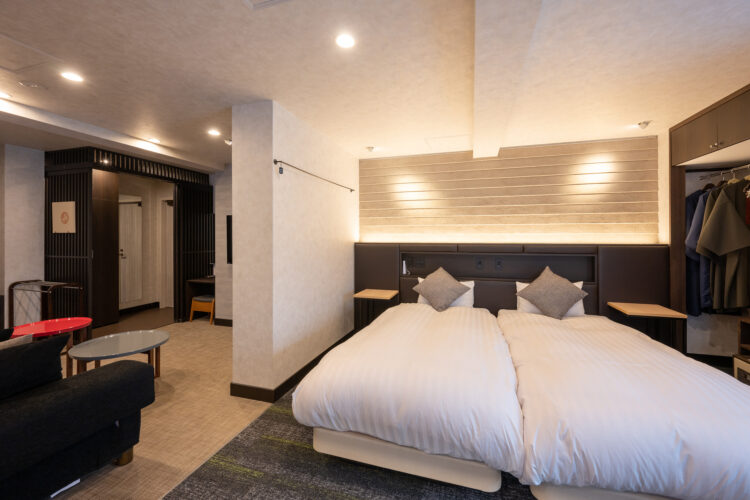
Left: ‘Tajimaguro,’ premium Tajima beef sourced whole from Ueda Livestock, which has won three consecutive championships at the Hyogo Tajima Beef Competition. / Right: Guest rooms designed with a balance of functionality and comfort.
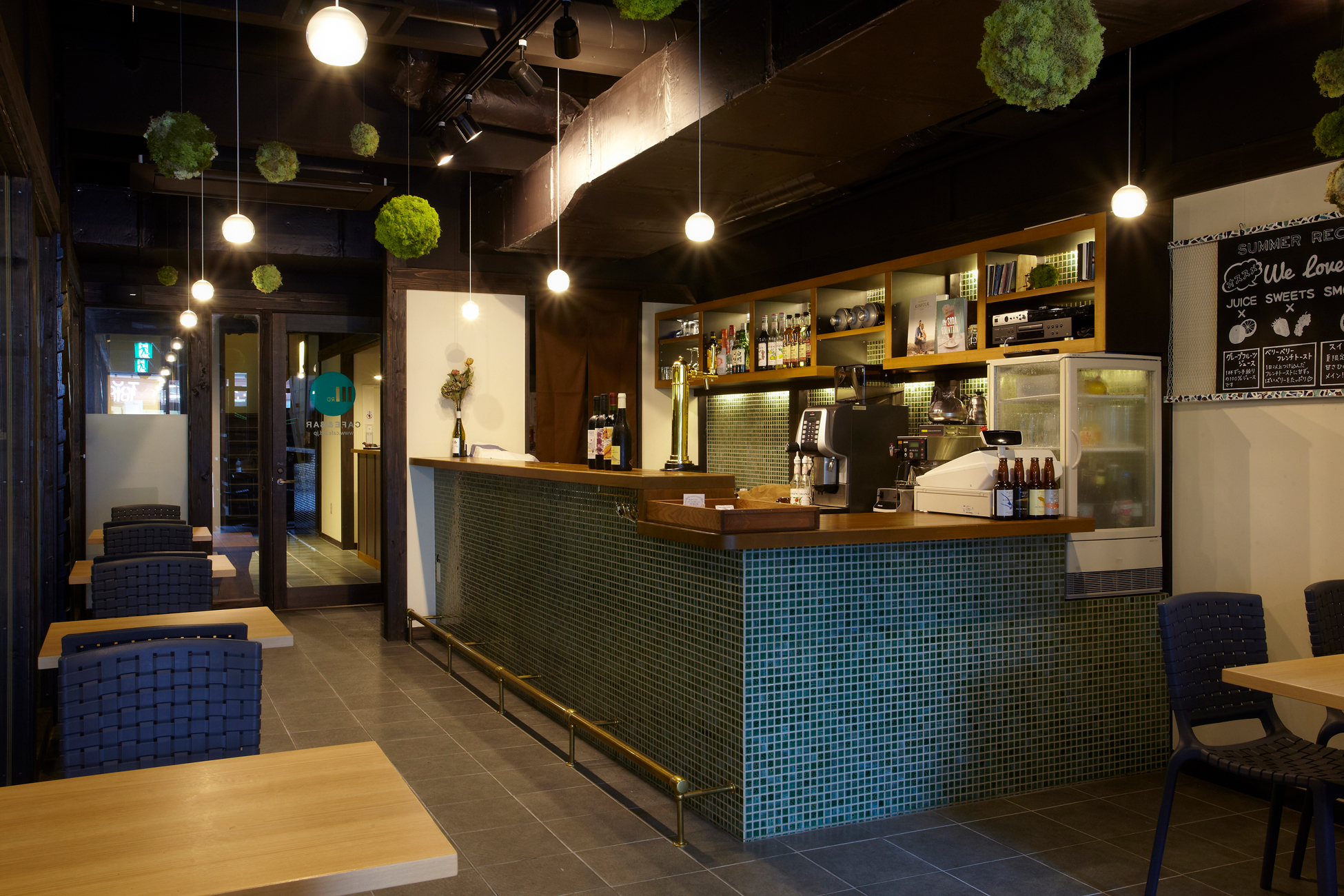
The first-floor lounge where guests can spend time at their own pace.