Feet in Tokyo, Overstepping the Bounds of Portraits
In the series 'Ashimoto', photographer César Ordóñez lets the shoes featured in his images reveal the personality of the women wearing them.
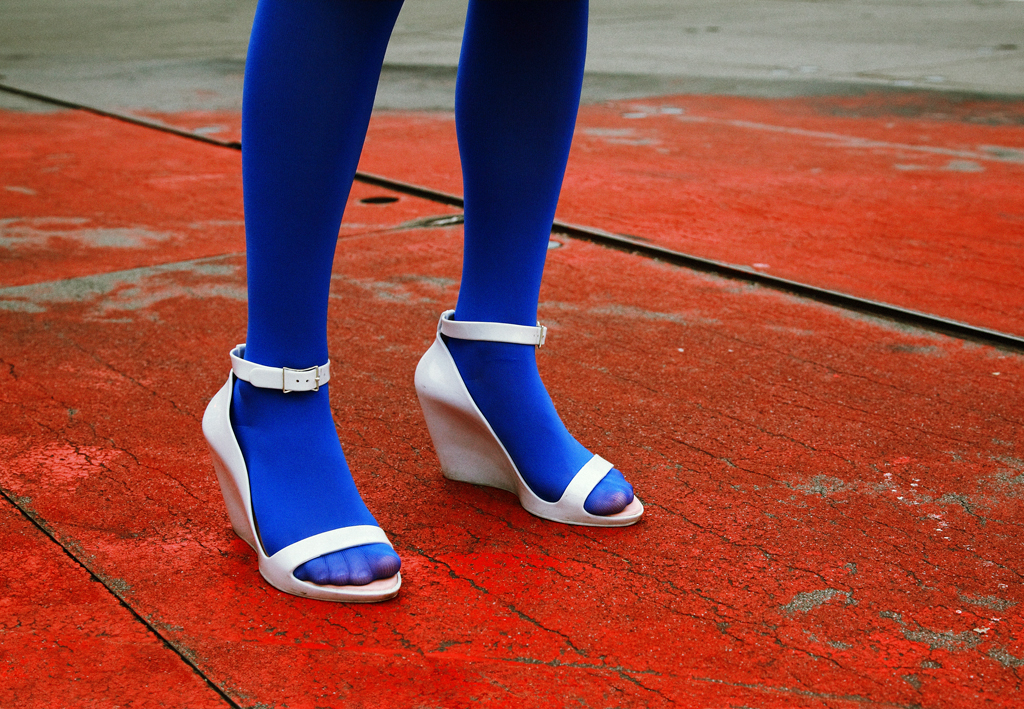
“Ashimoto” © César Ordóñez
When talking about this series, the photographer begins with an important declaration: ‘It’s important to remark that this project isn’t related at all to shoes or fashion.’ César Ordóñez believes that each part of the body characterises us equally, and it was with this in mind that he started working on Ashimoto, a series of unusual portraits, in Tokyo in 2007.
The artist, originally from Barcelona, divided his work between fashion and commercial photography and his artistic series for years. He now devotes most of his time to the latter, and focuses on the bilateral relationships between our bodies and the environments they exist in, and the way these influence our relationship with intimacy.
Revealing only one part of one’s personality
The Japanese term ashimoto is polysemic. In this context, it can be translated as ‘at one’s feet’, but each individual can see another meaning. In a megalopolis like Tokyo, which leads the public to consider their place in a unique way, ‘this project is a reflection on the concept of intimacy and the respect for our “private space” in large cities’, the artist explains to Pen.
Beyond the composition, the photographs assembled in Ashimoto bring together scenes of movement and others that are static, in black and white or in colour. They have not been prepared or constructed. Here, the aim is to showcase personalities, the fruit of human or visual encounters. ‘These works talk of what is hidden from view, about what is not shown, and how we build an idea with this suggested information, something especially linked with Japanese culture’, César Ordóñez continues.
From urban to more traditional styles, featuring long socks, high heels, or revealing just part of the feet under a floral dress, the photographs in the series could be considered more eclectic than a series of portraits, as each one encourages the viewer to guess the age, social class, style, and character of the woman in question.
Ashimoto (2007-2013), a series of photographs by César Ordóñez, can be viewed on the artist’s website.
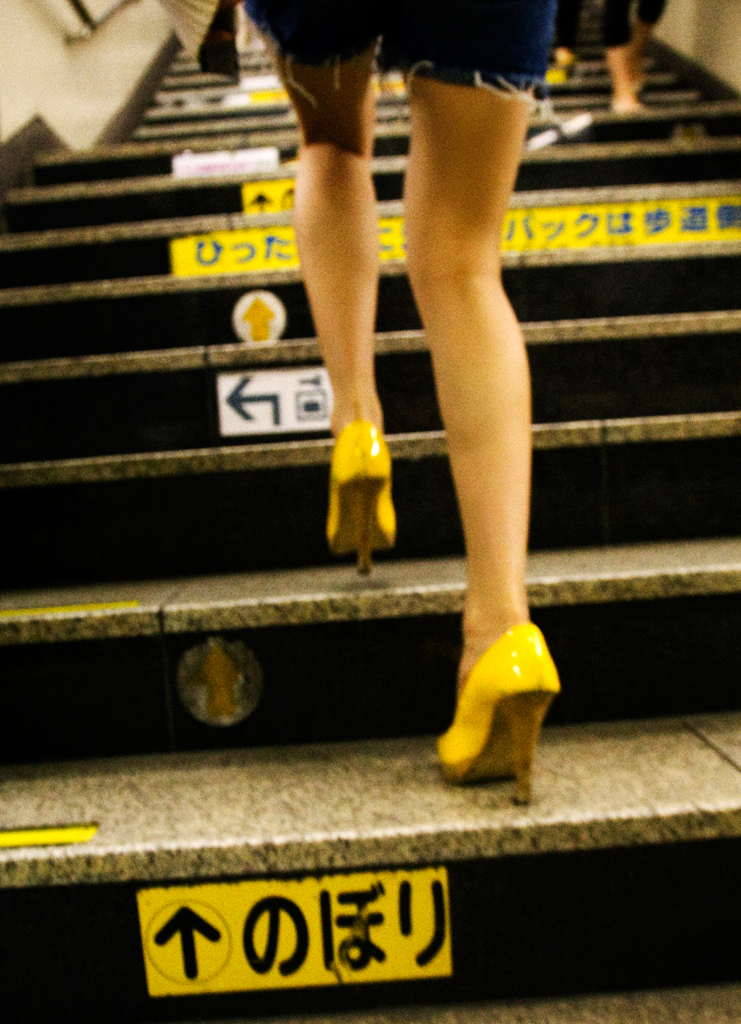
'Ashimoto' © César Ordóñez
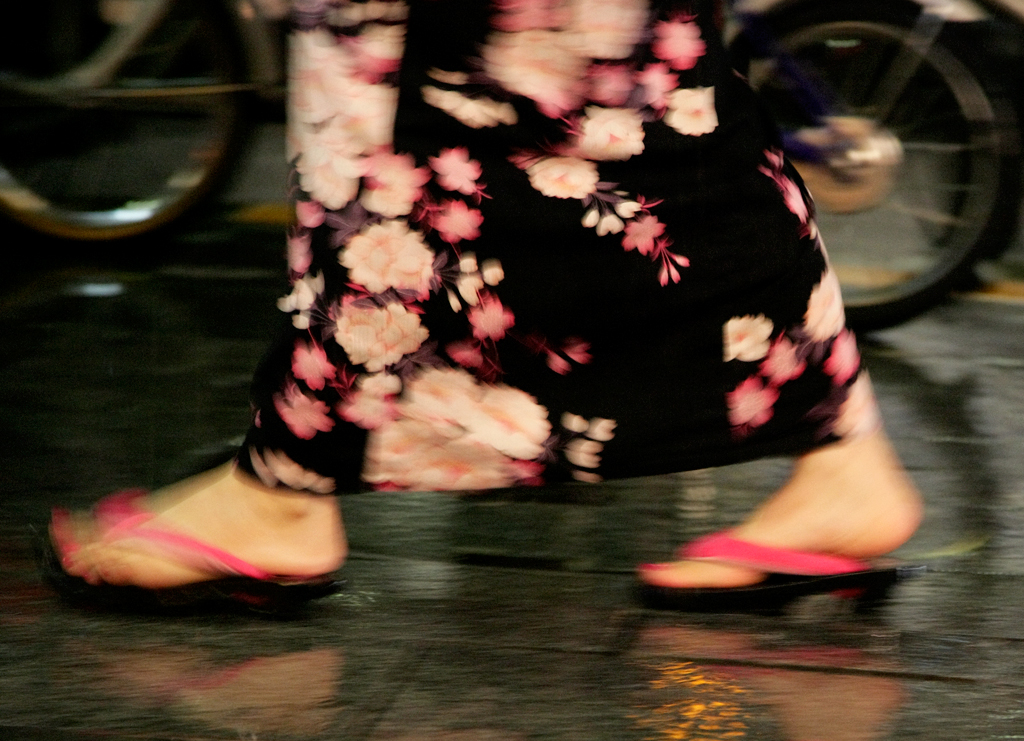
'Ashimoto' © César Ordóñez
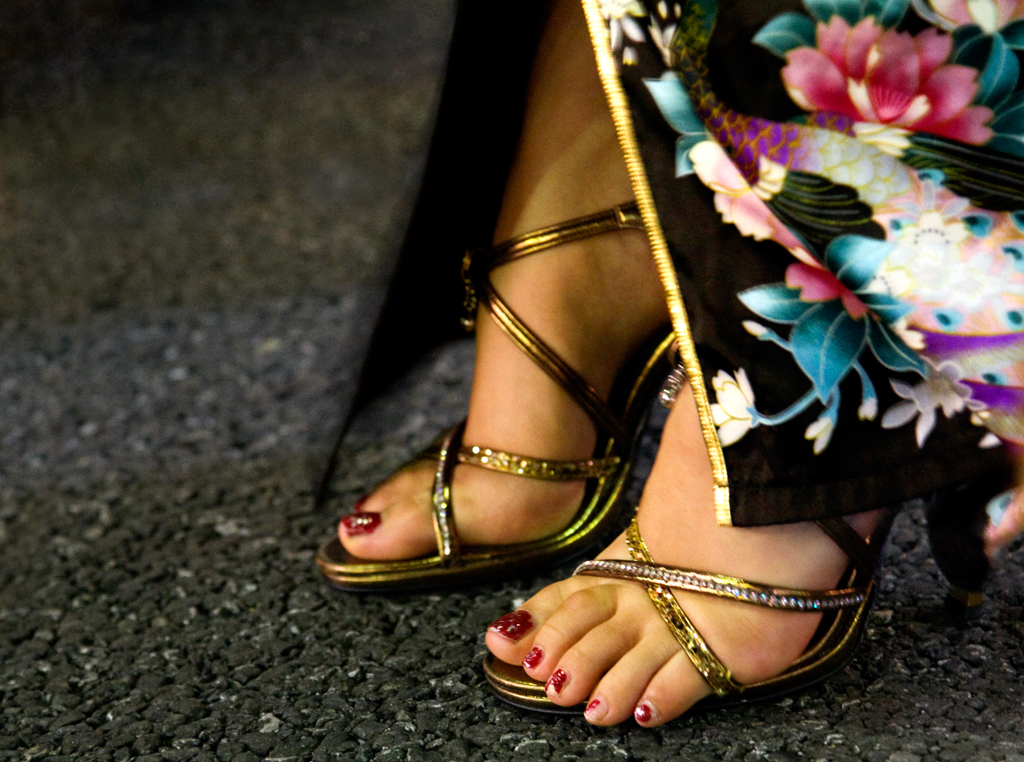
'Ashimoto' © César Ordóñez

'Ashimoto' © César Ordóñez

'Ashimoto' © César Ordóñez

'Ashimoto' © César Ordóñez

'Ashimoto' © César Ordóñez