The Art of Balloons by Ryo Kajiyama
From pop culture characters to everyday objects, the artist's sculptures are created entirely from balloons.

© Ryo Kajiyama / @balloonnaart
After having seen multiple street performances, Ryo Kajiyama decided to get into balloon sculpture in 2016. Son Goku from the manga Dragon Ball, table football, Jack Sparrow from the Pirates of the Caribbean films… Over six or eight hours, he folds, twists and knots between fifty and one hundred latex balloons to create an ephemeral work of art. ‘I want to produce art that no one has ever seen before’, the Japanese artist explains.
His inflatable sculptures are then exhibited in his workplace, where only a dozen people, his colleagues, have the opportunity to admire them with their own eyes. After a few days, however, the balloons shrivel up and lose their original shape. As he uses a biodegradable material, natural rubber, there is no environmental impact when he throws them away.
A technique like no other
Ryo Kajiyama is self-taught and has proven himself in the art of balloons. ‘No one I know practises this technique. I learnt by myself, and as a result my creations have evolved differently to others’, he states. His work is often mentioned online, and also on television.
The most famous of his pieces is that inspired by Alice in Wonderland. Once the book is opened, the different colourful characters appear. ‘I like surprising people, making them laugh, but most of all making them happy’, the artist declares. His visibility has led to him being called upon to act as a judge in a balloon sculpture competition. His art is now exhibited all over the world and his Instagram account has gained an international following. ‘I know I have the mindset required to continue this passion to become even better’, Ryo Kajiyama states.
Ryo Kajiyama’s work can be viewed on his Instagram account.
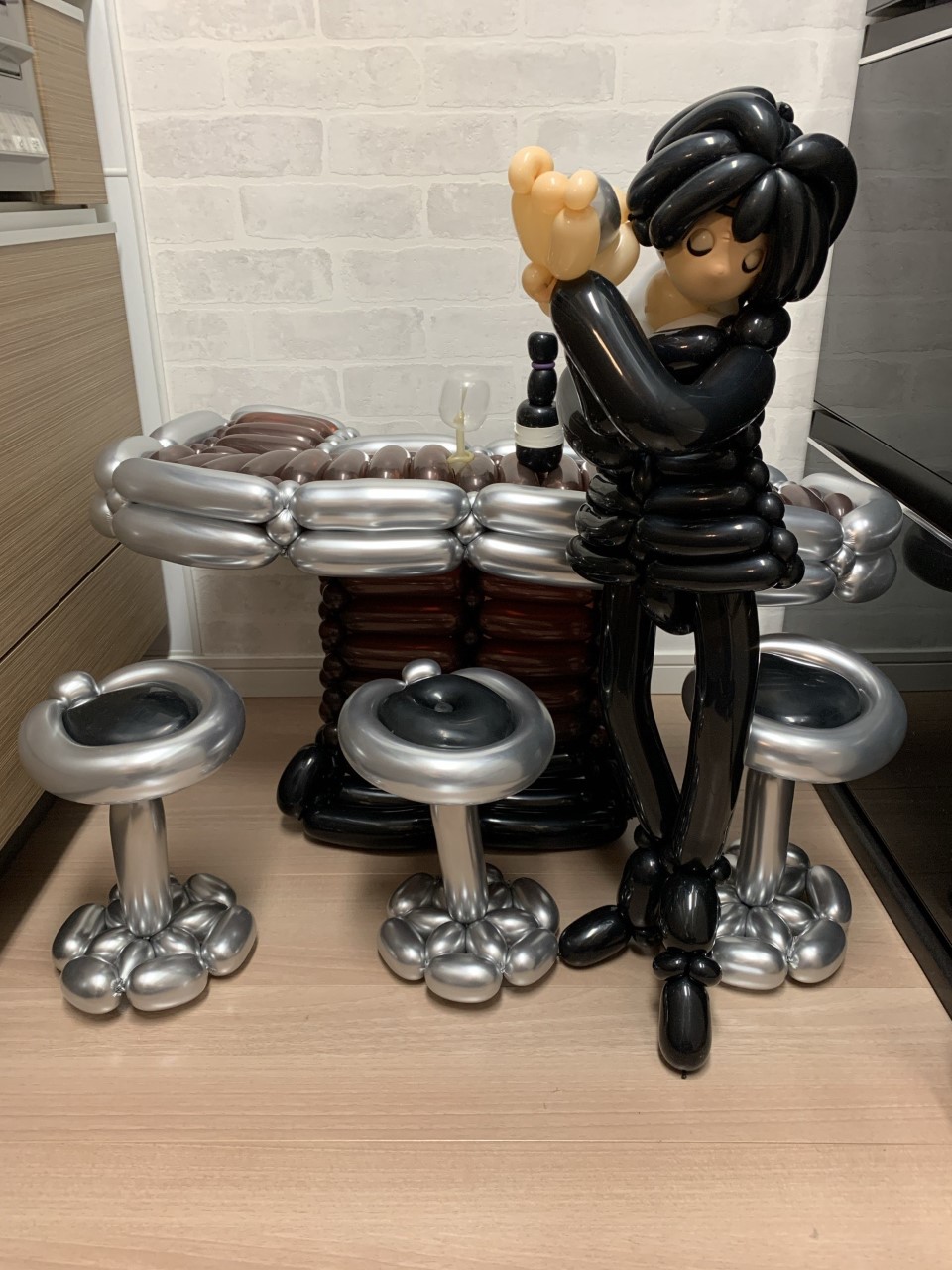
© Ryo Kajiyama / @balloonnaart
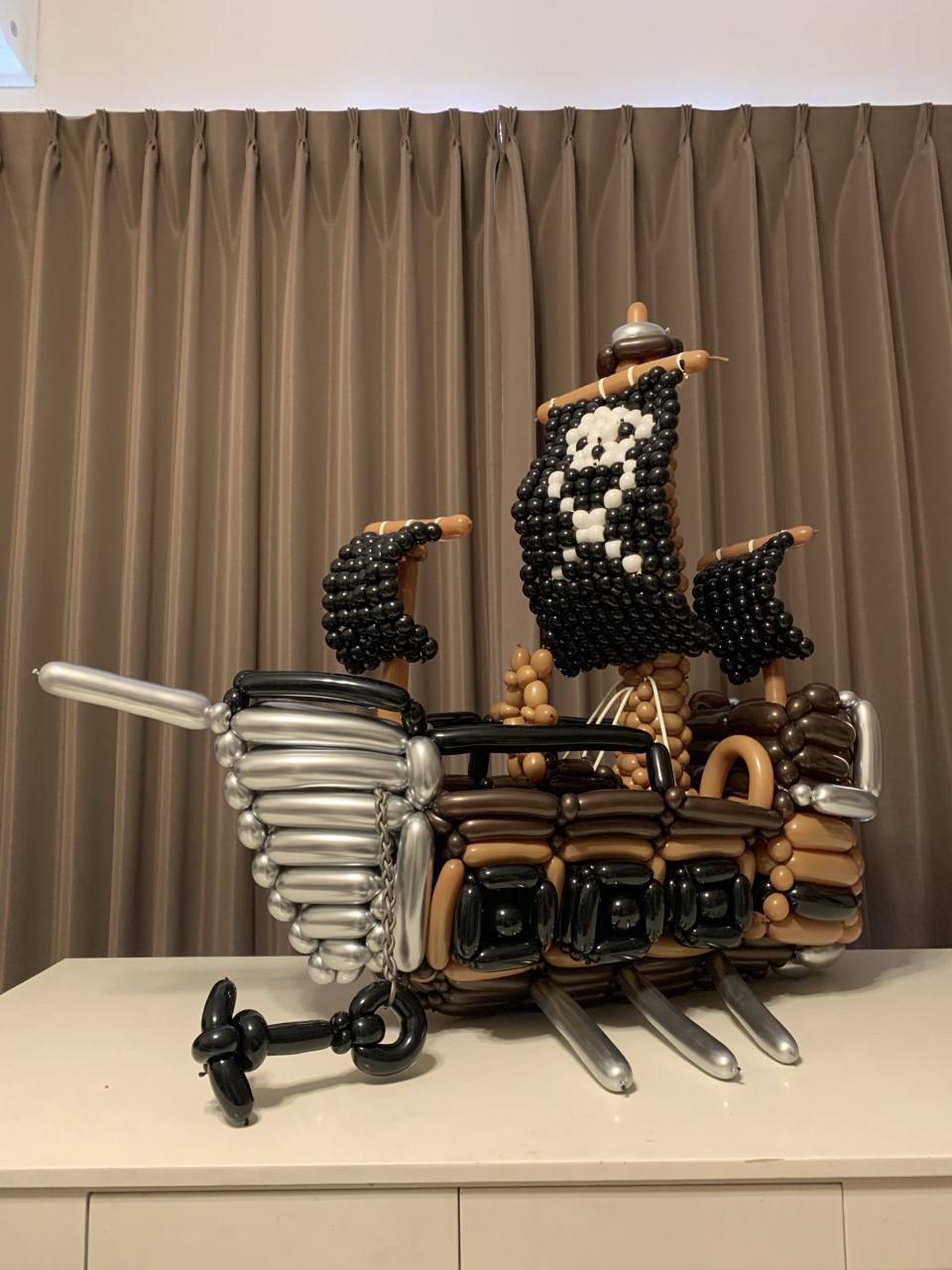
© Ryo Kajiyama / @balloonnaart
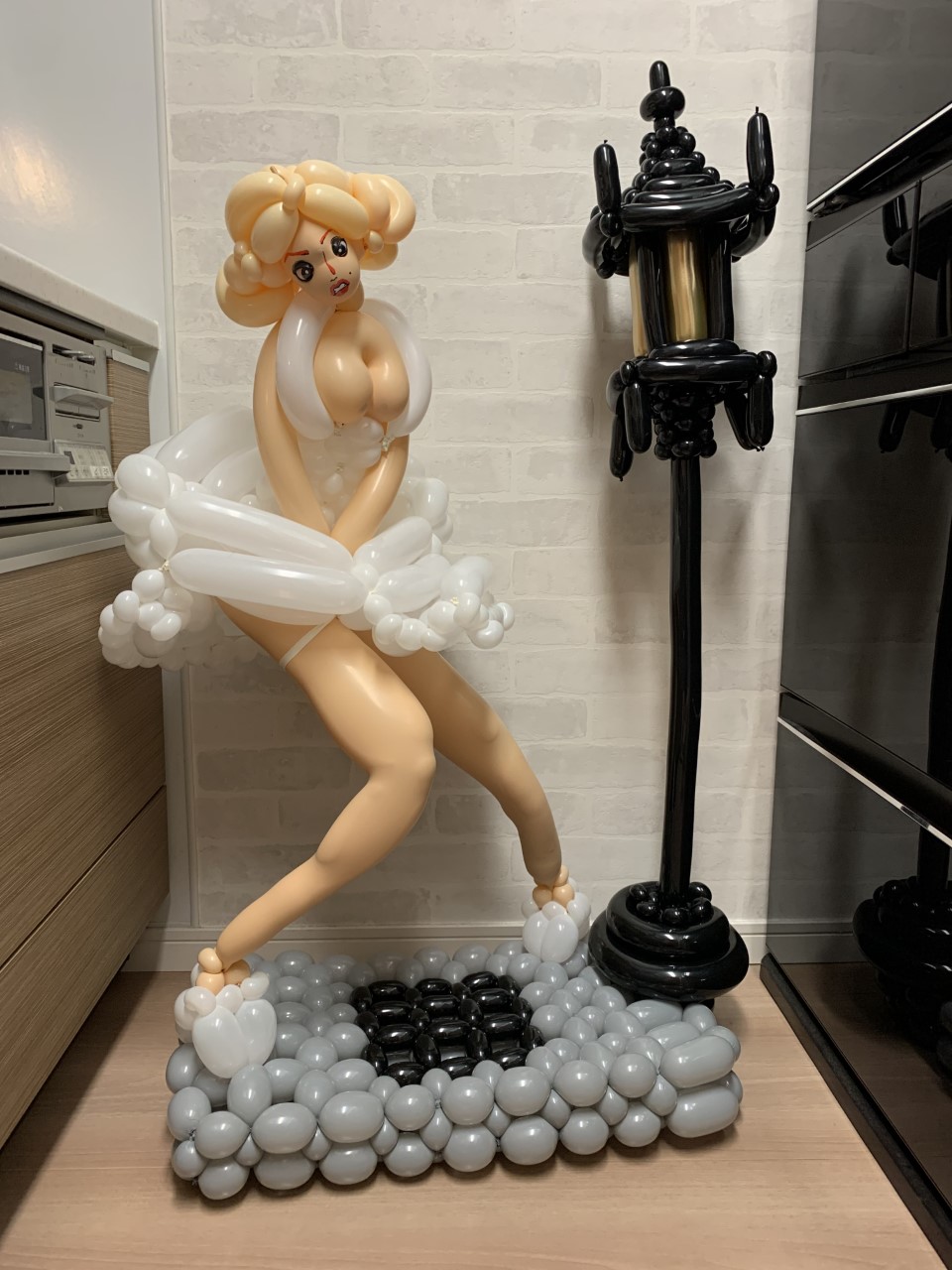
© Ryo Kajiyama / @balloonnaart
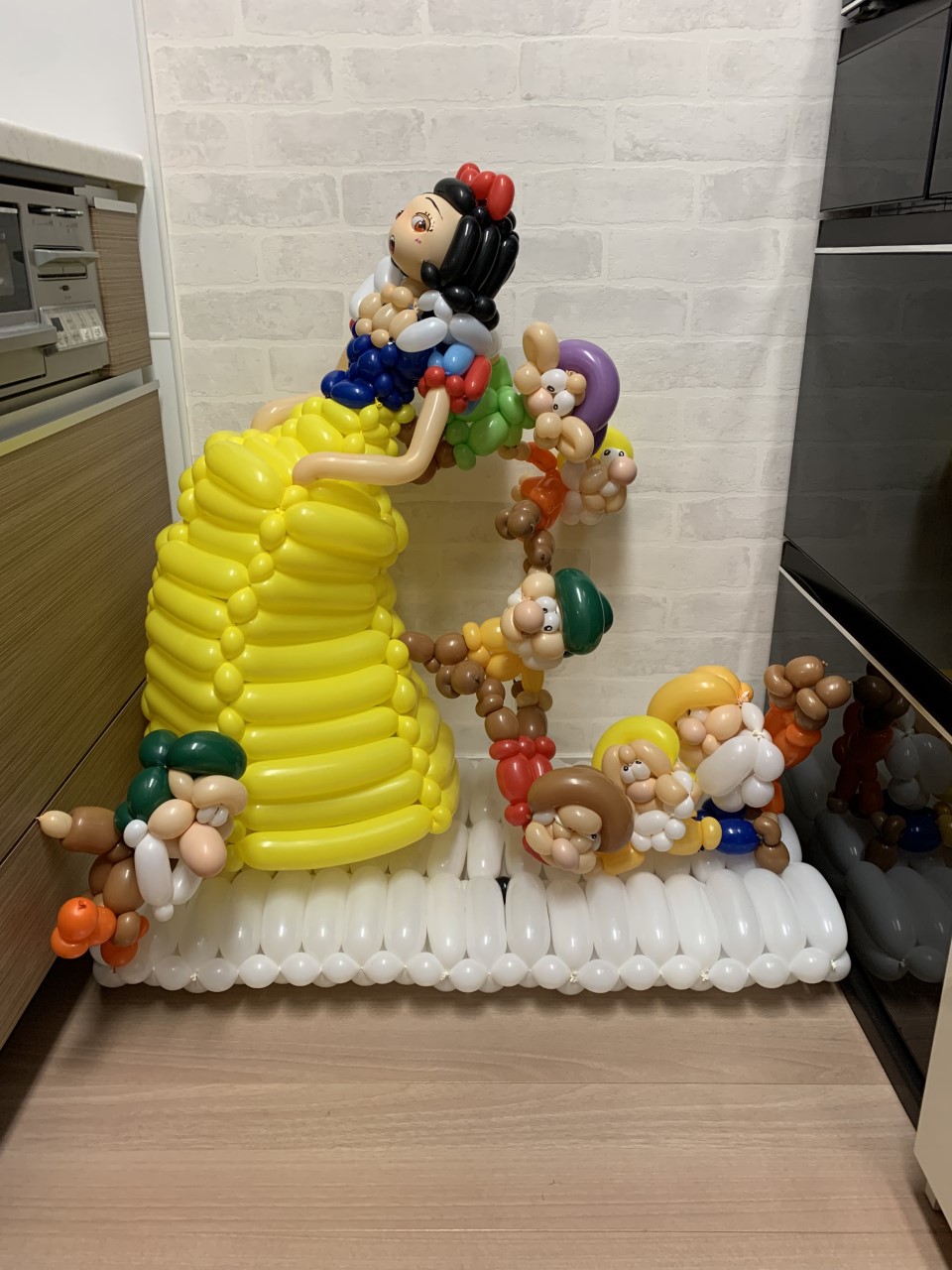
© Ryo Kajiyama / @balloonnaart