‘Wa’, the Japanese Empire of Harmony
Prioritising agreement and balance over personal views: this is the philosophy behind ‘wa’, a value that runs through Japanese society.
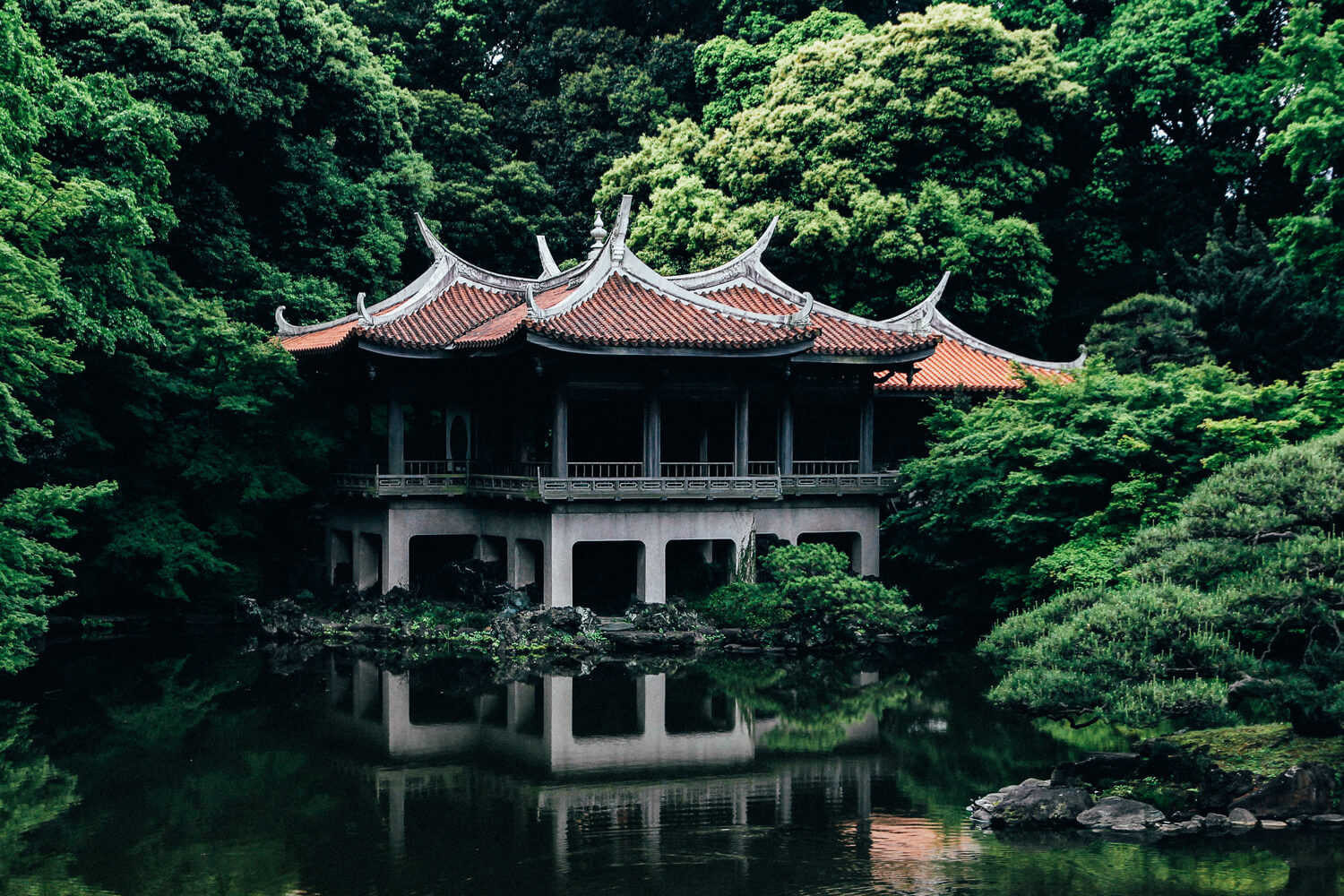
©Arol Viñolas
Wa runs through Japan, even through its highest spheres, with the imperial era that began in May 2019 and that will accompany the reign of Emperor Naruhito having been named Reiwa, formed from ‘rei’, which can be translated as ‘order’ or ‘that which is agreeable’, and ‘wa’, harmony.
The concept originates from around the 1st century, when Japan’s isolated geographical location, its mountainous terrain, and limited natural resources meant that farmers had to work together more in order to allow society to survive and prosper thanks to sufficiently abundant harvests. They often did so at the expense of their own needs. This informal social contract between farmers was established as an institution and made official in 604 when the first Japanese constitution, Jushichijo Kenpo, was written.
Living in harmony in all aspects of life
‘Wa must be promoted and quarrels avoided. When the superiors are in harmony with each other and subordinates are friendly, then affairs are discussed quietly and the right view of matters prevails’, declared Prince Shotoku, a politician in the imperial court at the time, who wrote this constitution. The first article of this text also states that ‘Wa, an eminently respectable value, rests on one principle, which is to avoid all disagreement.’ Wa therefore encourages social peace and humility.
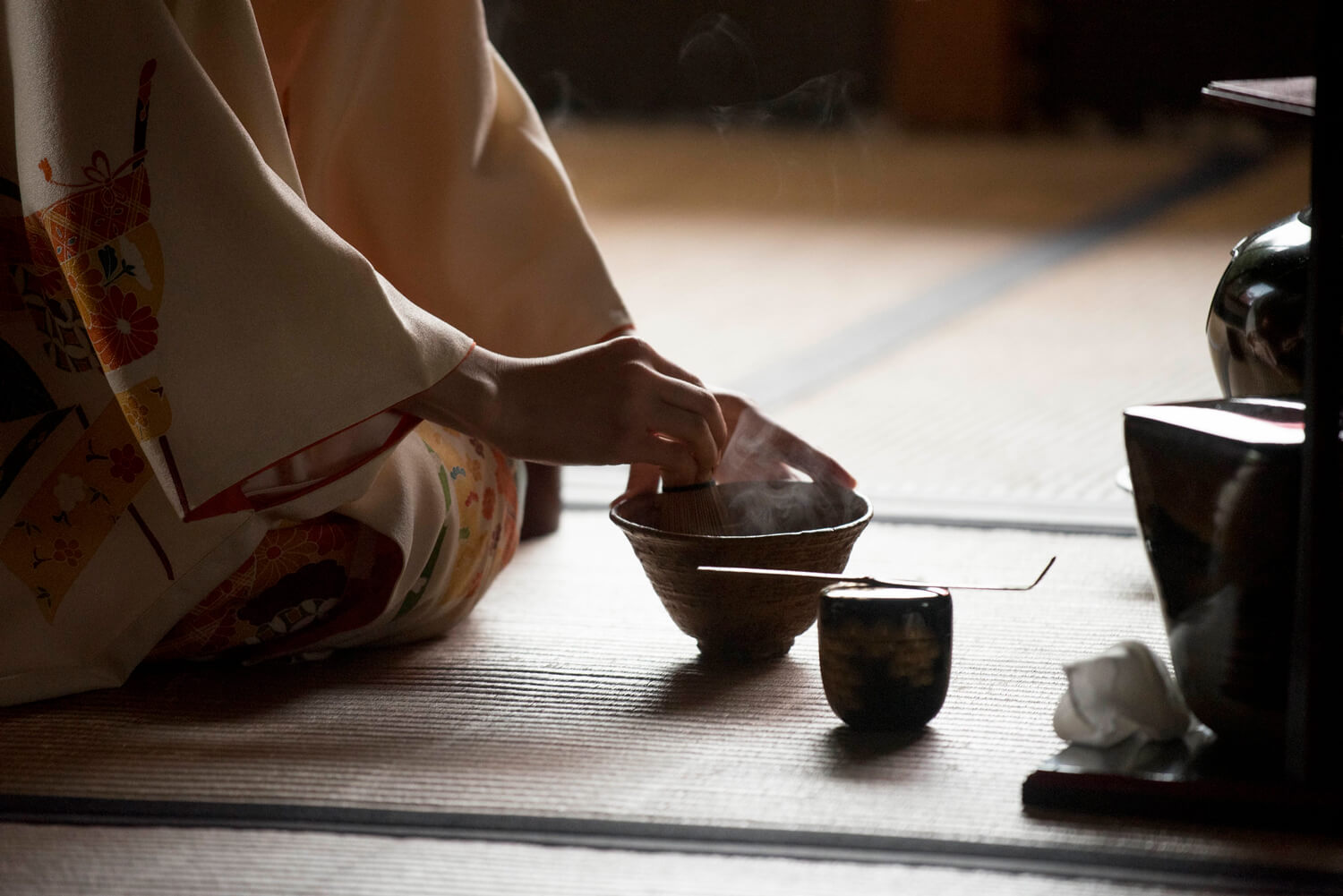
This philosophy has persisted over the decades and is illustrated perfectly in the tea ceremony. This is a real cultural institution in Japan, in which every gesture of each of the participants, whether the tea master or the guests, is dictated by a pre-established code of conduct. Thus, everything runs smoothly, everyone has their own role and can therefore experience this moment without a hitch, so they can devote themselves fully to admiring the gestures and meditating.
Harmony at the detriment of personal emotions
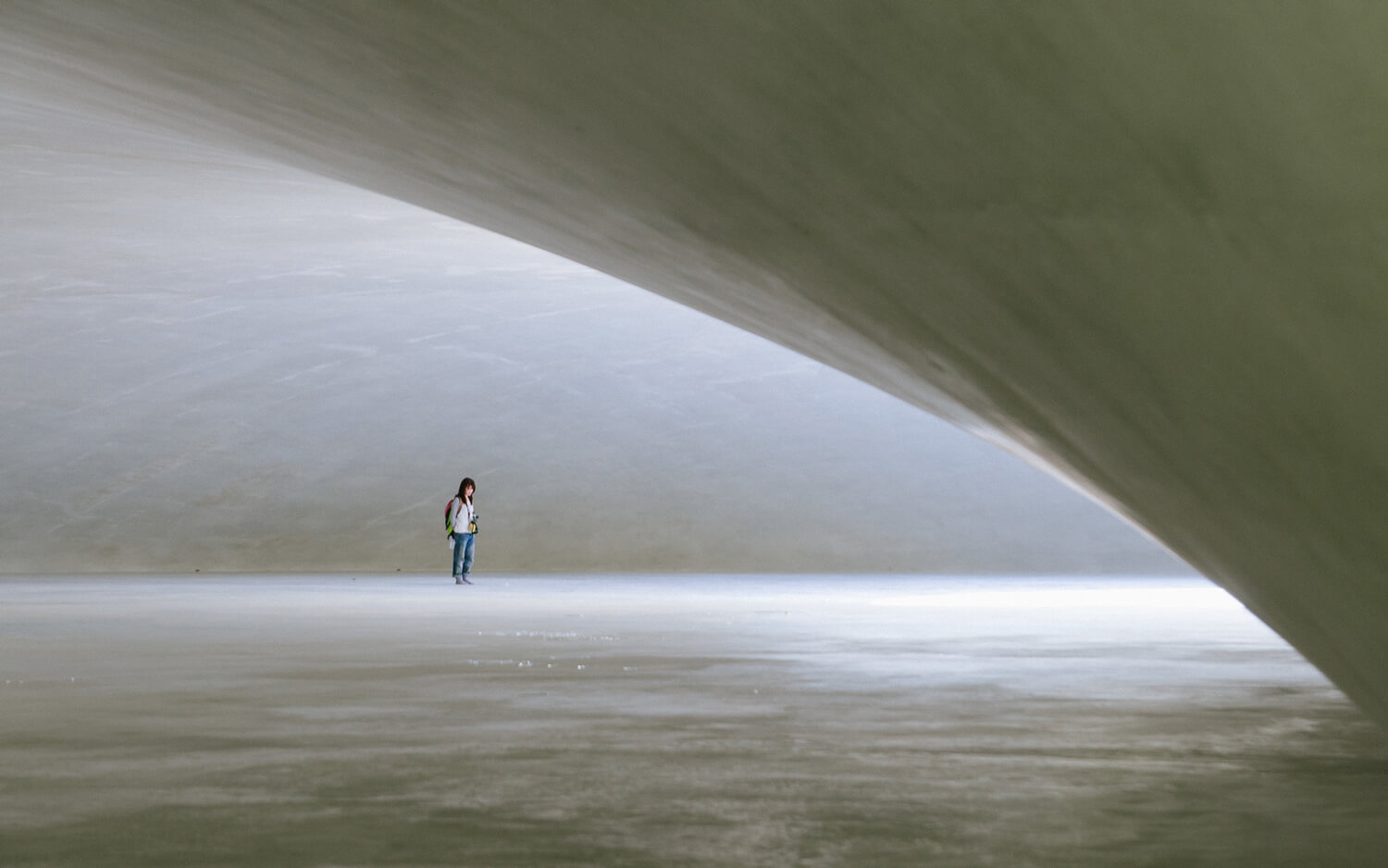
Beyond the muted spaces of tea houses, this value of social peace and humility frequently dictates Japanese people’s behaviour. It is the guiding principle of all interactions in a social, familial, and professional environment, in which the culture of conflict avoidance reigns. It is also found in the pure lines and understated nature of Japanese architecture, and indeed in the delicately ordered way in which Japanese menus are drawn up.
Wa is a strong component in Japan’s traditional and spiritual culture that can initially trouble foreign novices due to the fact that it is sometimes very difficult to know what is really going on in the mind of those to whom they are speaking. There are two distinct words in Japanese to describe this emotional dichotomy: honne, the opinion, the emotion that is truly felt, and tatemae, the public face, the one that is shown to the world.
More information on wa can be found in the book You Gotta Have Wa (2009), written by Robert Whiting and published by Penguin Random House.
©Patrick Vierthaler
©Carey Ciuro
©Tanaka Juuyoh