‘What Can Humans Still Do in the Age of AI?’
In ‘A Non-Conformist’s Guide to Surviving Society’, author Satoshi Ogawa shares his strategies for navigating everyday life.
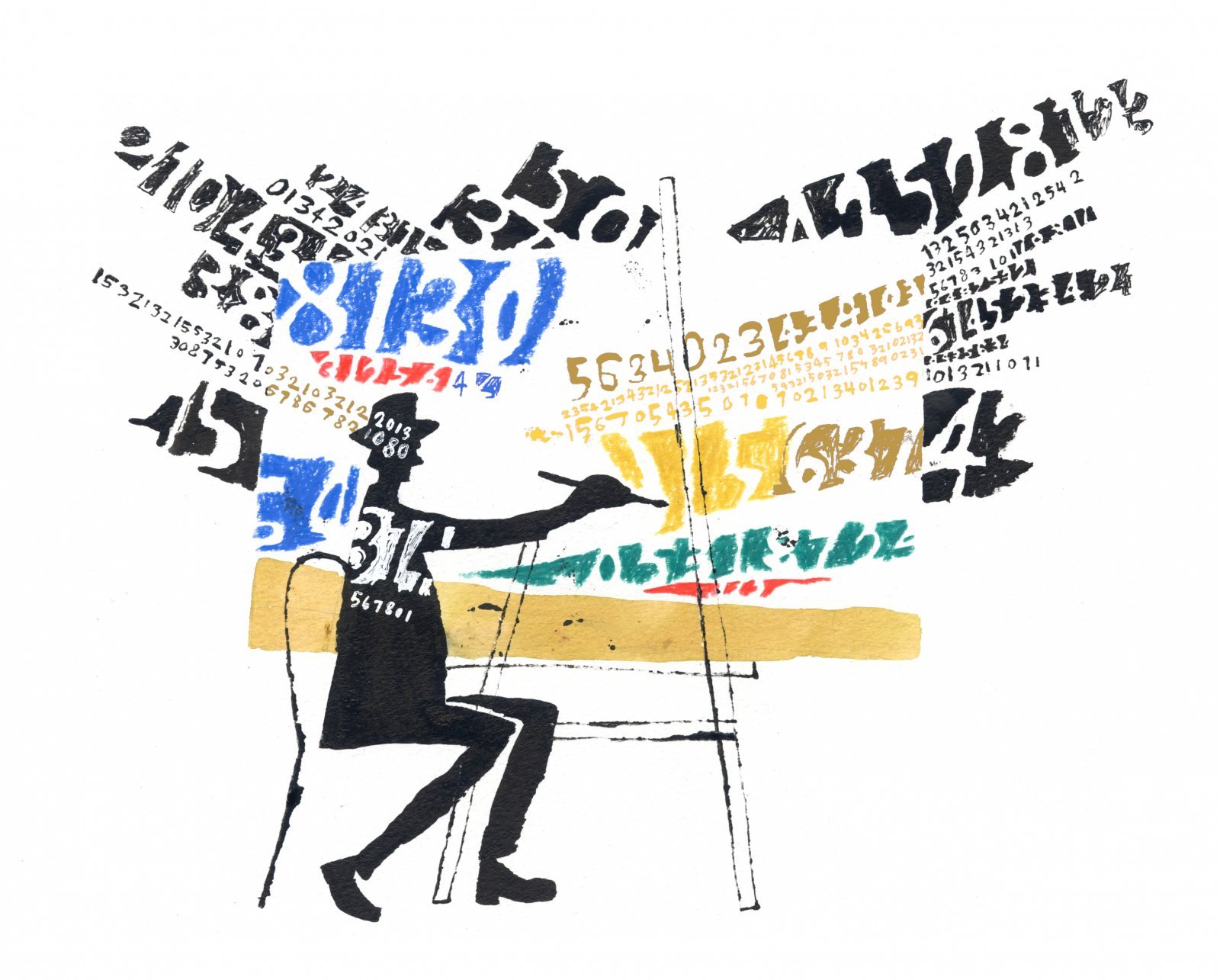
© Tomoyuki Yanagi
In every issue of Pen, the Naoki Prize-winning author Satoshi Ogawa presents a new essay in his series ‘A Non-Conformist’s Guide to Surviving Society’. In this series, Ogawa reflects on the often eccentric strategies he devises to navigate life’s everyday challenges. Below is the sixteenth installment, ‘What AI cannot do’.
In recent months, I’ve been asked more and more often by journalists about generative AI. The term refers to artificial intelligence capable of producing a wide range of content—text, like ChatGPT; images, like Stable Diffusion; even music, like Amper Music. Entire fields of creative production are now being shaped by these technologies.
For my part, I tend to view their development with cautious optimism. It seems unlikely that generative AI will take away novelists’ livelihoods—at least not in any significant way. Rather, I see it as a tool that can assist with certain tasks. Much as we moved from handwriting manuscripts to working on computers, AI could help with replying to emails, managing schedules, gathering research materials, or even sketching out simple narrative outlines. The fact that AI-generated fiction remains, for now, of uneven quality is not unrelated to this view.
That said, there is little doubt that these outputs will improve. In certain well-defined genres, AI may eventually surpass human writers. Even so, I am not overly concerned. At the most fundamental level—what a novel actually is—I believe human beings still hold an advantage.
Consider a simple comparison: what is the difference between buying rice and buying a painting? When we purchase rice, it is to eat it. We are paying for a material substance. But when we buy a painting, what exactly are we paying for? It hardly seems that we are paying for the frame or the pigments themselves.
When we are moved by a painting by Van Gogh, it is not solely because of its formal qualities. We also project onto it the life of the artist—his sensitivity, his struggles, the well-known story of his severed ear. These elements become inseparable from his bold yet delicate use of color, his brushwork, his gaze. In other words, we are not only experiencing the image itself, but also everything that surrounds it.
This holds true beyond painting. The same can be said of music, cinema, and literature. We are not pure spectators capable of isolating a work from its context and appreciating it in abstraction. We experience it as a whole: the work itself, certainly, but also the person who created it, the era in which it emerged, and even the circumstances in which we encountered it—the conversations it sparked, the memories it carries.
Generative AI can produce works, but it cannot generate the story that exists around them. Human beings, by contrast, proceed through trial and error, accumulate failures, lose their way, and devote, at least from a machine’s perspective, an extraordinary amount of time to bringing a work into being. It is precisely these struggles, these traces of imperfection, that move us. Perhaps it is for this layered experience that we are willing to pay.
About the author
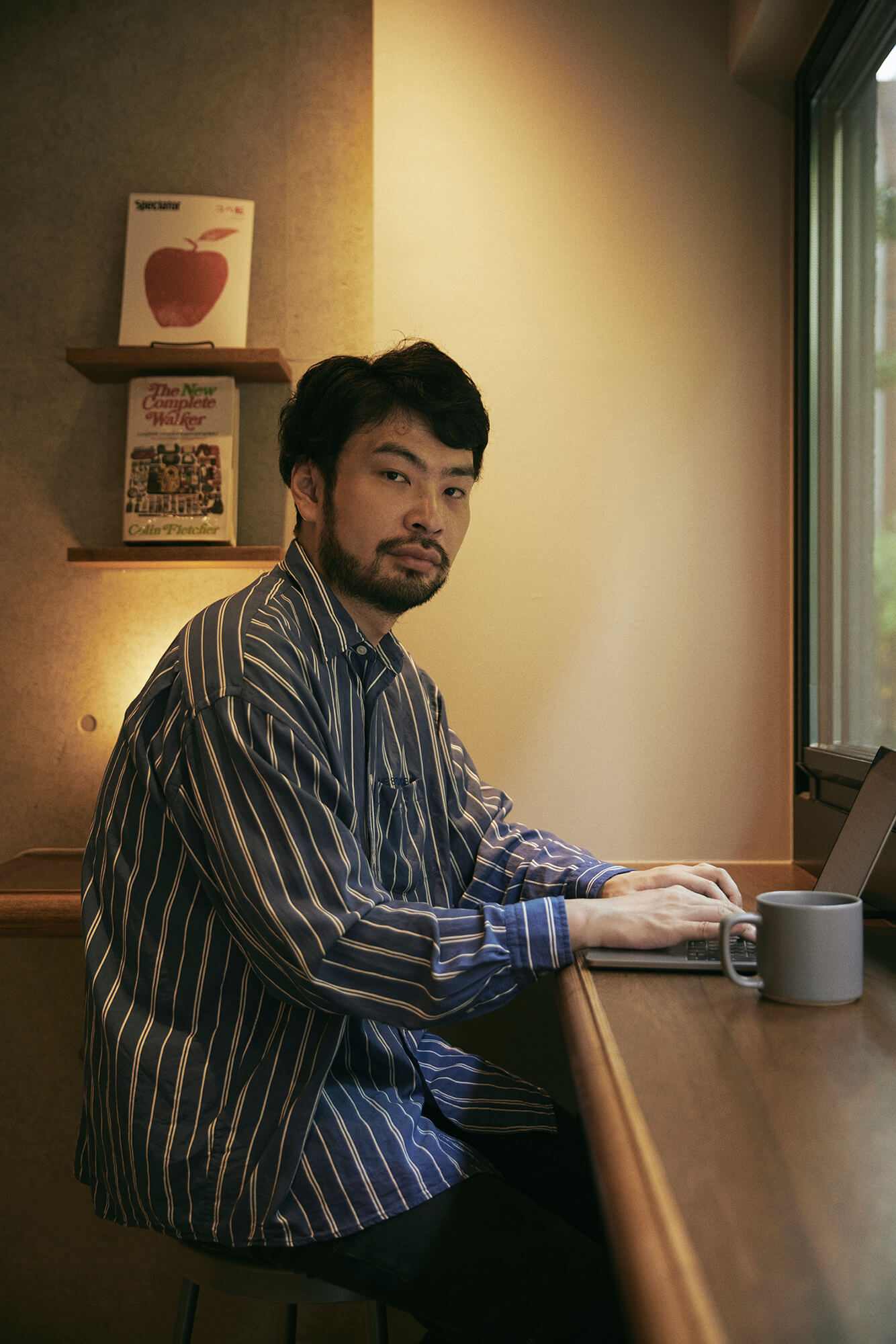
Satoshi Ogawa was born in Chiba Prefecture in 1986. He made his literary debut in 2015 with This Side of Eutronica (Yūtoronika no Kochiragawa, Hayakawa Books). In 2018, his novel Game Kingdom (Gēmu no Ōkoku, Hayakawa Books) earned both the 38th Japan SF Grand Prize and the 31st Yamamoto Shūgorō Prize. He was awarded the 168th Naoki Prize—one of Japan’s most prestigious literary awards, recognizing exceptional popular fiction— in January 2023 for The Map and The Fist (Chizu to Ken, Shūeisha). His latest work, Your Quiz (Kimi no Kuizu), was released by Asahi Shimbun Publishing in 2024.
© Seiichi Saito