‘When We Give Up on Being Saints’
In ‘A Non-Conformist’s Guide to Surviving Society’, author Satoshi Ogawa shares his strategies for navigating everyday life.
© Tomoyuki Yanagi
In every issue of Pen, the Naoki Prize-winning author Satoshi Ogawa presents a new essay in his series ‘A Non-Conformist’s Guide to Surviving Society’. In this series, Ogawa reflects on the often eccentric strategies he devises to navigate life’s everyday challenges. Below is the seventeenth installment, ‘The moment one abandons the ideal of moral perfection’.
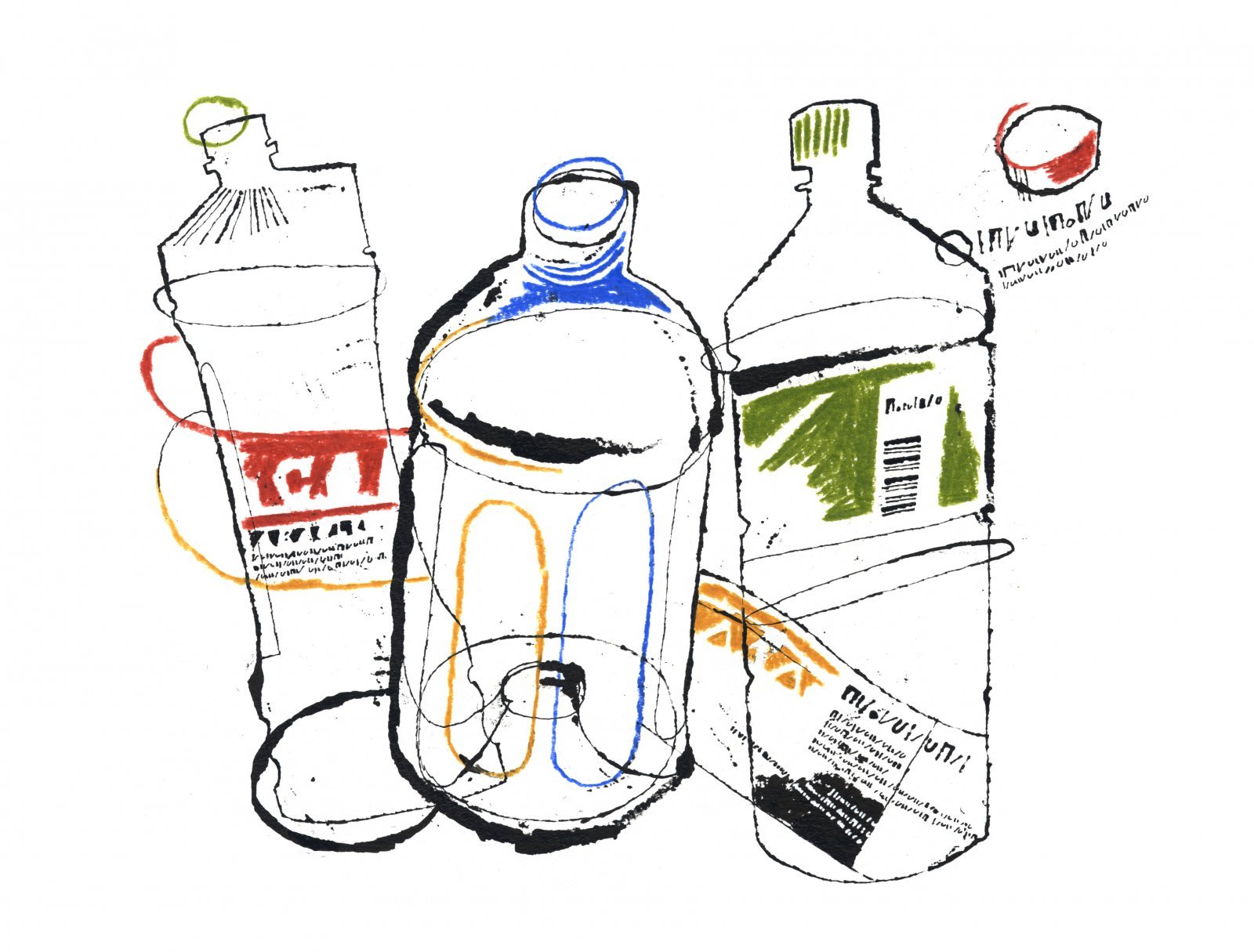
In my neighborhood, when disposing of plastic bottles, you’re required to remove the caps and labels. I follow this rule, and judging by the collection net I usually use, most people do as well. Yet the other day, when I went to take out my trash, I noticed that a large number of bottles had been discarded without following these instructions. In a hurry, I threw away my own bottles as usual, choosing to ignore the ones already there. On my way to the station, I found myself thinking about it the entire time.
Not because I regretted not sorting other people’s trash—the thought didn’t even occur to me. I mentioned that I was in a rush, but even if I’d had plenty of time, I don’t think I would have corrected anyone else’s mistake. What struck me instead was the line I draw for myself: I follow the rules when it comes to my own trash, but remain indifferent to how others dispose of theirs. Had I been a saint, I would have removed the caps and labels from those bottles without a second thought.
Of course, I would like to be that kind of person. But somewhere along the way, I gave up on becoming one. When exactly did I stop aspiring to that level of integrity?
I remember the moment clearly. I was in my second year of middle school. The next day, I was supposed to travel to another school for a practice match, and I asked my mother for the 1,000 yen needed for transportation. She took a bill from her wallet and placed it on the table. When I looked down, I saw that it was a 5,000-yen note. I hesitated for a moment, then said, ‘You gave me the wrong bill.’ She replied, ‘Oh, you’re right,’ put the 5,000-yen note back, and handed me a 1,000-yen bill instead.
At first glance, this might seem like an act of honesty. But what went through my mind was far from morally pure. My initial reaction was, ‘Lucky me,’ and I briefly considered pocketing the money before she noticed. Then another thought crossed my mind: what if she was testing me? Perhaps she had deliberately placed the 5,000-yen note there to see whether I would point out the mistake. In an instant, I weighed the probability that it was a genuine error against the possibility that it was a test, and made my decision accordingly. Even if she had simply made a mistake, I reasoned, I would at least come across as an honest son.
Back in my room, I regretted my choice. Nothing in my mother’s reaction suggested that she had been testing me. For a middle school student, the difference of 4,000 yen felt enormous. I thought about all the snacks and manga I could have bought. And it was precisely in that moment—realizing that I was capable of such regret—that I understood I would never become a saint. Someone truly virtuous would not dwell on such thoughts.
Yet it is precisely because I am not a saint that I can understand those who break the rules. It makes me, in some measure, more tolerant of others. If you are not irreproachable either (if you carry memories of past behavior you know was less than exemplary) then perhaps, by extending a certain leniency toward the mistakes of others, you can also find a way to come to terms with your own imperfections. That, too, is a way of living.
About the author
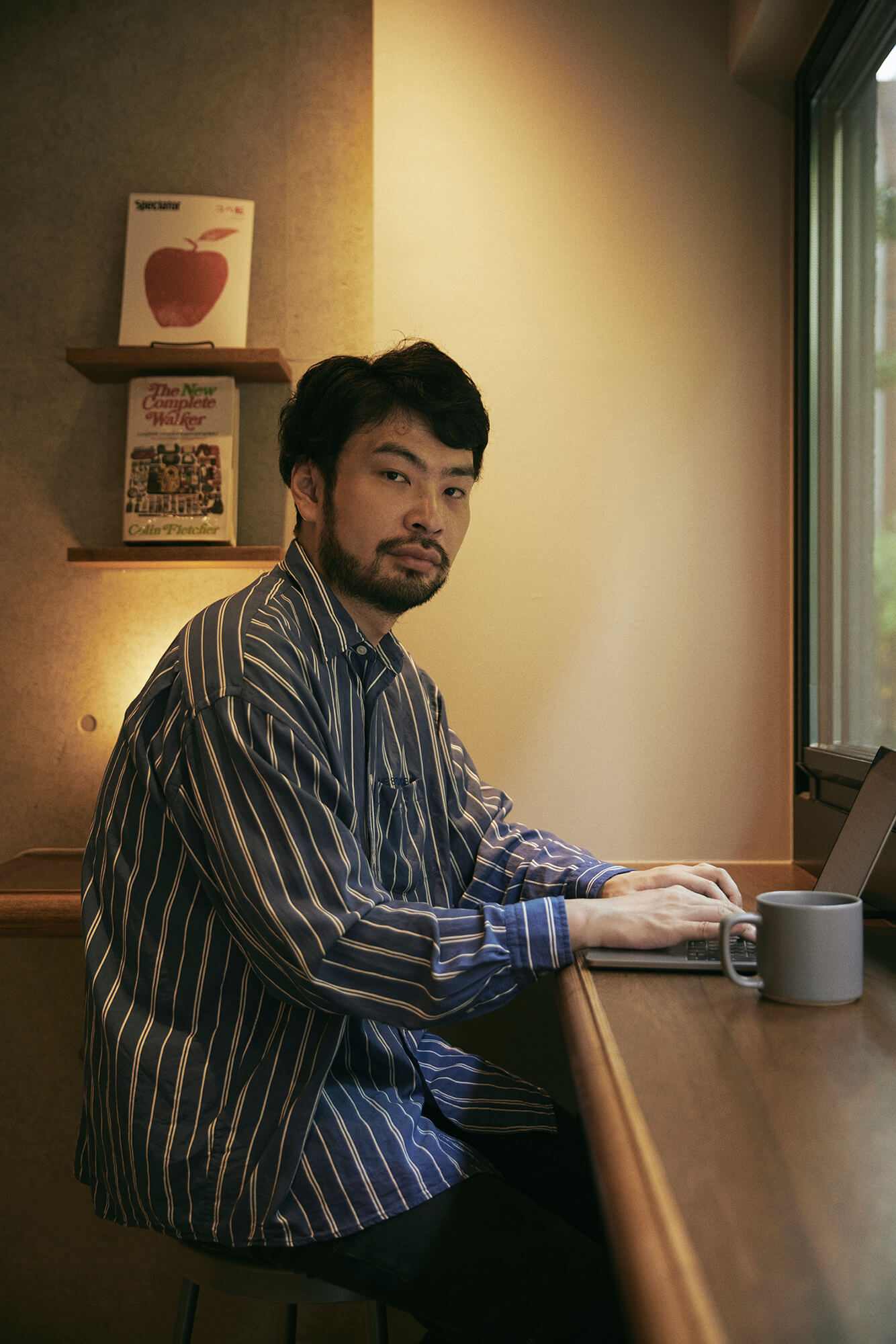
Satoshi Ogawa was born in Chiba Prefecture in 1986. He made his literary debut in 2015 with This Side of Eutronica (Yūtoronika no Kochiragawa, Hayakawa Books). In 2018, his novel Game Kingdom (Gēmu no Ōkoku, Hayakawa Books) earned both the 38th Japan SF Grand Prize and the 31st Yamamoto Shūgorō Prize. He was awarded the 168th Naoki Prize—one of Japan’s most prestigious literary awards, recognizing exceptional popular fiction— in January 2023 for The Map and The Fist (Chizu to Ken, Shūeisha). His latest work, Your Quiz (Kimi no Kuizu), was released by Asahi Shimbun Publishing in 2024.
© Seiichi Saito