Architect Junya Ishigami, as Free as a Bird
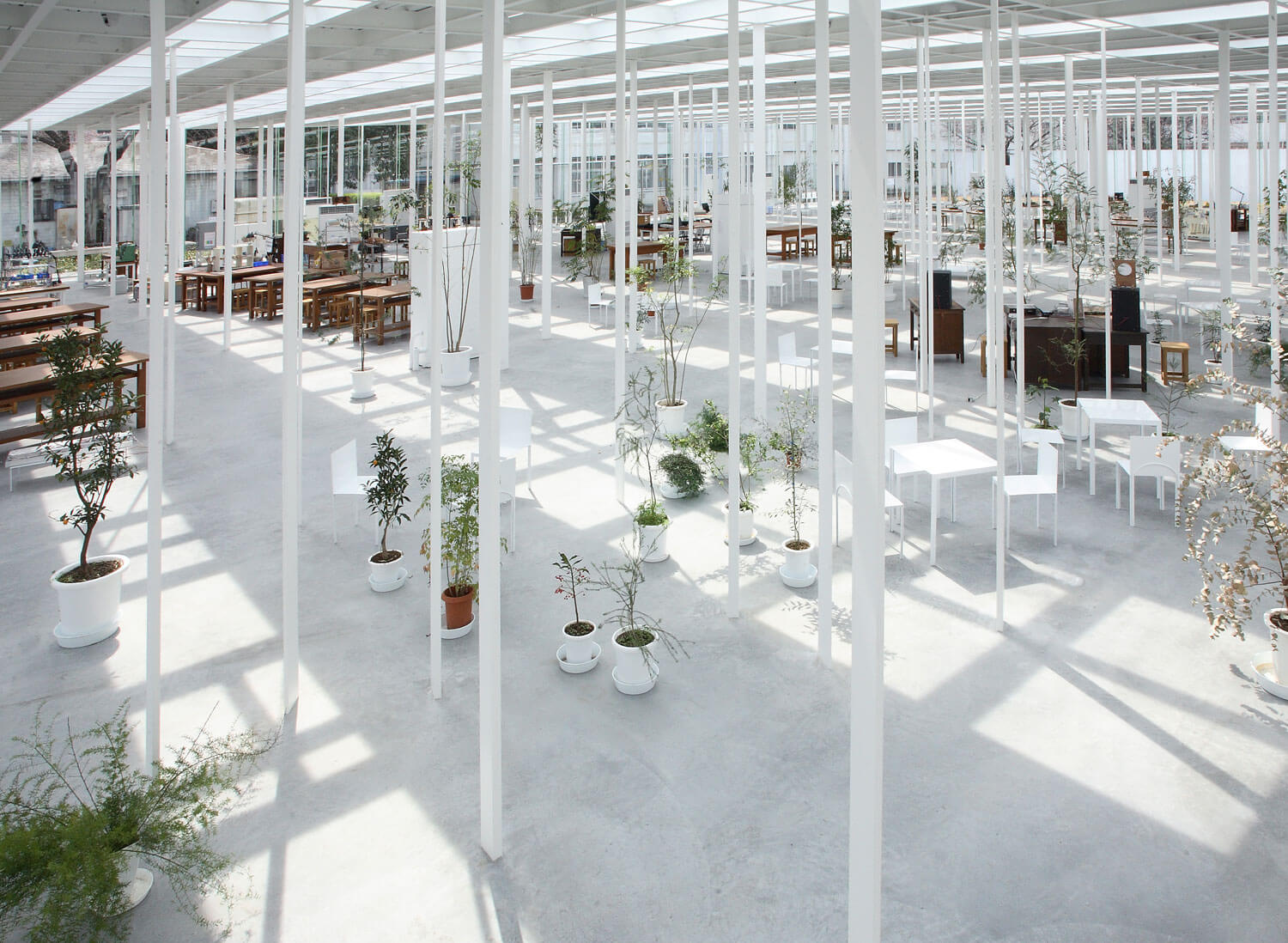
Junya Ishigami proves that in architecture, anything is possible. His Kanagawa Institute of Technology is a good example of that.
Ⓒ junya.ishigami+associates
The artworks produced by Junya Ishigami prove that in architecture, anything is possible. This 44 year old architect seems to have no limits.
Since 2010, three of the eight most recent winners of the prestigious Pritzker Prize have been Japanese architects. The reason why? It seems that these talented creators have been able to invent models that are particularly well-aligned with the desires of the times, taking inspiration from nature, all while using the most up-to-date technologies. Ishigami is no different, doing away with the superflous and integrating his work into the surrounding landscape. His Kanagawa Institute of Technology is a good example, having won the Golden Lion at the Venice Biennale for architecture in 2010. The space was created with the aim of giving visitors the feeling they were outside. According to a recent interview with Le Monde, ‘ideas must first emerge from the problems that we face’.
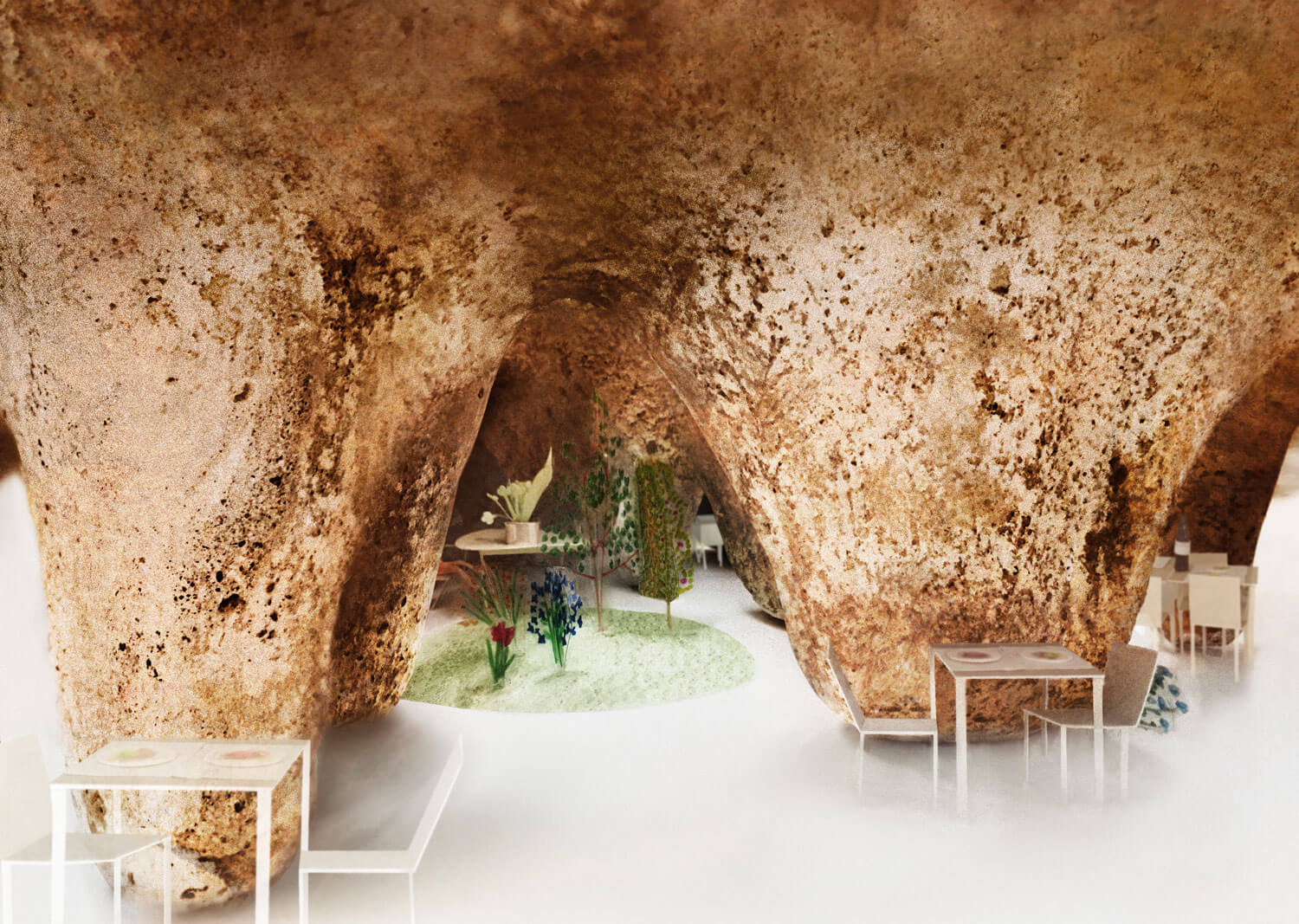
Ishigami has a number of projects underway, including a rugged and cosy cave restaurant in Yamaguchi in Japan, an immense chapel in the middle of a valley in Shandong China, as well as the renovation of the 19th century Polytechnic Museum of Moscow. Each of which will surely showcase his limpid and supple style.
Ⓒ junya.ishigami+associates

Ⓒ junya.ishigami+associates

Ⓒ junya.ishigami+associates