Awaji Island, Between Myth and Nature
Known from Japan’s earliest chronicles as ‘the first land born’, the island remains shaped by food, sea, and a slower rhythm of life.
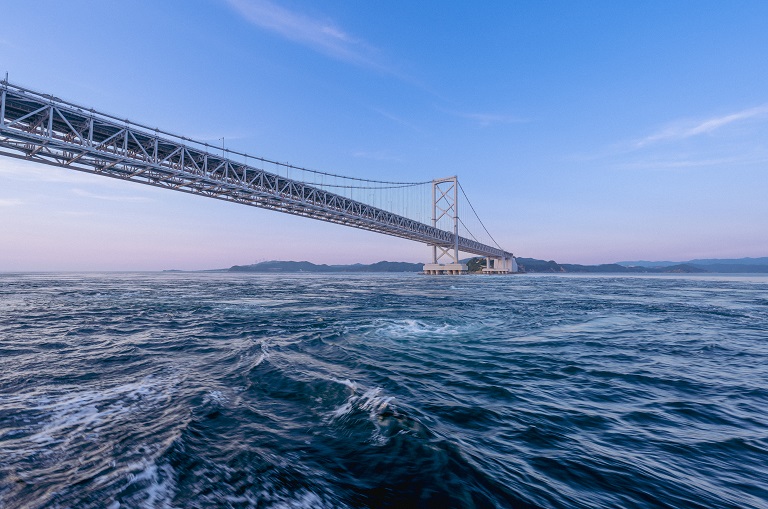
The Akashi Kaikyō Bridge linking Kobe and Awaji Island. The surrounding seas are known for their dramatic seascapes, including the Naruto whirlpools, one of the world’s three major tidal currents.
Located off the southern coast of Hyogo Prefecture, Awaji Island holds a unique place in Japan’s cultural imagination. In the Kojiki, the country’s oldest historical chronicle, the island appears as the first land created in the myth of Japan’s birth. Long remembered as a Miketsukuni, a land that supplied the imperial court with the finest foodstuffs, Awaji continues to attract travelers as a place of natural abundance. Crossing the Akashi Kaikyō Bridge, often described as the world’s second-longest suspension bridge, the scent of sea air signals a slower rhythm that defines life on the island.
The Flavours of Awaji Island
The essence of a stay on Awaji Island lies in its food, nurtured by fertile soil and surrounding seas. Encircled by water, the island has long been regarded as a land of plenty. Sweet Awaji onions with their concentrated flavor, sea bream shaped by rough coastal currents, fresh uni, and delicately marbled Awaji beef all speak to a culinary tradition once fit for emperors. Dining at local restaurants and inns, where menus follow the day’s catch and harvest, deepens the experience of the island’s landscape through taste.
Sumoto Onsen, A Historic Hot Spring Town by the Sea
On the island’s eastern shore lies Sumoto Onsen, the largest hot spring area on Awaji Island. During the Edo period, Sumoto flourished as a castle town connected to the Tokugawa family. A short walk from the onsen streets reveals red-brick buildings, repurposed from Meiji-era textile mills, that form a distinctive townscape unique to Sumoto. Staying at a seaside inn allows guests to enjoy the hot springs accompanied by the sound of waves from the Kitan Strait.
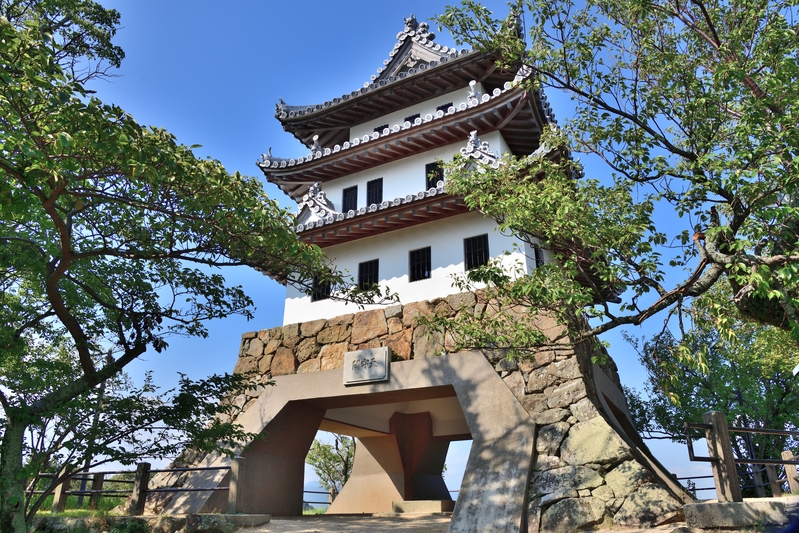
The reconstructed keep at the ruins of Sumoto Castle, built in 1928 and considered the oldest example of its kind in Japan.
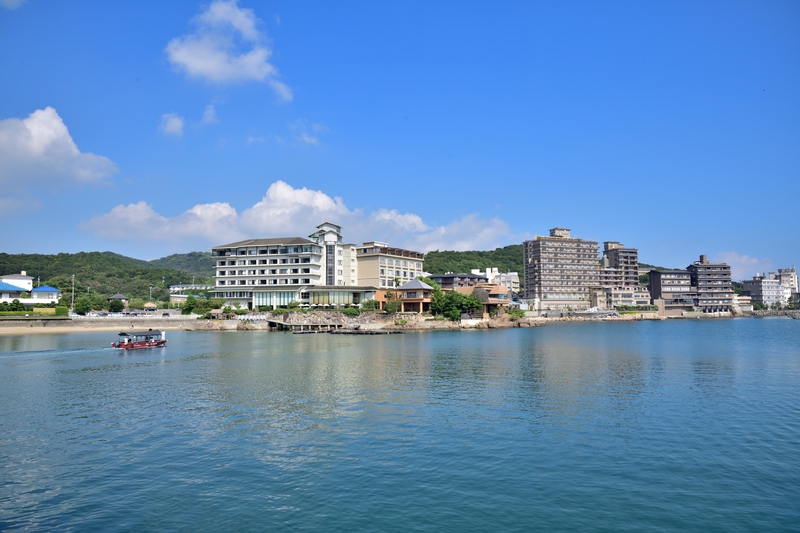
‘Ryokan’ and hotels line the coast at Sumoto Onsen, many offering open-air baths with sweeping ocean views.
An Island Shaped by Sea Breezes and Contemporary Retreats
Awaji Island’s appeal lies in the coexistence of long-held traditions and contemporary sensibilities. In recent years, modern terraces and thoughtfully designed spaces have appeared along the coastline, refining the island’s character as a calm, adult-oriented resort. Dining while watching the horizon, unhurried drives along the shore, and moments spent simply facing the sea define the experience. Just over an hour by car from central Kobe, Awaji Island offers a setting where body and mind can gently reset.
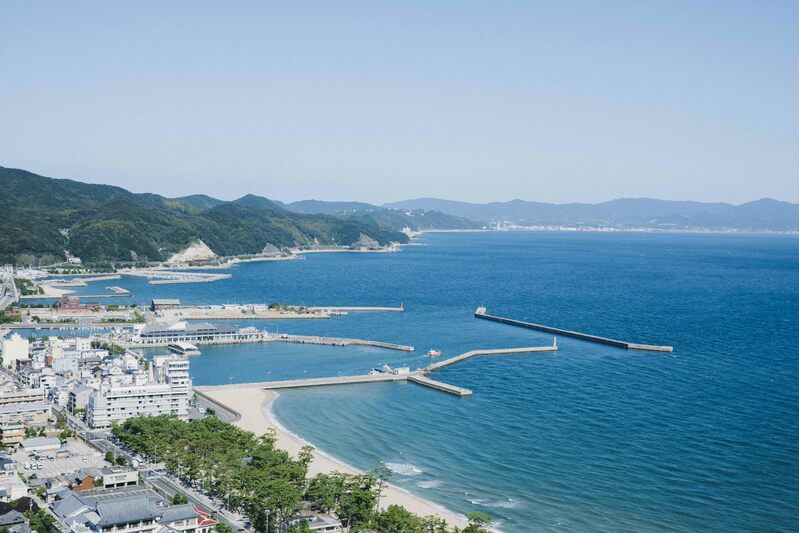
From the keep of Sumoto Castle, panoramic views extend across the town and over Osaka Bay.
GRAND NIKKO AWAJI
A Refined Island Resort Showcasing the Abundance of Awaji
Blending seamlessly into the rich natural surroundings of Awaji Island, this hotel is defined by its open, airy spaces, with balconies in every guest room. On the upper Precious Floors, located on the eighth floor and above, floor-to-ceiling windows frame sweeping panoramic views of the Seto Inland Sea.
The experience extends beyond the scenery. Dining highlights seasonal local ingredients, from vibrant buffet spreads to the delicate kaiseki cuisine served at the Japanese restaurant Awami, allowing guests to fully appreciate the flavours of Awaji Island. Removed from the bustle of the city, the property offers a setting of quiet comfort.
Address: 2 Yumebutai, Awaji, Hyogo
Website
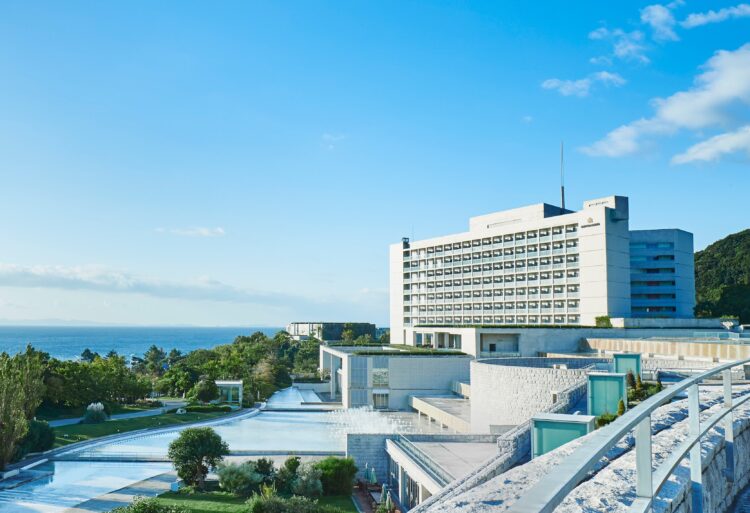
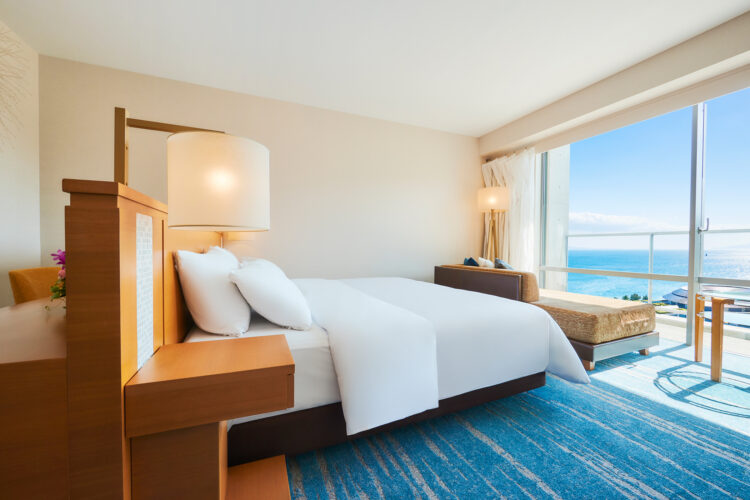
Left: Located within Awaji Yumebutai, the complex designed by architect Tadao Ando, the hotel’s modern architecture harmonises with the surrounding sea and greenery. / Right: Guest rooms designed to maximise natural light and openness, offering a calm and comfortable retreat.
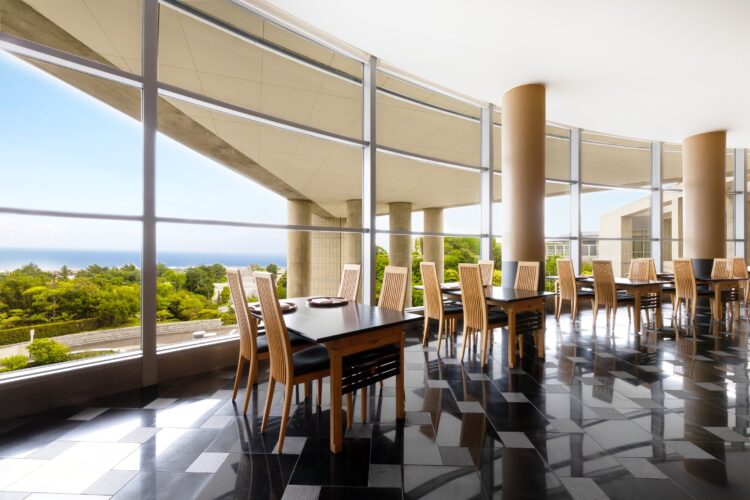
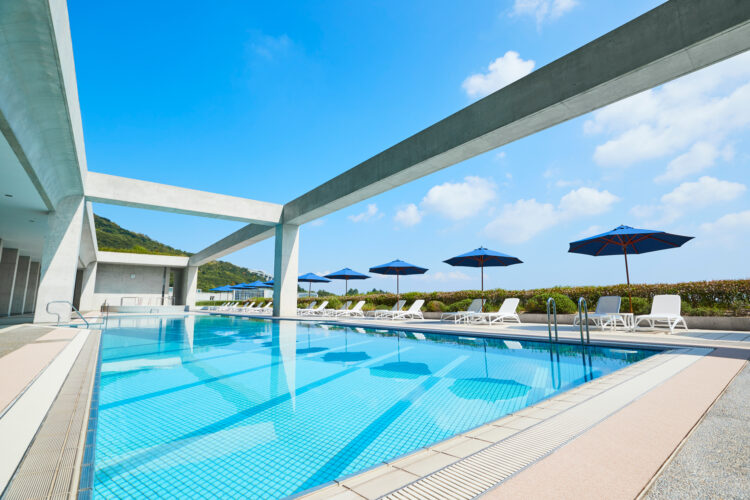
Left: At Coccolare, guests can choose from a buffet featuring Awaji beef and fresh local vegetables, as well as Mediterranean French cuisine and ‘teppanyaki’. At the Japanese restaurant Awami, seasonal ingredients from Awaji Island are presented in the form of ‘kaiseki’. / Right: The infinity-style pool appears to merge with the sea beyond, offering expansive coastal views.
Awaji International Hotel The Sunplaza
Open views over the Kitan Strait, with ocean vistas from every room
All guest rooms at this hotel face the sea, offering wide views across the Kitan Strait. The property has been selected for 39 consecutive years in the ‘Top 100 Hotels and Ryokan in Japan.’ Guest rooms range from special-floor accommodations to rooms with private onsen baths, while the hot springs of Sumoto Onsen can also be enjoyed in the open-air baths and sauna.
Cuisine highlights seasonal ingredients from Awaji Island in kaiseki courses prepared by a chef who has received a Minister’s Award. With anniversary plans and maternity programs also available, the hotel offers attentive hospitality suited to special occasions.
Address: 1279-13 Orodani, Sumoto, Hyogo
Website
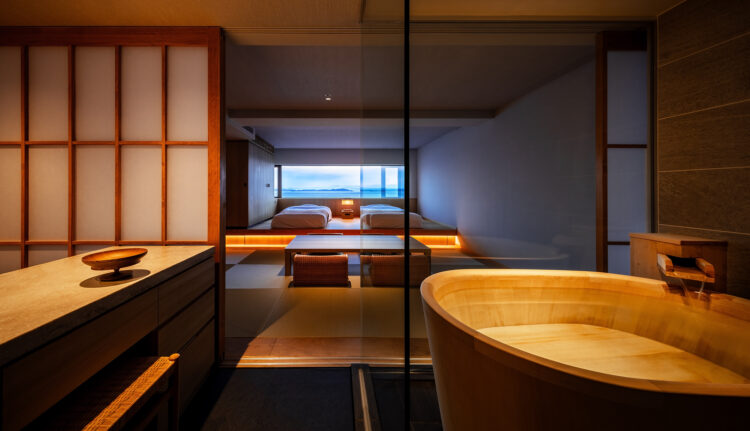
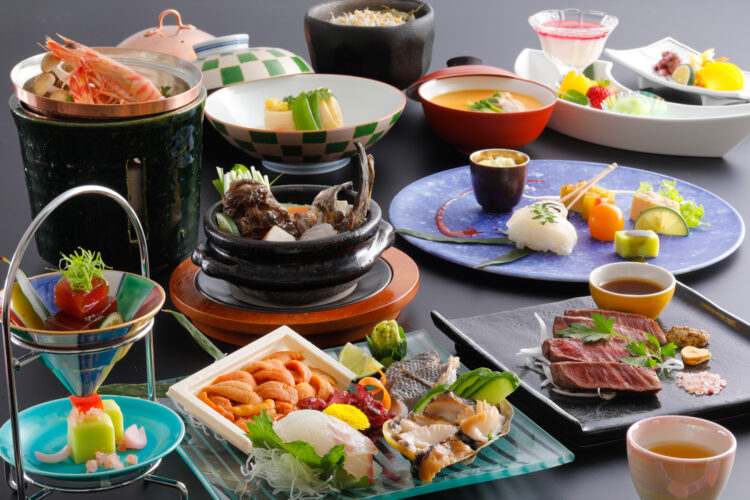
Left: Guest room with a private ‘onsen’ bath on the special floor ‘Nami no Oto.’ Wide views of the Kitan Strait can be enjoyed from the window. / Right: The hotel’s signature creative ‘kaiseki’ course, ‘Subaru’. Seasonal flavors are presented together with carefully selected tableware and setting.
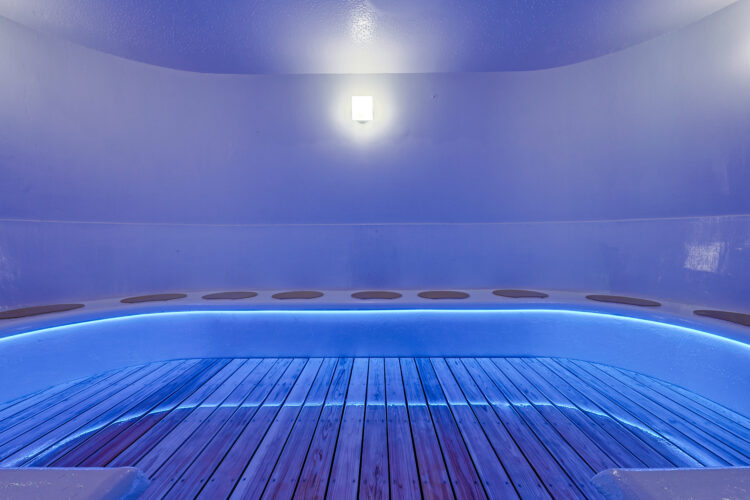
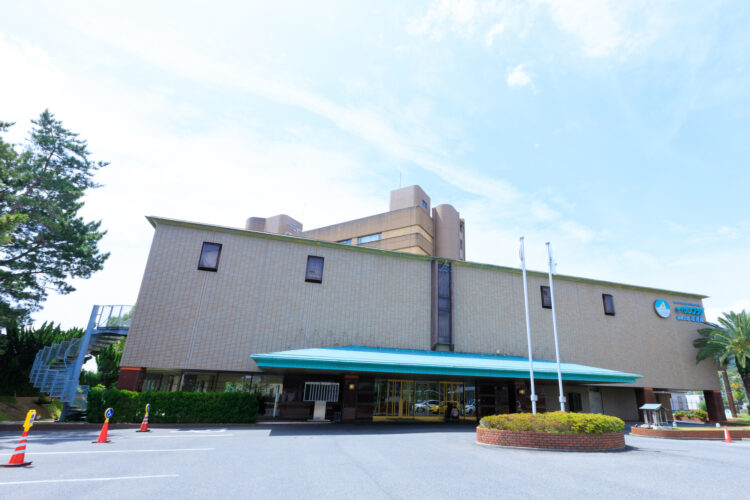
Left: Spa facilities include a mist sauna and other bathing amenities. The women’s large communal bath is shown here. / Right: Exterior view of the hotel. Museums and cultural sites are located nearby.