Soak Up the Spiritual Past of Okinawa
The Tamagusuku Castle Ruins are a breath of fresh air for those favouring the more off-the-beaten-path approach to travel.
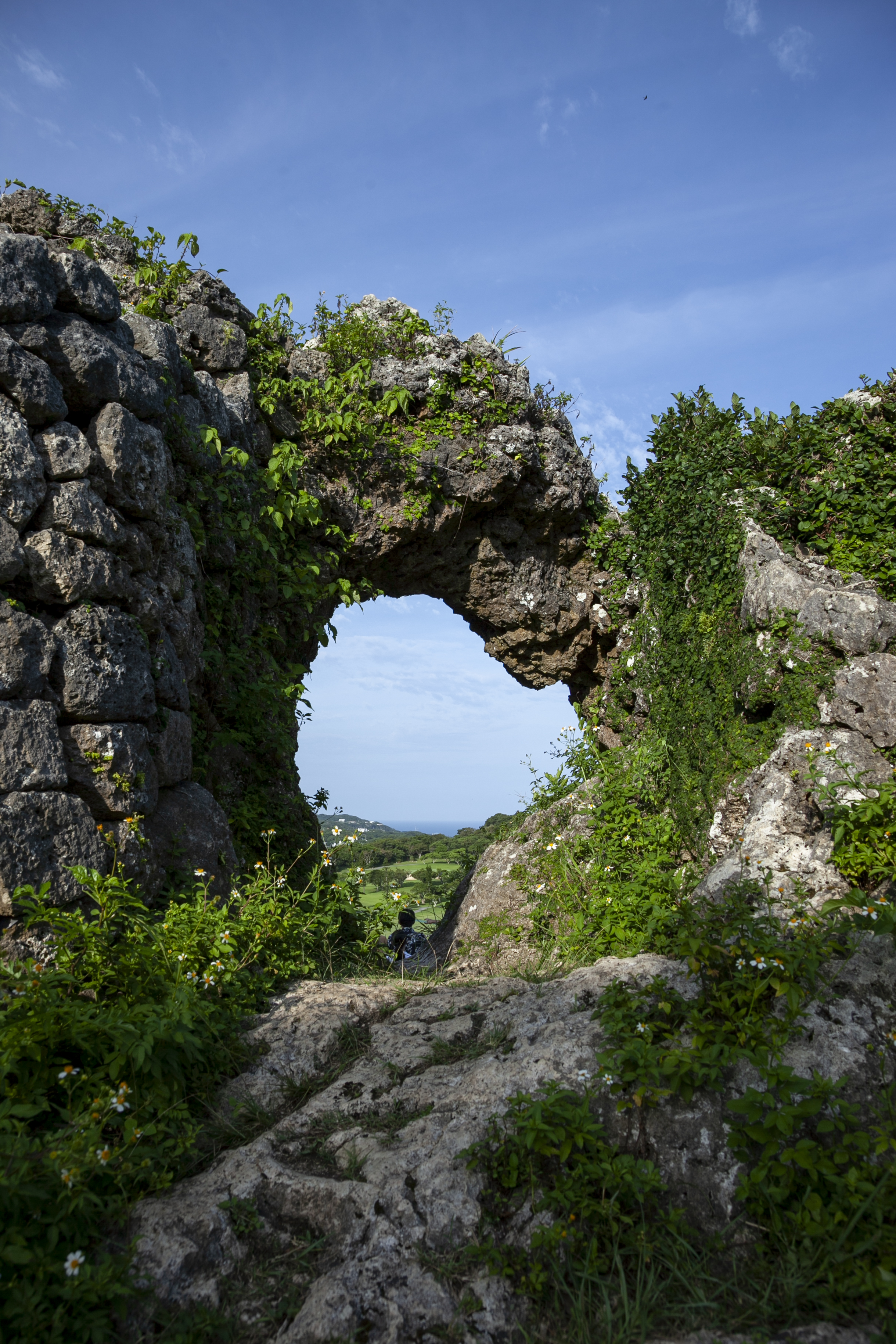
The ruins feature an arch traditionally found in Gusuku—Okinawa-style castles. The characteristic of these ruins is that they are hollowed out from natural rocks.
The Tamagusuku Castle Ruins are one example of a quasi-spiritual spot located in the southeast of the main island of Okinawa.
Built before the establishment of the Ryukyu Kingdom, it is the oldest castle on Okinawa, and legend says that the god Amamikiyo built it herself.
According to legend, Amamikiyo is the god who came from beyond the sea to create Okinawa.
While there are only ruins left in the present, the hike up the hill that the castle was built on does offer some great views of the area.
It also presents a good contrast to the opulent Shuri Castle, showcasing a more traditional “Gusuku” castle.
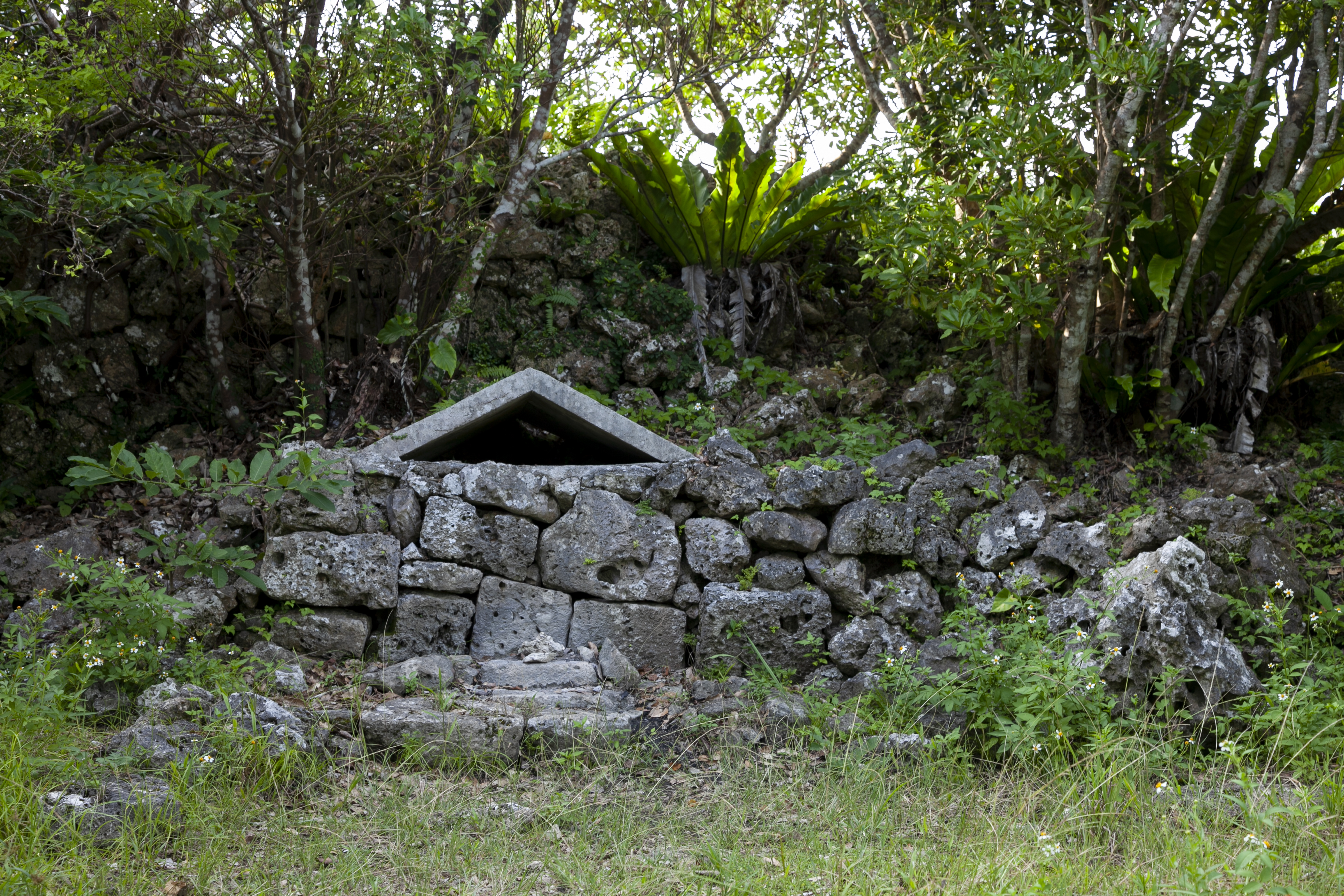
A site deemed sacred, located within the castle. The exact age of the castle is unknown.
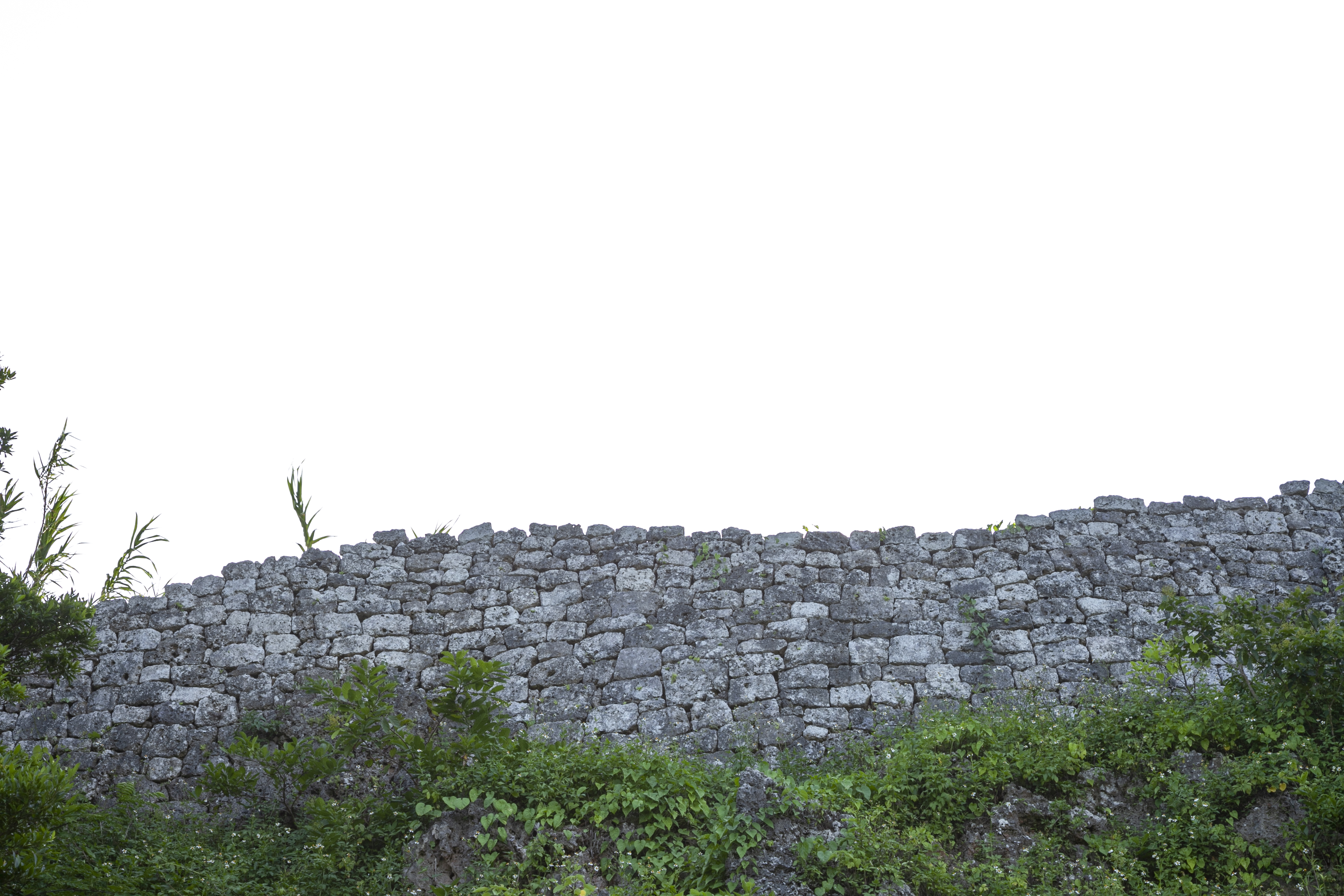
A castle wall that draws a curved form, perfectly aligned to the terrain.
Tamagusuku Castle Ruins
444, Tamagusuku, Nanjo-city, Okinawa