The Ephemeral, Floating Landscape of Hokkaido’s Deep Winter
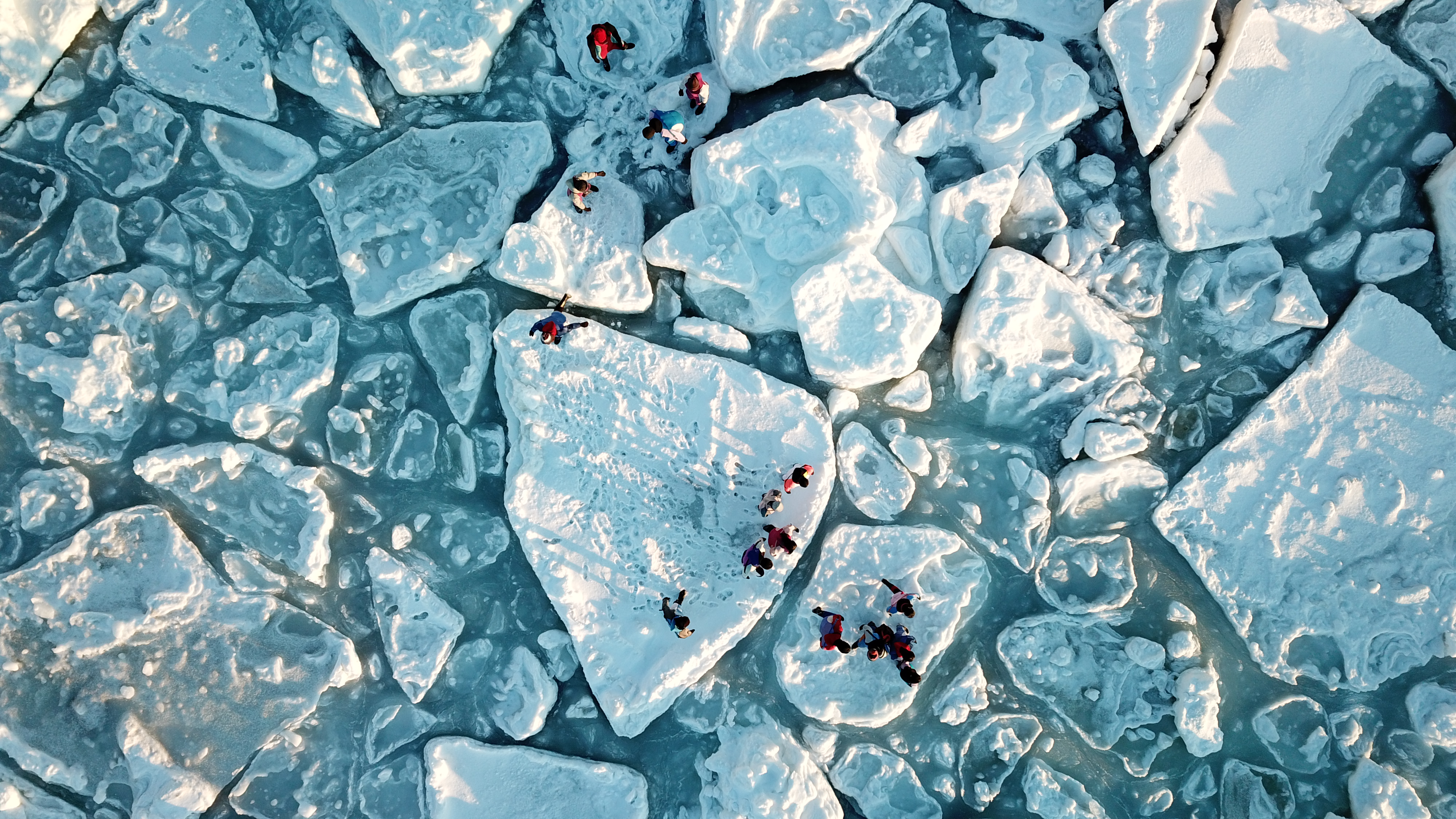
Every year the Sea of Okhotsk is transformed into a frosty wonderland of paving slabs of drift ice.
© SHINRA
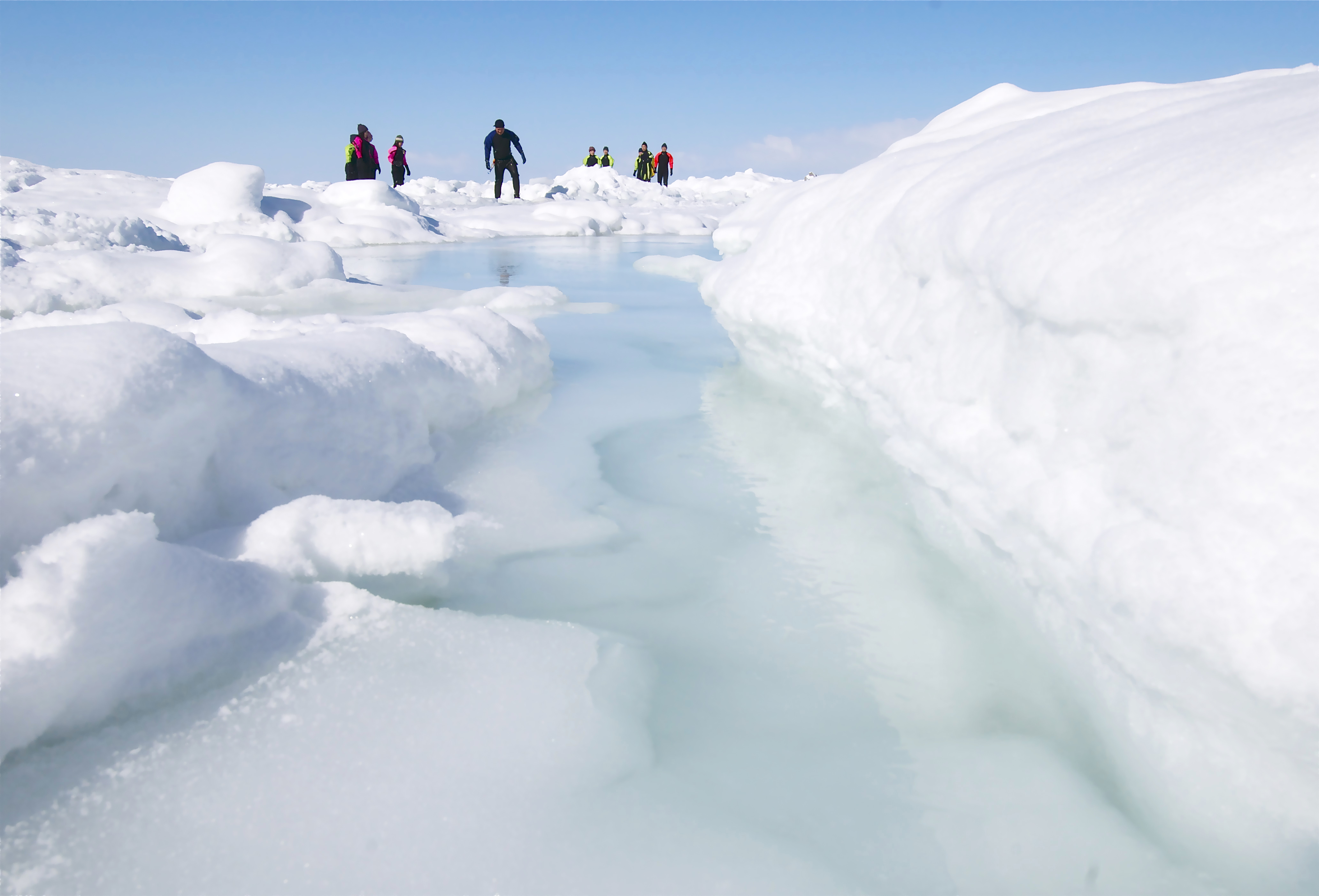
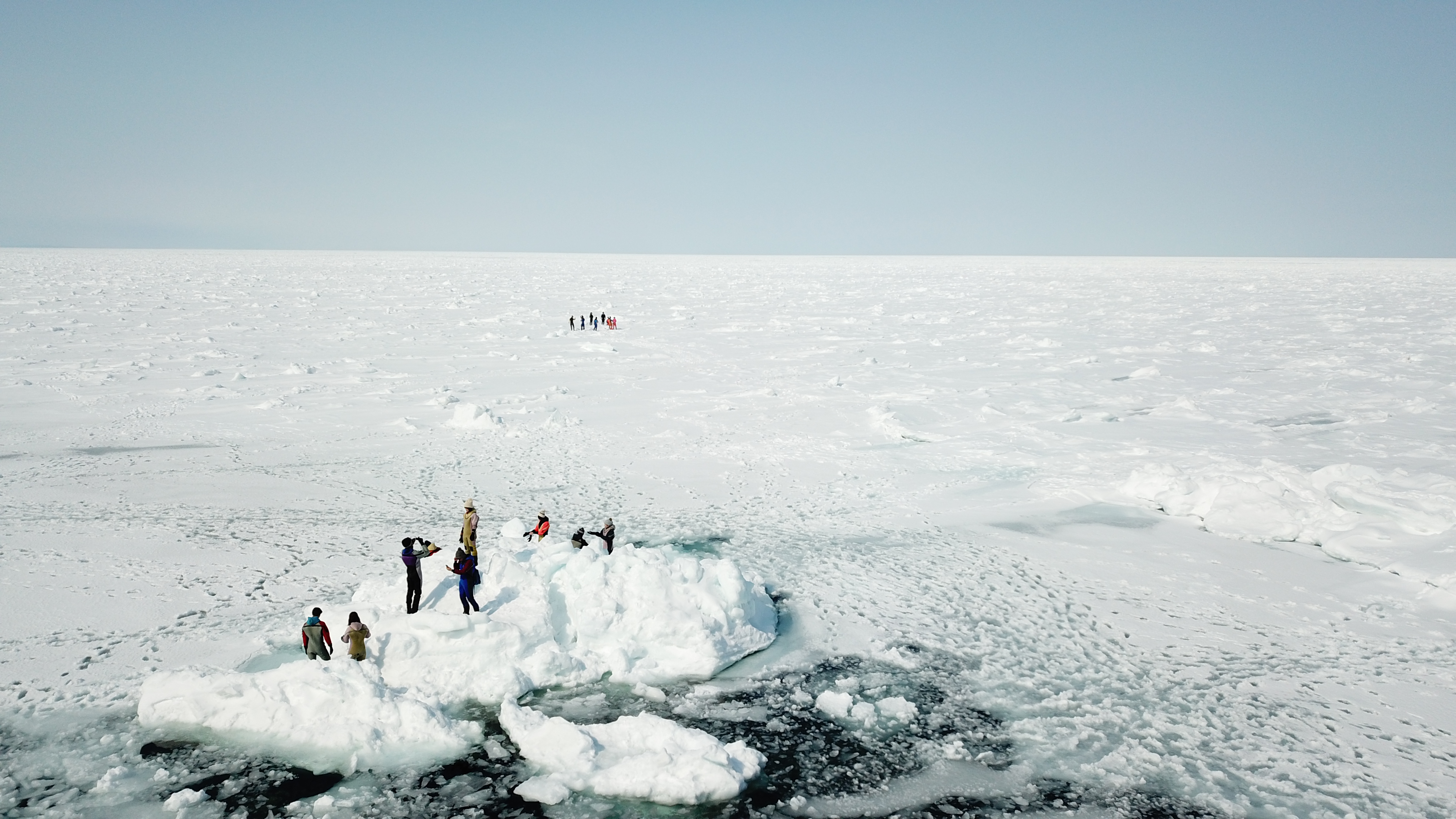
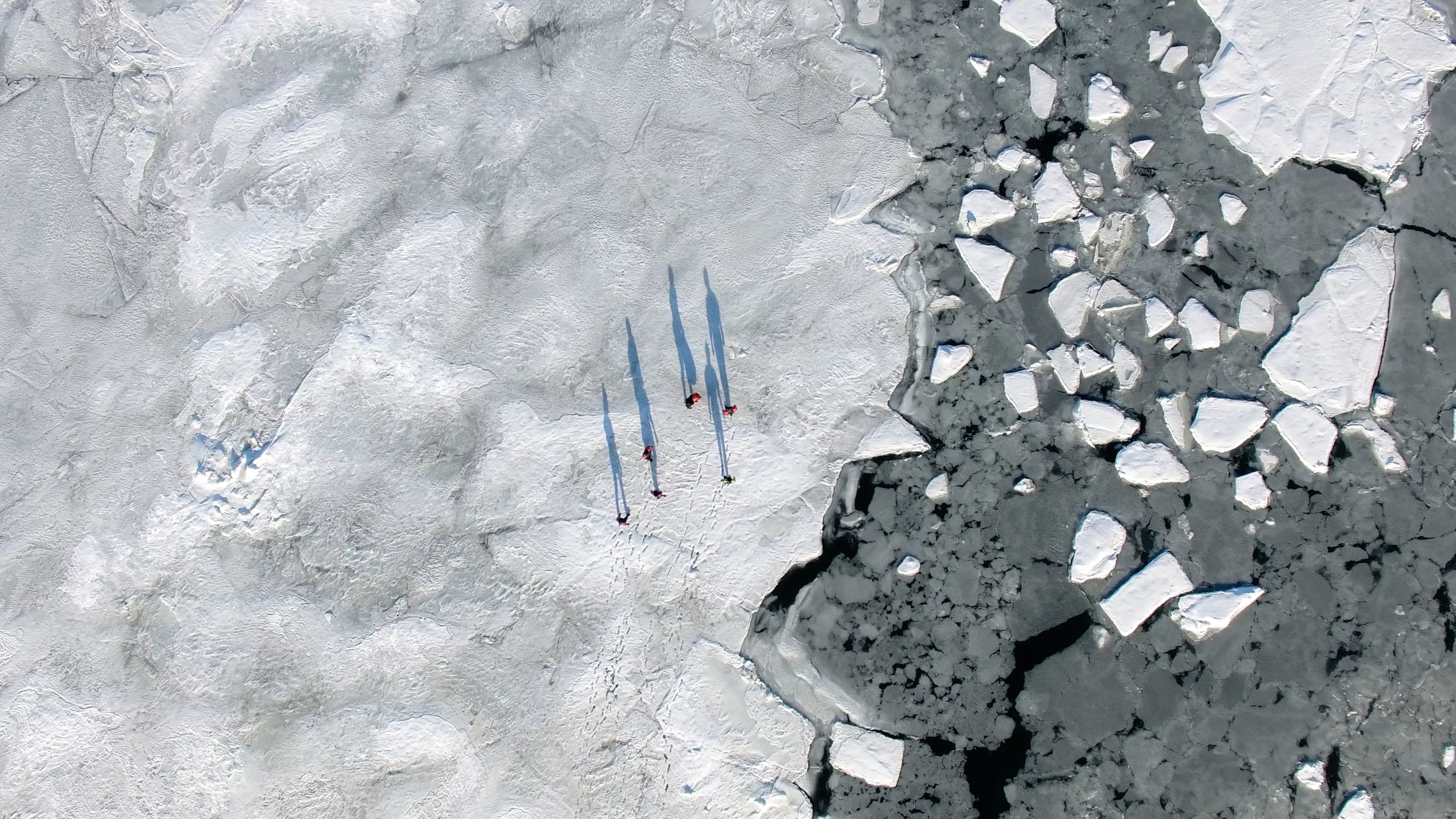
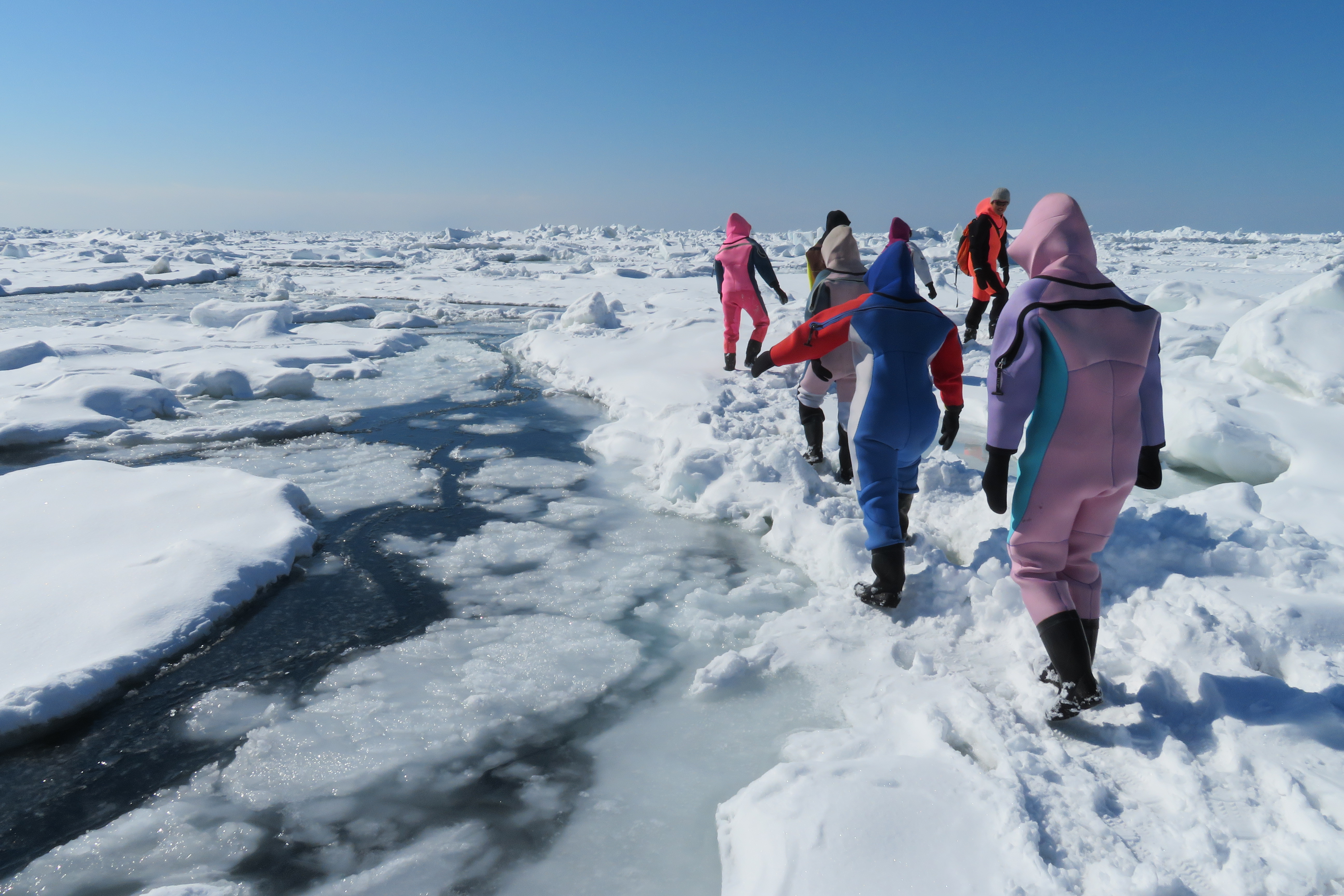
Each winter, water from the Amur River in Russia freezes as it flows into the Sea of Okhotsk, creating blocks of ice that are carried along by currents to the northeastern coast of Hokkaido—a phenomenon known as drift ice. Once this ice has fully solidified, intrepid travellers don dry suits and embark on walking tours across the frozen stepping stones.
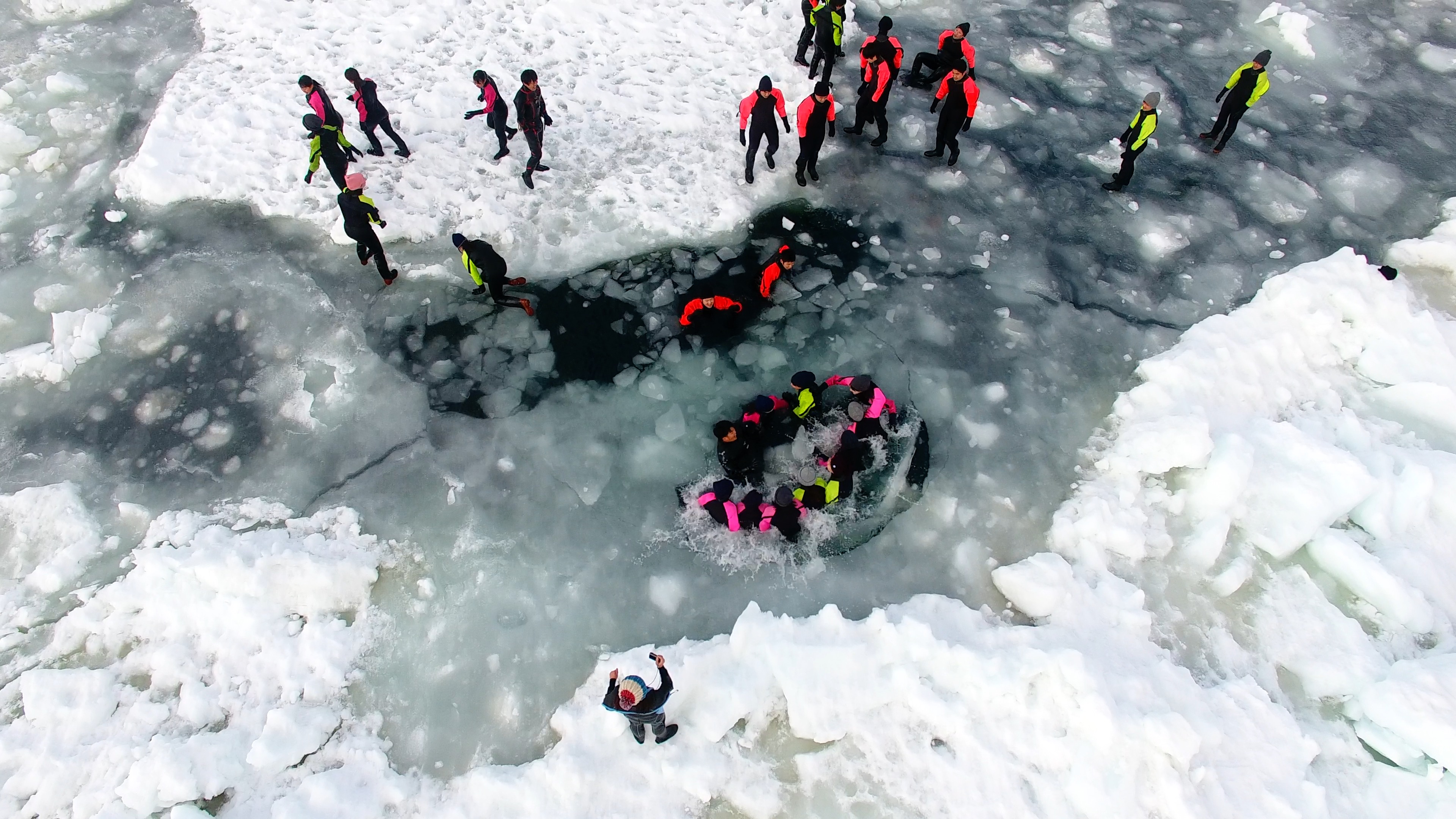
Safely sealed up against the icy water, travellers are invited by knowledgeable guides to lie down on the ice in the places where it is safe to do so, and even to submerge themselves within the sea. Buoyed by the water, limbs and smiling faces float amongst the frosty white shapes.
Heavenly apparitions
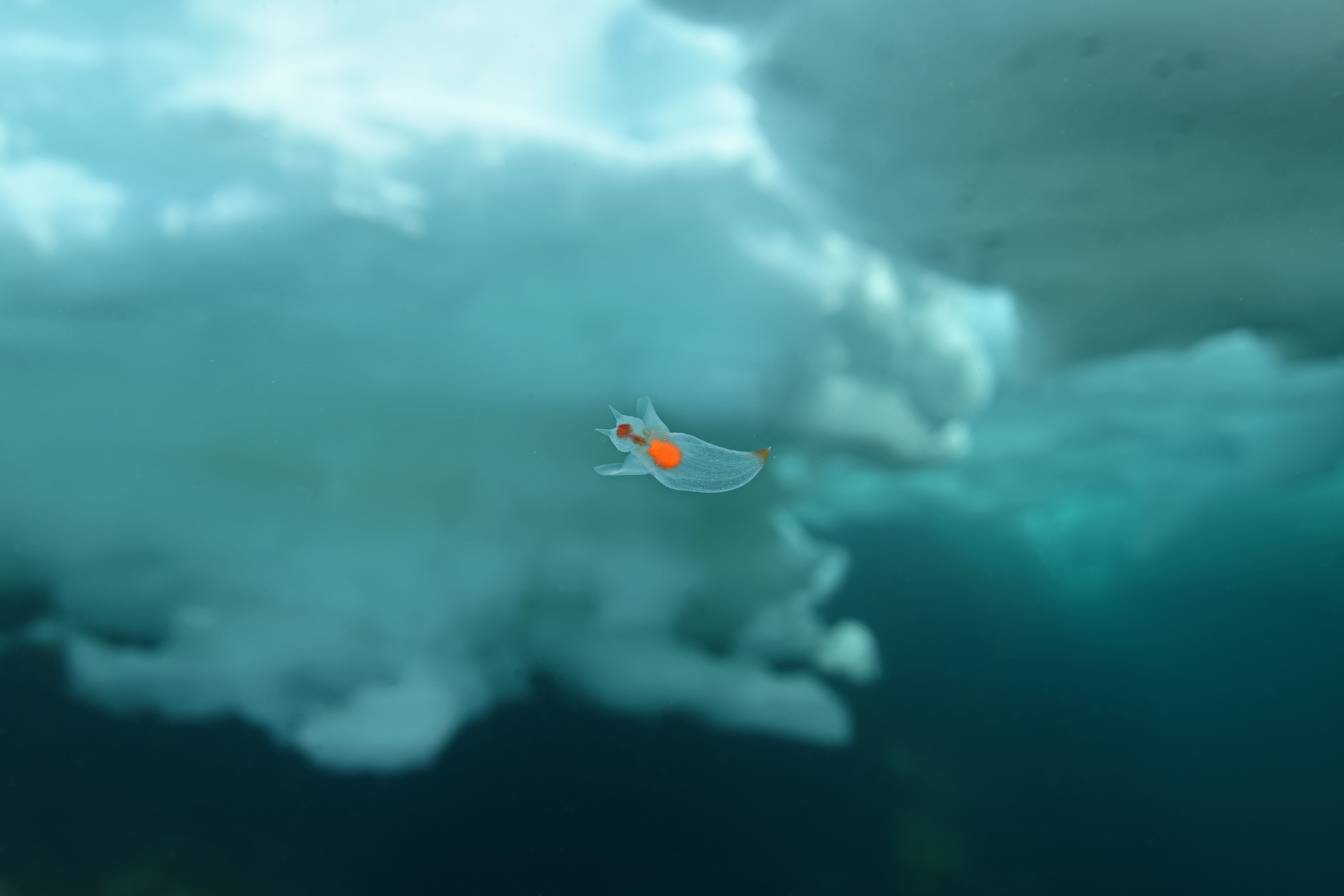
From such a vantage, luckier travellers are treated to the sight of floating sea slugs, who, due to their winglike projections, are known as naked sea butterflies or sea angels; their translucent bodies glow in shades of orange and blue.
With drift ice gradually becoming more abundant and sturdier from December to January, walking tours begin in February, mainly leaving from Abashiri or Utoro on the Shiretoko Peninsula. Come March, the ice has begun to disappear, and once spring is in full bloom, the sea has lost its frosty carpet completely; could any activity be more emblematic of Japan, the country that proudly boasts four distinct seasons?
For more information about Hokkaido and its activities, please visit Good Day HOKKAIDO.
© Gojiraiwa Kanko
© SHINRA
Ⓒ Katsunori Seki
© Gojiraiwa Kanko
© SHINRA
© Gojiraiwa Kanko