Toshimasa Kikuchi’s Slender Sculptures
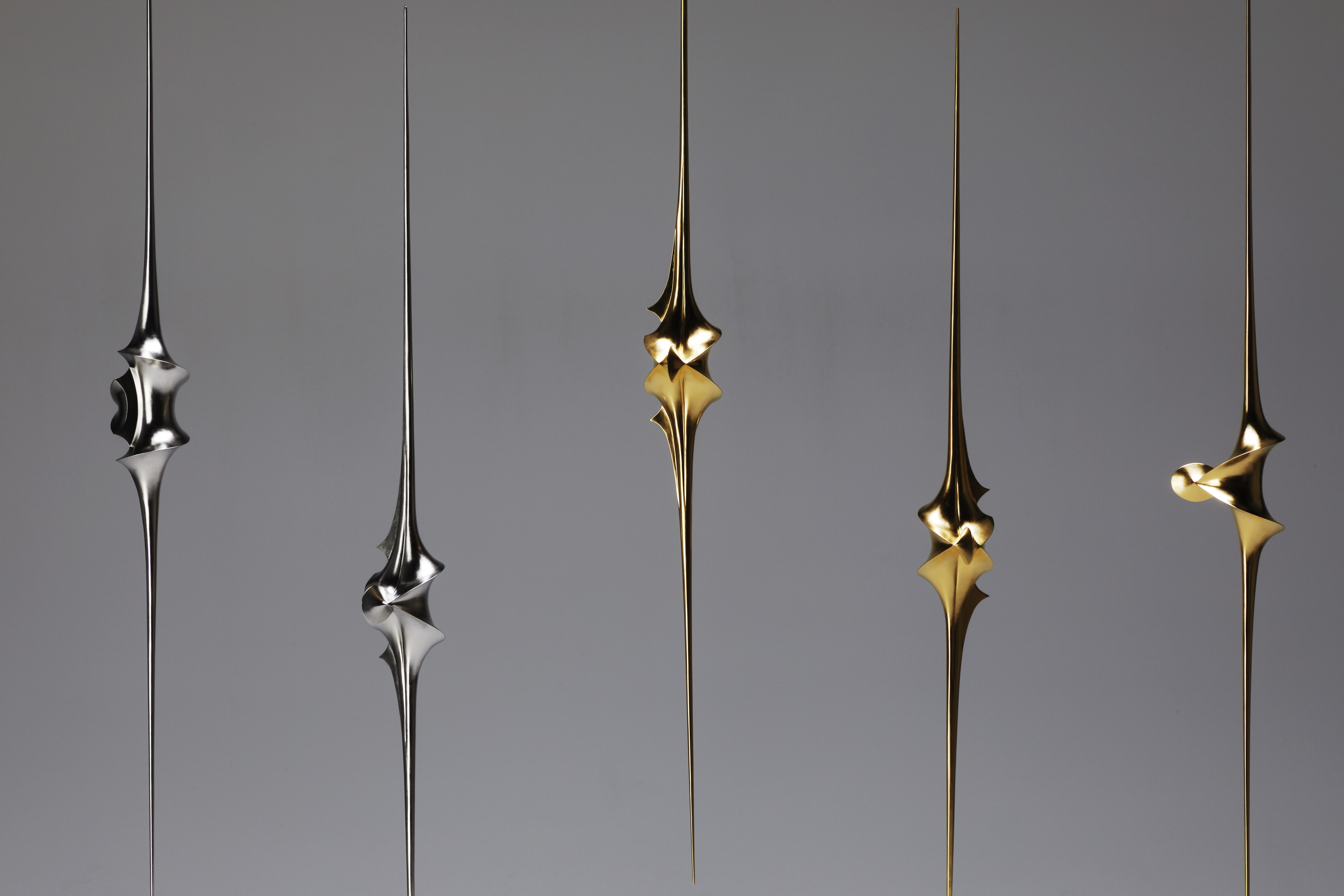
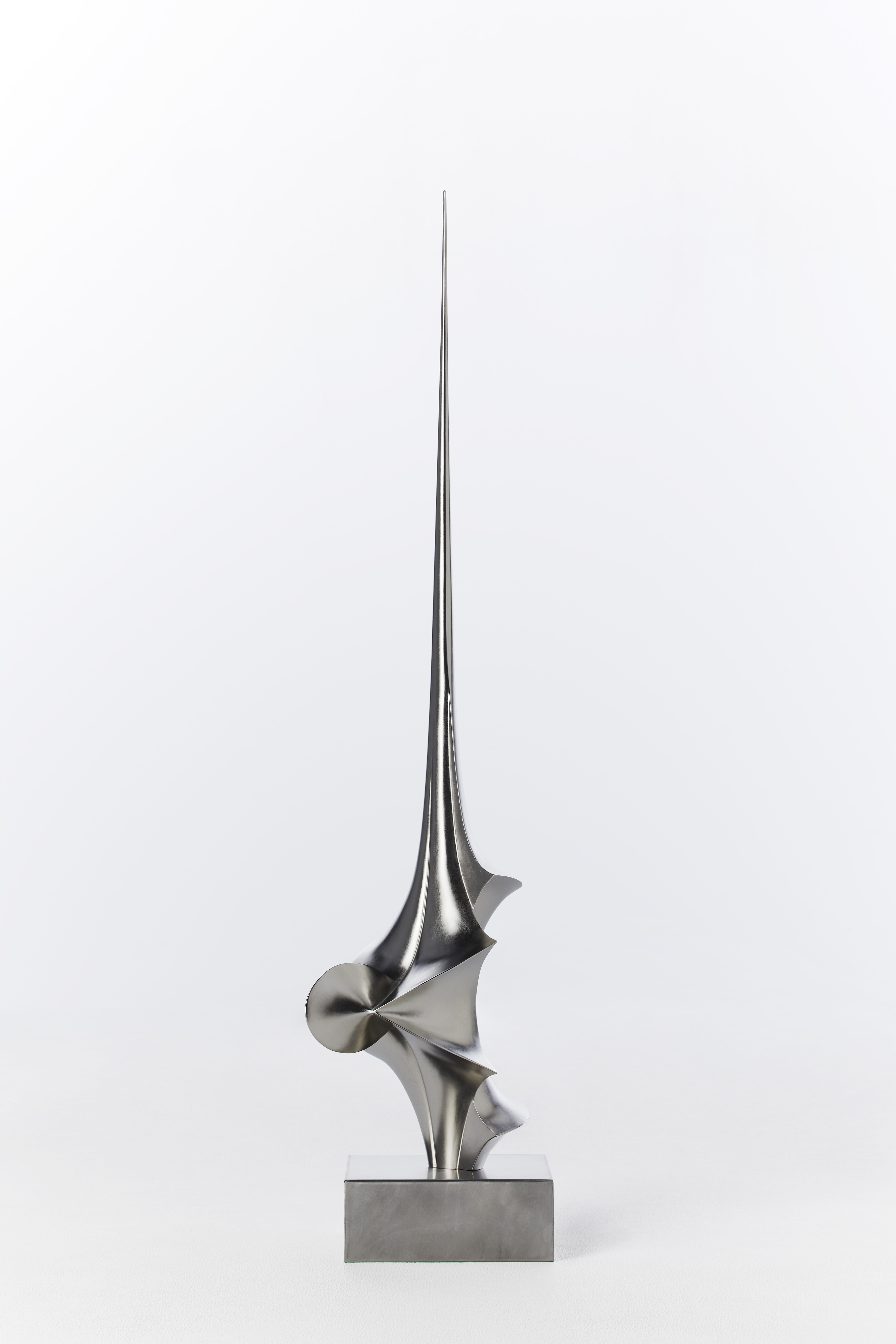
Made from lacquered wood, the abstract pieces in the series 'Needles' question the relationship between empty and full.
MINAMOTO Tadayuki © Avec l'aimable autorisation de la galerie Mingei – Paris
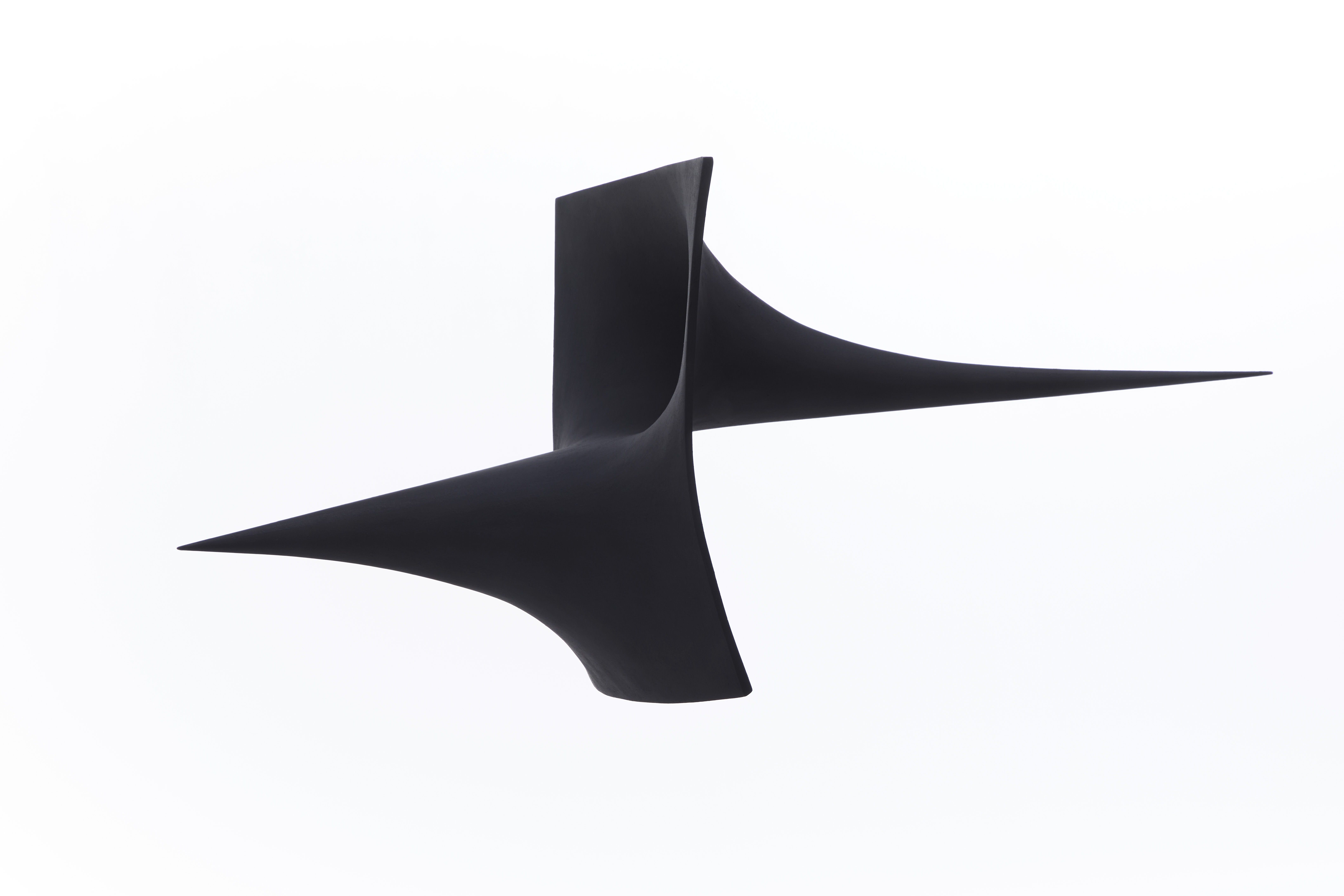
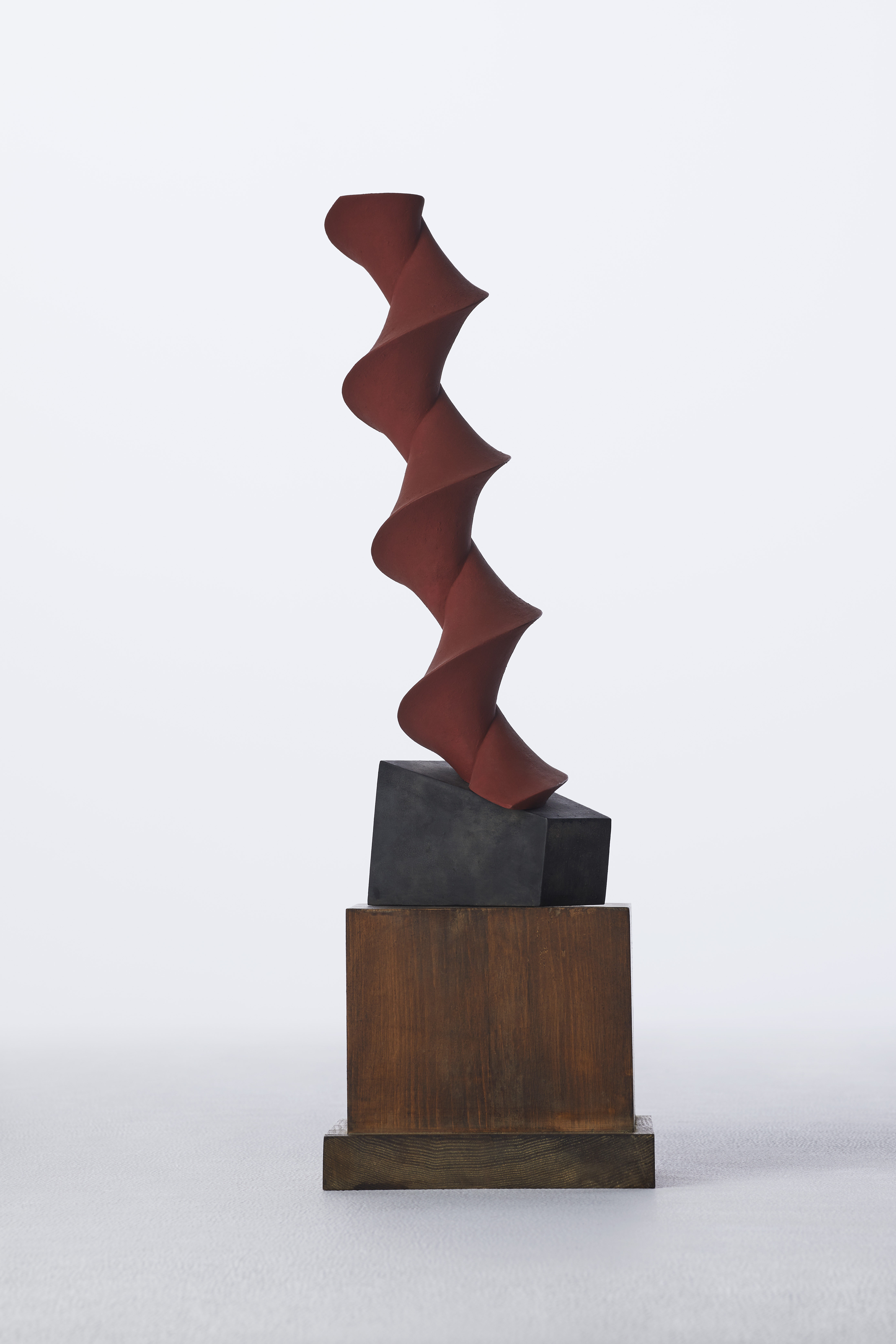
The fusion of art and science runs through the entirety of Japanese sculptor Toshimasa Kikuchi‘s body of work. His series Needles is no exception. Using hinoki, Japanese cypress wood that he then lacquered, the artist created a group of slender sculptures that are reminiscent of stalactites. He also added a mathematical touch: he was heavily inspired by the Kuen surface, a surface with negative curvature, where the meeting of two sides produces a clean line, devised by German mathematician Theodor Kuen.
Inspired by Man Ray
Toshimasa Kikuchi was born in 1979 in Ehime Prefecture on Shikoku island. He graduated in 2008 with a PhD in conservation and restoration of Buddhist sculptures from Tokyo University of the Arts. Alongside his training, he took an interest in abstract forms, particularly through the intermediary of mathematical models, popularised by Man Ray’s series Shakespearean Equations. He now works as a researcher at the Tokyo University Museum.
For each of his installations, the artist creates a specific universe that is sometimes saturated and other times pared down, depending on the number of needles he chooses to exhibit. His creations are designed to be able to be hung from a ceiling like mobiles, and can also be placed on the floor. This is why he partly envisages his work as relating to the tradition of okimono, decorative objects placed in a tokonoma, the raised alcove found in traditional Japanese rooms.
More information about Toshimasa Kikuchi can be found on the artist’s website.
MINAMOTO Tadayuki © Avec l'aimable autorisation de la galerie Mingei – Paris
MINAMOTO Tadayuki © Avec l'aimable autorisation de la galerie Mingei – Paris
MINAMOTO Tadayuki © Avec l'aimable autorisation de la galerie Mingei – Paris
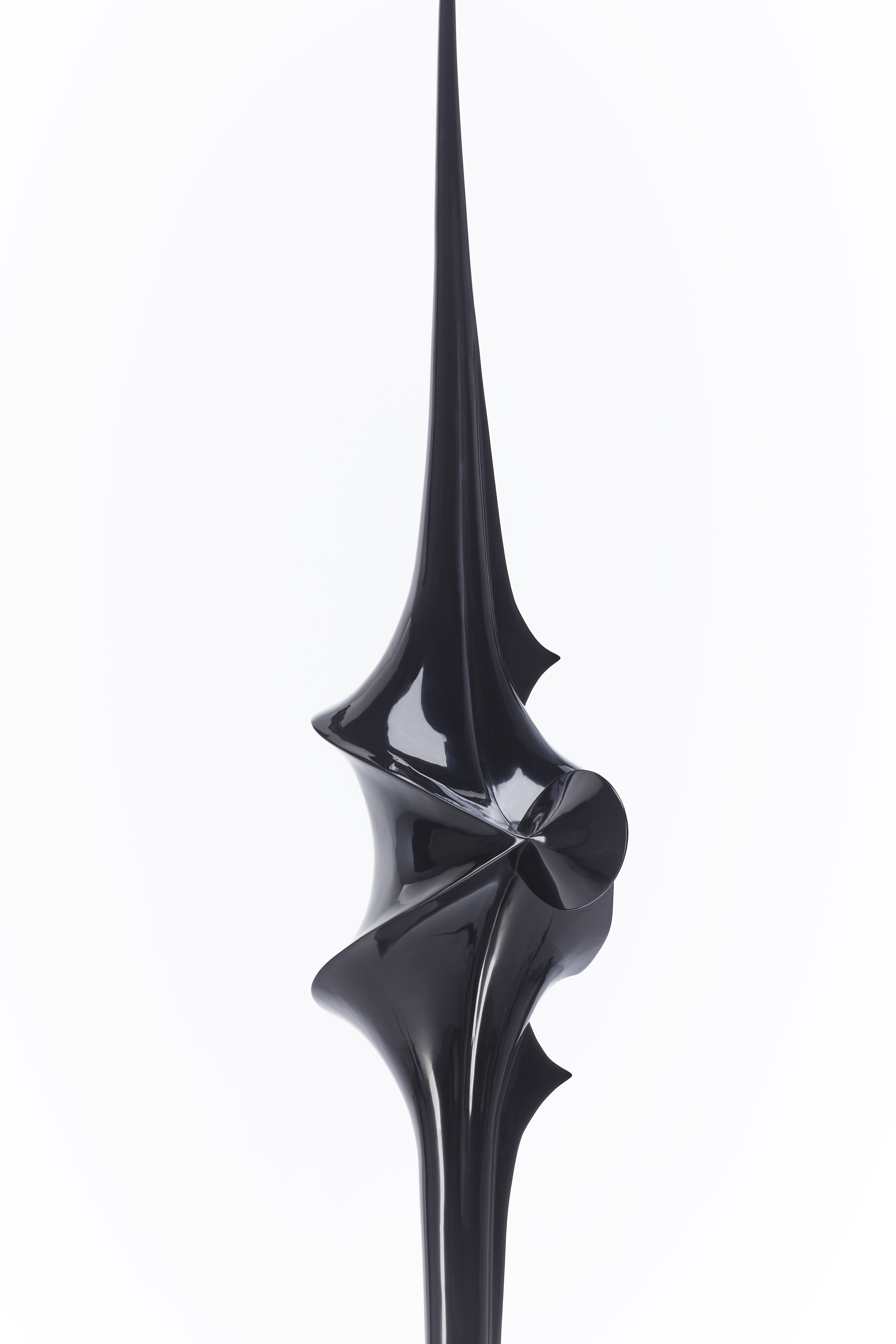
MINAMOTO Tadayuki © Avec l'aimable autorisation de la galerie Mingei – Paris
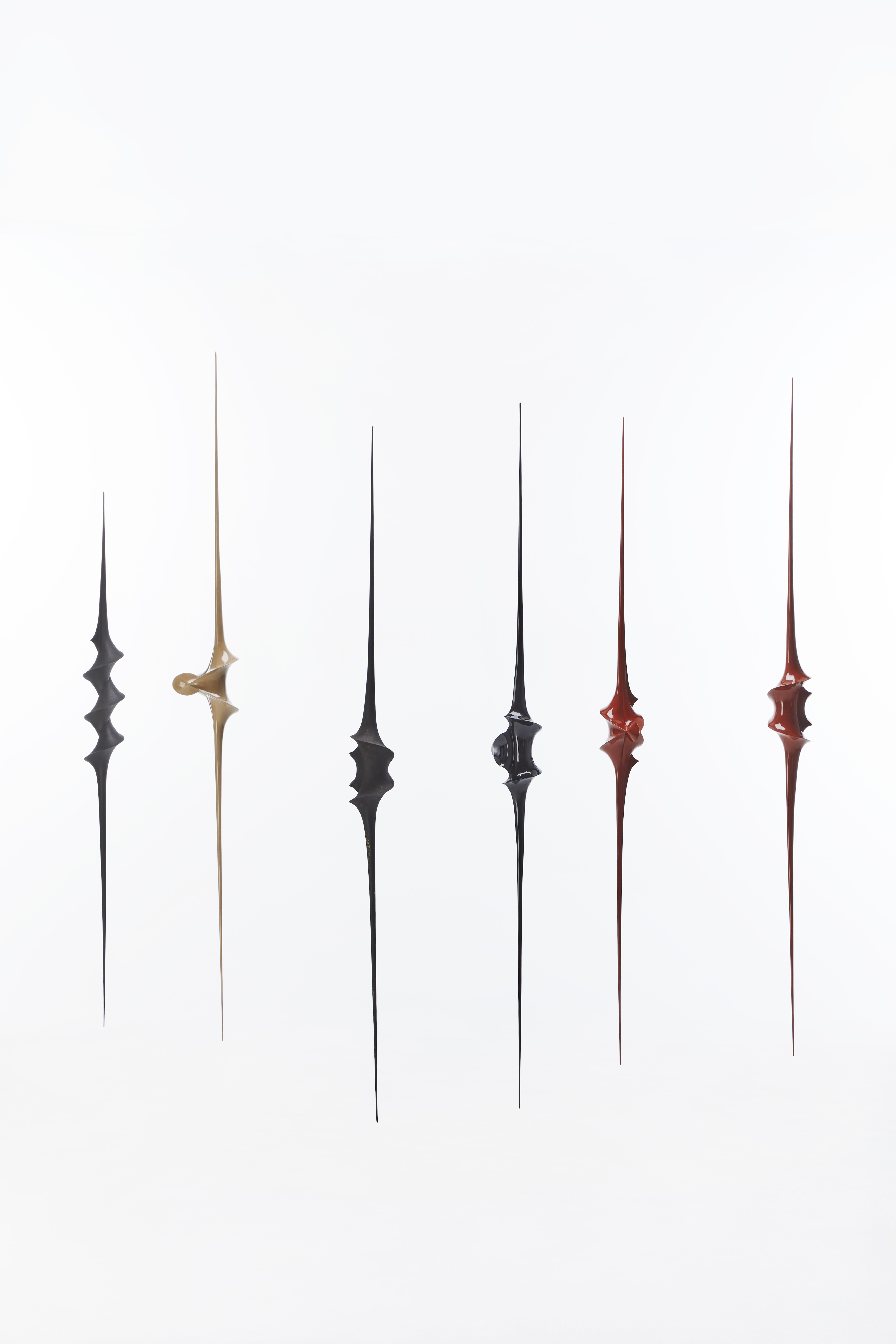
MINAMOTO Tadayuki © Avec l'aimable autorisation de la galerie Mingei – Paris
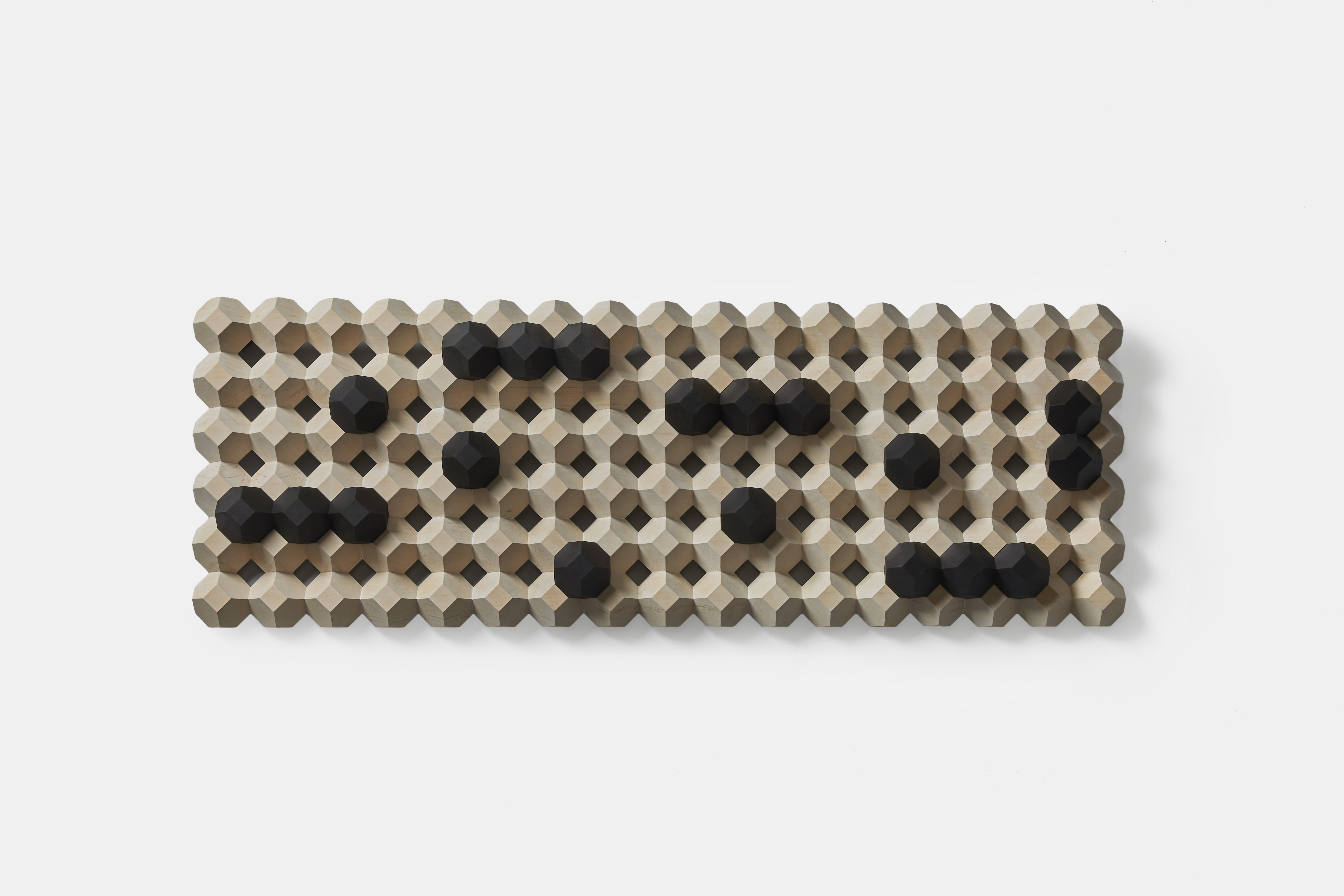
MINAMOTO Tadayuki © Avec l'aimable autorisation de la galerie Mingei – Paris