Two Indoor/Outdoor Museums to Visit in Japan
Art communicates with nature at the Hakone museum and the Edo Architecture Museum in Tokyo. PEN takes you for a visit.
Among the vast range of museums that Japan has to offer, here are two that benefit from outside space and that are particularly worth a visit.
POLA Museum of Art in Hakone, Kanagawa prefecture
©Daisuke Sakai
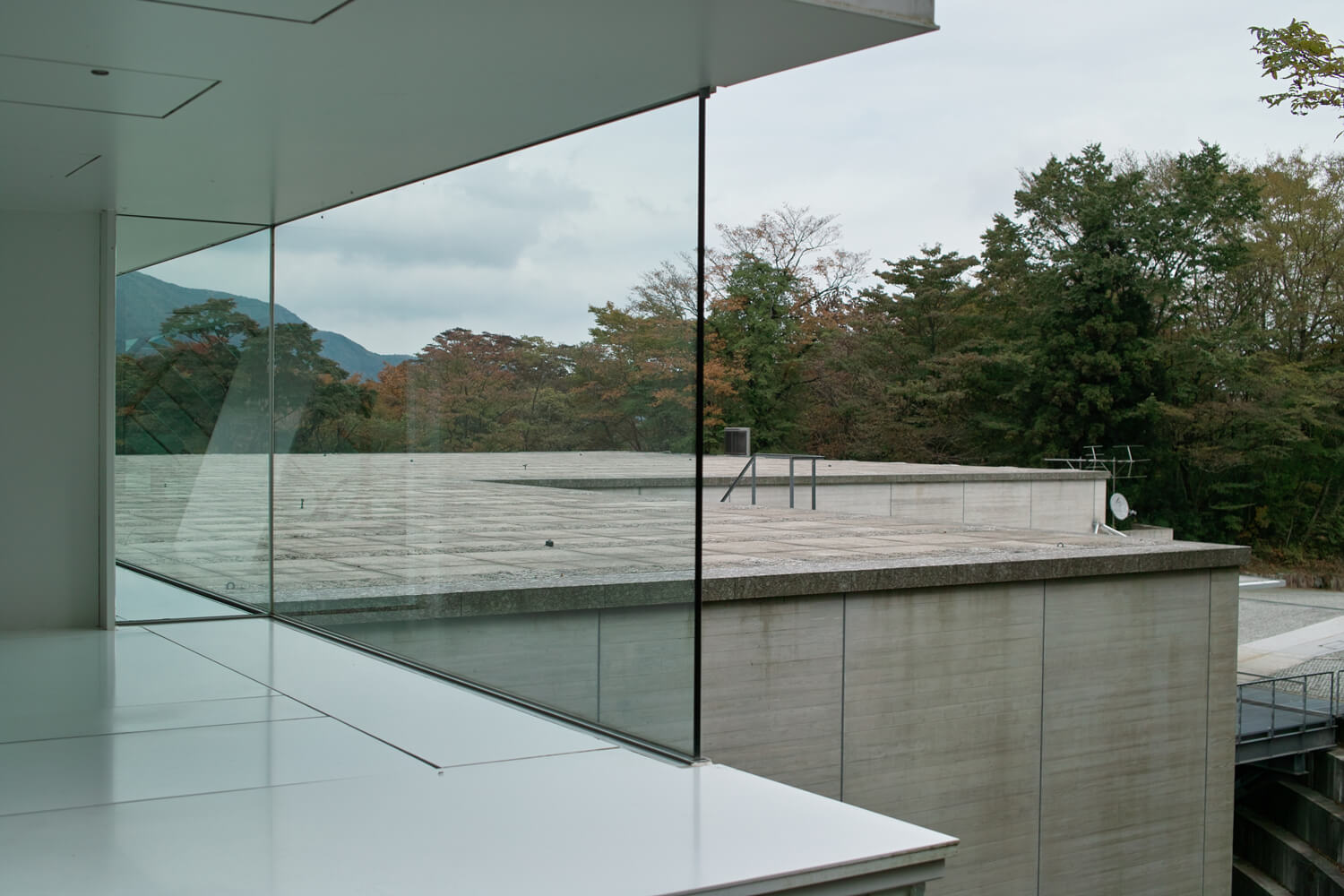
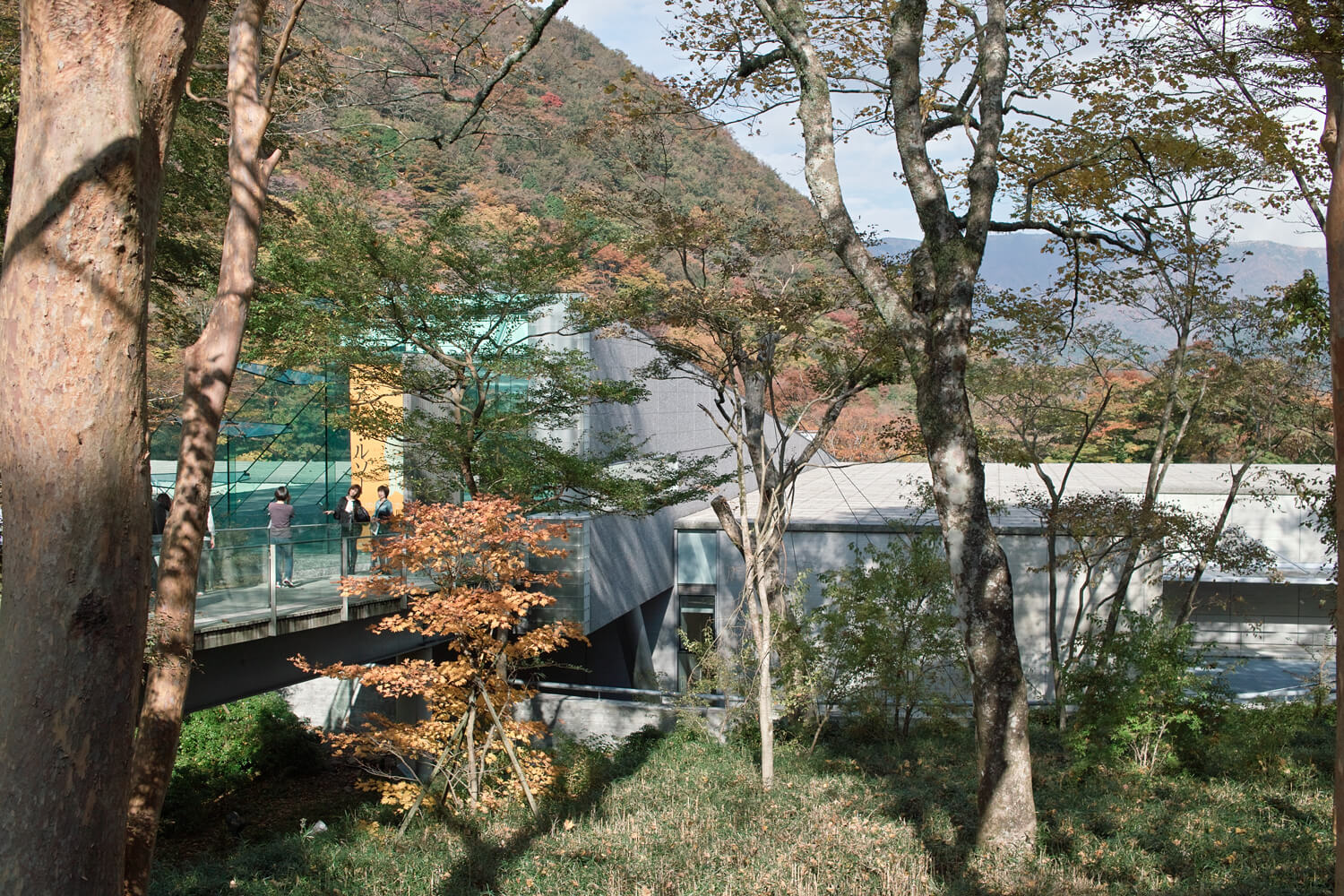
Open to the public since September 2002 and located in the heart of the Fuji-Hakone-Izu national park, this open-air museum seeks to establish a lyrical interaction between art and nature. This artistic institution houses all the collections belonging to the Pola Foundation, an international cosmetics and property group that seeks to promote art and culture in Japan.
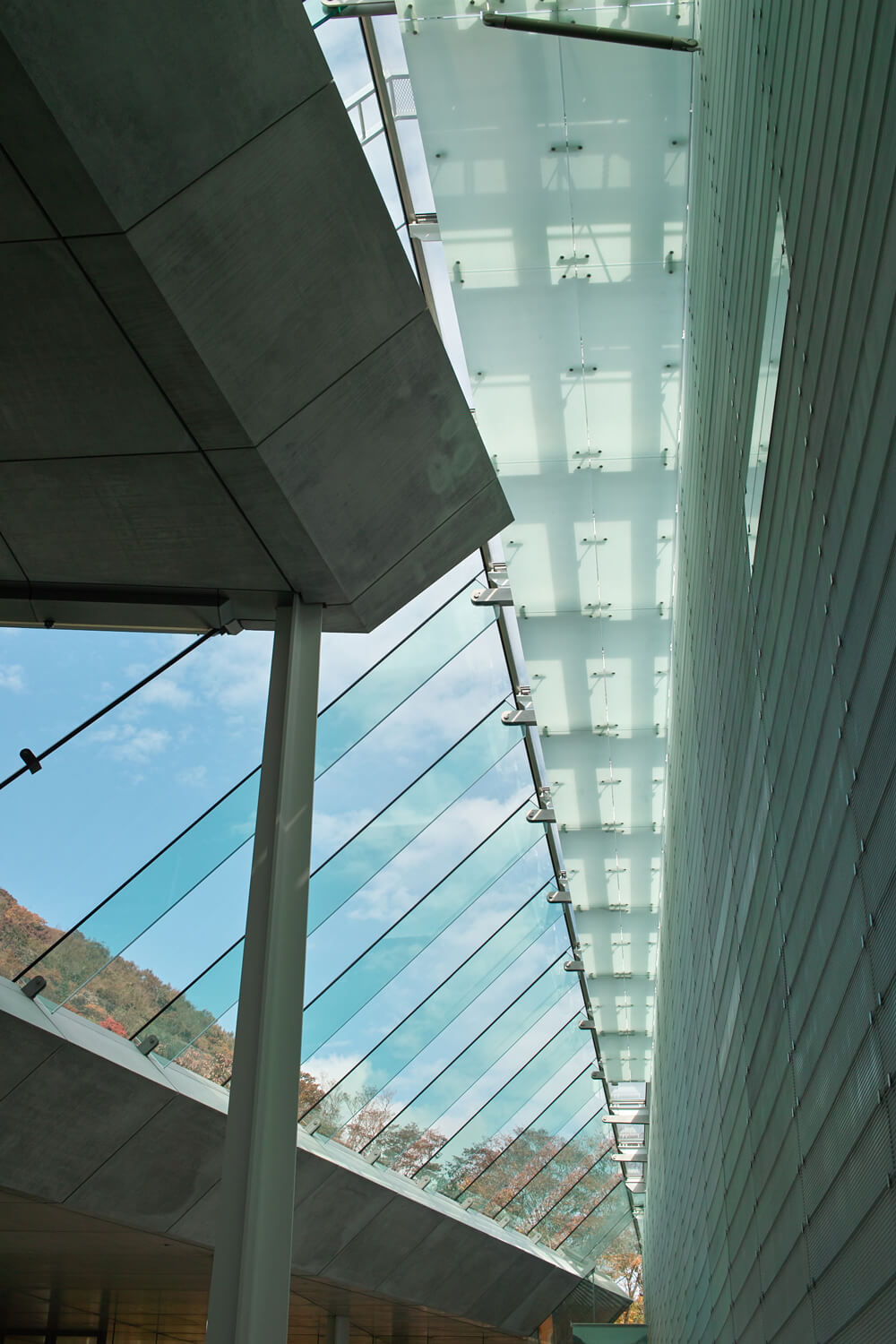
While the views from the Pola Museum are splendid in their own right, the entire construction has been designed to be in total harmony with nature: built underground, it blends into the landscape thanks to its numerous bay windows.
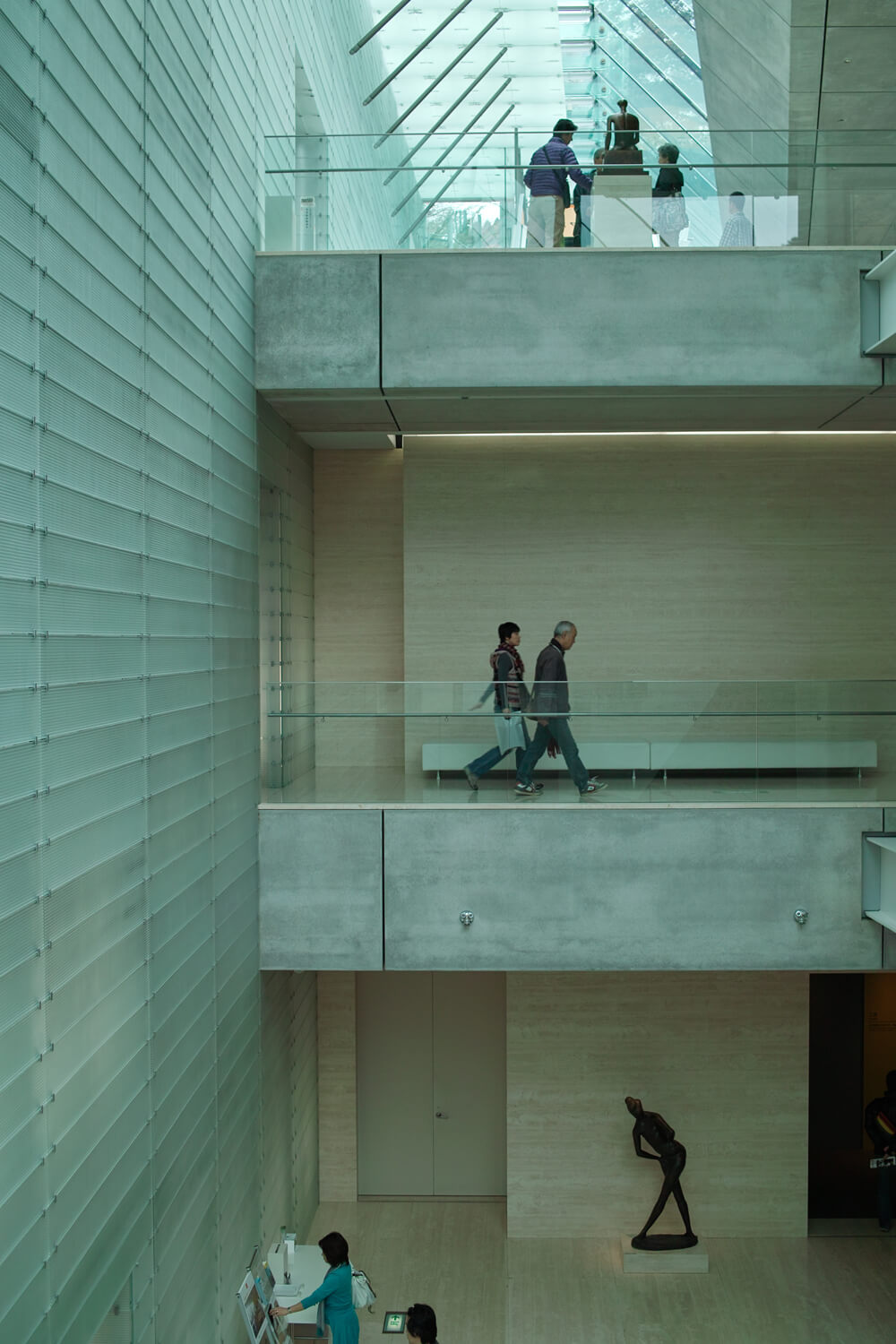
Inside the museum there are a number of pieces by the great European masters, alongside Japanese and oriental works. A light effect is created between architecture of the building and the creations it houses, which are brought to life over time. From Renoir to Picasso and Monet, the Pola museum holds several thousand pieces (9500 to be precise), with around 400 coming from Europe.
The most charming part of the Pola museum is its garden, which is filled with sculptures. The institution offers a 40-minute walk on a 670-m path, during which the sculptures can be admired while enjoying the sound of birdsong and watching the various wild animals.
For more information, visit the museum’s website.
©Daisuke Sakai
©Daisuke Sakai
©Daisuke Sakai
Step back in time at the Edo Architecture Museum, Tokyo
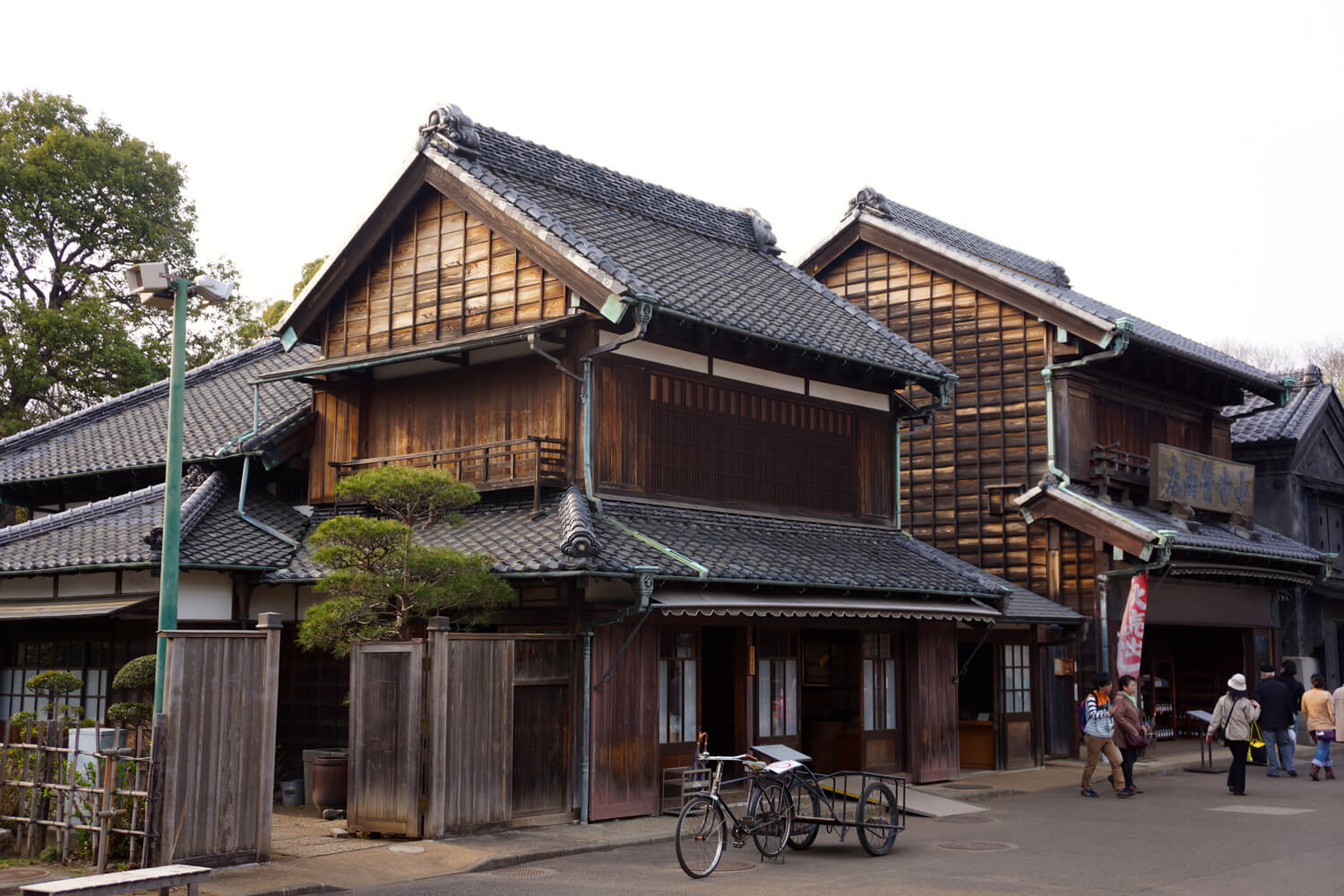
©Kentaro Ohno
In the heart of Koganei park, around 30 minutes outside of the centre of Tokyo, lies the open-air Edo Architecture Museum. Open since 1993, the space is divided into three zones and reproduces various urban landscapes from different eras. From the 17th century (Edo period) to the 20th century (Showa period), this cultural space is home to a number of preserved and reconstructed buildings, and offers visitors a fascinating insight into Japan’s history and cultural heritage.
Among these 30 historic buildings are former tea houses, public baths and private residences belonging to celebrities. The immersive structure allows viewers to compare different architectural styles over time. Numerous events are organised by the museum, including the Sakura Festival, during which visitors, when the season lends itself to it, can enjoy a tea among hundreds of flowering cherry trees.
More information can be found on the museum’s website.
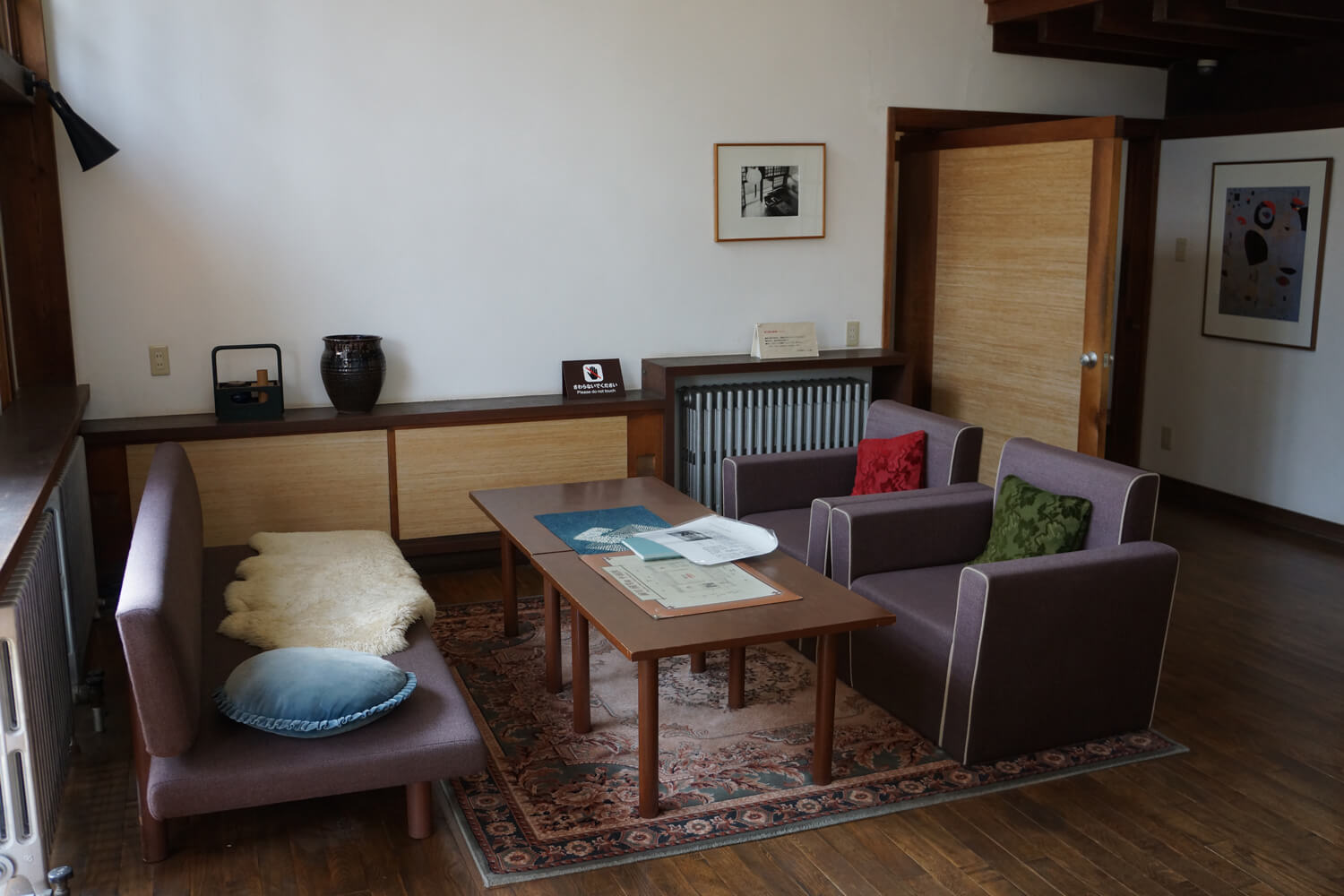
©Kentaro Ohno
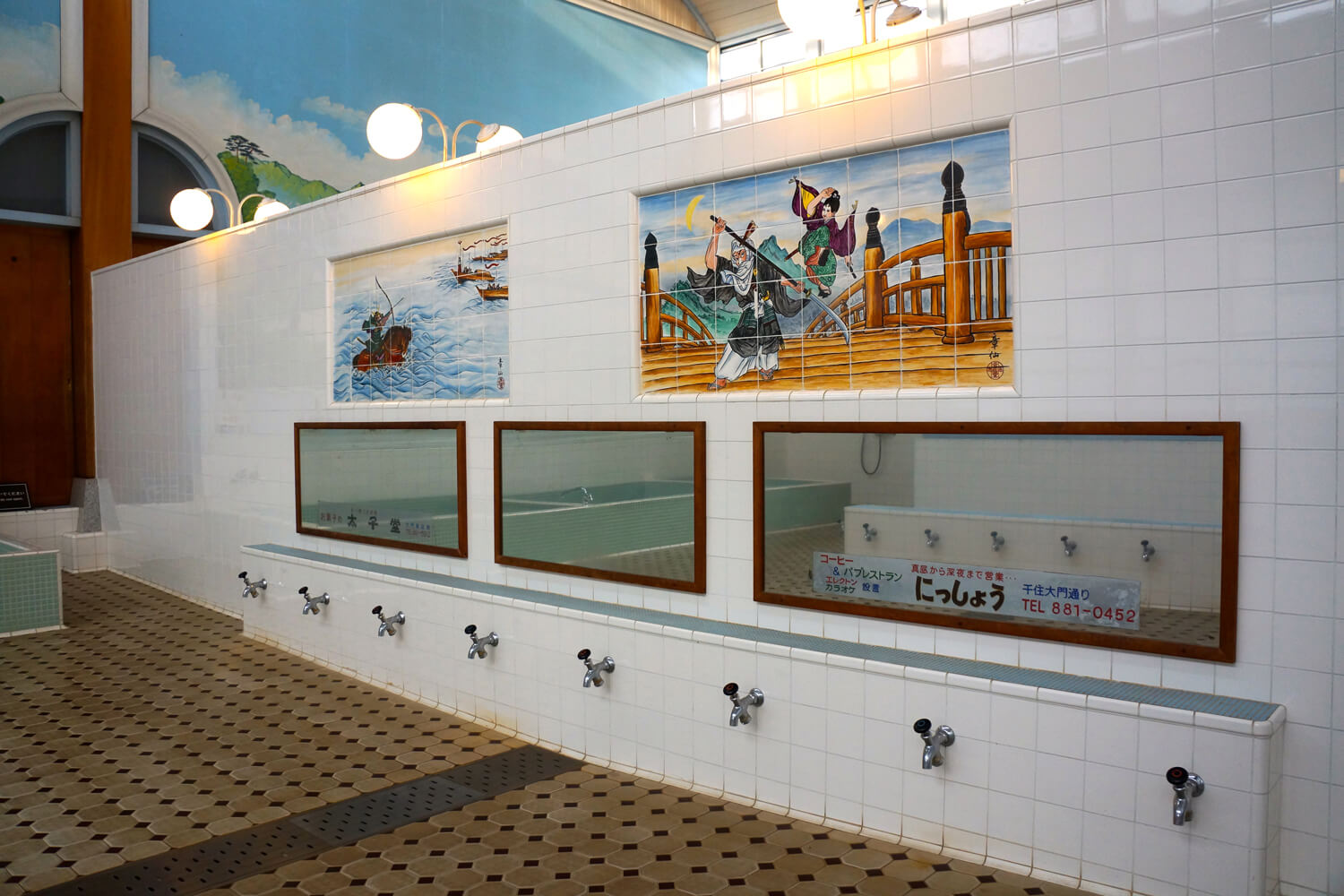
©Kentaro Ohno
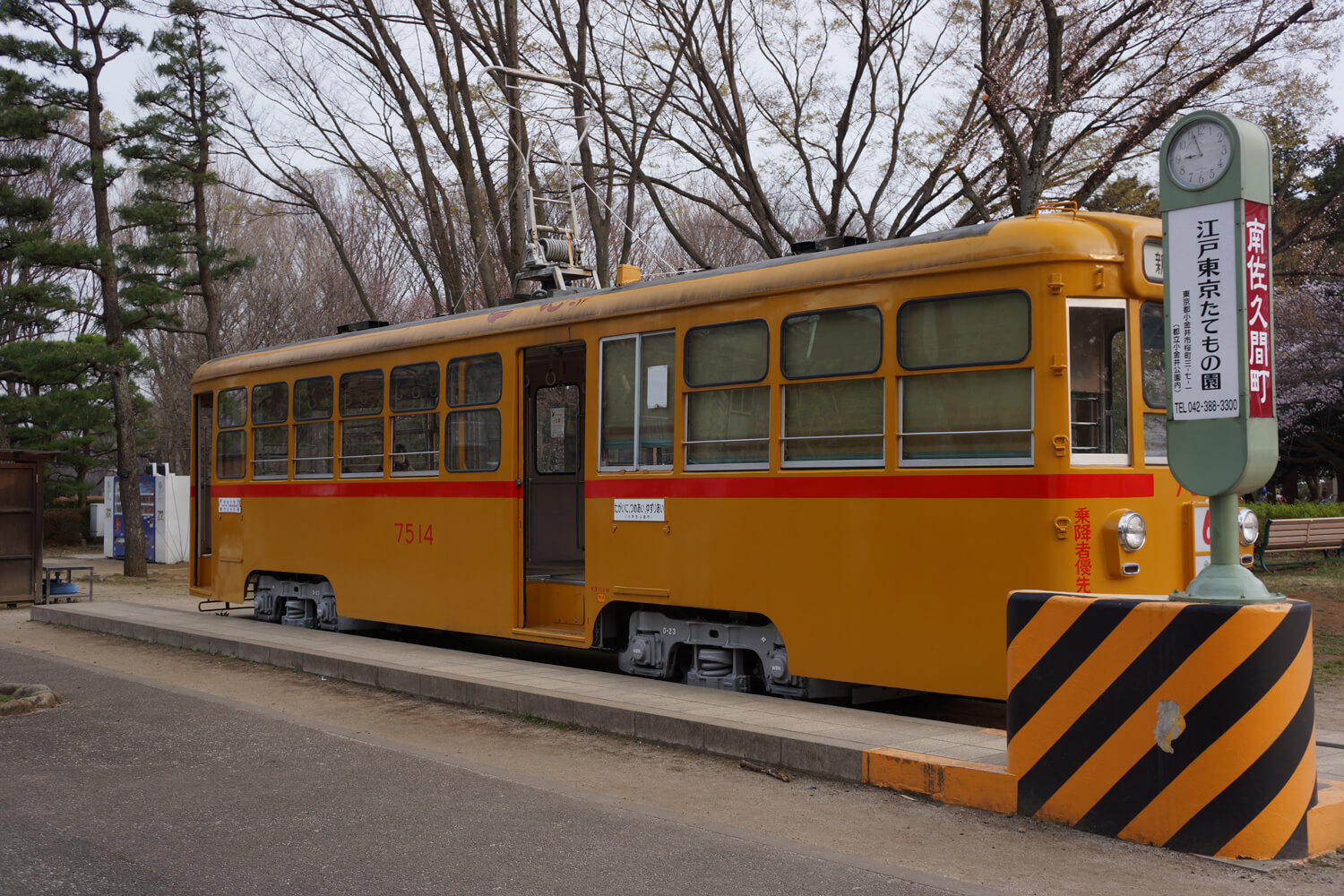
©Kentaro Ohno