‘Milieu’, Immersing the Viewer in Japanese Nature
Damien Faure's contemplative documentary reveals the connections that exist between the residents of Yakushima Island and its untamed world.
© aaa production
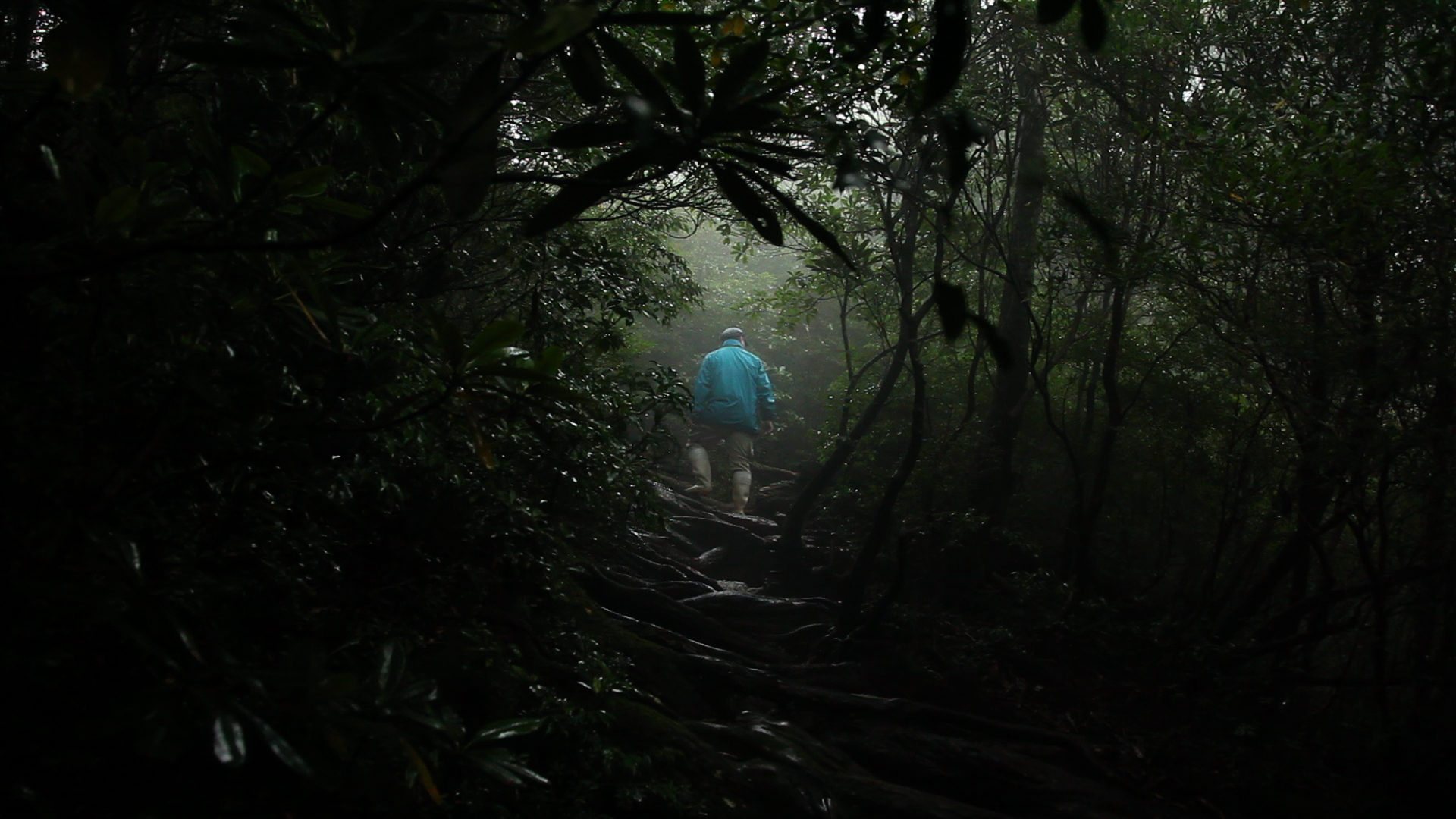
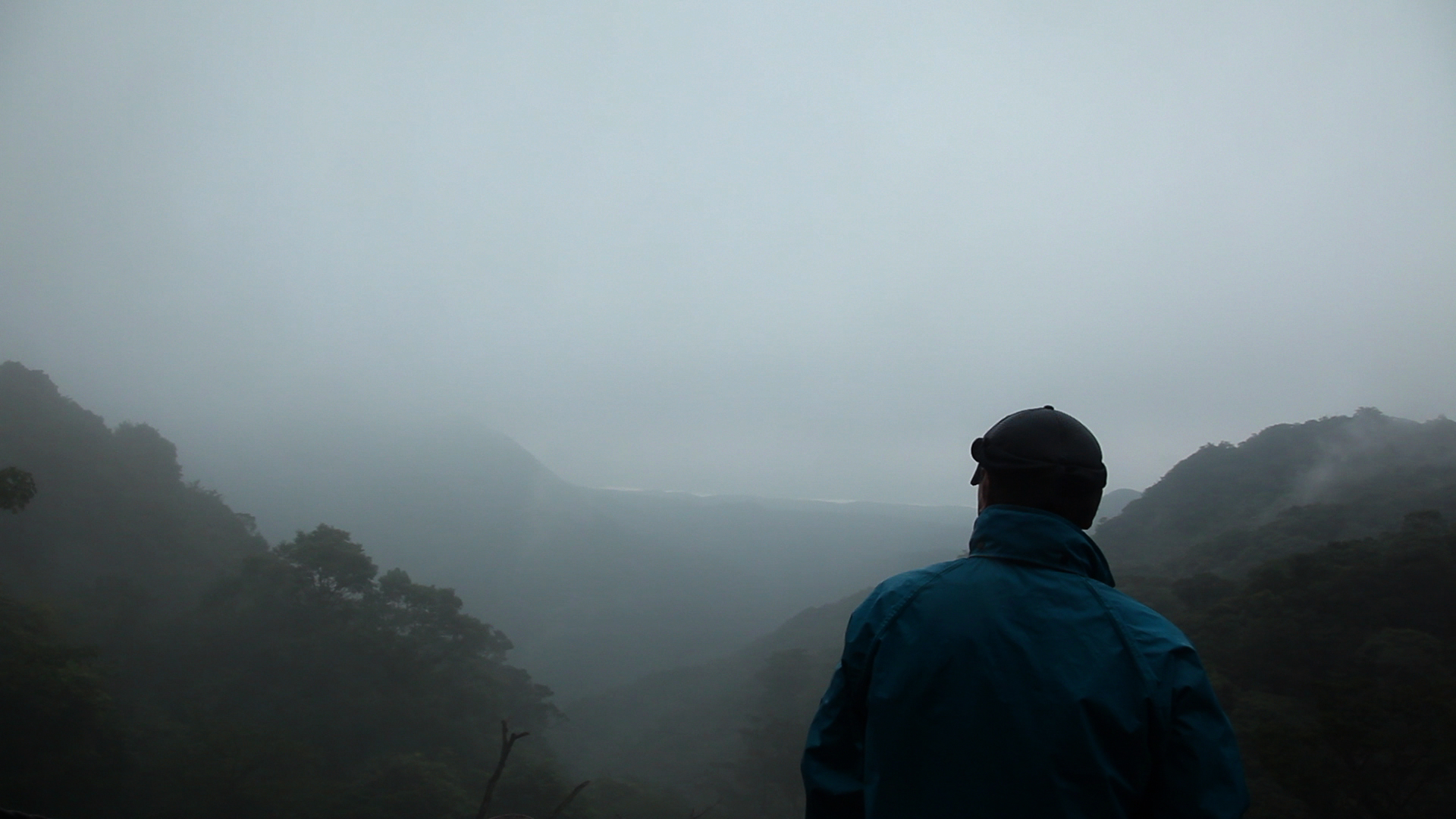
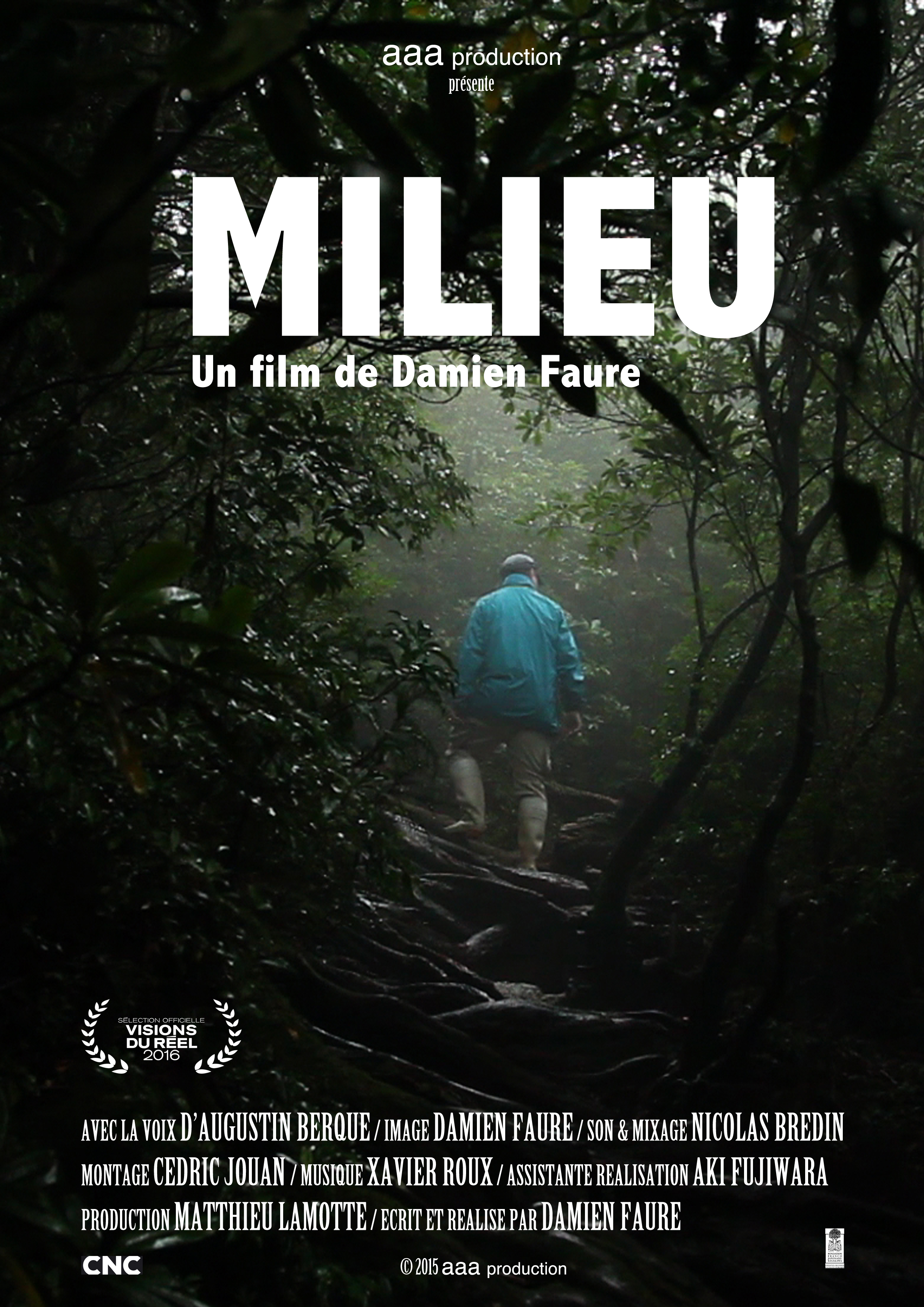
Milieu, the documentary released in 2015 by Damien Faure, opens on a black screen, the only point of reference being the voice of geographer and Orientalist Augustin Berque. The author of Japan: Nature, Artifice and Japanese Culture invites the viewer to question the idea of nature. Over 52 minutes, Damien Faure dissects the untamed, preserved nature found on Yakushima Island, and the close, respectful bonds that exist between it and the inhabitants of this piece of land off the coast of Kyushu Island and above which the clouds appear suspended.
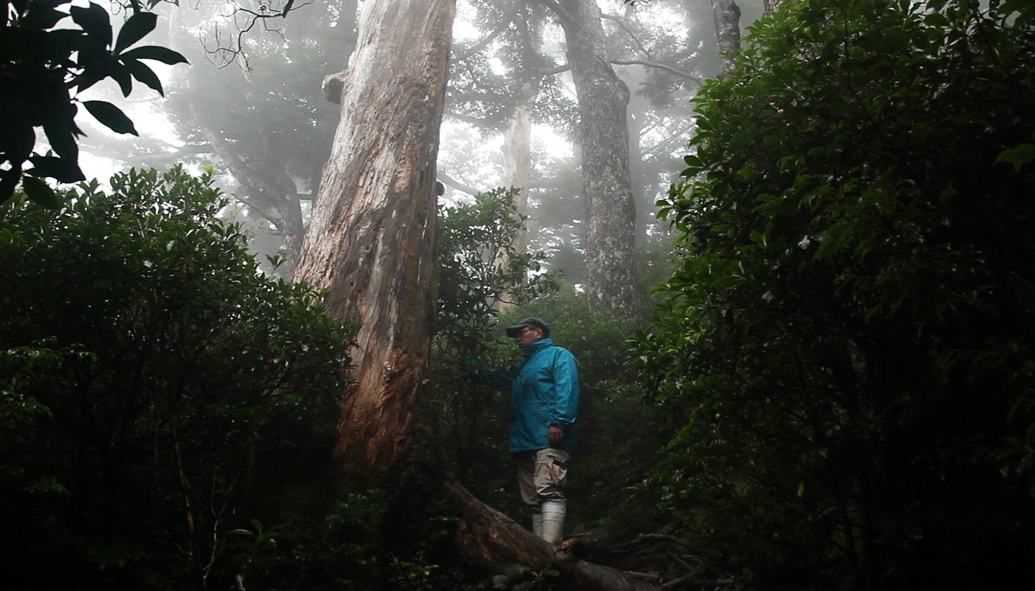
In 2012, the director examined sprawling Tokyo in his documentary Espaces intercalaires (‘Intercalary Spaces’), whereas in Milieu, he depicts the kingdom of nature. Enhanced by contemplative shots in which nature expresses itself down to its tiniest movements, insects, plants, and trees take on a poetic dimension, sometimes in an enveloping silence and other times carried by soft music composed by Xavier Roux. The residents of the island show a profound respect for its nature; they see it not only as a plant kingdom, but also as a setting for the Shinto gods.
Humans, nature, and gods
As a typhoon prepares to sweep across this small piece of land spread over just 500 km2, the film features islanders who discuss the relationships they have forged with nature and its gods over the years, as well as the rites and rituals that take place through the year and the stories passed down from their elders.
Even more than these testimonies from the island’s inhabitants and the thoughts expressed by Augustin Berque, however, it is nature whose voice rings out most in Milieu, in an enticing rustle of plants made up of microsounds, sometimes barely discernible, but that Damien Faure allows the audience to hear thanks to the silence of humans.
Milieu (2015), a film by Damien Faure, is available to stream on film-documentaire.fr.
© aaa production
© aaa production
© aaa production