Ryuichi Sakamoto Dedicates a Concert to His Chinese Fans
The artist has shown his support for people in quarantine in China due to the Covid-19 epidemic in a video posted on YouTube.
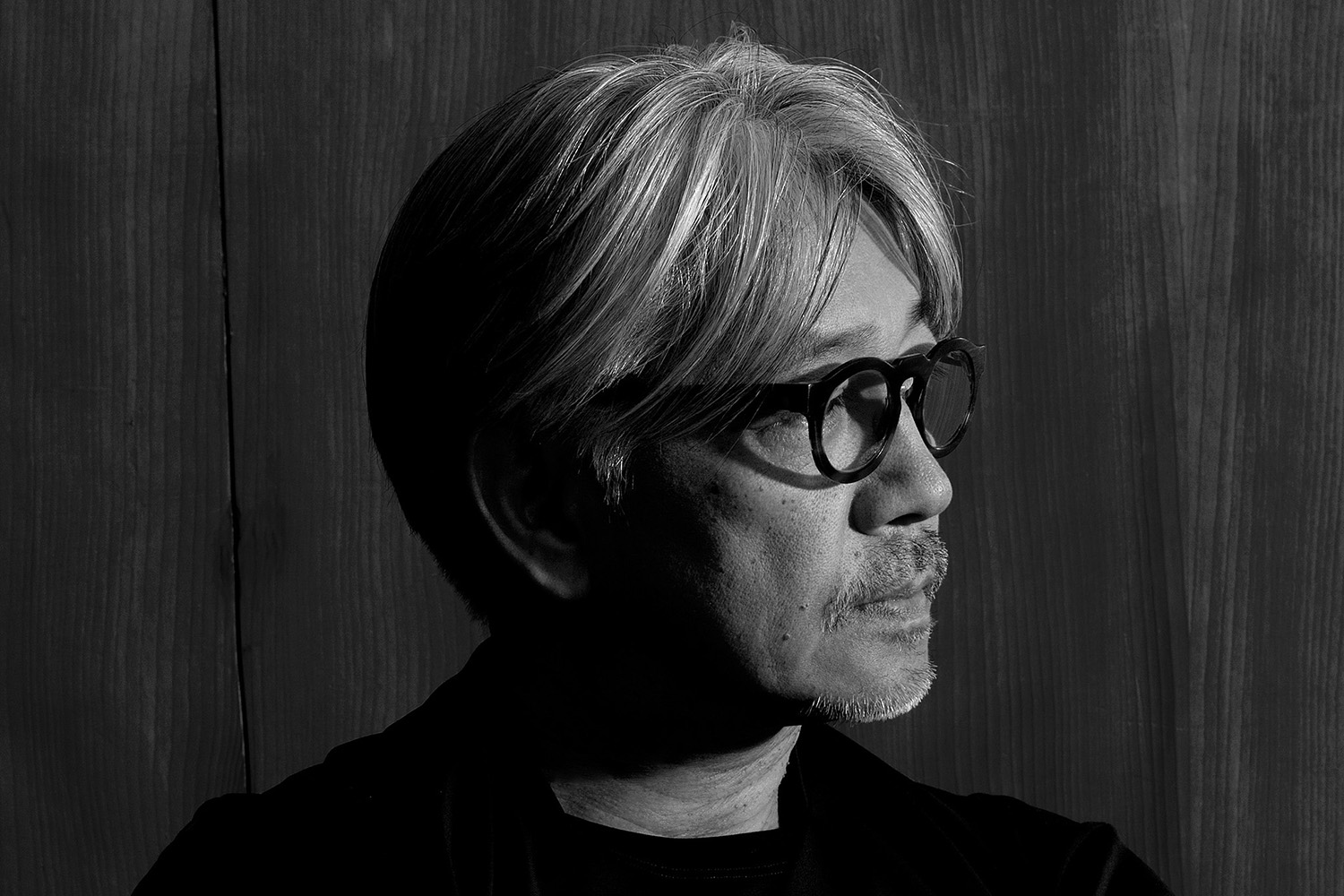
Ryuichi Sakamoto © KAB America
Ryuichi Sakamoto, musician and founder of the group Yellow Magic Orchestra, was supposed to play at the Beijing Contemporary Art Foundation at the end of February 2020 as part of the exhibition entitled Voluntary Garden. Nine musicians, including the Japanese composer, were due to give improvised performances in the Foundation’s traditional garden, surrounded by sound and video installations. But the Covid-19 epidemic led to the concert being cancelled, so the organisers decided to hold it online, on the Chinese platform Kuaishou.
Ryuichi Sakamoto took part in the event, rebaptised as Voluntary Garden Online Concert: Sonic Cure, from his apartment in New York. The performance was then posted to his YouTube channel. Wearing a roll-neck jumper and round glasses, he improvised for thirty minutes, all in black-and-white.
An intimate digital concert
In this eclectic, almost meditative performance, the musician improvises sounds by hitting stones together gently, before sliding them across a cymbal or dropping them into an earthenware container. Ryuichi Sakamoto then picks up a crystal bowl and a Tibetan bowl, which he makes vibrate using a bow, before sitting down at the piano and then playing the electric guitar.
The artist repeated this experiment in April on his YouTube channel, where he posted a video of the concert Playing the piano for the isolated, for people stuck in quarantine.
Voluntary Garden Online Concert: Sonic Cure (2020), a concert by Ryuichi Sakamoto, available to watch on his YouTube channel.
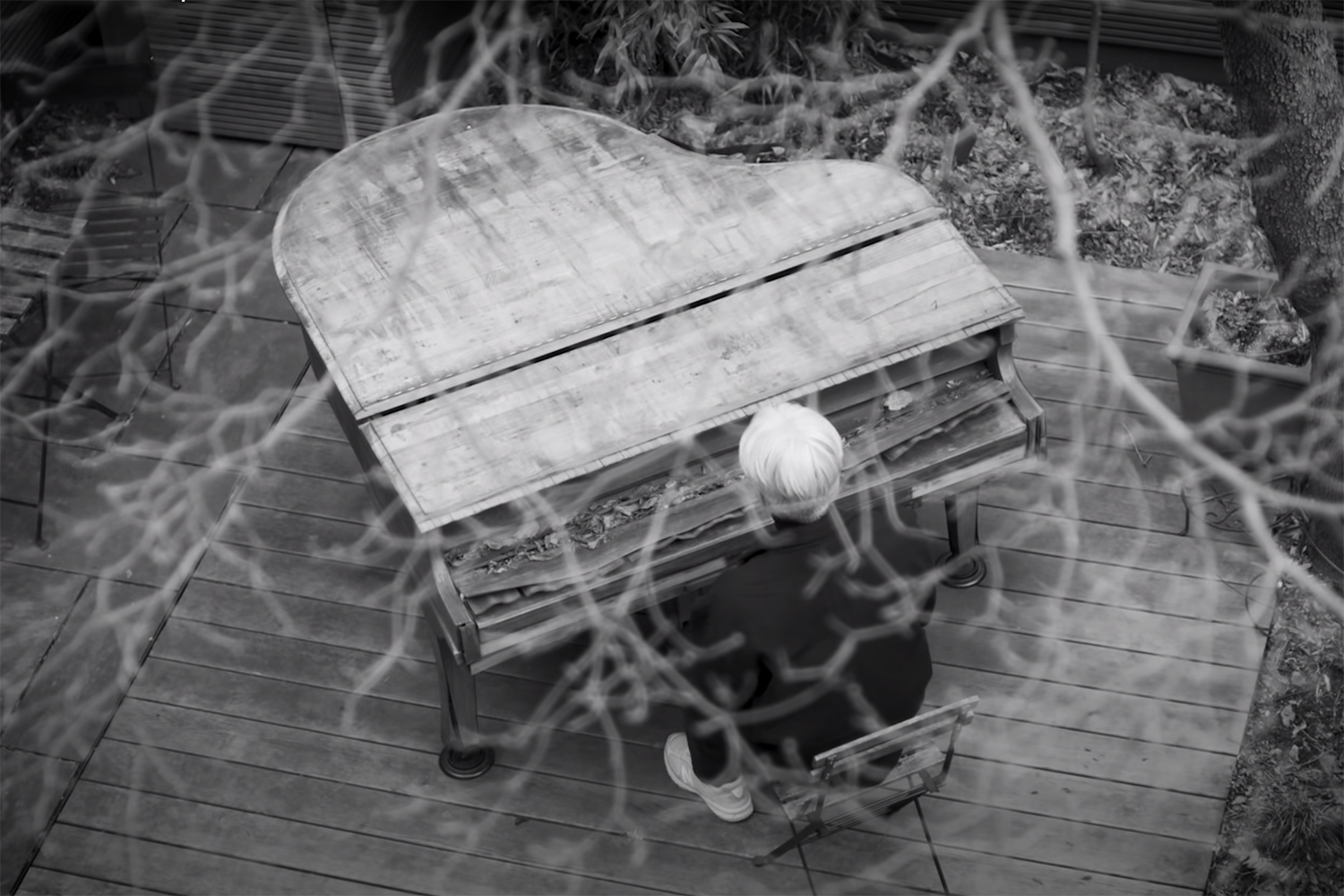
© Ryuichi Sakamoto - Screenshot from YouTube
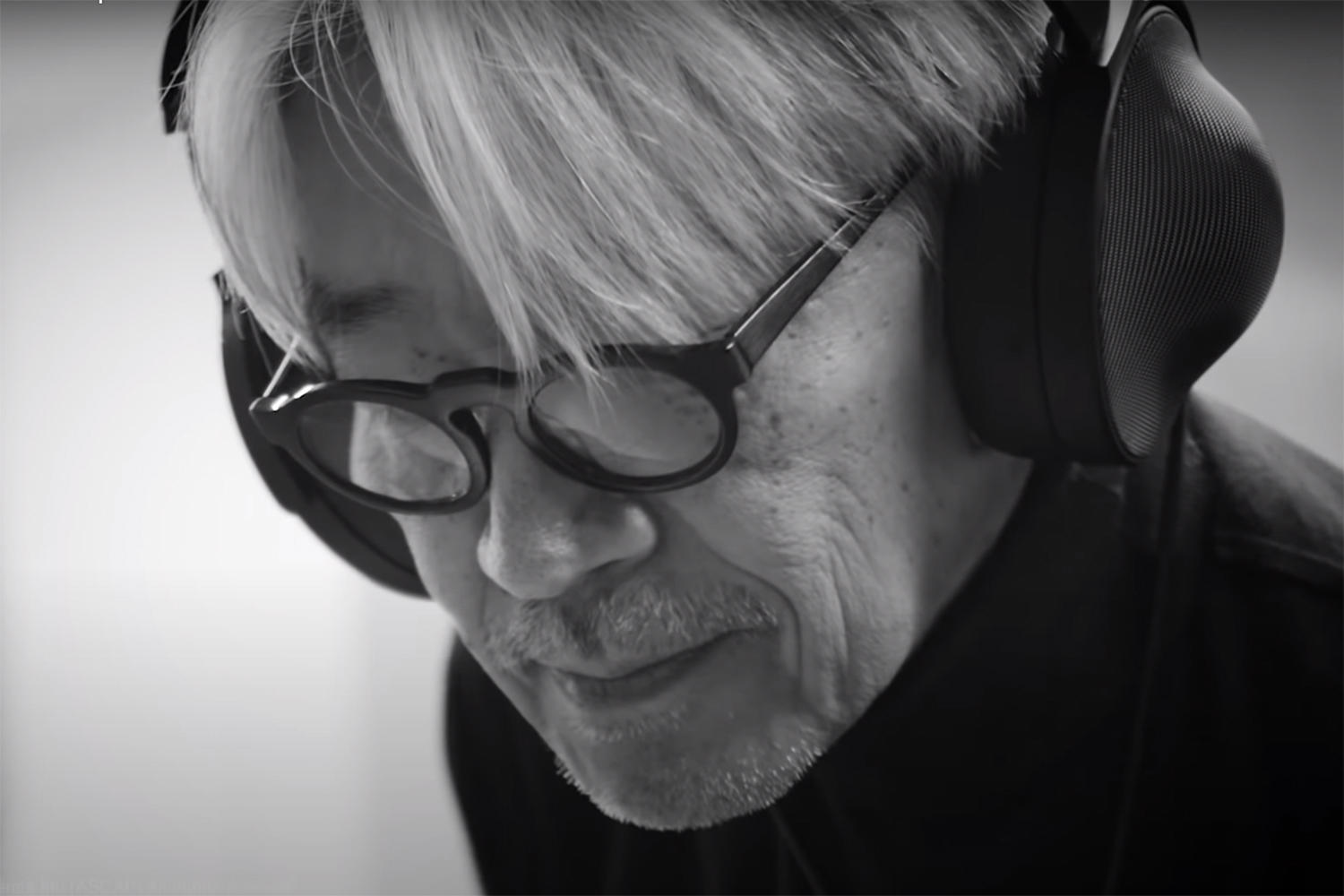
© Ryuichi Sakamoto - Screenshot from YouTube

© Ryuichi Sakamoto - Screenshot from YouTube