The Art of Simple Living by Zen Monk Shunmyo Masuno
The Japanese monk and garden designer shares one hundred tips to reconnect with the world in his book ‘Zen, the Art of Simple Living.’
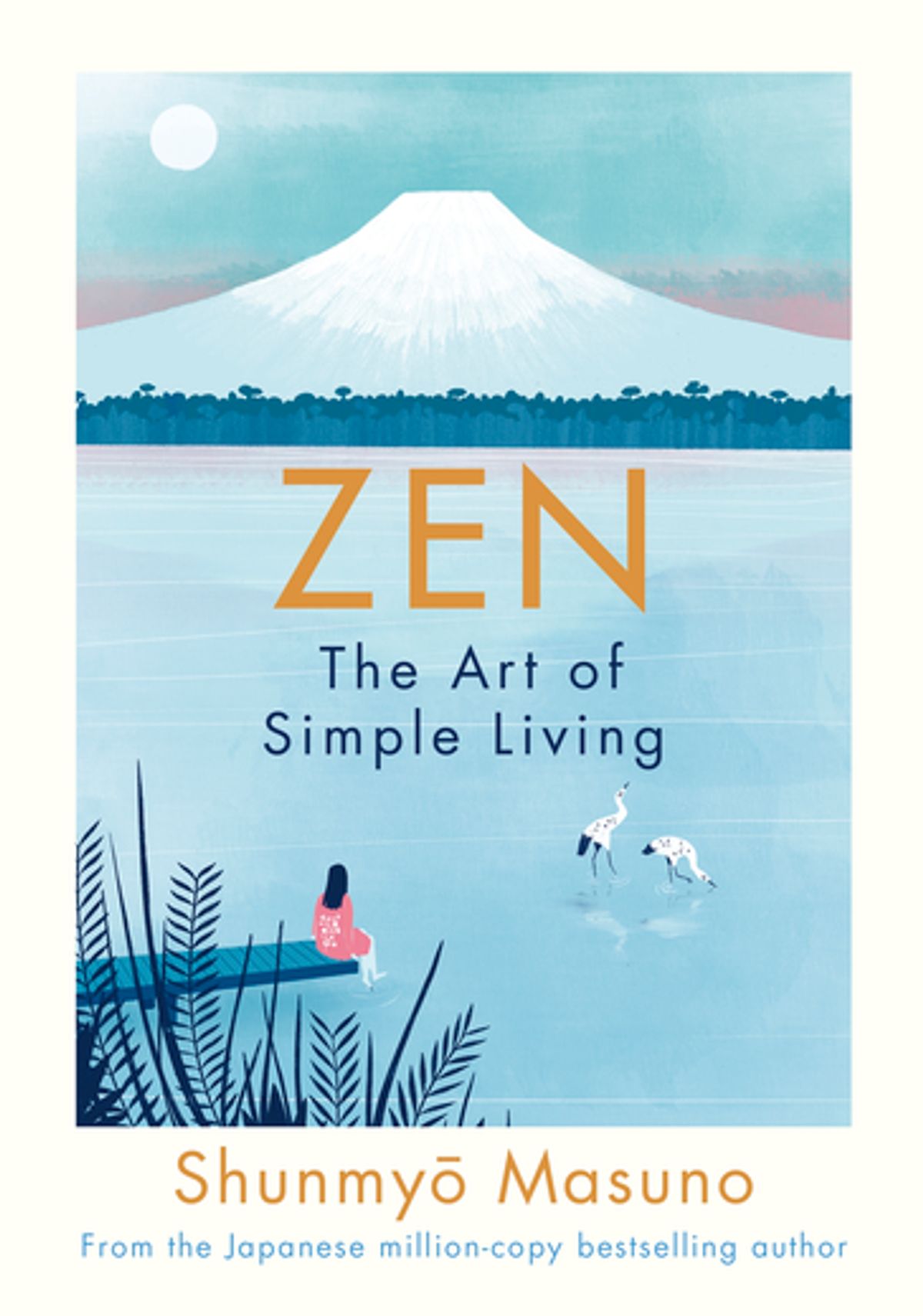
© Penguin Michael Joseph
‘Zen is about habits, ideas, and hints for living a happy life’, declares zen monk Shunmyo Masuno in the foreword to his book. The monk, who also designs zen gardens for temples, hotels, and embassies, shares with readers one hundred actions to help them live simply, with a peaceful mind.
In his book Zen: the Art of Simple Living, he divides various forms of action into four chapters to focus on the essentials: 30 actions to fill one’s ‘present being’ with energy, 30 actions to gain confidence and courage, 20 actions to dissipate doubts and worries, and finally 20 actions to make each day the best it can be.
A global bestseller
‘Zen is based on teachings that fundamentally concern the way humans can live in the world that surrounds them’, explains the author, who regularly visits prestigious universities like Harvard and Cornell in the USA.
This bestseller, which has sold over 500,000 copies in Japan and has been translated into 24 languages, considers itself more as a book the reader can dip into for tips than an object to be read in a continuous, linear manner. Each page corresponds to an ‘action’, accompanied by a little note that serves as instructions. Zen: the Art of Simple Living is the perfect addition for anyone wishing to achieve ikigai, a Japanese philosophy of living that helps people to be conscious in everything they do.
Zen: the Art of Simple Living (2019), by Shunmyo Masuno, is published by Penguin Michael Joseph.