Twelve Weeks to Find Your Ikigai
In ‘The Book of Ikigai’, Caroline de Surany proposes a plan to give a greater sense of meaning to one's life.
© Hardie Grant
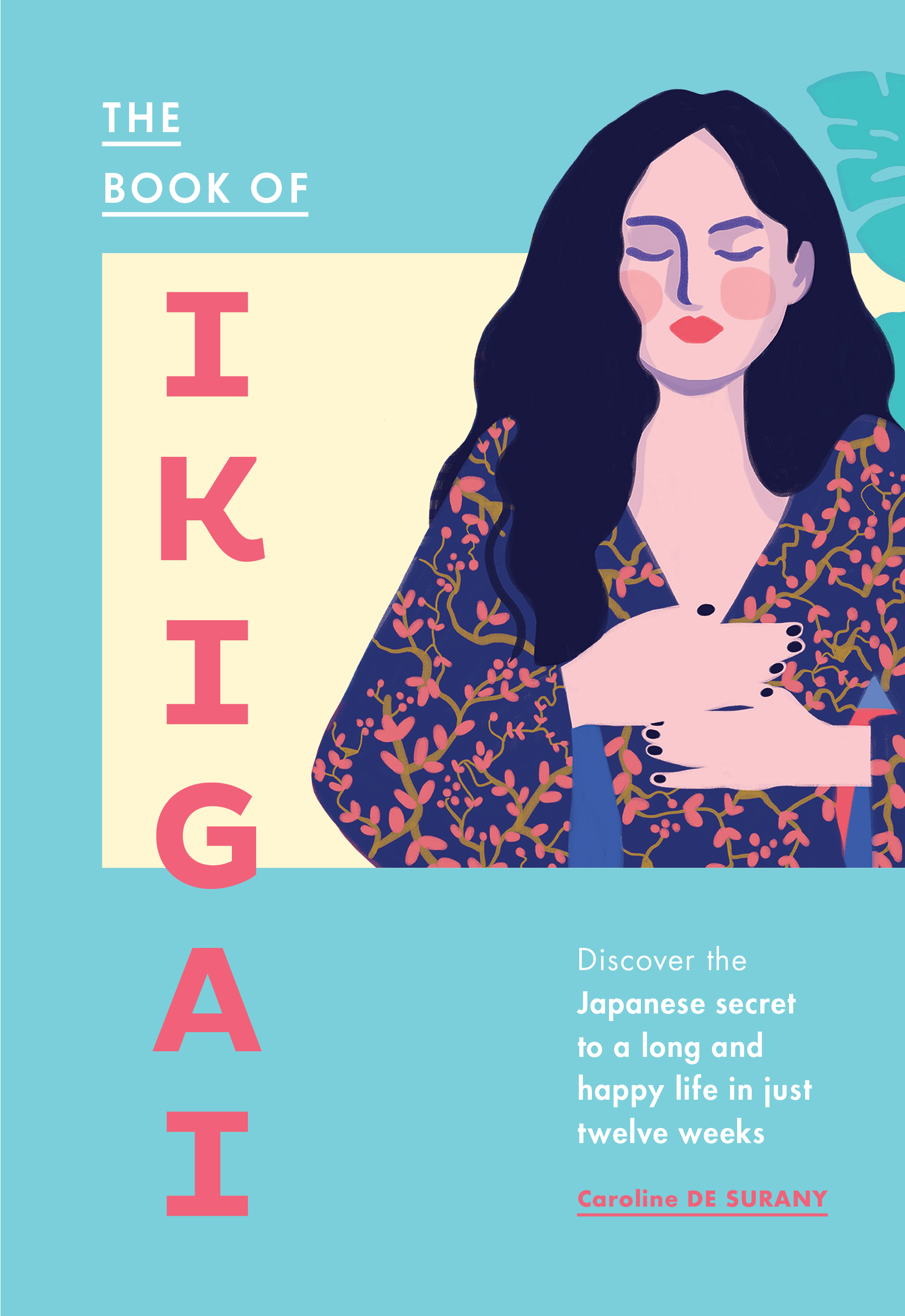
In The Book of Ikigai, Caroline de Surany has put together a 12-week plan that aims to reveal what brings each individual pleasure and gives meaning to one’s life.
Ikigai is one of the Japanese secrets to living happily and in good health. This term, which can be literally translated as “joy of living” or “reason for being”, lies at the crossroads between several elements: what brings us pleasure, what we have a talent for, and what gives us the sense that our life has meaning.
‘Ikigai is the combination of joy and meaning, not only giving meaning but giving a joyful meaning,’ explains Caroline de Surany. To find one’s own ikigai, the author, coach, and speaker shares in her book a twelve-chapter plan, with each chapter dedicated to one of the twelve aspects that allow individuals to know themselves and to know what is important to them.
From theory to pratice
Each chapter is divided into two parts, one theoretical and the other more practical, with personal development exercises to be done every day over a period of seven days.
It is a playful book that combines practical exercises with the discovery of Japanese concepts like wabi-sabi and kufu. It also lists a large number of bibliographic resources for those wishing to go deeper into the topics of each of the twelve chapters.
The Book of Ikigai (2018), by Caroline de Surany, is published by Hardie Grant.