Junya Ishigami, ‘Freeing Architecture’
The architect, who invites us to rethink construction as a responsible ecosystem, was exhibited in Paris in 2018.
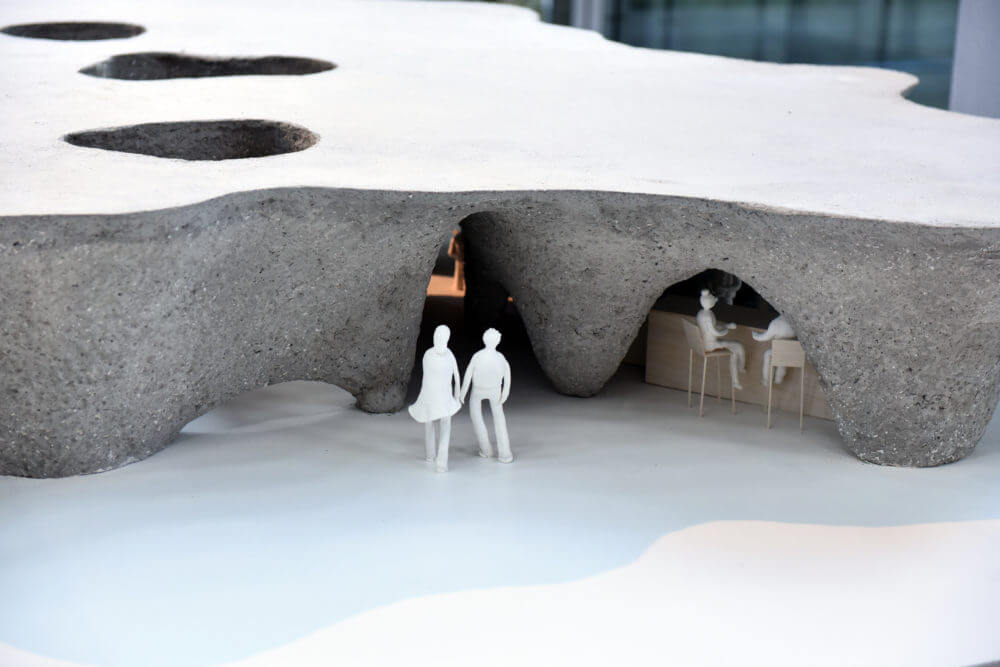
© Junya Ishigami Photo: Jean Picon
The melding of architecture and landscape where the boundaries between interior and exterior are erased: this is the concept developed by Junya Ishigami in each of his creations. Winner of the Golden Lion at the 2010 Venice Biennale, the Kanagawa-born architect embodies the renewal occurring in Japanese architecture and is known for his constructions that place a great deal of importance on the surrounding nature.
Aerial constructions that will last
To pay homage to this poetic and innovate world cultivated by Junya Ishigama, the Fondation Cartier for contemporary art in Paris ran the exhibition Freeing Architecture. The exhibition ran from March to September 2018 and comprised around 40 scale models created especially for the occasion, as well as films and sketches documenting the creation process of around 20 different buildings designed by the artist’s agency.
Whether he’s leaning towards the organic, the aerial, the aquatic, or the mineral, the artist invites us to rethink construction as a responsible ecosystem that’s built to last.
Freeing Architecture (2018), an exhibition of works by architect Junya Ishigami, was held at the Fondation Cartier pour l’art contemporain in Paris.
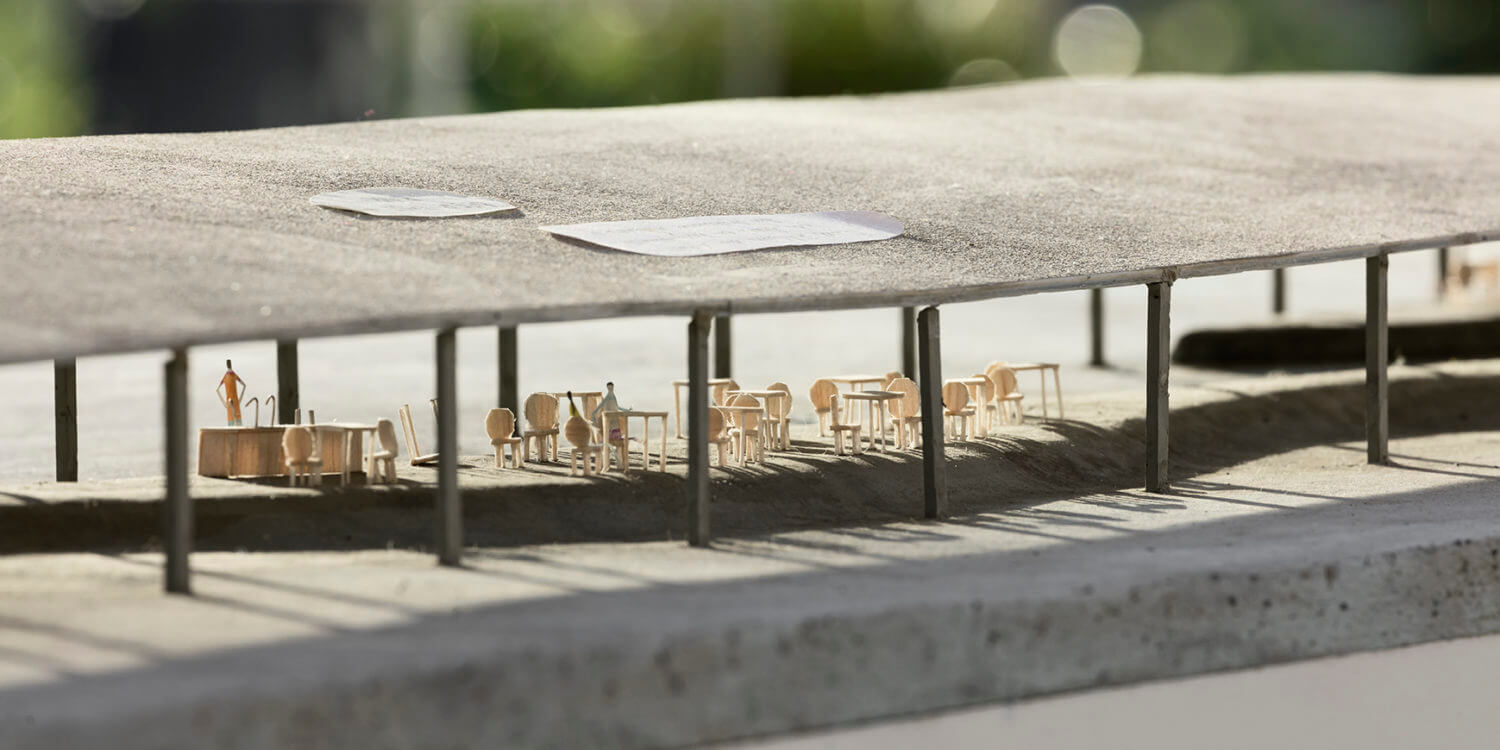
© Junya Ishigami Photo: Luc Boegly
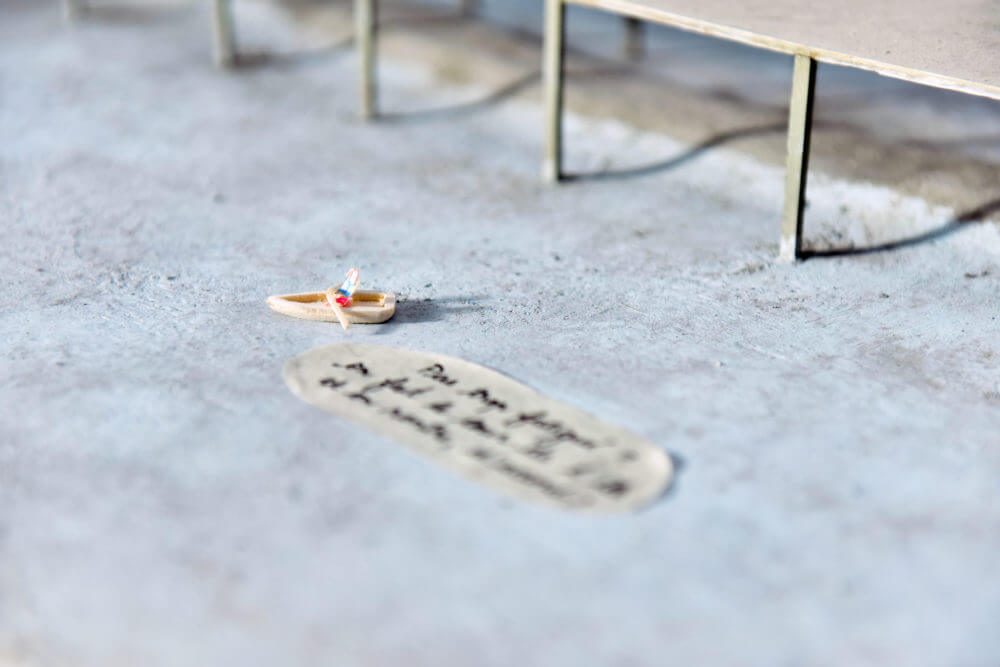
© Junya Ishigami Photo: Jean Picon

© Junya Ishigami Photo: Jean Picon