How Architect Kengo Kuma Turned 29 Containers into a Café in Taiwan
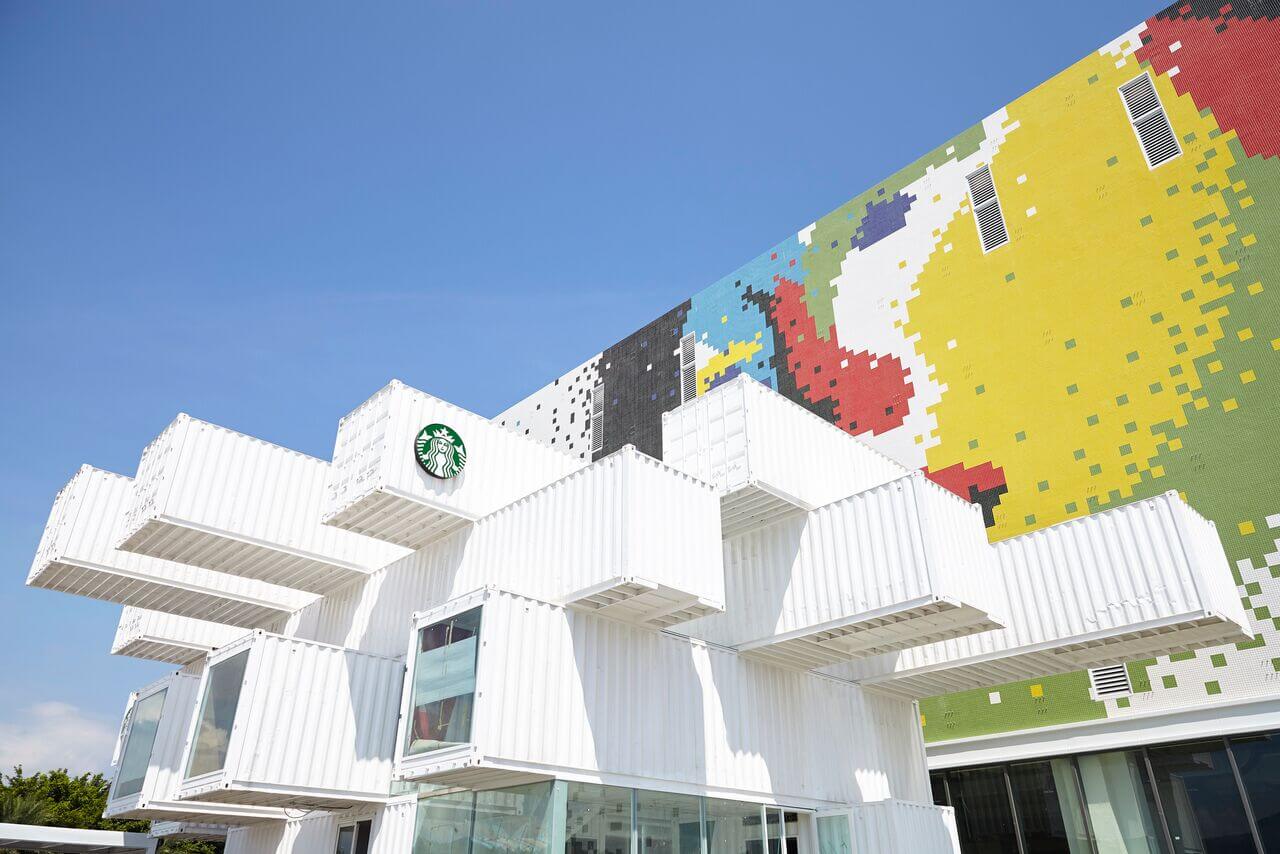
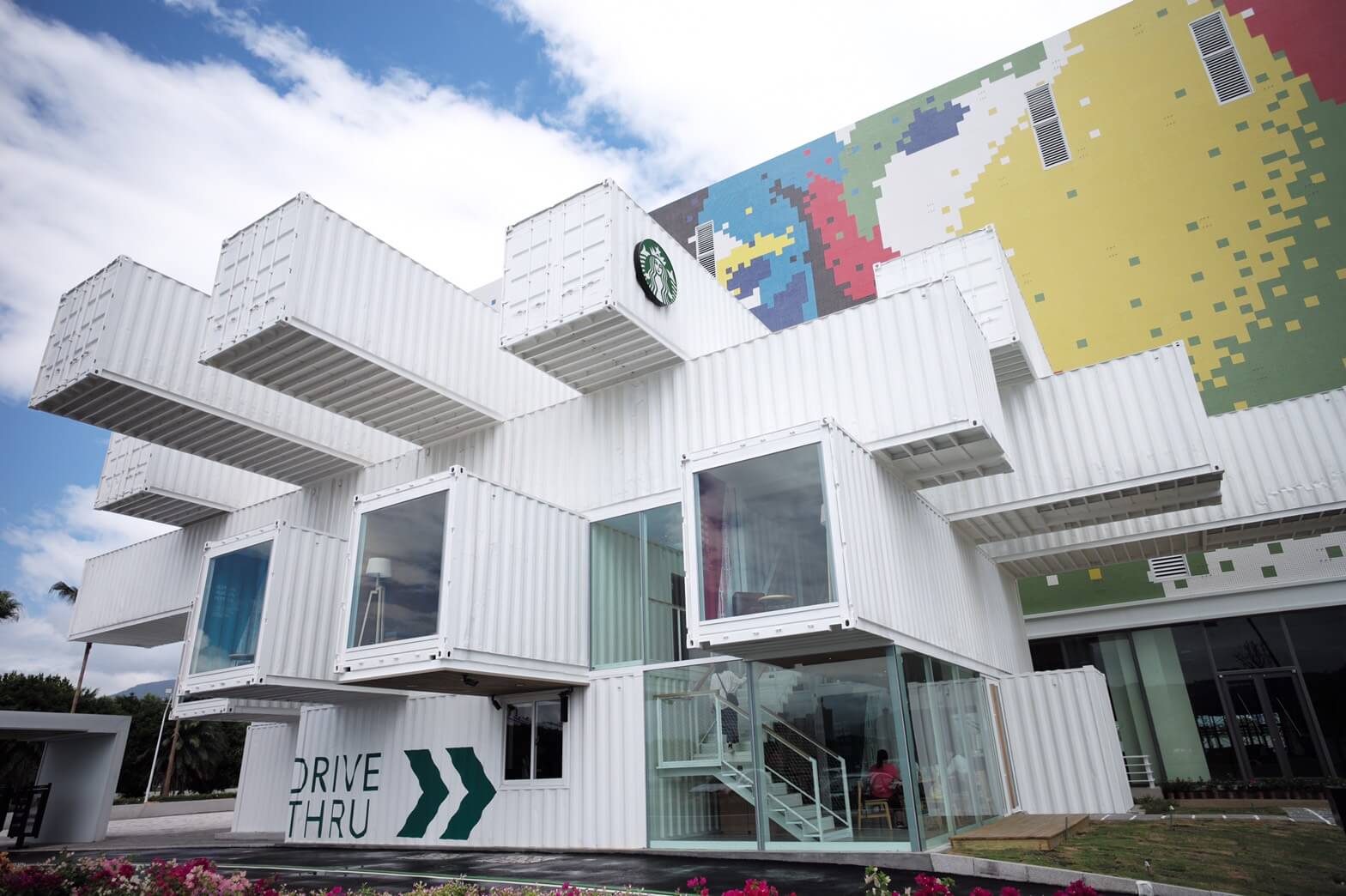
Located in Hualien County, the structure is painted entirely in white and welcomes visitors in a space spread over 320 square metres.
Courtesy of Starbucks.
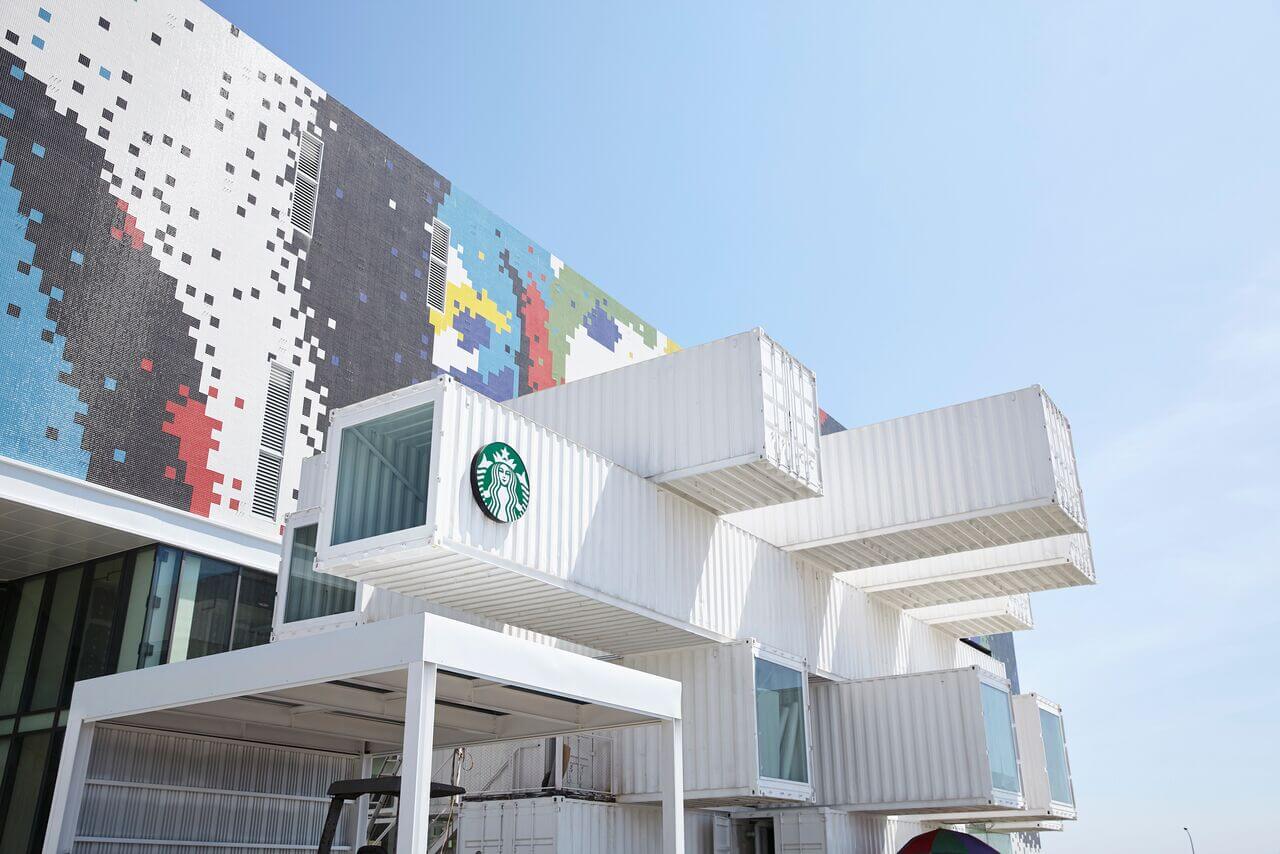
Japan’s star architect Kengo Kuma recycled and assembled 29 containers in order to open a café in Taiwan with a unique design. Located in Hualien County, which faces the Pacific Ocean, this structure painted entirely in white welcomes visitors in a space spread over 320 square metres.
While the café is owned by Starbucks (who own over 40 similar cafés/containers like this, mainly in the United States), the company’s branding is unusually nowhere to be seen. From the outside, only the emblematic green logo with its mermaid gives it away.
Containers with windows to let the light through
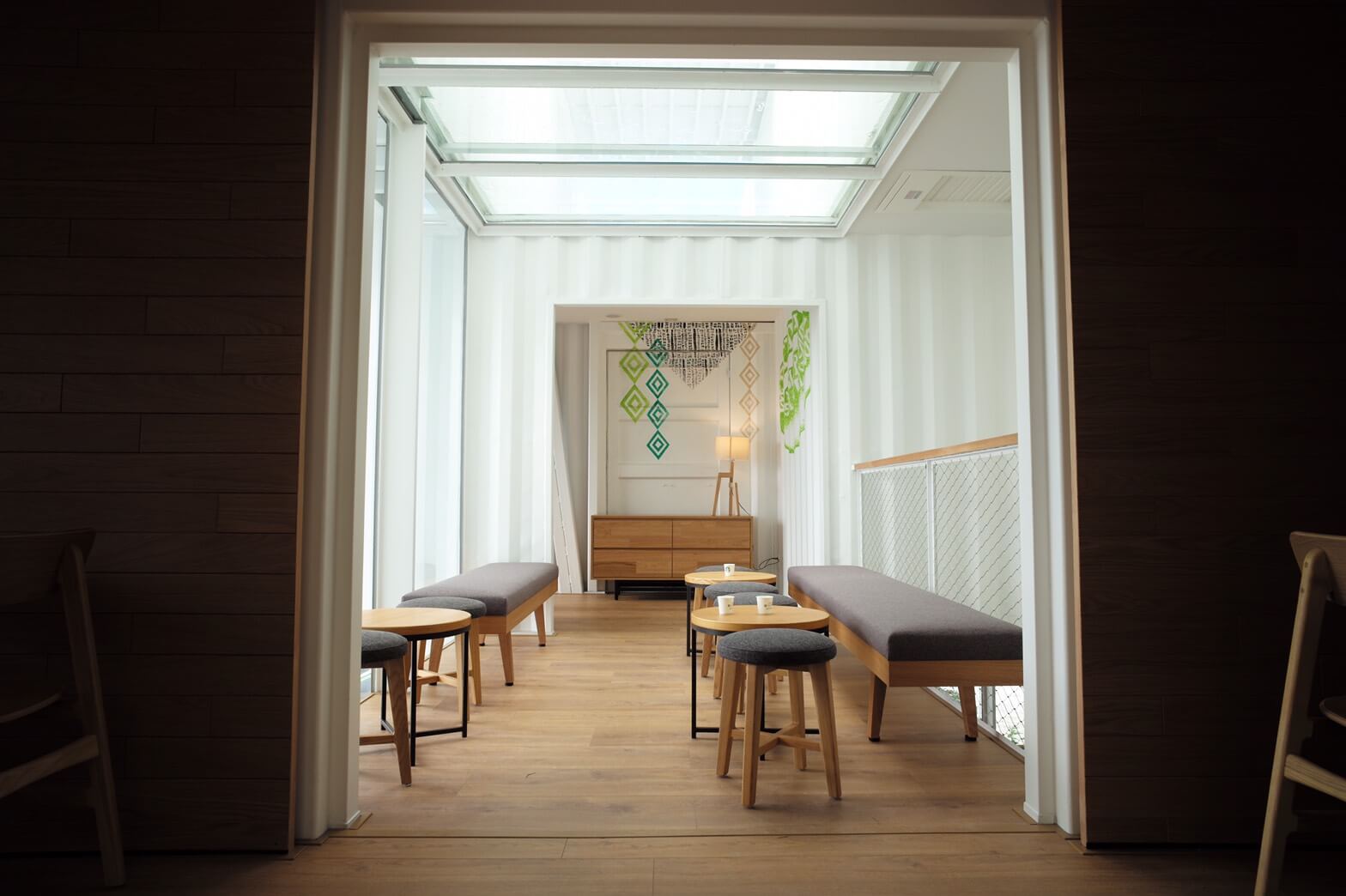
The space is bathed in natural light, with several bay windows creating an invisible bridge between the interior and exterior. Through one such window on the ground floor, cars and passers-by can order their coffee to go.
The project is the second collaboration between the architect and Starbucks. It was followed by the opening of a Starbucks Reserve Roastery in Tokyo in 2019. The design of the boutique, created to offer an immersive experience in the café world, was also entirely put together by the Japanese architect.
Starbucks Hualienbay Store (2018), an architectural project by Kengo Kuma, can be viewed on his website.
Courtesy of Starbucks.
Courtesy of Starbucks.
Courtesy of Starbucks.
Courtesy of Starbucks.