Alpine Walks and Hot Springs in Hachimantai
With lush virgin forests, snowy peaks, and onsen, the Hachimantai region offers the perfect escape for nature enthusiasts.
© JNTO
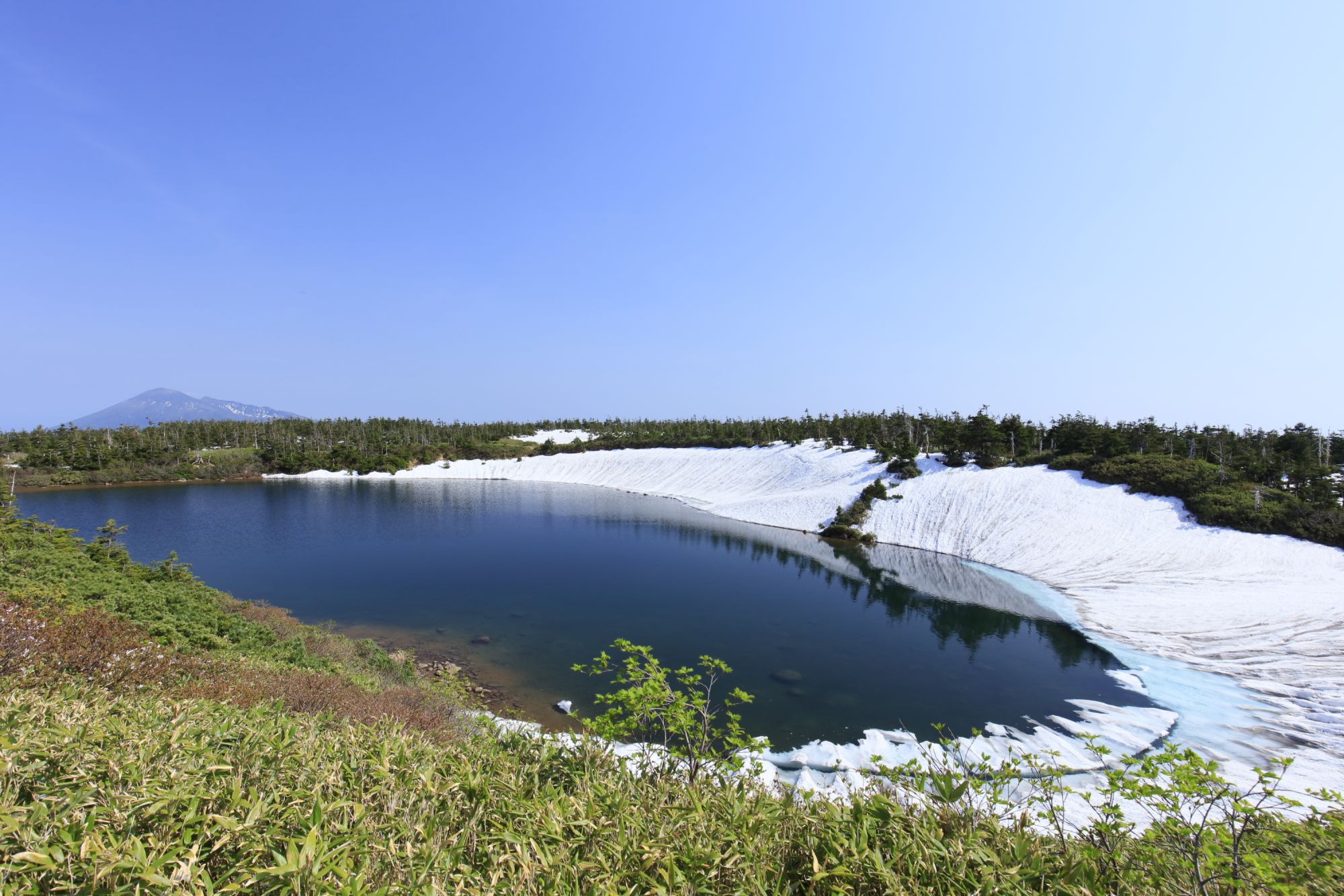
On the border between Iwate and Akita prefectures in the north of Honshu, the Hachimantai region is a little piece of paradise for those who enjoy hiking in the mountains, birdwatching, and practising winter sports.
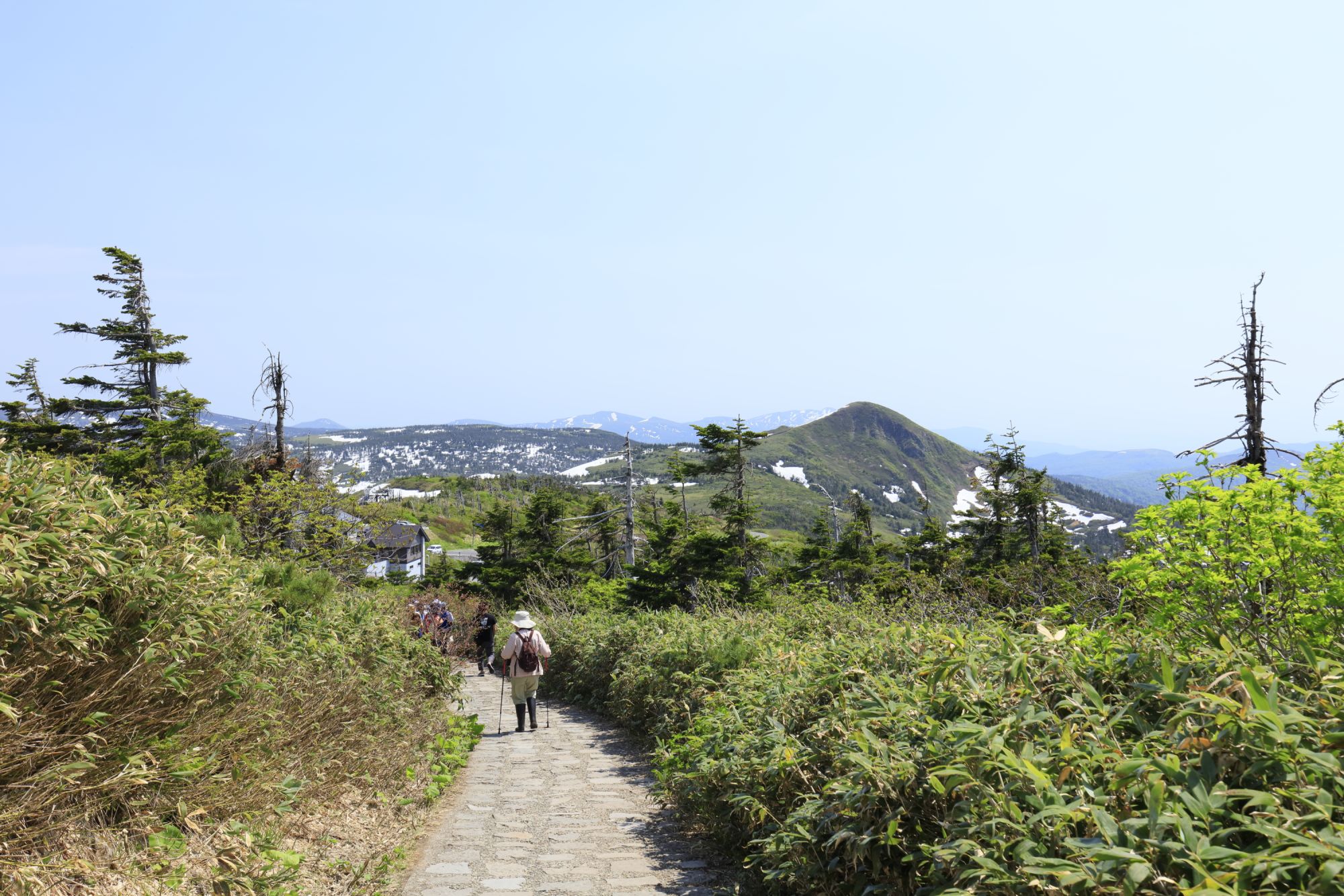
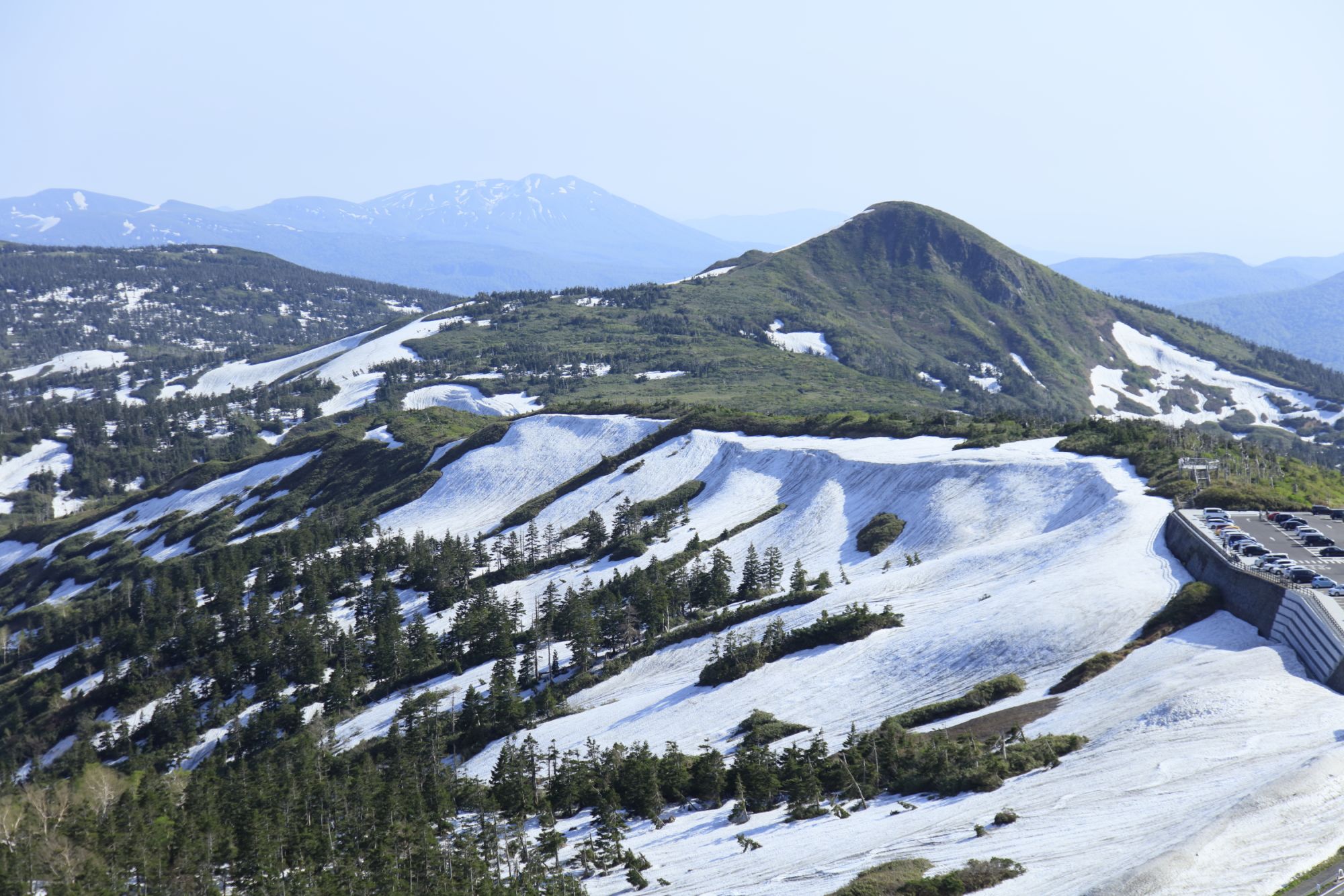
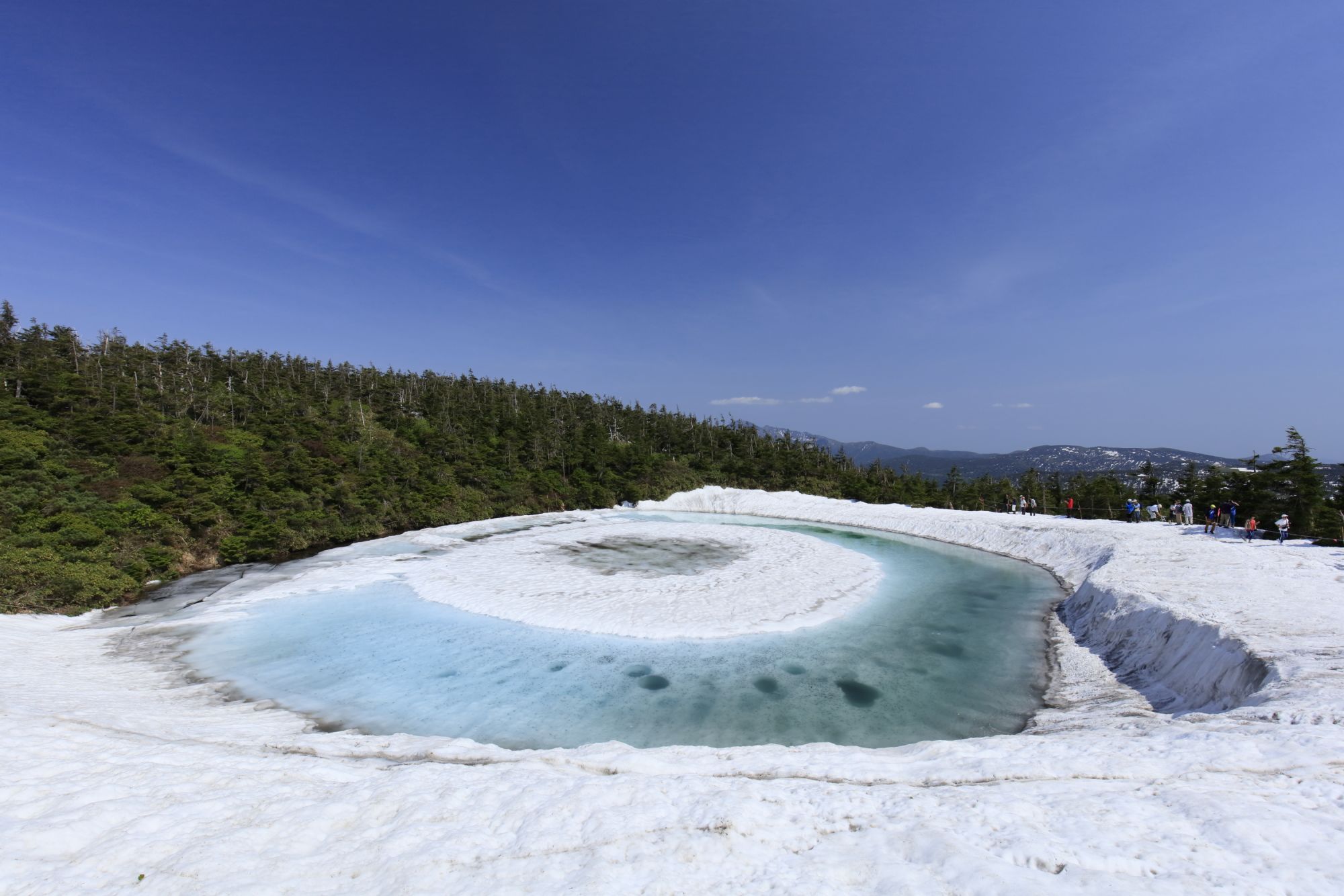
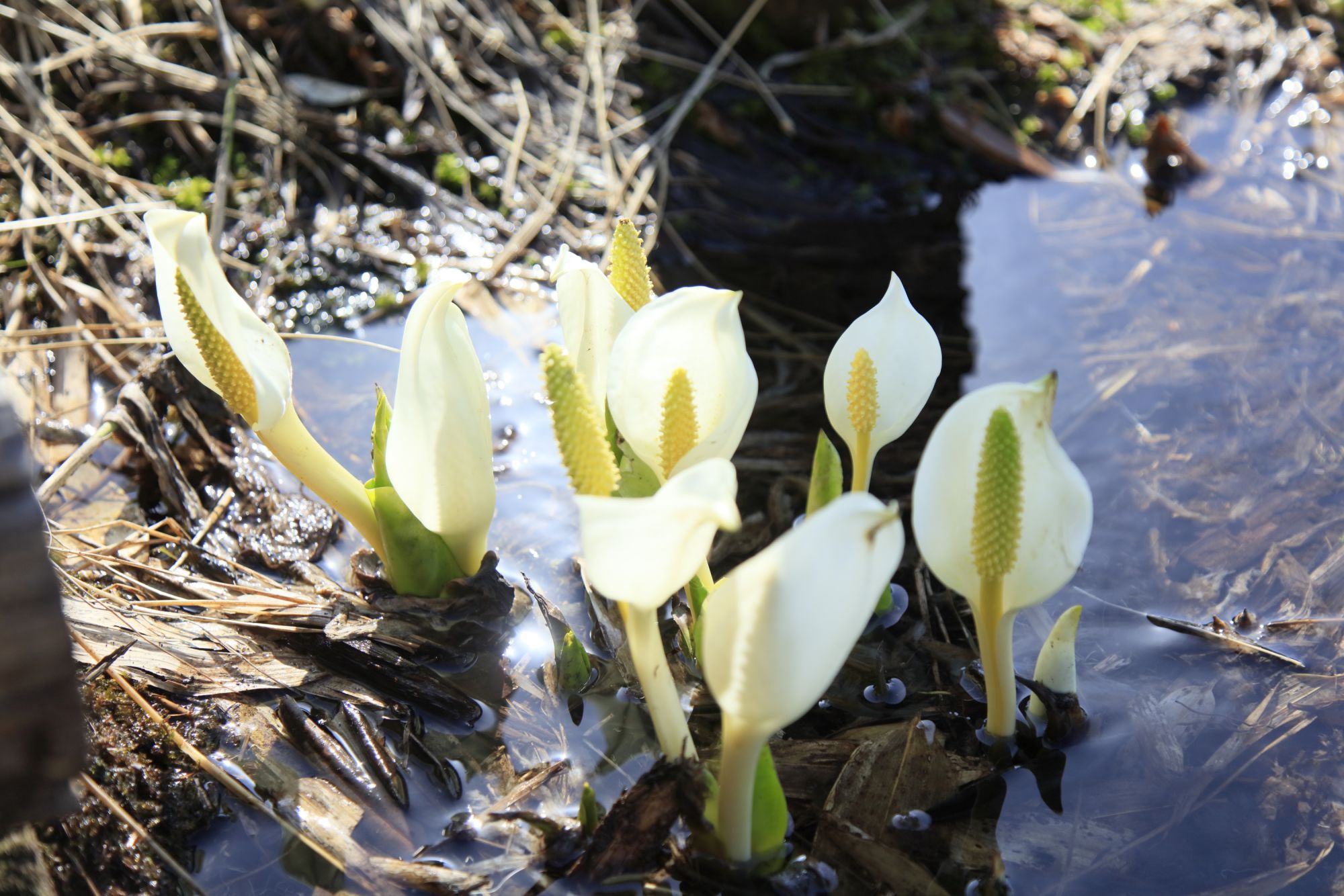
Mount Hachimantai, which stands at 1613 metres, making it the third highest mountain in Japan, is situated in the heart of Towada-Hachimantai National Park. This carefully protected natural area is now known for its wild bird population. It is the ideal location for hikes through virgin forests populated by beech trees or marshy areas where many different varieties of flowers and plants grow, such as yellow lilies and cabbages. When winter comes, visitors can hurtle down the volcano’s snowy slopes with thirteen different ski pistes, or head out on a snowshoeing trail.
A hotspot for hot springs
Finally, for fans of hot springs, many onsen can be found around Mount Hachimantai. The resort Hachimantai Onsen has numerous establishments with water that has diverse and complementary benefits. Fukenoyu Onsen, just below the summit of Mount Hachimantai, has open-air baths that offer a panoramic view over the surrounding mountains. Goshogake Onsen houses indoor baths made from scented pine, with a Japanese sauna and a pool with volcanic mud. Lastly, Tamagawa onsen is one of the most acidic hot springs in Japan.
More information about the Hachimantai region can be found on the Japan National Tourism Office website.
© JNTO
© JNTO
© JNTO
© JNTO