Kakureisen, the Saga Hot Spring Where a Crane Once Came to Heal
At this historic inn, a sand-bottomed bath and an ancient legend inspire a unique approach to bathing and gratitude.
Screenwriter Kundō Koyama advocates for the recognition of yudō, the ‘way of the bath’, alongside sadō, the way of tea, and kadō, the way of flowers, as a fundamental element of traditional Japanese culture. He immerses himself across Japan in different types of baths, from hot springs (onsen) to public bathhouses (sentō), as well as domestic bathtubs. In each issue of Pen, he records these journeys in his ‘Bath Chronicle’.
Kakureisen (Saga City, Saga Prefecture)
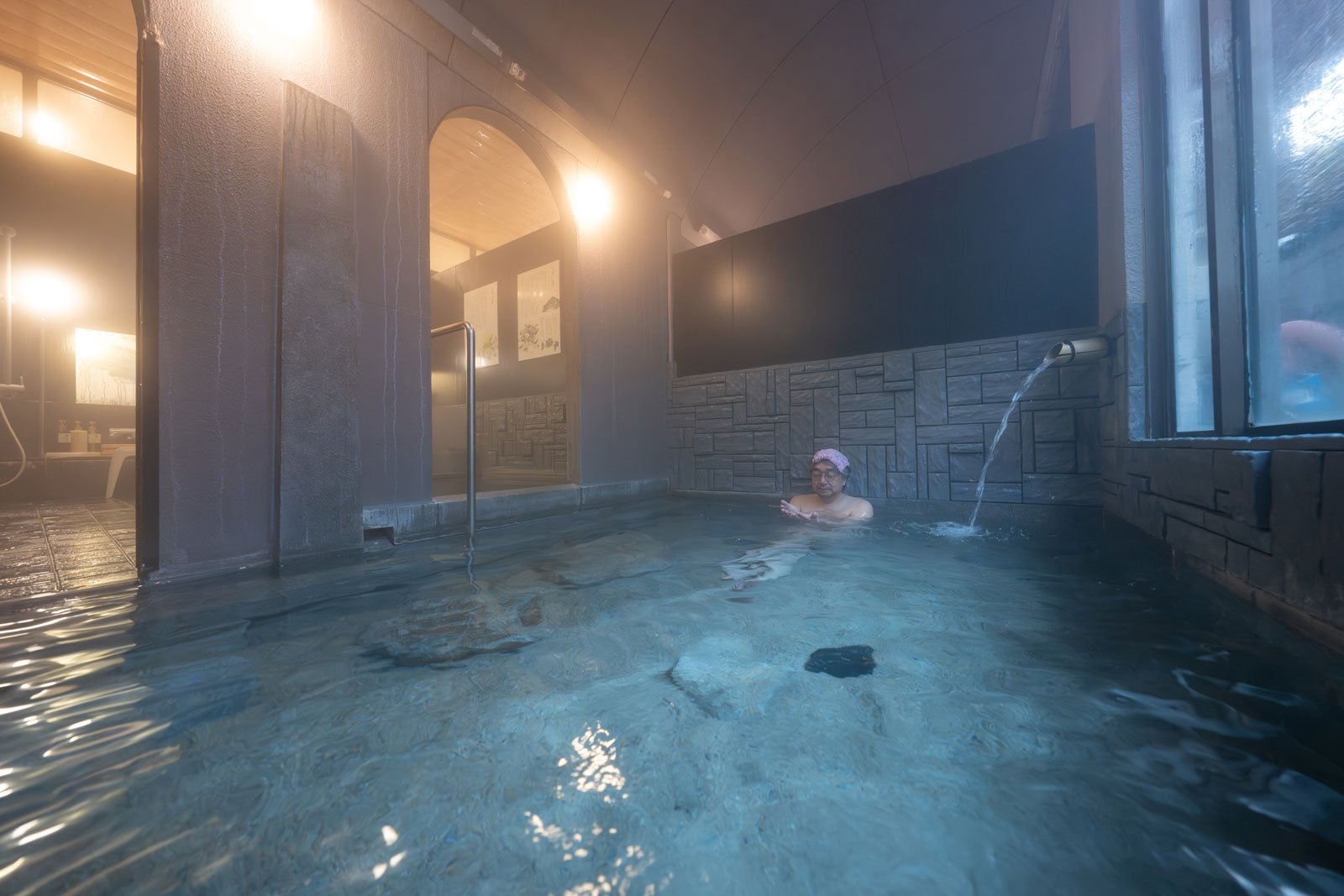
Kundō Koyama bathing in Kakureisen.
I felt as though I were bathing in a hot spring rising straight out of a river. The bottom of the bathtub was covered in sand. Known as sunayu, or a sand bath, this unusual feature allows the spring water to bubble up directly from the bedrock beneath your feet, with a layer of sand laid over the rock.
Located in a mountain valley about 20 kilometres north of Saga Station, at an altitude of 200 metres, Furuyu Onsen is said to have been discovered some 2,000 years ago by Xu Fu, who travelled from ancient China in search of an elixir of immortality. Centuries later, in the middle of the Edo period, a village headman named Inaguchi discovered a crane healing its wounds in the spring water. That very spot is now the sand bath, and the story gave rise to the name Kakureisen, meaning ‘Crane Spirit Spring.’
Eleven years ago, when the third-generation owner, Mr. Koike, took over the inn, he added the name ‘Tsuru no Ongaeshi: Yomigaeri no Yado,’ meaning ‘The Grateful Crane: An Inn of Renewal.’ Given that the spring was originally discovered in the pursuit of eternal youth and longevity, describing it as a place of renewal is particularly fitting. But what I find even more inspired is the idea of ongaeshi, or repaying kindness.
Mr. Koike wanted the inn to be a place where guests could express gratitude to the people who matter most to them. A husband, for example, might secretly book a stay to thank his wife for their many years together. During their visit, the staff can even prepare a surprise video upon request, to be shown in a dedicated ‘Gratitude Room’ equipped with a giant screen. Every member of staff welcomes guests with this shared spirit of giving thanks.
Soaking in these waters makes me think of the people who are important to me, and of the countless reasons I have to be grateful to them. Perhaps the ability to inspire such feelings is one of the true marks of a great hot spring.
Kakureisen
Address: 875 Furuyu, Fuji-cho, Saga City, Saga Prefecture
Phone: +81 952-58-2021
Hours: 11:00–14:00 (last admission at 14:00, day-use bathing)
Admission: Adults ¥1,000 / Children ¥500
kakureisen.com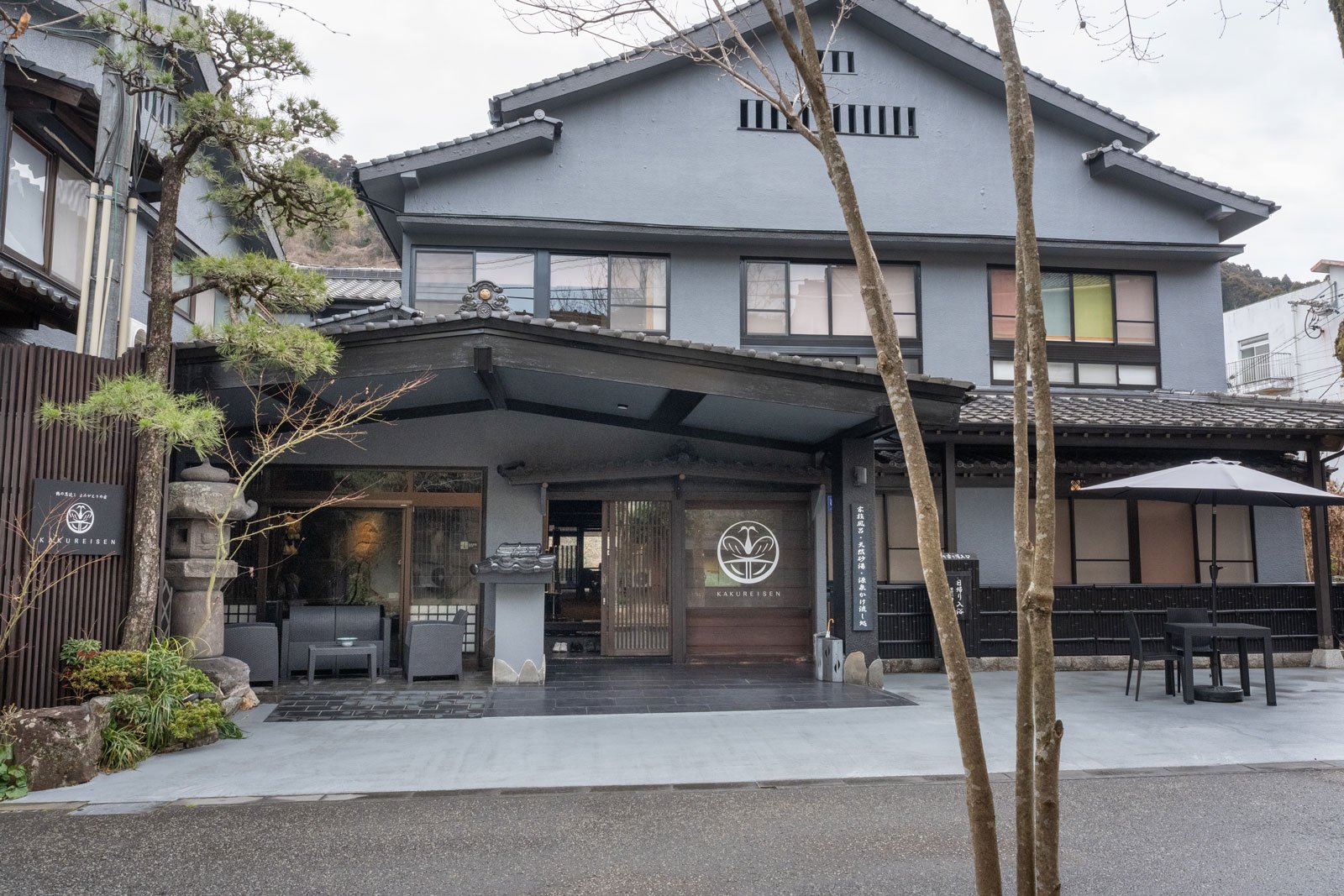
About a 30-minute drive from JR Saga Station. According to legend, a crane once healed its injured leg in these waters. A local study has suggested that regular bathing at Furuyu Onsen may offer benefits such as reduced blood pressure and improved antioxidant activity.
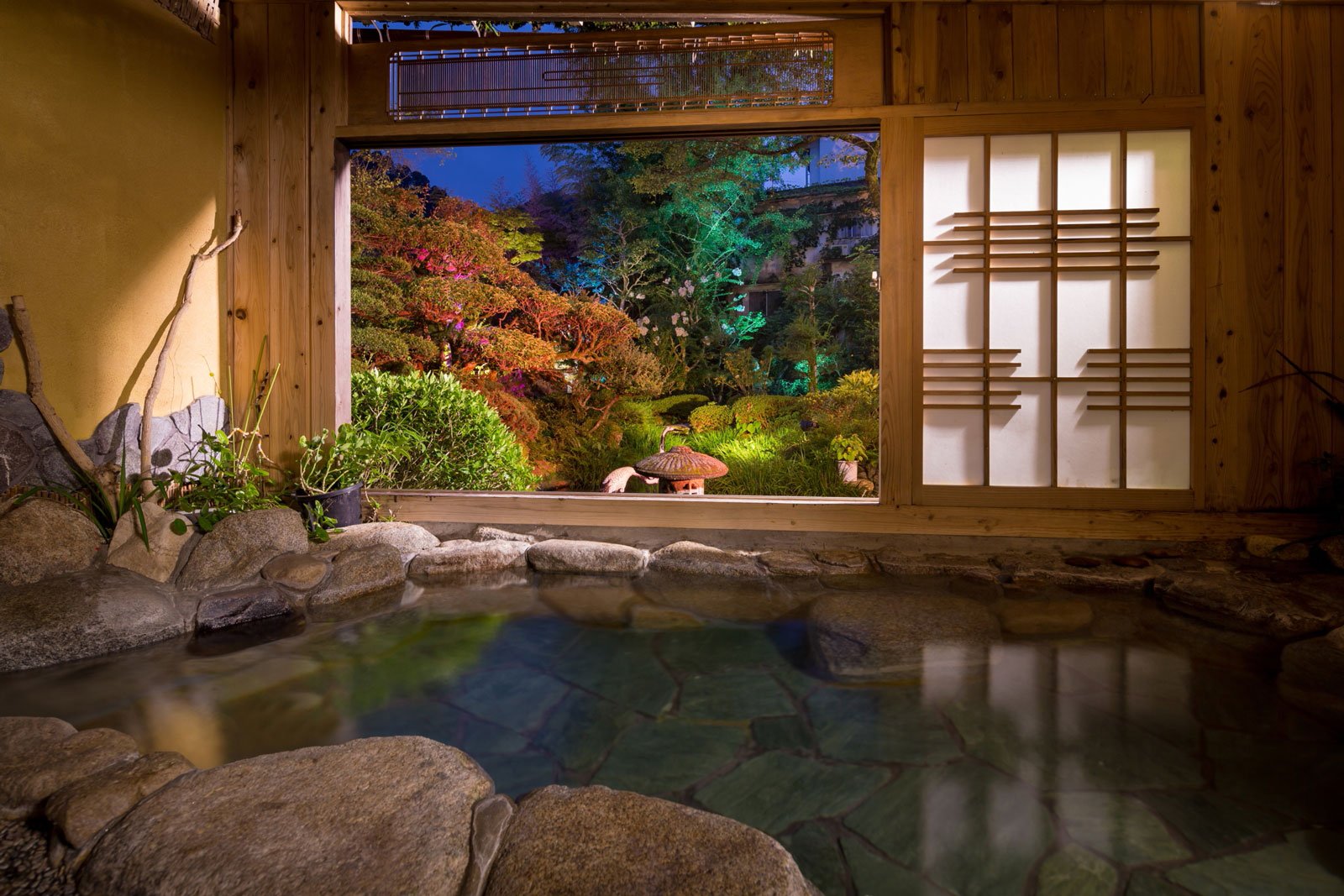
The bath in the ‘Kame’ VIP suite in the annex, prepared for a visit by Prince Takamado, offers views of the garden, the Kase River and Mount Tenzan.