A Colour Unique to Okinawa
At LEQUIO, visitors can witness first hand the age-old tradition of indigo dying, or even have a go at the process themselves.
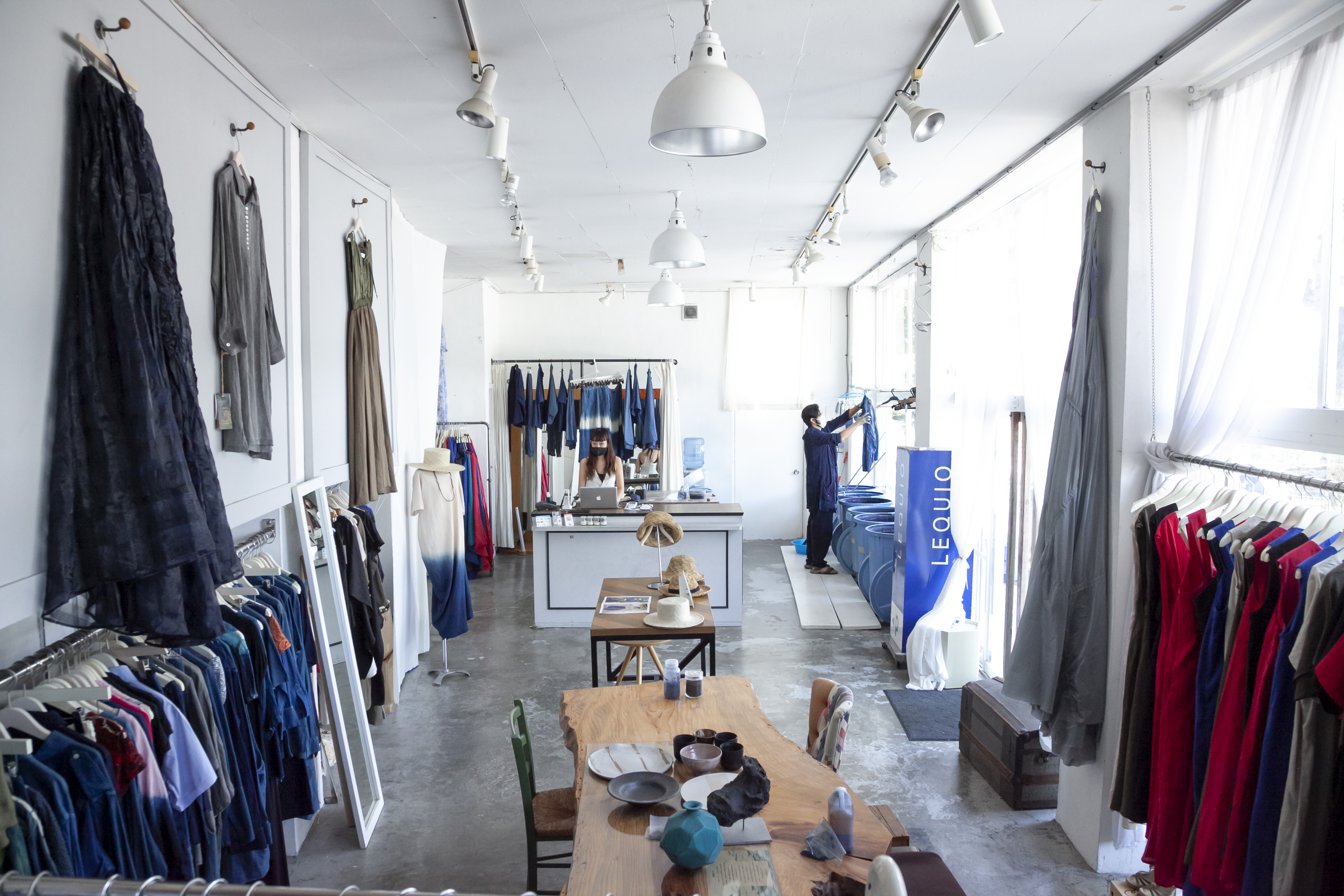
Clothes are dyed using indigo.
LEQUIO is a local fashion brand that makes use of Okinawa Indigo to dye a wide variety of casual island wear.
Indeed, the combination of traditional dye with modern clothing designs makes for some unique products.
If prior arrangements are made, the store even offers a hands-on experience of this dying process (alternatively you may be able to witness the staff dying clothes when you visit).
Also, there is a designer and patterner on-site, meaning that you can even order clothes you like on the spot. If you enjoy clothes that feature the natural navy color that only indigo can provide, LEQUIO is definitely worth a visit to pick something up to wear home.
While the fashion is on the casual summer side, it does have a certain classy charm to it.
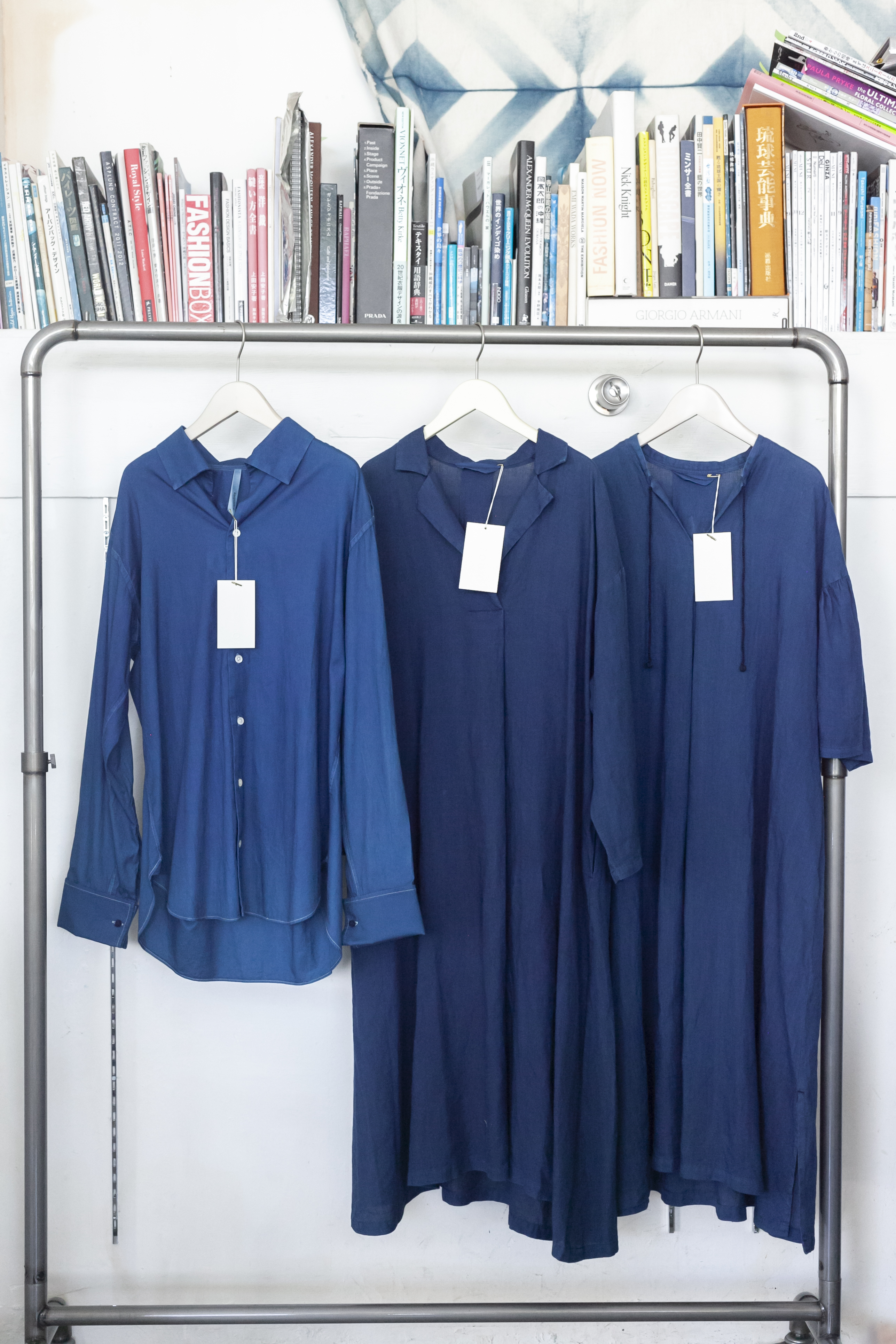
Products dyed with Ryukyu indigo. The two on the right are women's dresses, and the one on the left is a men's dress shirt.
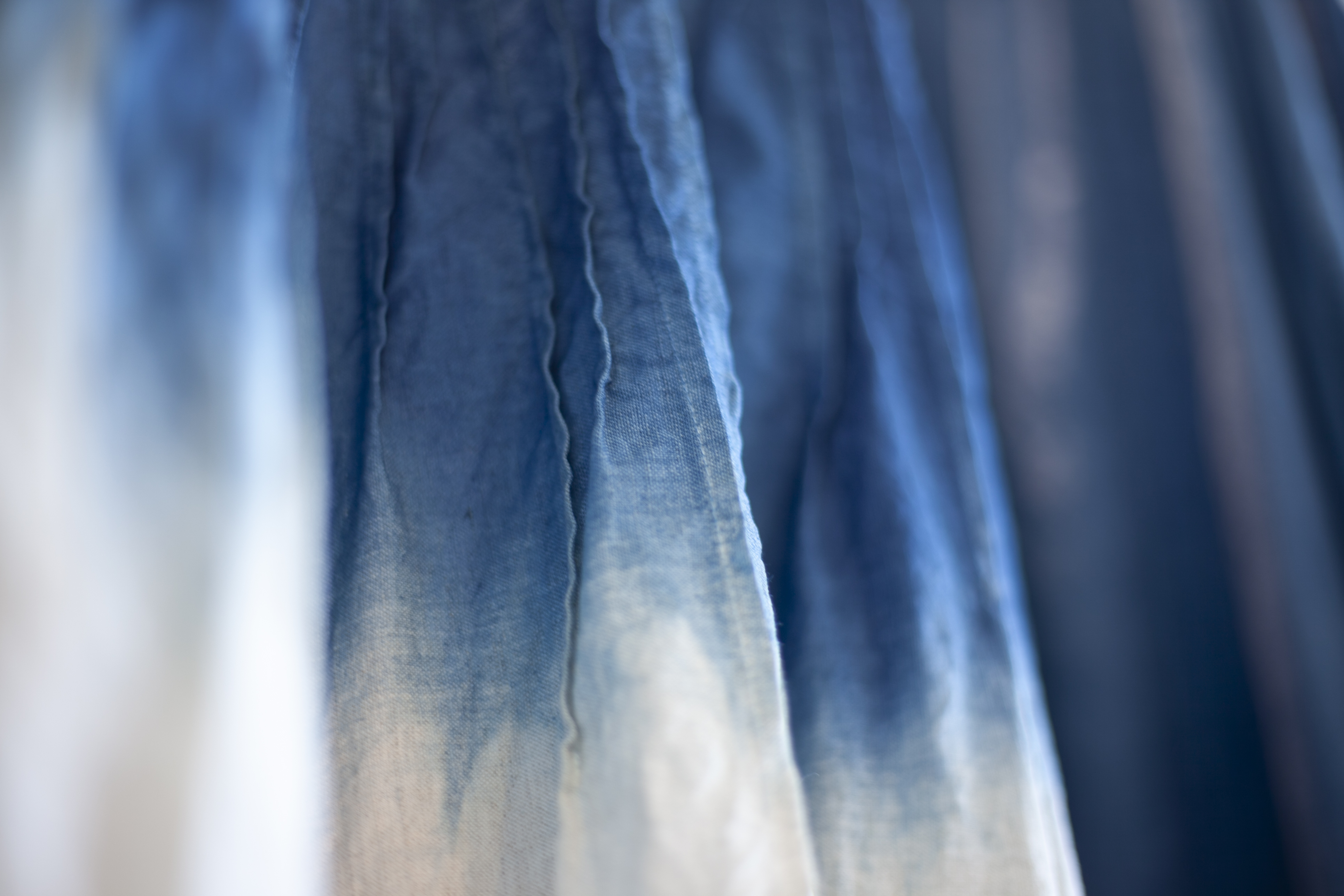
Fabric dyed with Ryukyu indigo. The natural texture is attractive.
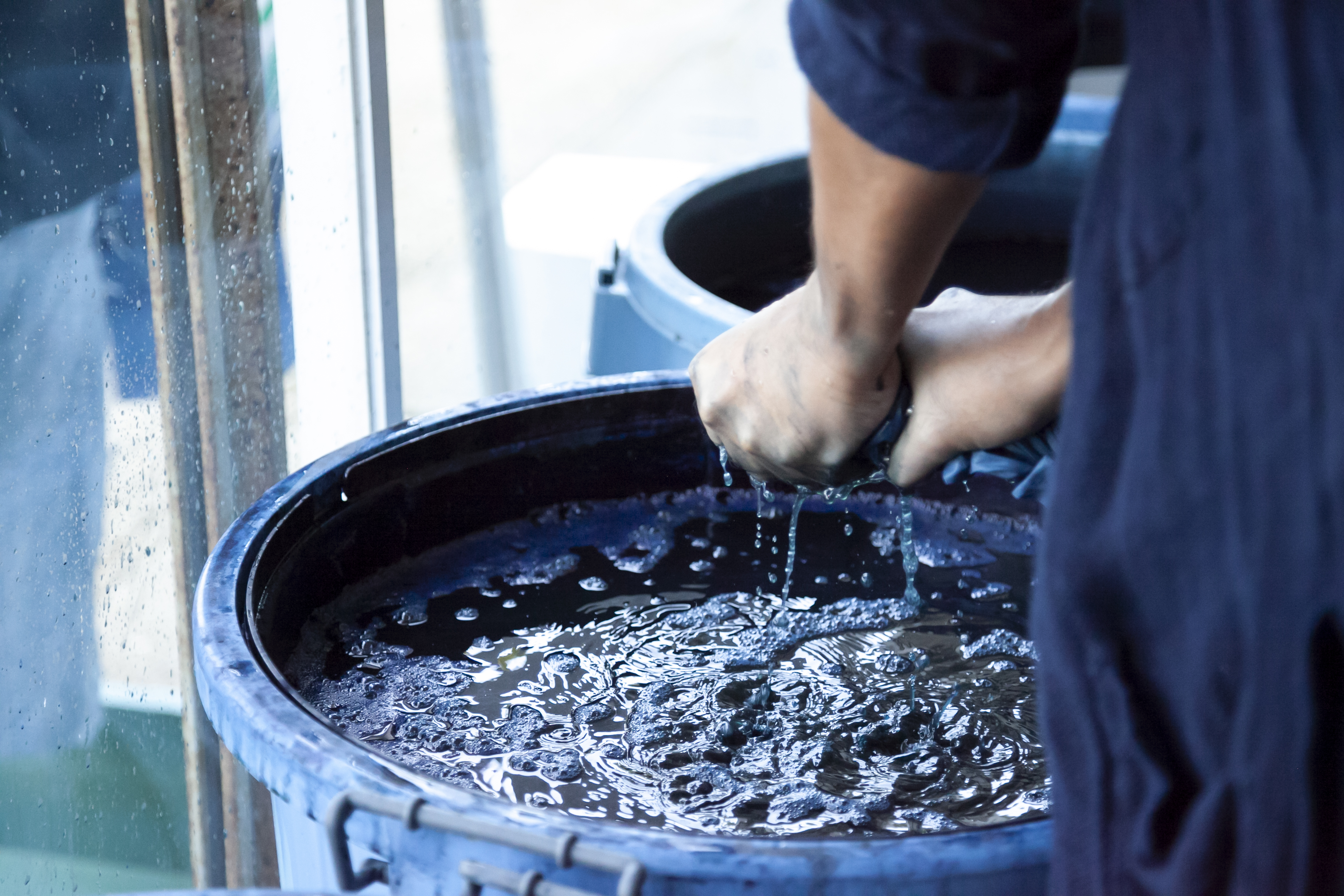
The dyeing process actually takes place on-site.
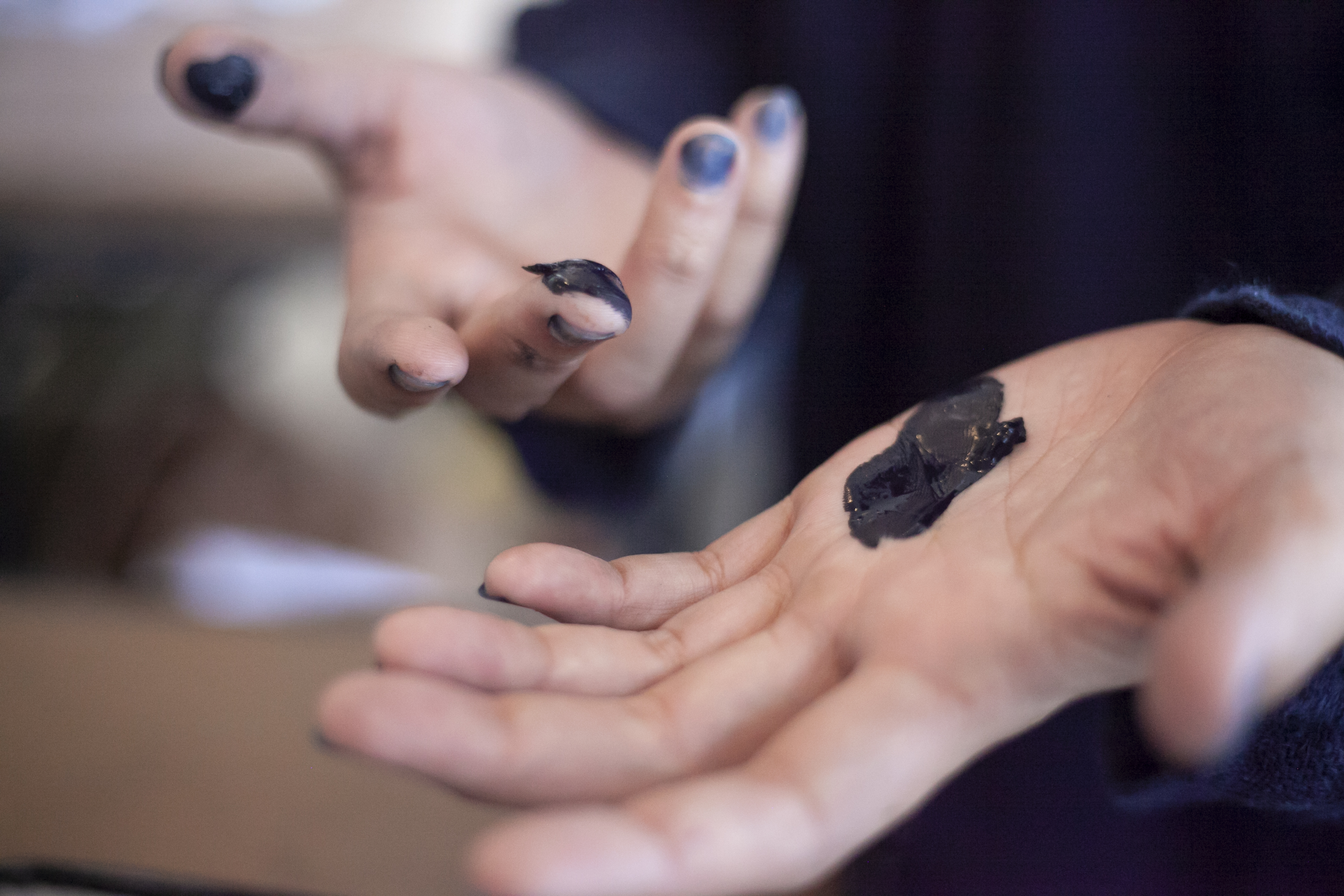
The so-called ”mud indigo" featuring indigo in paste form.
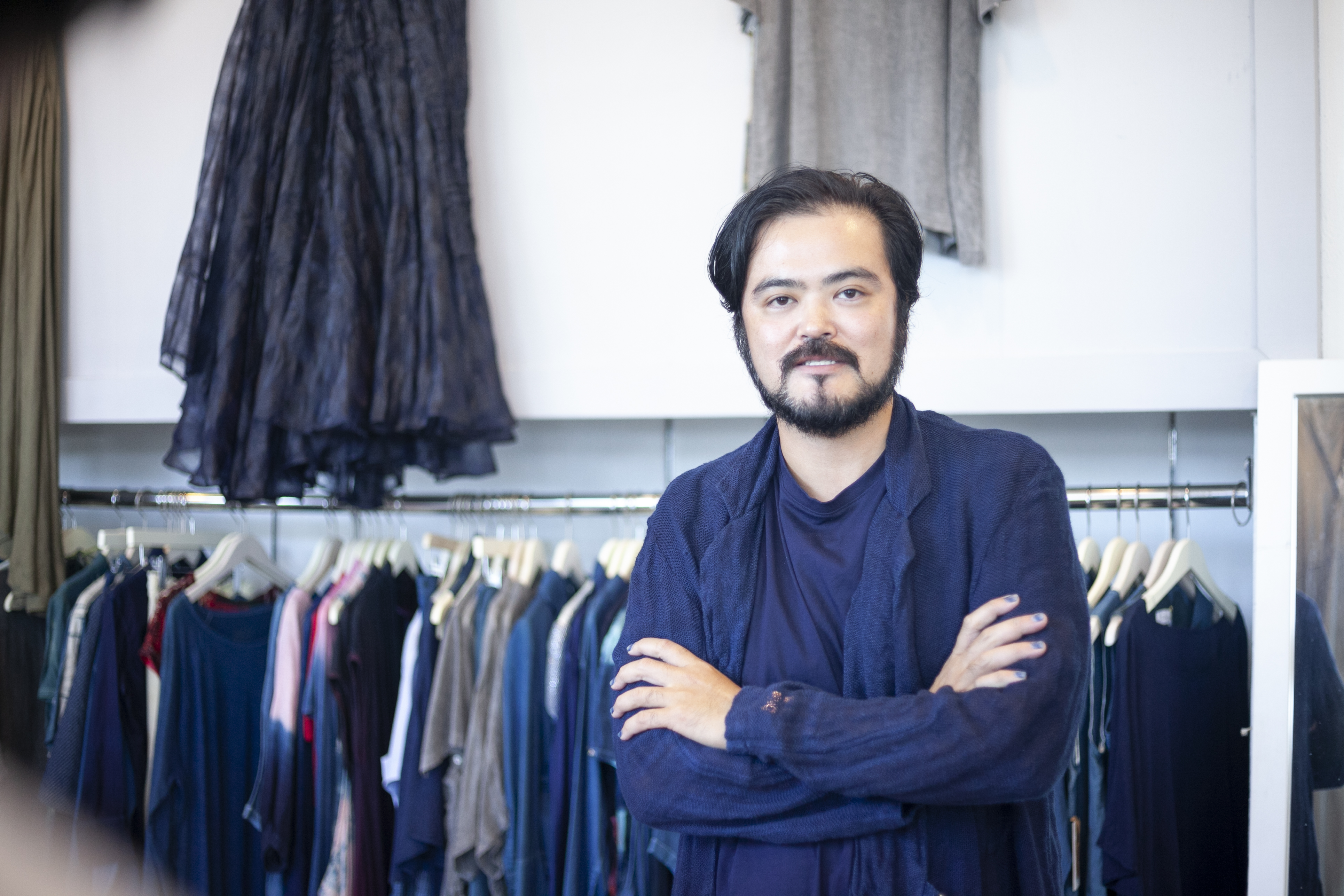
Founder Yoshinari Kakazu cultivates indigo by himself and also performs the dyeing process.
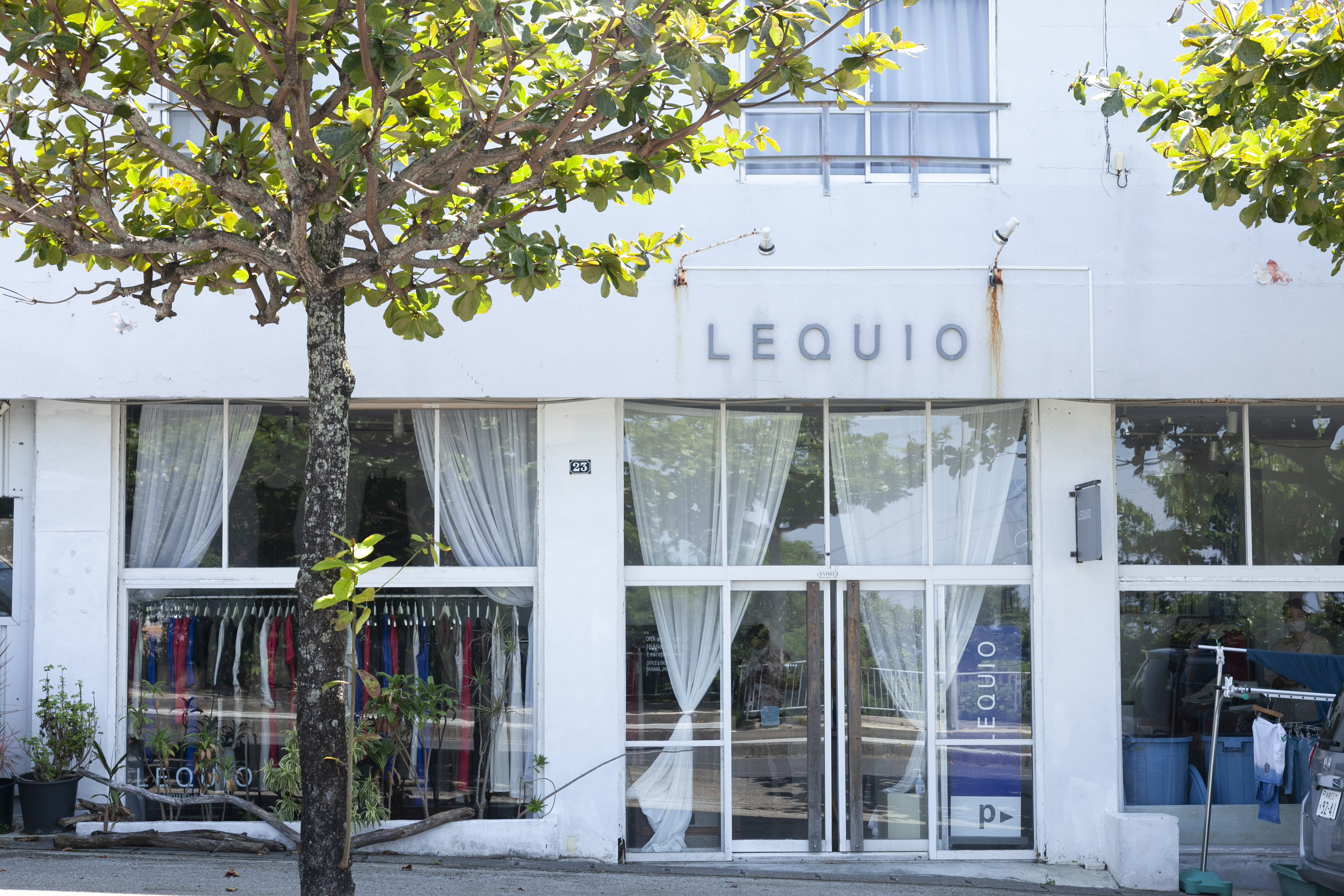
The store, which doubles as the head office, is located in Ginowan.
Lequio
TEL +98-893-5572
2-28-3, Kiyuna, Ginowan-city, Okinawa
www.lequio-r.com/