Eric Pillault’s Evanescent Japan
In his series 'Cache-Cache', the photographer captures suspended moments in the everyday life of people in Japan.
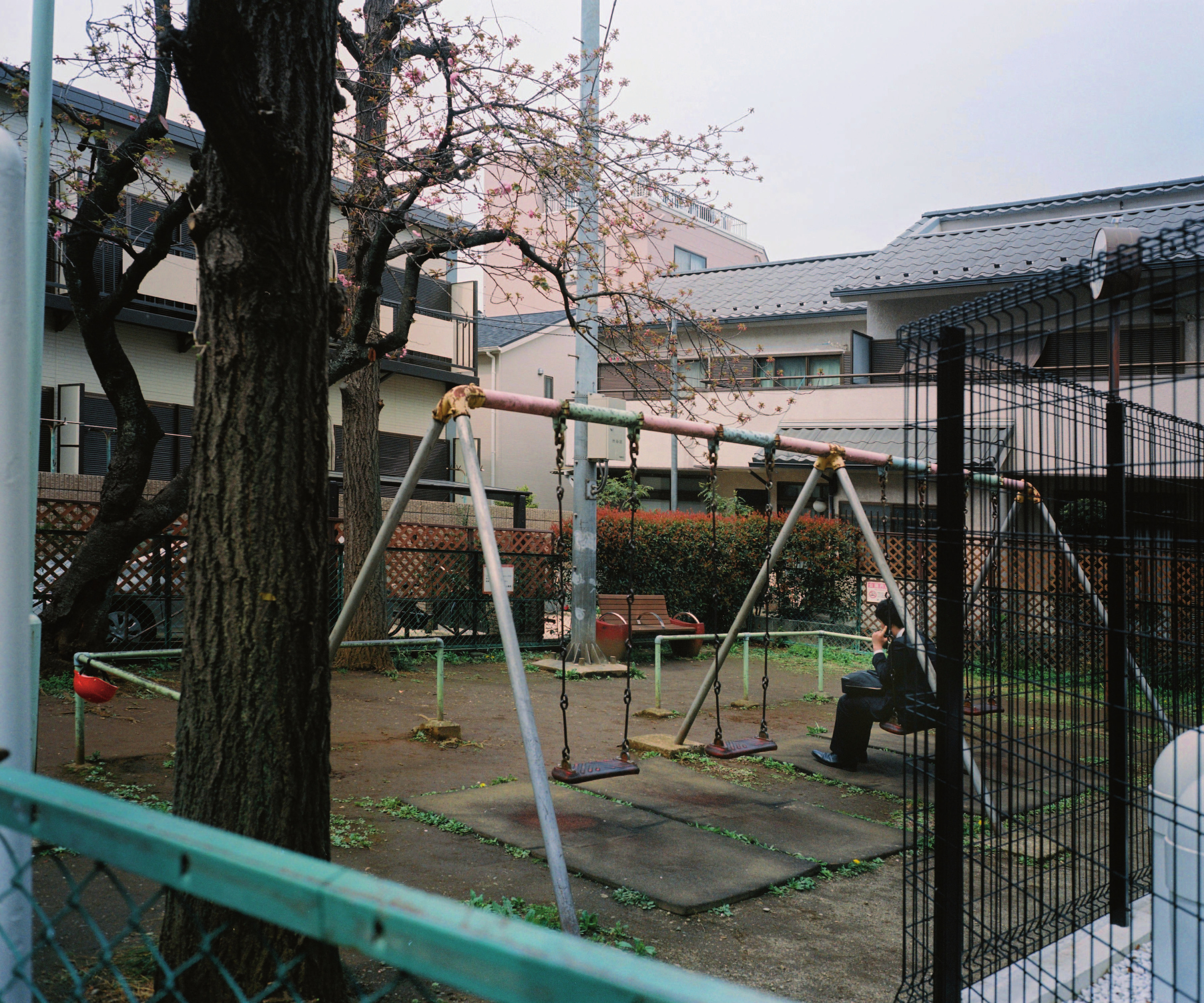
‘Cache-Cache’, Eric Pillault
The images present figures captured on the fly, as if being observed, elusive. In his series Cache-Cache (‘Hide and Seek’), Eric Pillault gives the viewer the impression that they are in Japan. It is a reflection of his own experience, made up of round trips to the country over the past fifteen years or so. ‘The more I go there, the less I understand. The less I understand, the more I like it’, the photographer summarises.
Eric Pillault is a French artistic director who has collaborated with prestigious publications from M Le magazine du Monde to GQ, and is currently lending his talents to the publishing house Les Arènes. He has been to Japan multiple times, and while there has met local photographers like Nobuyoshi Araki and Takashi Homma. He considers his photographic practice to be like that of a graphic art.
Capturing the spirit of the times
‘I must be floating when I go to Japan’, he declares. ‘I photograph the moments that I am in the process of experiencing. I let myself go, with no set objective.’ Eric Pillault never travels anywhere in the country without a camera, be it an Olympus Mju or a Minolta CLE.
This discreet piece of equipment allows him to take photographs stealthily. The rendering is extremely natural and gives the viewer the impression of being an individual in Japan among other Japanese people, enthralled by the poetry of the everyday. For those who have visited the country before, these photographs revive memories and sensations, like the heavy silence and motionless waiting on public transport. The subjects are rarely captured face-on, but rather from behind or from a distance, and sometimes through windows or curtains. This is a deliberate act on the photographer’s part.
‘I feel a kind of reserve or respect in relation to the subjects’, Eric Pillault explains. ‘I know that they never say anything when they have their photograph taken. Regardless, they see me and they know.’
Some of those featured in Cache-Cache seem to go along with it and pose for the camera: the crows. Omnipresent in Japan, crows have marked the photographer’s trips ever since he made his very first visit. ‘They are everywhere, and they’re clever’, he reveals. ‘At any given time, there’s always one cawing somewhere. And I stop to take a picture of it.’ This obsession is shared with a leading figure in Japanese photography, Masahisa Fukase, whose series Ravens exhibits parallels with Eric Pillault’s photographs.
The latter has set about compiling an inventory of his collection of photographs of Japan, which he intends to publish one day. Until then, some of his images adorn the refined teas made by Maboroshi, with whom Eric Pillault works in partnership.
Eric Pillault’s work can be viewed on his Instagram account, dedicated to his photographs of Japan.
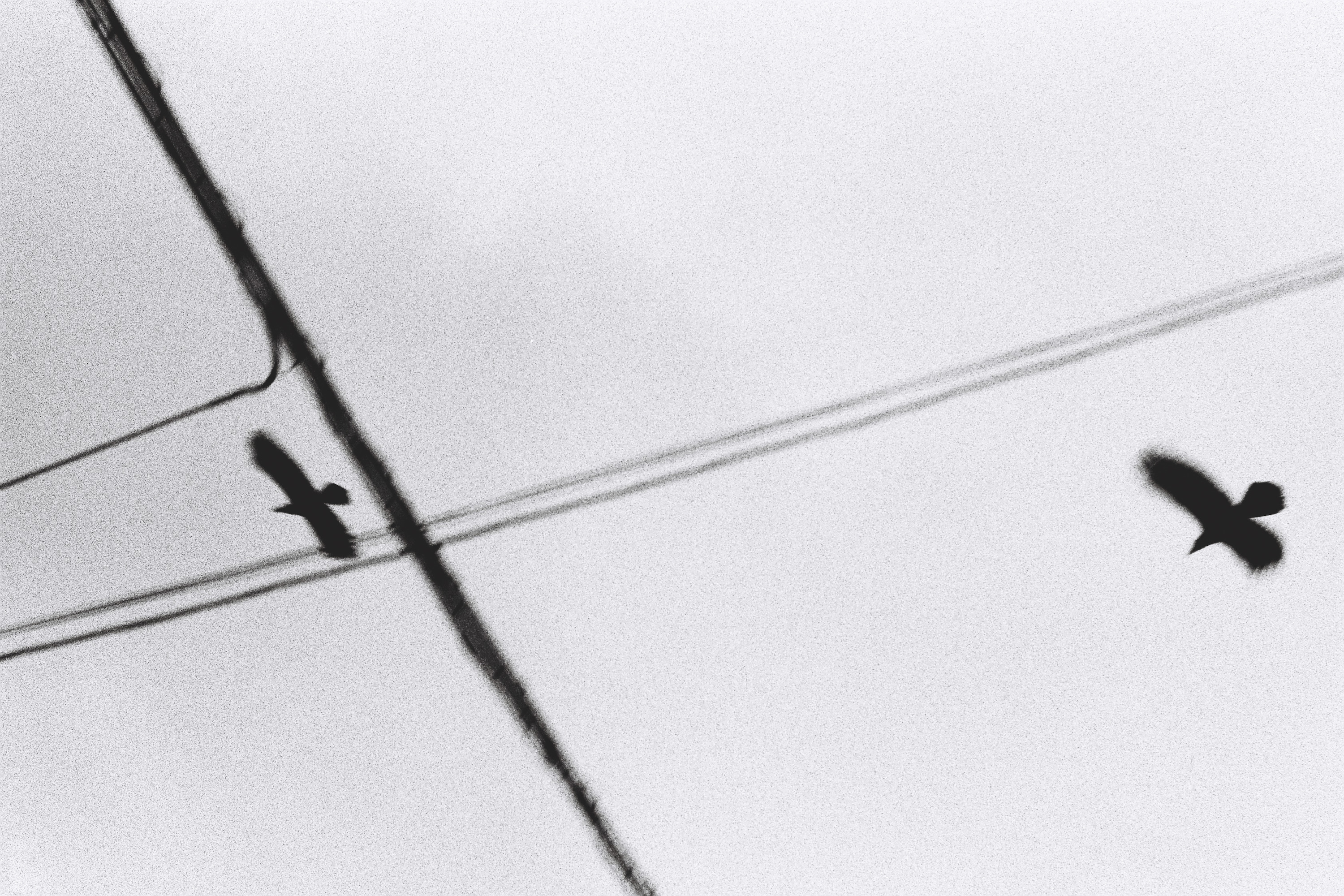
‘Cache-Cache’, Eric Pillault
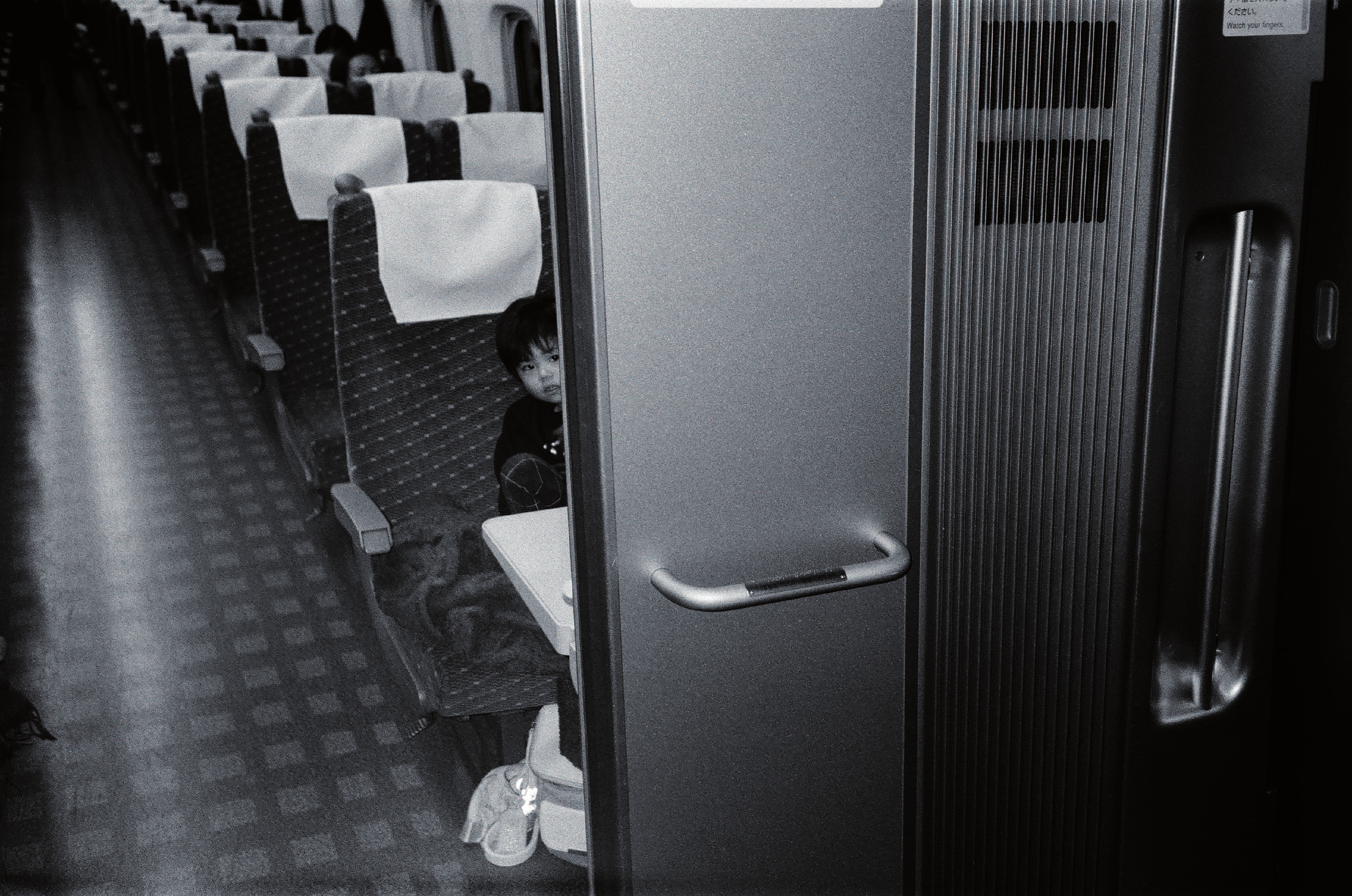
‘Cache-Cache’, Eric Pillault
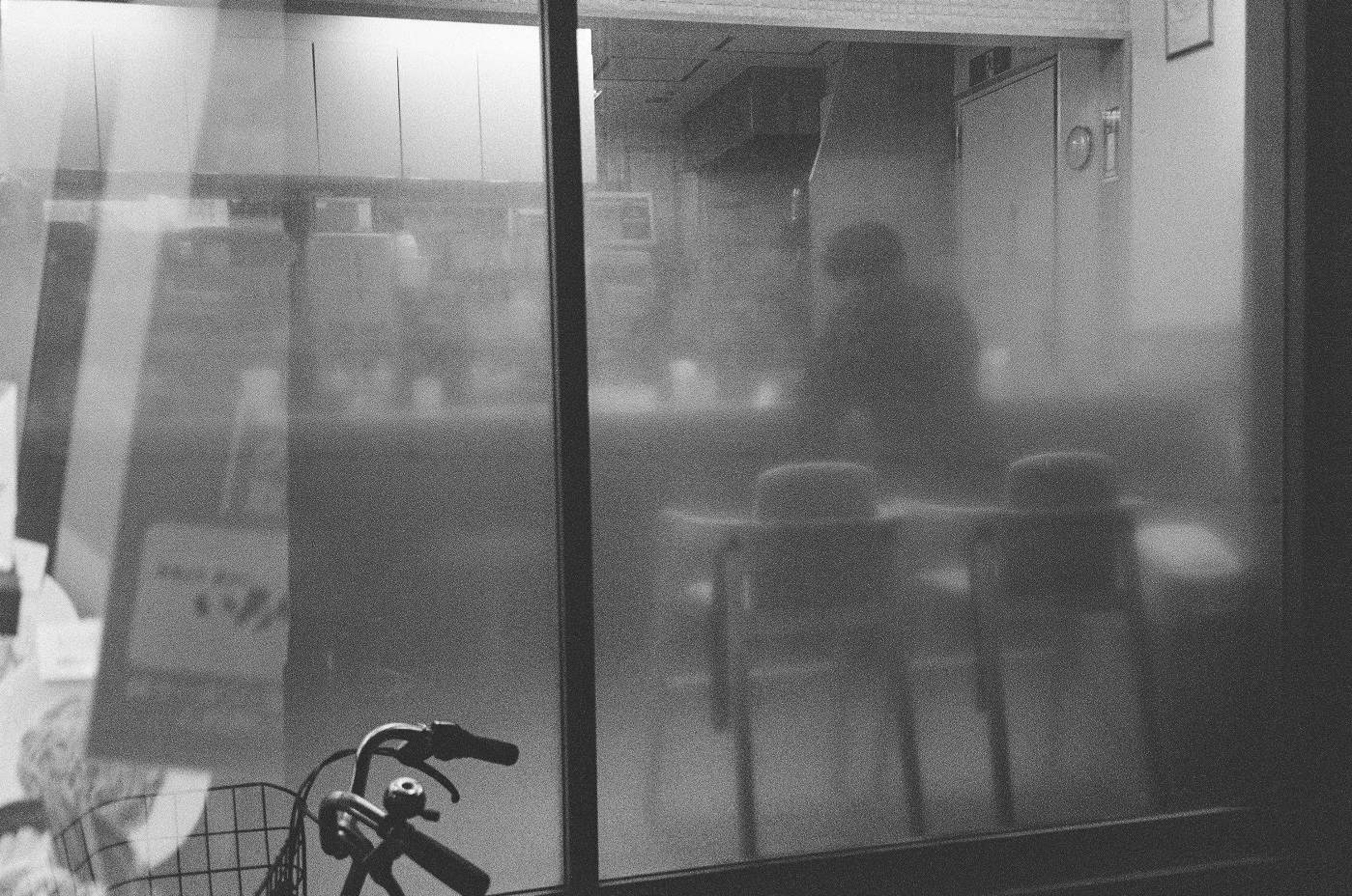
‘Cache-Cache’, Eric Pillault
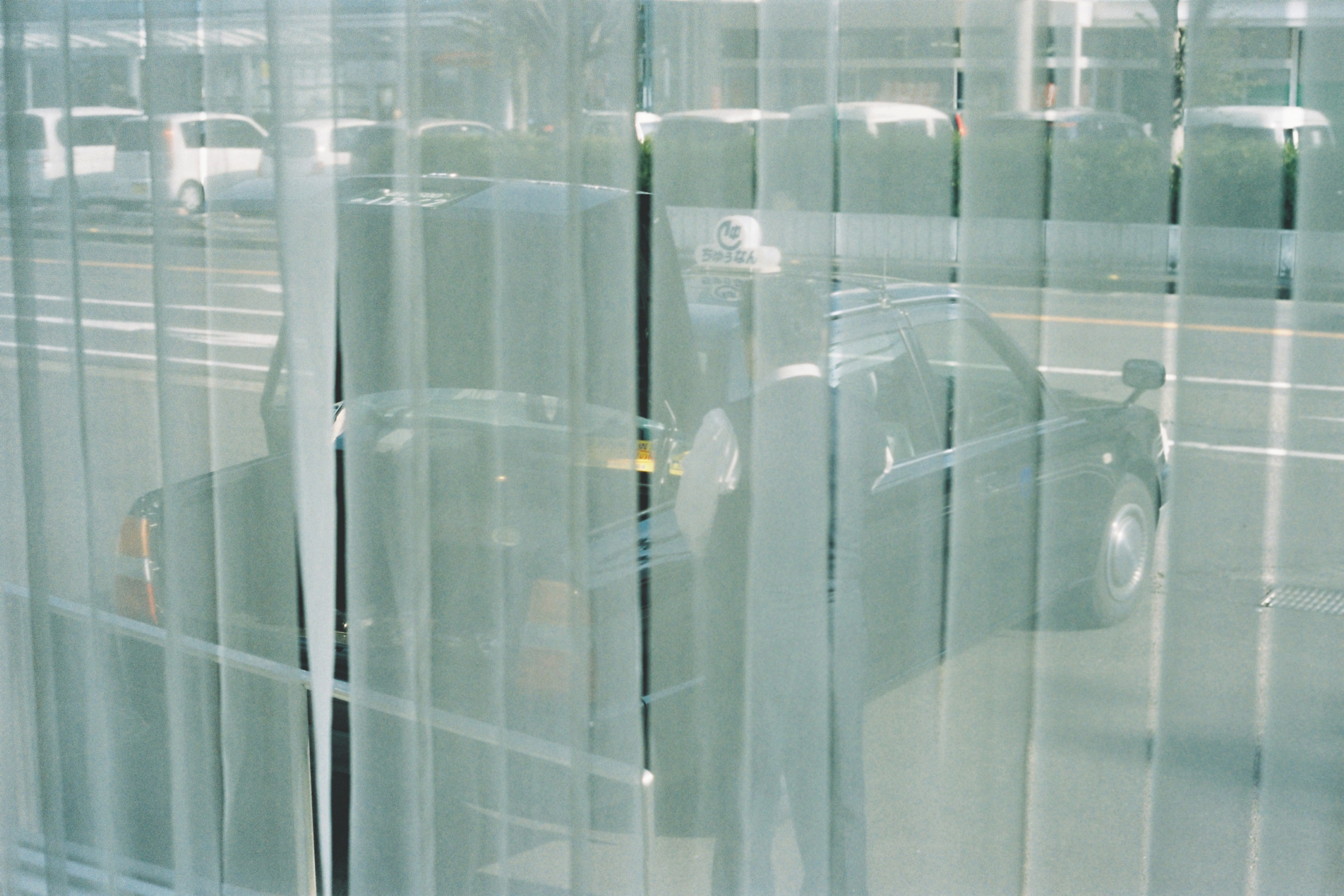
‘Cache-Cache’, Eric Pillault
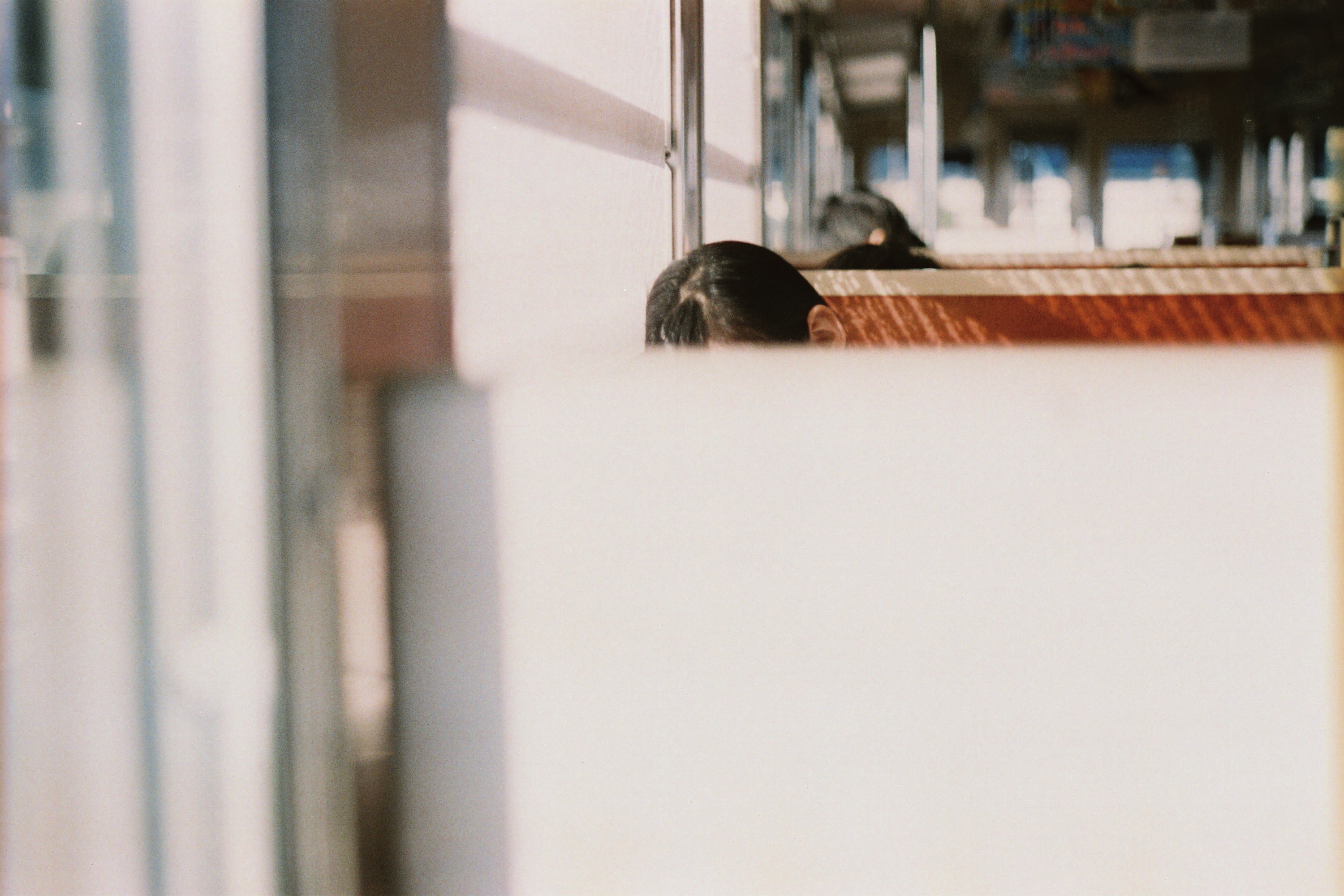
‘Cache-Cache’, Eric Pillault
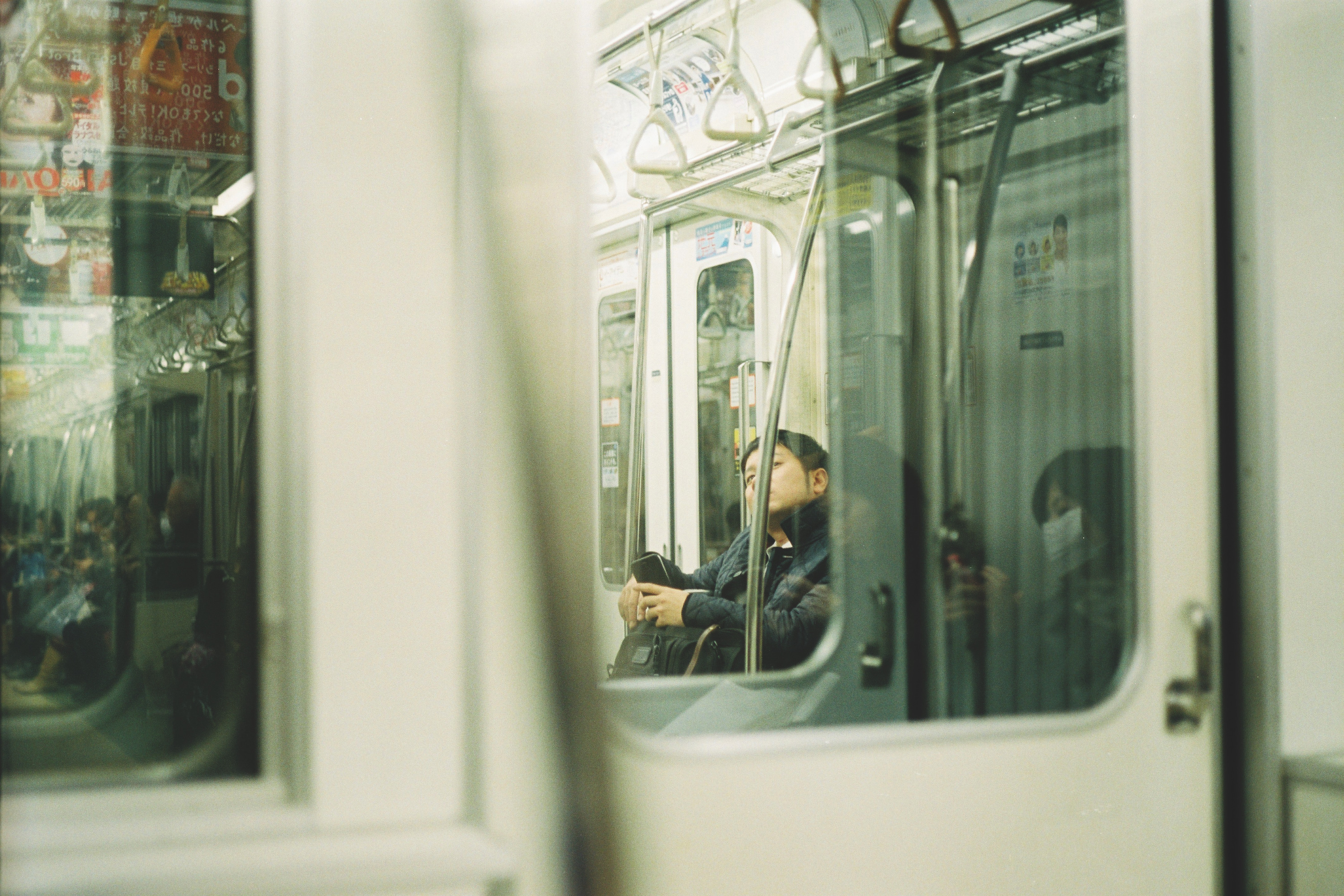
‘Cache-Cache’, Eric Pillault
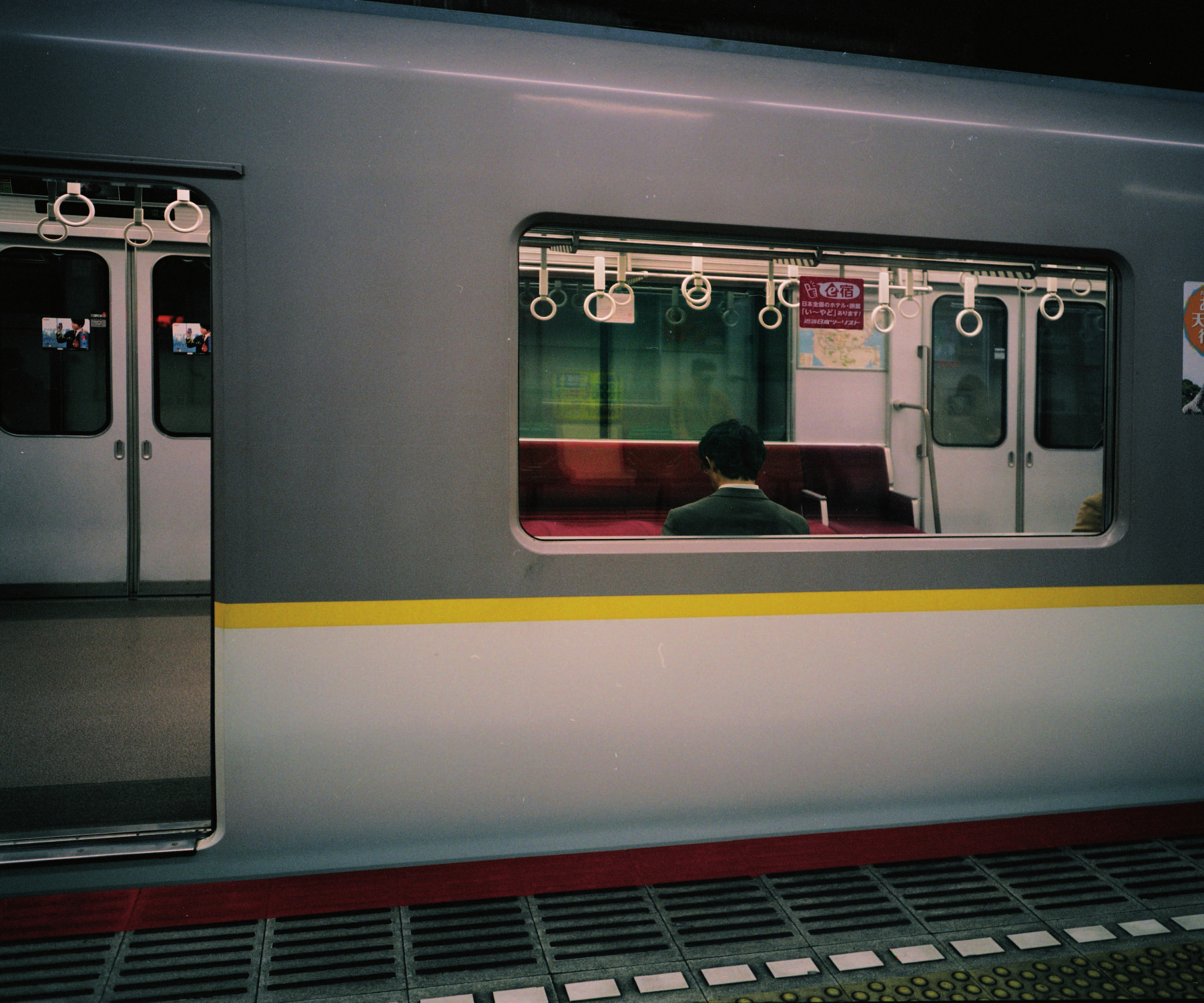
‘Cache-Cache’, Eric Pillault
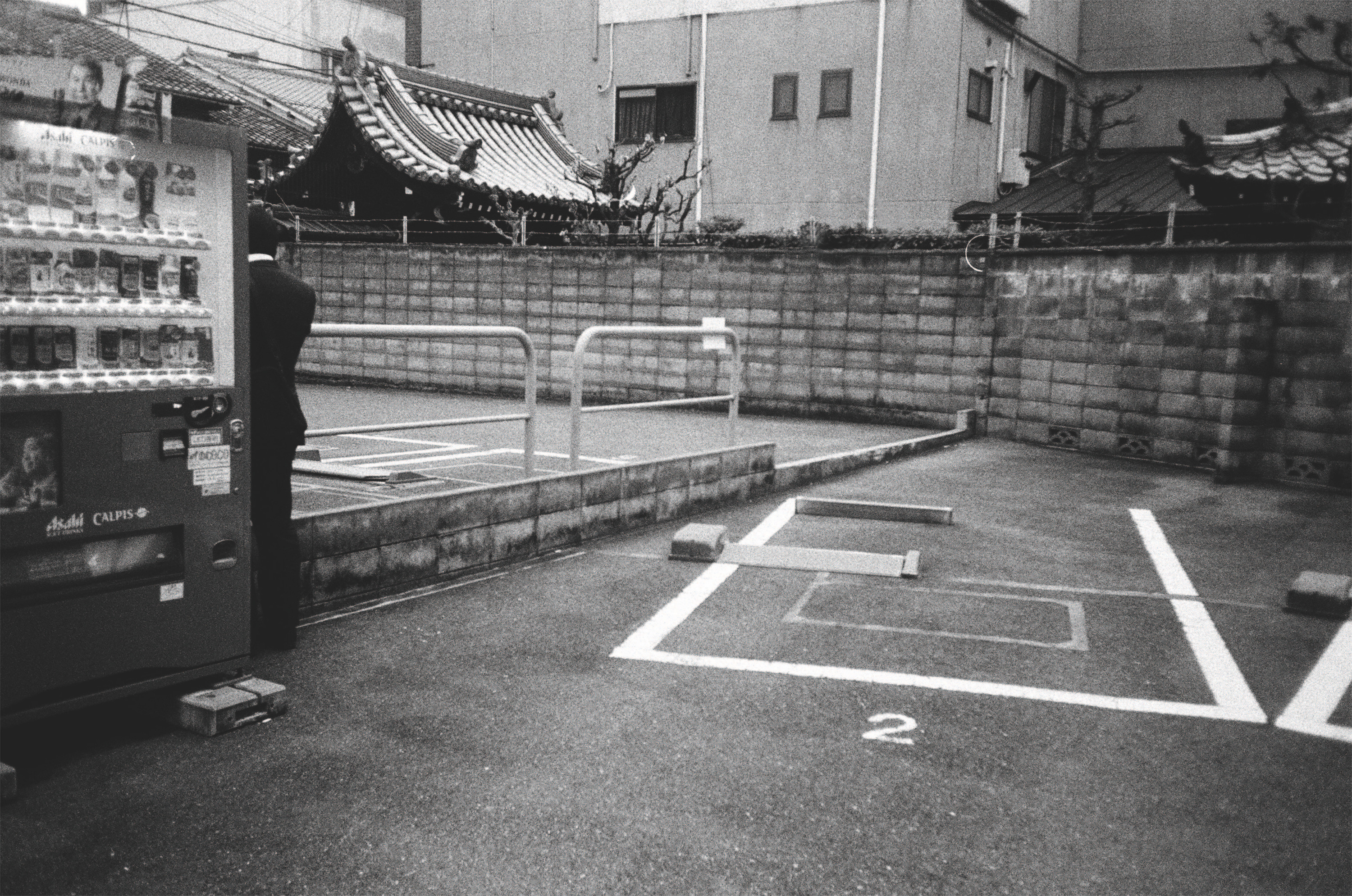
‘Cache-Cache’, Eric Pillault
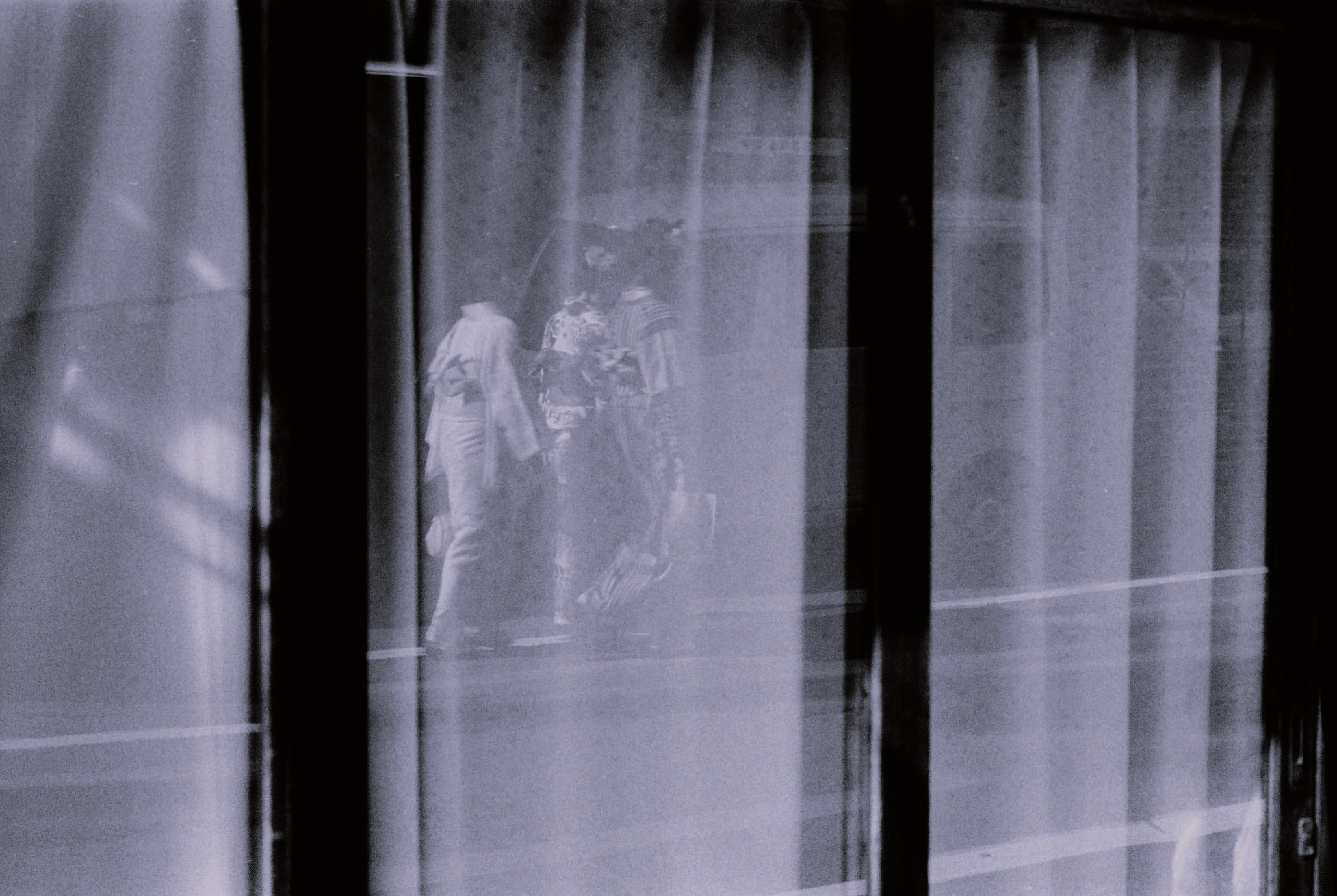
‘Cache-Cache’, Eric Pillault
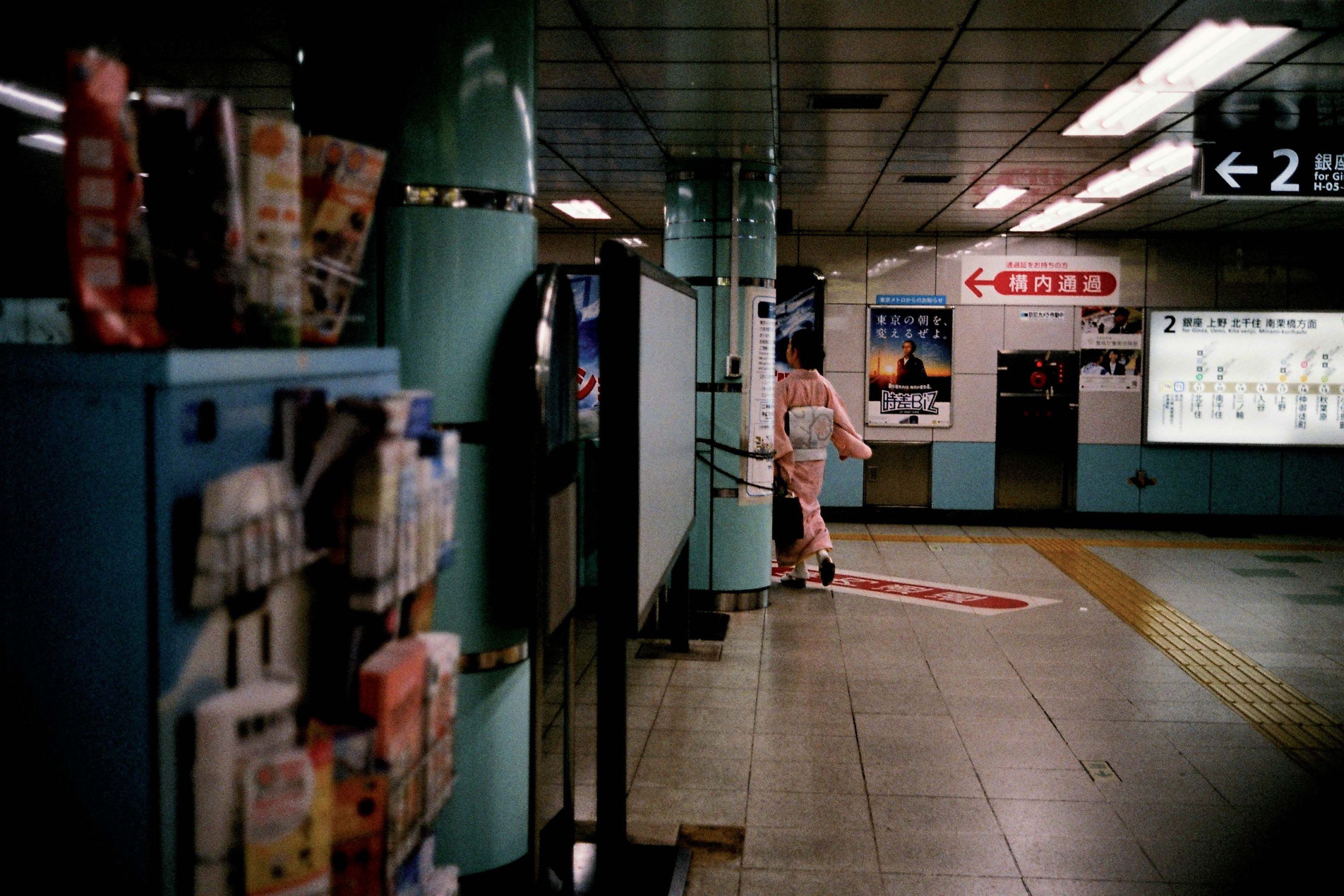
‘Cache-Cache’, Eric Pillault
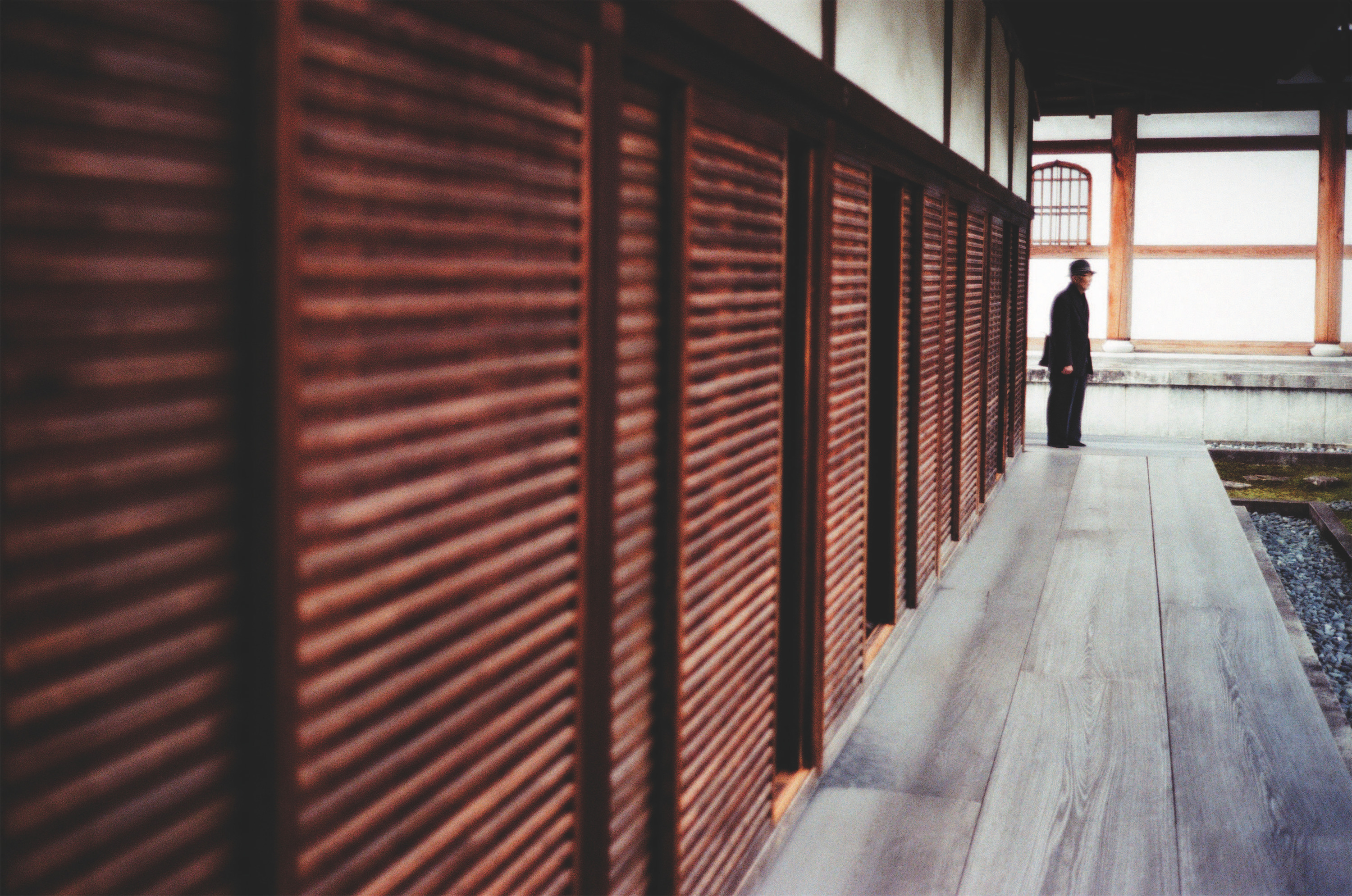
‘Cache-Cache’, Eric Pillault
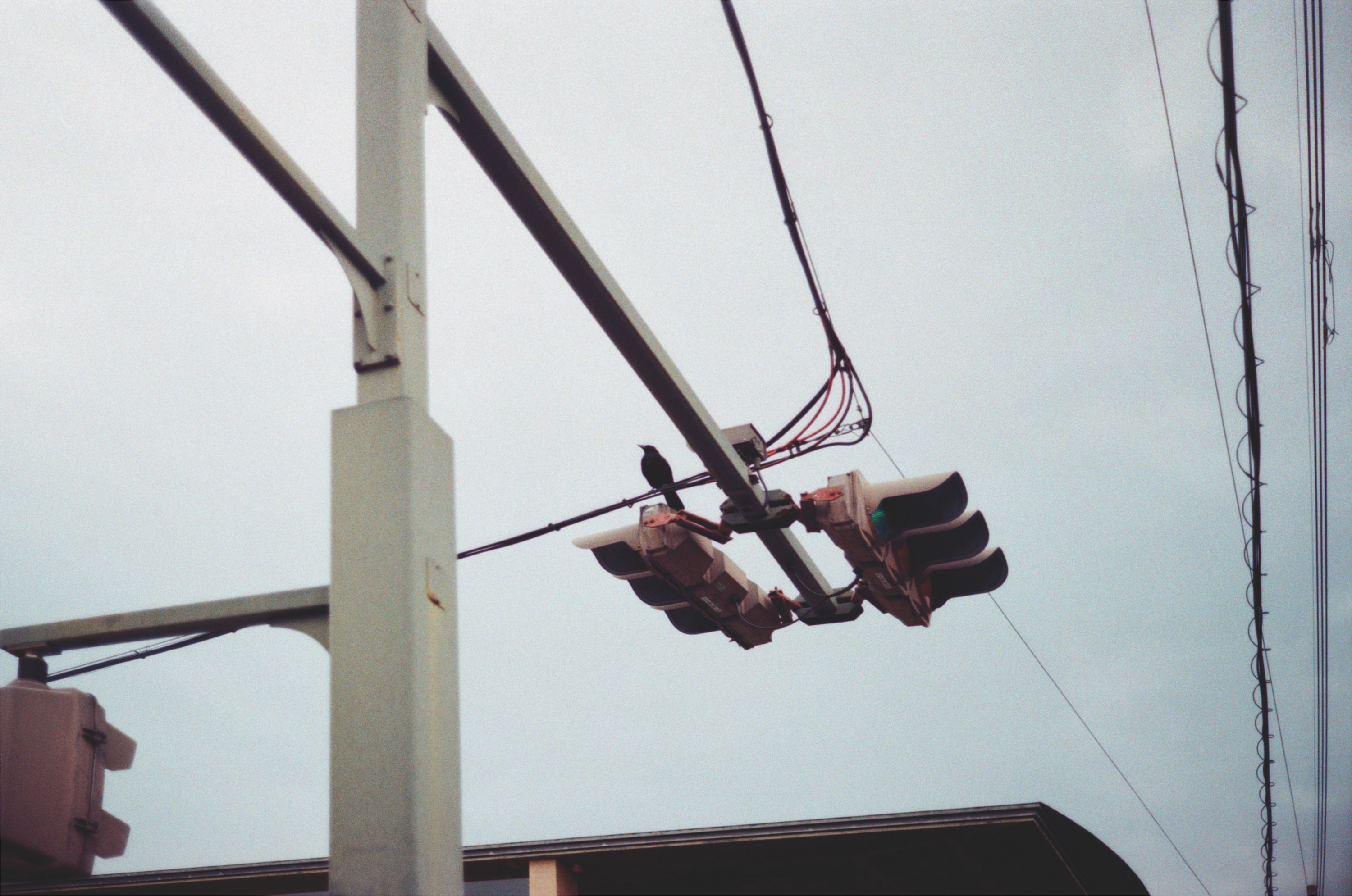
‘Cache-Cache’, Eric Pillault