Yuto Yamada, Photographing an Abandoned World
With ‘Silent World,’ he gathers images of abandoned locations that bear witness to a now-forgotten glorious past.
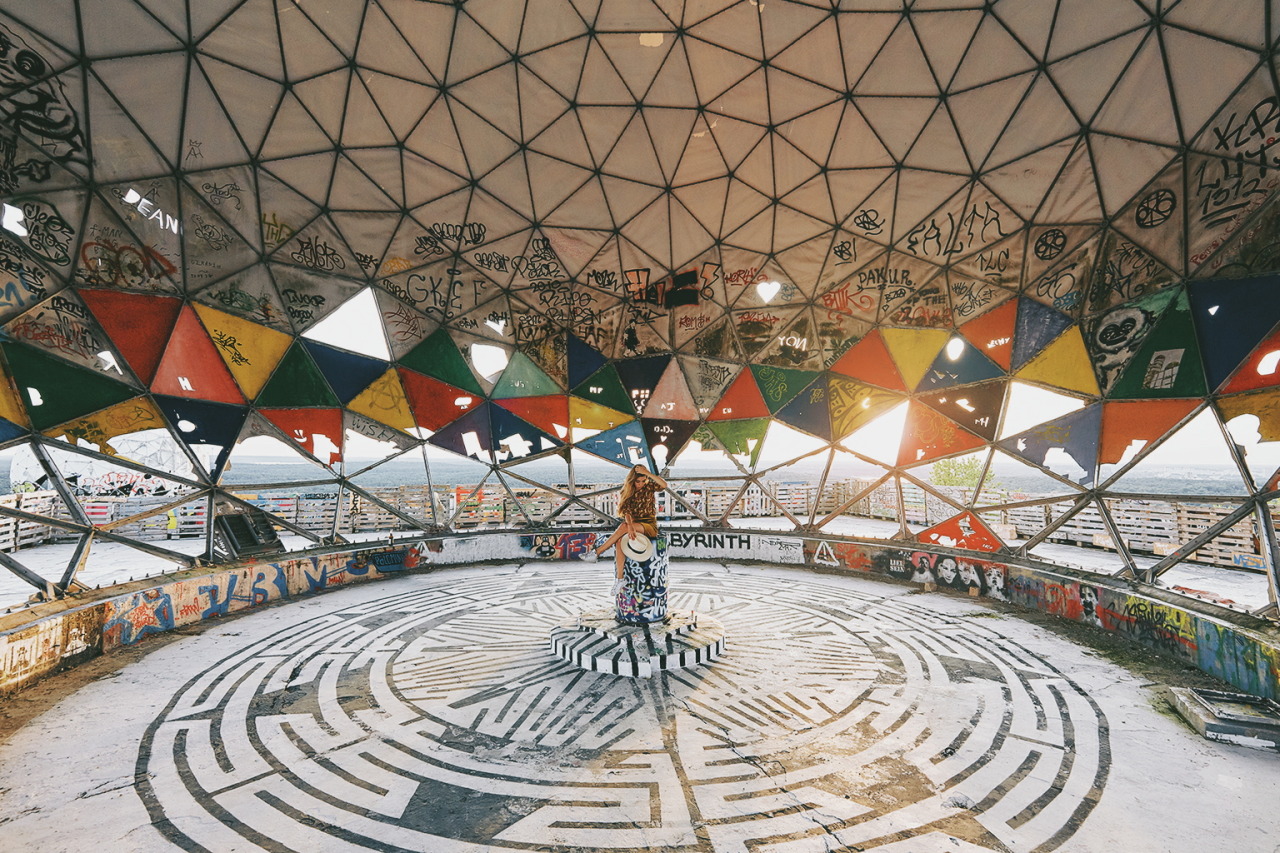
‘Silent World’ © Yuto Yamada
While some feel uneasy in the face of abandoned spaces, Yuto Yamada feels like he’s in the middle of a video game. Factories, hospitals, airports, stations, churches, military bases… the photographer has travelled the world for three years, seeking out abandoned spaces and ruins. The images taken have been collected in the publication Silent World: Beautiful Ruins of a Vanishing World, published in February 2019. One year later, the work still resonates in a world where streets, shops, offices, and factories are left deserted.
Tokyo and Berlin, two different worlds
Born in Tokyo, Yuto Yamada moved to Berlin in 2013 and was shocked by the difference between the two cities. ‘Tokyo, where I was born and raised, is a place far from being lost, where the words ‘high-tech’ and ‘near-future’ are fitting. So for me, the abandoned places dotted around Berlin were very attractive and surreal. I wanted to share this feeling with my friends in Japan, so I started photographing these locations. Over time, it became my passion.’
Since a street-artist friend showed him around, Yamada became fascinated by this ‘silent world,’ fascinated ‘to see how a prosperous era is being forgotten. All things are in flux, nothing is permanent.’
Among those locations where time seems suspended, the ‘huge factories and amusement parks are truly unique, while the military bases and ruins from the Communist era give a sense of the changing history. Either way, if I find an abandoned place, I’ll go and explore it.’
Silent World: Beautiful Ruins of a Vanishing World (2019), a book by Yuto Yamada is published by Pie International Co., Ltd.
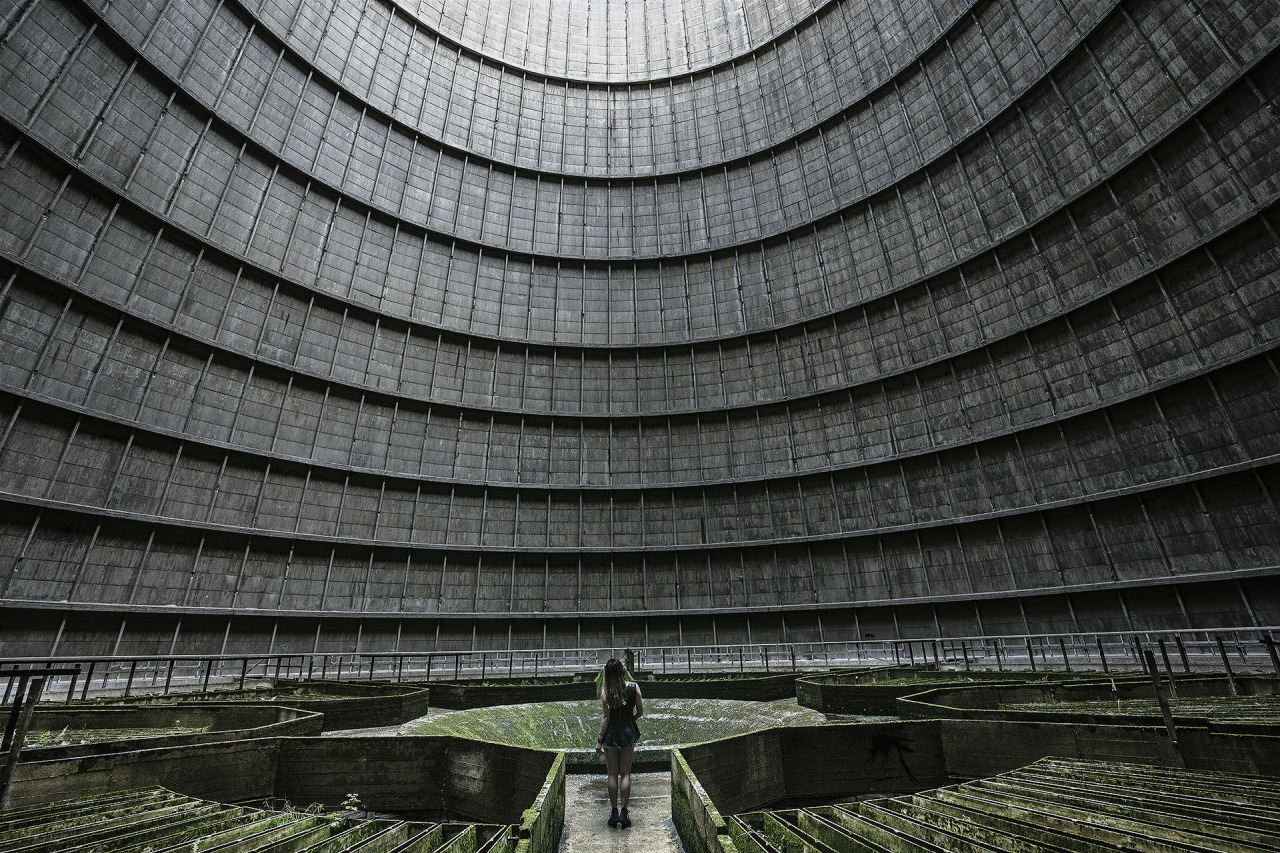
‘Silent World’ © Yuto Yamada
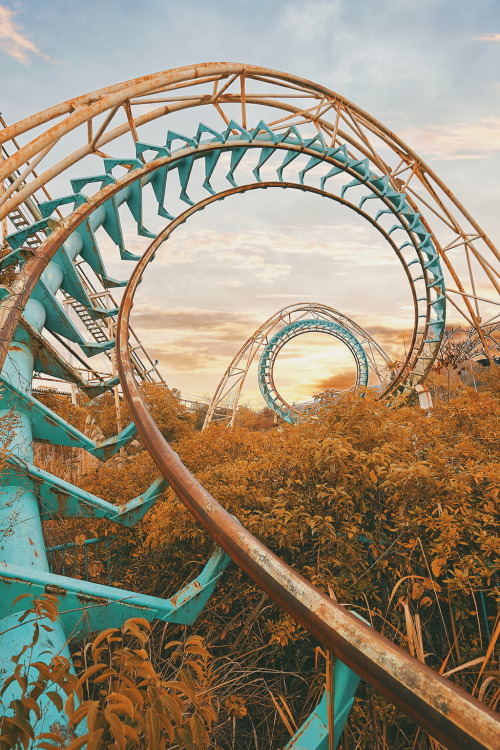
‘Silent World’ © Yuto Yamada
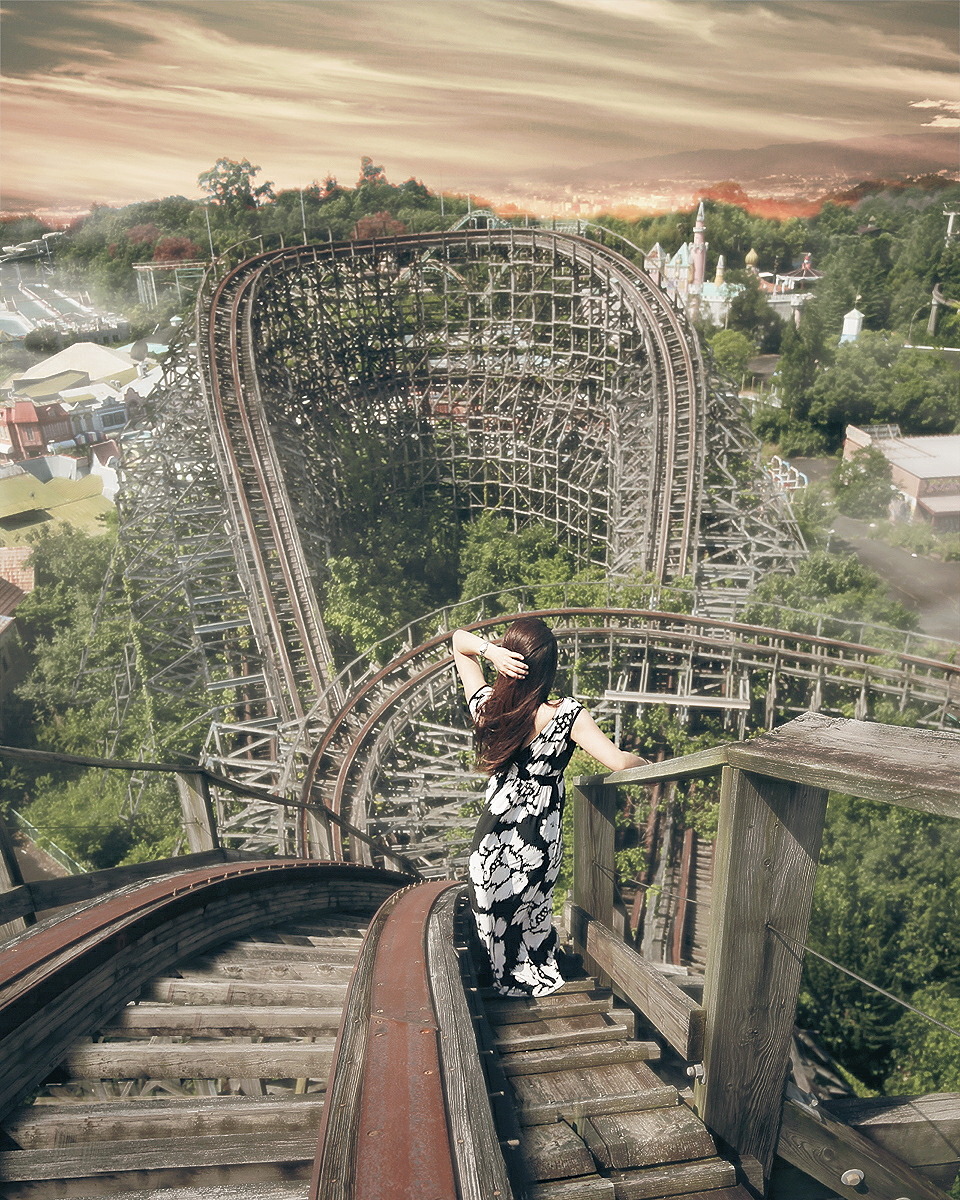
‘Silent World’ © Yuto Yamada
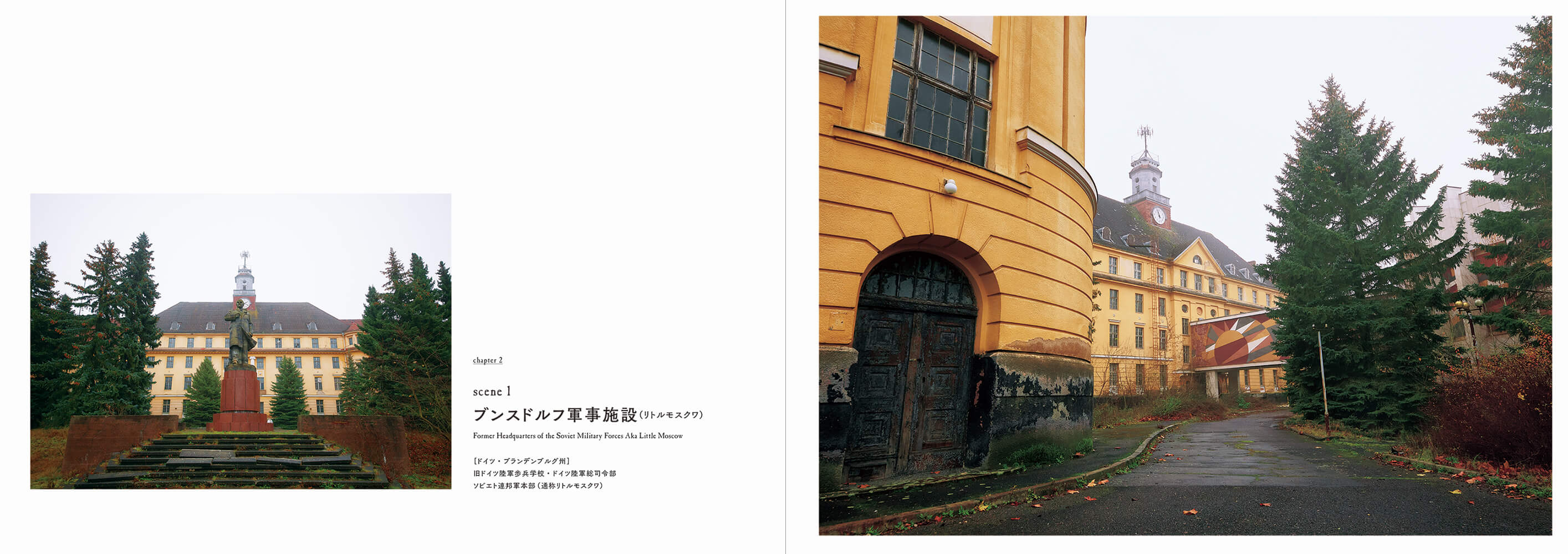
‘Silent World’ © Yuto Yamada
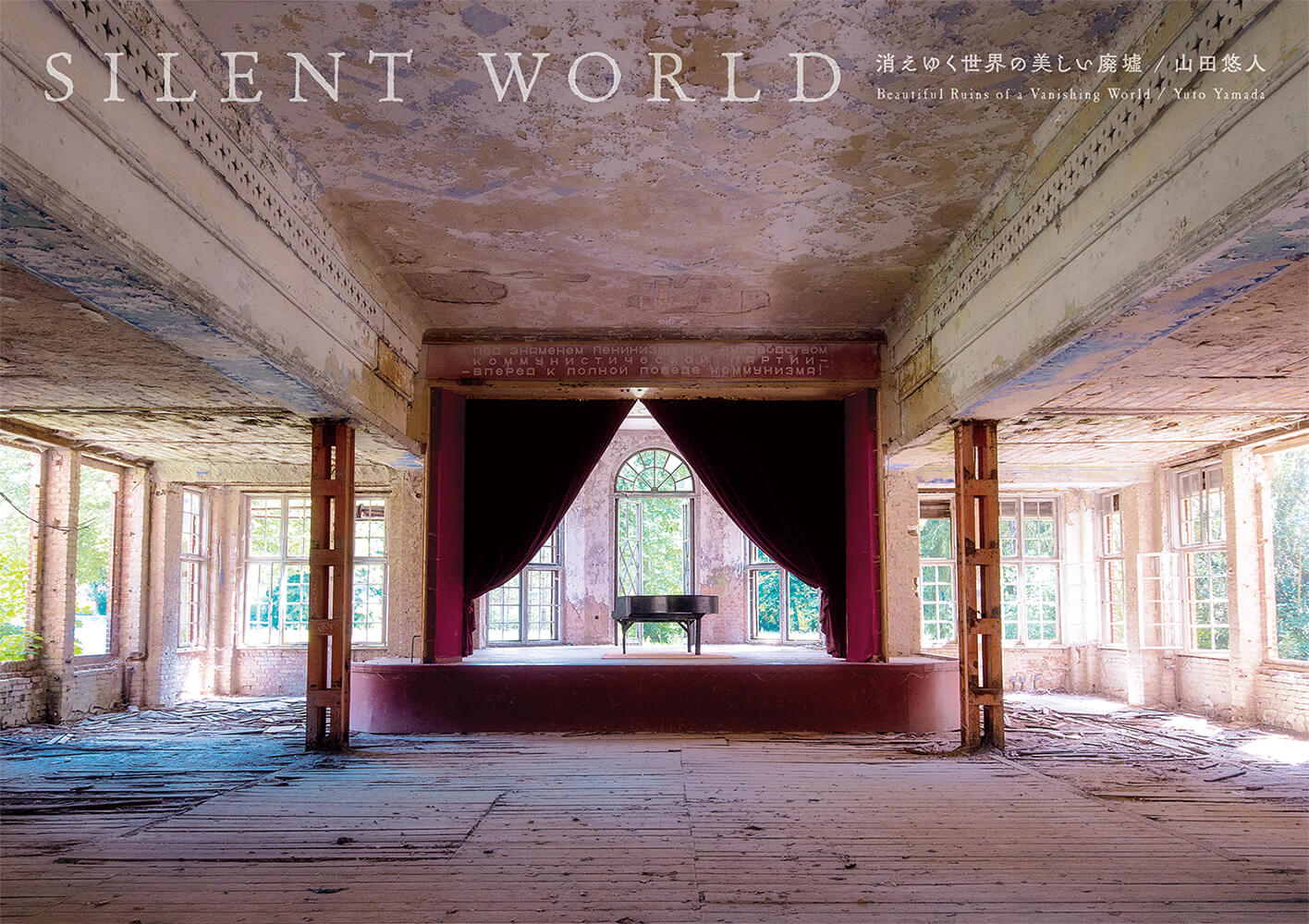
‘Silent World’ © Yuto Yamada