Hirokazu Kore-eda on His Approach to Adapting Manga for the Screen
His film ‘Look Back’ follows two aspiring manga artists whose friendship shapes their creative coming-of-age.
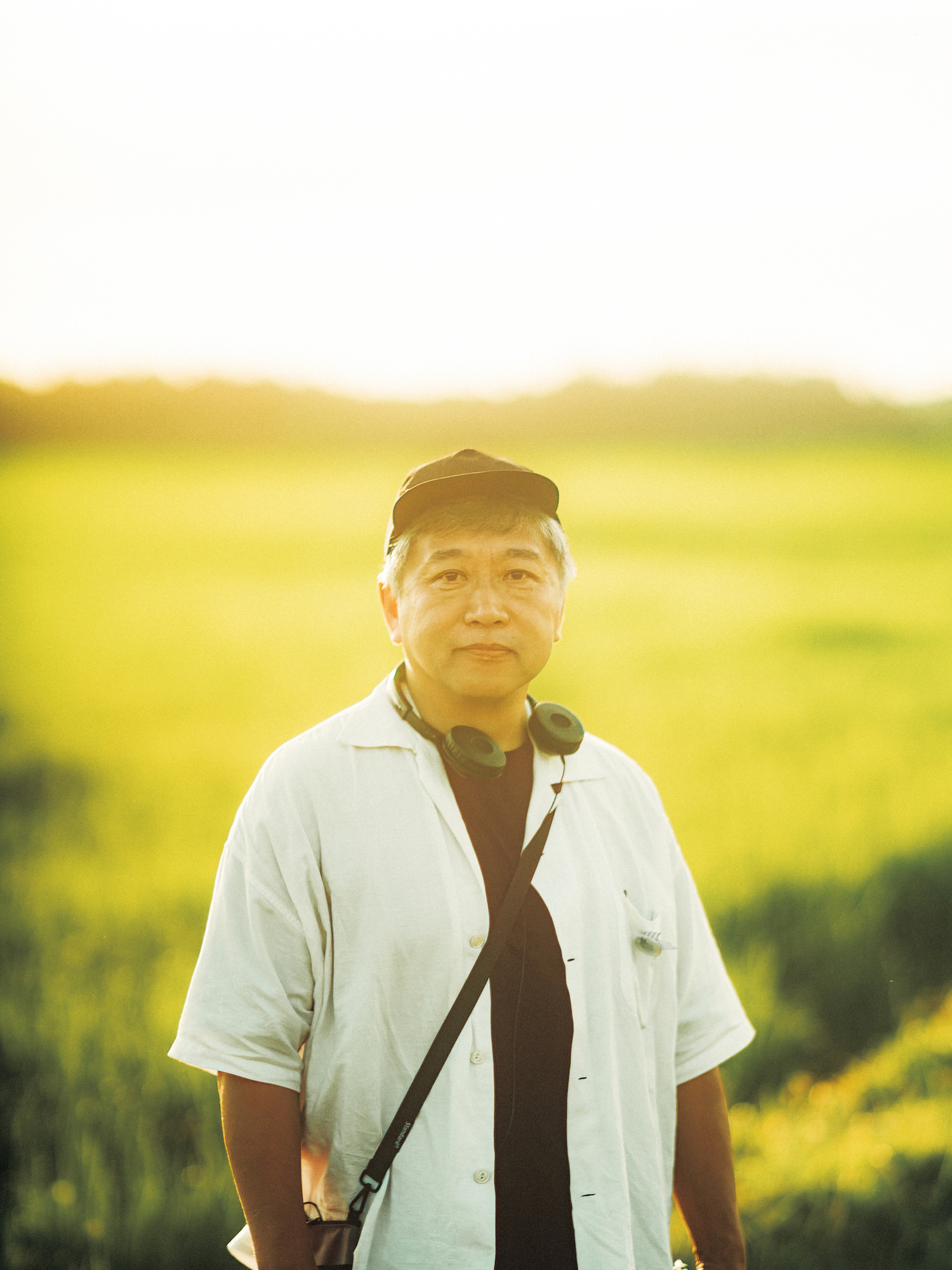
Hirokazu Kore-eda was born in Tokyo in 1962. After directing documentaries for television, he made his feature-film debut in 1995 with ‘Maborosi’. He went on to gain international recognition for films exploring family and society, including ‘Nobody Knows’, ‘Like Father, Like Son’, ‘Our Little Sister’ and ‘Shoplifters’.
Shortly after the manga Look Back was published, director Hirokazu Kore-eda bought a copy at a bookshop and read it in one sitting. After his producer suggested the possibility of an adaptation, he met the author, Tatsuki Fujimoto, and made the decision to bring the story to the screen on his journey home.
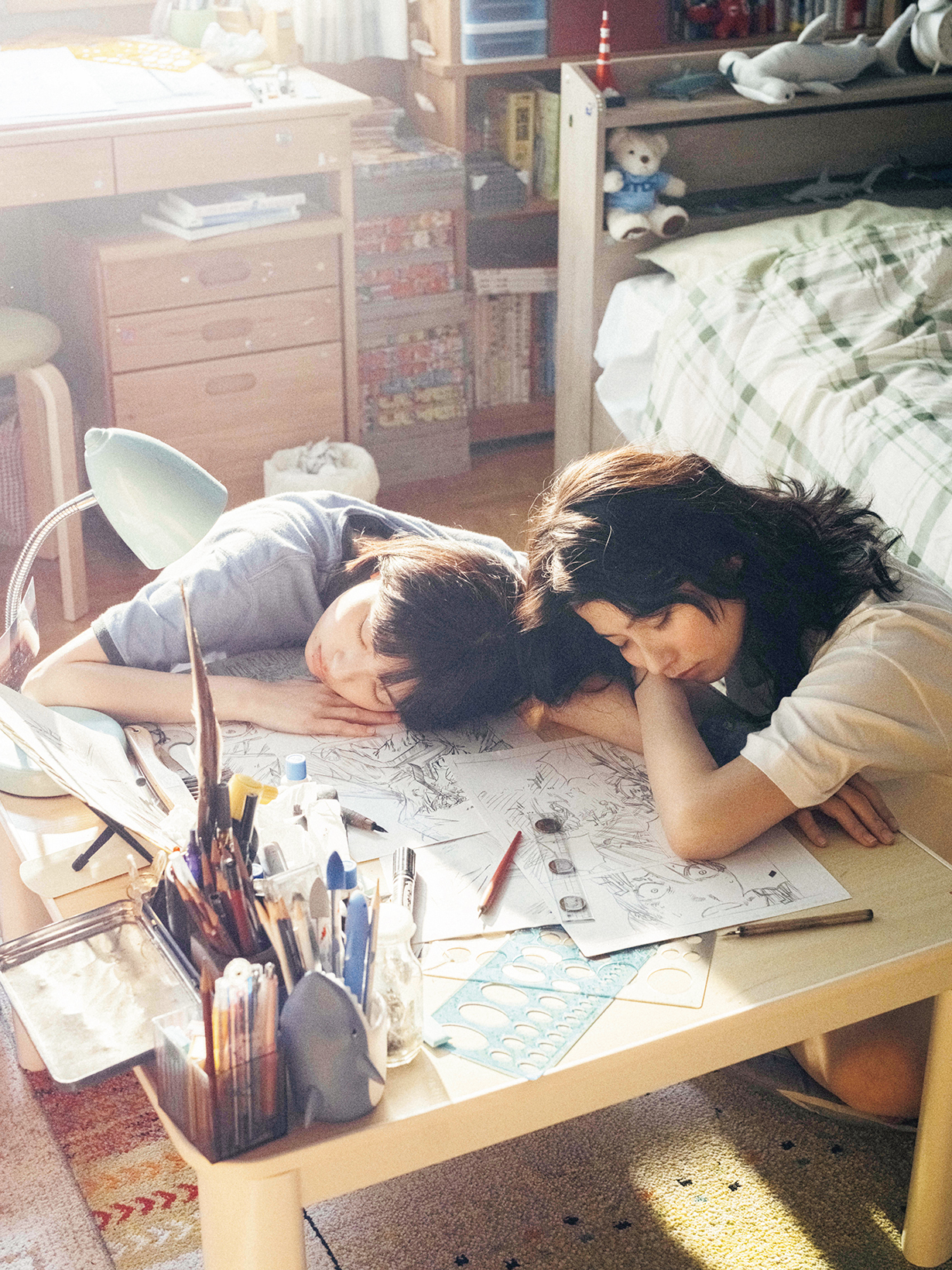
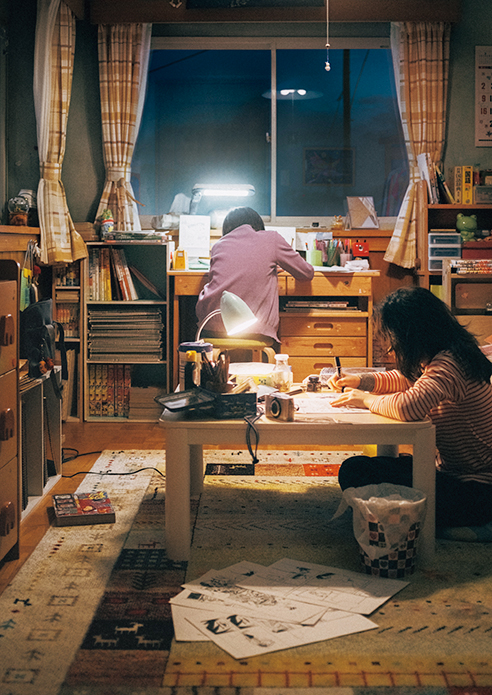
‘As I was talking to Tatsuki Fujimoto about how he creates his manga, we started discussing the sound made by the line of an experienced assistant—there was something beautiful about the precision and confidence of it. That was when I realised that the sound of drawing and the backs of the people drawing could be enough to make a film. In Tatsuki Fujimoto’s manga, Chainsaw Man, for example, the action sequences have a very distinctive panel structure, which makes a live-action adaptation difficult. But in Look Back, even without dialogue, everything can be expressed through backs, hands and sound. It seemed close to a very primitive form of cinema, like silent film.’
© Tatsuki Fujimoto / Shueisha © 2026 K2Pictures / Shueisha
Published in 2021, Tatsuki Fujimoto’s original manga tells the story of two young girls who are passionate about drawing and creating manga. For Kore-eda, one of the essential elements of the adaptation was the sound of drawing: first the pencil, then the pen. The director sought to trace the journeys of the two protagonists, Fujino and Kyōmoto, through the changing sounds of their creative process.
‘That is why I also wanted to show the moment when Fujino becomes a professional manga artist and her tools shift to digital. I wanted to express their growth through the difference in the sounds they make when they draw.’
© Tatsuki Fujimoto / Shueisha © 2026 K2Pictures / Shueisha
This is not Kore-eda’s first time adapting manga for the cinema. He previously directed Our Little Sister, based on Akimi Yoshida’s Umimachi Diary. In each case, he has employed a particular approach.
‘I turn monologues into dialogue. In other words, I transform narrative text or a character’s inner thoughts into conversation. This time, too, every monologue unfolds as an exchange with someone else. It is something I consider important when adapting manga for film.’
What particularly struck Kore-eda when he read the original manga was the way it captures the inner conflicts inherent to the creative process, as well as the determination to keep creating despite them. To explain this, the director refers to an account Fujimoto included in the afterword to one of his collections, describing his experience volunteering in the aftermath of the 2011 earthquake and tsunami that devastated eastern Japan.
‘Fujimoto writes that after spending a day clearing mud from drainage ditches, he went home feeling that he had not been of any use. I imagine he must have asked himself, in that situation, why he was drawing manga. In order to overcome that experience, he had to draw Look Back. He had to make it in order to move forward. That determination, that conviction that he could not move on without doing so, comes through in the original manga.’
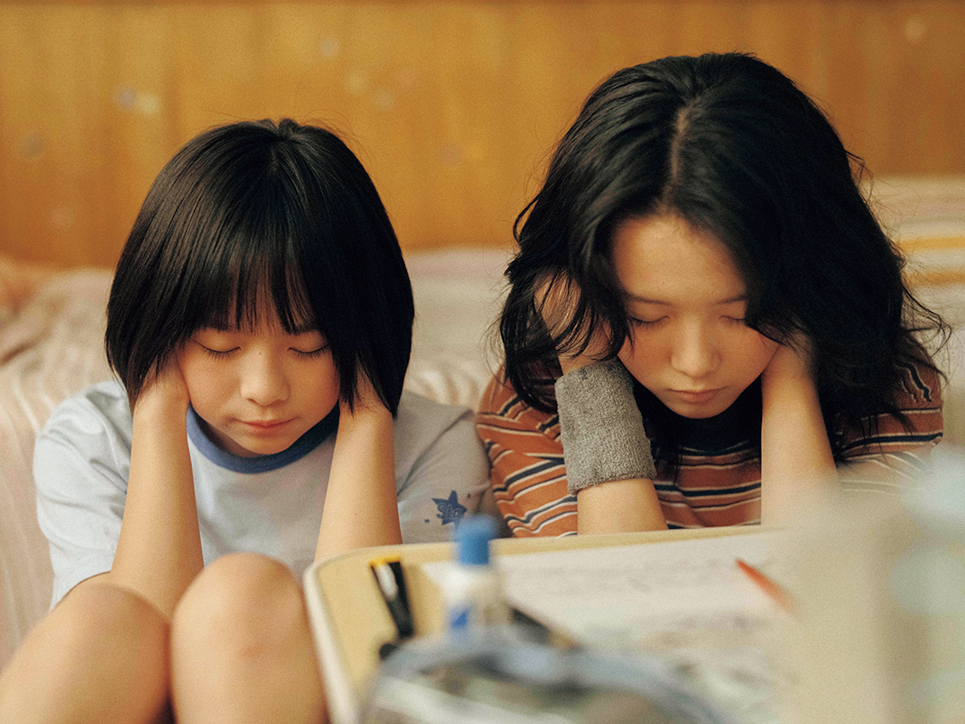
Fujino and Kyōmoto meet through drawing. Their relationship, from childhood to adulthood, is portrayed with remarkable delicacy. © Tatsuki Fujimoto / Shueisha © 2026 K2Pictures / Shueisha
Kore-eda continues:
‘Creators encounter these kinds of setbacks several times throughout their lives. For me, losing the producer who was also my partner in 2009 was one of those moments when I was forced to stop. Only those who manage to overcome such experiences can continue creating.’
As for the ‘power of cinema’, the force that continues to draw audiences in, Kore-eda puts it simply: ‘The fact that cinema is made collectively and watched collectively is essential.’ In the process of making a film with a large team, the director listens carefully to those around him and is willing to incorporate their ideas with flexibility.
‘Cinema is not a medicine that changes society, but a way of strengthening our immunity’
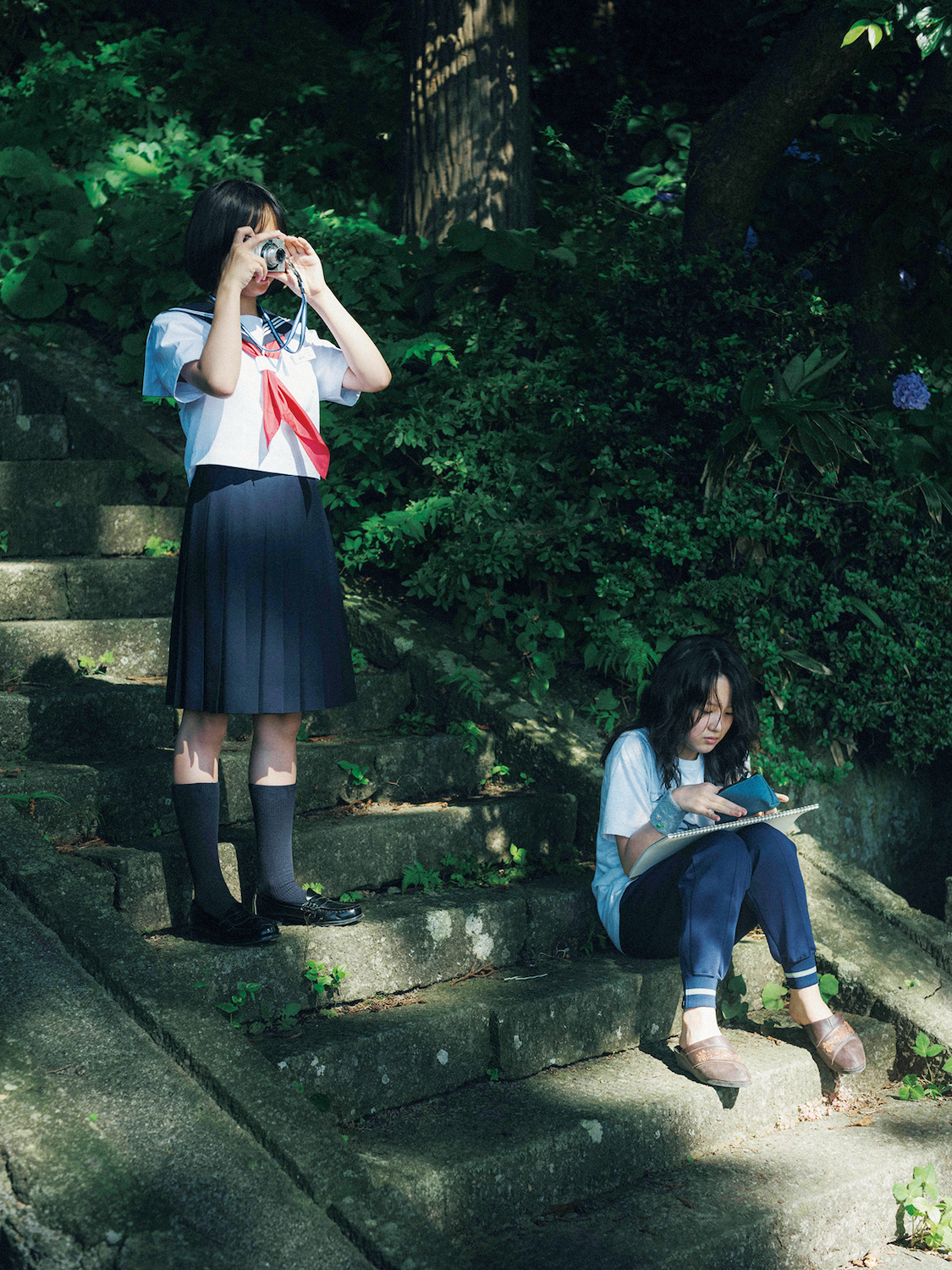
© Tatsuki Fujimoto / Shueisha © 2026 K2Pictures / Shueisha
‘I think it probably comes from my background in television. Cinema and television each have their own strengths. In film, every member of the crew takes responsibility as a professional. Television, on the other hand, is more egalitarian. The moment we arrived at a location, it did not matter whether you were the director or the cinematographer: we would all set off at the same time to find a place to shoot. Everyone would put forward their opinions on an equal footing. I enjoyed that amateurism, and I wanted to bring some of it into cinema. And then…’
When he was still a young assistant director, Kore-eda was treated dismissively on set and his opinions were rarely taken seriously. Yet he was convinced that the programme would inevitably be better if his ideas were taken on board.
‘It was rather arrogant of me, I admit (laughs). But because of that experience, I decided that I would always listen to everyone’s opinion, regardless of their position. This time, too, the film changed considerably thanks to suggestions from assistant director Miyo Yamaura. She also worked as an assistant director on Asura, and Rie Miyazawa, who was on the set, once asked me, ‘Why is it that the scenes get better whenever she whispers something to the director?’ An assistant director’s role is precisely to tell the director anything they notice.’
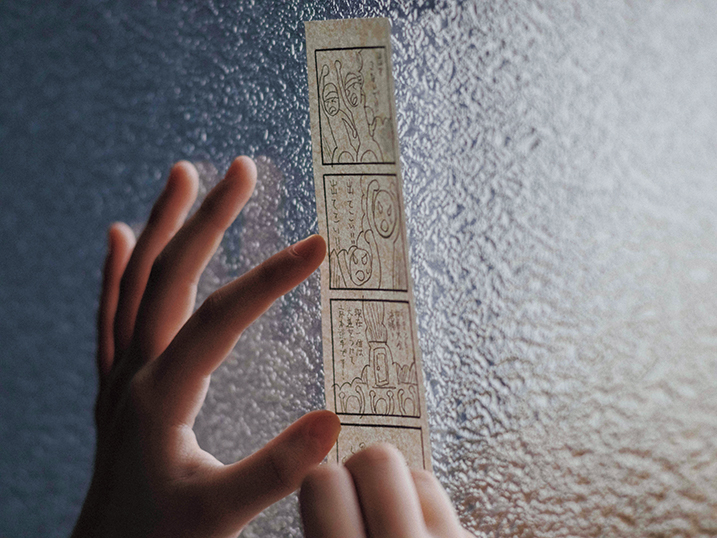
In Fujino’s back as she draws, in her hands and in the sound of her pencil, Kore-eda found a primitive form of cinema. © Tatsuki Fujimoto / Shueisha © 2026 K2Pictures / Shueisha
Kore-eda is not the kind of director who imposes his authority and seeks to control the set. His way of working lies almost at the opposite end of the spectrum.
‘Ideally, I want the film to come together without me having to give orders or shout, ‘No, that’s wrong!’ The best thing is when you suddenly realise that you have somehow managed to shoot the film without even noticing it happening (laughs).’
That is precisely why, for Kore-eda, the ‘power of cinema’ is not a ‘force’ capable of transforming society or the world.
‘I don’t want people to expect cinema to have the same effect as medicine: ‘Take this and your cold will be cured.’ I think the ‘power of cinema’ is more about strengthening our immunity to society and the world and, as a result, helping us not to catch the cold in the first place.’

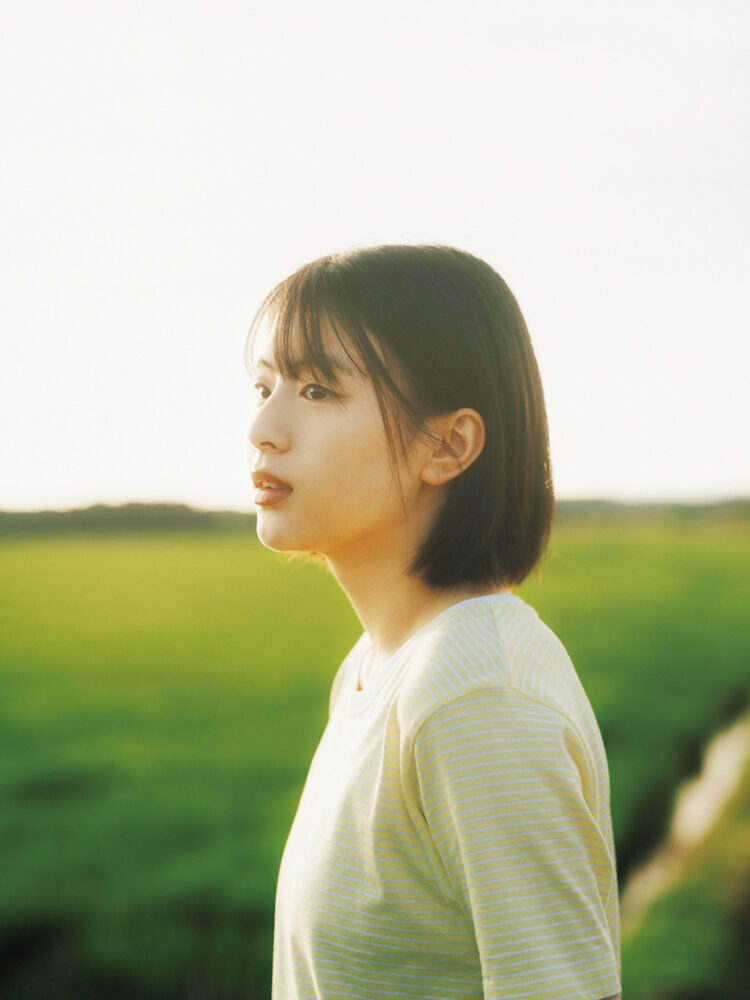
Aju Makita (left) and Natsuki Deguchi (right) play Kyōmoto and Fujino respectively as high school students. Their demeanour conveys the girls’ growth and changing relationship.
Alongside being ‘made collectively’, Kore-eda also sees the fact that cinema is ‘watched collectively’ as one of its defining qualities.
‘I don’t deny the convenience of streaming, but even when people talk about a simultaneous worldwide release, it doesn’t quite resonate with me. For a filmmaker, I think it is more important to travel abroad as part of a promotional campaign and talk about the film face to face with people who have just seen it. It allows you to see for yourself how the work has been received. Watching a film in a cinema with a large audience is still a special experience.’
Look Back is due to open in cinemas shortly. How will the film reach its audience? Tatsuki Fujimoto, the author of the original manga, saw the completed film ahead of its release and praised it wholeheartedly.
‘I was happy that he liked the way we turned the monologues into dialogue. He also praised the important scene on the path through the rice fields, which was a great relief.’
Look Back
Japanese theatrical release: 11 September 2026
Directed, written and edited by Hirokazu Kore-eda
Based on the original work by Tatsuki Fujimoto
Starring Natsuki Deguchi, Aju Makita,
Fuuri Nanase, Rokka Okada and others
Running time: 1 hr 39 min
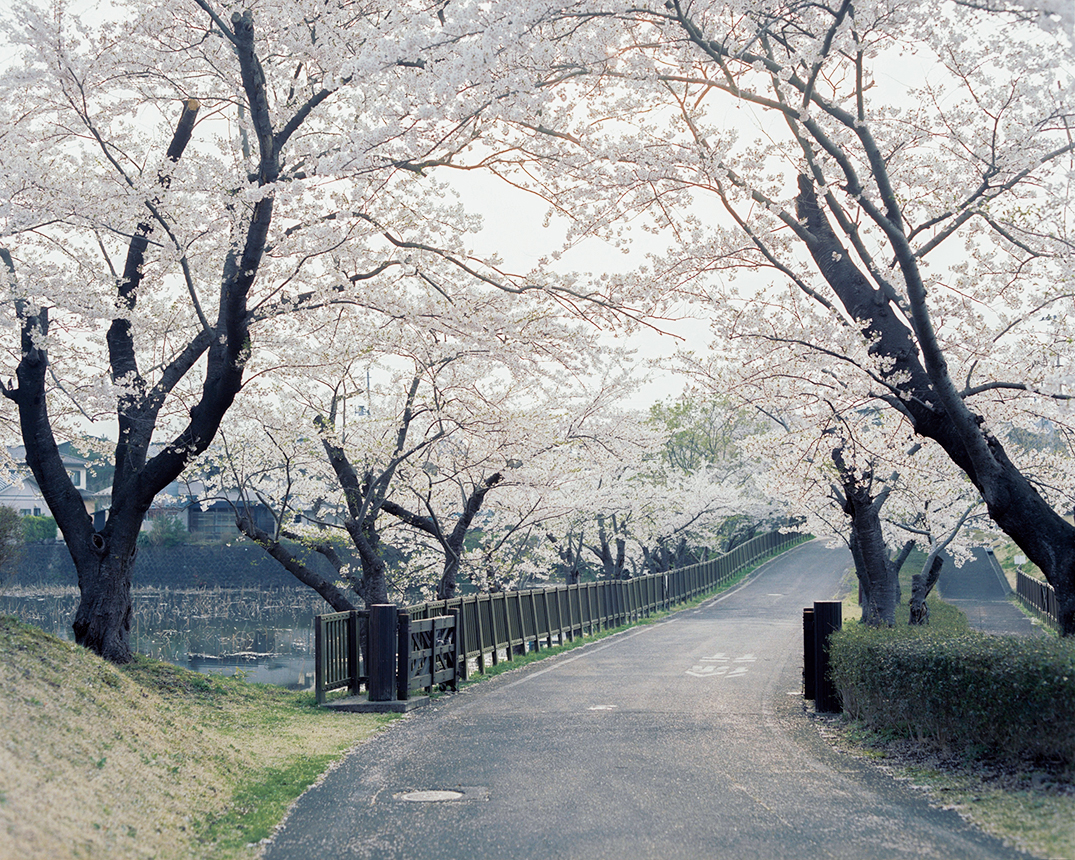
The film was shot in Nikaho, Akita Prefecture. The changing landscapes across the four seasons, captured throughout the year, are another highlight of the film. © Tatsuki Fujimoto / Shueisha © 2026 K2Pictures / Shueisha