‘The Importance of Our Dark Past’
In ‘A Non-Conformist’s Guide to Surviving Society’, author Satoshi Ogawa shares his strategies for navigating everyday life.
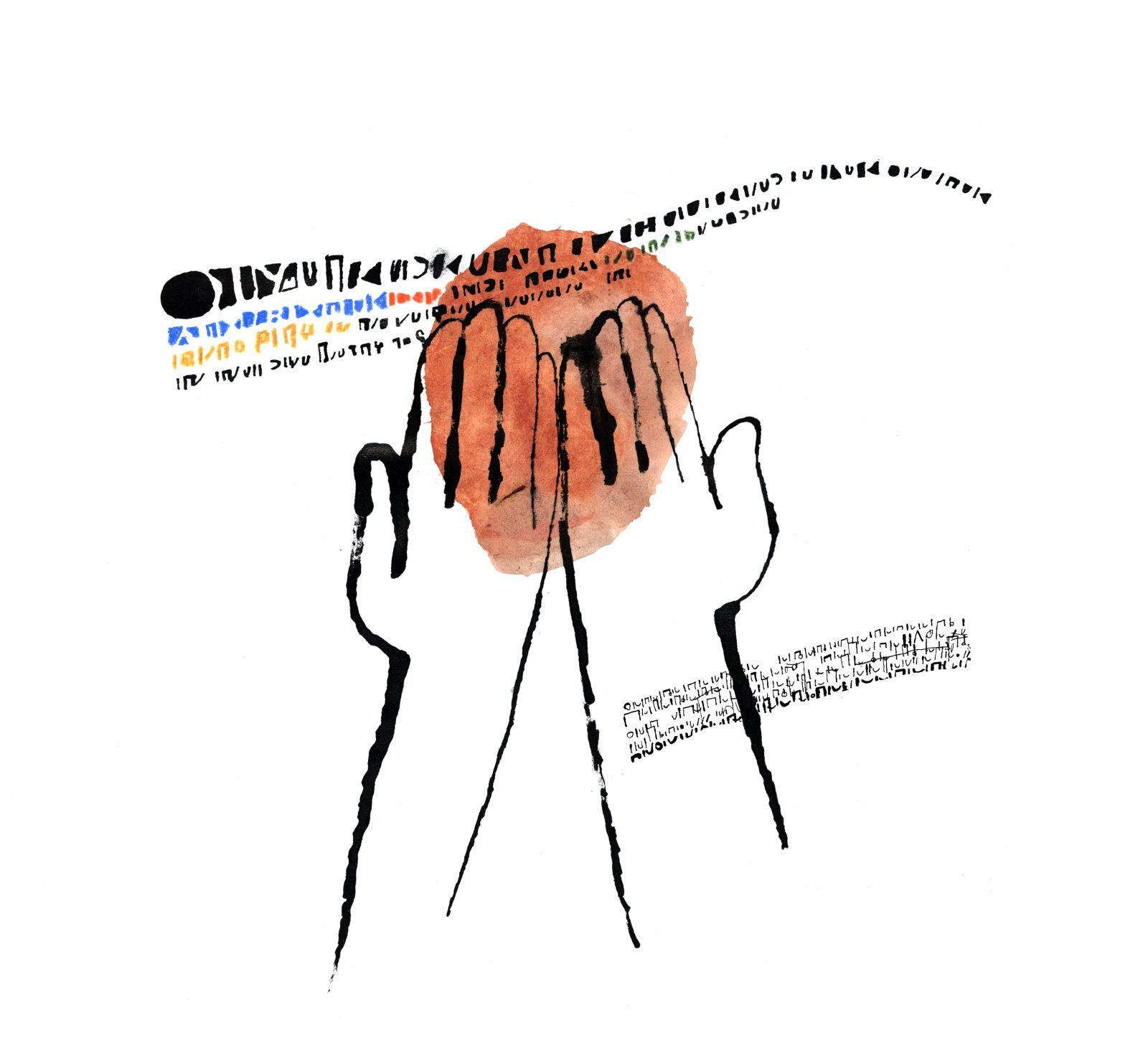
© Tomoyuki Yanagi
In every issue of Pen, the Naoki Prize-winning author Satoshi Ogawa presents a new essay in his series ‘A Non-Conformist’s Guide to Surviving Society’. In this series, Ogawa reflects on the often eccentric strategies he devises to navigate life’s everyday challenges. Below is the twenty-first installment ‘Our Dark Past.’
When I was in my twenties, I often found myself unable to fall asleep after going out for drinks. Once the lights were off and I was lying in bed, I would start replaying the evening in my head. ‘Why did I say something like that?’ ‘I should have answered differently when they asked me that question.’ ‘Perhaps I was misunderstood because I put it that way.’ ‘Maybe that remark hurt them.’ And so on.
Once I reached my thirties, these moments became far less frequent. They haven’t disappeared entirely, but it is now unusual for me to go over an evening in my head once I get home. Thinking about it, I can see at least two reasons for this.
The first is that I eventually came to understand what kinds of gatherings were most likely to leave me with regrets. It tends to happen when I have forced myself to play a certain role, tried to appear more confident than I really was, or found myself too nervous to converse as naturally as I would have liked. These situations are particularly common when I am surrounded by strangers or people I barely know. By avoiding such gatherings, I naturally reduce the opportunities to say or do something embarrassing.
The second reason may simply be that I have matured. I don’t know whether that is necessarily a good thing, but I have stopped trying to liven things up at all costs or doing things that aren’t really like me just to accommodate other people.
In fact, the same thing applies to my novels. Recently, while revising a collection of short stories, I came across some pieces I had written in my twenties. They seemed incredibly clumsy. Some of the phrasing was awkward, and I wasn’t particularly skilled at revealing information. I found myself thinking, with some embarrassment, ‘I actually published this?’
At the same time, I occasionally come across an idea or metaphor and think, ‘I couldn’t come up with something like this today.’ So it would be unfair to say that the stories were simply bad. But there were undeniably many areas where I was lacking in technical skill. Just as with those gatherings in my youth, I was still inexperienced as a novelist and had a tendency to tense up unnecessarily.
The episodes that are known in Japan as kuro rekishi, or ‘black history’—those memories from our past that are so embarrassing we would sometimes rather forget them—have not increased much since I turned thirty. That is probably because my teens and twenties, when I was still far from fully formed and trying to find my way through various forms of trial and error, are precisely the years that left me with the greatest number of embarrassing memories.
Having fewer regrets, making fewer mistakes in my novels and no longer creating new episodes that make me cringe: should I take this as a sign that I have matured? Personally, I prefer to see it as a sign that my growth as a human being is beginning to slow down. That is why I don’t necessarily regard it as a positive development.
More than once, I have found myself suddenly paralysed by the memory of something embarrassing I said at a gathering, or some shameful episode from my student days. Whenever that happens, I have always tried to tell myself: if I can feel ashamed of what I did back then, it is because I have changed. If I can regret my past actions, it is because I have grown. If I can now recognise that the values and ideas I held at the time were misguided, it is because my own values and way of thinking have evolved.
Our embarrassing past is the growing pain that accompanies human development. In my view, someone who has no embarrassing episodes from their student years may well be someone who has not changed very much as a person since then.
There is no need to be ashamed of your ‘black history’. Nor is there any need to erase the mistakes you have made. Being able to regret our actions and reflect on them is itself a sign that we are still growing. Conversely, if we ever stop regretting or questioning ourselves altogether, perhaps that is what we should really be ashamed of.
I hope that, ten years from now, when I read this essay again, I will find myself thinking, ‘Wow, that’s a terrible way of putting it,’ or, ‘I should have written this differently.’ I hope I will still be capable of regret—and of being a little hard on myself.
About the author
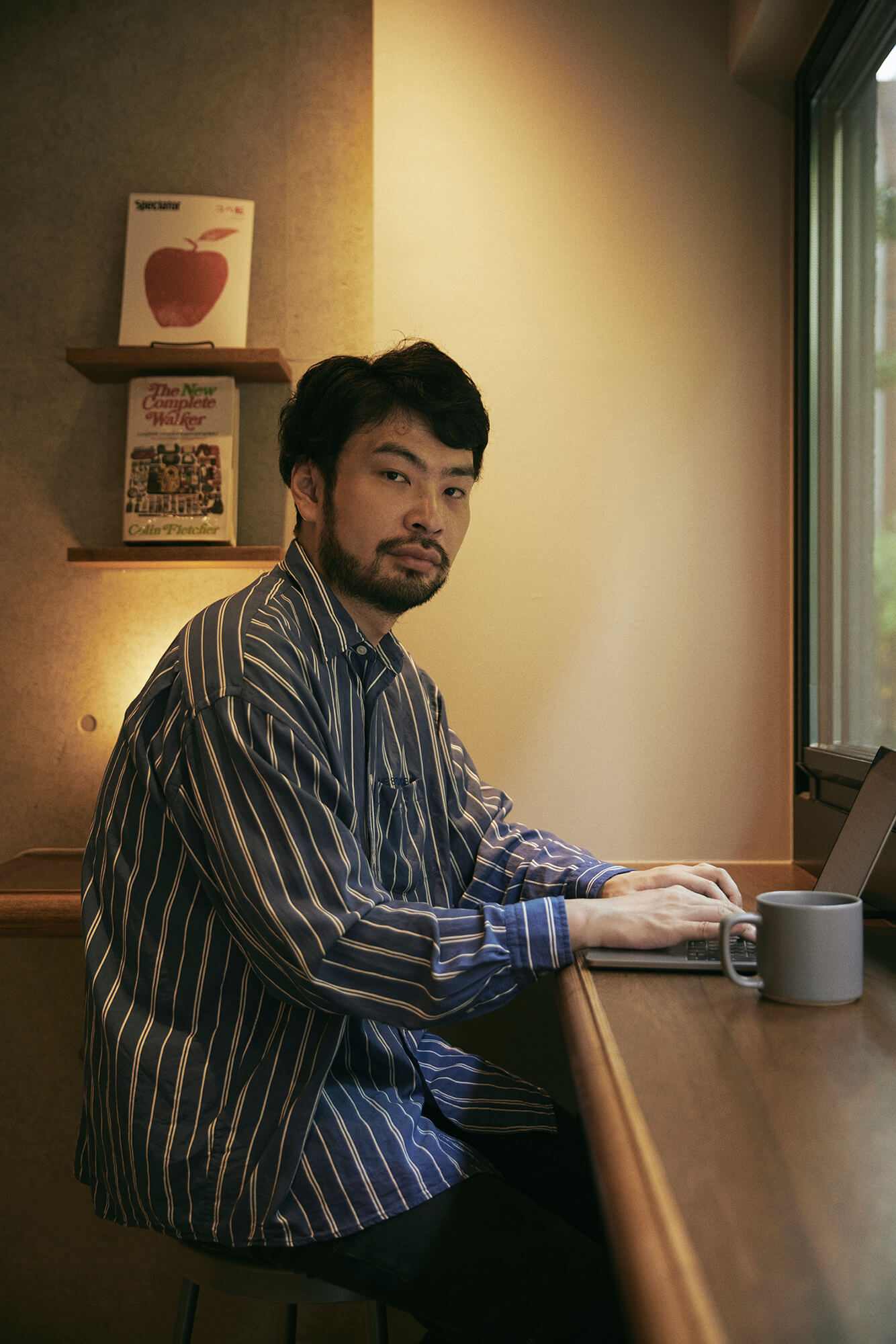
Satoshi Ogawa was born in Chiba Prefecture in 1986. He made his literary debut in 2015 with This Side of Eutronica (Yūtoronika no Kochiragawa, Hayakawa Books). In 2018, his novel Game Kingdom (Gēmu no Ōkoku, Hayakawa Books) earned both the 38th Japan SF Grand Prize and the 31st Yamamoto Shūgorō Prize. He was awarded the 168th Naoki Prize—one of Japan’s most prestigious literary awards, recognizing exceptional popular fiction— in January 2023 for The Map and The Fist (Chizu to Ken, Shūeisha). His latest work, Your Quiz (Kimi no Kuizu), was released by Asahi Shimbun Publishing in 2024.
© Seiichi Saito