‘Do We Become More Contrarian as We Get Older?’
In ‘A Non-Conformist’s Guide to Surviving Society’, author Satoshi Ogawa shares his strategies for navigating everyday life.
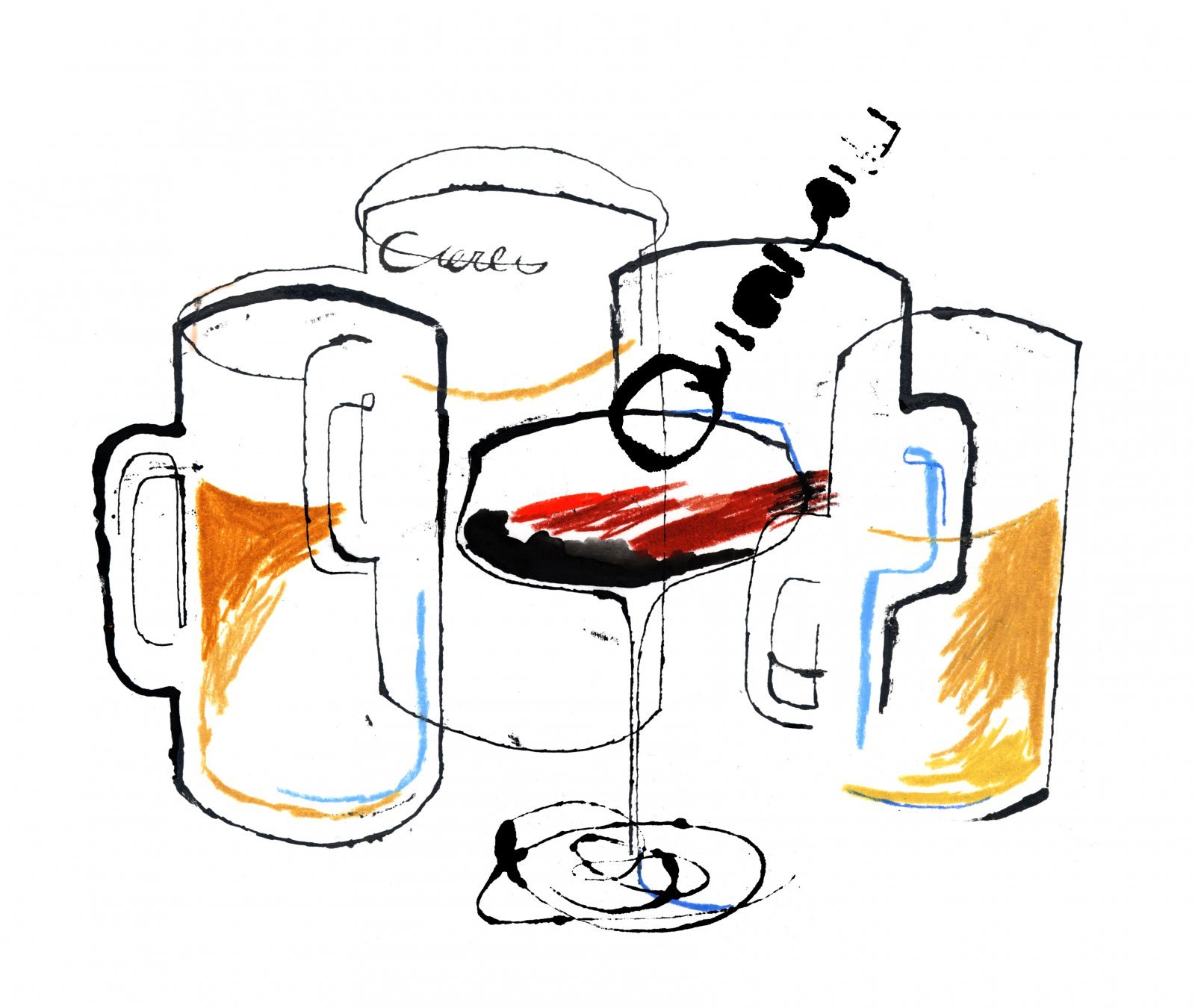
© Tomoyuki Yanagi
In every issue of Pen, the Naoki Prize-winning author Satoshi Ogawa presents a new essay in his series ‘A Non-Conformist’s Guide to Surviving Society’. In this series, Ogawa reflects on the often eccentric strategies he devises to navigate life’s everyday challenges. Below is the twenty-sixth installment ‘How My Contrarian Nature Has Evolved’.
From the day I was born until the day I die, I will probably be regarded, by others and by myself, as someone with a strong contrarian streak. But the way I go about contradicting people has changed over the years, too.
As a child, I think I was a rather clumsy contrarian. Although I was undoubtedly inclined to challenge things, I was not yet fully aware of it myself. My reasoning lacked finesse at times, and I could not always carry an argument through to its logical conclusion.
For example, when my mother told me, ‘You’re only allowed to play video games for thirty minutes a day’, I would ask, ‘Why?’ If she replied that other families had the same rule, I would retort, ‘In that case, since other families have miso soup for breakfast every day, I’d like us to do the same at home. And since parents in other families take their children to their extracurricular activities, I’d like you to do that too.’ I had no qualms about exploiting the weaknesses of my mother, who worked full-time and never seemed to have enough hours in the day.
Ever since then, I have hated being told to do something simply because ‘everyone does it’ or ‘that’s what other people do’. I was often criticised for being contrary, but at that age I was still rather clumsy in the way I went about it.
As I grew older, through adolescence and into early adulthood, my contrarian streak became more sophisticated. I began to wonder, for instance, whether Valentine’s Day was really worth celebrating when it was a holiday created to serve the interests of the chocolate industry. The young Ogawa, who had once competed with his friends to see who would receive the most chocolates, now argued that ‘simply counting the chocolates you receive means allowing yourself to be manipulated by an illusion manufactured by big business’.
A friend from my university football team, a certain Ono, helped me refine my contrarian streak considerably. Or at least, he helped me understand how it worked. During inter-university matches, Ono would often mutter angrily to himself, apparently furious with someone. Most of the time, he seemed to be annoyed with a player on the opposing team, but occasionally he would turn on his own teammates, too. By listening closely, I eventually worked out what was getting him so worked up.
‘Whenever one of you takes a shot, everyone shouts, ‘Nice shot!’ But there are good shots and bad shots. If a teammate takes a terrible shot and you still shout ‘Nice shot!’, doesn’t that mean you’ve stopped thinking for yourself?’ I burst out laughing when I heard him say this in the middle of a match. It is true that in football, it is common to encourage your teammates by shouting ‘Nice shot!’ whenever they take a shot at goal. But was this really anything more than an automatic response?
From that point on, I began to question the things we take for granted in our culture, traditions and everyday lives. Why attach so much importance to birthdays, when anyone can celebrate simply by having lived for another year? Why place so much value on New Year, when all it really marks is the renewal of an arbitrary system: the calendar?
My contrarian streak had now reached a whole new level. By the time I had become something of an ‘extreme contrarian’, I would even find myself irritated when meeting friends with office jobs after work and one of them ordered a draft beer, saying, ‘Let’s start with the usual: a beer.’ To me, that choice was just another example of doing something without stopping to think about it.
It was then that I began to notice certain tendencies, even shared characteristics, among other contrarians. Eventually, I grew deeply uncomfortable at the thought of resembling people who would proudly announce, unprompted, ‘You know, I’m a real contrarian.’ If following trends in music or cinema without questioning them means simply going along with the crowd, then surely dismissing anything aimed at the general public without a second thought is just as unthinking.
And so I have become rather difficult to define: a contrarian who even takes issue with other contrarians. In short, a contrarian who turns against himself.
About the author
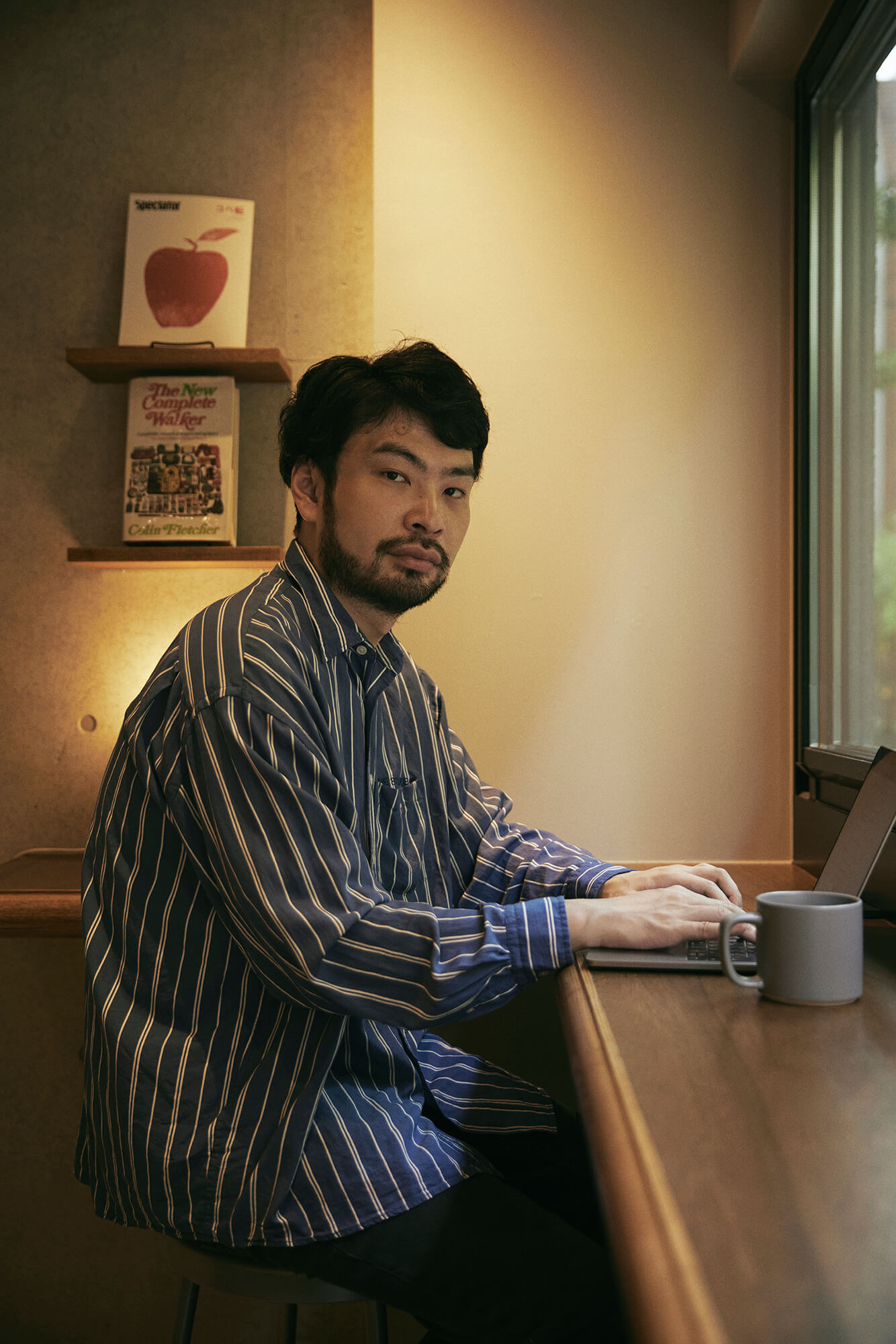
Satoshi Ogawa was born in Chiba Prefecture in 1986. He made his literary debut in 2015 with This Side of Eutronica (Yūtoronika no Kochiragawa, Hayakawa Books). In 2018, his novel Game Kingdom (Gēmu no Ōkoku, Hayakawa Books) earned both the 38th Japan SF Grand Prize and the 31st Yamamoto Shūgorō Prize. He was awarded the 168th Naoki Prize—one of Japan’s most prestigious literary awards, recognizing exceptional popular fiction— in January 2023 for The Map and The Fist (Chizu to Ken, Shūeisha). His latest work, Your Quiz (Kimi no Kuizu), was released by Asahi Shimbun Publishing in 2024.
© Seiichi Saito