‘Passion’ by Marihiko Hara is a Soundtrack for Human Coexistence
In this album, the Kyoto-based ambient musician texturally weaves together the distant corners of the world through piano notes.
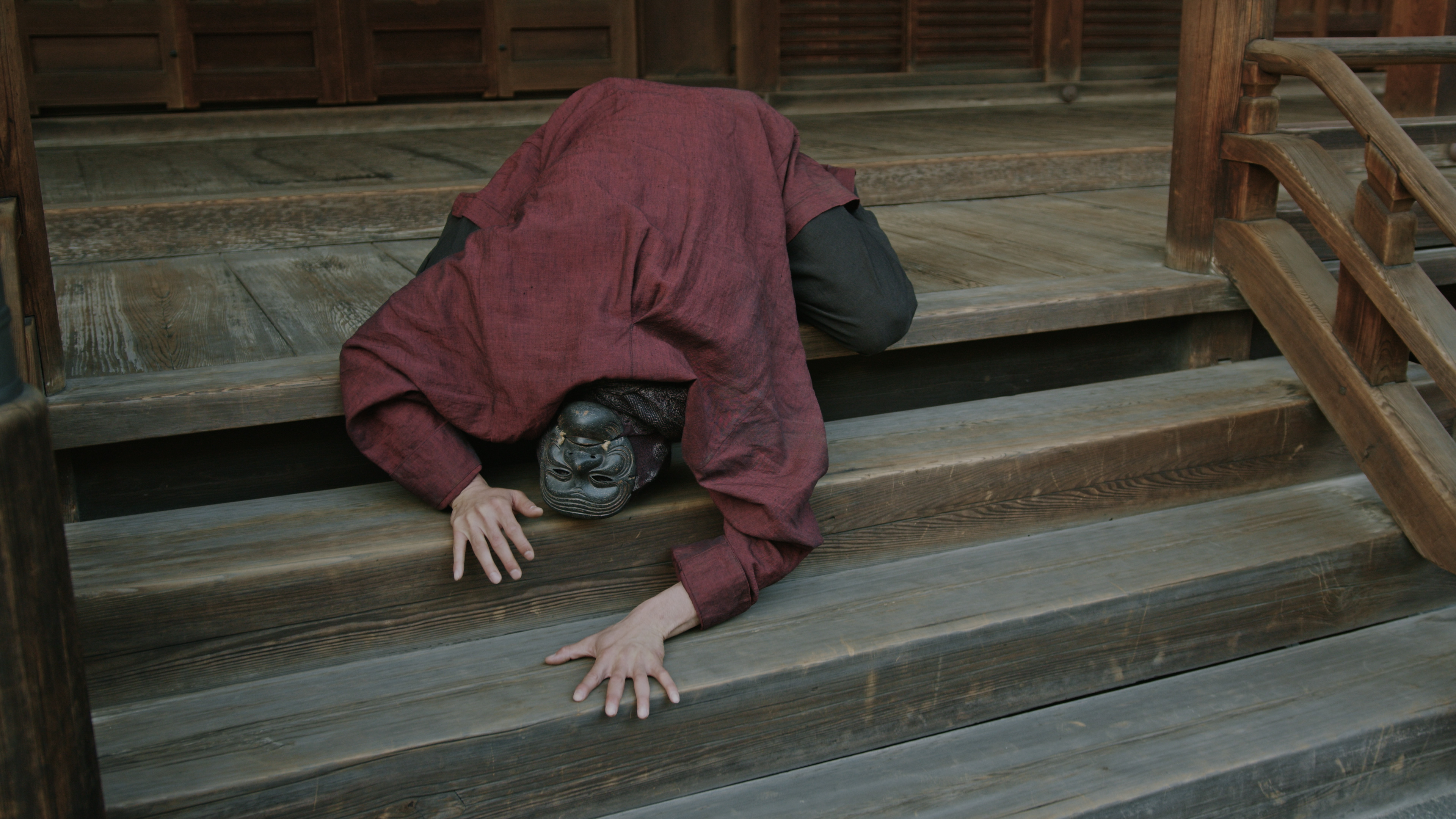
Photo: Beatink
Passion, Marihiko Hara’s album released in June 2020 on Beat Records, is a sacred landscape of emotion where synthesisers, field recordings, and piano keys come together and embrace decades of a career the artist spent listening to the world around him. Since his debut in 2005, Marihiko Hara has experimented with minimal electronic sounds to pursue the most gentle and hazy acoustic textures.
As a graduate of Kyoto University, he is known for his frequent collaborations with affiliates of the Kyoto’s Fine Art scene—including with fellow member of Dumb Type Shiro Takatani, or with internationally renowned choreographer Damien Jalet. Soundtracking works from staged performances to experimental animation, the unifying undercurrent in his work has been a certain sensitivity towards spatiality. His abstract, fragmented use of tone allows us to enter into meditations, reflecting on our contemporary lives that are increasingly mediated by technology. But in Passion, the piano has returned with force. Marihiko Hara explains that the pure beauty of a simple chord, which he remembers striking as a young teenager, has remained the starting point for many of his compositions.
A Passionate embrace
Passion is a profound return to humanity. Through field recordings delicately collected from every corner of the world, Marihiko Hara explains he wishes to unite ‘all human beings who share the same sun… moon and stars’ in acoustic coexistence as if to express the commonality of human experience. Though the album is primarily inspired by his travels in Mongolia, a variety of influences around the world can be heard echoing here. In the track ‘Fontana’, we hear the Japanese bamboo wind-instrument sho, historically used in imperial ceremonies, and in ‘Confession’, plucks of the the Iranian zither evoke a different spiritual tradition.
Speaking of the album title, Passion signifies a reflection that goes beyond the joy traditionally associated with musical culture. To Marihiko Hara, it is a sacred vow to accept life in spite of suffering: from the challenges an artist may endure in his career, to the acceptance of vast contradictions in the diversity of human existence.
With a vision of beauty influenced by both East and West, Marihiko Hara places himself in the lineage of forward-thinking Japanese musicians such as Ryuichi Sakamoto, who was himself an early influence for Marihiko Hara, as well as a recent collaborator.
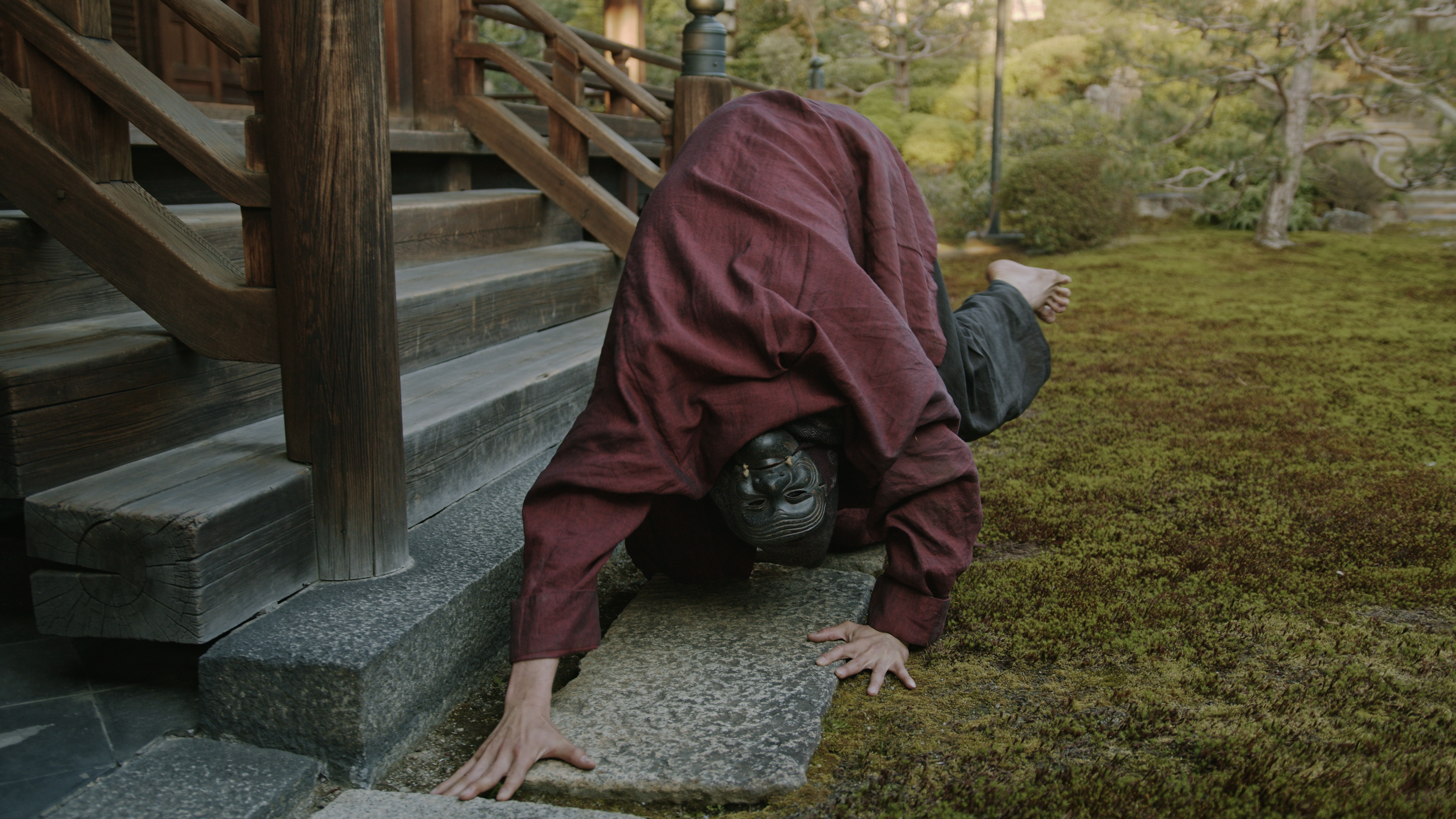
Photo: Beatink
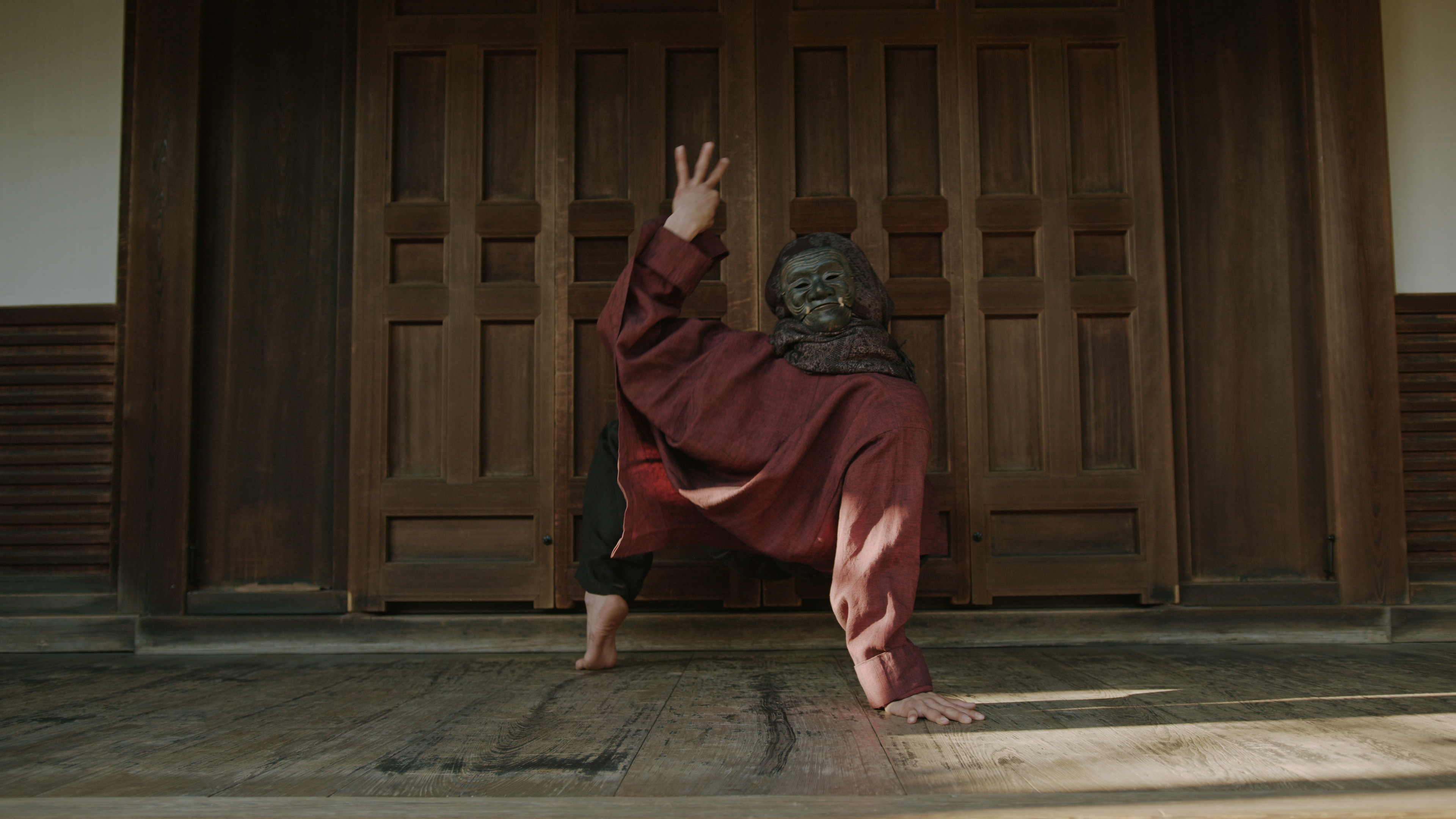
Photo: Beatink
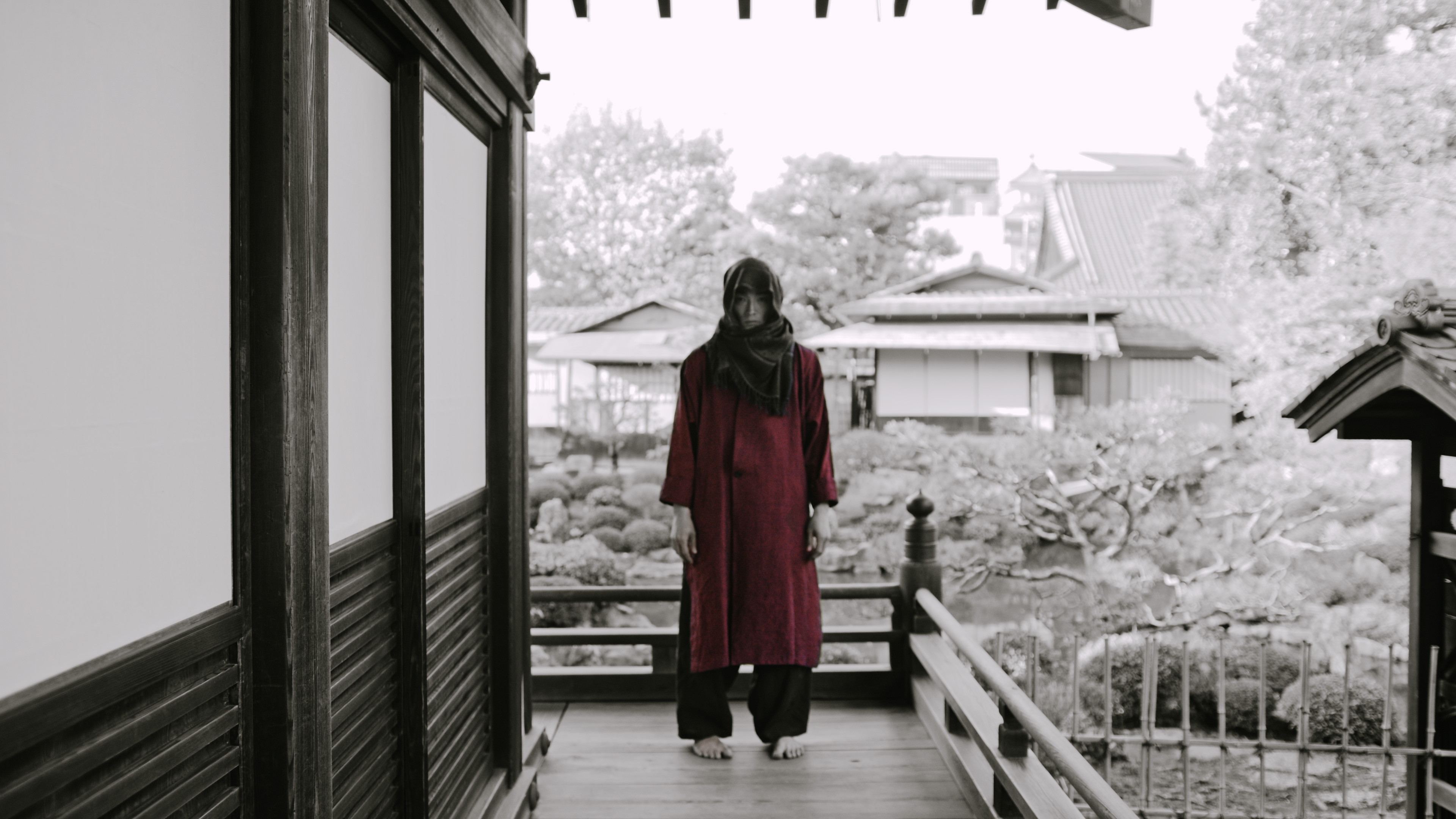
Photo: Beatink
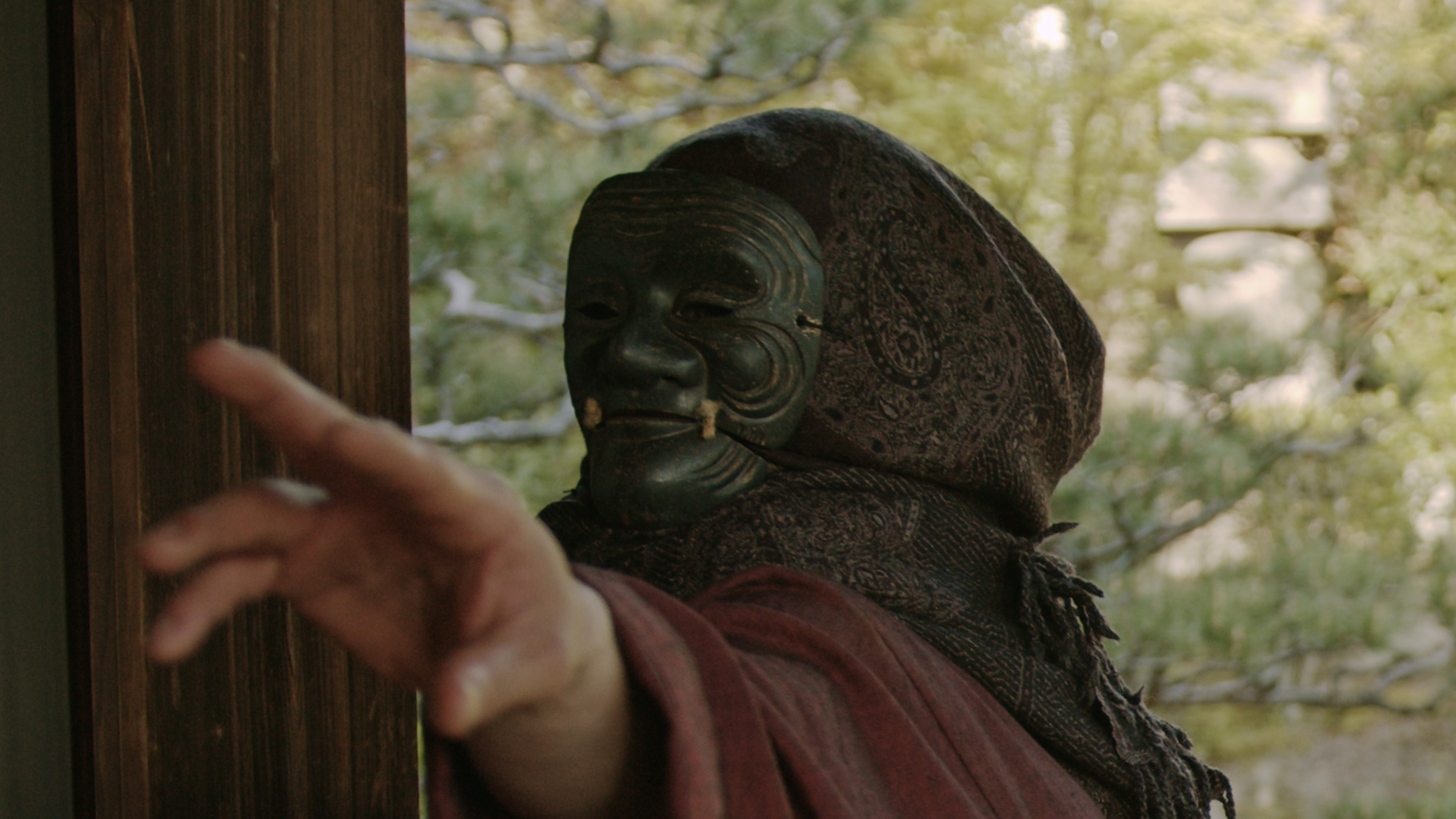
Photo: Beatink
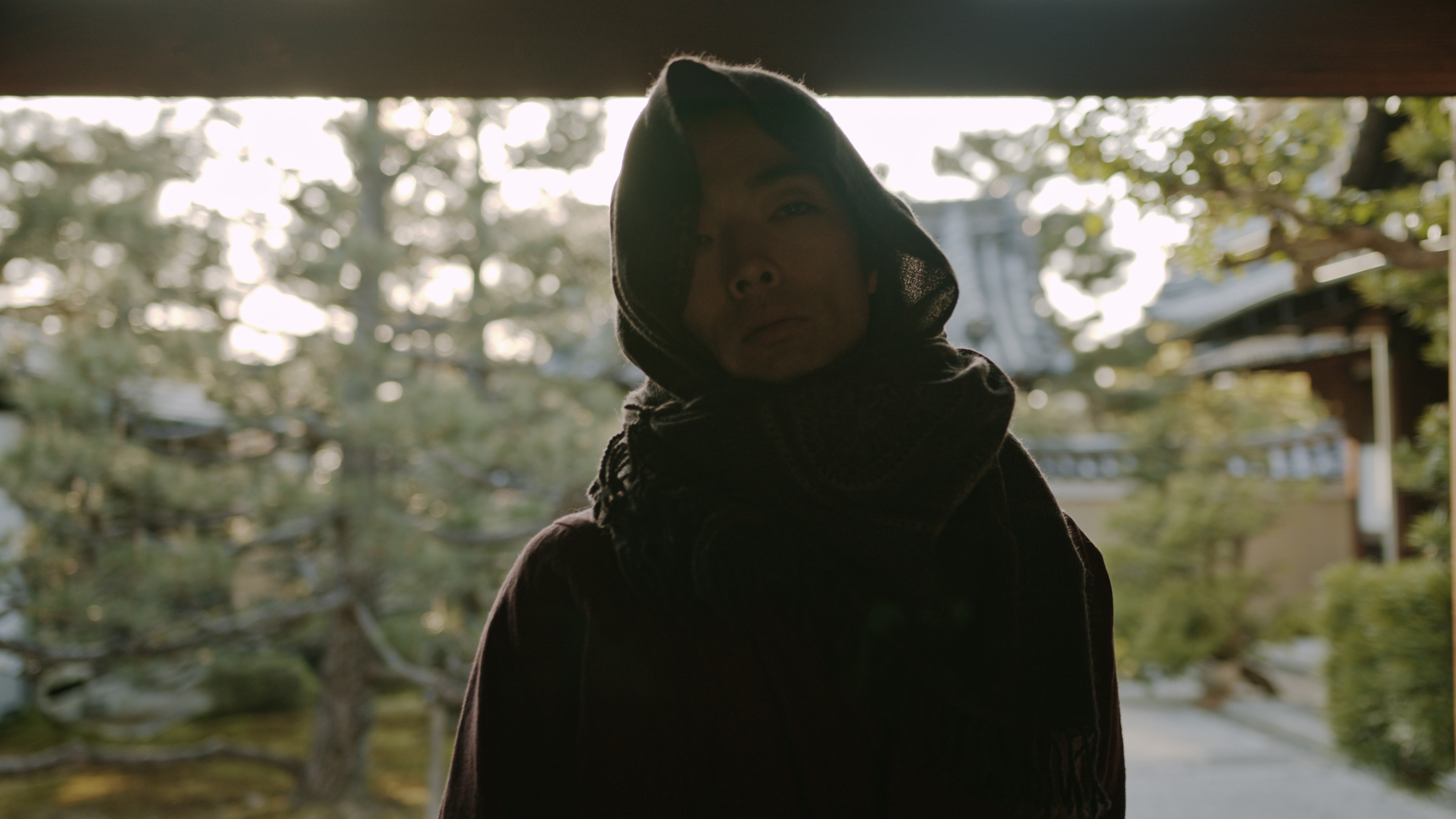
Photo: Beatink
TRENDING
-
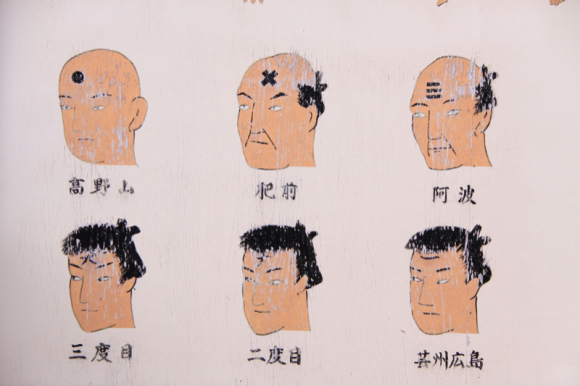
The Tattoos that Marked the Criminals of the Edo Period
Traditional tattoos were strong signifiers; murderers had head tattoos, while theft might result in an arm tattoo.

-
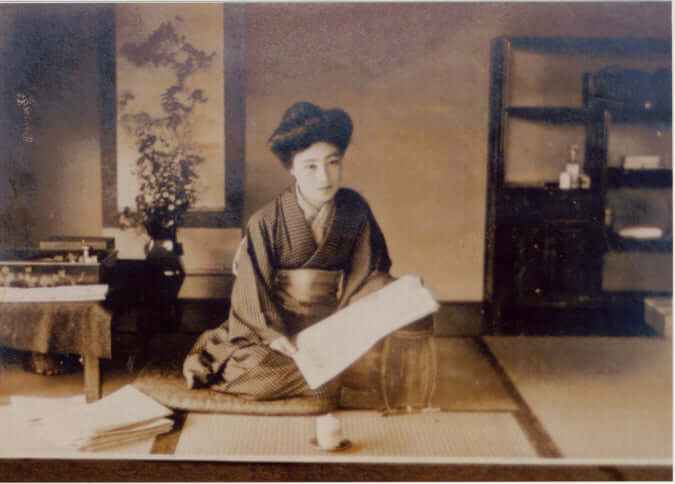
The Story of Sada Yacco, the Geisha who Bewitched Europe
Described by Dazed magazine as the first beauty influencer, she has been restored to her former glory since 2019.
-
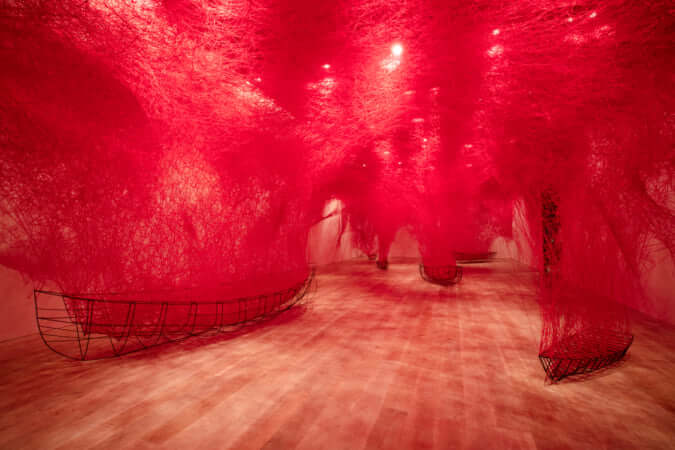
Chiharu Shiota, Red Threads of the Soul
Last year, more than 660,000 people visited the retrospective 'Chiharu Shiota: The Soul Trembles' exhibit at the Mori Art Museum.
-
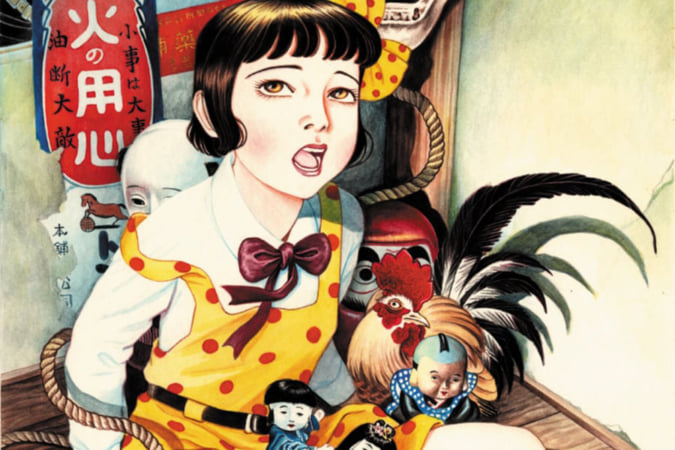
‘Shojo Tsubaki’, A Freakshow
Underground manga artist Suehiro Maruo’s infamous masterpiece canonised a historical fascination towards the erotic-grotesque genre.
-
Paris, Tokyo: Robert Compagnon
With his co-chef and talented wife, Jessica Yang, Robert Compagnon opened one of the top new restaurants in Paris: Le Rigmarole.
3:31