‘Radio Taiso’, Japan’s Exercise Wake-Up Call
Every morning, millions of people participate in this sport routine, guided by the national radio broadcasting (NHK) show.

© Ansel Adams
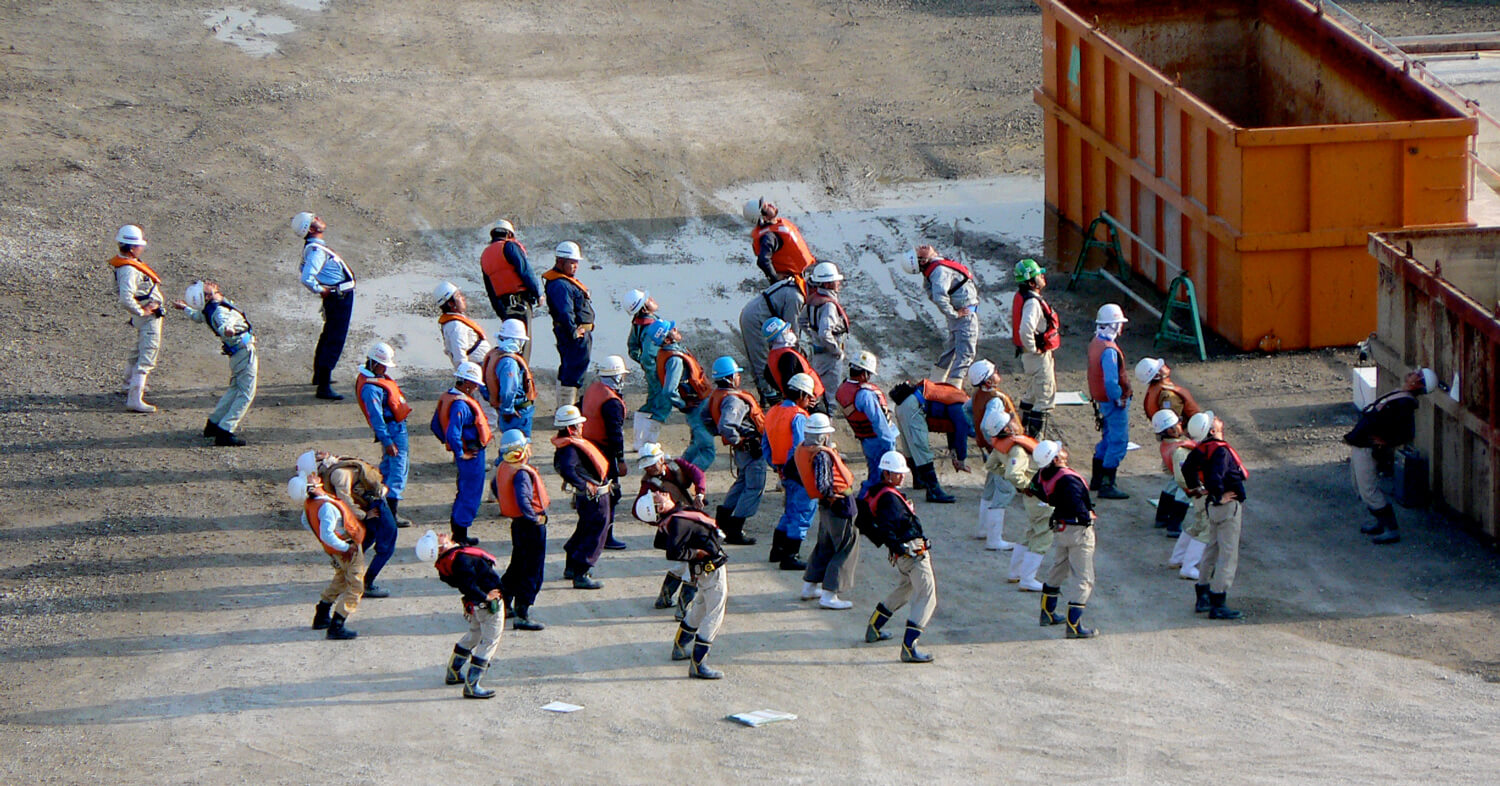
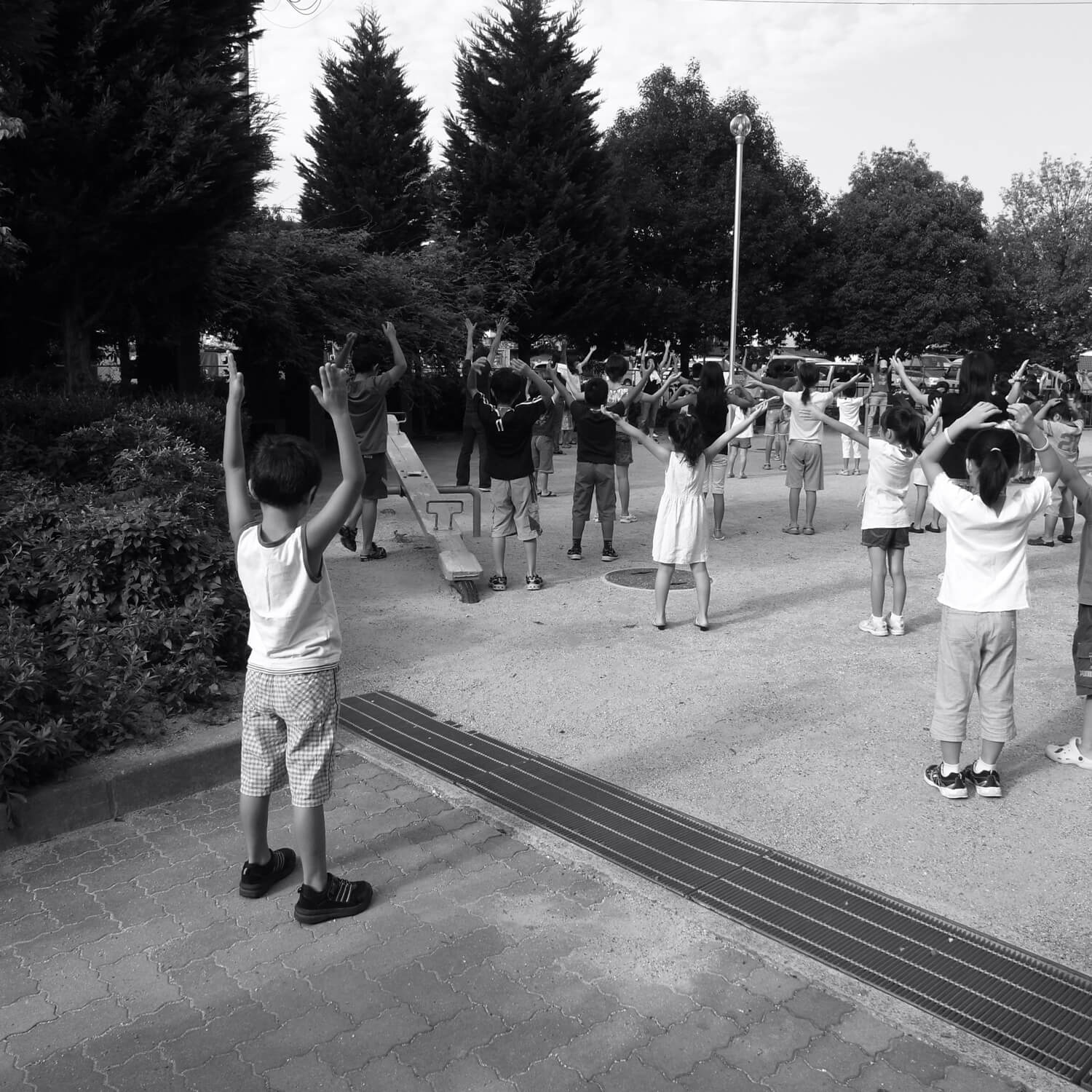
At 6:30 every morning, the public radio broadcaster NHK presents Radio Taiso, a 10-15-minute-long music programme where an instructor guides brave and willing individuals through their morning exercises. The exercises are not very intense on the body and essentially involve movements using the bodyweight and balance, as well as stretches.
The Japanese government estimates that 27 million people take part in this practice in Japan, and several millions more worldwide.
A programme from a time of censorship
The programme takes inspiration from an American radio fitness routine brought back to Japan by a radio employee and launched on the national radio broadcasting (NHK) channel in 1928, to encourage the population to stay in good health.
Following Japan’s defeat in 1945, the occupying American forces banned the programme, deeming the group gatherings and movements practised too militaristic. In 1951, however, with the backing of the Ministry of Education and Health, Radio Taiso returned to NHK, and then television. Since then, the story has continued, every morning.
Episodes of Radio Taiso can be viewed on NHK’s YouTube channel.
© Chris Lewis
© Makoto Satsukawa