Japanese Designers Take the Global Stage
Eight brands are redefining fashion through clothing with a quiet exterior and remarkable quality, imbued with a distinctly Japanese sensibility.
Japanese brands are once again drawing the world’s attention. Beneath a quiet exterior lies clothing of remarkable quality, shaped by a deeply rooted Japanese interiority. Eight designers, each guided by a singular vision, are redefining its contours today.
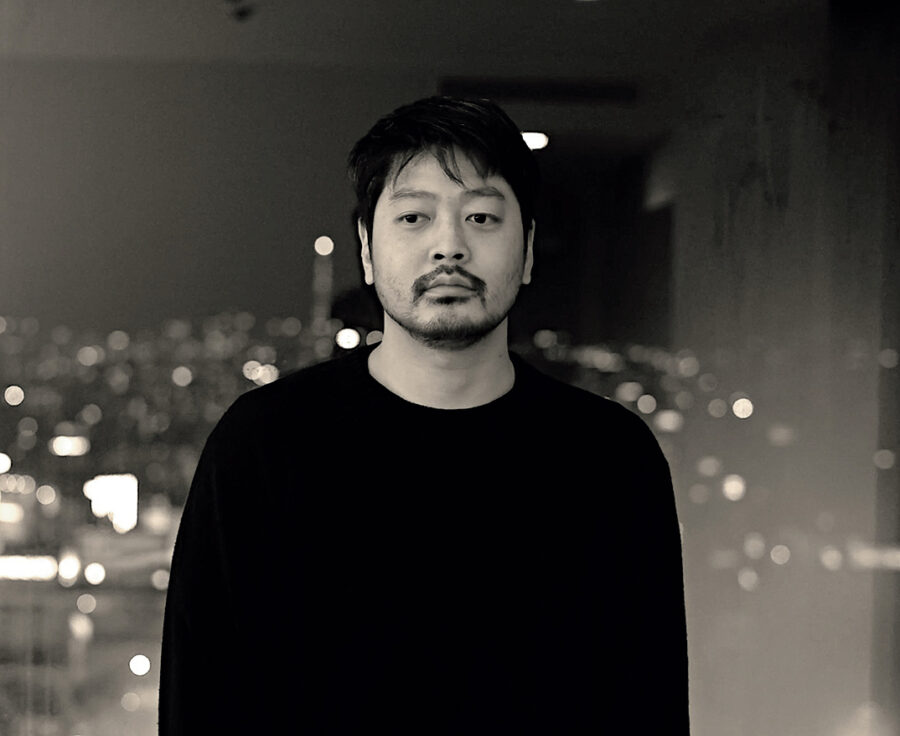
Soshi Otsuki for SOSHIOTSUKI
Born in 1990 in Chiba, Soshi Otsuki graduated from Bunka Fashion College before continuing his studies at Coconogacco and training under Yoshikazu Yamagata (writtenafterwards) and Mikio Sakabe (MIKIOSAKABE).
Awarded the LVMH Prize in 2025, he has since established himself on the global stage.
An Expression of Japanese Spirit Through Tailoring
The LVMH Prize stands among the most prestigious distinctions for emerging designers. In 2016, Soshi Otsuki became its youngest Japanese semi-finalist, before winning the Grand Prize in 2025—further reigniting global interest in Japanese fashion.
At the core of SOSHIOTSUKI lies a form of dandysme shaped by the intersection of Japanese spirituality and the discipline of tailoring. Drawing on values intrinsic to Japan, from bushidō to the culture of uniforms, the brand elevates them into a contemporary expression. While the precision of its cuts has captured international attention, what ultimately emerges is an aesthetic deeply rooted in Japanese sensibility.
What appears at first restrained conceals meticulous construction, a rigorous approach to materials, and a quiet but tangible interiority. From Japan, SOSHIOTSUKI continues its steady expansion.
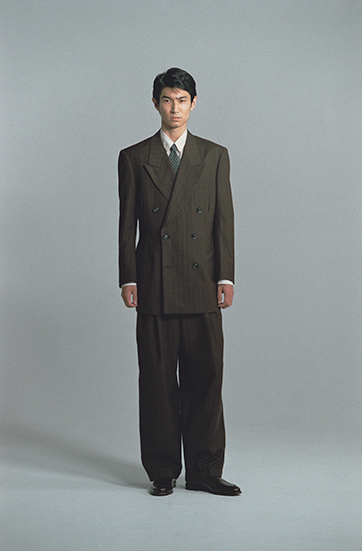
The Spring/Summer 2026 collection, titled ‘The Shape Itself,’ marks a shift: moving away from earlier conceptual approaches, it focuses more directly on ‘the form of the garment itself’ and the aesthetics of construction.
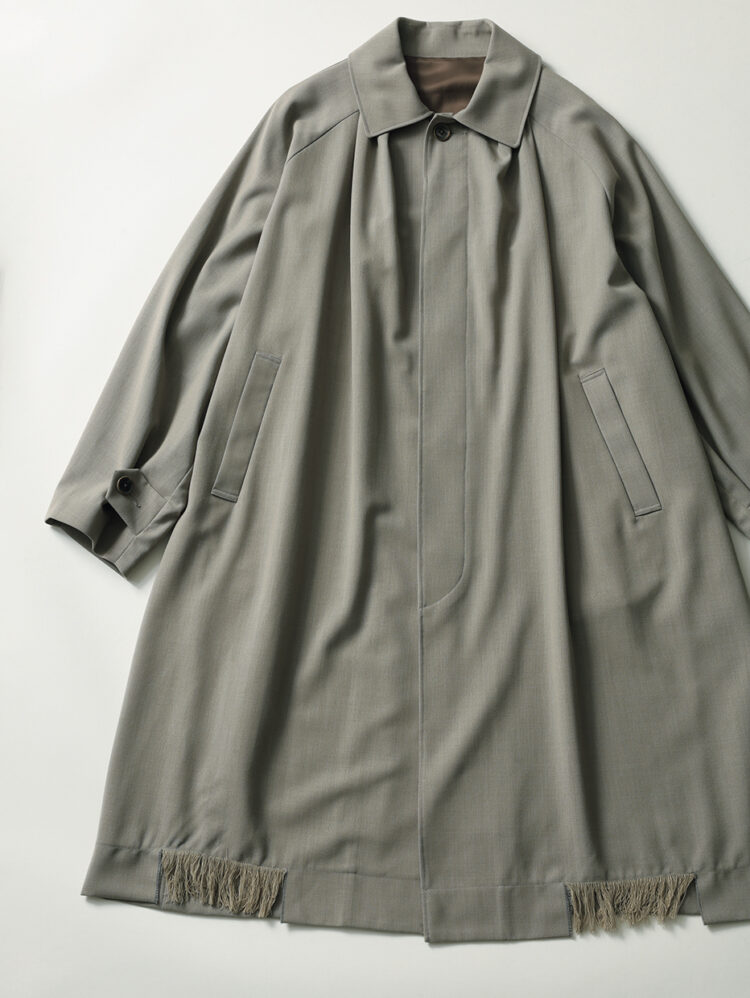
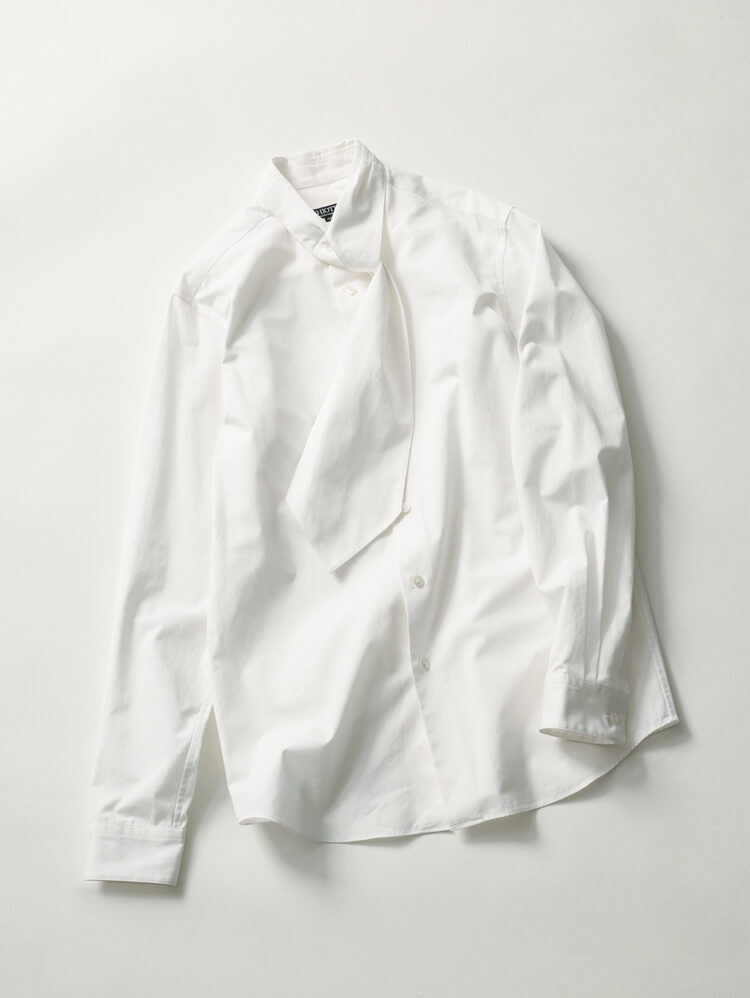
Left: The addition of pleats at the raglan sleeves creates a natural drape flowing from shoulder to hem. Conceived from the idea of translating the effect of a scarf casually draped over the shoulders into a single garment, the piece is named the ‘Scarf Drape Coat.’ Coat: ¥143,000 / Right: The shirt’s pointed collar is reinterpreted in an ascot-inspired style. While the right side follows a classic button-down construction, the left features an asymmetric design allowing it to be threaded through the right collar. Shirt: ¥47,300
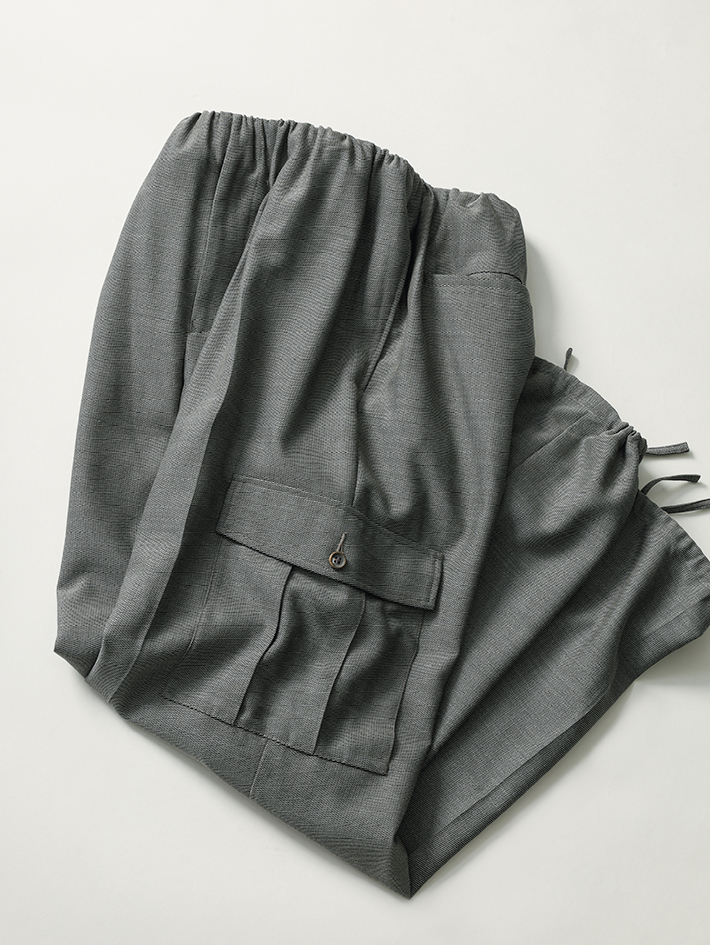
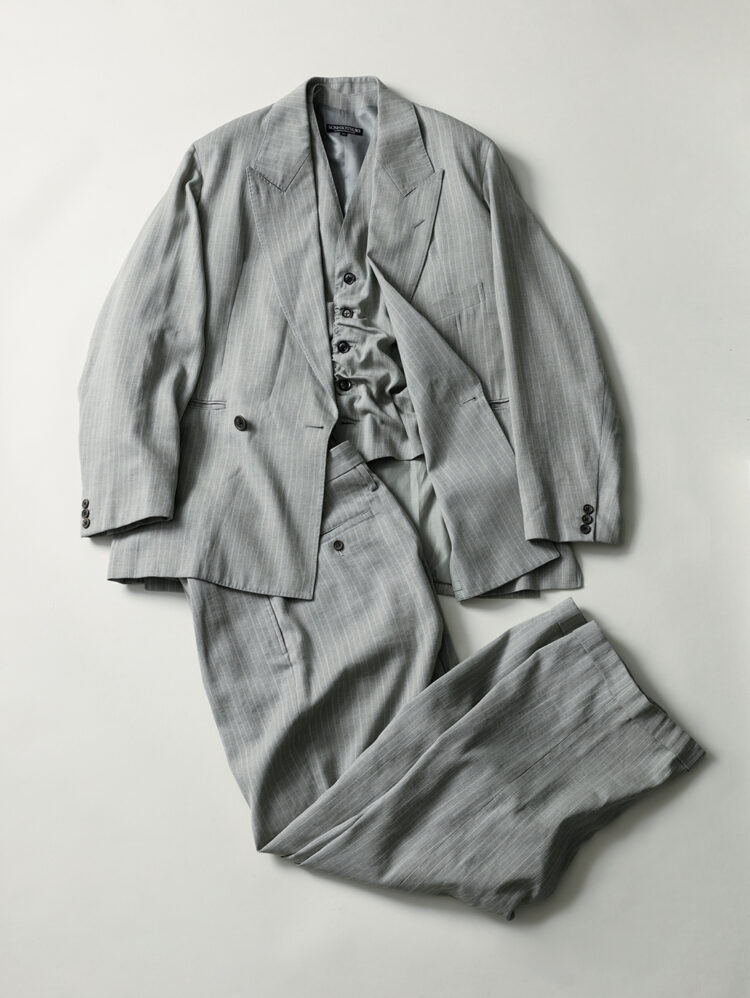
Left: Designed with particular attention to the finish of the elasticated waist, these cargo trousers develop a distinctive volume. Around the hips, a natural drape and subtle fullness create a soft, rounded silhouette. Trousers: ¥60,500 / Right: The jacket draws on a side-slit construction at the waist, inspired by historical Japanese uniforms designed to accommodate a sword. The vest takes its cue from the horizontal creases that form when a garment is ill-fitting. The wide-cut trousers feature four inverted front pleats, creating deep shadows and a generous drape. Jacket: ¥121,000, vest: ¥49,500, trousers: ¥61,600
Taro Horiuchi for kolor
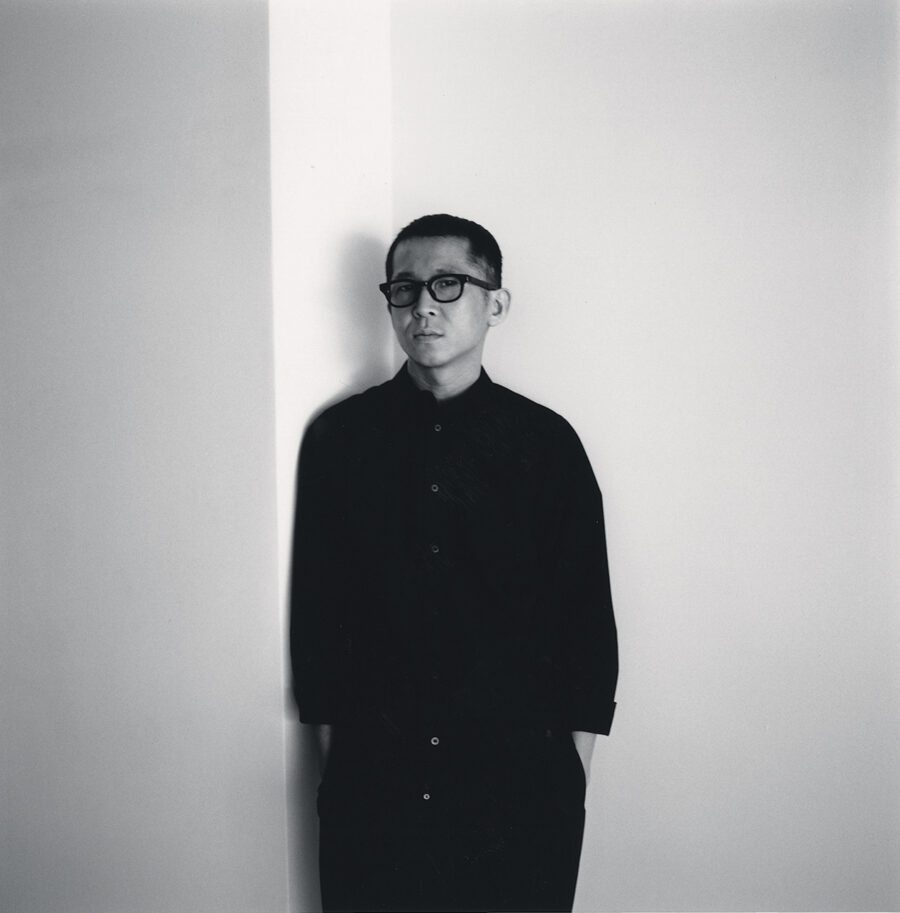
Born in Tokyo in 1982, Taro Horiuchi graduated top of his class from the Royal Academy of Fine Arts Antwerp before launching his own label in 2009.
In Autumn/Winter 2018, he introduced ‘th products.’ In January 2025, he was appointed creative director of kolor.
A Distinctive Vision Shaped in Europe
Selected to succeed founder Junichi Abe, Taro Horiuchi represents a generation shaped by international experience.
For his debut collection at kolor, he began with a series of twenty sketches—an approach unprecedented for the brand. From these drawings, kolor’s established expertise, particularly in tailoring and textiles, was layered in. A method rarely seen in Japan.
This first attempt, combined with the brand’s signature terrain (tailoring and hybrid constructions) expands to incorporate an outdoor dimension, introducing a renewed sense of movement.
Known for its dense compositions, where multiple elements coexist within a single garment, kolor here fully absorbs Horiuchi’s sensibility. A transitional moment, marking the emergence of a new identity.
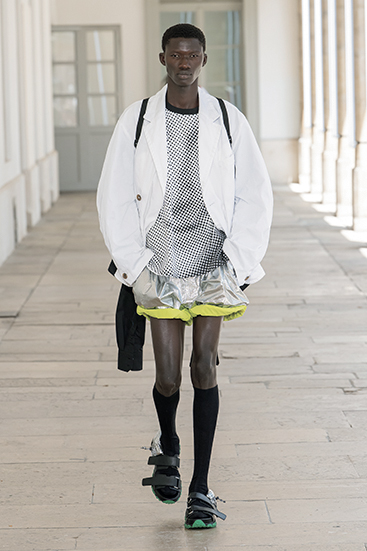
Bringing together elements of near-future aesthetics, sportswear, medieval-inspired tailoring and, now, outdoor references, the collection orchestrates a multiplicity of influences into a controlled sense of chaos—marking the opening chapter of a new phase for the house.
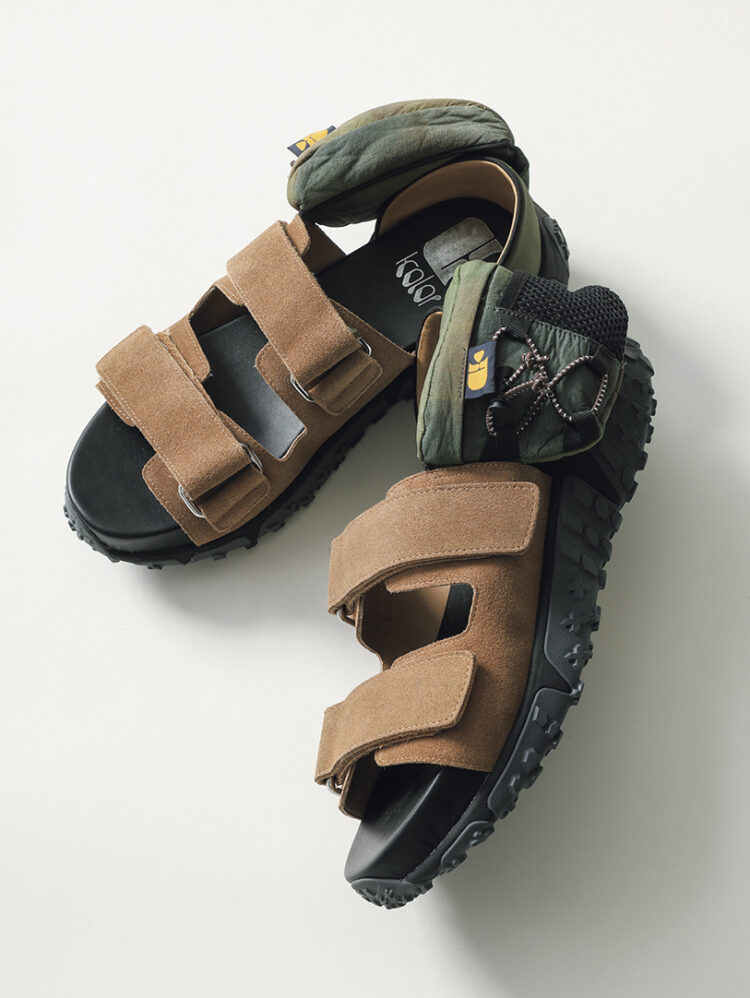
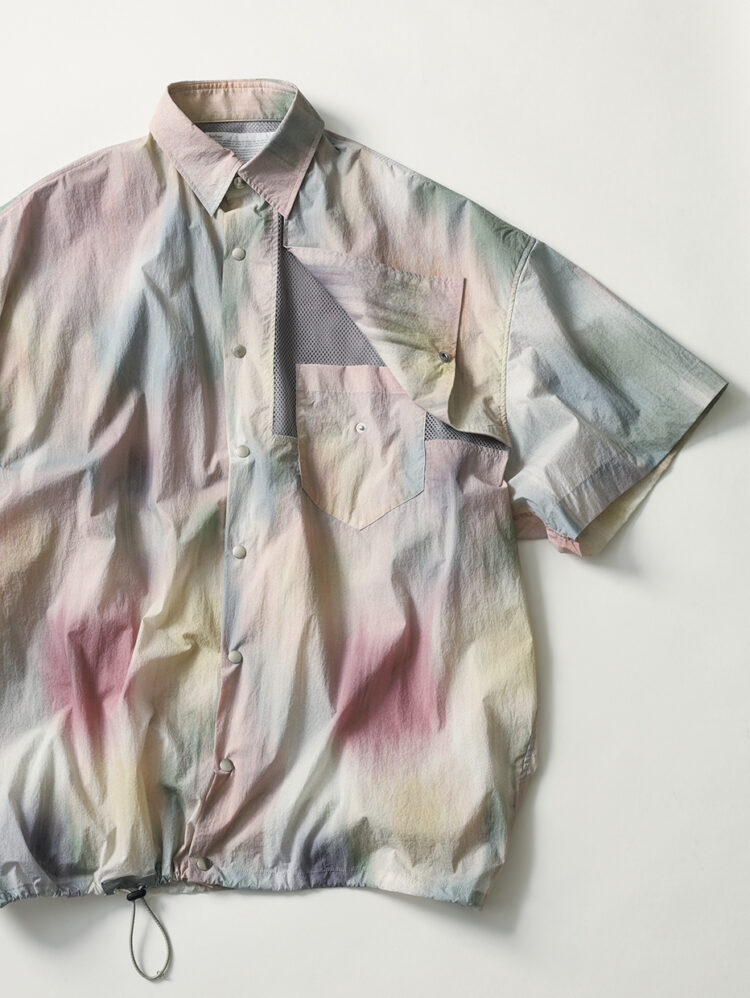
Left: In Horiuchi’s hands, even a familiar pair of sandals becomes a focal point of the spring wardrobe. The eye-catching details are not merely decorative, but serve a functional purpose, incorporating storage elements. Featuring a Vibram sole, they also introduce an outdoor dimension. A pair that encapsulates the spirit of the season. Sandals: ¥69,300 / Right: Beneath an almost sculptural appearance, sporty elements subtly emerge. Made from a lightweight technical fabric, the piece features a drawstring hem. Contrasting elements come together in a carefully balanced composition. Shirt: ¥64,900
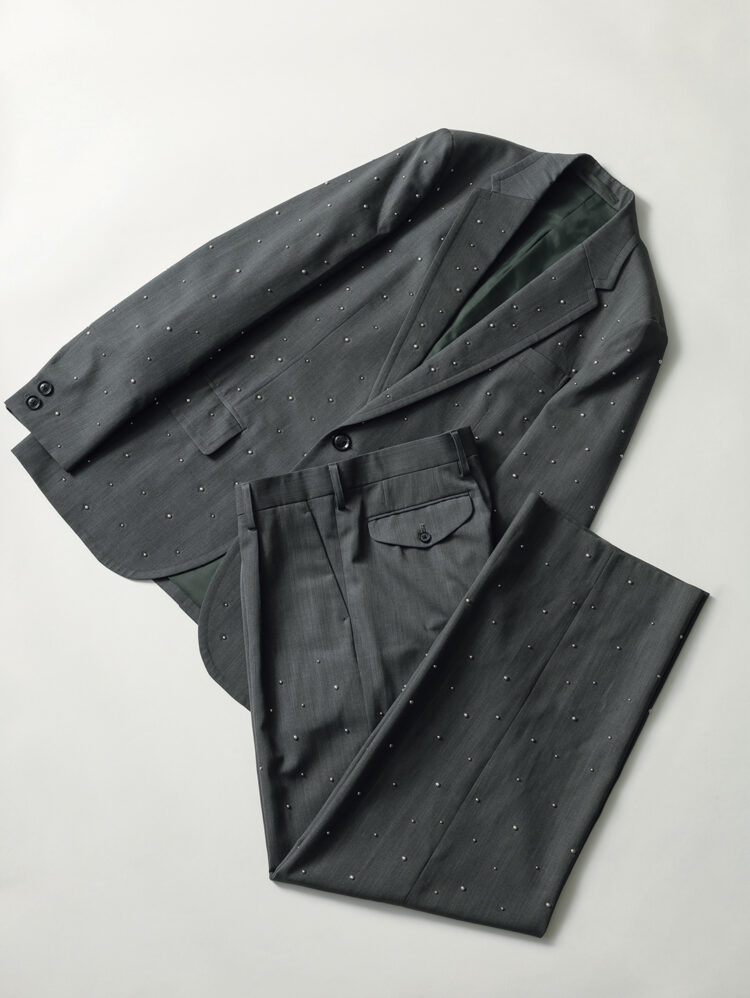
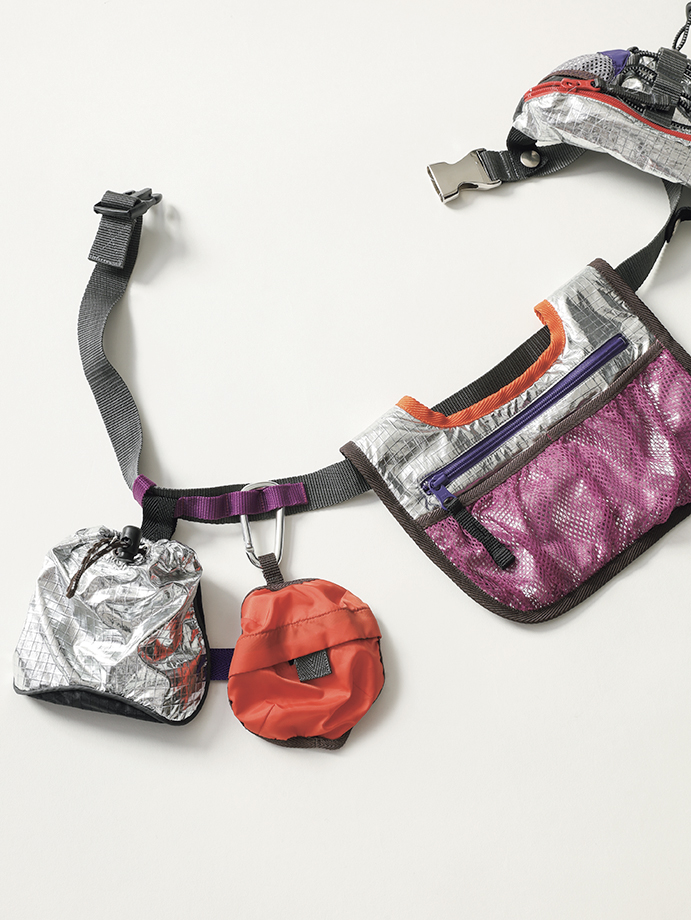
Left: Like a constellation, a multitude of studs punctuates a sharply tailored jacket and trousers, introducing a playful note. The brand’s expertise in tailoring coexists with a more idiosyncratic dimension, resulting in a set with a strong character. Jacket: ¥176,000, trousers: ¥91,300 / Right: A highly technical waist pouch composed of multiple compartments in contrasting materials, arranged to enhance one another. Whether worn at the waist or attached to a bag as an additional module, it expands the possibilities of styling. ¥68,200
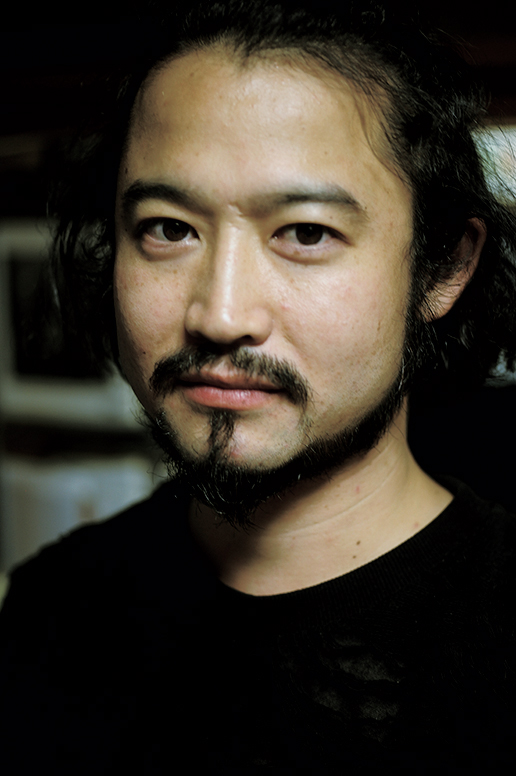
Takuya Morikawa for TAAKK
Born in 1982 in Kanagawa, Takuya Morikawa graduated from Bunka Fashion College before joining Issey Miyake. He founded TAAKK in 2012.
A recipient of numerous awards in Japan, he was selected as a semi-finalist for the LVMH Prize in 2021.
A Textile-Driven Approach Unlike Any Other
TAAKK positions itself as a laboratory, where everyday clothing is reimagined through textile development. Takuya Morikawa works closely with Japanese weaving mills and manufacturers, returning to what may be considered the very foundation of the garment: the fabric itself. While the pieces often remain classic in typology, their original materials lend them a presence akin to that of an artwork.
In recent years, the focus has shifted toward sculptural embroidery, reminiscent of bas-relief, now established as a defining signature of the brand. This aesthetic resonates with Morikawa’s roots at Issey Miyake.
Behind these immediately recognisable forms lies an unrelenting pursuit of innovation.
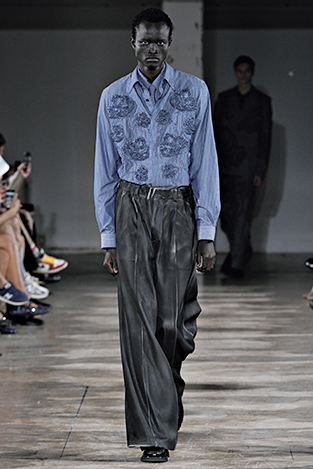
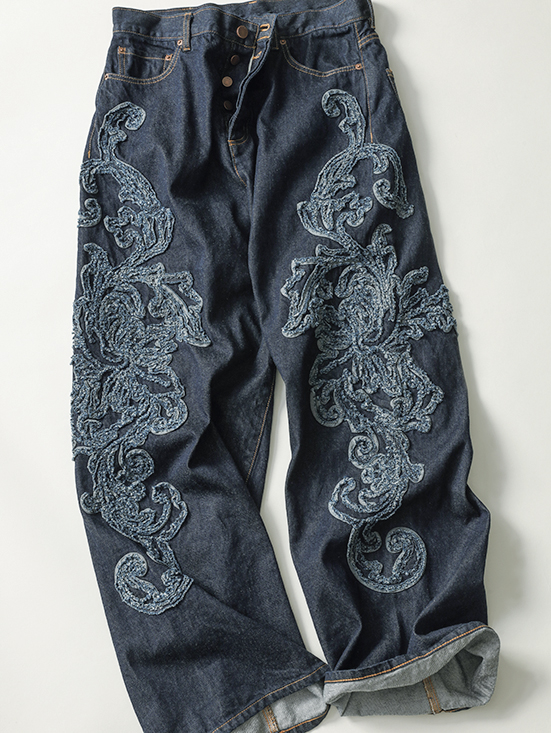
Left: The brand’s signature sculptural embroidery evolves further, gaining volume and demonstrating a notable technical progression. / Right: On this 12 oz denim, embroidery resembling a dragon ascending along the side seam draws the eye. The simplicity of workwear is layered with ornamental richness, creating a distinctive balance. Denim: ¥62,700
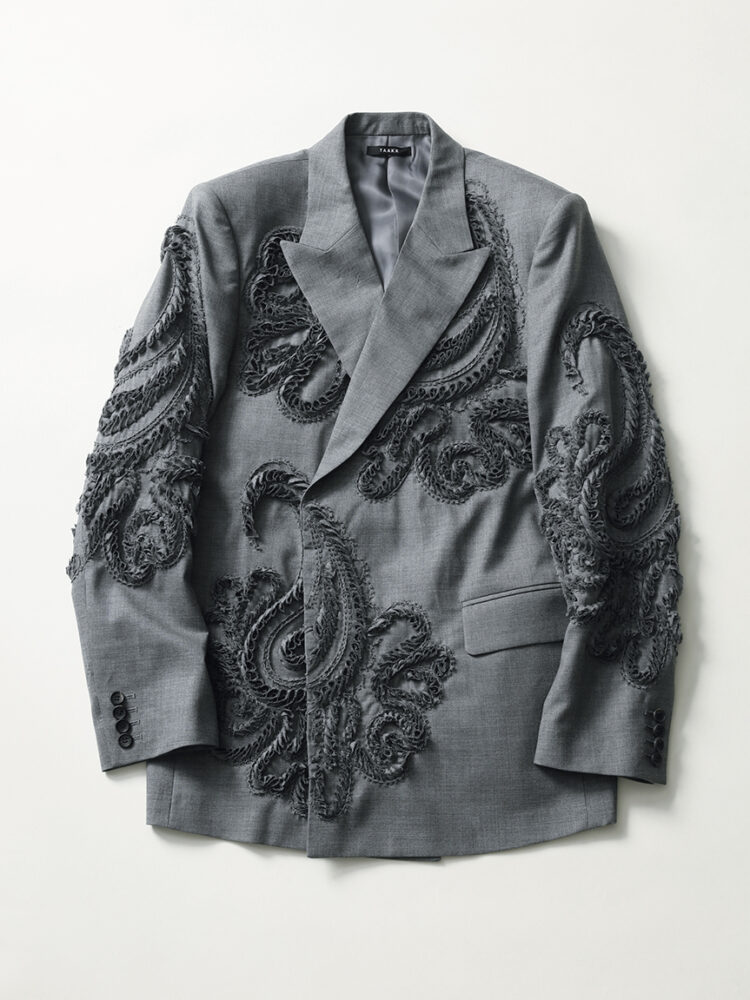
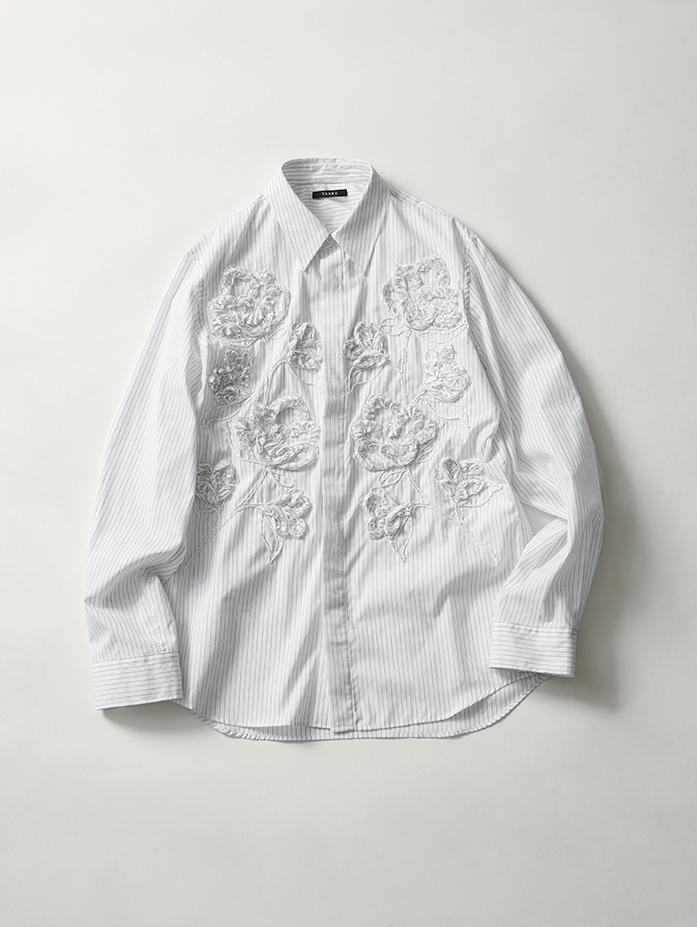
Left: On high-quality Super 100’s wool, bold raised embroidery creates depth through tonal variation, lending the piece an almost sculptural presence. Jacket: ¥198,000 / Right: Using the same fabric as the base striped shirt, the material is carefully assembled to form three-dimensional floral motifs. This single-fabric construction achieves both visual coherence and finely nuanced shadow. Shirt: ¥59,400
Norio Terada for YOKE
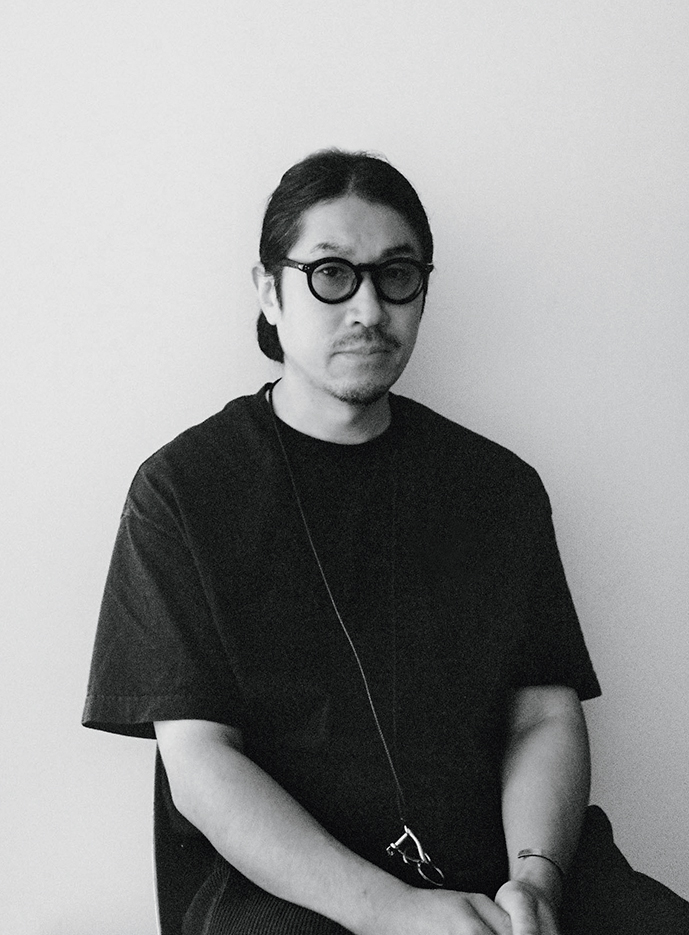
Born in 1983 in Chiba, Norio Terada gained experience with Japanese brands and select shops before founding YOKE in 2018.
In January 2026, the brand presented its first runway show in Paris.
Connecting Materials, Gestures, and People
Founded on the concept of ‘connection,’ YOKE approaches clothing as the result of a continuous chain of gestures—from raw material to yarn, from fabric to cutting, and through to sewing and finishing—each stage shaped by many hands.
The brand also maintains a close dialogue with art, particularly through its refined knitwear, where a contemporary sensibility meets an artistic perspective. These pieces, rare within the Japanese landscape, fully embody Terada’s vision.
With its first Paris runway show in 2026, YOKE marks a decisive step—one that opens its dialogue to the world.
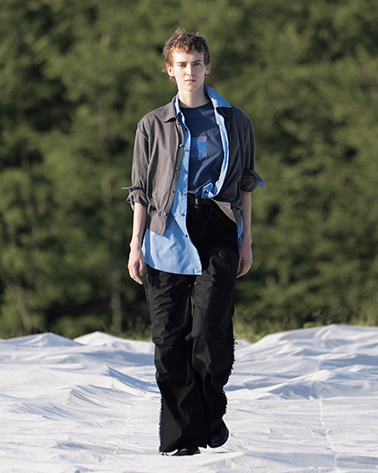
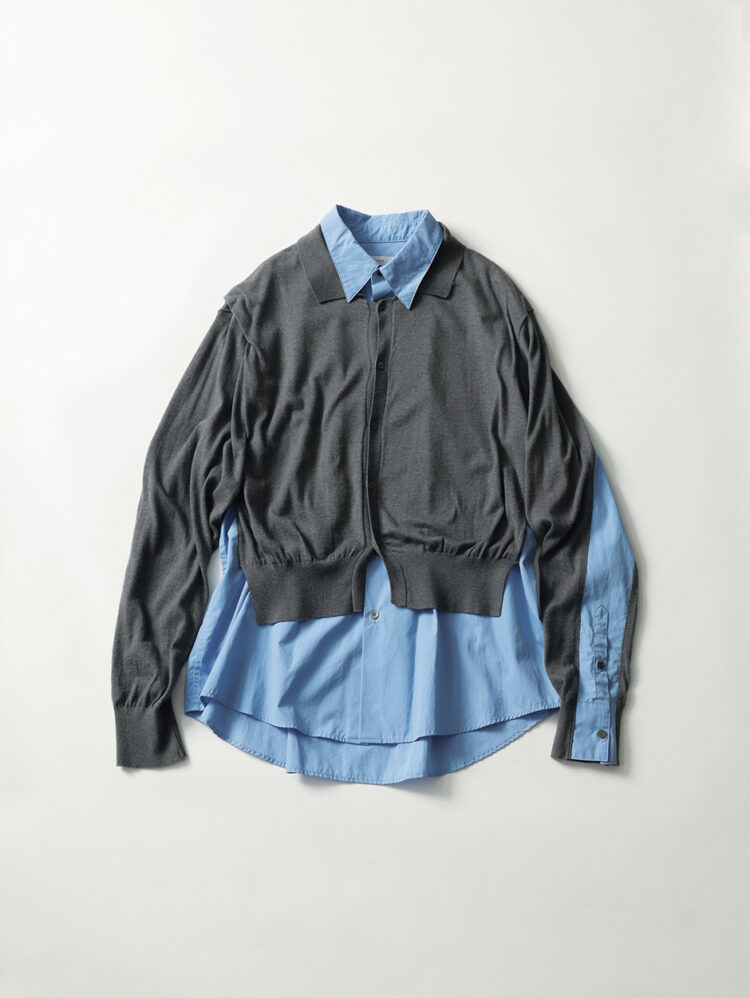
Left: Strongly infused with artistic references, the collection draws inspiration from the surrealist works of Max Ernst. / Right: A hybrid piece merging a new shirt form with a cardigan. While it appears fully assembled at first glance, certain sections are intentionally left unjoined, expressing a sense of ‘imperfect order.’ Shirt: ¥61,600
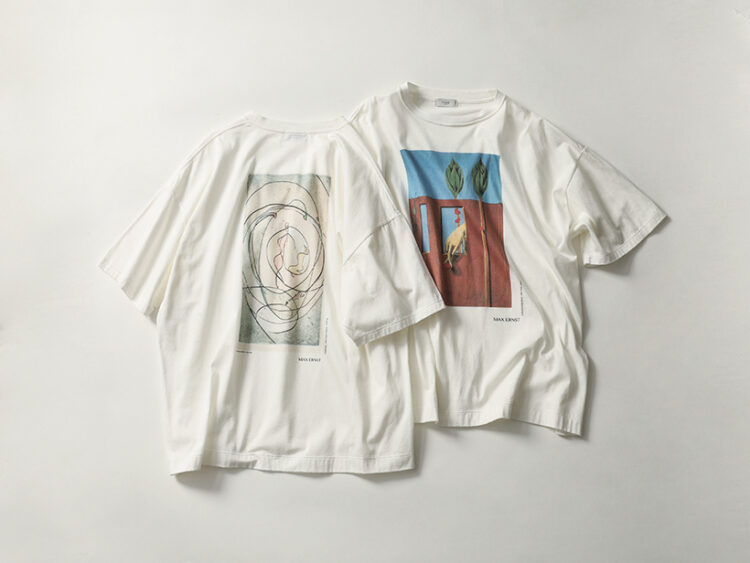
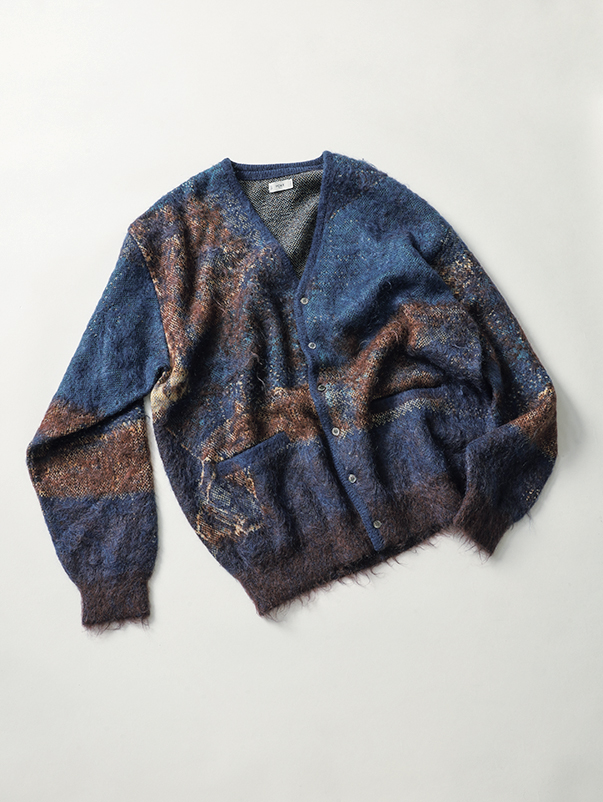
Left: Featuring a print inspired by Max Ernst’s works, the T-shirt is set against a familiar ecru base, giving it an effortlessly relaxed feel. T-shirts: ¥19,800 each / Right: The jacquard mohair cardigan, a signature of the brand, is crafted from two different yarns. Brushing reveals variations in tone, creating an image with abstract qualities. Cardigan: ¥59,400
Masayuki Ino for doublet
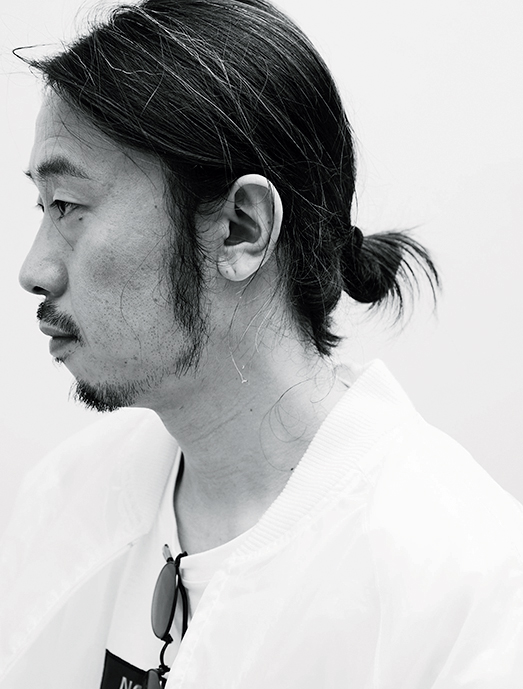
Born in 1979 in Gunma, Masayuki Ino graduated from Tokyo Mode Gakuen before working under Mihara Yasuhiro. He founded doublet in 2012.
In 2018, he became the first Japanese designer to win the LVMH Prize.
At the Intersection of the Everyday and Humour
‘Everyday wear with a subtle sense of dissonance.’ This is the concept at the heart of doublet under Masayuki Ino. Starting from essential pieces, the brand introduces quiet twists, creating subtle moments of surprise within the familiar.
Behind their apparent lightness, these garments reflect a considered view of society and the present moment. This season’s theme, ‘Itadakimasu,’ draws on Japanese food culture and its gestures of gratitude to reconsider the notions of the food chain and cycles of life through a sustainable lens. Yet despite this grounding, the message never becomes heavy-handed. It is precisely this sense of balance that defines the brand’s signature.
Never confined to mere eccentricity, the garments appeal as much to the eye as they do in wear. With consistency, Ino reminds us of the essential uplift that clothing can bring.
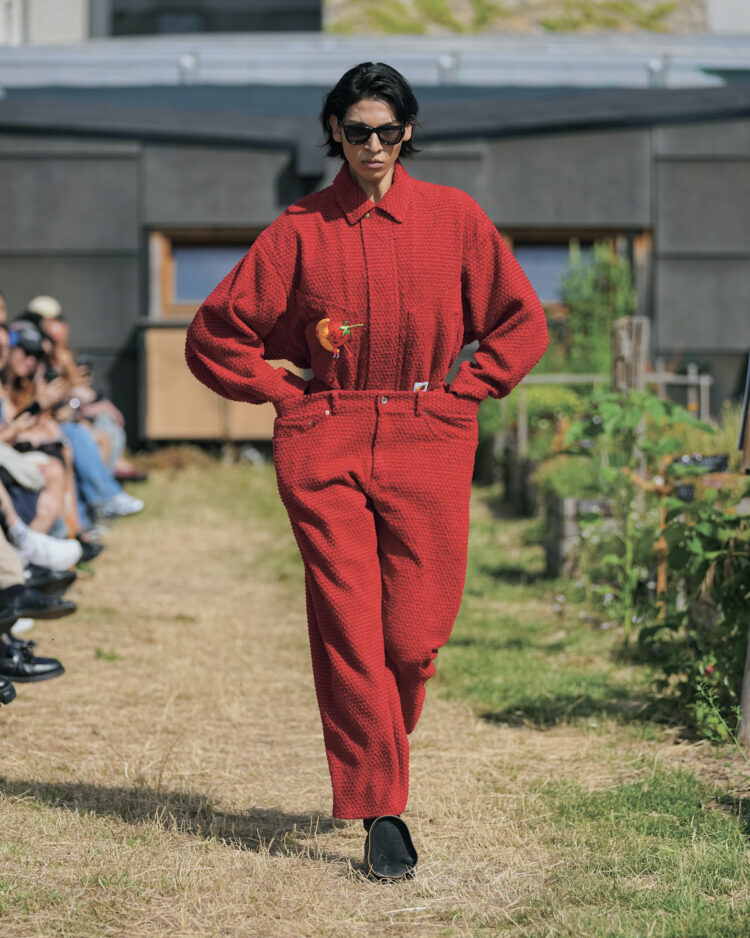
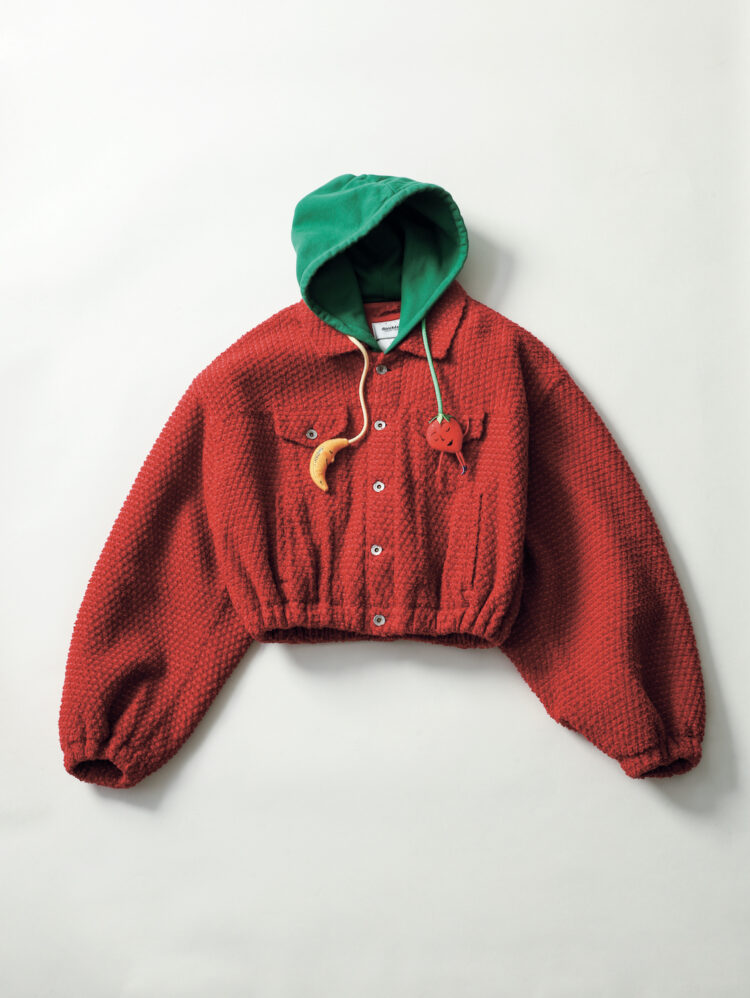
Left: The appearance of Raul from Snow Man as a model in the show also drew attention, notably through a collaboration with Sky High Farm Workwear addressing food-related issues. / Right: Treated with all-over perforation and washing techniques, the fabric evokes the texture of a strawberry. At the neckline, strawberry and moon charms add a playful touch. Jacket: ¥107,800
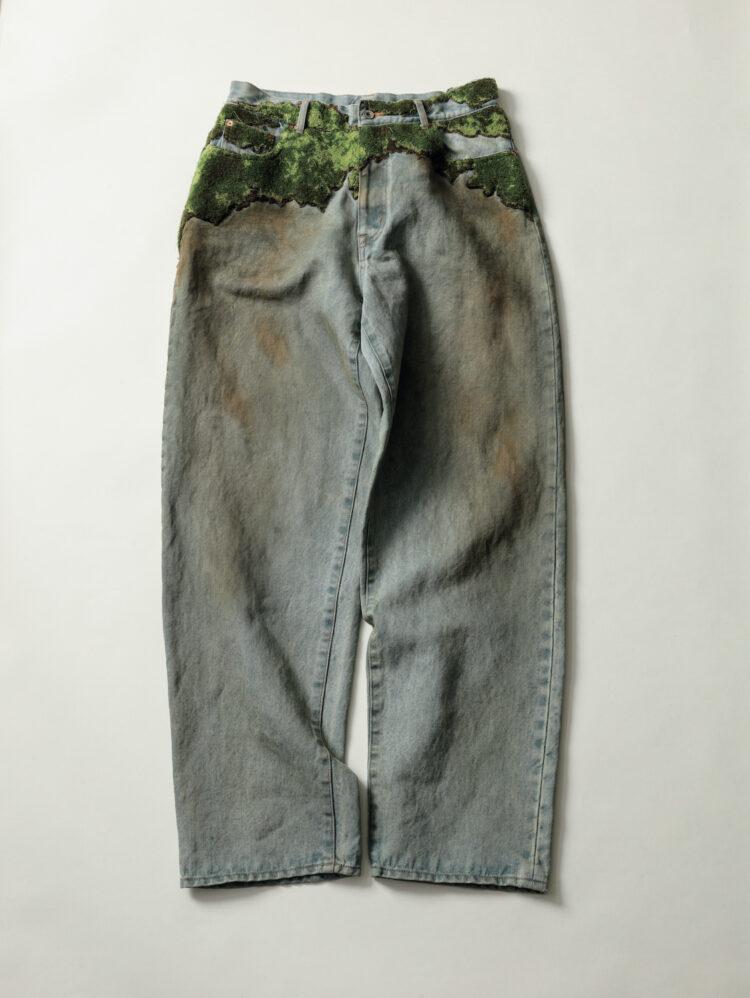
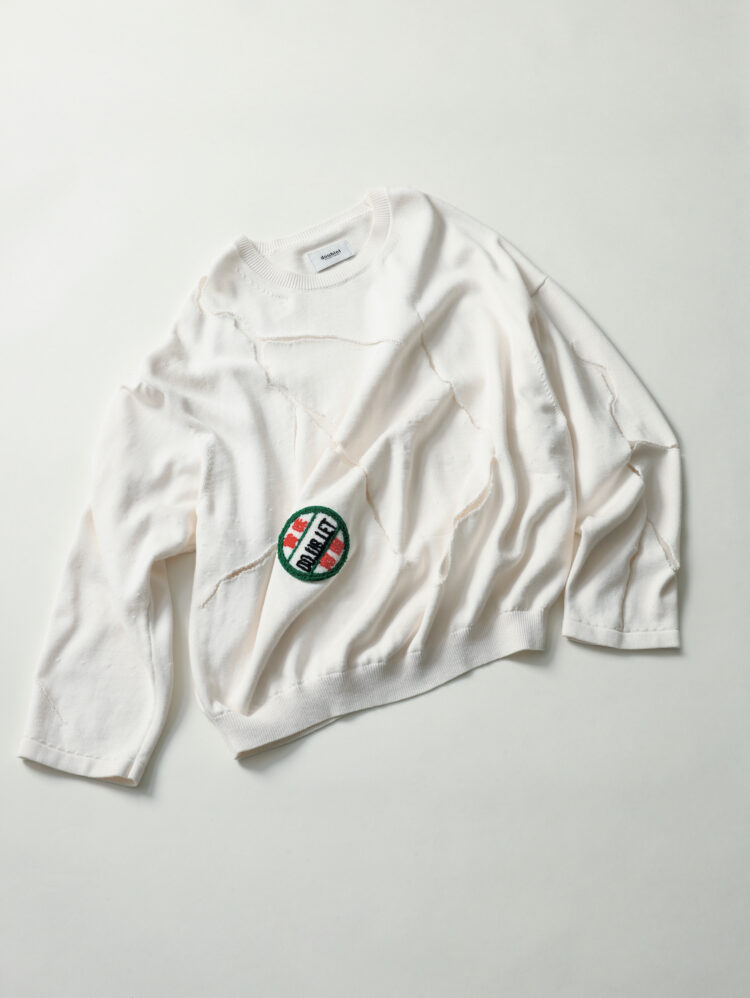
Left: At doublet, distressed denim takes on a distinctly different character. Moss-like raised embroidery introduces a subtly fantastical dimension. Denim: ¥94,600 / Right: Made using yarn incorporating upcycled eggshell membrane material, this intarsia knit evokes a cracked shell. The fissures are rendered in transparency, while the silhouette itself takes on a softly rounded, egg-like form. Knit: ¥62,700
Kiichiro Asakawa for ssstein
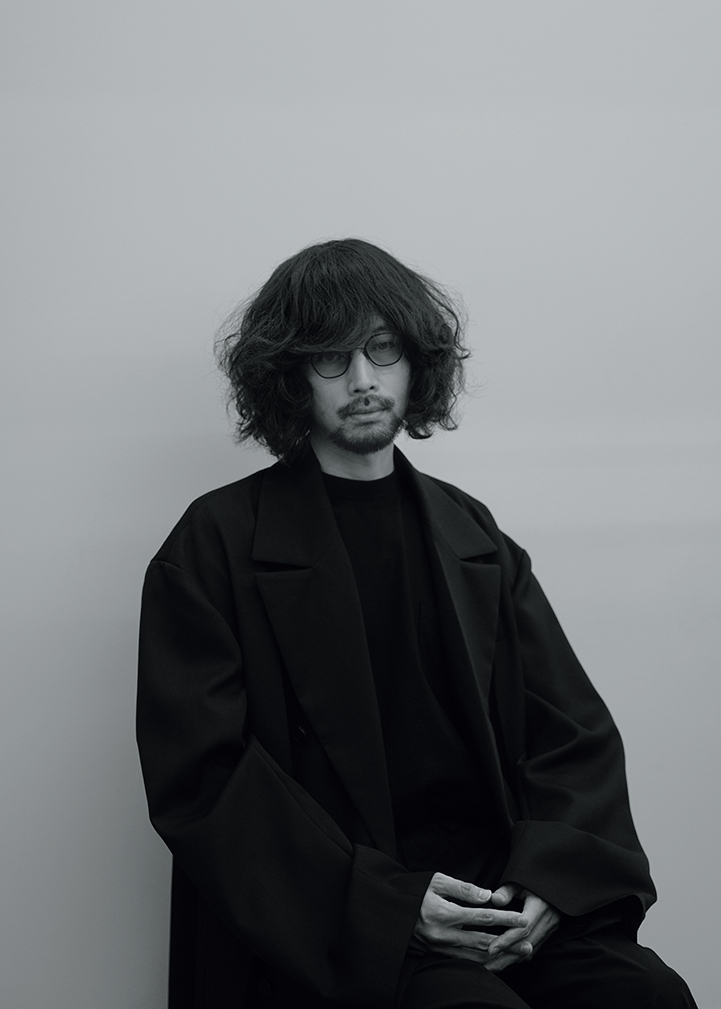
Born in 1986 in Yamanashi, Kiichiro Asakawa opened his own store, Carol, in Harajuku in 2016, while simultaneously launching ssstein.
After two runway presentations in Paris in 2025, the brand joined the official Fashion Week calendar in January 2026.
Elegance Shaped by a Precise Sense of Proportion
Initially centred around three trouser models, the brand has since undergone a remarkable expansion. Founded in 2016 by Kiichiro Asakawa, ssstein places particular importance on the silhouette in wear. Through a meticulous approach to detail and proportion, even oversized garments retain a controlled elegance.
Material selection is equally rigorous. Guided by a philosophy in which textile development lies at the core of the creative process, the brand produces the vast majority of its fabrics in-house. This level of refinement, combined with an understated, unforced presence, appeals to a broad audience regardless of gender.
A decade after its founding, ssstein made its official Paris debut for Autumn/Winter 2026—an important milestone that is already drawing increasing attention.
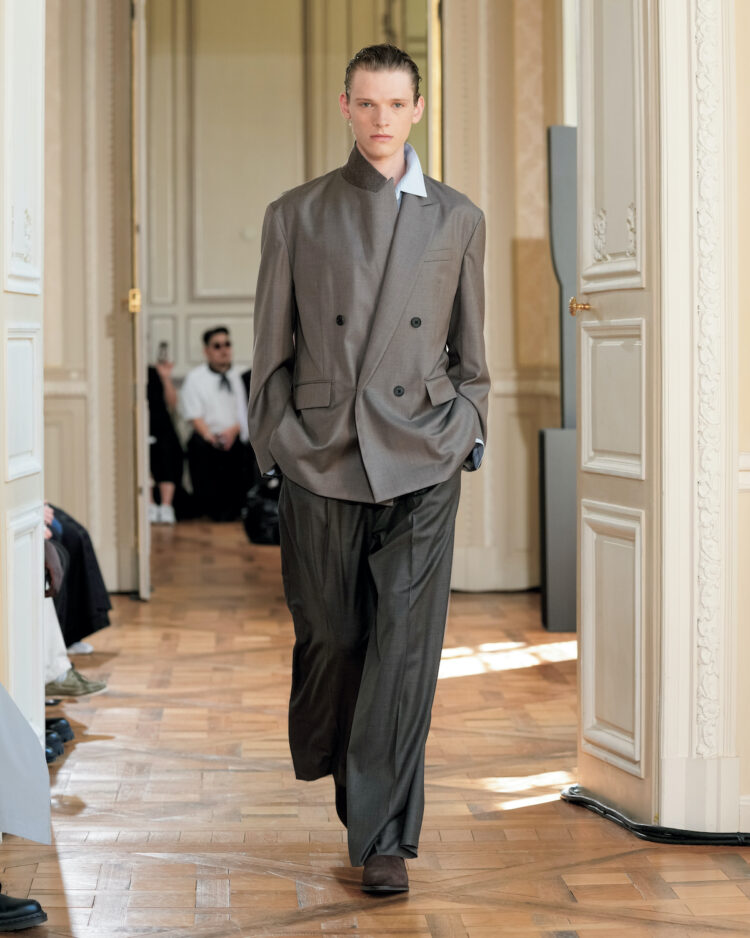
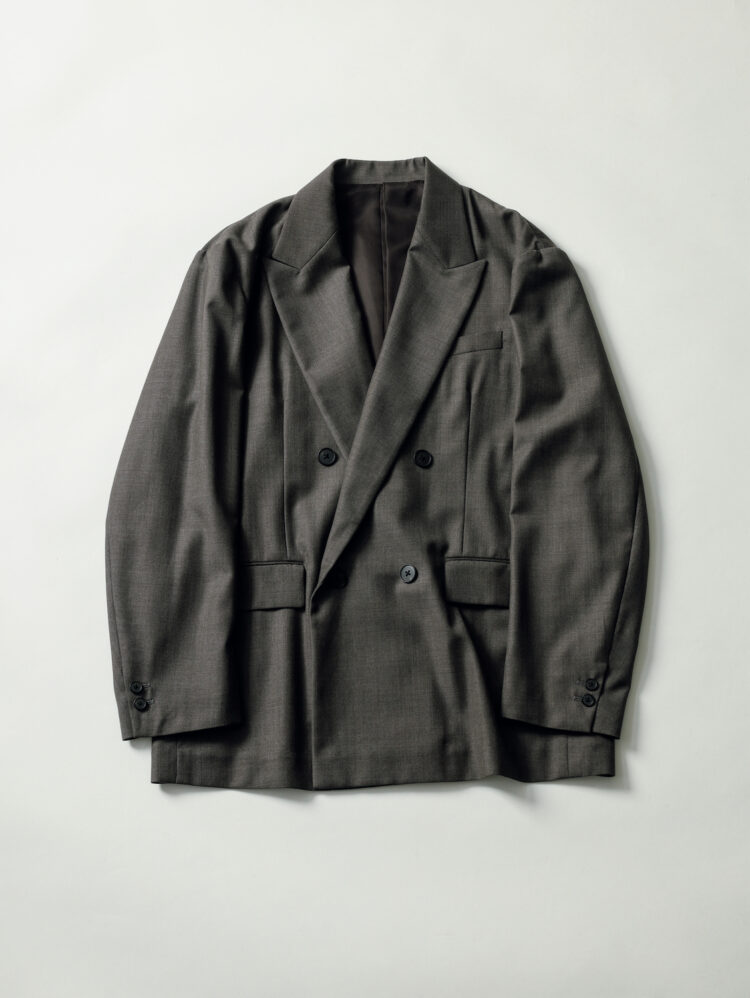
Left: In an 18th-century Parisian hôtel particulier, a live violin performance accompanies the Spring/Summer 2026 show—an atmosphere in perfect resonance with the brand’s aesthetic. / Right: A natural sheen and fluid drape attest to the quality of the material. The piece takes the form of an elegant double-breasted jacket, balancing structure and suppleness. Jacket: ¥107,800
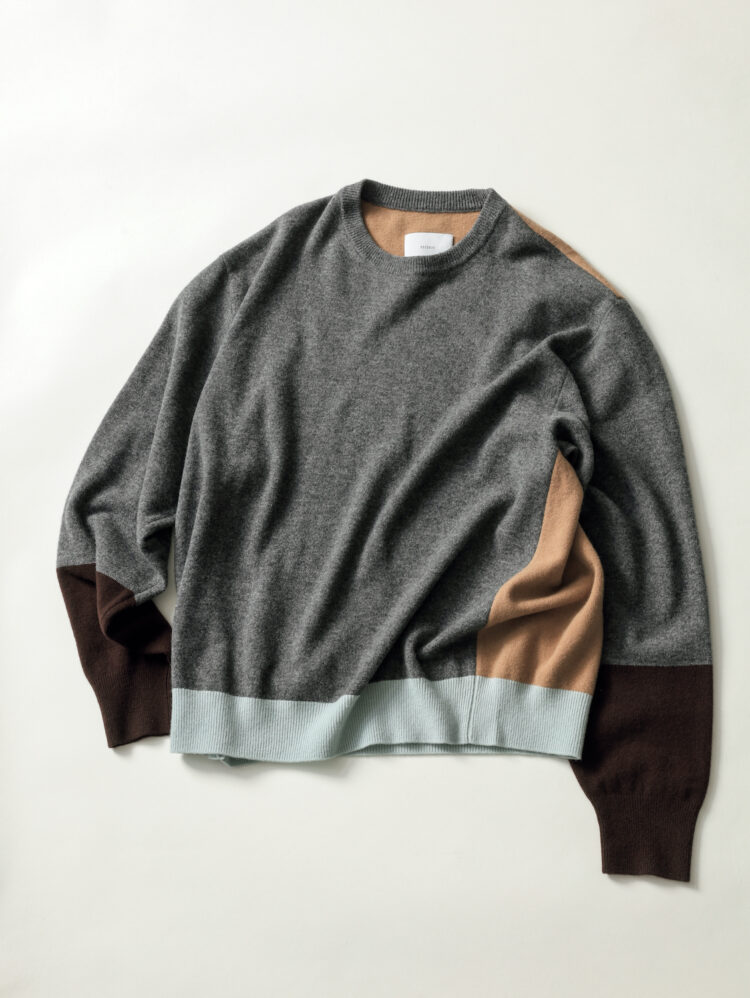
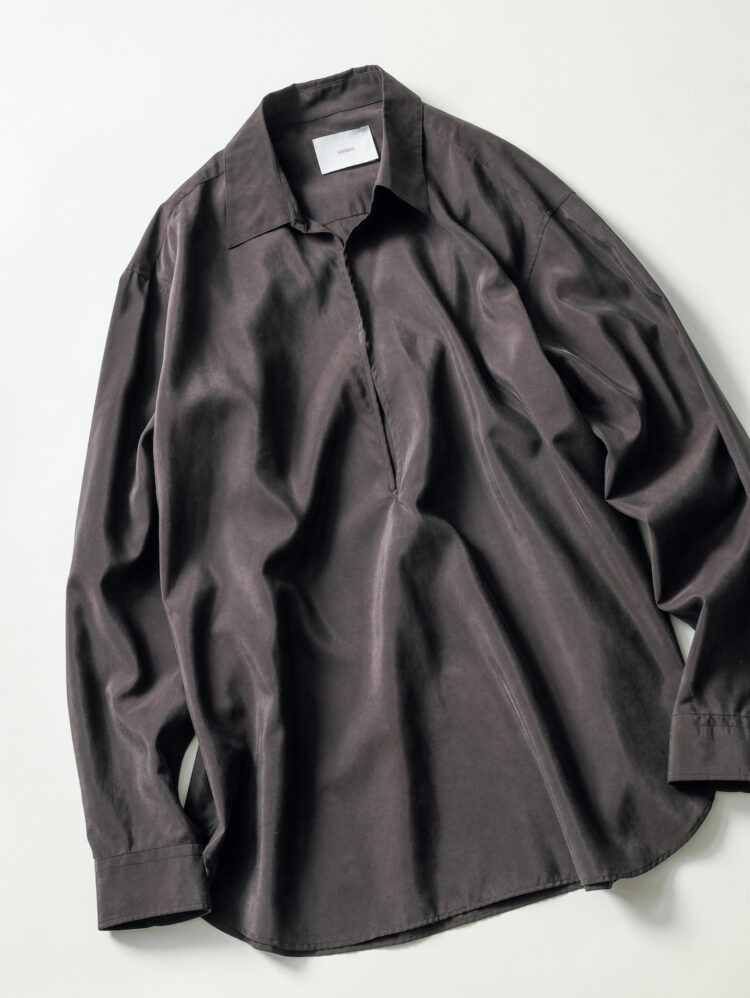
Left: Colour combinations and tonal balances are carefully considered. The slightly forward placement of the body panels creates visual depth and a sense of volume. Knit: ¥46,200 / Right: This skipper-style shirt is crafted from an original silk-nylon fabric. Its soft texture, enhanced by a subtle brushed finish, offers a light, effortless feel. Shirt: ¥48,400
Satoshi Kuwata for SETCHU
Born in 1983 in Kyoto, Satoshi Kuwata gained experience at Givenchy, Edun, Kanye West and Gareth Pugh, before honing his talent for tailoring at Huntsman & Sons.
In 2023, he was awarded the LVMH Prize.
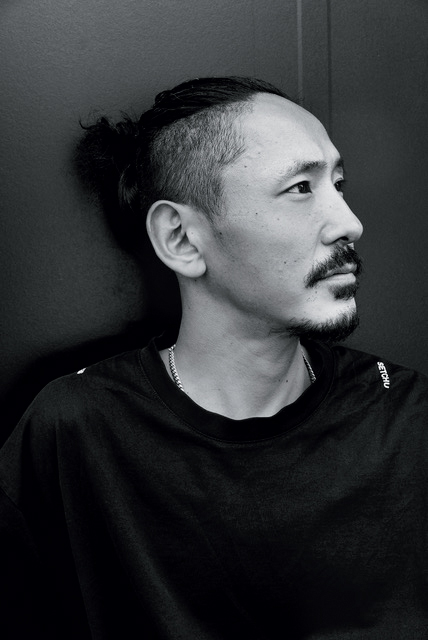
An Aesthetic at the Intersection of East and West
Just three years after its debut in Milan, SETCHU has established itself on the international stage, becoming the second Japanese brand to receive the LVMH Prize. An early recognition that swiftly positioned its designer on a global scale.
Drawing on his experience on Savile Row, Satoshi Kuwata brings together the planar aesthetic of Japanese dress—exemplified by the kimono—and the structured construction of Western tailoring, giving rise to garments with a universal dimension.
His signature piece, ‘Origami,’ takes its cue quite literally from the art of folding: the garment can be compactly folded, while a system of fastenings allows its silhouette and mode of wear to shift. An approach that fully expresses a cross-cultural way of thinking about clothing—reflected even in the name SETCHU, which in Japanese evokes the idea of encounter and fusion.
Born in Kyoto and active in Milan, Kuwata’s practice unfolds between two traditions. A hybrid proposition that is now drawing increasing attention worldwide.
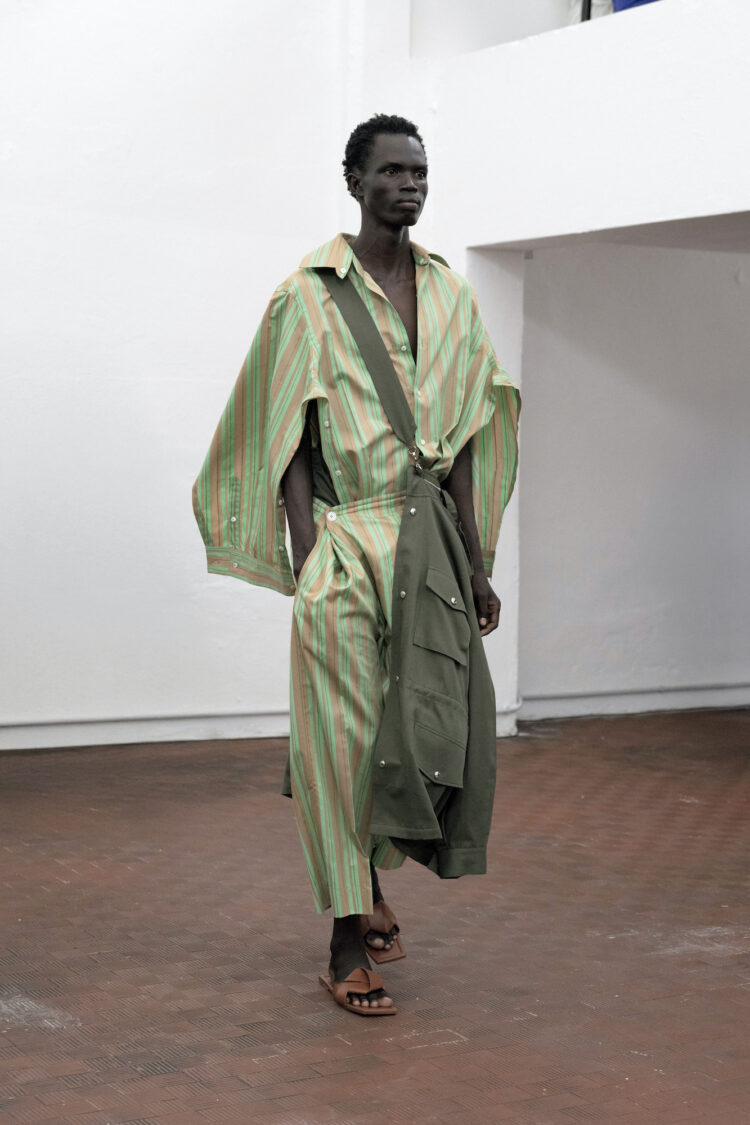
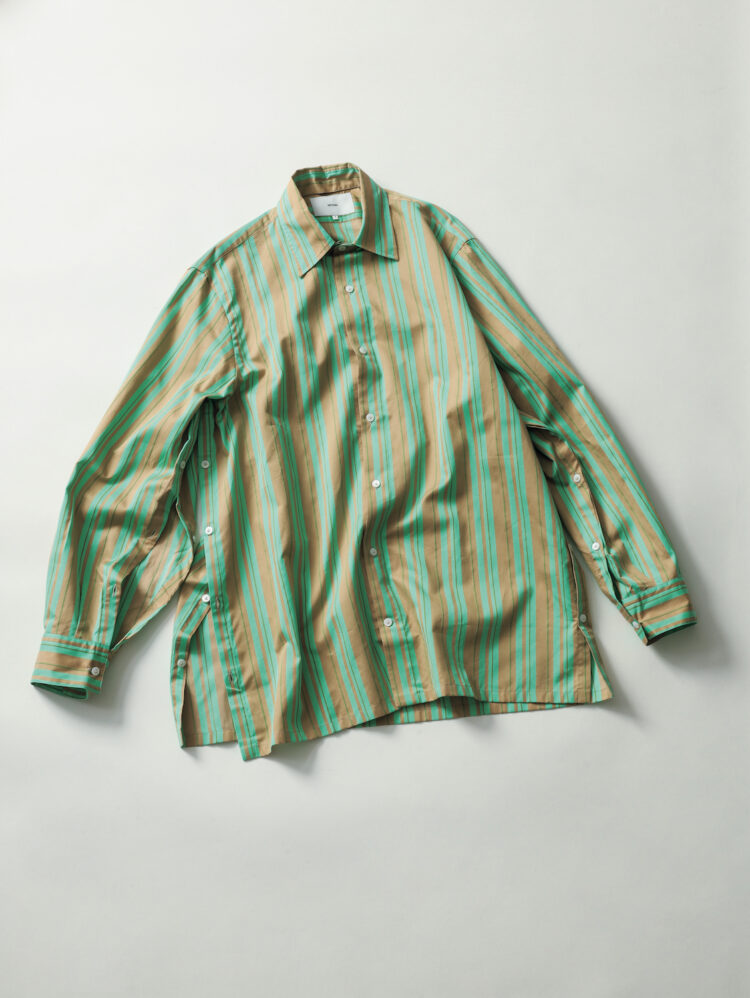
Left: The shirt shown on the right, also seen on the runway, illustrates the brand’s approach: a wardrobe designed to transform through layering, allowing for multiple styling possibilities. / Right: A distinctive construction in which the sleeves can be fully opened down to the hem via a series of buttons. A piece that fully embodies SETCHU’s approach, combining modularity with formal experimentation. Shirt: ¥250,800
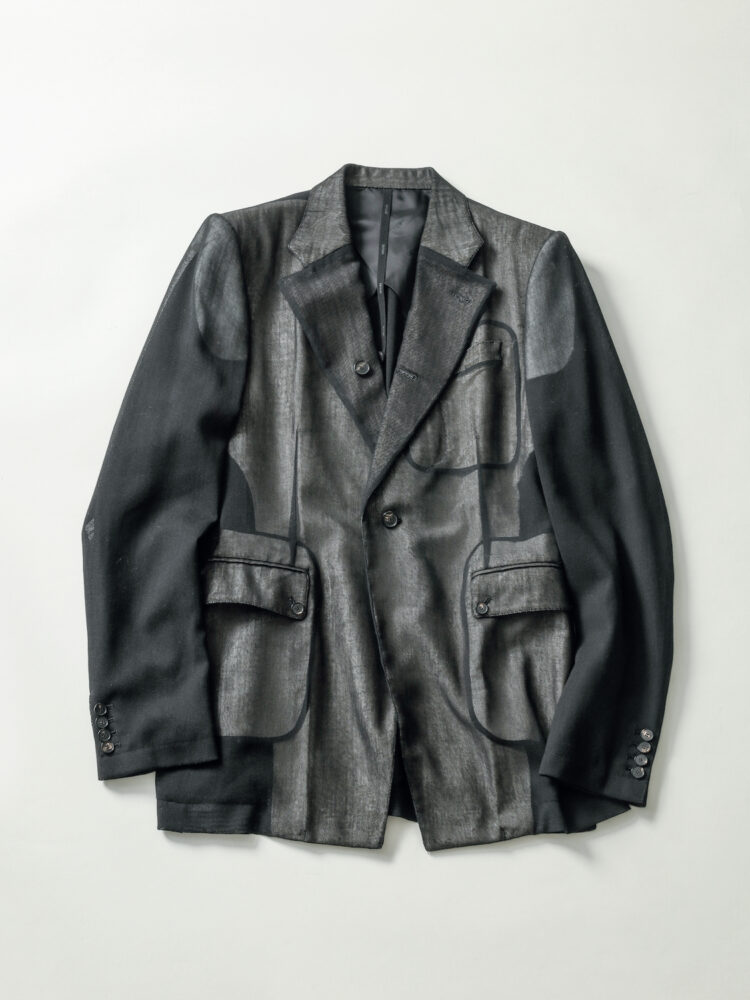
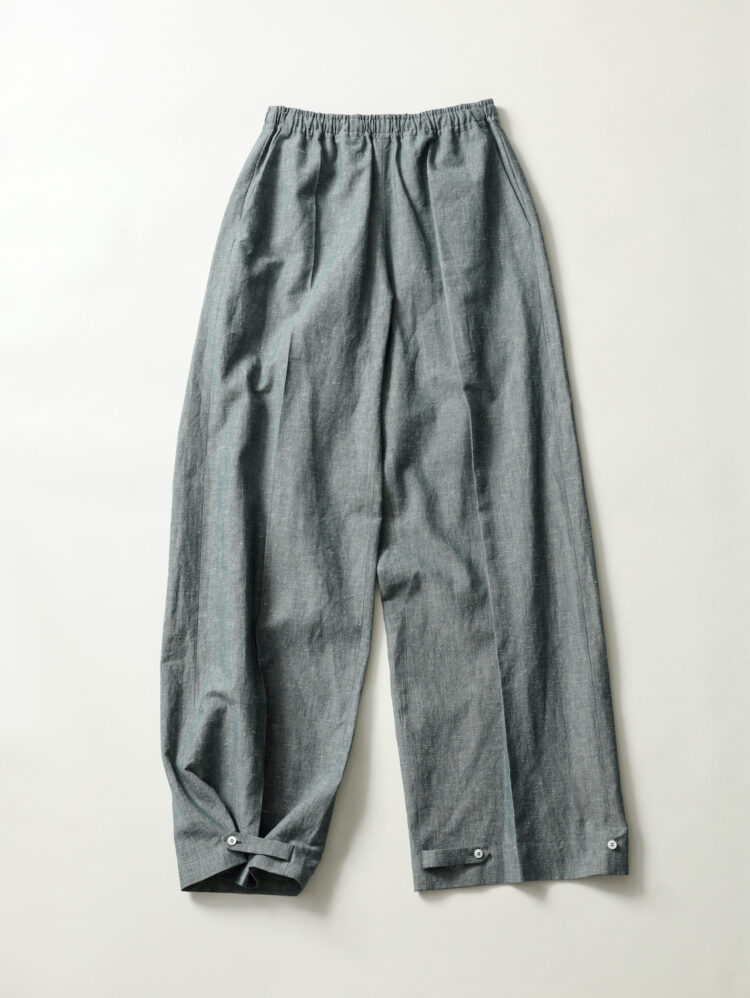
Left: A new signature piece designed for travel. Constructed with a slit-interfaced structure, it combines the functionality of a foldable garment with the rigour of Savile Row tailoring. Jacket: ¥478,500 / Right: These washi-paper pyjama trousers are defined by their characteristic dry texture, while offering lightness, breathability and quick-drying properties. Trousers: ¥194,700
Ryota Iwai for AURALEE
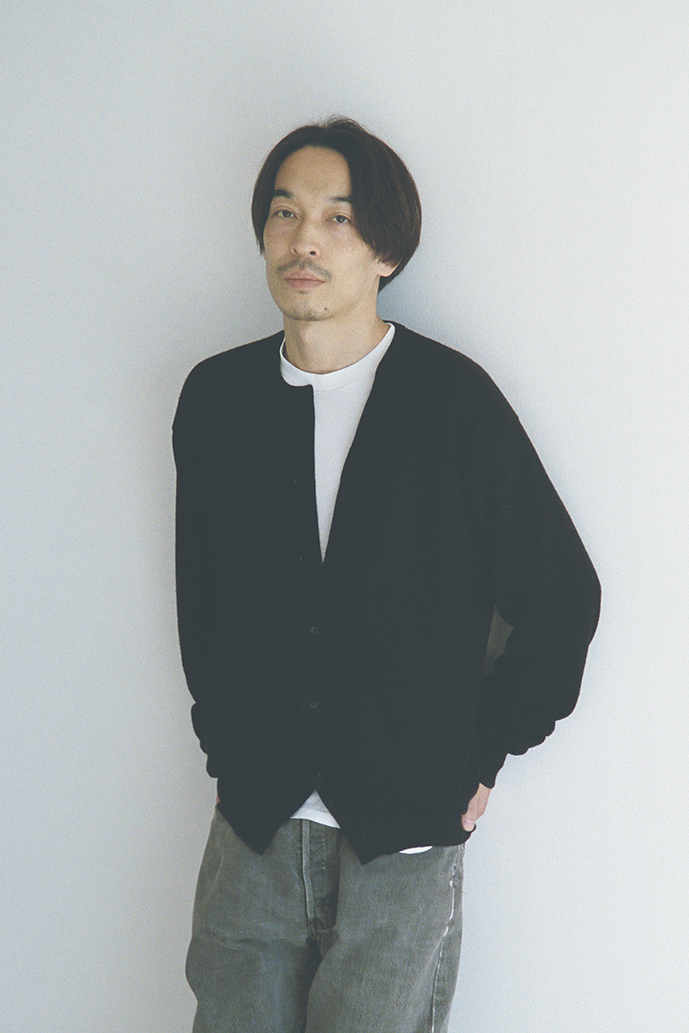
Born in 1983 in Hyōgo, Ryota Iwai enrolled in the evening program at Bunka Fashion College after completing his university studies. He gained experience as a patternmaker and designer, notably at norikoike, before founding AURALEE in 2015.
In 2025, he received the Mainichi Fashion Grand Prix.
Ultimate Minimalism, Driven by Material Precision
In recent years, few brands have shaped the landscape of Japanese fashion as decisively as AURALEE.
As its name suggests, ‘a place filled with light’, the brand develops textiles imbued with a soft, diffused quality, reminiscent of morning light. While a focus on materials is inherent to any designer’s practice, Ryota Iwai’s approach stands apart in its intensity: much of the creative process is devoted to textile development. The resulting garments are striking in their near-radical simplicity. Yet beneath this apparent restraint lies the quiet strength of meticulously developed materials, whose quality speaks for itself.
Now firmly established on the Paris scene and steadily expanding internationally, AURALEE continues on a trajectory whose momentum shows no sign of slowing.
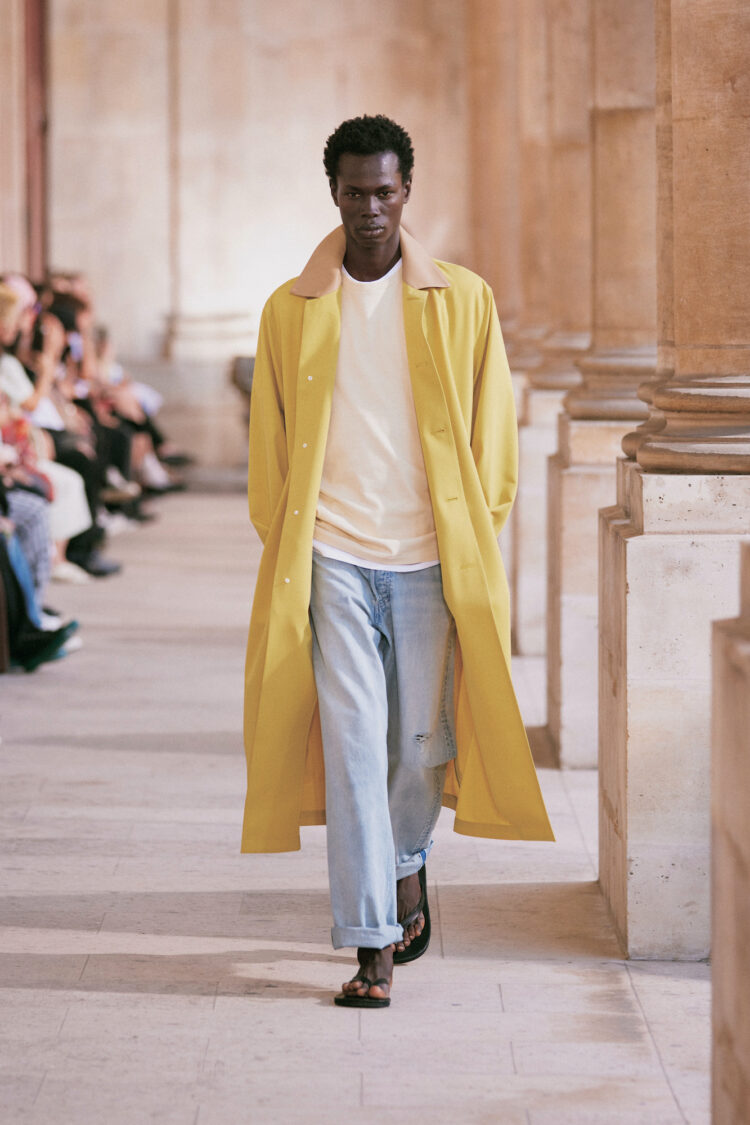
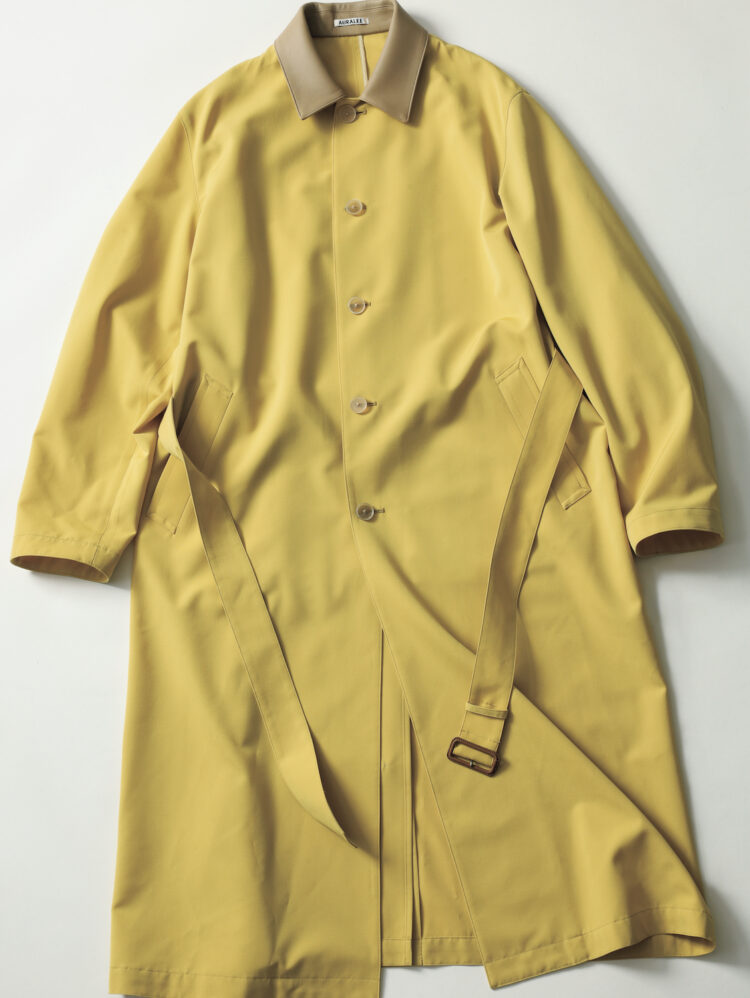
Left: The Spring/Summer 2026 collection, imbued with a poetic sensibility, expresses the richness and subtle transitions of nature from winter to spring through refined materials and a delicate palette. / Right: A high-quality piece in keeping with AURALEE’s aesthetic, evoking the arrival of spring. The canvas fabric, woven from ultra-fine Super 120’s fibres at maximum density, combines suppleness with structure. Coat: ¥165,000
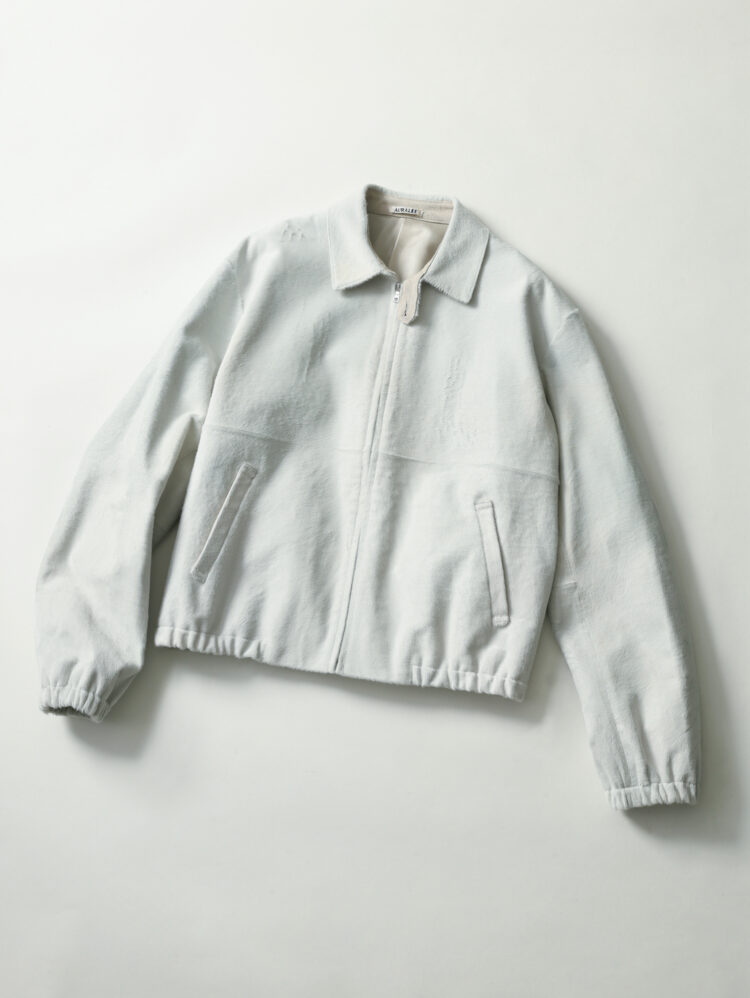
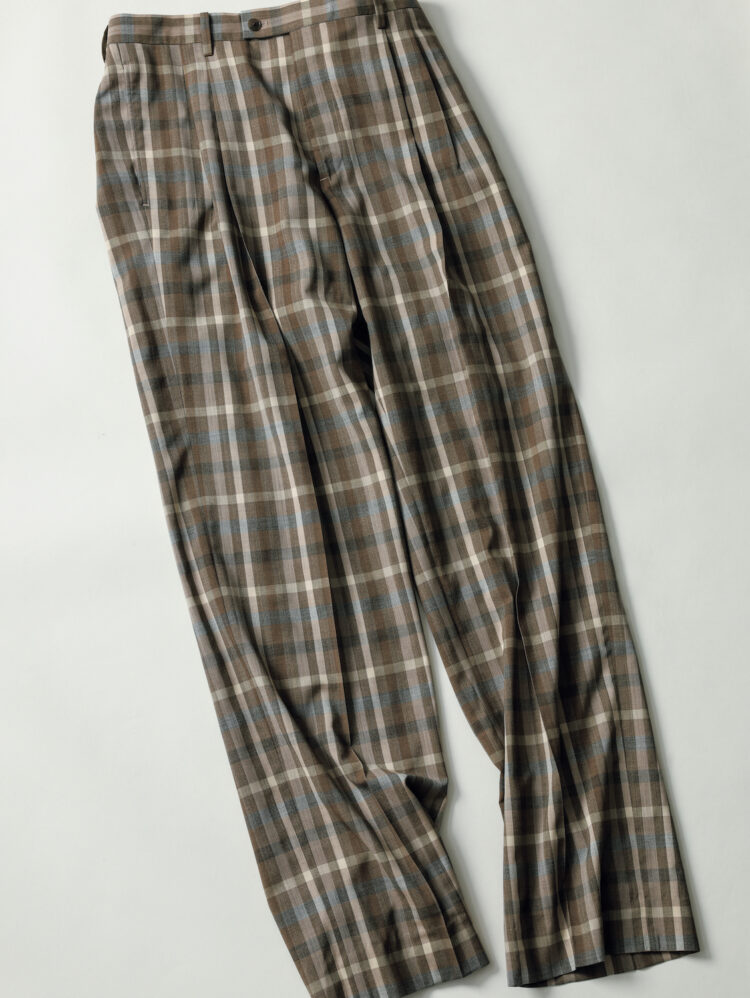
Left: Among the rarest calf leathers, this piece is crafted in a particularly difficult-to-source light tone and tailored in a generous oversized cut. Jacket: ¥484,000 / Right: A check pattern rendered using fine Super 130’s wool spun into multicoloured melange yarn. The fabric offers a light, crisp texture with a refreshing feel. Trousers: ¥52,800