The Renaissance of Mimurosugi in Miwa, the Birthplace of Japanese Sake
In pursuit of ‘pure and proper sake-making’, the 14th-generation head brewer of Imanishi Shuzō has succeeded in reinventing a centuries-old craft.
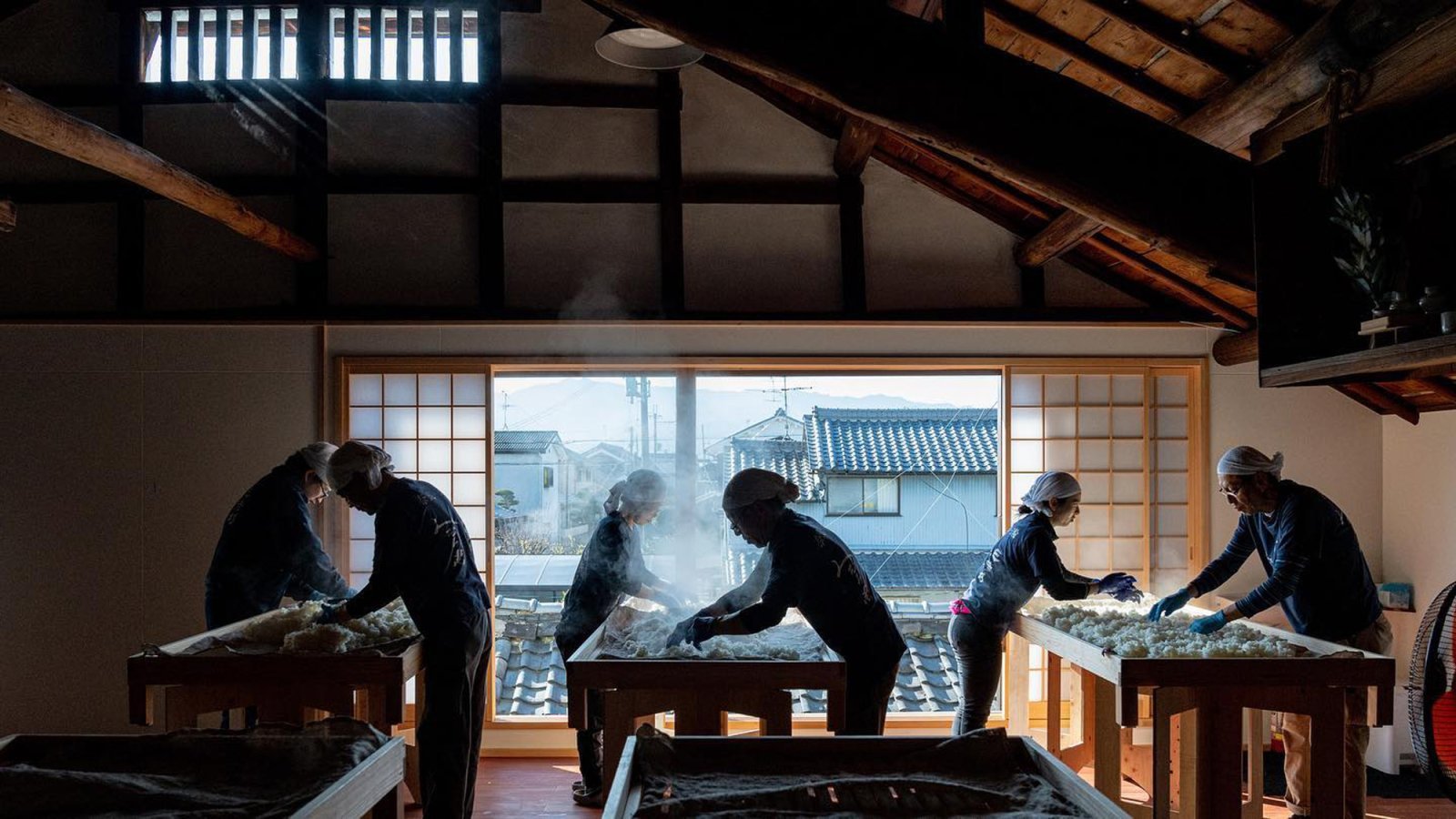
In recent years, one sake brewery has been steadily gaining prominence and attracting considerable attention. Imanishi Shuzō has taken first place in two categories (Junmai and Junmai Ginjō) at the 2026 SAKE COMPETITION.
Founded in Miwa, in the city of Sakurai, in the heart of Nara Prefecture, this historic brewery owes its remarkable resurgence to the artisanal philosophy of its 14th-generation head brewer, Masayuki Imanishi, whose commitment to preserving his family’s legacy lies at the heart of his approach.
A sake of exceptional purity, born on sacred ground
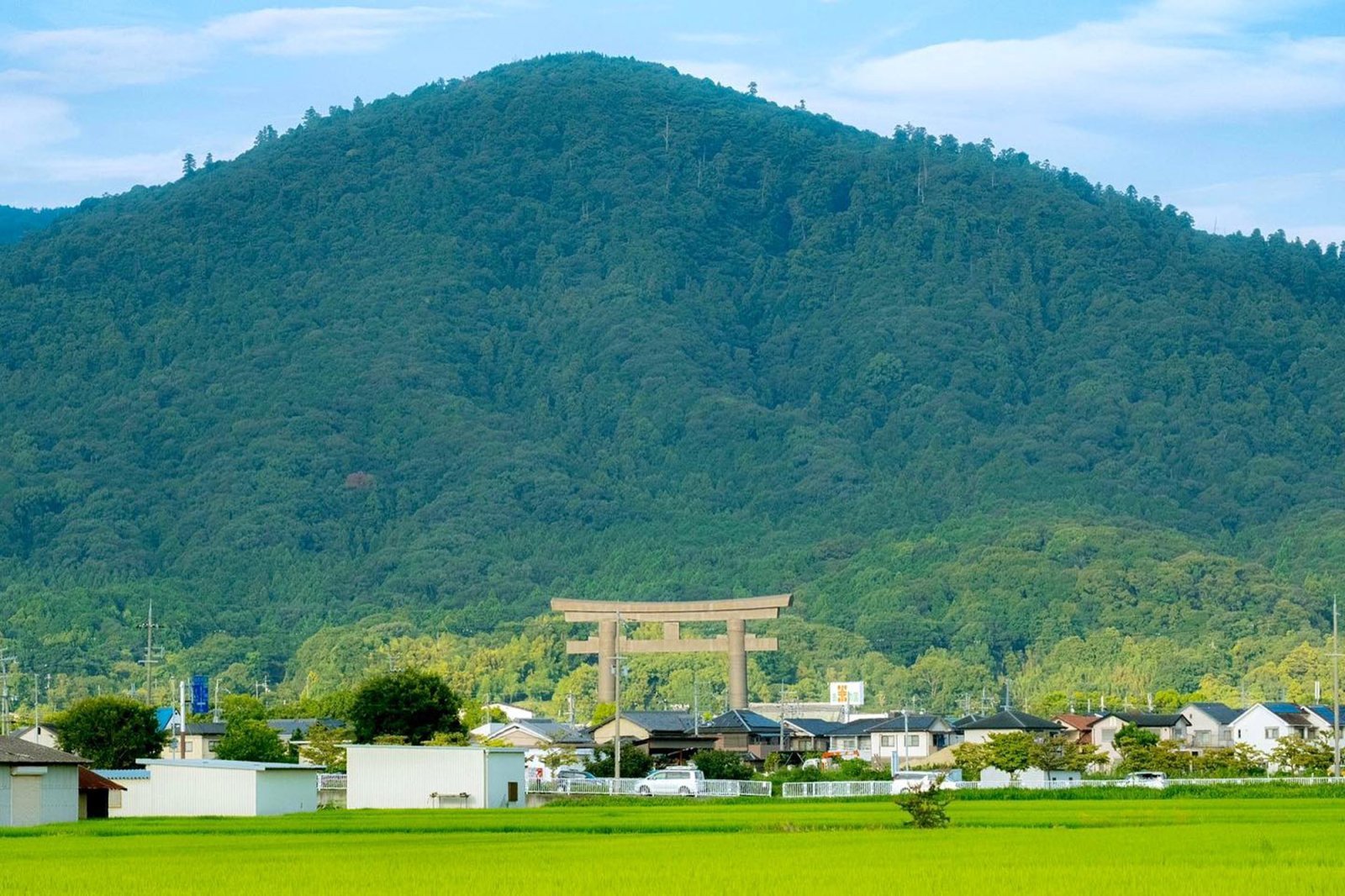
In Miwa, Nara Prefecture, a historic centre of sake production in Japan, Ōmiwa-jinja Shrine, whose object of worship is Mount Miwa, welcomes numerous brewery owners and master brewers every year.
Although several theories exist regarding the origins of sake, its production in Japan is generally believed to have begun around the same time as the introduction of rice cultivation from the Asian continent, during the Yayoi period (300 BC–AD 300). At that time, sake bore little resemblance to the clear beverage we know today. Among its earliest forms was kuchikamizake, an alcoholic drink made by chewing rice, which was primarily offered to the gods.
The rice cultivation brought from the continent and the ancient belief in the gods thus came together to give rise to a tradition that, over several millennia, gradually evolved from a sacred ritual offering into a refined drink that enriches the dining experience.
According to the Nihon Shoki, one of Japan’s oldest historical chronicles, Miwa is said to be the very place where sake was first brewed in the archipelago. Within the grounds of Ōmiwa-jinja Shrine, whose object of worship is Mount Miwa, stands Ikuhi-jinja Shrine, dedicated to Takahashi Daimyōjin, the only deity in Japan associated with sake brewers.
Every year, brewery owners and master brewers from across the country make a pilgrimage there to pray for the improvement of their craft. Miwa is, in this sense, a veritable sacred ground of Japanese sake-making.
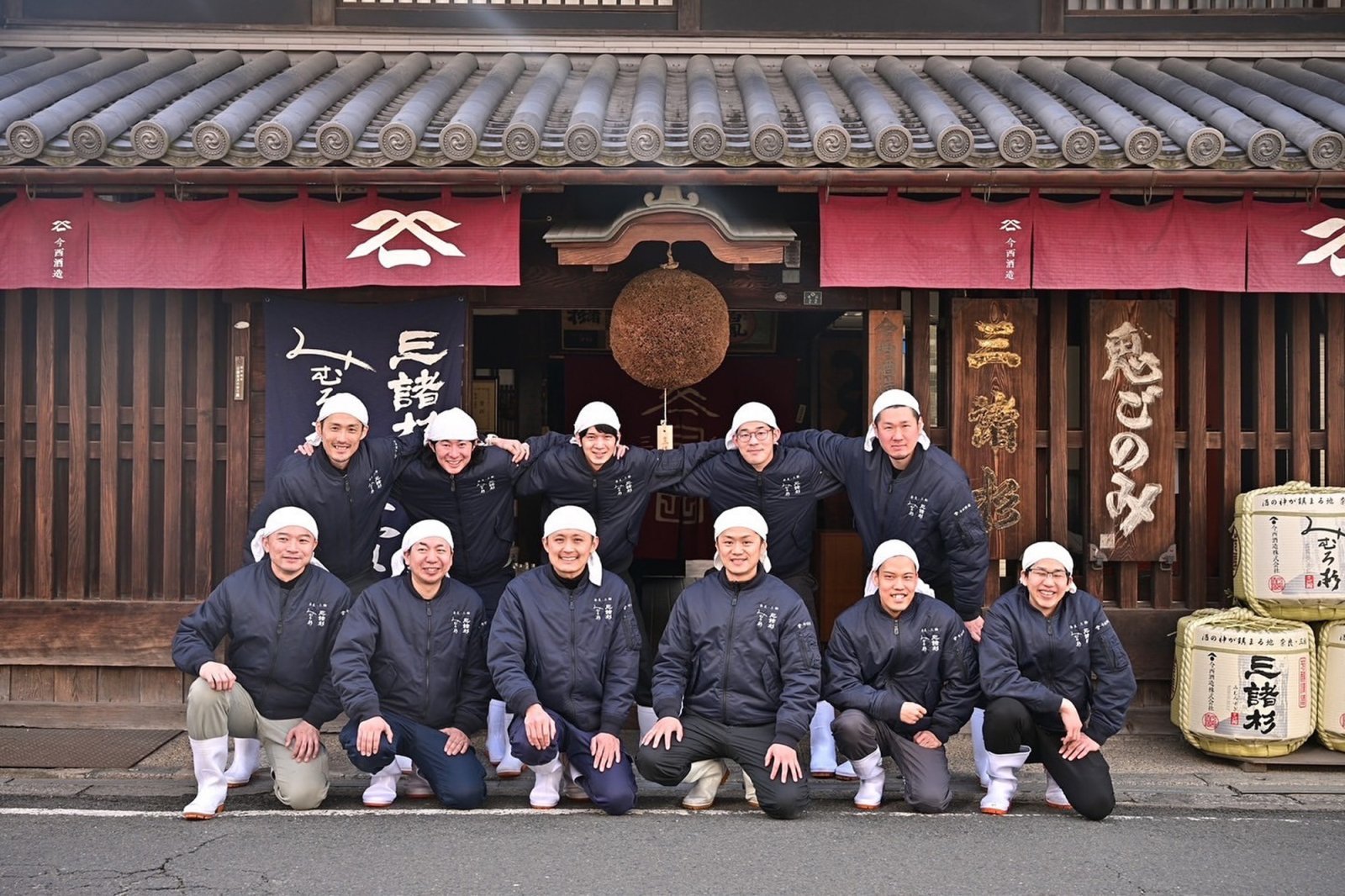
Founded in 1660, Imanishi Shuzō now brings together passionate young brewers from across Japan, all dedicated to the art of sake-making.
The round cedar balls known as sugidama, frequently seen hanging beneath the eaves of sake breweries, also originate from the cedar trees that once grew naturally on Mount Miwa. The tradition is said to have begun when branches from the sacred tree at Ikuhi-jinja Shrine were gathered into bundles and hung at the entrances of establishments. Initially, these ornaments were known as sakabōki or sakabata. They only took on their familiar spherical shape towards the end of the Edo period.
It was precisely at the foot of Ōmiwa-jinja Shrine that Imanishi Shuzō was founded in 1660, during the Manji era. Ever since, the brewery has maintained an unbroken tradition of offering sake to the shrine. Its signature brand, Mimurosugi, takes its name from ‘Mimuro-yama’, an ancient name for Mount Miwa, and the cedar trees believed to be inhabited by the gods.
For Masayuki Imanishi, the brewery’s 14th-generation head brewer, the natural richness of Miwa forms the very foundation of the sake produced here.
‘The taste of sake comes down to water and rice. Our well draws six tonnes of water every hour, supplied by the underground waters of Mount Miwa, where the deity of sake resides. It is a soft, rounded water that seems to melt away as soon as you taste it. What is more, in the very same area where this water springs forth, we also grow rice using a circular agricultural system, with Mimurosugi sake lees serving as fertiliser. In other words, our sake embodies the very essence of Mount Miwa’s natural environment.’
However numerous technological advances may be, they can never rival the techniques developed by previous generations, nor the richness of Miwa’s climate, history and culture, or the strength of its terroir. It is for this reason that the brewery seeks to capture the very breath of this land and its history in every bottle.
With this in mind, Imanishi Shuzō deliberately avoids expanding its range with sake varieties offering widely different flavour profiles or developing a multitude of brands. Instead, the brewery devotes itself entirely to the terroir of its birthplace, at the foot of the shrine, tirelessly refining the character of Mimurosugi. It is an approach that allows the team to delve ever deeper into what makes a truly ‘beautiful sake’—one that could only come from Miwa.
The philosophy of sake-making according to Imanishi Shuzō’s head brewer
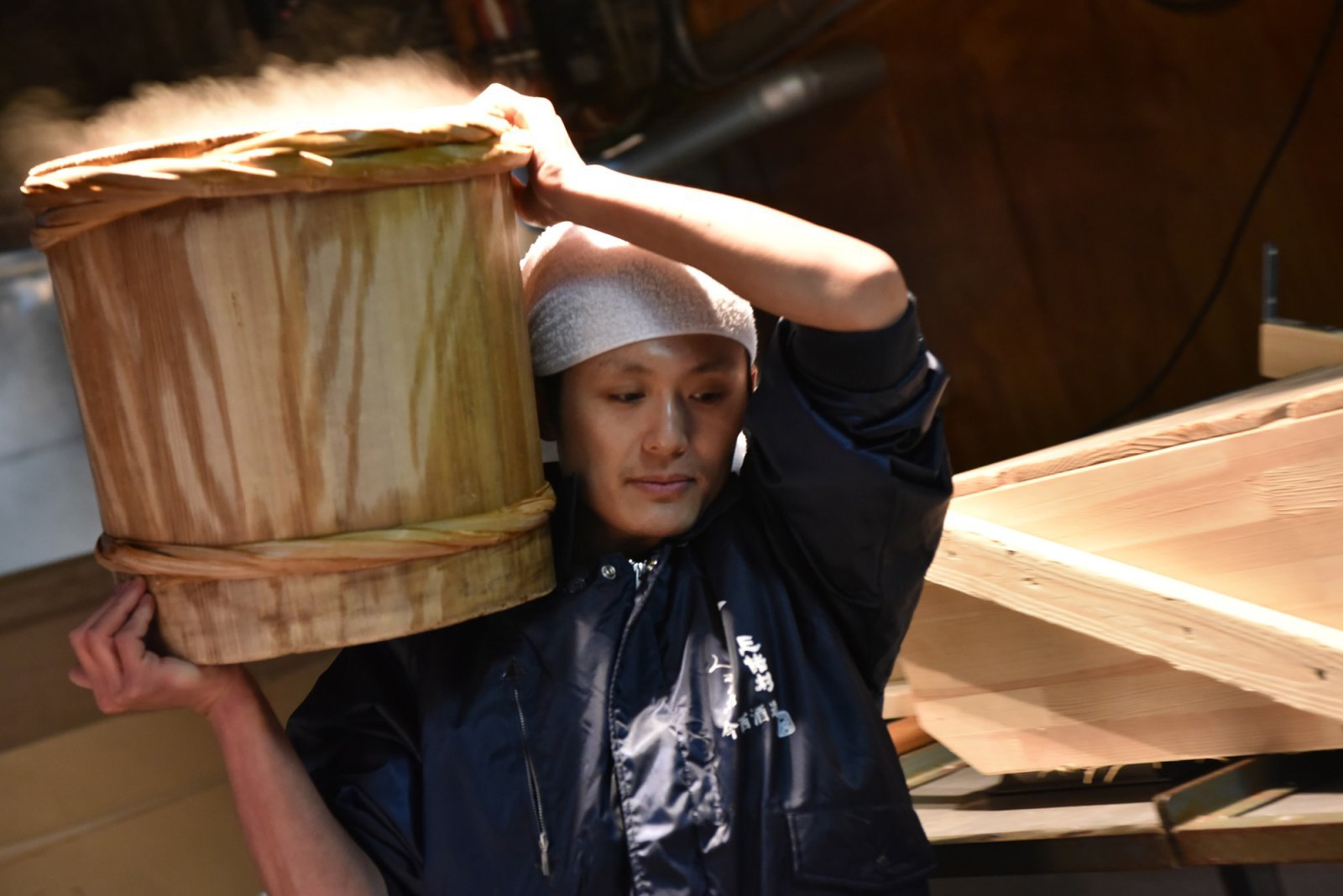
At Imanishi Shuzō, every stage of production has been re-examined and refined in the pursuit of the highest standards of ‘proper sake-making’.
Masayuki Imanishi was 28 when he decided to return to his family’s brewery. After graduating from university, he had begun his career at a major company in Tokyo, where he gained valuable experience in sales. His original plan had been to return to his hometown at the age of 30, spend ten years learning the business from his father, and officially take over the brewery at 40.
One day, however, a phone call from his father turned those plans upside down. ‘I’ve been told I have three months left to live. Come back to the brewery.’ Masayuki Imanishi immediately resigned from his job and returned home to be with his family. Tragically, his father passed away just one week later.
It was only then that he discovered the dire state of the family business. Not only was sake production running at a loss, but the other ventures into which the company had diversified, including restaurants and accommodation businesses, were also in the red. The company was facing a serious financial crisis.
‘At this rate, we’re going to lose the family business.’
Fully aware of the urgency of the situation, Masayuki Imanishi resolved to take matters into his own hands and set about turning the brewery around. It was 2011.
‘Why isn’t our sake selling?’
Deeply conscious of his own shortcomings, he began by ordering acclaimed sake from breweries across Japan and conducting blind tastings to compare them with his own. The results were unequivocal: ‘Ours was the only sake that was clearly not good.’ Faced with this reality, he made a radical decision. All business activities other than sake production were sold off, allowing the company to concentrate all its efforts on its core business. A sweeping transformation was under way.
The first step was to completely replace the brewery’s ageing equipment and machinery. Everything was renewed with state-of-the-art installations. These investments, however, were not intended to increase production volumes or improve efficiency. Their purpose was to create the conditions necessary for truly ‘proper sake-making’.
Take the washing of rice, for example, a process that removes the bran remaining on the surface of the grains. Rather than washing several tonnes of rice at once using machinery, the brewery opted to work by hand, carefully washing small batches of just ten kilograms at a time. To make this possible, it needed a dedicated rice-washing room, designed to provide an impeccably clean environment for such meticulous work.
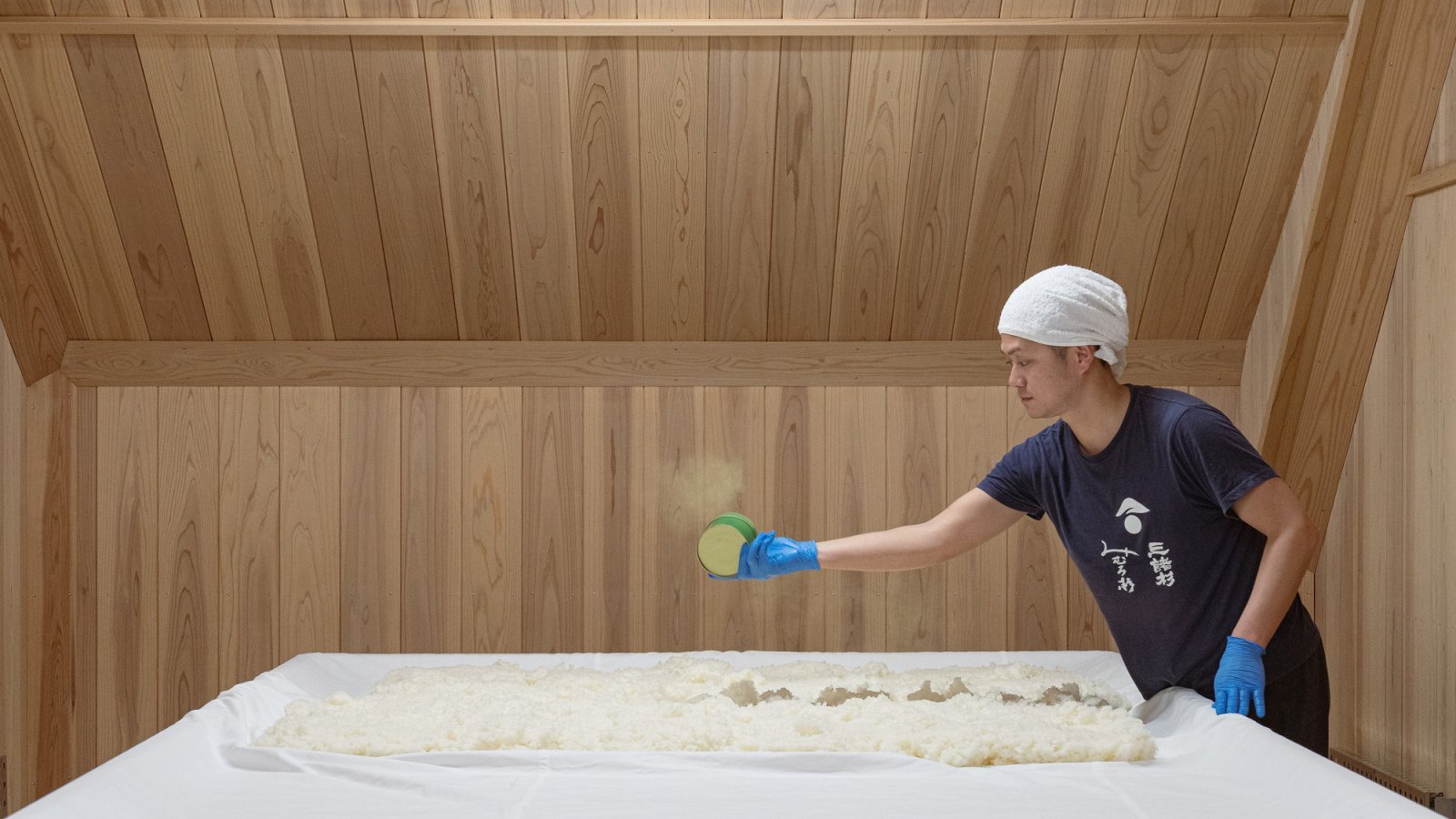
All the brewery’s ageing equipment and machinery have been replaced. Although the new approach has involved more manual work, the workforce has also been expanded.
Of course, increasing the amount of manual work also requires more people. The second major reform therefore involved restructuring the production system and recruiting a new generation of young brewers. Masayuki Imanishi sought out passionate people in their thirties from across Japan, building a production team of around 30 members. The aim was to create an environment in which every stage of the process could be given the time and attention it deserved, without ever having to rush.
By rethinking and refining each stage of production, year after year, the quality of Mimurosugi gradually became more sophisticated. Fifteen years after Masayuki Imanishi returned to the brewery, its sake has been transformed into a product whose excellence is now widely recognised.
‘It is all about accumulation and interconnection. In sake-making, changing just one stage has repercussions throughout the entire process, from kōji preparation to the rice’s water absorption and every other step. There was no single dramatic moment when everything suddenly fell into place. It is simply the result of daily work, of making small adjustments and consistently doing things the right way,’ he explains.
Although the brewery has undergone far-reaching changes to its equipment and production methods, the philosophy underpinning its work has remained unchanged since its foundation. It can be summed up in one expression: ‘pure and proper sake-making’. ‘Pure’ means expressing the pristine, sacred atmosphere of Ōmiwa-jinja Shrine, the dwelling place of the deity of sake, through the meticulous maintenance and cleaning of the brewery, as well as the care devoted to both its spaces and the liquid itself. ‘Proper’, meanwhile, means carrying out every stage of the process as it should be done, without the slightest compromise, never allowing considerations of efficiency or cost-effectiveness to take precedence over the right methods.
The richness of Miwa’s terroir, this sacred land of sake-making, the passion of its young brewers and the unwavering commitment to doing things properly: it is from this combination that the beauty of Mimurosugi emerges.
Three awards at the SAKE COMPETITION, every glass telling the story of Miwa
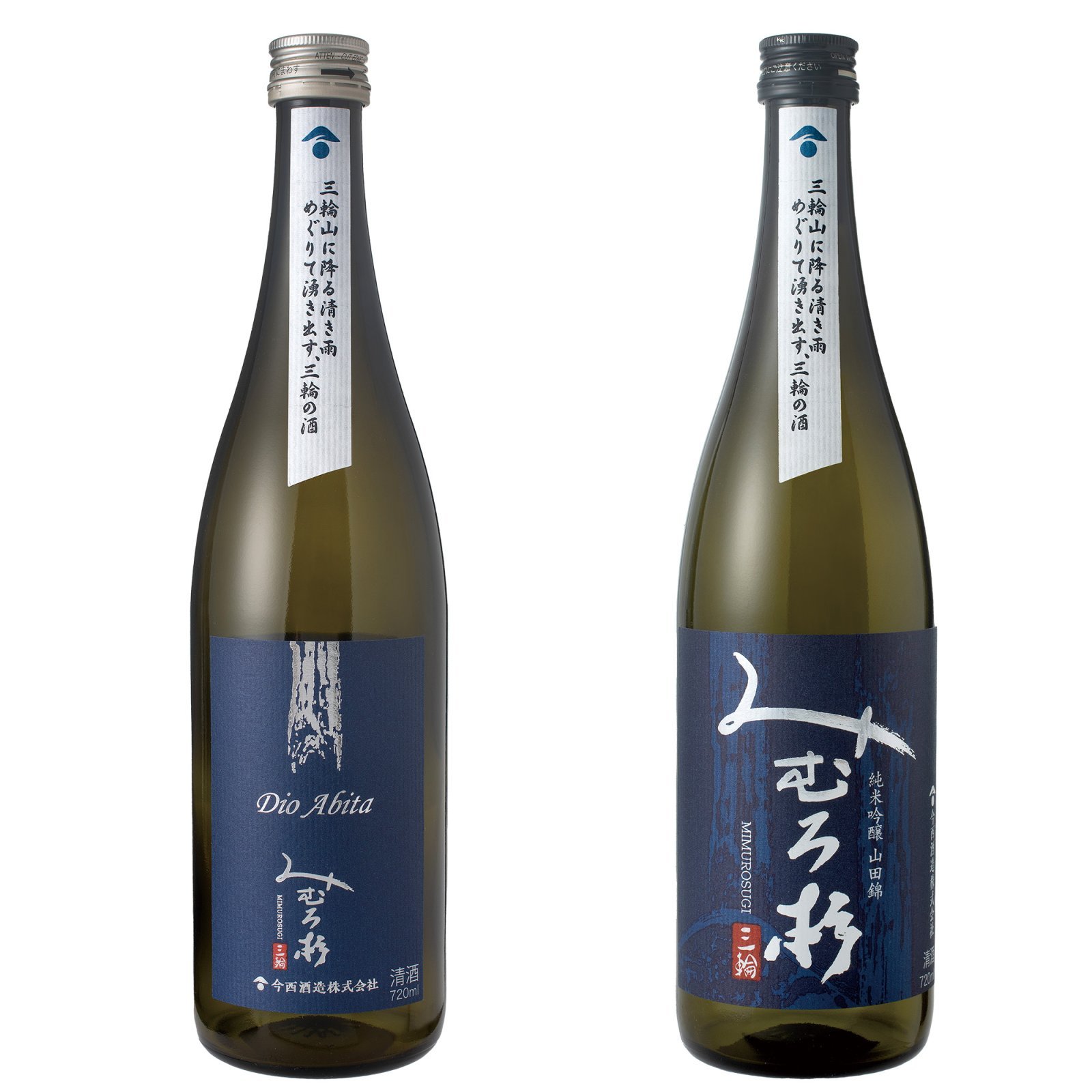
Left: ‘Mimurosugi Roman Series Dio Abita’, which took first place in the Junmai category at the 2026 SAKE COMPETITION. Right: ‘Mimurosugi Roman Series Junmai Ginjo Yamada Nishiki’, which topped the Junmai Ginjō category.
On 1 October 2026, Japan’s Sake Day (Nihonshu no Hi), Masayuki Imanishi paid a courtesy visit to Makoto Yamashita, Governor of Nara Prefecture, bringing with him two bottles of sake that had recently received prestigious awards.
The first was ‘Mimurosugi Roman Series Dio Abita’, which took first place in the Junmai category at the 2026 SAKE COMPETITION. The second was ‘Mimurosugi Roman Series Junmai Ginjo Yamada Nishiki’, which won first place in the Junmai Ginjō category.
In addition to these two distinctions, Imanishi Shuzō also received the Best Sake Brewery Award. The accolade recognised the brewery’s efforts to build a sake culture of international standing by embracing innovation while remaining faithful to its traditions. Masayuki Imanishi was keen to share this achievement with the governor in person.
Reflecting on the awards, the head brewer explains that they had once again made him realise just how fortunate the brewery is to benefit from the natural beauty, history and culture of Nara Prefecture.
‘Nara is home to wonderful brewing techniques developed by our predecessors, such as bodaimoto, and we also grow our own rice in the prefecture’s paddies. At our brewery, we make use of the ‘Miwa lactic acid bacteria’, which is deeply rooted in this land, to express the distinctive character of Nara and Miwa in our sake. We want to continue exploring how we can draw on the gifts of this region and give them tangible expression in our products.’
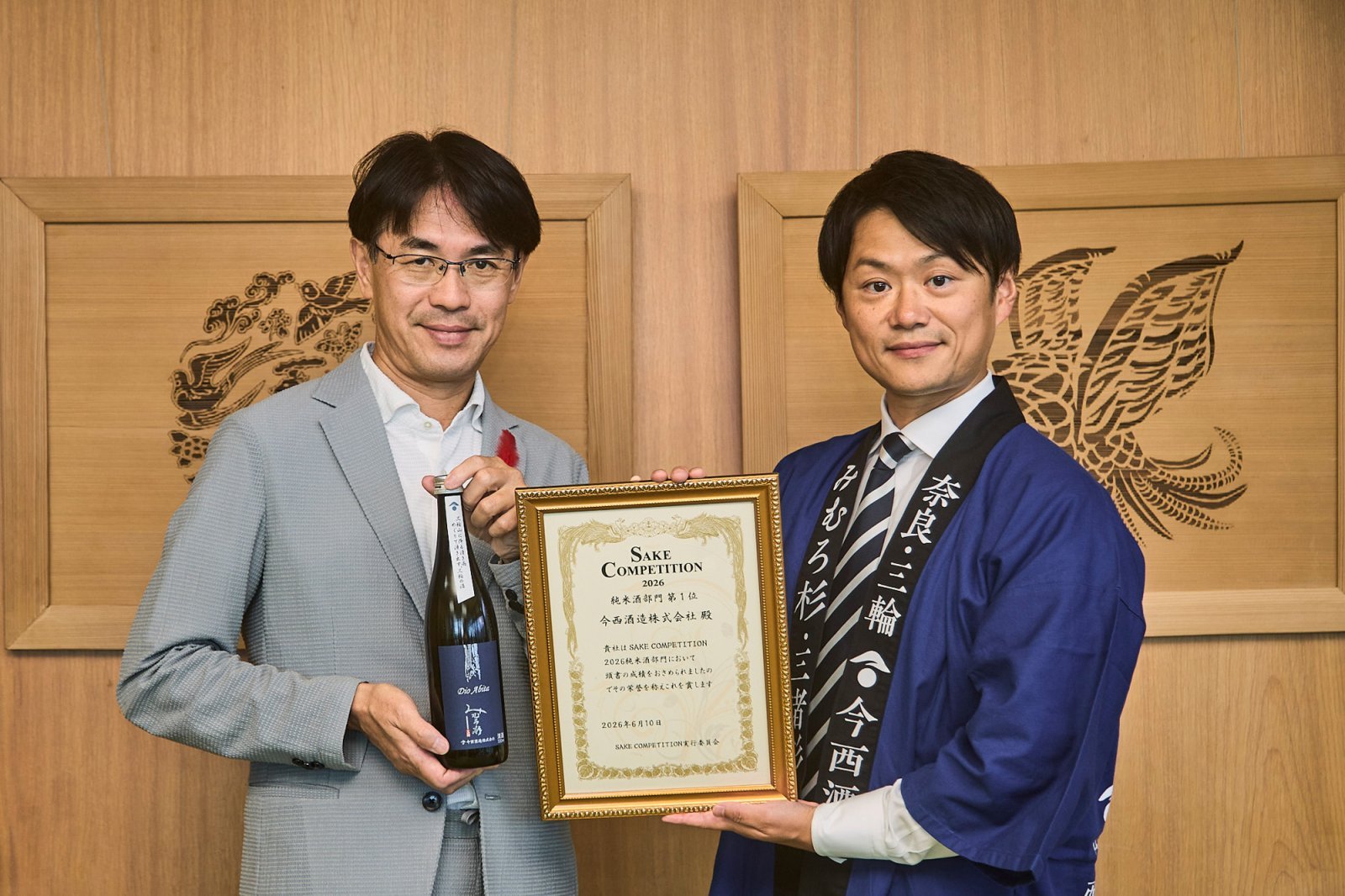
Masayuki Imanishi (right) with Makoto Yamashita, Governor of Nara Prefecture (left). The head brewer hopes to ‘share the appeal of Nara sake with people in Japan and around the world, as a local sake that people can take pride in and call their own’.
Every year, towards the end of September, on an auspicious day in the Japanese calendar chosen to mark the beginning of the new brewing season, all the brewers visit Ōmiwa-jinja Shrine together to pray. Upon returning to the brewery, they hold a meeting to present the direction for the season ahead. The entire team shares the objectives, vision and challenges for the coming months, including any new initiatives. For an organisation that is constantly evolving and embracing major changes, ensuring that everyone shares the same aspirations and moves forward with a common purpose is essential.
Masayuki Imanishi’s ambition goes beyond simply producing delicious sake. His aim is to create ‘beautiful sake’, imbued with the story of the land from which it originates.
Deeply moved by these words, the governor nodded in agreement before declaring: ‘Nara sake remains relatively little known among the general public. I hope that the local authorities and brewery owners can join forces to share its appeal with people both in Japan and around the world.’ The two men thus reaffirmed their commitment to working together to ensure that Nara’s sake receives the recognition it deserves among future generations.