How Ultrasonic Coffee Is Reinventing the Iced Espresso
In Tokyo, SAMAA_ is pioneering a new technology that solves one of iced coffee’s oldest problems: dilution.
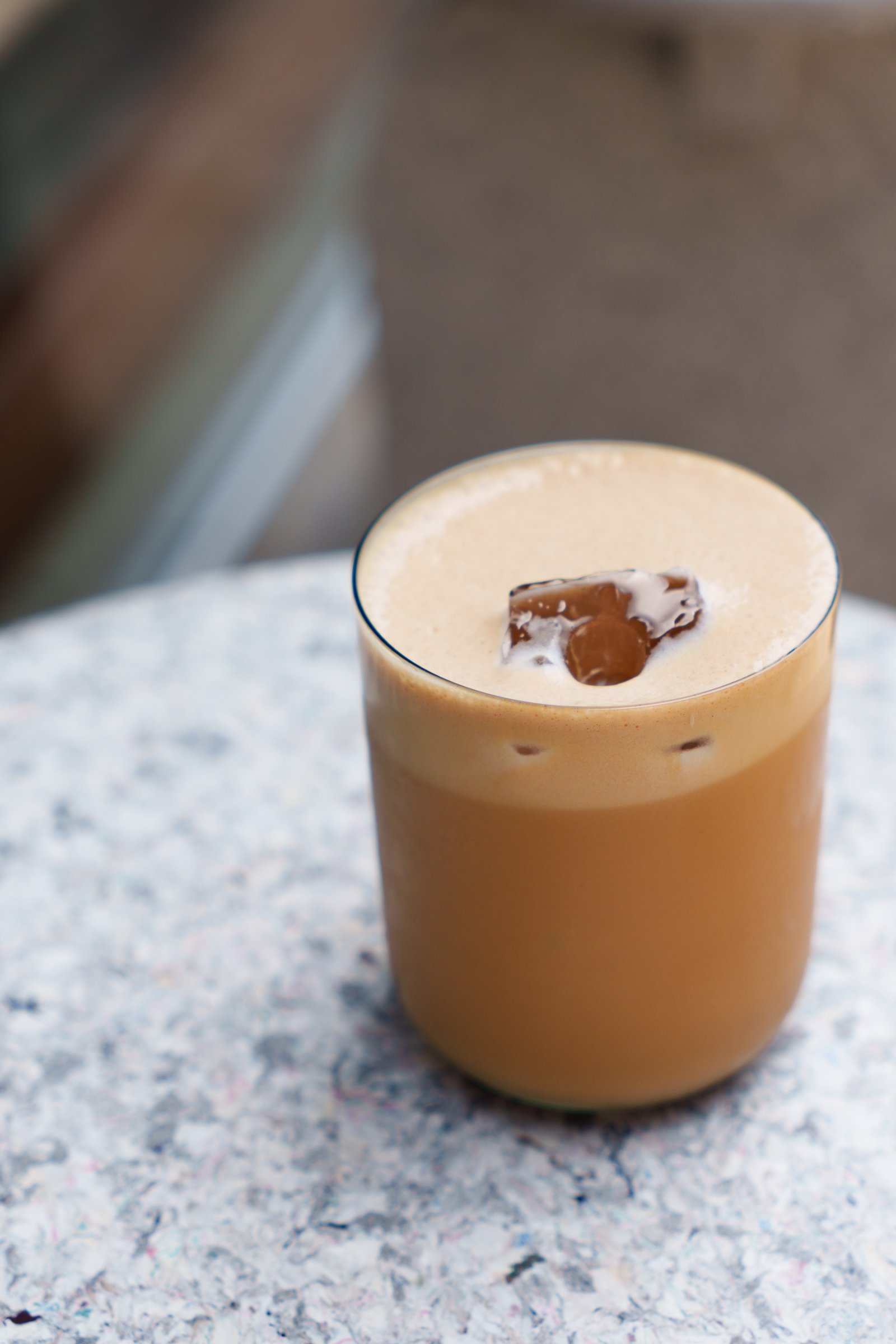
The signature ‘ULTRA MILK FOAM’ at SAMAA_, where every iced espresso drink has been prepared using this new technique since June 2, 2026. ¥1,100. / All photographs in this article were taken during the launch event held on June 1.
Before me sits a chilled brown drink served in a thin, minimalist glass. At first glance, it is simply an iced cappuccino made with espresso and milk. It looks entirely ordinary. But the moment I pick it up and take a sip, I stop in surprise. ‘Is this really an iced cappuccino? Well… yes, it is, but…!’
How can I describe this depth of umami? Words like ‘creamy’ or ‘silky’ suddenly feel inadequate. The texture is unlike anything I have experienced before. The espresso and milk are no longer separate elements but have become a perfectly unified whole. That remarkable sensation remains from the first sip to the last. Even as the ice melts, there is none of the watery dilution usually associated with iced coffee. The experience feels almost dreamlike.
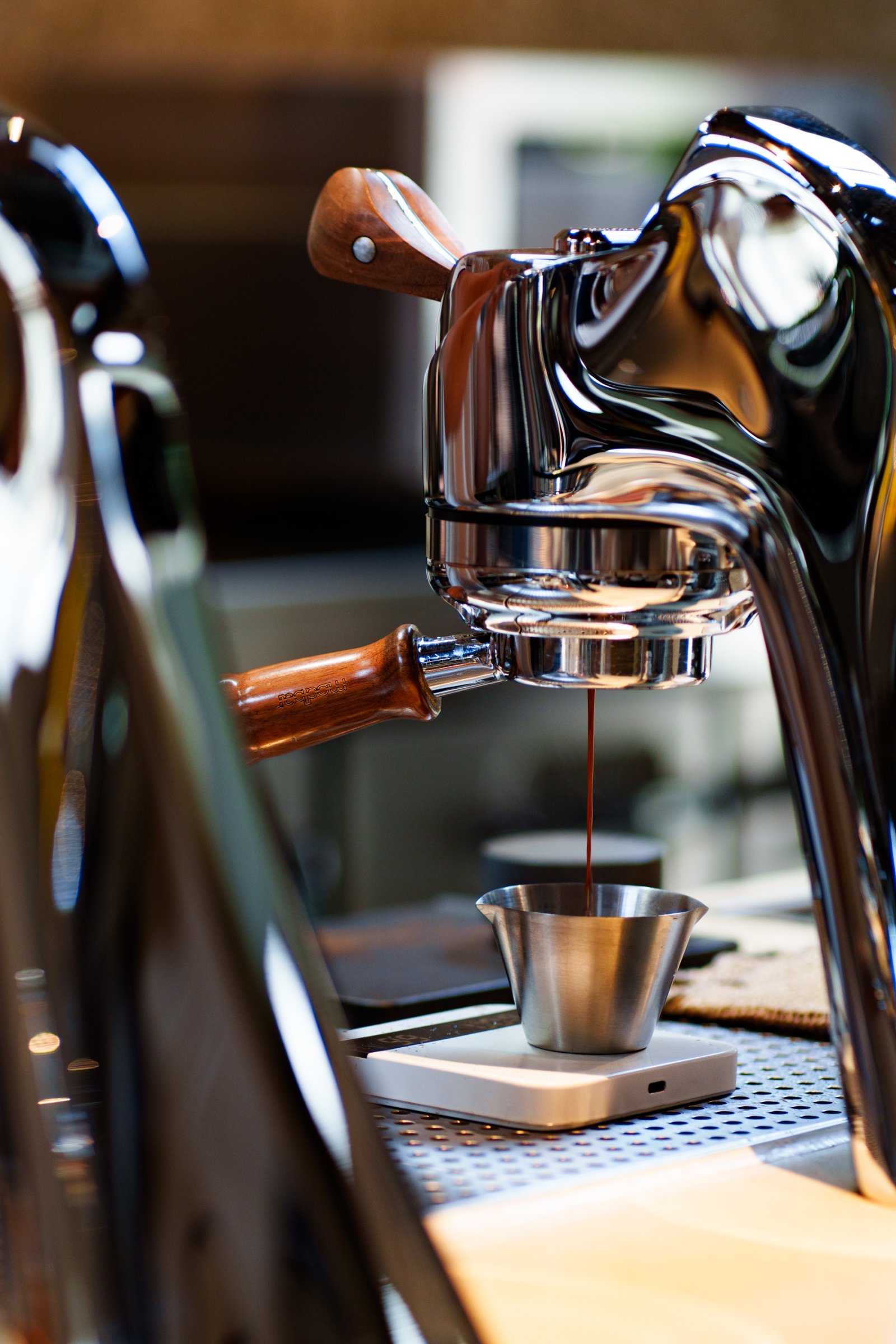
Every iced espresso drink begins with a freshly extracted espresso. SAMAA_ is also developing a new range of coffee beans specifically designed for this brewing method.
As I continue drinking, I notice a gentle sweetness. Hibiki Fujioka, who created the ‘ULTRA MILK FOAM’ and prepared the drink for me, explains: ‘We add a syrup made from espresso that would normally be discarded during our daily extraction adjustments, blended with palm sugar.’
It is a sustainable approach that gives new life to what would otherwise become waste. This philosophy runs through SAMAA_, the coffee shop that opened in Tokyo’s Sangenjaya district in October 2025. It represents what could be described as a fourth wave of coffee culture, building on the foundations laid by the third wave.
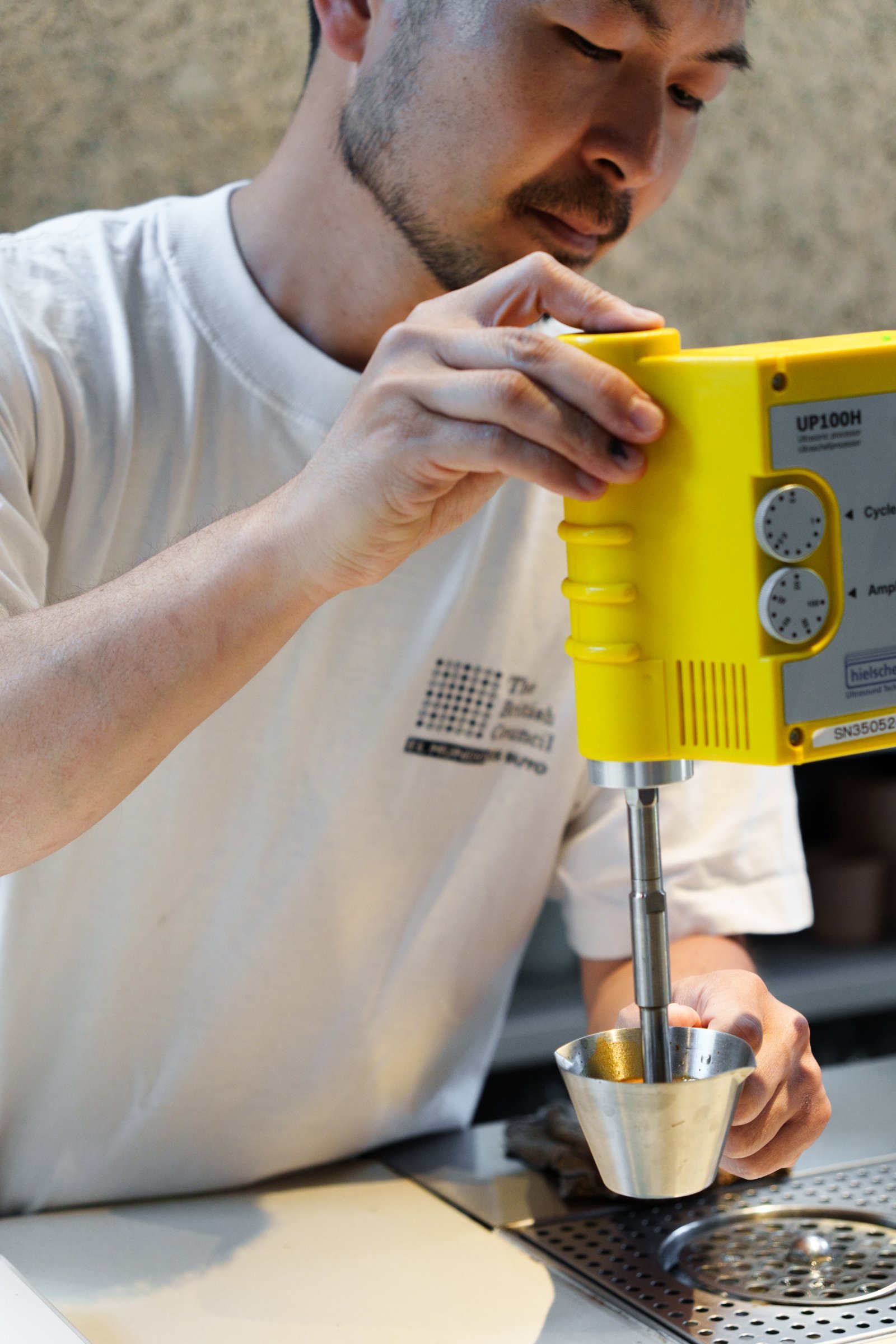
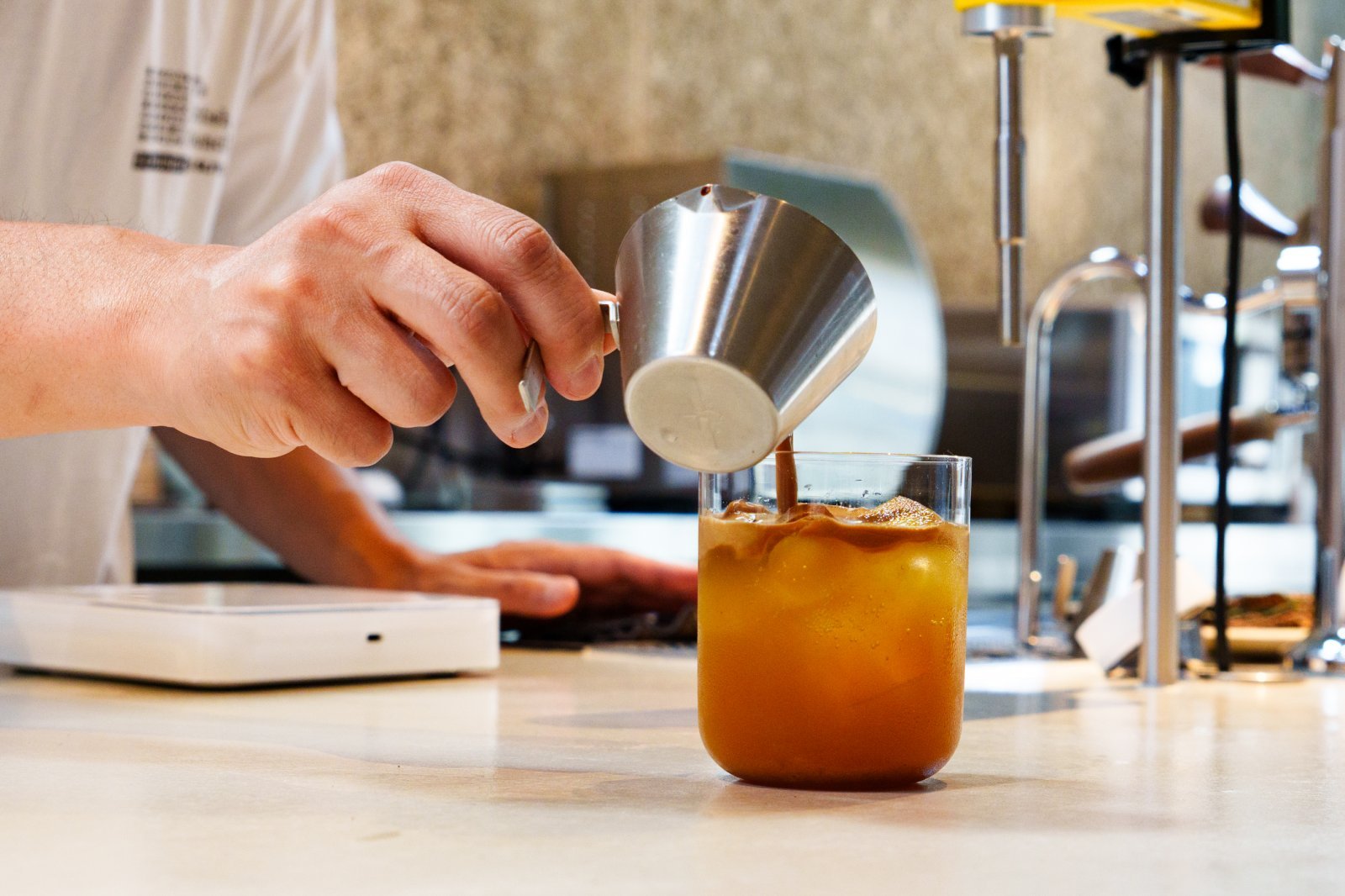
Hibiki Fujioka, who describes himself as a coffee and tea ‘extractor’, developed the new process. The yellow machine he is operating is the ‘UP100H’, which generates ultrasonic vibrations through the tip of its probe.
At the heart of this breakthrough is the UP100H, a device that uses ultrasonic vibrations to emulsify liquids at the molecular level. It is manufactured by the German company Hielscher Ultrasonics. Applied to espresso—rich in the natural oils extracted from coffee beans—and milk, the process transforms ingredients that would normally resist blending into a smooth, velvety liquid.
Why did Fujioka decide to use a machine originally developed for pharmaceutical manufacturing to make coffee?
‘While researching molecular gastronomy, I came across the potential of ultrasonic technology. Around the world, cutting-edge culinary techniques already make use of it. That inspired me to explore how it could be applied to coffee, and I began developing recipes.’
Fujioka, who describes himself as an ‘extractor’ of coffee and tea, draws inspiration from multiple disciplines. The result solves one of iced espresso’s long-standing problems—its tendency to become diluted—while bringing out the full potential of each ingredient.
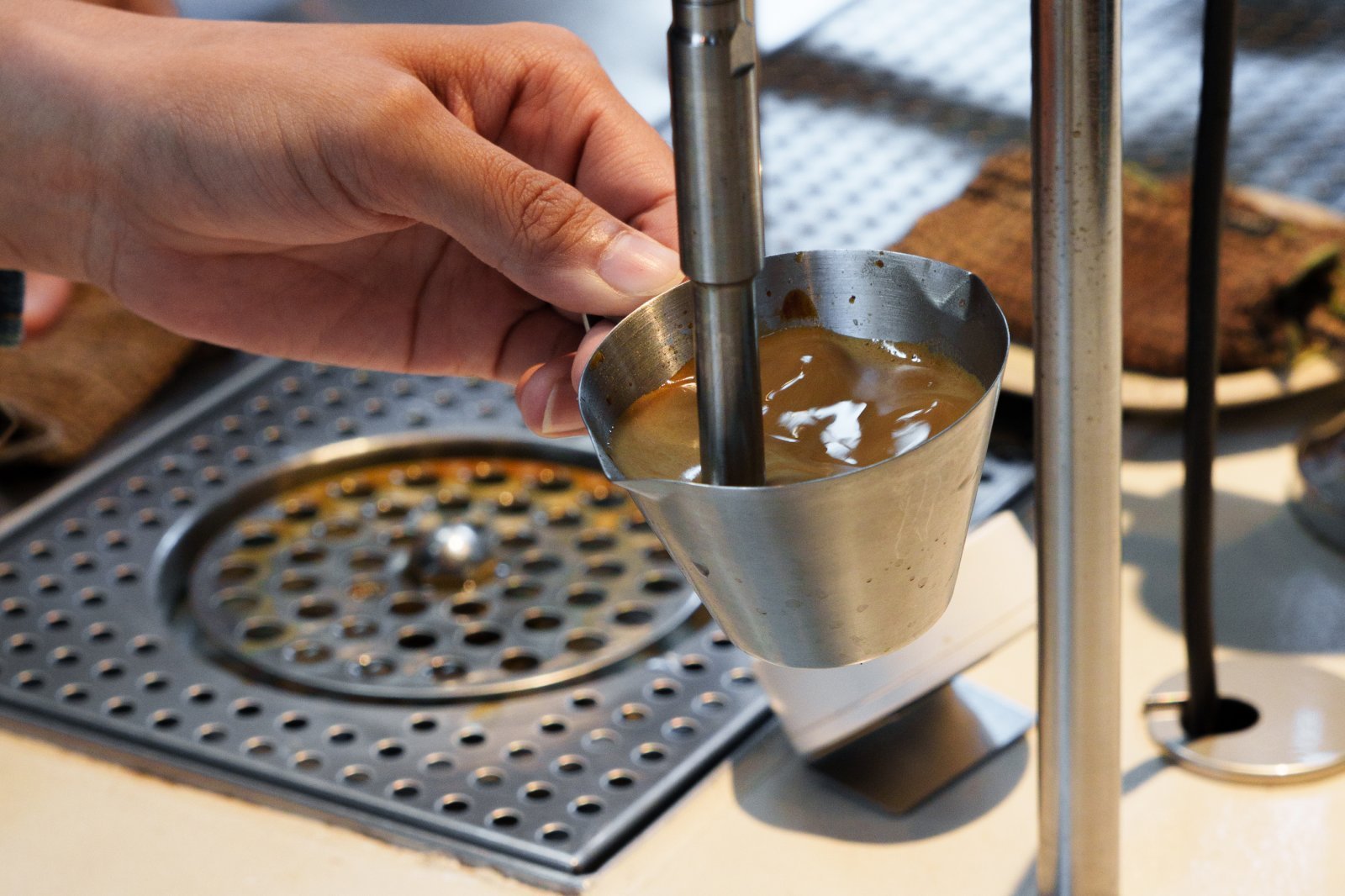
Through a physical phenomenon known as ‘cavitation’, ultrasonic waves emulsify the liquid while rapidly cooling it. Once the treated espresso is poured over water and ice, it becomes a richly flavoured Americano (served here as ‘BLACK2’ or ‘BLACK4’).
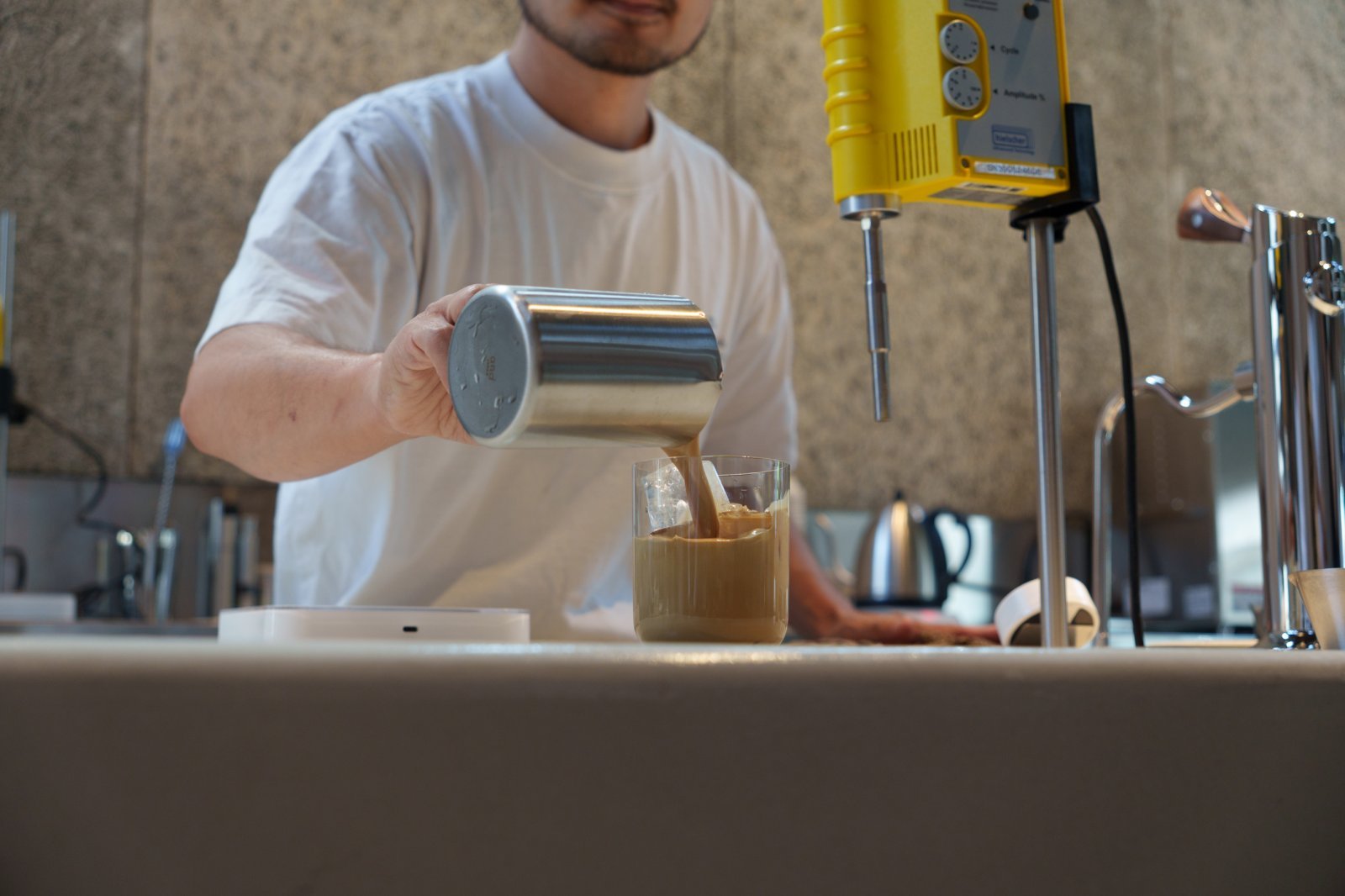
To prepare the ‘ULTRA MILK FOAM’, featured at the beginning of this article, the espresso and milk are processed together with ultrasonic waves, allowing their components to blend into a perfectly unified whole.
Curious to learn more, I looked into ultrasonic coffee. In June 2024, researchers Shih-Hao Chiu of the University of Sydney, together with Francisco J. Trujillo and Nikunj Naliyadhara of the University of New South Wales, published a successful study on ultrasonic cold brew extraction.
Using a custom-built experimental device, they reduced the brewing time for cold brew from 24 hours to just three minutes while preserving a comparable flavour profile. Ultrasonic coffee, then, already existed within academic research. But when it comes to serving drinks in a café using a commercially available machine like the UP100H, SAMAA_ is positioning itself as a true innovator.
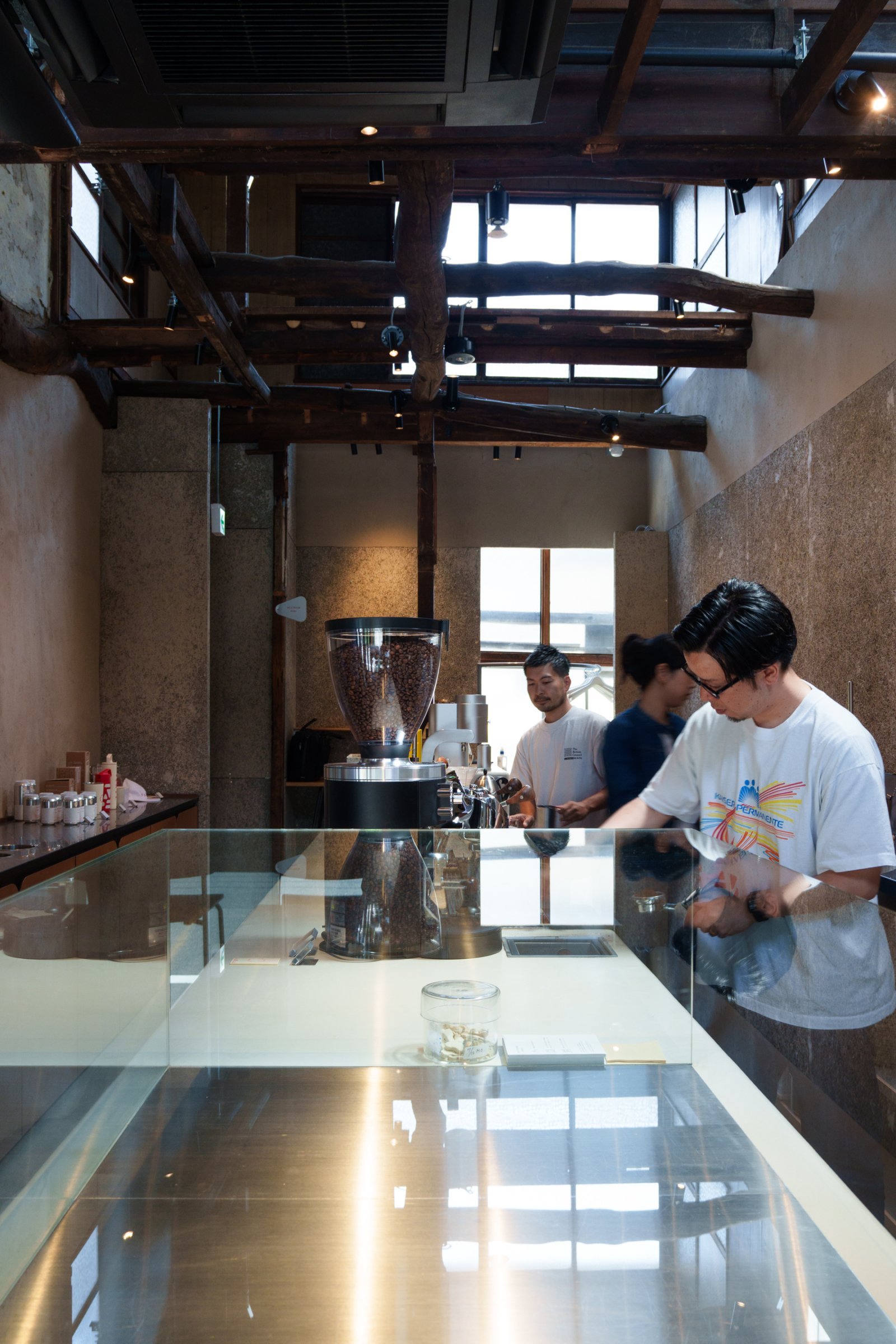
Inside SAMAA_ during the launch event. The exposed ceiling beams from the building's original traditional Japanese house have been preserved as part of the renovation.
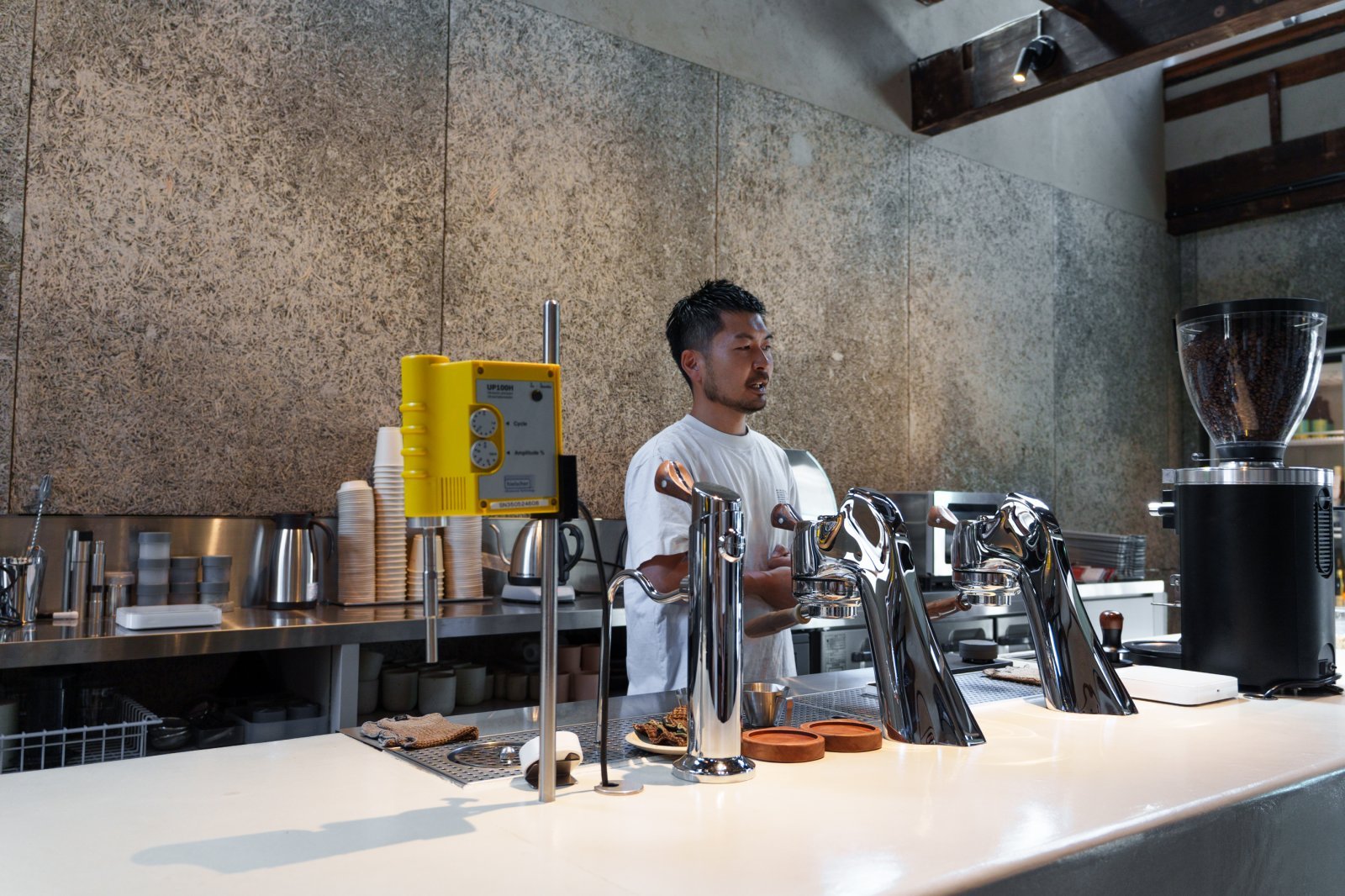
Fujioka demonstrates the new process to visitors by preparing the drinks in front of them.
Ultrasonic emulsification can be applied to espresso on its own, milk on its own, or both together. Asked what creates such an exceptionally smooth texture, SAMAA_ founder Yūichi Murakami explains:
‘Traditionally, milk foam is made by shaking milk with ice or whipping it in a blender. With ultrasonic vibrations, we can process the milk without adding unnecessary elements such as water, allowing us to bring out its characteristics to the fullest. The process also creates tiny air bubbles known as nanobubbles, which contribute to the remarkably smooth texture. Espresso, meanwhile, retains all of its original flavour.’
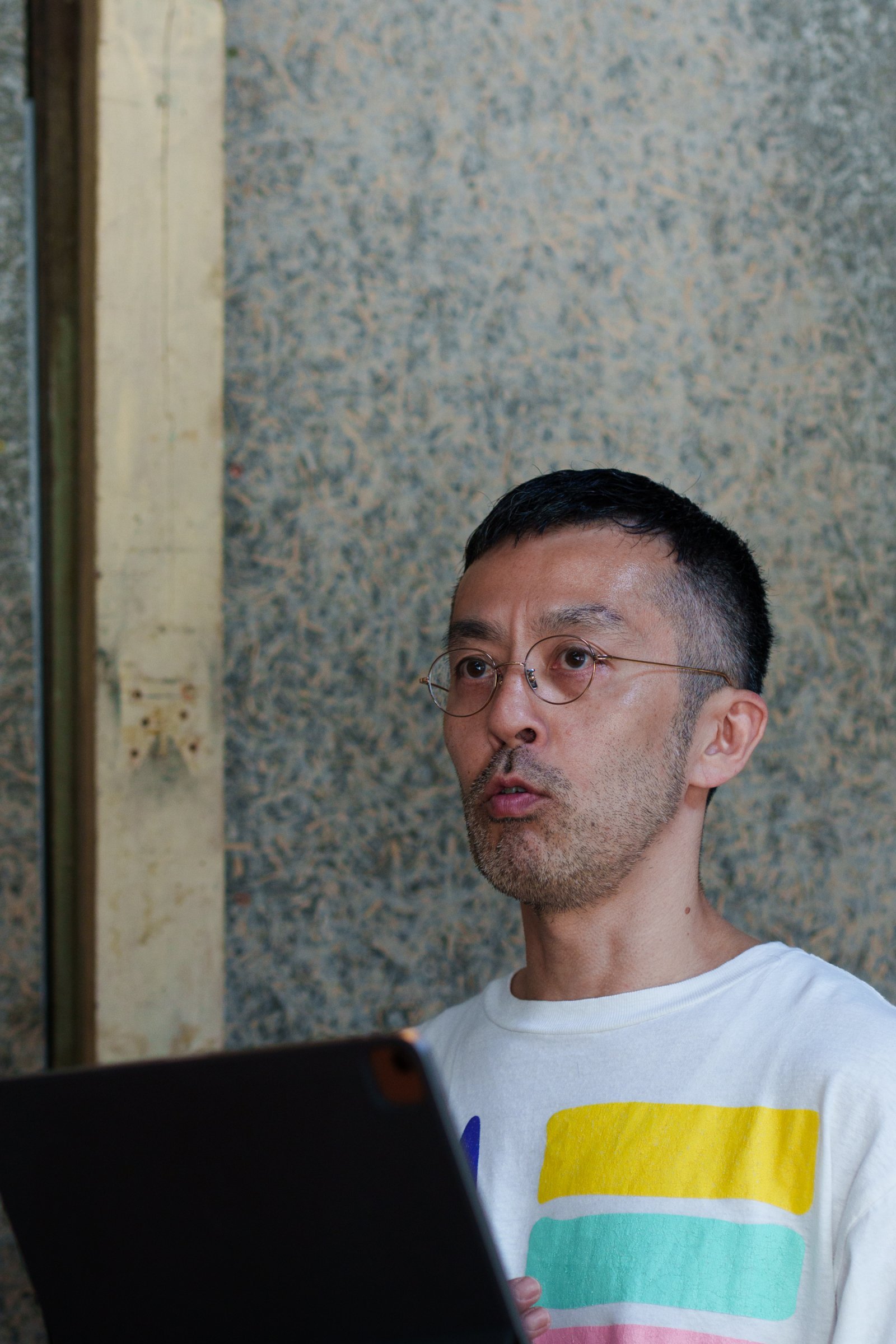
SAMAA_ founder and director Yūichi Murakami speaks during the official presentation of the new technique. He worked at Blue Bottle Coffee Japan from the brand's launch in Japan until 2024.
Even the iced Americano—espresso diluted with water—has been reimagined. Freshly extracted espresso is immediately treated with ultrasonic vibrations to cool and emulsify it, preserving its aromatic intensity. It is completely different from the conventional method of pouring hot espresso over ice, which gradually waters the drink down. Here, the rich flavour remains intact until the final sip. Speaking about this innovation, Murakami continues:
‘Coffee is a field where craftsmanship is deeply respected. People compete to master established techniques while staying true to traditional methods. Our approach challenges that way of thinking. Our goal is to expand SAMAA_ around the world. We want coffee lovers to say, ‘When it comes to iced coffee, it’s SAMAA_.’ Because the ultrasonic machine is compact, even a small coffee stand can serve exactly the same quality. We see that as a tremendous opportunity.’
‘SAMAA_ SONIC’, a drink combining lightly sparkling tonic water, spicy jamu and ultrasonically processed espresso.
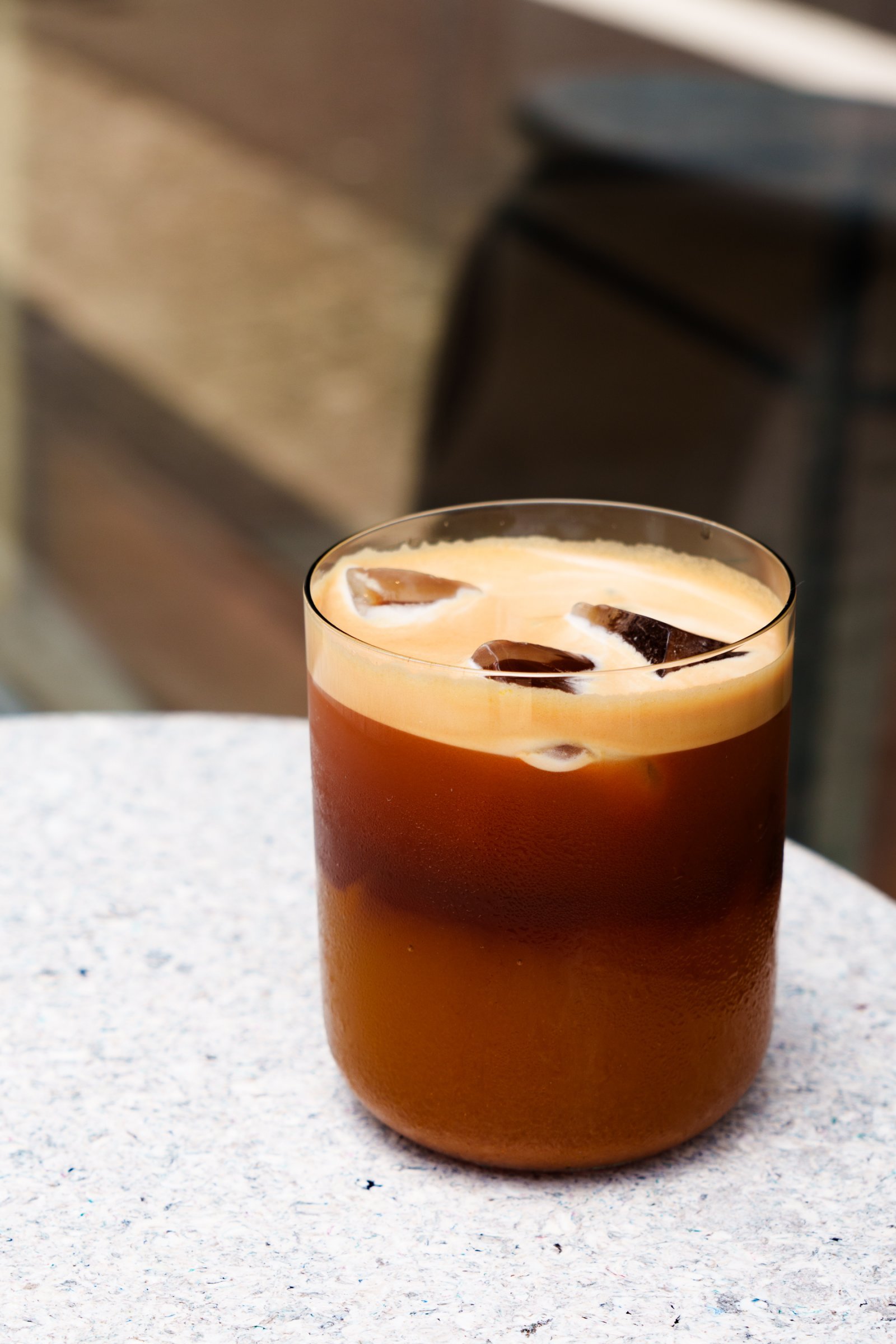
‘SAMAA_ SONIC’ is remarkable. Put simply, it tastes like a blend of ginger ale and espresso. The coffee's acidity and bitterness melt into the spicy, almost spirit-like notes of the jamu, creating a smooth drink that's perfect for summer. ¥1,100.
The UP100H costs roughly the same as a top-of-the-line coffee grinder. Some cafés may eventually decide to invest in one themselves. But SAMAA_ also benefits from the original recipes developed by Fujioka—recipes whose creativity cannot simply be copied. At SAMAA_, every milk-based iced espresso drink costs more than ¥1,000. It may seem expensive at first, but once you’ve finished the drink, the price feels justified. It reminds me of luxury perfume: although production costs are often said to account for only one to five percent of the retail price, the real value lies in the ideas, research and development behind the finished product. (In the case of perfume, elaborate packaging and branding costs are, of course, part of the equation as well.)
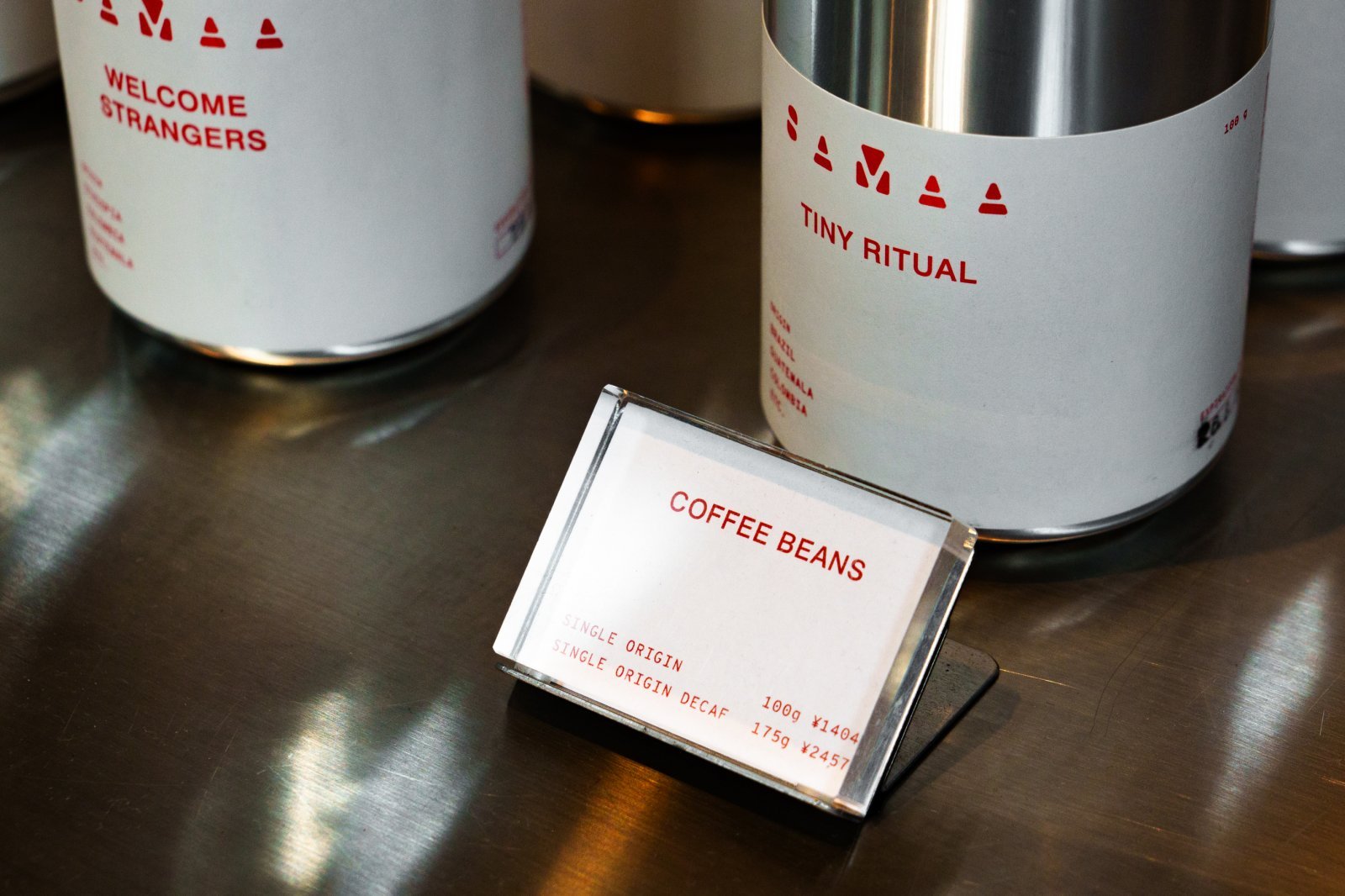
The café also sells its own coffee beans, along with a selection of original goods and accessories.
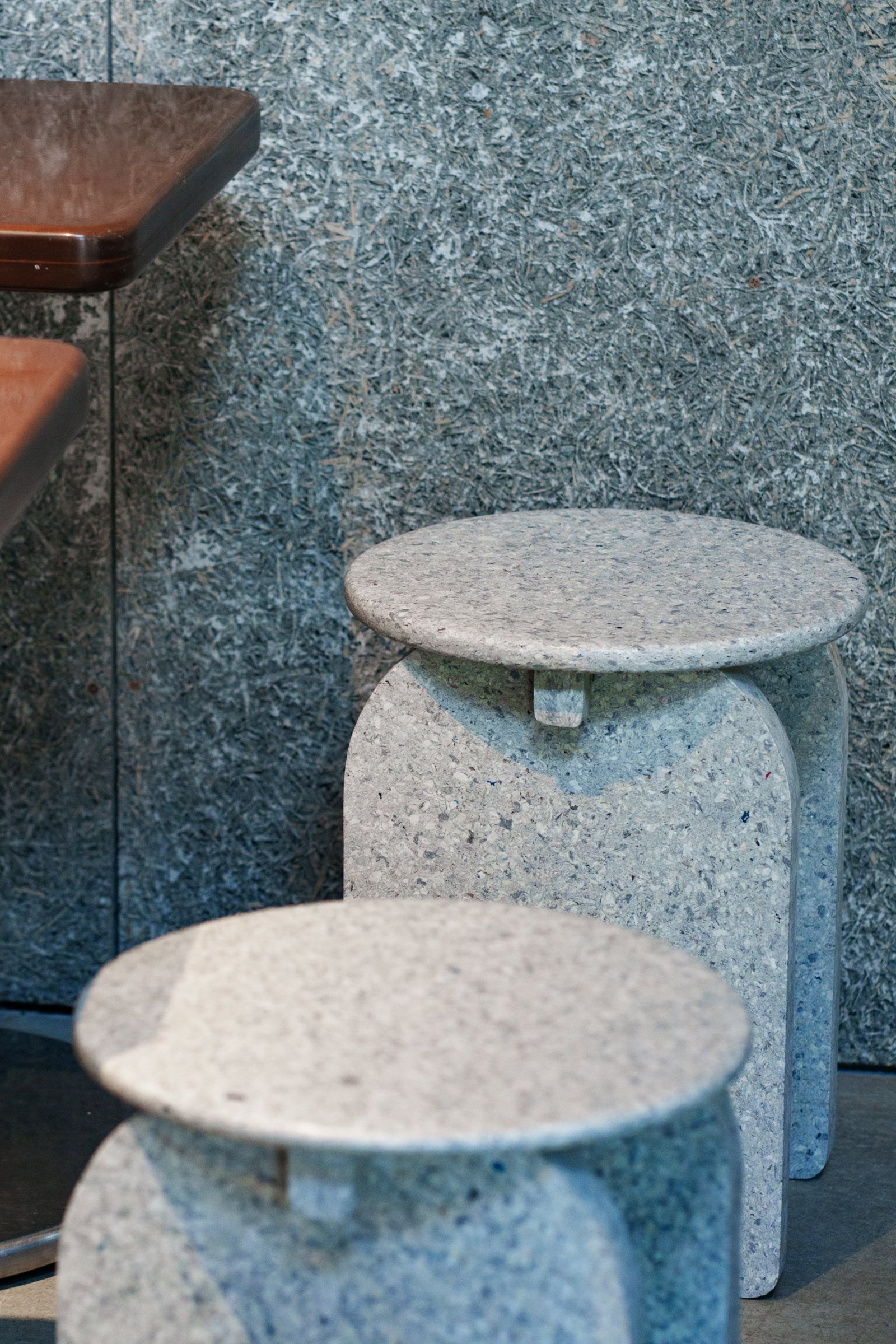
Anyone familiar with furniture made from recycled materials will recognise these stools at a glance. From the moment you step inside, the café's commitment to sustainability is immediately apparent.
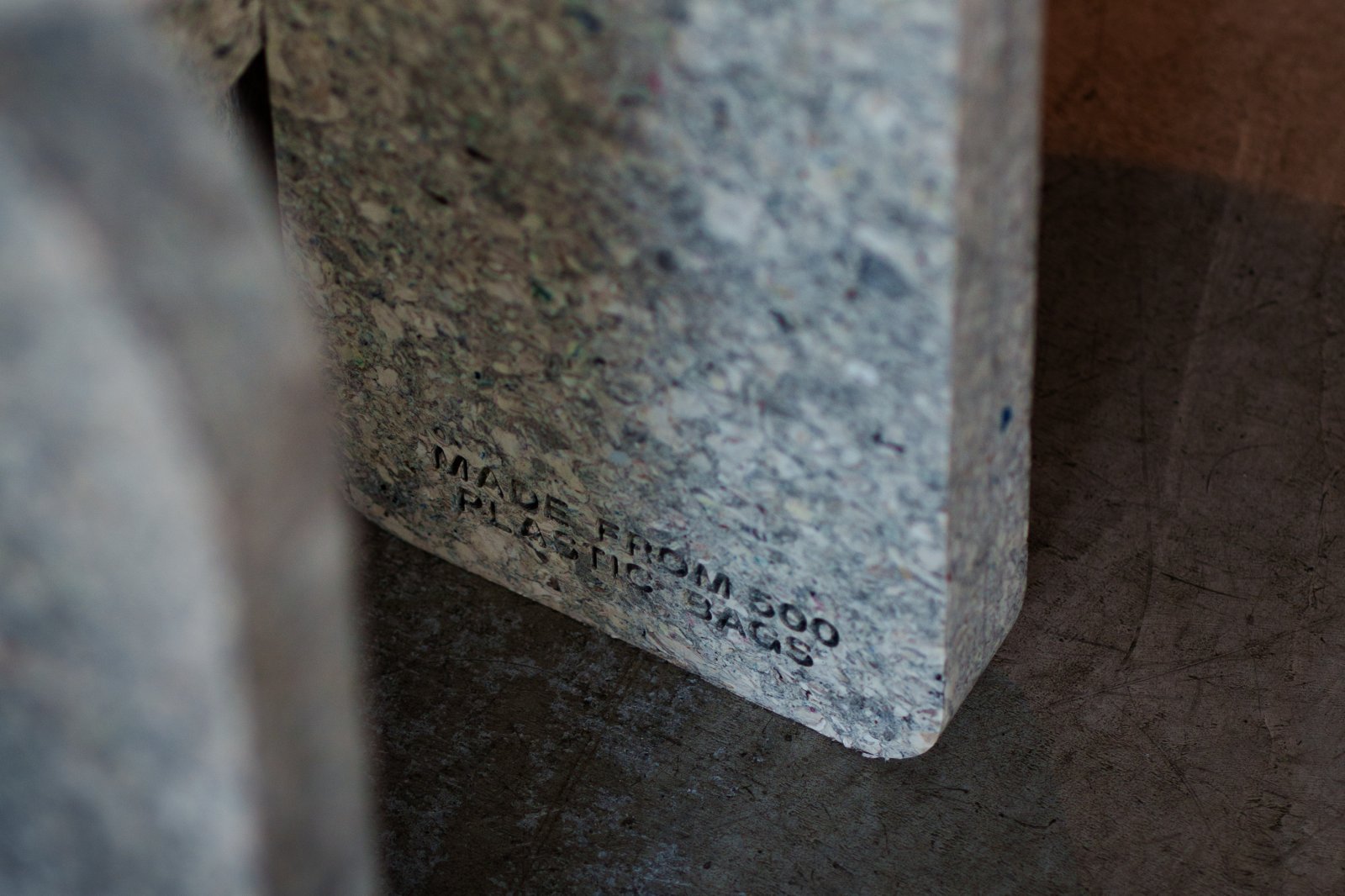
The stools are ‘Muara Stool Pebble White’, made in Indonesia from 500 plastic bags collected from rivers. They are produced by SUNGAI DESIGN, a company specialising in upcycling river waste.
Tucked away in a renovated traditional house about a ten-minute walk from Sangenjaya Station on the Tokyu Den-en-toshi and Setagaya lines, SAMAA_ sits quietly in a peaceful residential neighbourhood. Still relatively unknown, it already stands out as one of this summer’s most exciting coffee destinations—and a place well worth visiting in search of flavours unlike any I have experienced before.
SAMAA_
Adress: 1-33-7 Kamiuma, Setagaya-ku, Tokyo
Opening hours: 9:00 a.m.–10:00 p.m.
Closed irregularly.
www.instagram.com/samaa_coffee/