Kanade Hamamoto explores the memories embedded in places through photography, words and sound
Her work ‘ー・・’ (Chō Tan Tan) received the prestigious Kimura Ihei Photography Award in 2026.
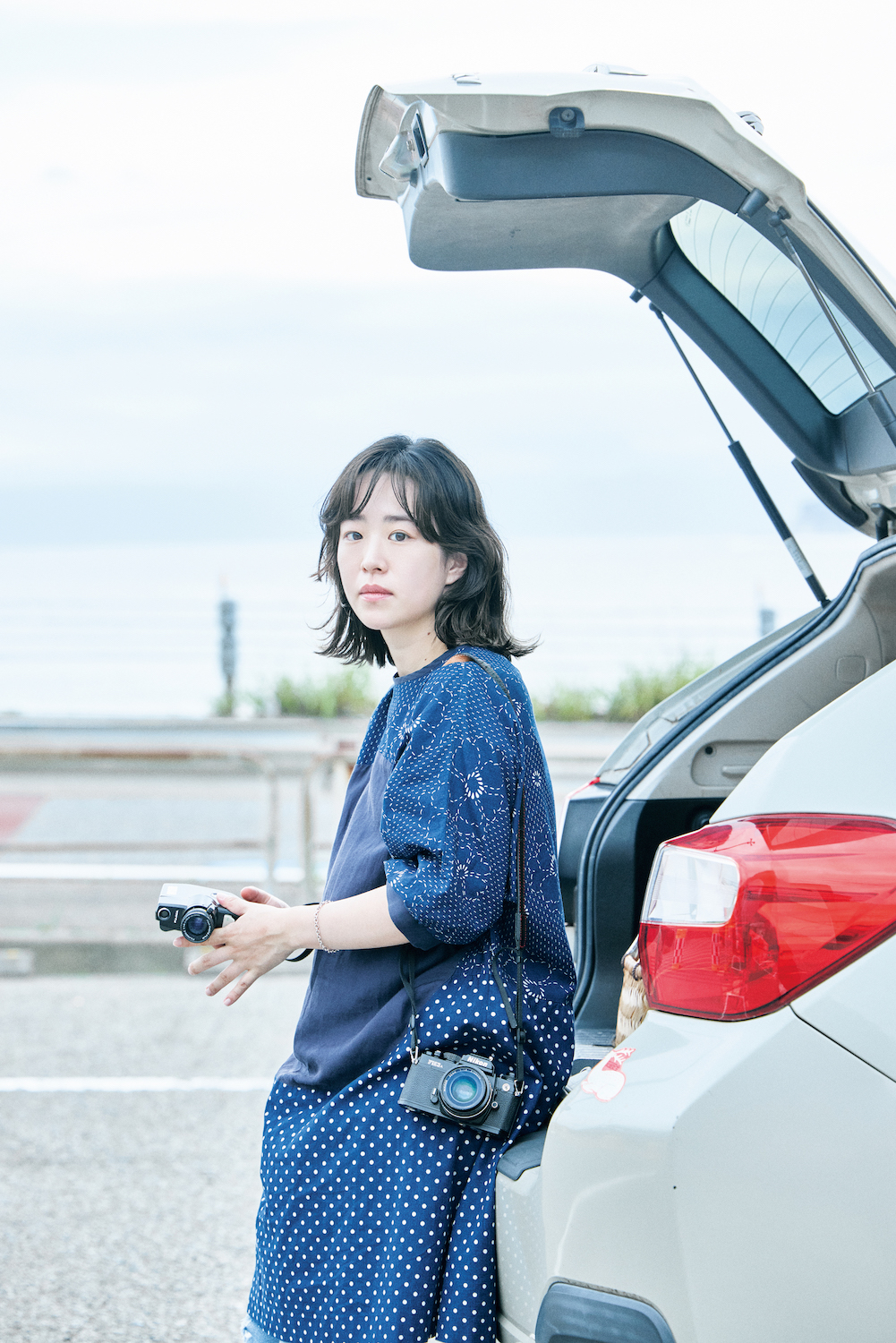
Born in 2000, Kanade Hamamoto works across a range of media, including photography and field recording, to document and give form to the ‘memories’ embedded in people and places. In 2025, she founded her independent publishing house, Shinju Shuppan. In 2026, she received the Kimura Ihei Photography Award for her work ‘ー・・’ (Chō Tan Tan).
She explores the ‘memories’ that permeate places, drawing on photography, words and sound alike. Kanade Hamamoto was awarded the prestigious Kimura Ihei Photography Award for her work ー・・ (Chō Tan Tan), which was exhibited and published as a photobook in 2025.
‘I had always thought I was leading a life that had nothing to do with awards, so I was very surprised. But I’m grateful that the award gave me an opportunity to have my work known more widely. Recently, a high school student told me, ‘I bought your book with the money I earned from my part-time job.’ That made me really happy.’
The award-winning work ー・・ takes as its starting point a historical episode connected to Operation Fukuryū, a suicide mission conceived towards the end of the Second World War to attack enemy forces from beneath the sea.
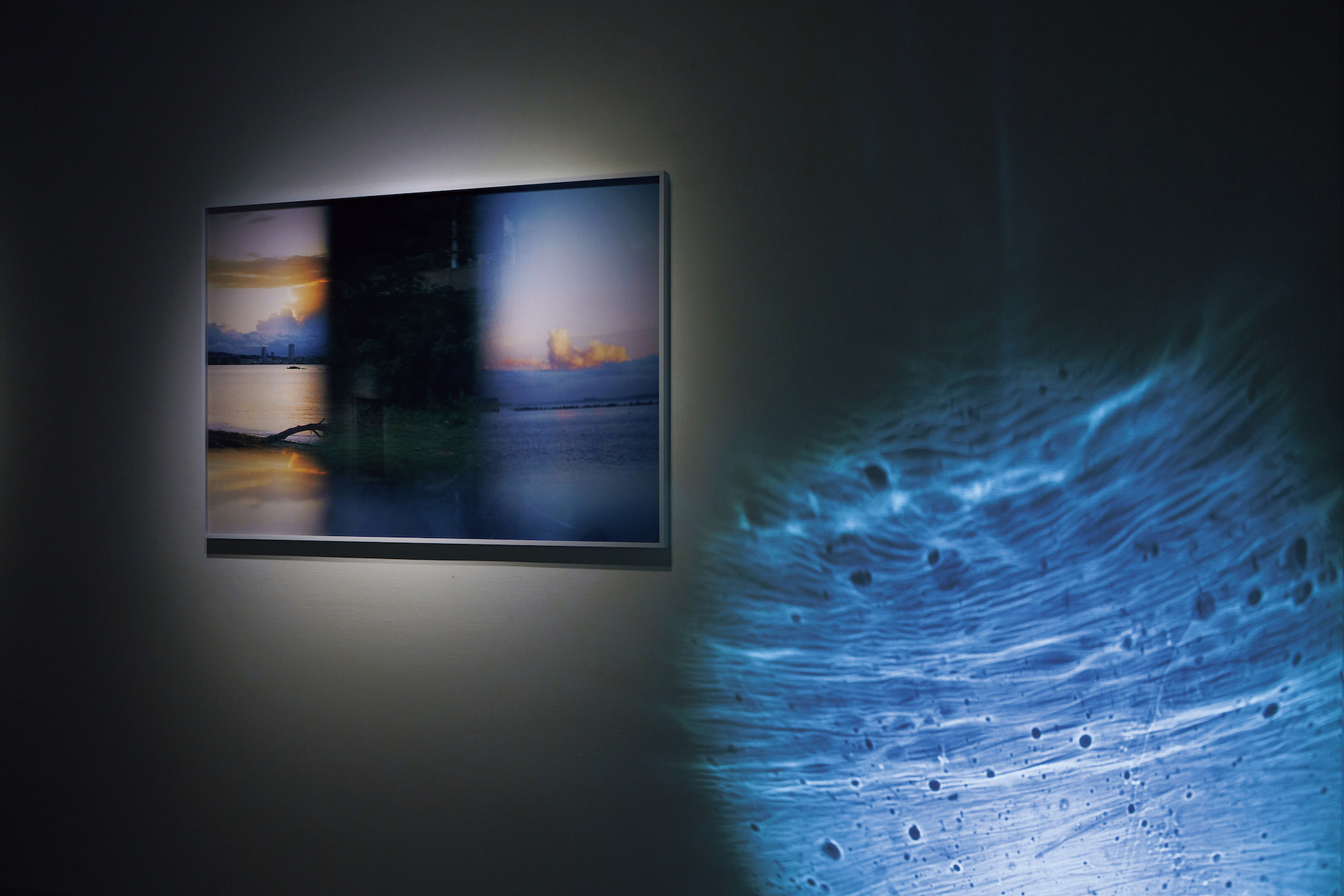
A view of the exhibition held in 2026 at the Sony Imaging Gallery in Ginza to commemorate the 50th Kimura Ihei Photography Award. Marine buoys were installed throughout the gallery, while the sound of waves played in the background to evoke the atmosphere of the site.
‘I often drive along the coastline of Kamakura. One day, a friend who was with me pointed to a cavity cut into the rock near Inamuragasaki and said, ‘Apparently that’s a military relic.’
It caught my attention, so I looked into it and found information indicating that it was connected to the Fukuryū special attack unit. When I learned that many people had died during their training, which was conducted using rudimentary diving equipment, I was suddenly struck by the feeling that they might still be there, submerged in the sea, just a short distance from the shoreline where I usually spend time with my friends. I felt a strong need to preserve this history in some form.’
From then on, she began making repeated visits to Yokosuka, where Operation Fukuryū had been conceived and where the soldiers had trained. On each visit, she took photographs, recorded the sounds of the site and wrote in her diary about what she had seen and the thoughts it had prompted. The work gradually took shape as she patiently brought these different traces together.
‘I wanted to show that, 80 years ago, the members of Fukuryū had stood in exactly the same place where I was standing. To do that, I used everything I had at my disposal: photography, text, sound…’
The work’s somewhat enigmatic title comes from the signal used by the members of Fukuryū. Once a diver had reached the seabed, they would pull the cord around their waist in a ‘long-short-short’ sequence (chō tan tan) to signal their arrival to their comrades waiting above the water.
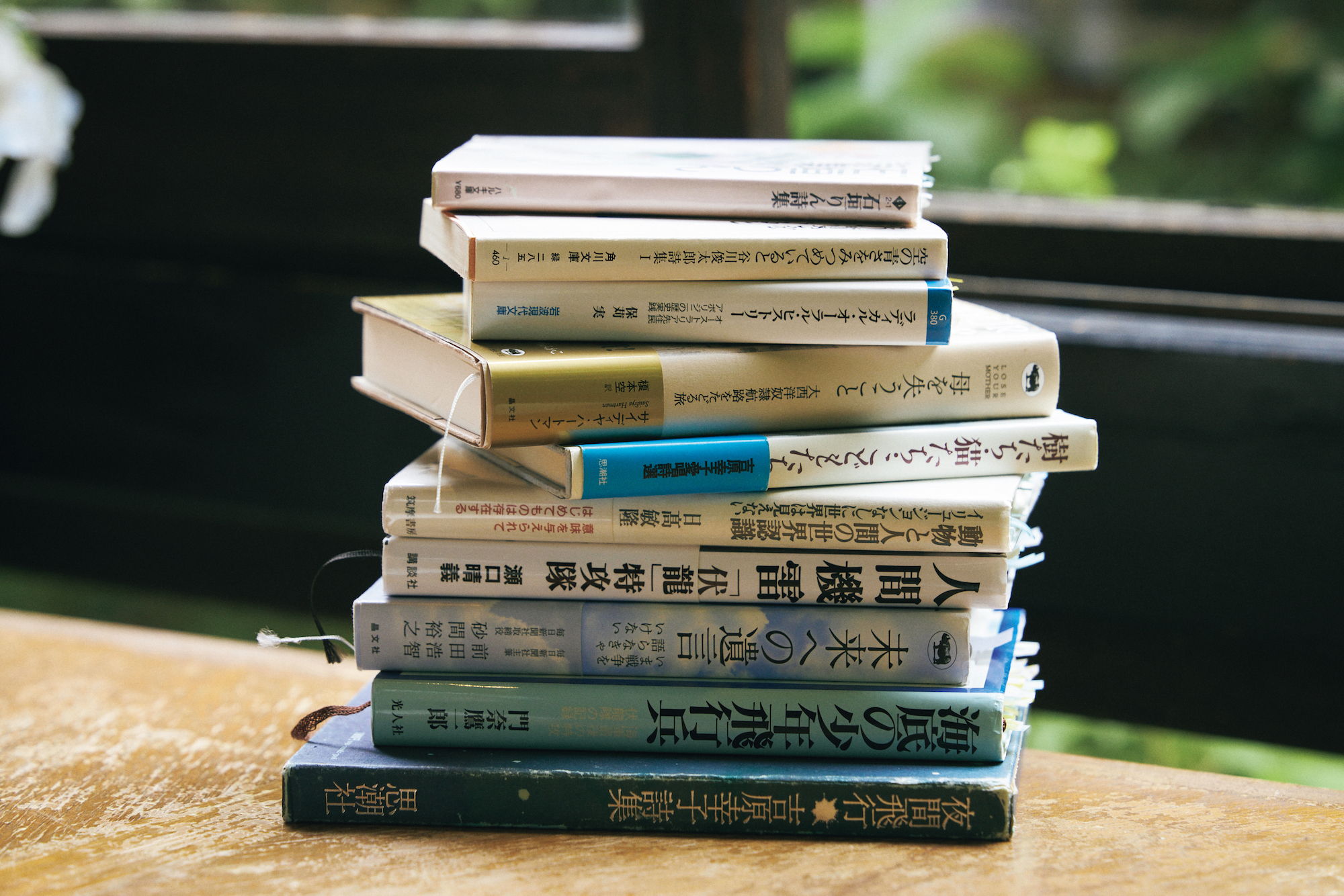
Some of Hamamoto’s favourite books. Alongside the reference materials and related publications she consulted while working on ‘ー・・’ (Chō Tan Tan), she also regularly returns to poetry collections by Shuntarō Tanikawa, Rin Ishigaki and Sachiko Yoshihara.
ー・・ was presented at the Yokohama Civic Art Gallery and was also published as a book accompanied by a seven-inch vinyl record. In order to create precisely the object she had envisioned, Hamamoto decided to establish her own publishing house.
‘Looking at the photography world, I realised that there were fewer and fewer environments and opportunities for people to publish books freely. I thought that, in that case, I would simply have to do it myself, and so I started publishing books. In the future, I’d also like to produce books by other people and support them in their projects.’
Although she considers the means and methods best suited to what she wants to express each time, photography remains at the heart of her practice.
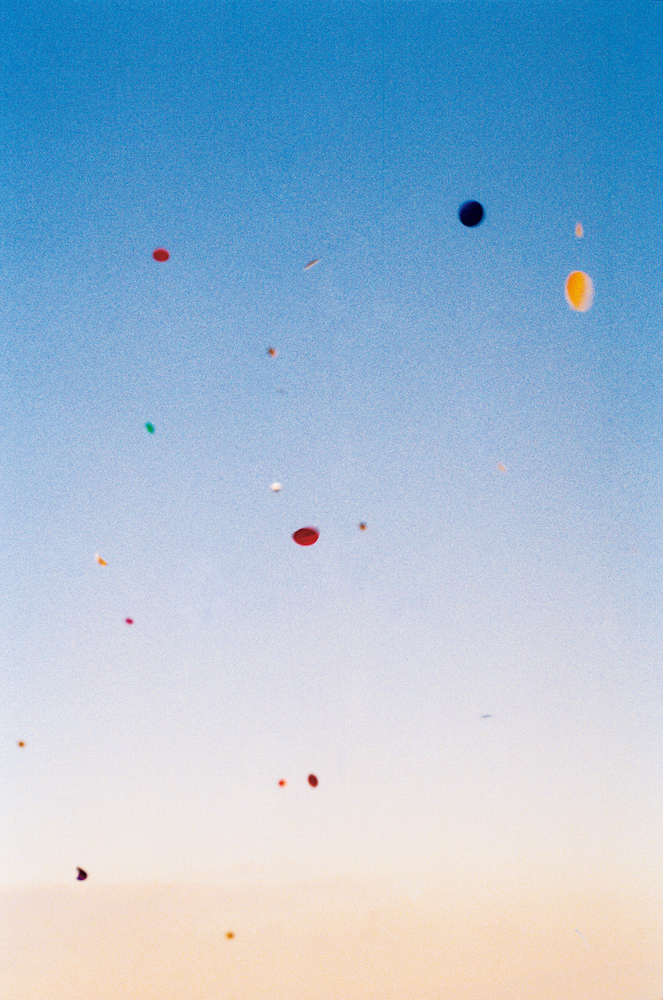
‘untitled’ (2018). Although digital cameras have been part of her world since she was born, Hamamoto works primarily with film. ‘What I enjoy is that you can’t always take a photograph exactly as you imagined it,’ she says.
‘When I want to learn about or investigate something, or when an event has deeply stirred my emotions, my first reaction is to pick up my camera and go outside. For me, photography is my ‘first language’.
I started taking photographs when I was in high school. One day, I found an old disposable camera at home and decided to have the film developed. What appeared were photographs of my parents on dates several decades earlier. They had taken pictures of each other while out enjoying the cherry blossoms, and they were really beautiful photographs. But because the film had been left untouched for so long, the images had become strange and slightly eerie, covered in a kind of purple haze. That was when I discovered what I found so fascinating about film.
I immediately bought an analogue SLR camera and started learning from scratch how to control the aperture, shutter speed and all the other settings. At first, I wasn’t very good at it, and there were even times when I developed a roll only to find that I hadn’t captured anything at all. But that was interesting in its own way. I became more and more absorbed in photography.’
She is currently working on a series entitled VANISHING POINT.
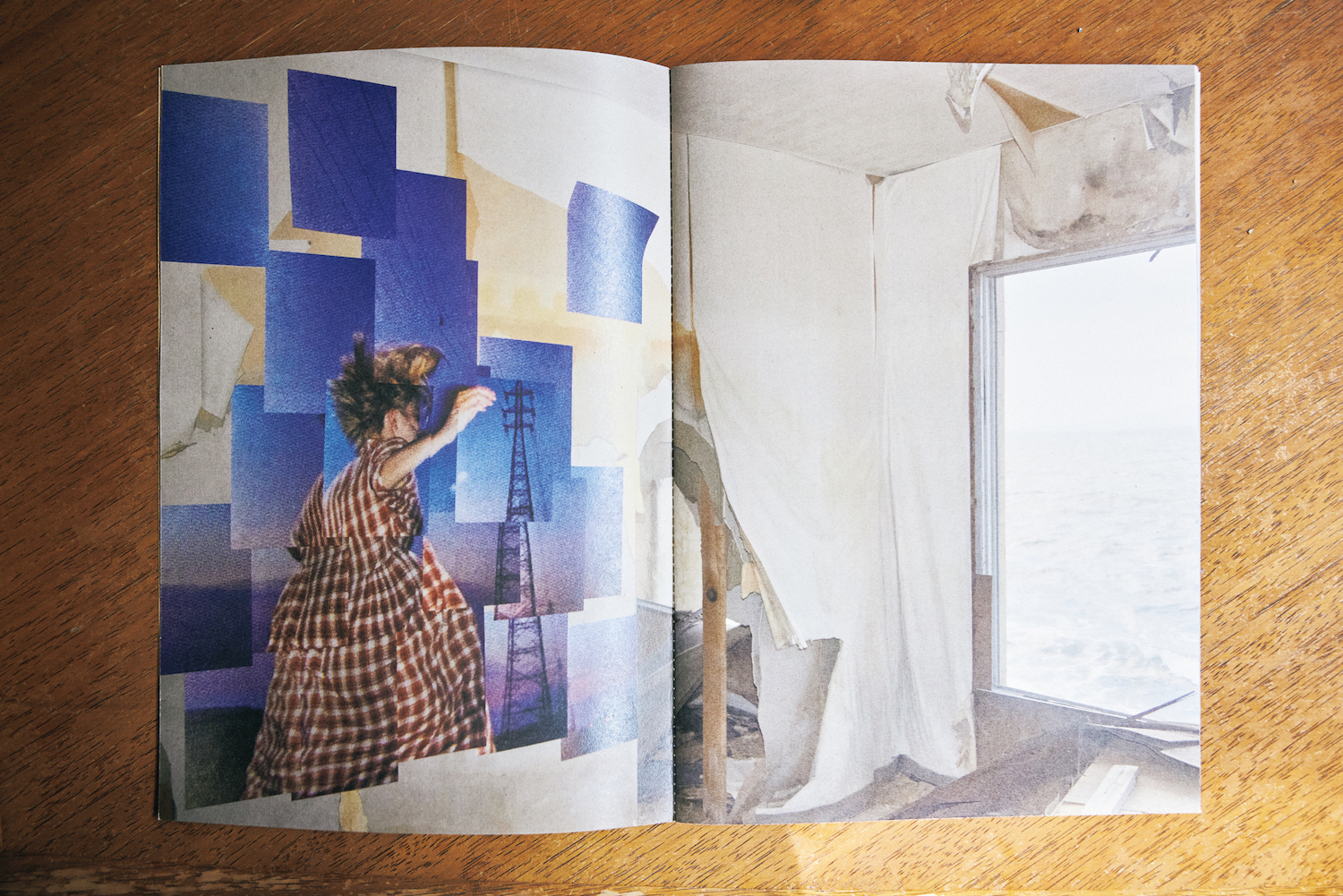
‘VANISHING POINT exhibitions in liminal zones vol.2’, a zine published in 2026 bringing together the series Hamamoto is currently working on.
‘I love taking long drives, and whenever I’m travelling, I’m always looking for places where I might be able to stage a guerrilla exhibition. By spontaneously exhibiting outdoors, I want to see if I can somehow alter the situation of the place. We’re free to take photographs, but when it comes to showing them, we suddenly have to think about things like how to frame them, whether the composition on the wall is right, whether the photographs are hanging straight, and so on.
I’ve always wondered whether there wasn’t some way around all of that. I’d like to be able to do things more lightly. Ideally, I’d like to be able to exhibit the photographs I’ve just taken immediately, right there on site. I’m currently looking for a way to make that possible.’
Kanade Hamamoto’s practice looks set to continue developing in increasingly multifaceted and cross-disciplinary directions.
PICK UP
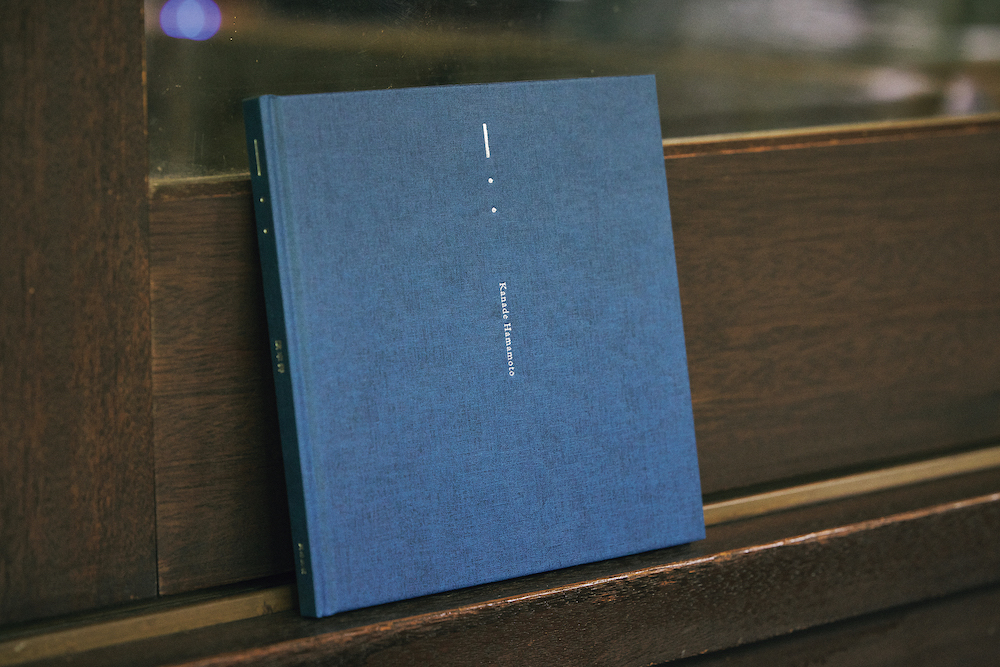
Photobook -・・ (Chō Tan Tan)
Published in 2025 by Shinju Shuppan, the publishing house founded by Kanade Hamamoto herself, the book lists the photographer as both its author and publisher. In addition to her photographs, it includes texts drawn from her diaries, among other writings, as well as a vinyl record containing sound recordings made in Yokosuka.
PERSONAL QUESTIONS
What has been a turning point in your life?
The moment I founded my own publishing house, Shinju Shuppan (Pearl Publishing). Looking back, I think that was the moment when I gave concrete form to my determination to live as someone who leaves things behind.
What is your favourite place?
My car. When I’m driving around Yuigahama at night, I can take a deep breath. I also do most of my thinking in the car, and since it is my main means of transport, you could say that my car is also my workplace.
What is your earliest memory?
I remember being terrified of a moving toy shaped like a fried prawn when I was two or three years old, and crying my eyes out. It’s possible I remember it because the scene was filmed and I’ve seen the video. Memories are strange and fascinating.
Which artists do you admire?
Sophie Calle and Boris Mikhailov. Both have an unmistakable style, yet they do whatever they want to do at any given moment. I like the freedom and lightness with which they refuse to be bound by anything.