Sōya Kurokawa, ‘To Become a True Actor, I Must Keep Taking on New Challenges’
At 16, this rising Japanese film star, acclaimed for his role in Kore-eda’s ‘Monster’, is exploring new approaches to acting.
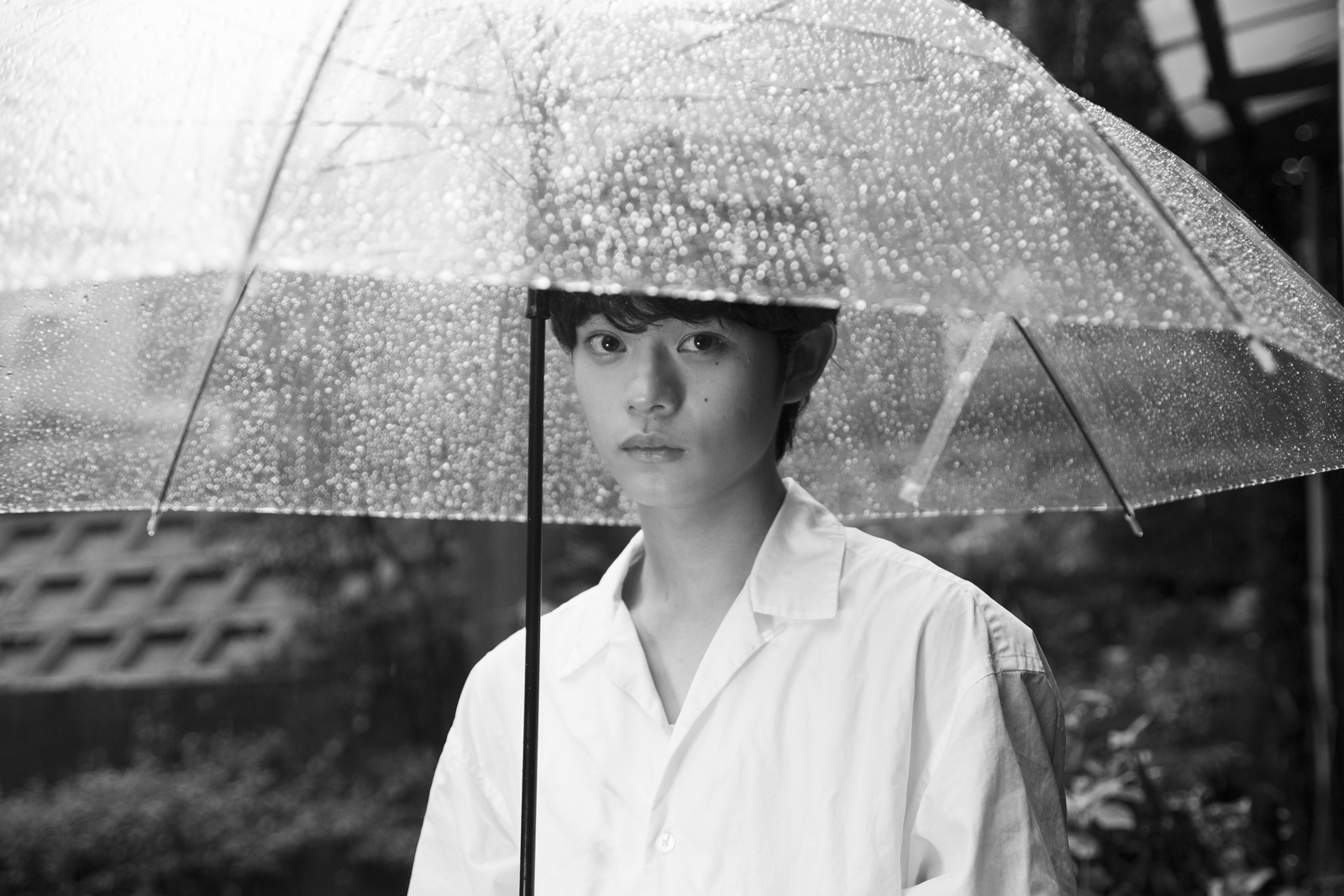
Born in Saitama Prefecture in 2009, Sōya Kurokawa began his career as an actor at the age of five. He received the Best Newcomer Actor Award at the 47th Japan Academy Film Prize for his performance in ‘Monster’. He has since appeared in several films, including the live-action adaptation of ‘[Oshi no Ko] – The Final Act’, ‘Kokuho’, ‘Catching the Stars of This Summer’ and ‘Menkyō Hen’nō !?’. He has also lent his voice to the Japanese-language version of the animated film ‘ARCO’, demonstrating the breadth of his work.
Winner of the Best Screenplay Award and, for the first time in the history of Japanese cinema, the Queer Palm at the 76th Cannes Film Festival, Monster, directed by Hirokazu Kore-eda, brought Sōya Kurokawa to prominence, with the young actor cast in one of the film’s leading roles. Since then, his career has gathered remarkable momentum. Among his subsequent achievements, he portrayed the protagonist as a young man in Kokuho, which set a new box-office record with takings of ¥20.9 billion, making it the highest-grossing live-action film in Japanese cinema history.
Now just 16, and with his career still very much on the rise, Kurokawa has embarked on a new challenge: collaborating with creative talents from beyond Japan’s borders. This led him to join the cast of Three Millimeters to You, alongside Kim Ji-an, known for the South Korean hit Exhuma. Filming took place in Karatsu, Saga Prefecture, and Busan, South Korea, with a crew comprising both Japanese and Korean professionals. Intrigued by the prospect of such an international collaboration, Kurokawa threw himself into the experience wholeheartedly. It proved to be a particularly enriching undertaking, and he speaks with evident enthusiasm about everything he took away from it.
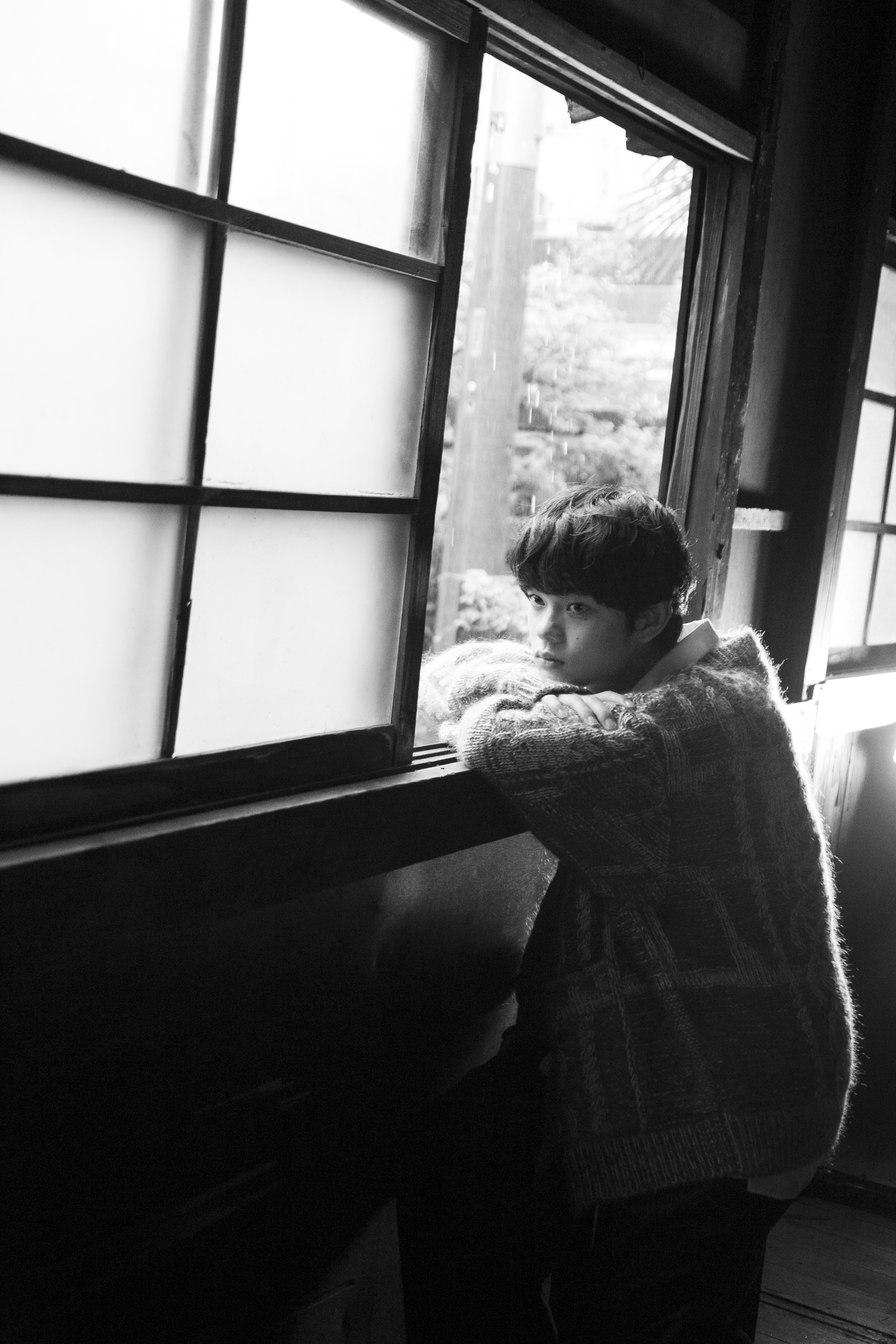
‘What left the strongest impression on me was the warmth of the people. We filmed for around three weeks, but Park Ji-hwan, my co-star, and the members of the crew still keep in touch with me. I really appreciate how openly they share their feelings, whether they are happy or sad, without pretending otherwise. Experiencing a Korean culture in which people place such importance on caring for others made me want to be that way myself.’
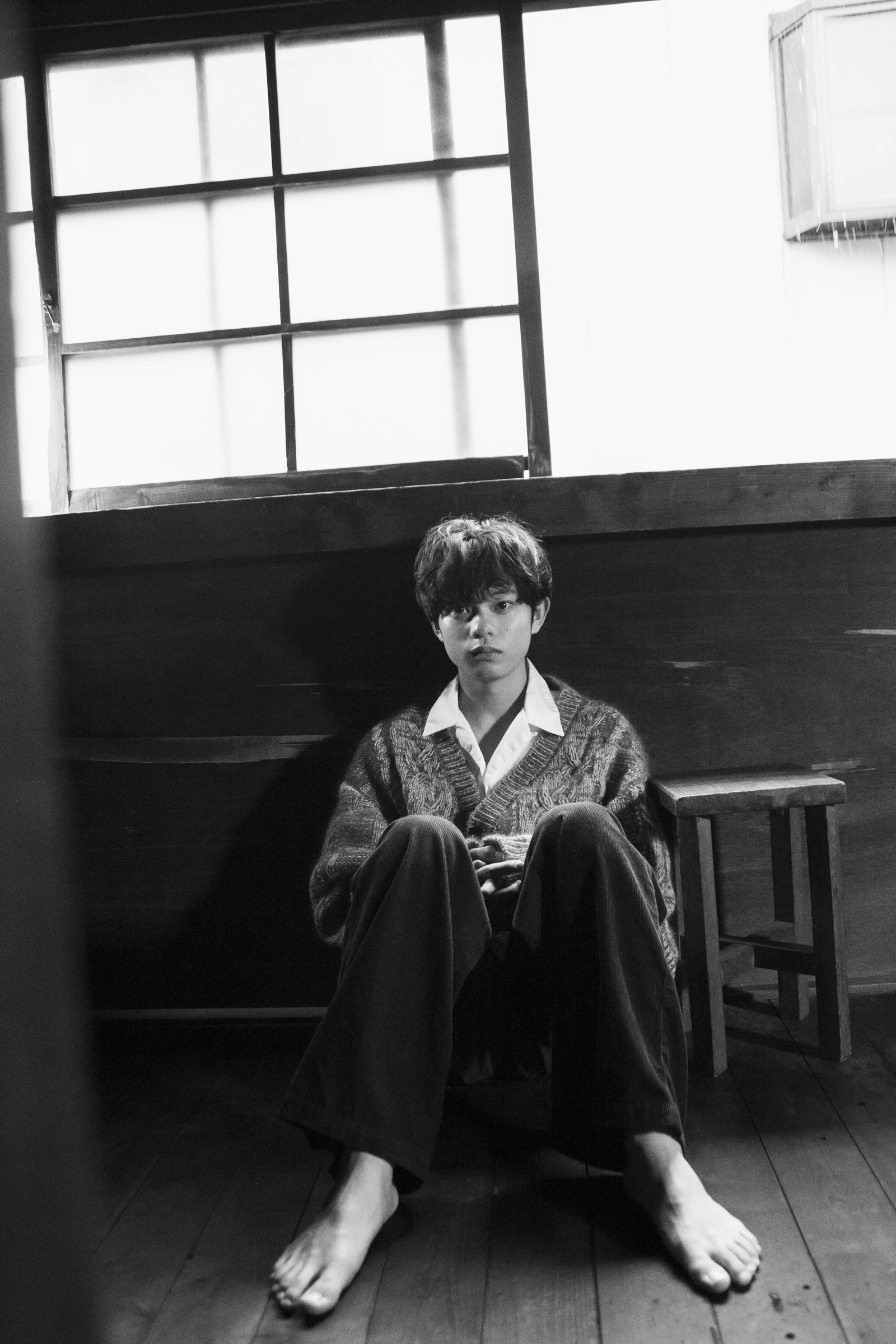
In the film, Kurokawa plays Tatsuhiko, who travels to South Korea after Yun-seul (Kim Ji-an), an exchange student in Japan, suddenly returns to her home country. Through this journey, he comes to discover the young woman’s roots. Away from the set, Kim Ji-an also took him around Korea and went out of her way to make him feel welcome.
‘She had a popular Korean chicken dish delivered for me, the kind that is particularly fashionable among students, and treated me to a bowl of yukhoe don, raw seasoned beef served over rice and topped with an egg yolk. On the final day of filming, she even prepared a cake. I was really touched,’ he recalls with a smile. The experience was equally formative from an acting perspective. ‘It was a shoot from which I learned a great deal. It changed the way I think about the ‘technique’ of acting.’
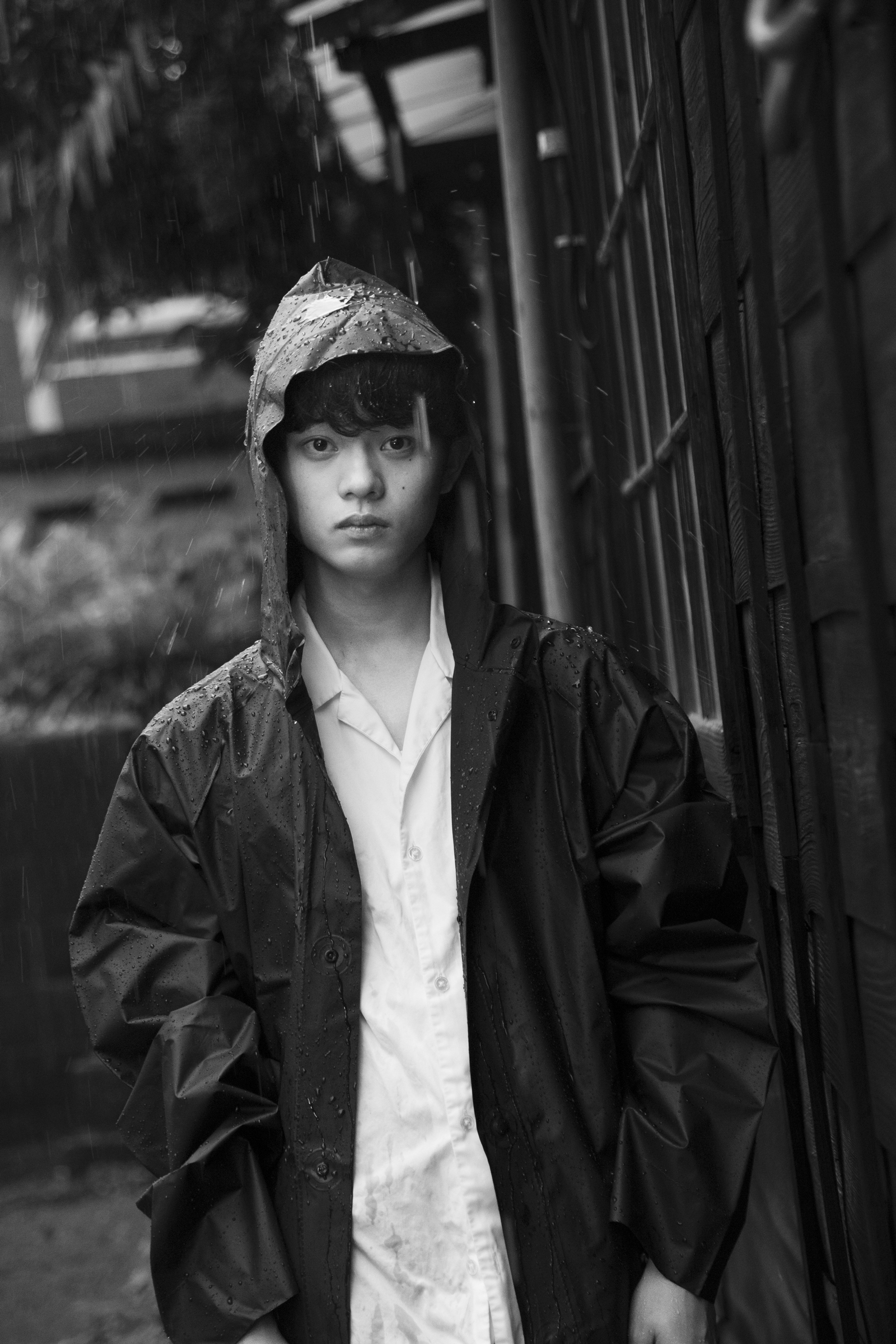
‘Until then, I thought technique meant starting with the result you wanted to achieve and working backwards to figure out how to get there: how to make yourself appear ‘happy’ or ‘sad’, for instance. Over time, however, I began to realise that the approach best suited to me was not to ‘make it look’ as though I felt something, but to ‘actually feel’ it. In other words, I came to favour a way of acting that does not rely on technique, a kind of ‘not acting’. At the same time, I was aware of a difficulty this could create on set: sometimes I would find myself waiting for the right emotion to come before I could perform a scene.
That was when I started observing the Korean actors I was working with. The moment the director called ‘Ready, action!’, they seemed able to switch their emotions on instantly. I asked them, ‘How do you manage to do that?’ They explained that they kept certain personal memories and anecdotes at hand, things that could immediately spark an emotion. The idea was to remember moments in their lives when their feelings had been deeply stirred, such as past traumas, and then draw on those memories according to the needs of a particular scene. I realised that there was more than one way to approach technique, and it really broadened my perspective.
For example, imagine I have to cry in a scene when I hear the word ‘Lawson’ [a Japanese convenience-store chain]. I could always force myself to produce tears, making it look as though I were crying. Perhaps that is one valid method. Personally, though, I am not particularly fond of it… On the other hand, simply waiting for the word ‘Lawson’ to make a genuine emotion well up inside me also raises questions about what it means to be an actor… Perhaps the real technique of acting lies in finding ways to accumulate experiences that allow you to make even a ‘lie’ feel real. That is how I see it at the moment.’
Embracing as Many Different Perspectives as Possible
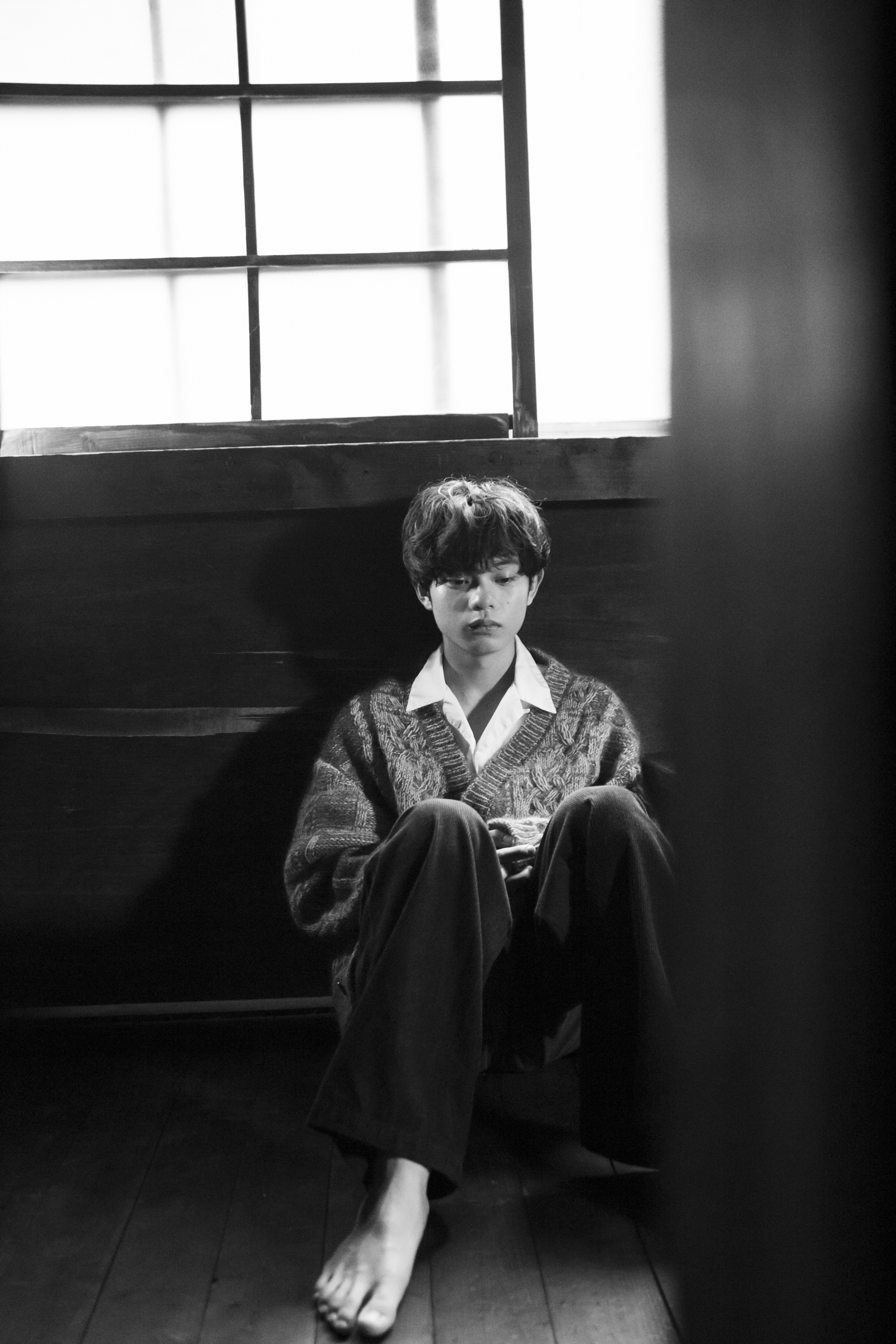
With a Thai father, Kurokawa grew up in an environment where intercultural exchange was part of everyday life. ‘Whenever I encounter a perspective different from my own, I feel as though I become a new person.’ This curiosity continues to drive him to seek out encounters with others and absorb as much as he can from them. His interests are remarkably wide-ranging, encompassing art exhibitions, T-shirt collecting, photography and the study of foreign languages.
More recently, he was deeply impressed by seeing sound, hearing time, an exhibition dedicated to Ryūichi Sakamoto. He is also corresponding with director Yōko Yamanaka, known for Desert of Namibia, and plans to design and make his own T-shirts for his high school’s cultural festival. Meanwhile, he is writing three screenplays simultaneously, each in a different genre. An enthusiastic traveller, he admits with a shy smile that he would ‘love to visit his father’s home country one day’. He also looks up to Rowan Atkinson, better known as Mr Bean, admiring the way he makes every gesture feel ‘real’. For Kurokawa, he represents the ideal of an actor who is authentic in everything he does. As for balancing all these pursuits with his studies, he is still trying to find the right approach.
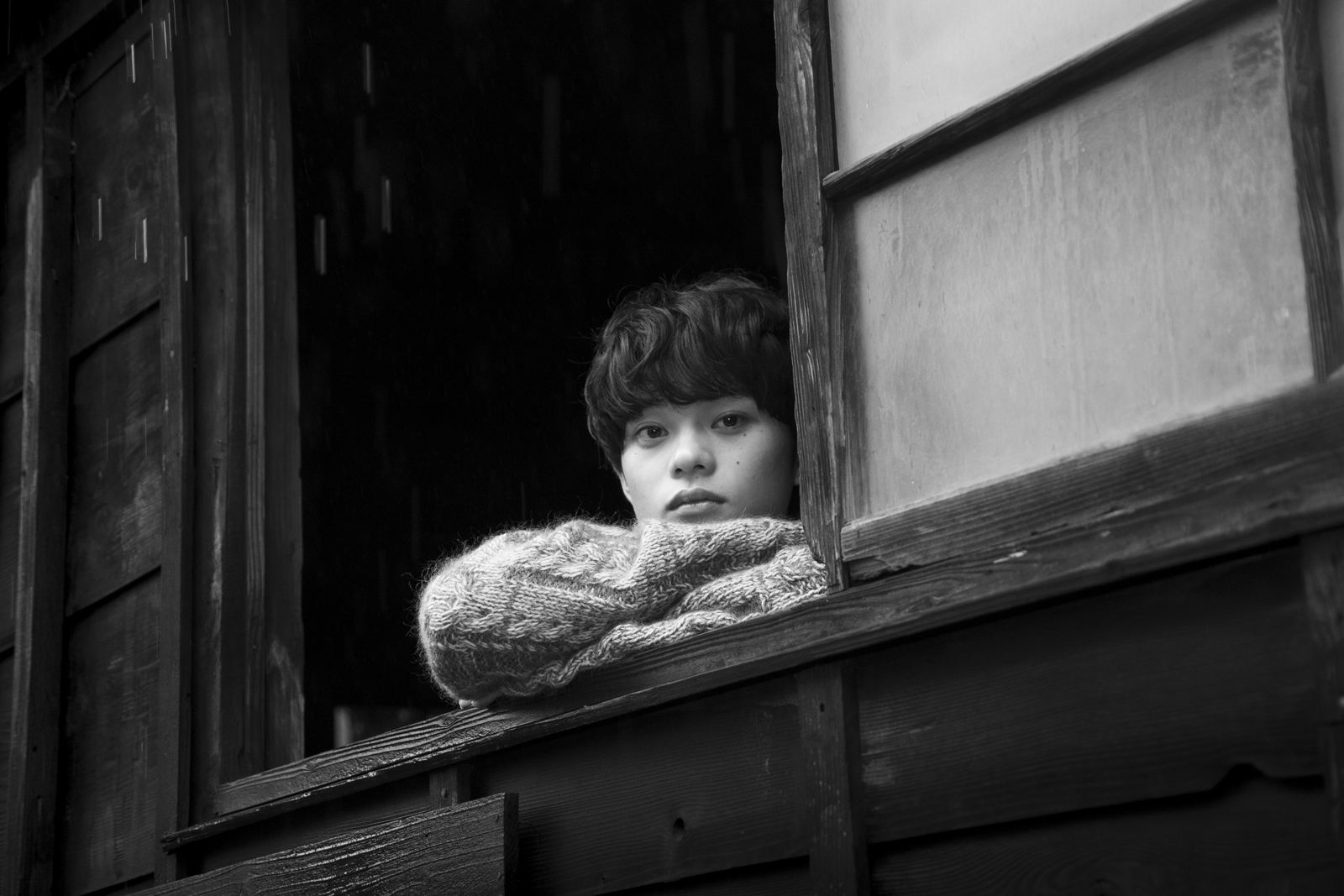
‘The other day, I dreamt that I was doing nothing but apologising to my fellow cast members (laughs). I woke up feeling so anxious that I called the director.’
Despite such occasional worries, Kurokawa remains enthusiastic about the path he has chosen. ‘Whenever I come across something that connects with acting, I find myself loving the profession even more.’ His growth as an actor shows no signs of slowing down.
Film ‘Three Millimeters to You’
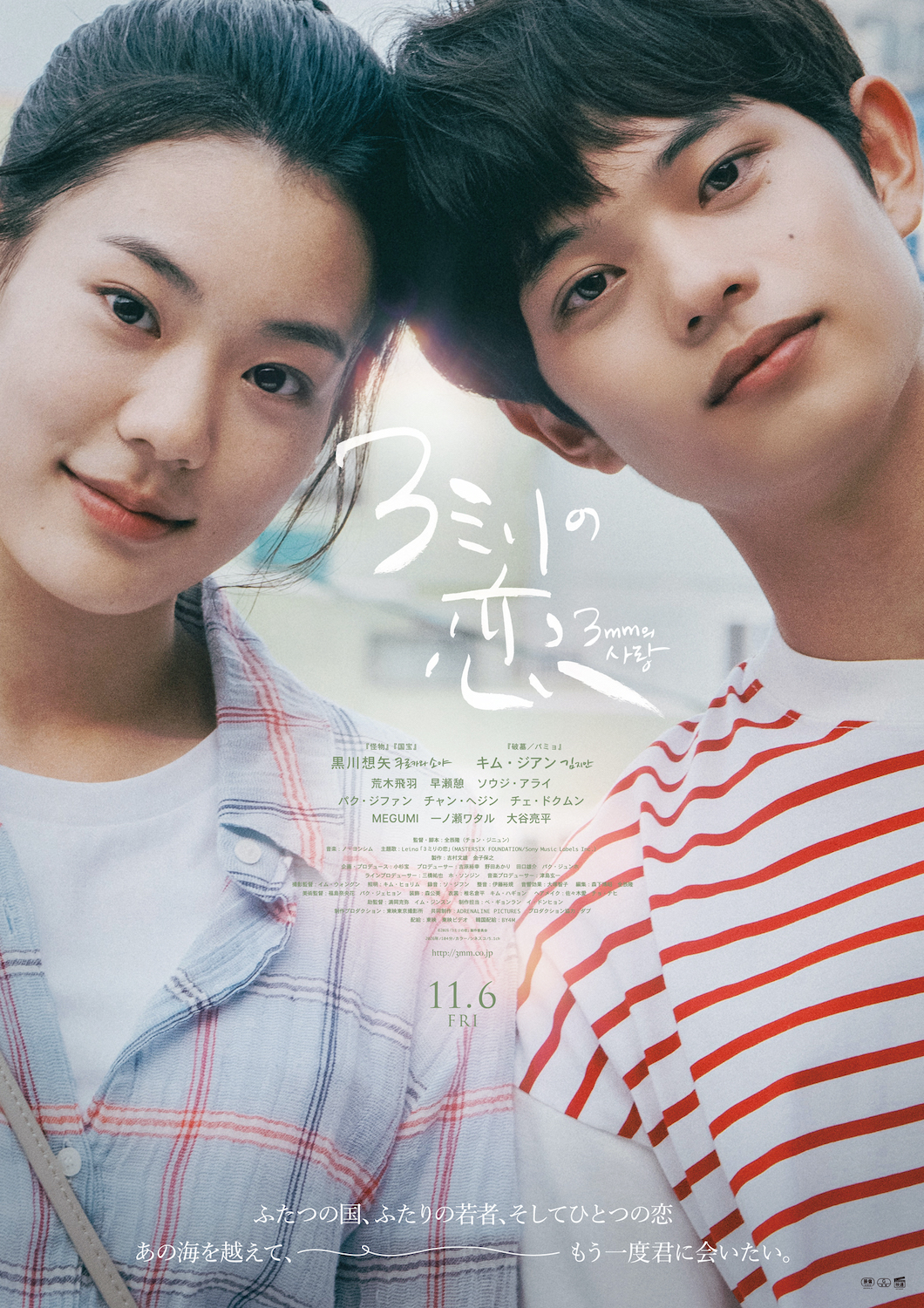
© 2026 ‘Three Millimeters to You’ Production Committee
Tatsuhiko (Sōya Kurokawa), a high school student living in Karatsu, Saga Prefecture, finds his class joined by Yunseul (Kim Ji-an), an exchange student from Busan. When he discovers the reason behind her arrival, he decides to help her… Released in Japan on 6 November 2026.
Film ‘Kokuho’
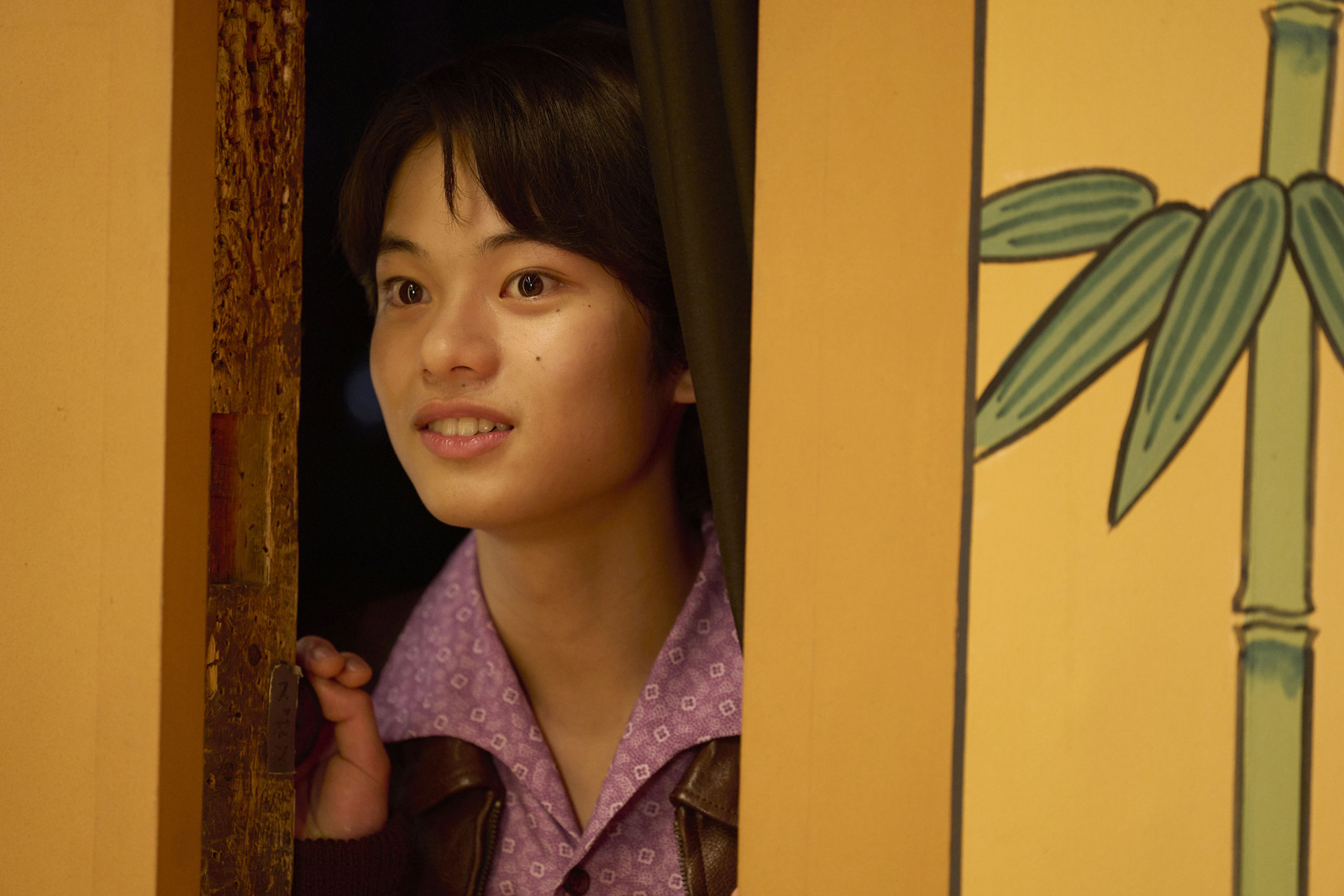
© Shūichi Yoshida / Asahi Shimbun Publications © 2025 ‘Kokuho’ Production Committee
Adapted from Shūichi Yoshida’s novel, the film directed by Lee Sang-il follows the extraordinary life of a young man whose talent for kabuki is discovered at an early age. Driven by his pursuit of success, he embarks on a gruelling path marked by hardship and sacrifice, one that will profoundly shape his life.
Film ‘Monster’
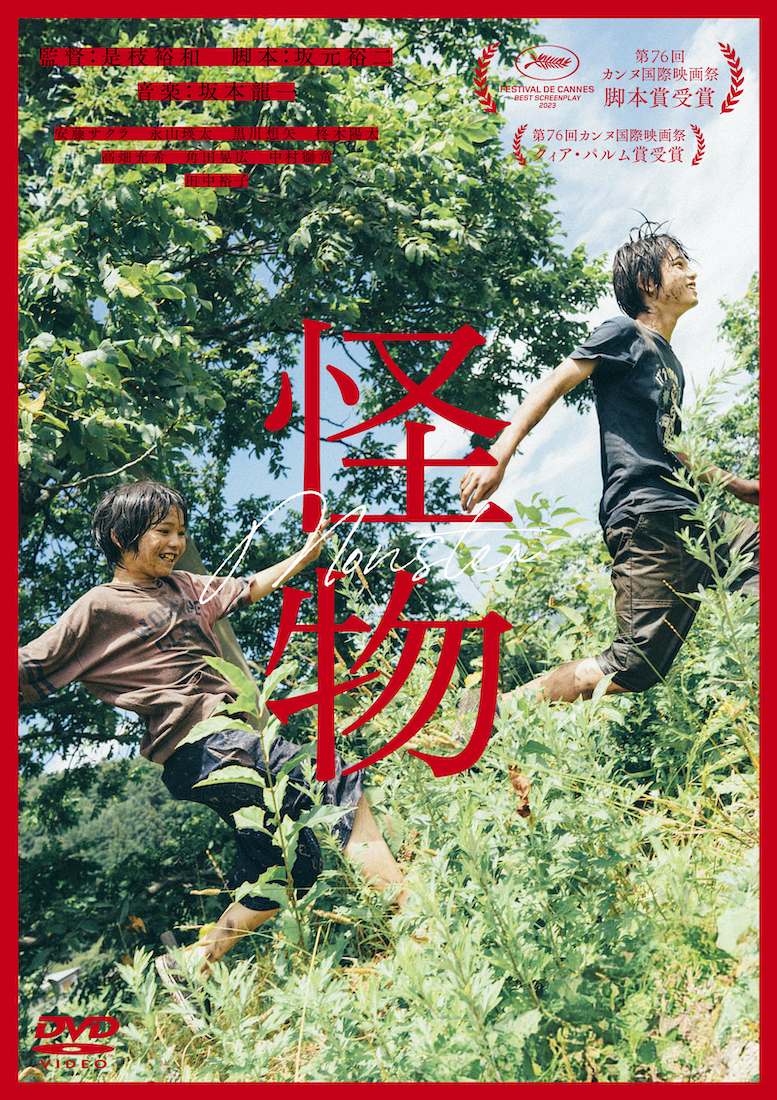
© 2023 ‘Monster’ Production Committee
As they search for the ‘monster’, what will they ultimately discover? Their paths intertwine: a mother devoted to her son, an unconventional teacher and children tormented by an indefinable anguish. Gradually, the truth behind the identity of the ‘monster’ begins to emerge…