‘In Praise of Shadows’, a Fundamental Text on Japanese Aesthetics
By examining the details of his culture, described with virtuosity, Jun'ichiro Tanizaki offers the keys to understanding our modern world.

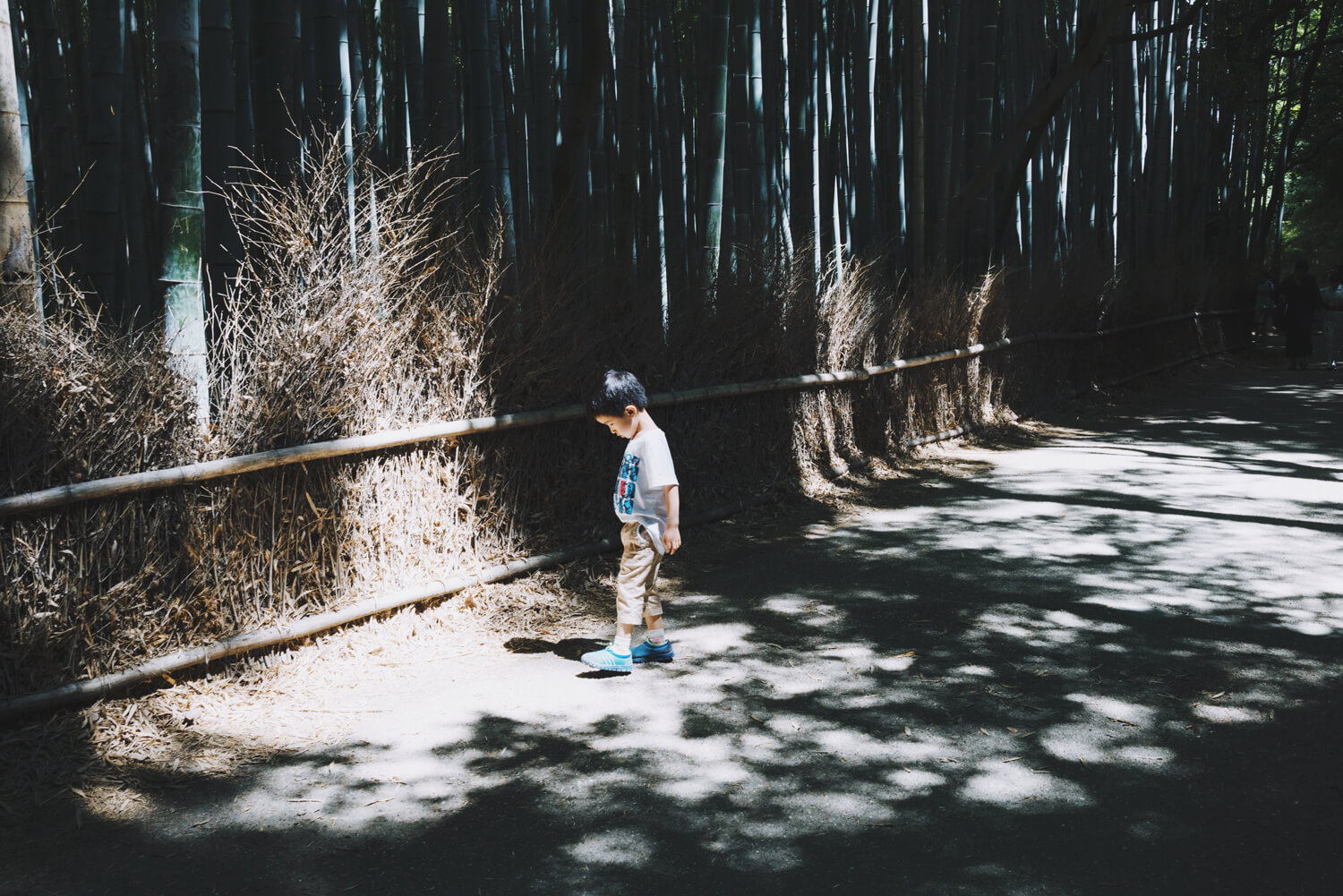
© Samuel Zeller
First published in Japanese in 1933, In Praise of Shadows by Jun’ichiro Tanizaki is a testimony to the timelessness of Japanese aesthetics.
Rendering even the toilet a place for contemplation and meditation, ‘a place of spiritual repose’, Jun’ichiro Tanizaki delights in the details of design. One might wonder how the author is able to wax lyrical about the enchantment offered by a Japanese toilet for three pages, but it is the finest details that define this aesthetic: a certain degree of brightness, absolute cleanliness and quiet, moss wet from the rain, and the intimacy of the raindrops falling from the leaves of the trees.
An exercise in mindfulness
Other breath-taking descriptions found in the essay include the smoky patina of a worn silver sake cup, the sheen of lacquer reflecting a wavering candlelight, the meditative experience of eating a yokan from a lacquer dish as if the very darkness of the room were melting on the tongue, and sushi wrapped in a persimmon leaf. To use today’s language, it reads like an exercise in mindfulness.
By juxtaposing Eastern and Western modes of perspective and creation, Jun’ichiro Tanizaki develops an undulating methodology that enables a deep examination of modernity and culture in both domains. With personal reflections on architecture, design, interior furnishings, jade, food, lighting, and craftsmanship, the text brings together the key tenets of Japanese tradition and the surrounding global modernity.
With a new translation recently published in English with a foreword by Kengo Kuma, the text is essential reading for those interested in this singular cultural aesthetic and the peaceful character of Japanese design and lifestyle. While the homogenisation of globalised culture, intrinsically obsolete, is causing outcry, reading Jun’ichiro Tanizaki’s work offers an opportunity to appreciate permanence, durability, and the natural world.
In Praise of Shadows (2017), a text by Jun’ichiro Tanizaki, is translated by Gregory Starr and published by Sora Books.
© C MA

© Sora Books