HARIO CAFE Kyoto, a Coffee Break on One of Kyoto’s Most Beautiful Lanes
Along the historic Ishibe Koji, this café brings together traditional architecture, siphon-brewed coffee and contemporary design.
Fashion reporter and photographer Kazushi Takahashi turns his gaze beyond the runway, tracing the beauty that lives in the everyday. A graduate of Meiji University and Bunka Fashion College, he began his career as an editor at Bunka Publishing Bureau (MR High Fashion, Soen). Now freelance, he travels through Japan to write, photograph and style stories where fashion meets craft, design and culture, sharing what he discovers in each issue of Pen.
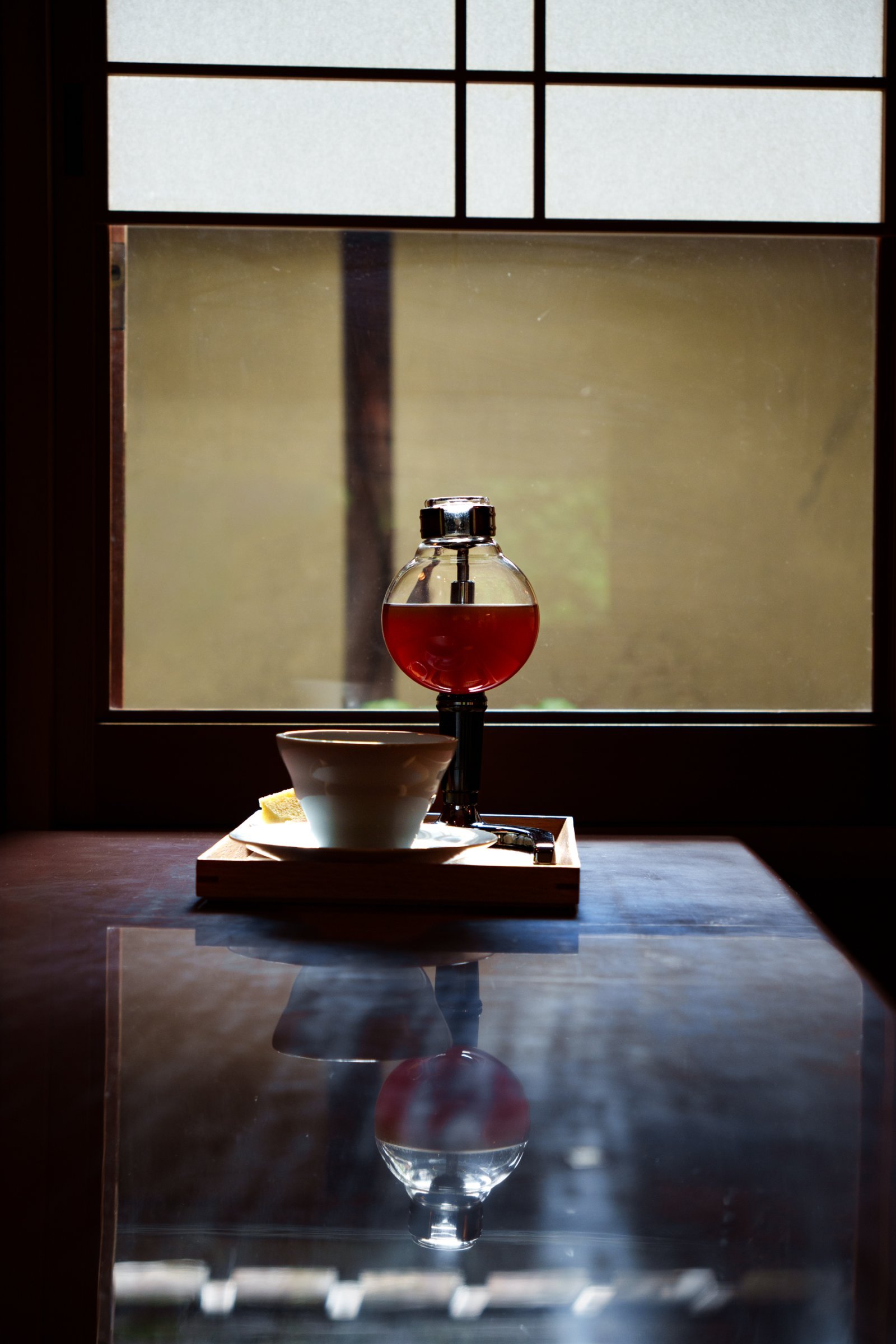
Pouring myself a cup of siphon-brewed coffee while enjoying the excitement of a trip to Kyoto. That is the kind of experience offered by HARIO CAFE Kyoto.
The café is operated by HARIO, the Japanese coffee equipment manufacturer behind the V60, the cone-shaped dripper used by baristas around the world. It also serves as a showroom and retail space for the brand’s products.
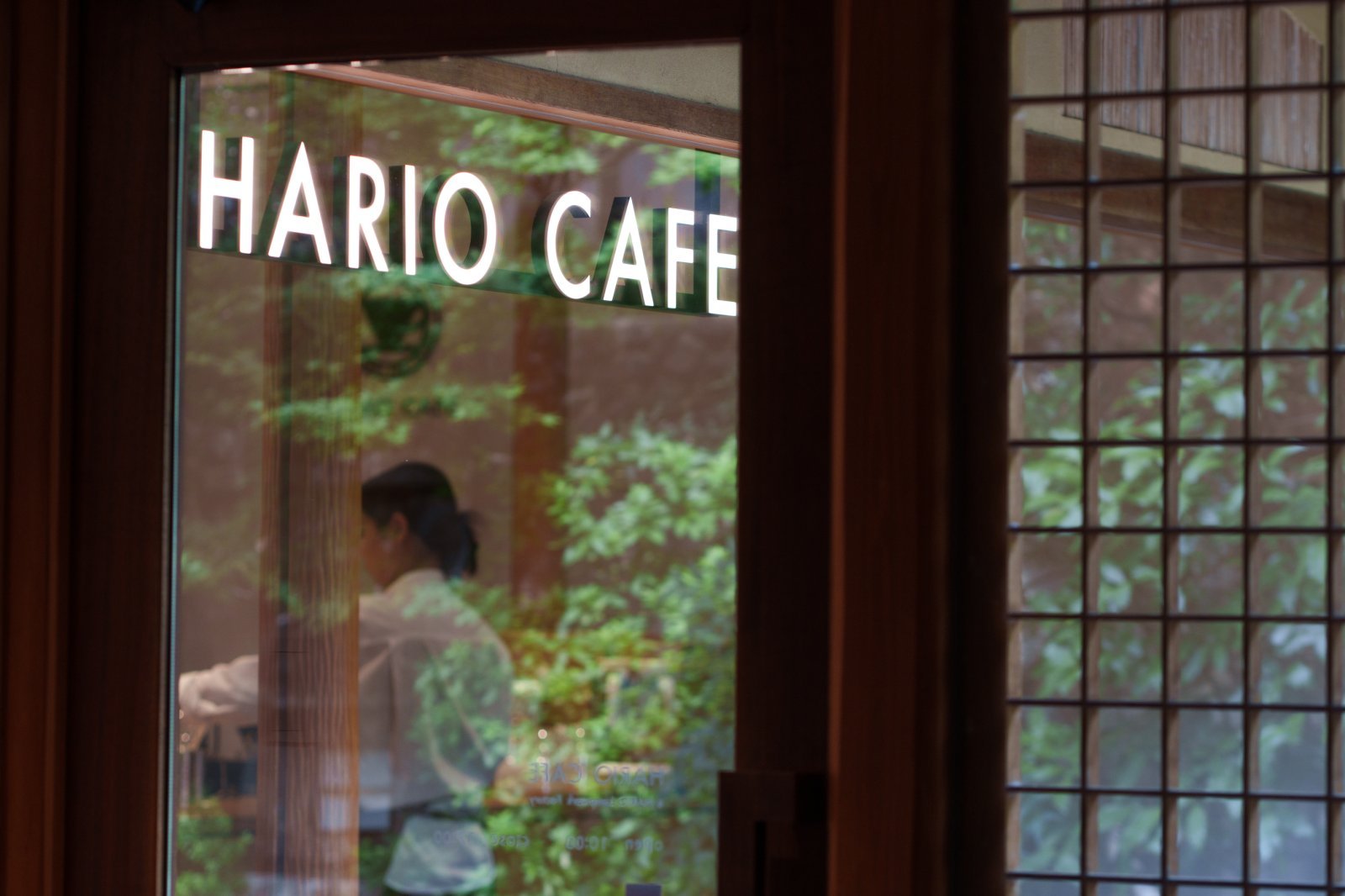
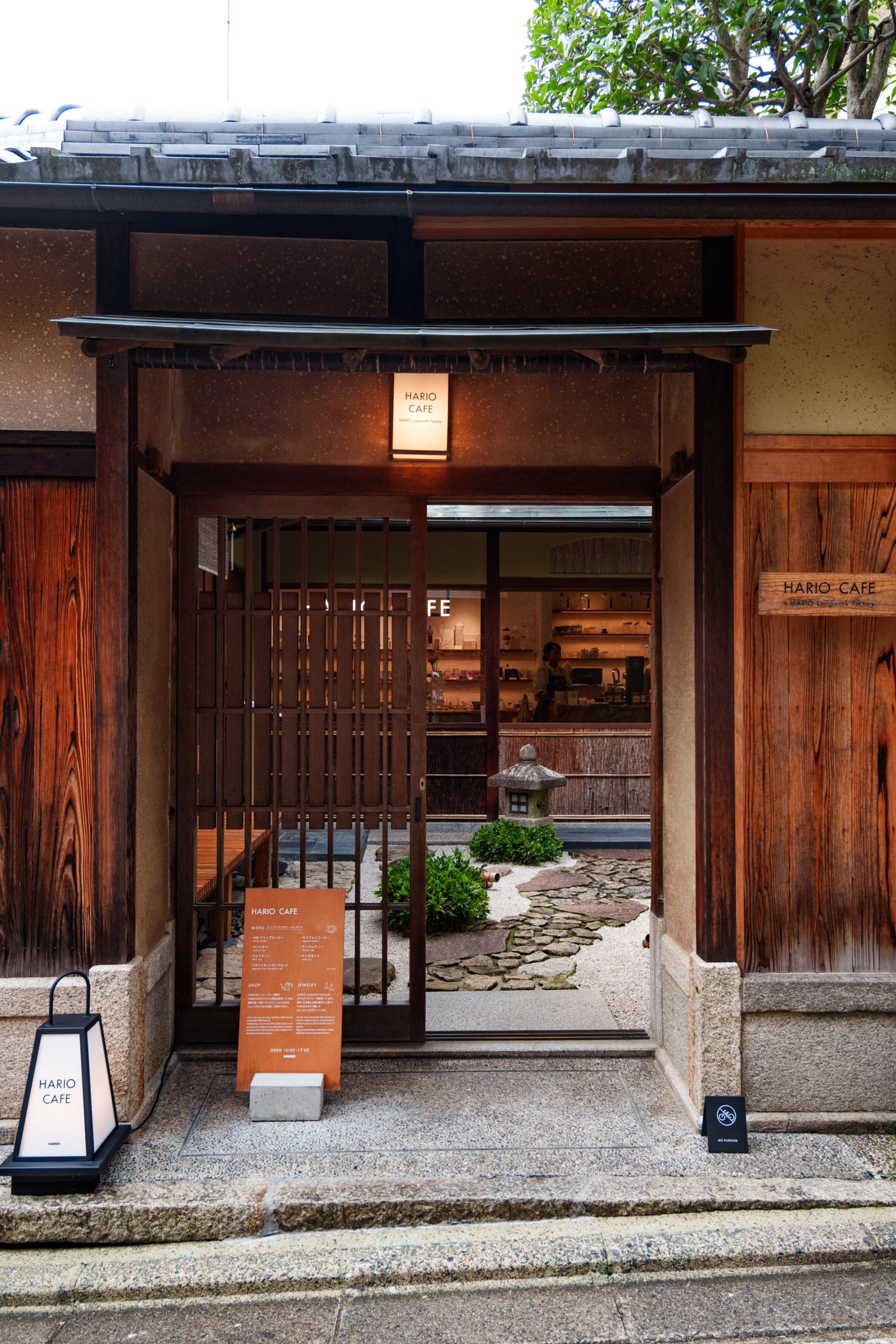
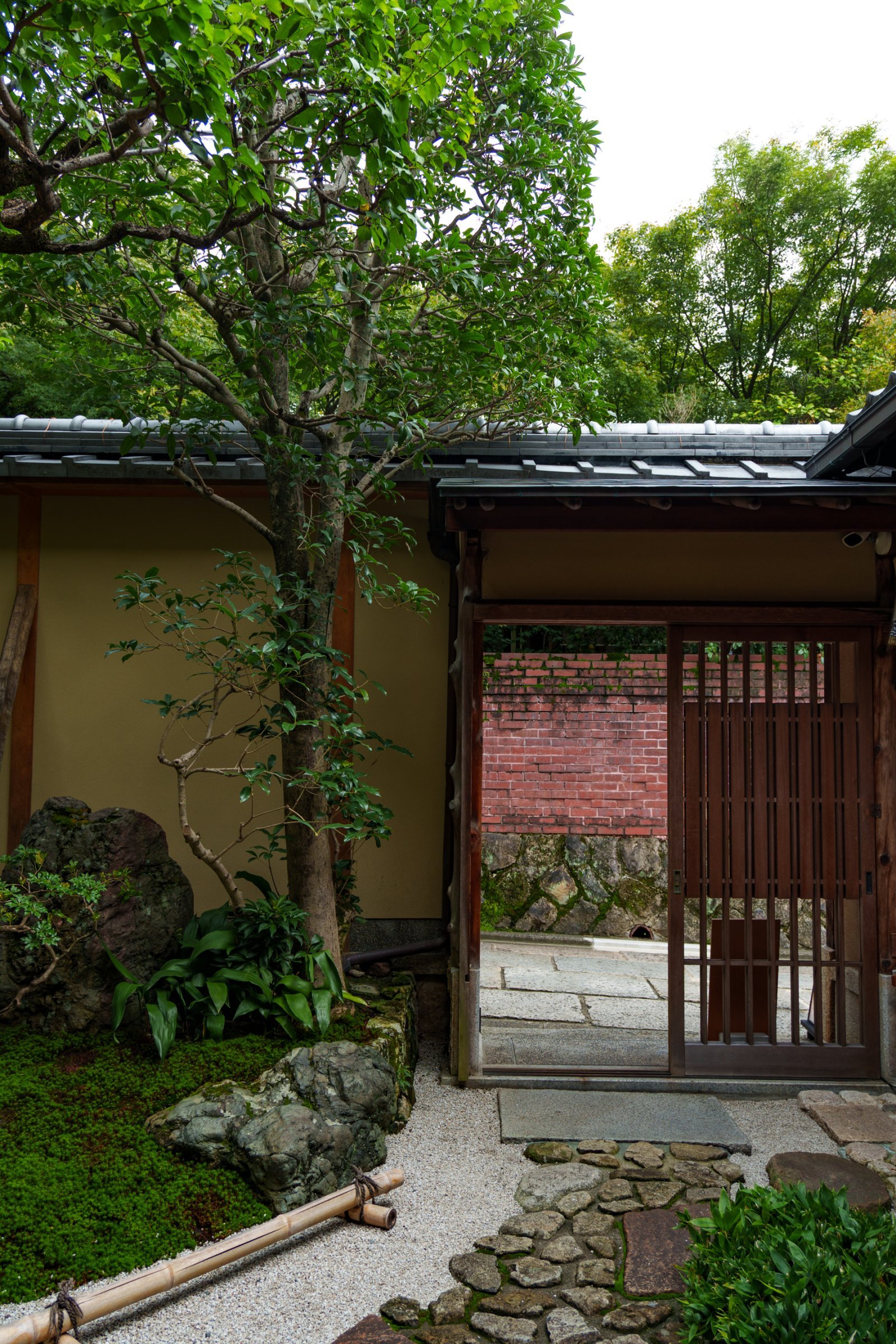
I visit Kyoto several times a year, whether during business trips to the Kansai region or on personal travels. One place I almost always walk through is Ishibe Koji, a narrow lane filled with the atmosphere of old Kyoto.
As far as I know, it is one of the most beautiful streets in the city, a place where you can experience the charm of traditional Kyoto. The beauty of yakisugi, the traditional technique of charring cedar wood for walls and building exteriors, reaches its peak here.
And it is along this very lane that HARIO CAFE Kyoto is located.
Every time I passed by, I would think, ‘As someone who loves cafés in traditional Japanese houses, I really should go in.’ But the place always seemed crowded, with around 80 percent of the customers appearing to be visitors from overseas. I imagined it would be exhausting and kept putting it off.
Then, during a trip from Tokyo to Kyoto in mid-September, I finally went inside!
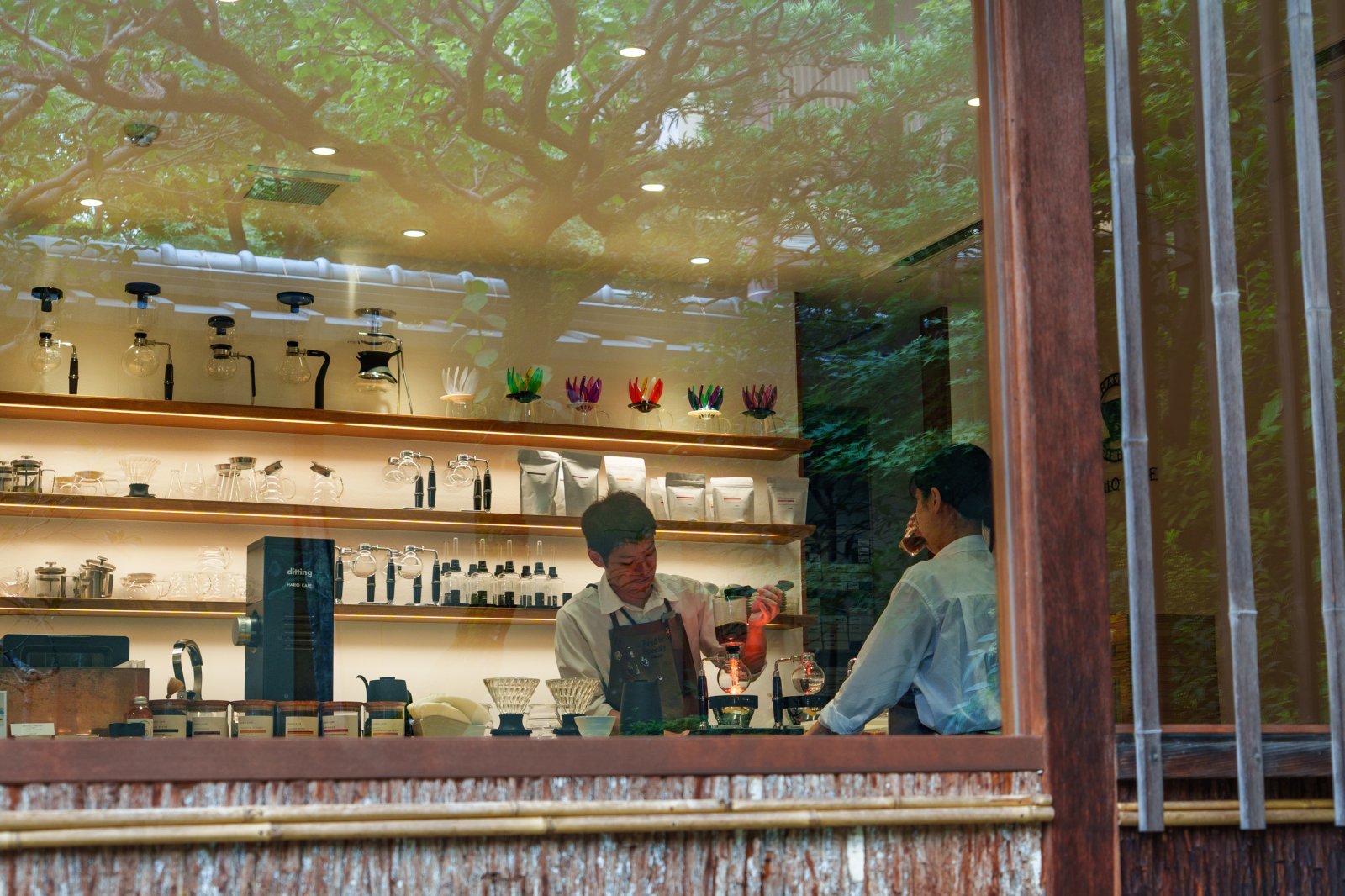
Miraculously, there was not a single other customer. The café was completely empty.
Even a member of staff joked, ‘You have the whole place to yourself!’
I was told that quiet moments like this sometimes happen at this time of year. But about 30 minutes after I arrived, customers began streaming in. Apparently, my visit had briefly fallen outside the usual rhythm of international tourists.
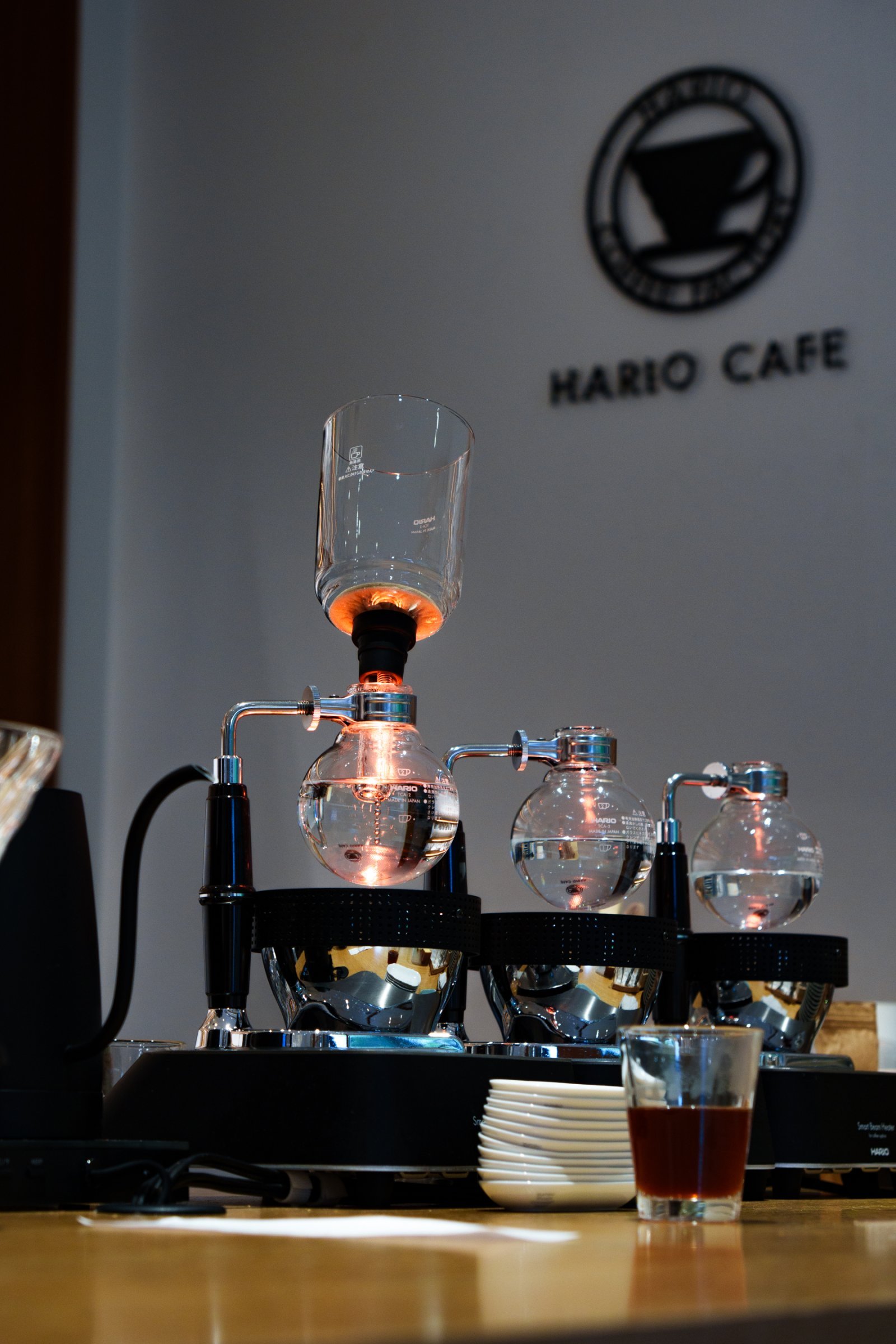
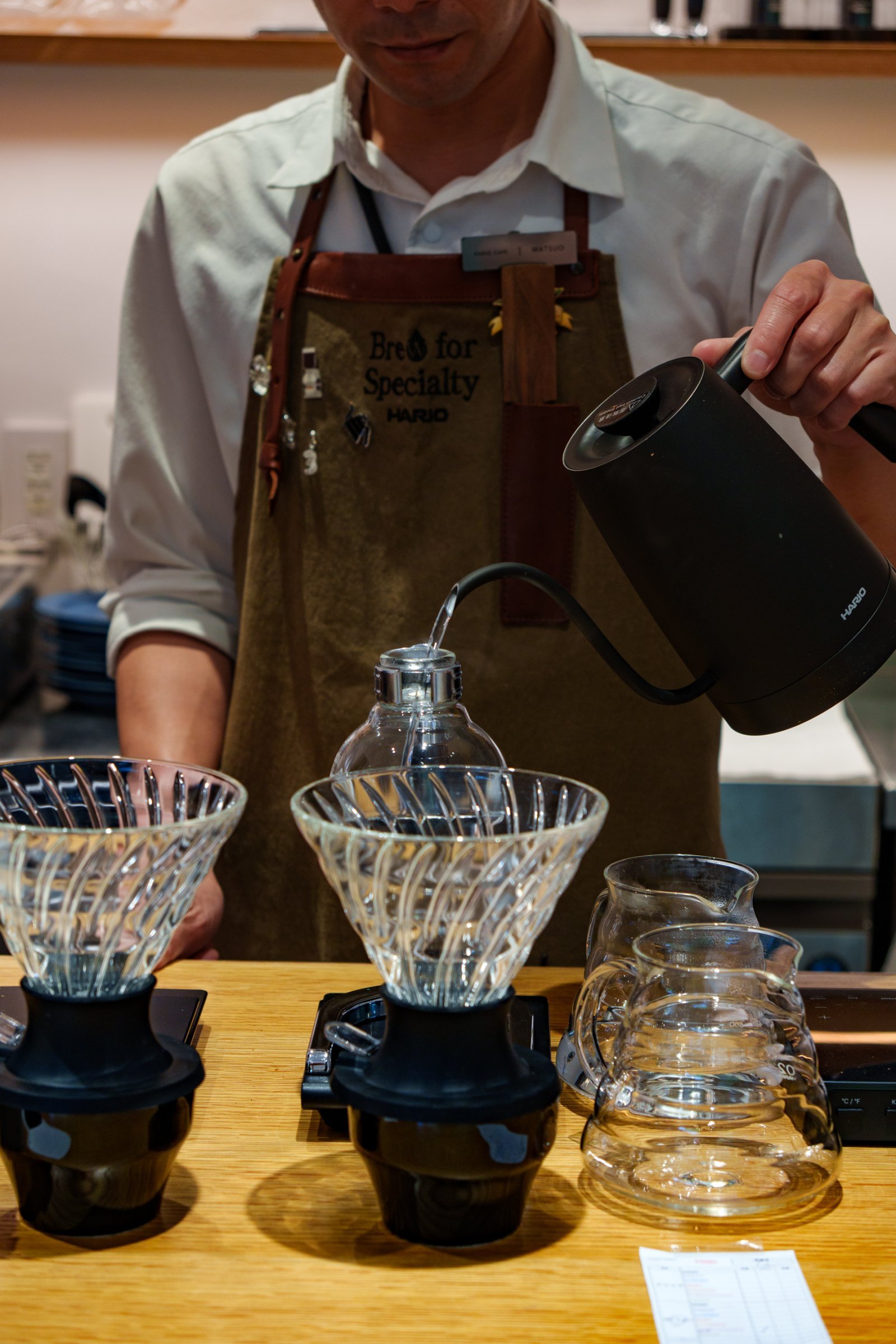
After discussing the options with the staff, I decided on siphon coffee. I chose beans with the clean, bright acidity I tend to prefer.
The price was ¥1,400, comparable to what you might pay in a hotel lounge. At HARIO cafés in other prefectures, including Tokyo, the same experience seems to cost around ¥1,200. With a difference of just ¥200, I would say the price is reasonable rather than an excessive tourist-area markup.
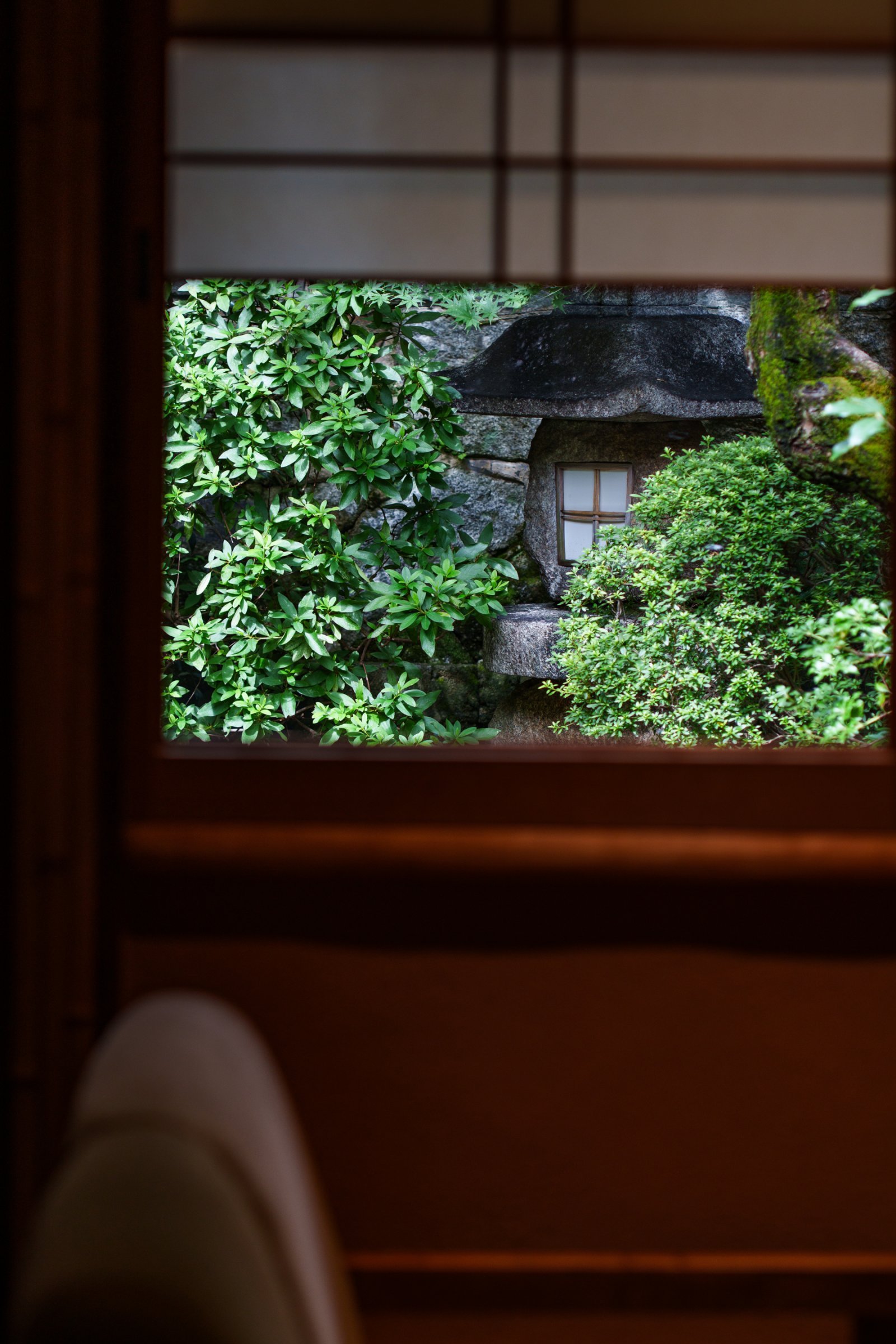
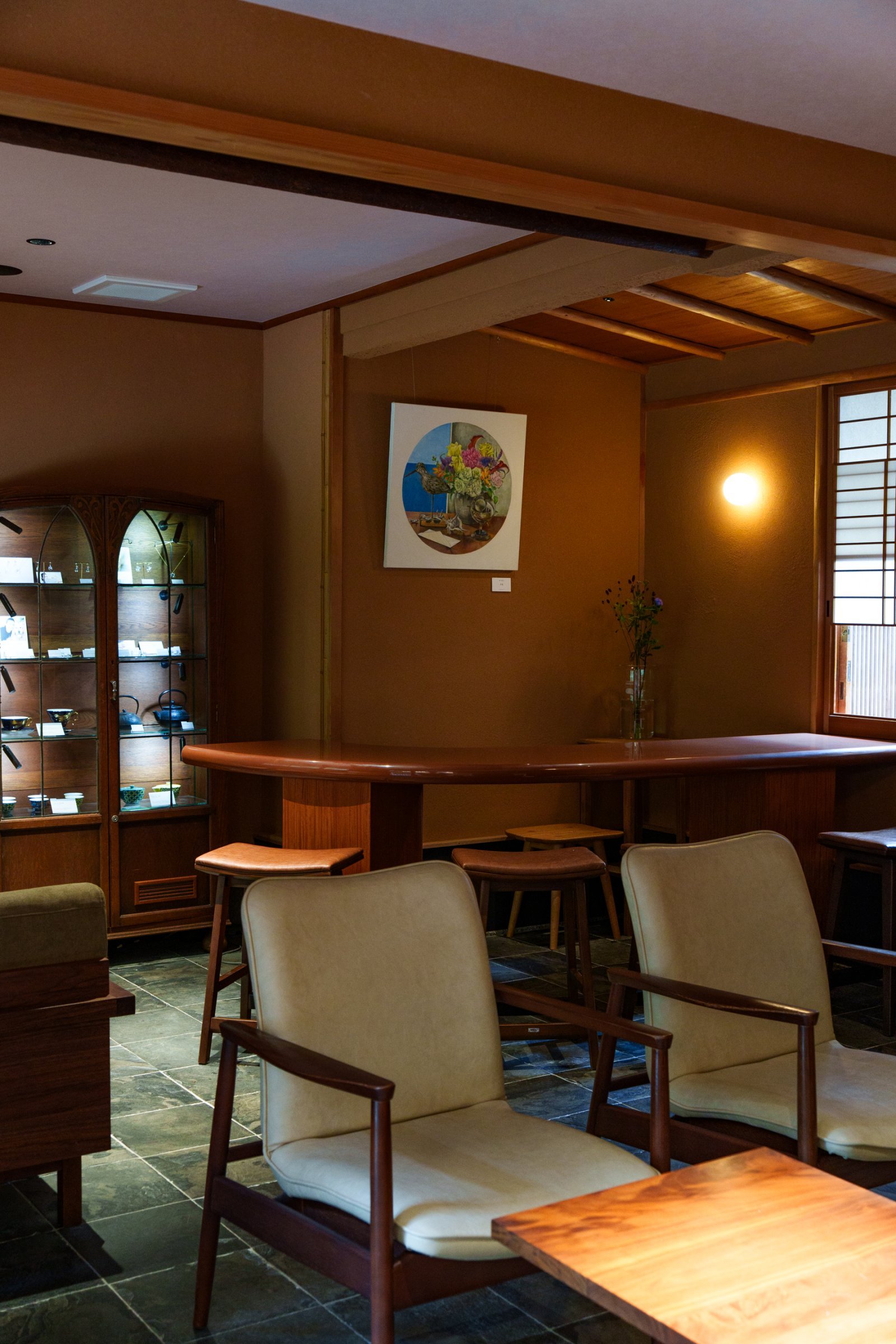
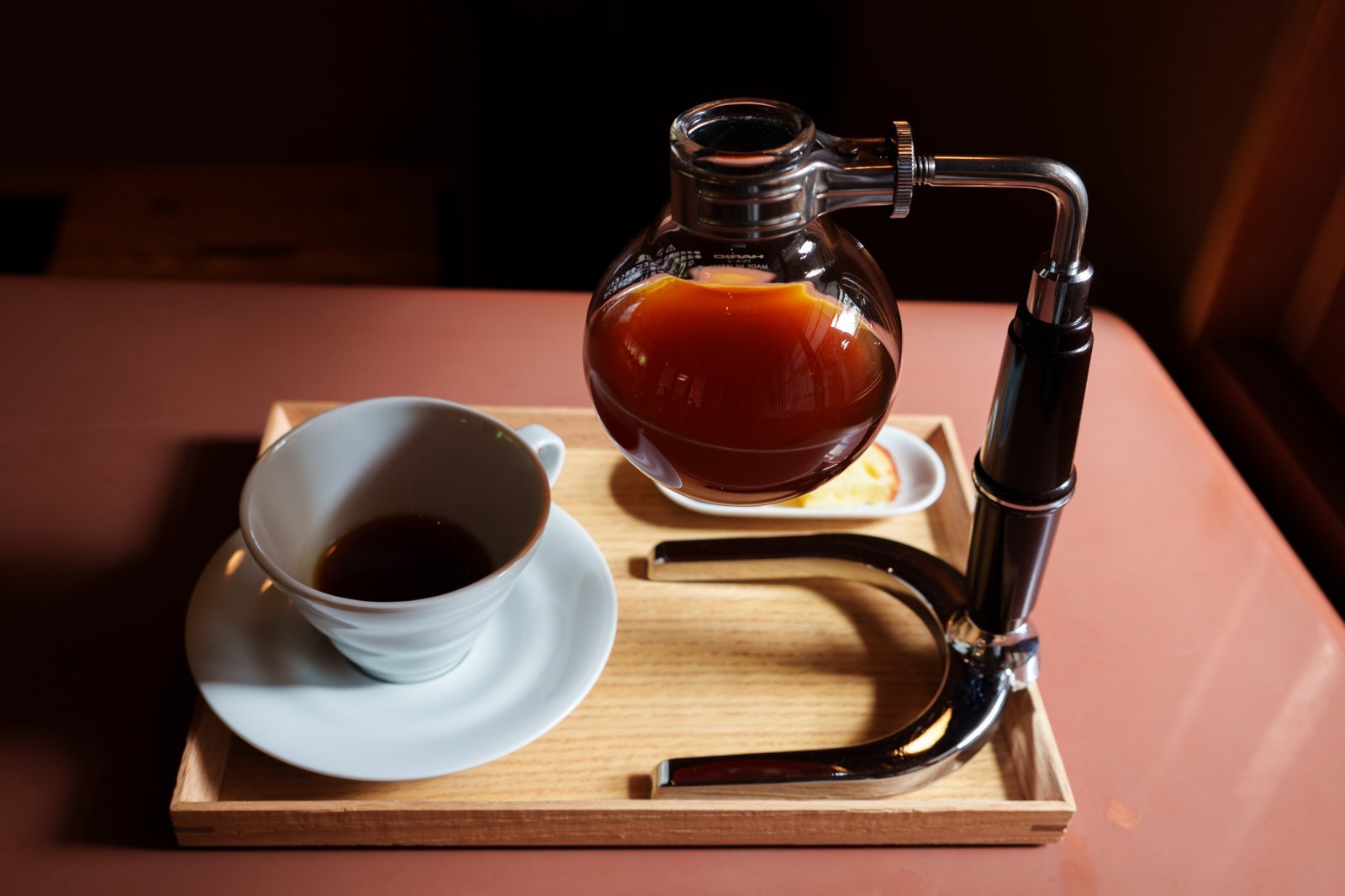
I was told that siphon brewing also extracts the oils from coffee beans, bringing out their individual character.
The coffee itself was remarkably light and smooth, with a clean, transparent quality and no unpleasant aftertaste.
I prefer to drink coffee after it has cooled, so I took my time, slowly tasting it as the temperature dropped. As it cooled, the coffee became juicier, revealing the quality of the beans themselves. It is often said that only good coffee beans continue to taste delicious when the coffee cools.
Although the experience was wonderfully retro and enjoyable, I have to admit that, to my palate, the coffee tasted a little weak.
With slightly more coffee grounds, I think I would have felt a greater sense of satisfaction from having had a proper cup of coffee.
But that is purely a matter of personal preference.
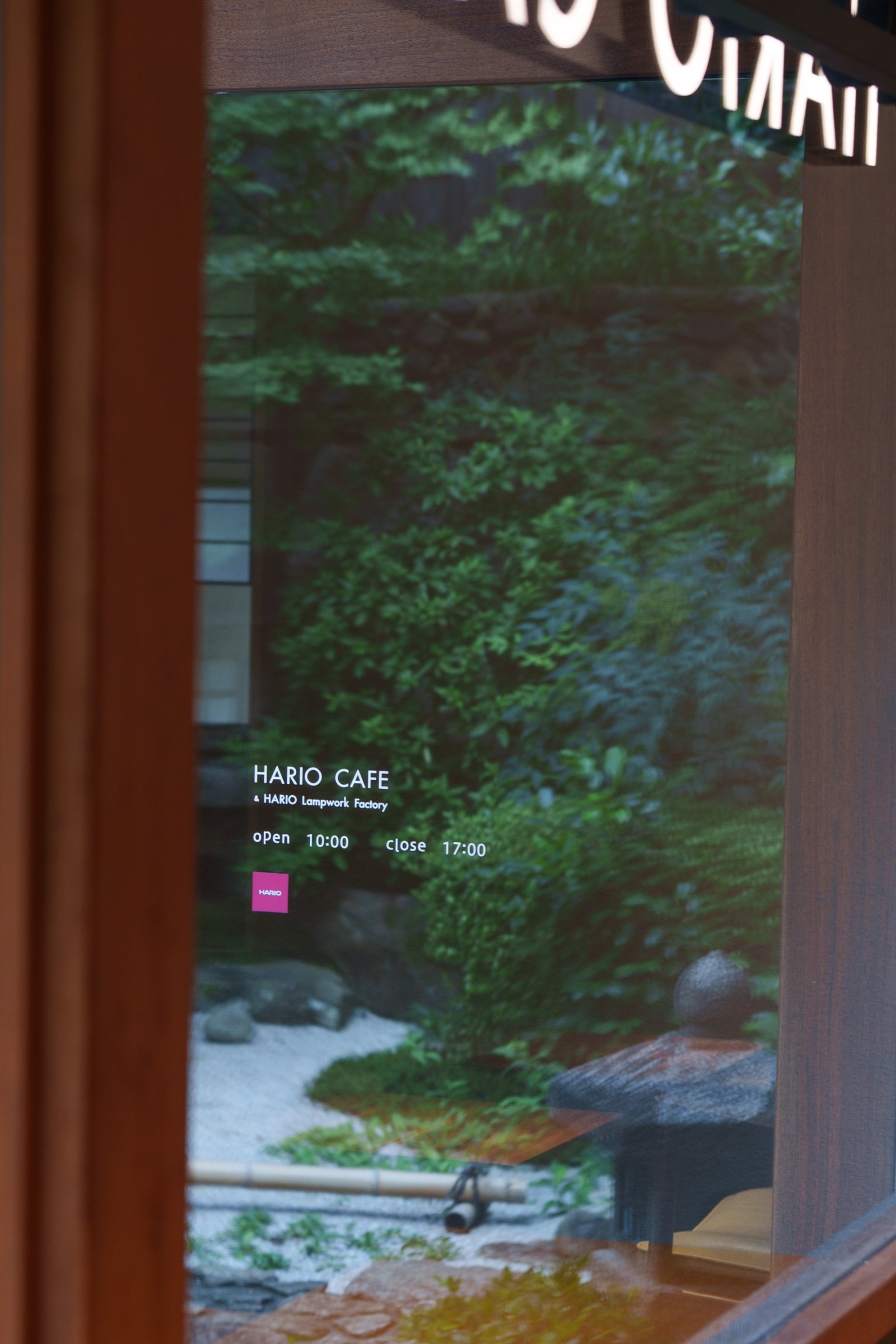
For this article, I photographed only the more classical elements. Looking at other articles about the café online, the modern, colourful side seems to receive most of the attention.
I imagine visitors might come away with quite different impressions of the place.
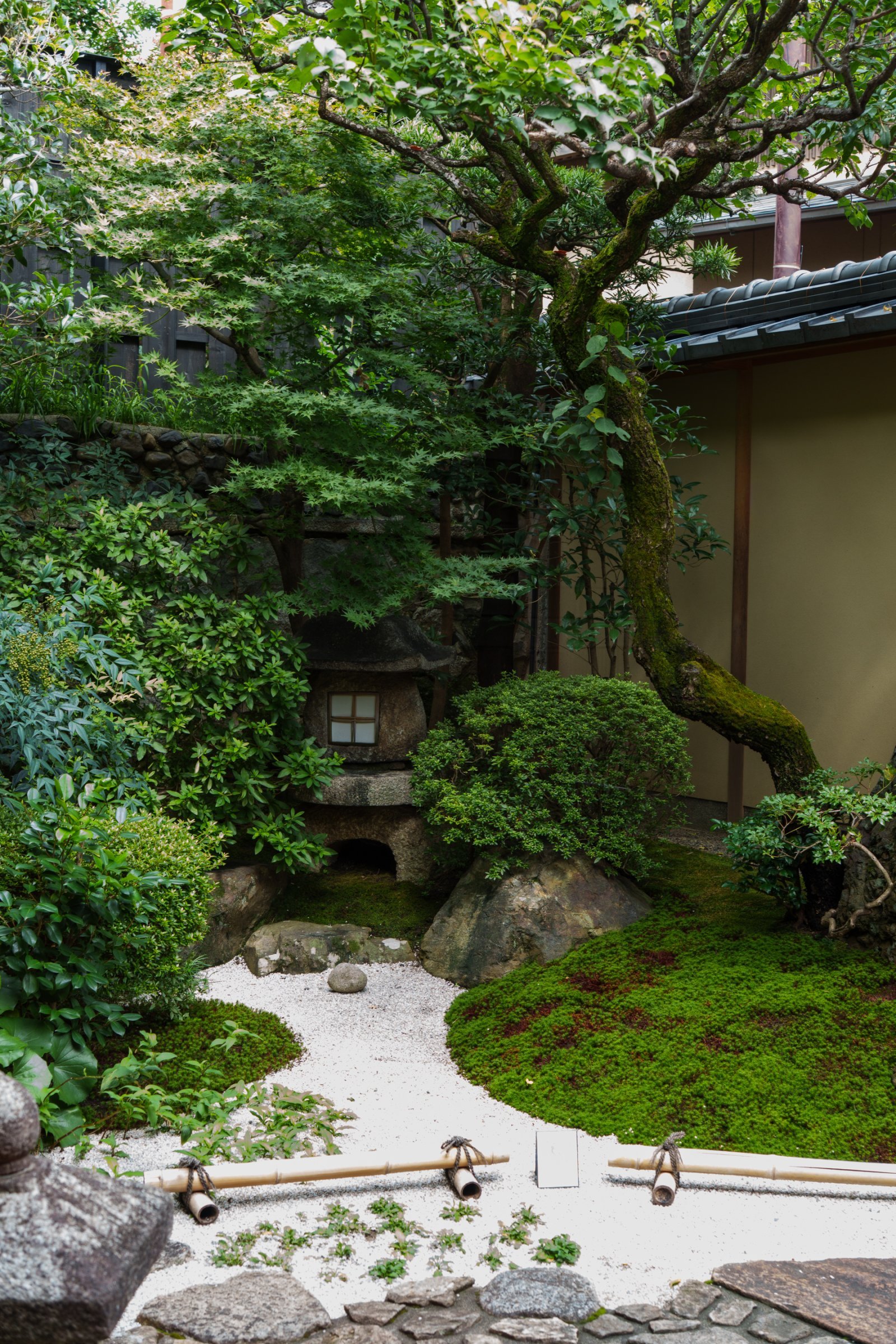
Even a grown man like me can enjoy the atmosphere of traditional Japanese coffeehouse culture and the elegance of a small Japanese courtyard garden here.
Above all, this café sits along Ishibe Koji, one of the most beautiful streets Japan has to offer.
Isn’t being able to spend time in a place like this a luxury that is hard to replace?