Ken Kawasaki, the Japanese Chef Hiding Out in Montmartre
At his eponymous restaurant, he offers sophisticated Franco-Japanese gastronomy that is characterised by harmony.
View this post on Instagram
With just 14 seats along a wooden counter and a traditionally Japanese open kitchen, this is Ken Kawasaki, the restaurant launched by the chef of the same name in June 2016, with the kitchens now run by his son Ryohei.
The chef, who launched Noborimachi Saryo in Hiroshima at the same time, offers diners sophisticated cuisine that straddles two continents, and that has been awarded a Michelin star.
Ingredients sourced from France and Japan
Ryohei Kawasaki does not yield to simplicity, however. With a liberal interpretation of Franco-Japanese cuisine, the chef does not hesitate to pair mochi with grapefruit and dauphinoise gratin with grated wasabi. The ingredients are sourced from both France and Japan, and the preparation methods vary in much the same way.
There is just one theme: harmony on the plate, served with calligraphic precision.
More information on Ken Kawasaki can be found on the restaurant’s website.
View this post on Instagram
View this post on Instagram
View this post on Instagram
View this post on Instagram
TRENDING
-
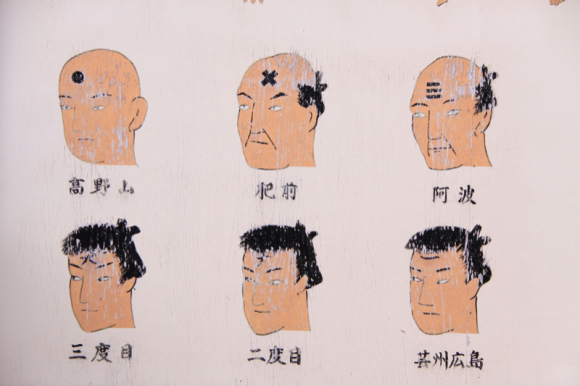
The Tattoos that Marked the Criminals of the Edo Period
Traditional tattoos were strong signifiers; murderers had head tattoos, while theft might result in an arm tattoo.

-
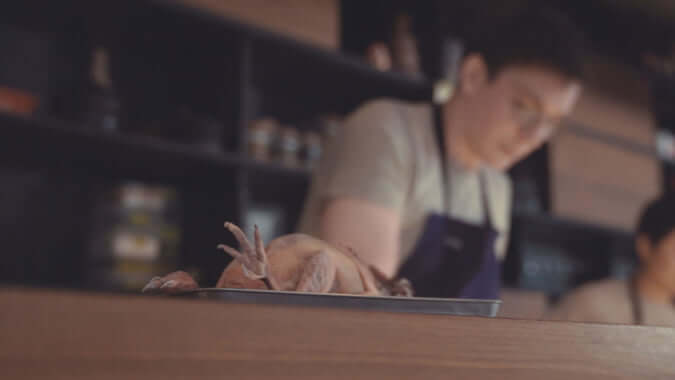
Paris, Tokyo: Robert Compagnon
With his co-chef and talented wife, Jessica Yang, Robert Compagnon opened one of the top new restaurants in Paris: Le Rigmarole.
3:31 -
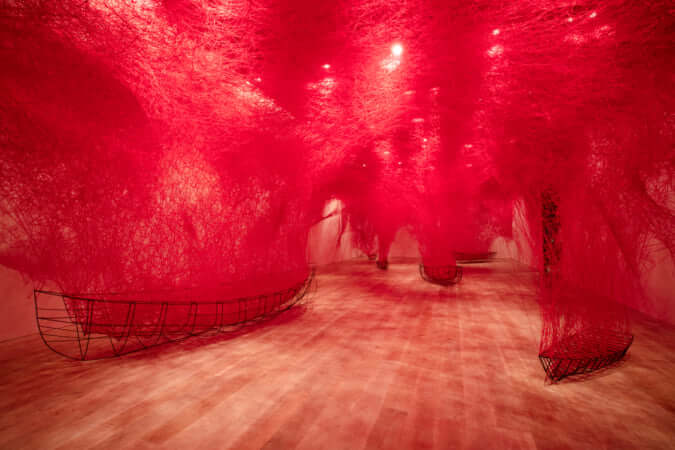
Chiharu Shiota, Red Threads of the Soul
Last year, more than 660,000 people visited the retrospective 'Chiharu Shiota: The Soul Trembles' exhibit at the Mori Art Museum.
-
‘Before Doubting Others, Doubt Yourself. Who Can Truly Say a Dish Isn’t What It Used to Be?’
In ‘A Non-Conformist’s Guide to Surviving Society’, author Satoshi Ogawa shares his strategies for navigating everyday life.
-
The Story of Sada Yacco, the Geisha who Bewitched Europe
Described by Dazed magazine as the first beauty influencer, she has been restored to her former glory since 2019.